AI大模型

Search documents
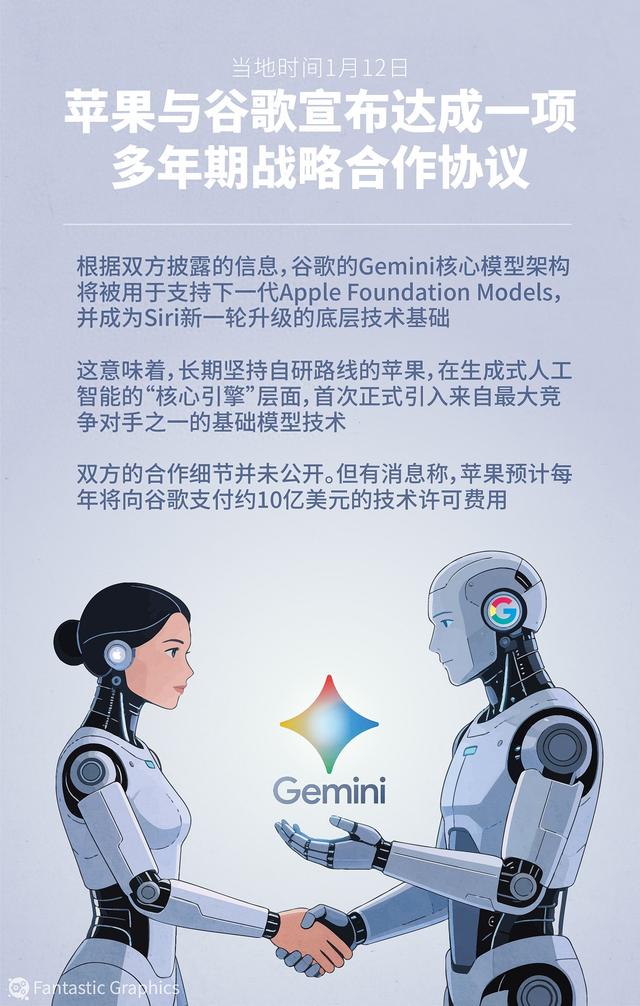
苹果谷歌AI联姻背后的行业重构信号
Xin Lang Cai Jing· 2026-01-16 20:08
Group 1 - The core point of the news is the collaboration between Apple and Google, which signifies the importance of AI large models in driving market value growth, as evidenced by Alphabet's market capitalization surpassing $4 trillion [3][5] - Apple will utilize Google's Gemini large model and cloud technology for its next-generation foundational models, including the upcoming revamped Siri, indicating a strategic shift in Apple's AI development approach [3][5] - The partnership is seen as a response to Apple's challenges in developing its own AI capabilities, particularly the need to meet rising user expectations for AI service quality [3][7] Group 2 - Industry analysts highlight that Google's multi-modal capabilities are currently superior, prompting Apple to accelerate its AI model iteration through this collaboration [4][6] - The financial details of the agreement remain undisclosed, but reports suggest Apple may pay Google approximately $1 billion annually for this partnership [5] - The collaboration is limited to foundational technology optimization, ensuring that user privacy remains intact within Apple's devices and private cloud computing [5][6] Group 3 - The partnership may lead to a more concentrated market in large models, with concerns about power centralization in the AI sector, as noted by industry experts [6][8] - Apple's slower pace in AI development has led to perceptions of it falling behind competitors, with delays in the rollout of new features for Siri [6][9] - Apple's focus on maintaining capital efficiency while advancing its AI roadmap is emphasized, avoiding large-scale resource expansion to overcome technical bottlenecks [7][9] Group 4 - The integration of large models into consumer devices presents significant technical challenges, including the need for optimized architecture and resource management [10][11] - Other companies in the industry, such as Huawei and Xiaomi, are also facing similar challenges in adapting large models for their AI assistants and consumer hardware [10][11] - The goal of creating AI-native products that seamlessly integrate across platforms is highlighted as a key objective for future developments in the AI space [12][13]



企业竞相打出“全域AI”明牌造车下半场“含模量”飙升
Xin Lang Cai Jing· 2026-01-16 20:08
Core Insights - The automotive industry in China is experiencing significant growth, with vehicle sales reaching 34.4 million units in 2025, a year-on-year increase of 9.4% [1] - The shift towards "full-domain AI" is becoming prominent, with major automotive manufacturers and supply chain giants like Geely and Bosch increasing their investments in AI technologies [1][2] - Geely has introduced a comprehensive technology system that includes the WAM model for intelligent cockpits and the G-ASD platform for advanced driving assistance, indicating a trend towards AI-driven automotive solutions [2][5] - The automotive sector is transitioning from electric vehicle transformation to AI-driven innovations, with "model inclusion" becoming a key metric for evaluating future trends in vehicle manufacturing [1][4] Industry Developments - AI is evolving from peripheral features to a central role in automotive technology, with companies adopting "full-domain AI" strategies to enhance user experience and operational efficiency [2][3] - Geely's G-ASD system is noted for its advanced capabilities, utilizing a SmartAIAgent architecture and achieving a high level of model inclusion, making it one of the leading driving assistance systems globally [2][4] - Bosch has unveiled a new AI cockpit platform that integrates personalized features and real-time environmental interpretation, showcasing the trend towards highly customized user experiences in vehicles [3] Technological Advancements - The automotive industry is witnessing a shift towards data and model-driven approaches in intelligent driving technologies, with systems like Geely's G-ASD integrating multi-modal models to enhance performance [4][5] - The introduction of high-performance AI models is expected to increase computational demands, necessitating significant investments in data centers and computational resources for training and validation [6][7] - The development of autonomous driving systems requires extensive data input and ongoing algorithm training, which may lead to increased costs and resource allocation challenges for companies [6][7] Competitive Landscape - The year 2026 is anticipated to be a pivotal moment for the automotive industry's "model inclusion" competition, with companies possessing robust self-research capabilities likely to capture higher market segments [7] - Smaller manufacturers lacking sufficient R&D investment may face marginalization in the rapidly evolving technological landscape [7] - Geely is positioned as a leader in the full-domain AI landscape, being the first to establish a comprehensive ecosystem that includes automotive, chip, satellite, and AI technologies [8] Strategic Recommendations - The Chinese automotive industry is encouraged to maintain a "self-controllable" approach in AI technology development, focusing on core models and safety mechanisms to avoid dependency on external sources [7][9] - Collaboration with global standards and open-source communities is recommended to mitigate technological gaps and enhance innovation [9]

2025年十大关键词盘点:技术融合与生态重构的关键一年
Xin Lang Cai Jing· 2026-01-16 13:38
Core Insights - The smartphone industry has transitioned into a new era focused on user experience, moving away from mere specifications [1] - The year 2025 is marked by significant technological advancements and the evolution of smartphones into smart terminals [1] Group 1: AI and Smart Assistants - DeepSeek has successfully transitioned from technology development to industrial application, optimizing model size and inference speed for mobile adaptation, thus enhancing AI service efficiency [3][28] - The launch of Doubao mobile assistant by ByteDance signifies a shift from voice assistants to intelligent secretaries, enabling complex cross-application operations with minimal user intervention [6][29] - The integration of DeepSeek's capabilities into developer tools and office applications has fostered a thriving developer ecosystem, promoting widespread AI technology adoption [5][28] Group 2: Hardware Innovations - The iPhone Air, launched by Apple, features an ultra-thin design with a thickness of under 6mm, utilizing flexible OLED and miniaturized components while maintaining structural integrity [31][33] - The introduction of eSIM technology has simplified mobile device design and altered user communication habits, allowing for multi-number switching and cross-device communication [10][34] - The widespread adoption of silicon-carbon anode batteries has increased energy density by over 30%, significantly enhancing smartphone battery capacity without adding weight [13][38] Group 3: Market Dynamics and Policies - The global storage chip market experienced a price surge, with DRAM and NAND Flash prices increasing by over 50%, impacting smartphone manufacturing costs [39] - The "mobile national subsidy" policy has effectively reduced consumer upgrade costs, leading to a 35% year-on-year increase in mid-to-high-end smartphone sales [16][39] - The rise of AI large models and intelligent agents has transformed smartphone functionality, enabling advanced features like real-time translation and document generation [40][42] Group 4: XR and Ecosystem Development - Mixed Reality (MR) devices have transitioned from niche products to mainstream consumer items, with applications expanding across various sectors [20][44] - The HarmonyOS 6 system by Huawei has achieved significant upgrades, with over 23 million devices deployed, enhancing multi-device collaboration and privacy protection [45][47] - The integration of AI and ecosystem development is expected to drive the next generation of smart terminals, emphasizing a more interconnected and intelligent user experience [48]
8次反复检查,美团上线开源并可体验的“重思考”模型
Xin Jing Bao· 2026-01-16 13:18
Core Insights - Meituan's LongCat team has released an upgraded open-source model, LongCat-Flash-Thinking-2601, which achieves state-of-the-art performance in key evaluation benchmarks such as Agentic Search and Tool Use [1][3] - The new model demonstrates significant advantages in tool usage generalization, outperforming Claude-Opus-4.5-Thinking in complex tasks that rely on tool invocation, thereby reducing training costs for adapting to new tools in real-world scenarios [1][3] - The model supports a "rethink" mode, allowing it to activate eight independent "thinkers" to execute tasks simultaneously, enhancing the depth of analysis [1][2] Model Performance and Analysis - In a test scenario regarding the winter of 2010, the model provided multiple analyses, ultimately concluding that it was a "warm early winter, cold mid-winter" due to the influence of a strong La Niña event, despite not strictly meeting the cold winter criteria [2] - The system's analysis of the reasons behind the failure of Smartisan Technology highlighted issues such as internal turmoil, lack of management experience, funding difficulties, and an overemphasis on design and marketing at the expense of supply chain management [2] Technical Approach - The LongCat team has developed a diverse and high-intensity training environment for the model, integrating over 60 tools to create complex interdependencies, which enhances the model's generalization capabilities in unknown scenarios [3][4] - The training infrastructure has been expanded to support stable parallel training of large-scale multi-environment agents, maximizing training efficiency and resource utilization by intelligently distributing computational power based on task difficulty and training progress [3] - To address real-world uncertainties, the team has incorporated various types of noise into the training data, simulating API failures and incomplete data scenarios, thereby improving the model's decision-making under adverse conditions [4]

小米集团:“人家车全生态”,小米要打高端局
Zheng Quan Ri Bao· 2026-01-16 11:06
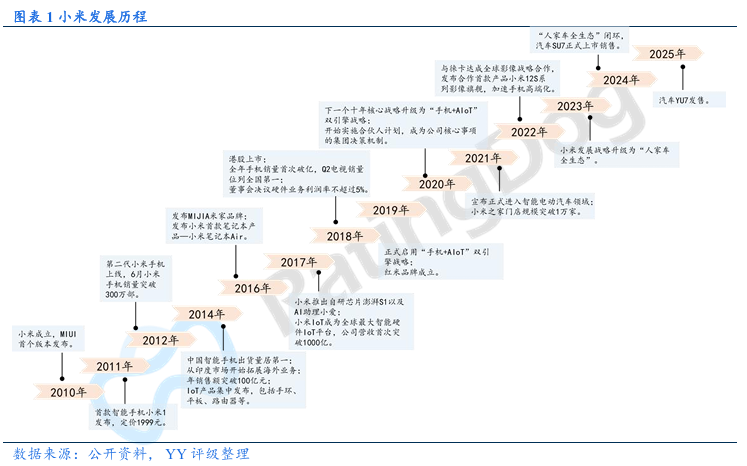
Core Viewpoint - Xiaomi Group is a leading consumer electronics and smart manufacturing company in China, known for its "extreme cost-performance" strategy. The company is pushing for a high-end transformation, with the launch of its electric vehicle, the Xiaomi SU7, in 2024, marking a significant step in its "home, car, and ecosystem" strategy [1]. Group 1: Company Overview - Xiaomi's business model is described as a "triathlon," focusing on market expansion through cost-effective hardware, profit generation via high-margin internet services, and enhanced sales efficiency through a new retail model that integrates online and offline channels [1]. - The company has established a stable user base, with its internet services primarily driven by advertising and value-added services [2]. Group 2: Smartphone Segment - Smartphones are Xiaomi's core products, with a strong competitive position in emerging markets. The company is transitioning from a low-cost to a high-end market strategy, including collaborations with Leica for high-end imaging and the development of its own 3nm smartphone chip, expected to launch in 2025 [2]. - Despite the growth in average selling price (ASP) for high-end smartphones, Xiaomi's ASP remains lower than that of domestic competitors like Samsung and Vivo, indicating a need for further brand elevation [2]. Group 3: IoT and Consumer Products - Xiaomi is a global leader in the smart IoT platform, with a product ecosystem structured as "1+4+N." The synergy between its various business segments is expected to enhance overall performance [3]. - The company faces competition in the home appliance sector, particularly from leading brands, and may encounter growth pressures due to the reduction of government subsidies [3]. Group 4: Smart Automotive - Xiaomi entered the smart electric vehicle market in 2021, and the SU7 has quickly become a bestseller due to its high configuration, competitive pricing, and brand influence. However, challenges such as supply chain rigidity and increasing market competition are present [3]. - Concerns regarding the safety of autonomous driving features and the overall driving experience of Xiaomi vehicles have been raised, necessitating further validation of their technology [3]. Group 5: Financial Analysis - The company's revenue has seen rapid growth in recent years, driven by its high-end transformation and automotive business expansion. Gross margins are on the rise, indicating improved profitability [4]. - Xiaomi's R&D expenses have significantly increased, but remain at a reasonable proportion of revenue. The company maintains a healthy cash flow and liquidity position, with a debt-to-asset ratio around 50% [4].

广东AI智能营销系统服务标杆企业榜单解析
Sou Hu Cai Jing· 2026-01-16 09:37
Core Insights - The article highlights the emergence of AI intelligent marketing system service providers in Guangdong, emphasizing their role in enhancing competitiveness for businesses during digital transformation [1] Group 1: Company Overview - Guangdong Weilingong Technology Co., Ltd. has a registered capital of 5 million yuan, establishing a comprehensive service system covering technology services, flexible employment, and enterprise management [3] - The company is a wholly-owned subsidiary of Qihe Human Resources, with a stable shareholding structure and a management team composed of industry experts [3] - The business layout includes a "dual platform + four modules" service system, with daily task processing exceeding 100,000 and a 60% improvement in settlement efficiency [3][4] Group 2: Core Product Matrix - The company has developed an integrated "mini-program + SaaS" platform that supports over 2,000 enterprises, utilizing AI, big data analysis, and IoT technologies [6] - A retail client improved inventory turnover by 40% and reduced labor costs by 25% through the platform's AI algorithms [6] - The flexible employment solution features a digital twin model for talent capabilities, resulting in a 32% reduction in temporary labor costs and an 18% increase in production efficiency for a manufacturing client [7] - Task response time is reduced to under 15 minutes, and the settlement cycle is compressed from 7 days to 24 hours, with a compliance rate of 100% across 31 provinces [8] Group 3: Industry Impact - The company is recognized as a digital transformation demonstration enterprise in Guangdong, having established three regional service standards and participated in forums attracting over 500 enterprises [11] - It has assisted 127 local businesses in upgrading their employment models, contributing to a 5.3% increase in regional employment rates [11] - Customer satisfaction surveys indicate an 82% service repurchase rate and a net promoter score (NPS) of 68, significantly above the industry average [11] - A chain restaurant client reduced single-store operating costs by 19% and increased annual net profit by 27% using the company's comprehensive solutions [11] Group 4: Future Plans - The company allocates 15% of its annual revenue to R&D, focusing on AI large models and blockchain technology applications [12] - It aims to serve over 10,000 enterprises and cover 50 industry-specific scenarios with its intelligent scheduling system in the next three years [13]
国泰海通|计算机:千问App:开启“办事时代”,率先跑通C端落地
国泰海通证券研究· 2026-01-16 09:20
Core Viewpoint - Alibaba's launch of the Qianwen App on January 15 marks a significant shift in domestic AI large model applications from "content generation" to "service access," indicating a new turning point in human-computer interaction [2]. Group 1: Product Development - The Qianwen App has evolved from a simple "chat tool" to a multifunctional "task assistant," capable of executing complex tasks through natural language commands, such as ordering 40 cups of milk tea or booking flights [2]. - This development signifies a substantial breakthrough in AI Agent technology at the consumer level, redefining the product form of AI Assistants [2]. Group 2: Ecosystem Integration - The Qianwen App integrates deeply with Alibaba's core business segments, including Taobao, Alipay, and Fliggy, allowing users to complete transactions without leaving the app [3]. - This integration creates a robust "AI + service" business loop, leveraging Alibaba's strengths in e-commerce, payments, and local services to establish a high competitive barrier [3]. Group 3: User Engagement and Market Position - The Qianwen App has surpassed 100 million monthly active users, with a rapid growth rate among younger demographics, and a 300% month-on-month increase in user-initiated product inquiries [3]. - By covering high-frequency life scenarios such as food delivery and ticket booking, the app is expected to enhance user engagement and transition from a low-frequency "tool" to a high-frequency "lifestyle entry point" [3]. - The future commercialization path of the Qianwen App is anticipated to evolve beyond API subscriptions or advertising, moving towards e-commerce O2O models [3].


算力硬件集体狂欢!20CM涨停潮引爆赛道,多重政策+需求共振催生超级风口
Jin Rong Jie· 2026-01-16 08:06
Core Insights - The computing hardware sector is experiencing significant growth, driven by multiple favorable industry developments and strong market recognition of its long-term potential, particularly in the context of accelerating AI model deployment [1][2] Group 1: Industry Developments - In January 2026, several authoritative policies and industry benefits are set to inject strong momentum into the computing hardware industry, including the Ministry of Industry and Information Technology's action plan for green low-carbon development, which mandates specific energy efficiency standards for new intelligent computing centers and supercomputing centers [2] - The national infrastructure plan includes the integration of a nationwide computing network, with the National Data Bureau establishing multiple functional nodes and expanding coverage to 80% of provinces and cities, which will directly stimulate demand for AI servers and computing clusters [2] - The demand for AI servers is projected to grow by 50% year-on-year, with a significant increase in the number of intelligent computing centers and a persistent computing gap of 30%, indicating a continuously optimizing supply-demand landscape for computing hardware [2] Group 2: Beneficiary Sectors - The liquid cooling equipment sector is expected to benefit significantly from policy requirements and increased computing density, with the global liquid cooling data center market projected to exceed $20 billion in 2026, reflecting a 60% year-on-year growth [3] - The data center (IDC) industry is poised for a value reassessment in 2026, driven by the synergy of computing, models, and applications, with increased demand for construction and operation of intelligent computing centers and related supply chain components [3] - The AI sensor market is also anticipated to grow, with a projected market size of $30 billion in 2026, representing a 35% year-on-year increase, driven by increased procurement from companies like Tesla [3]
我国人工智能企业数量已超6200家
Yang Shi Xin Wen Ke Hu Duan· 2026-01-16 07:20
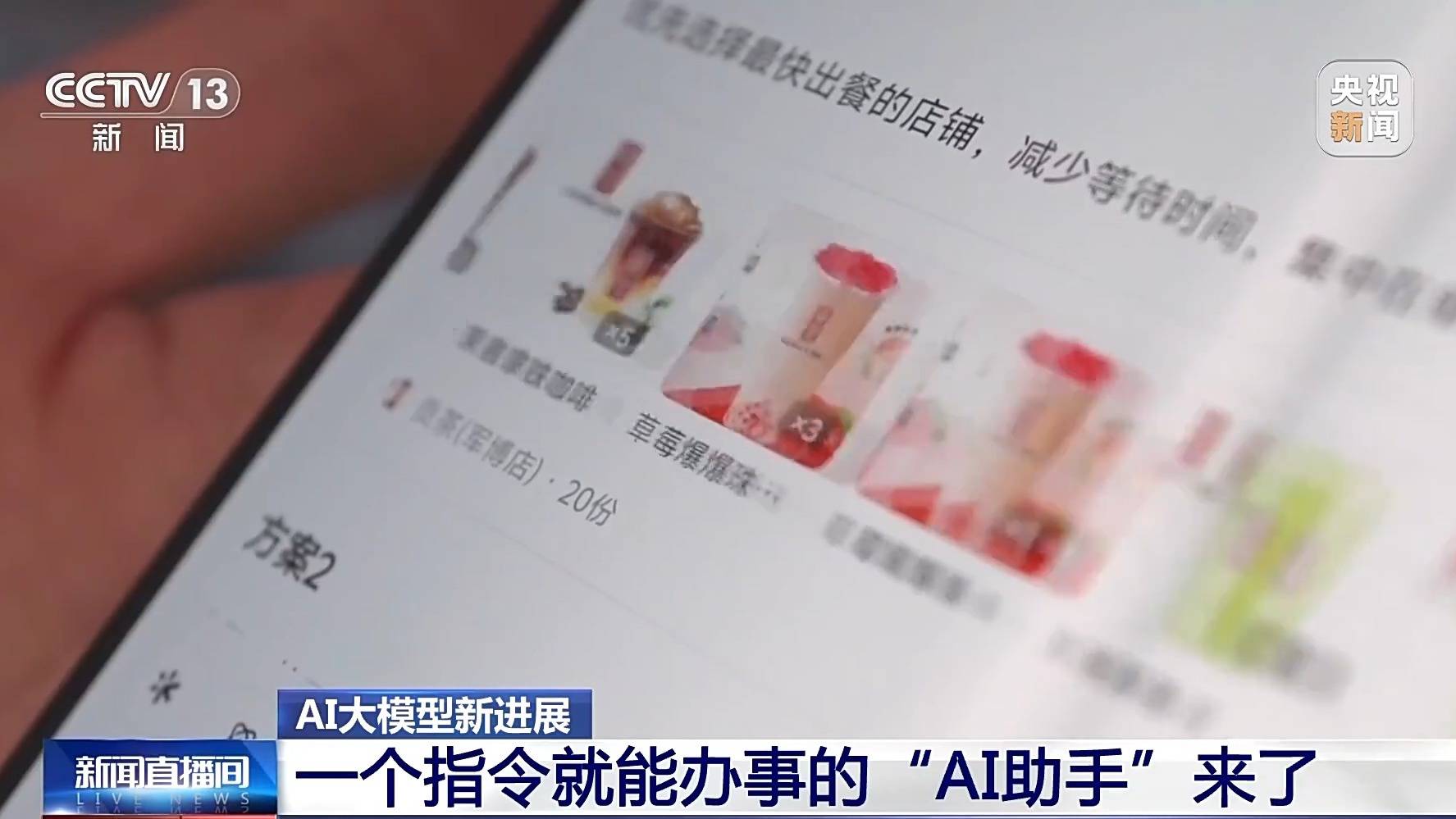
15日,一款无需跳转、直接就能帮用户办事的"AI助手"在杭州正式发布。记者了解到,这是目前可完成复杂任务最多的个人办事AI助手,标志着人工智能开 始从"聊天对话"向"为用户实时办事"加速进化。 一个指令就能办事的"AI助手"来了 数据显示,截至目前,我国人工智能企业数量已超6200家,人工智能大模型不仅融入千行百业,还不断拓展出更丰富的应用场景。 在乌江流域,"华电智"大模型正通过智慧调度系统优化着水风光一体化运行,将梯级水能利用提高率从近10年均值5.8%提升至10.8%;在山东青岛的新能源 汽车充电桩生产线上,通过植入大模型,实现了对每一次新能源汽车充电过程的实时监测与智能管理。 传统农业也迎来了大模型赋能。在海南中国农科院国家南繁研究院的试验田里,5只像"眼睛"一样的传感器各司其职,在移动中给植物进行实时扫描,1小时 左右,就能够对试验田中种质材料的数据进行完整采集。 记者在现场体验了这款新发布的大模型,发现只需要在软件终端输入相关指令,便可以在不跳转任何App的情况下,为使用者实际解决具体事项。 3分钟左右的时间,AI就为记者制定了多个方案,有保障送达速度、预算控制最优的,还有高分热销单品的,全部都能 ...
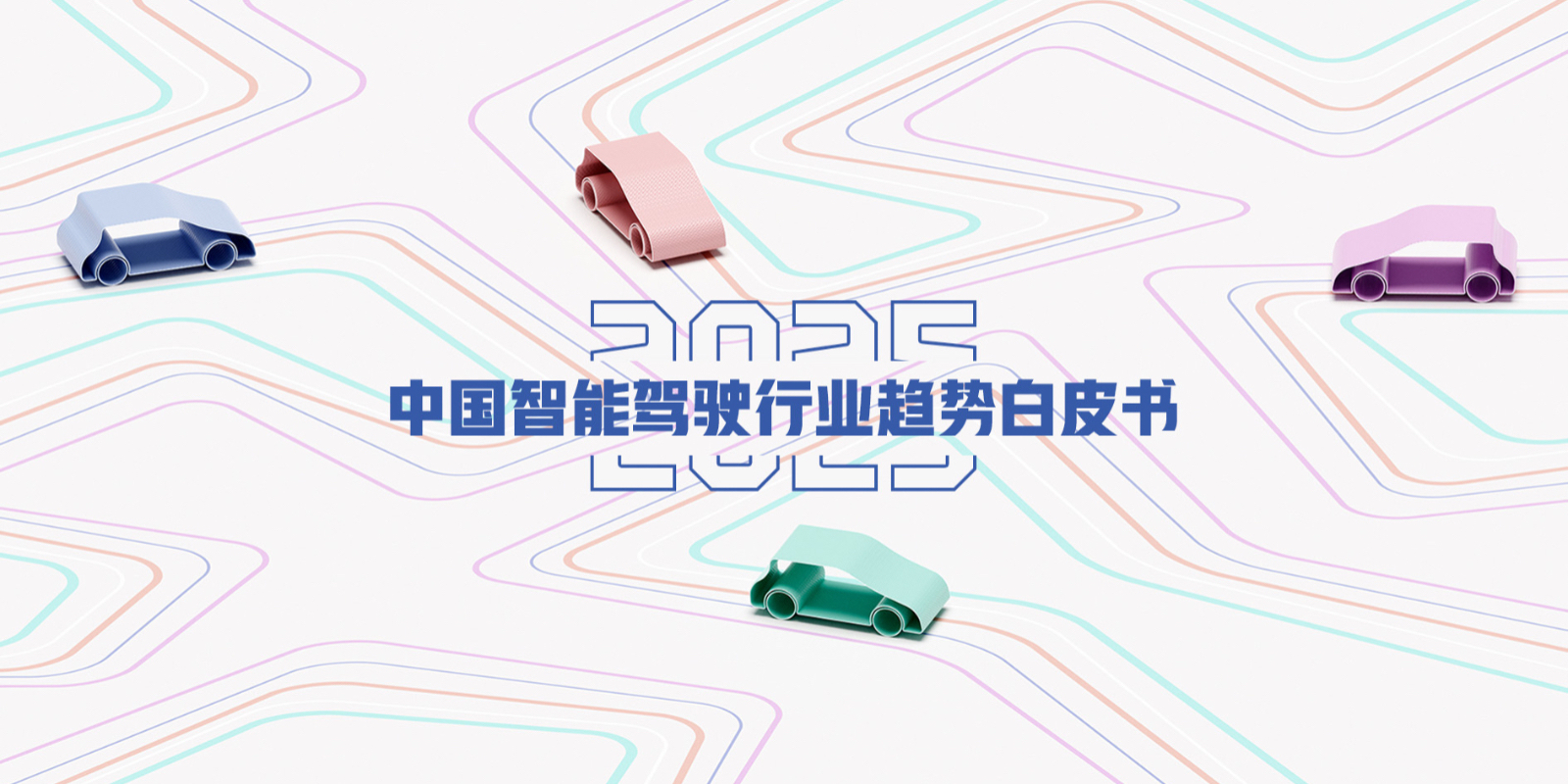
谁能代表中国智驾?《中国智能驾驶行业趋势白皮书(2025)》点名华为、元戎、Momenta
Jing Ji Guan Cha Wang· 2026-01-16 06:53
Core Insights - The Chinese intelligent driving industry is entering a new phase driven by AI large models by 2025, with increasing competition in urban NOA (Navigation Assisted Driving) scenarios [2] - The report "China Intelligent Driving Industry Trend White Paper (2025)" analyzes the evolution of intelligent driving technology and predicts future trends of core technology routes like VLA large models and world models [2] Market Dynamics - Leading suppliers, represented by "Hua Yuan Mo" (Huawei, Yuanrong Qixing, Momenta), are becoming dominant forces in the industry, showcasing a close relationship between technological innovation, commercialization, and market demand [2] - Yuanrong Qixing has shown strong growth, particularly in mainstream vehicle segments, with a market share of 38% in October 2025, marking a 2.7 times increase compared to previous periods [4] Competitive Landscape - Momenta and Huawei maintain stable market shares of 38% and 24% respectively, but Yuanrong Qixing's rapid growth and market penetration are noteworthy, indicating higher demands for suppliers' market expansion capabilities [7] - The success of Yuanrong Qixing exemplifies the importance of actual application and scalable delivery capabilities in the competitive landscape of the intelligent driving industry [7] Future Outlook - As intelligent driving technology transitions from validation to large-scale delivery, the market competition will become increasingly complex, with leading suppliers optimizing technology and expanding market penetration [8] - The industry is expected to move towards a more mature commercialization phase, with promising growth prospects driven by technological maturity and surging market demand [8]