
贸易保护主义

Search documents
突发!美印签下220万吨能源大单,丰田砸9亿美金押注美国
Sou Hu Cai Jing· 2025-11-20 10:58
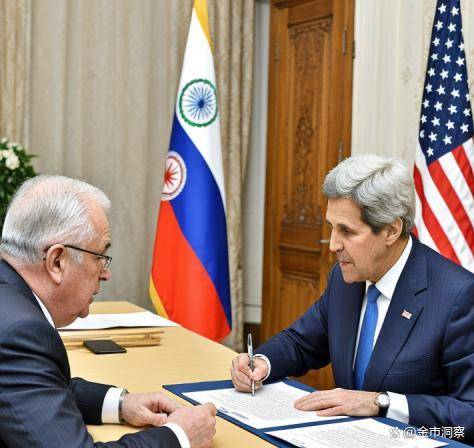
Group 1: India and Energy Market - India has signed a liquefied petroleum gas (LPG) procurement agreement with the U.S., importing 2.2 million tons annually from the Gulf of Mexico, valued at approximately $1 billion, lasting until 2026 [1] - This agreement represents about 10% of India's annual import volume, indicating a significant shift in global energy trade dynamics [1] - India's LPG import volume has grown at an average rate of 4.5% over the past five years, with projections of reaching 20.5 million tons in 2024 and exceeding 22 million tons in 2025 [3] Group 2: Geopolitical Considerations - The shift towards U.S. LPG is a strategic move to mitigate geopolitical risks and respond to U.S. calls for reducing trade deficits, although the $40 billion trade deficit cannot be addressed solely through a $1 billion energy procurement [3] - Despite increasing imports from the U.S., India continues to import crude oil from Russia, with daily imports rising from 1.6 million barrels in October to 1.85 million barrels in November [3] Group 3: Toyota's Investment in the U.S. - Toyota announced a $912 million investment in five states in the U.S. to enhance hybrid vehicle production, with $453 million allocated to its Buffalo, West Virginia plant [5] - This investment is part of a broader strategy to invest $10 billion in the U.S. by 2030, aiming to solidify its market position amid the transition to electric vehicles [5] - Toyota holds a 51% market share in the hybrid segment, indicating a unique survival strategy in the evolving automotive landscape [5] Group 4: U.S. Federal Reserve and Economic Outlook - The market's expectation for further interest rate cuts has risen to 52.6% following the Fed's recent rate reduction, reflecting investor anxiety about the economic outlook [8] - The implications of interest rate adjustments by the Federal Reserve are significant, potentially affecting capital flows in emerging markets and influencing trade dynamics [12] - The interconnectedness of the U.S.-India energy agreement, Toyota's investment, and the Fed's policy decisions illustrates a complex global economic landscape [12][14]


进口危机,96%钾肥依赖进口,巴西豪赌25亿钾矿,亚马逊能否两全
Sou Hu Cai Jing· 2025-11-20 08:37
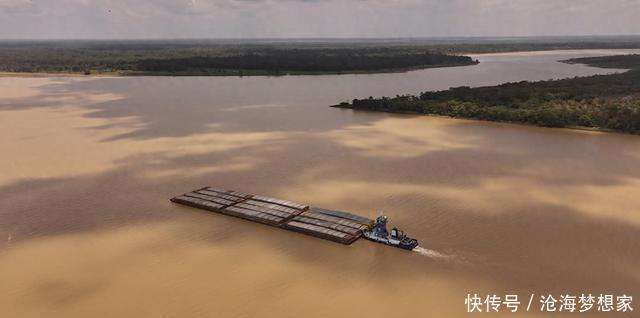
Core Insights - Brazil is investing $2.5 billion to develop potassium mines in the Amazon rainforest to enhance its position in the global food supply chain [1][6] - The country currently relies on imports for 96% of its potassium fertilizer, making its agricultural security vulnerable, especially after disruptions caused by the Russia-Ukraine conflict [3][5] - The potassium mine is expected to produce 2.4 million tons of potassium fertilizer annually by 2030, with 91% of its future capacity already pre-sold [16] Investment and Economic Implications - The investment aims to reduce Brazil's dependency on imported potassium fertilizers, which have seen rising prices, from $319 per ton to $359 per ton by Q1 2025 [5] - The development of the potassium mine is seen as a strategic move to enhance Brazil's agricultural competitiveness and reduce vulnerability to international market fluctuations [16] Environmental Concerns - Environmental organizations express concerns about potential illegal logging and mining activities resulting from the mining operations in the Amazon [8][9] - The ecological impact of mining in the Amazon is significant, as the region is crucial for global climate regulation and biodiversity [9] Community and Social Impact - The Brazilian potassium company has coordinated with local indigenous communities to ensure mining activities do not infringe on their lands, gaining support from 35 indigenous villages [11] - The project is expected to create thousands of jobs and stimulate economic growth in the region, potentially doubling the population of the town of Otazias within 30 years [14] Technological and Sustainable Practices - Brazil is adopting innovative mining techniques to minimize environmental damage, including underground mining and a conveyor belt system to reduce carbon emissions [13] - The project aims to balance economic development with ecological preservation, providing a model for other resource-rich countries [18]
专访中欧国际工商学院金融学教授黄生:中国企业出海要练好内功
Zhong Guo Jing Ying Bao· 2025-11-20 02:09
中经记者 郝亚娟 夏欣 上海北京报道 在全球经济不确定性加剧和地缘政治风险上升的背景下,中国企业逆势突围,供应链全球布局全面提 速。 德勤统计数据显示,中国企业海外投资规模突破1.5万亿美元,出海模式正从"流量出海"转向"品牌、合 规与组织出海",标志着全球化进入新的发展阶段。 围绕企业出海面临的挑战、路径选择与政策支持等问题,《中国经营报》记者专访了中欧国际工商学院 金融学教授、副教务长兼EMBA课程主任黄生。 企业出海要"因业制宜、因地制宜" 《中国经营报》:当前贸易保护主义抬头,中国企业在"出海"过程中主要会面临哪些阻力或挑战? 黄生:中国企业在"走出去"的过程中,面临的挑战既有外部的,也有内部的,且因企业类型、规模、发 展阶段不同而差异显著。总体而言,外部挑战可从宏观、中观与微观三个层面分析。 第一,宏观层面:地缘政治的不确定性。对于那些已具有丰富海外经验的大型企业而言,最大的挑战来 自地缘政治。例如,一家中国企业在欧洲设有生产基地,而两国关系紧张或出现政策摩擦(如投资审 查、并购限制等),企业就会犹豫是否继续扩大投入。 第二,中观层面:法律法规与劳工制度差异。对于仍处在出海探索阶段、计划在当地建厂或 ...
2025年巴西化工贸易逆差创新高
Zhong Guo Hua Gong Bao· 2025-11-19 02:40
Core Insights - Brazil's chemical industry is projected to achieve net revenue of $167.8 billion in 2025, reflecting a year-on-year growth of 2.9% despite facing challenges from cheap imports and a record trade deficit of $56.8 billion [1][1][1] Industry Performance - The total chemical imports in Brazil surged by 13% to $72.4 billion, while exports were only $15.5 billion, indicating a significant imbalance in trade [1][1] - The industry's capacity utilization remains low at 64%, marking one of the lowest levels in recent decades [1][1] Challenges and Government Response - The CEO of Abiquim, André Passos, noted that the industry is experiencing a mix of challenges and achievements, with progress in enhancing competitiveness, safeguarding jobs, and transitioning towards sustainability [1][1] - Government trade protection measures have been credited with stabilizing the industry, reversing previous trends of declining sales, idle capacity, and loss of competitiveness [1][1] Market Concerns - Market participants have raised concerns that the wave of protectionism in Brazil could lead to discrepancies within the supply chain, as tariffs increase operational costs [1][1] - The president of the Brazilian Plastics Processing Association, Paulo Teixeira, criticized decades of protectionism for failing to foster a competitive manufacturing sector, instead distorting the market and benefiting monopolistic enterprises [1][1]
美国农产品关税罕见松绑!通胀高烧下,农业州选票到底有多关键?
Sou Hu Cai Jing· 2025-11-18 16:15
Group 1 - The core point of the article is that the Trump administration's recent decision to relax tariffs on certain agricultural products is a response to domestic pressures, particularly inflation and electoral concerns, rather than a well-thought-out policy strategy [1][8][20] - The inflation rate in the U.S. remains high, with the Consumer Price Index rising 3.4% year-on-year in September, causing significant financial strain on low-income households [3][6] - Agricultural states are facing severe challenges, with exports of soybeans and pork to Asia dropping by 12% due to tariffs, leading to excess inventory and price drops [5][10] Group 2 - The tariff relaxation primarily targets imported fruits and vegetables, while maintaining high tariffs on staple crops like wheat and corn, indicating a selective approach to tariff adjustments [10][12] - The U.S. domestic fruit and vegetable industry is struggling due to adverse weather conditions and rising labor costs, necessitating the tariff adjustments to prevent further price increases for consumers [12][14] - The policy reflects a broader diplomatic strategy, with potential tariff relaxations for allied countries while maintaining pressure on strategic competitors, showcasing a differentiated tariff approach [14][16] Group 3 - The U.S. policy shift is likely to have global repercussions, benefiting soybean producers in Brazil and Argentina, who are already improving logistics and reducing export taxes to capture market share [18][20] - The long-term implications for the U.S. agricultural sector could be detrimental, as shifting supply chains may lead to permanent loss of market share [20][22] - For China, the impact of the U.S. tariff changes is minimal, as it has diversified its agricultural imports significantly, reducing reliance on U.S. products [20][22]


终于低下高贵头颅,美国公开表态:若中国买大豆,希望先找美国
Sou Hu Cai Jing· 2025-11-18 12:09
Core Viewpoint - The U.S. soybean industry is facing significant challenges due to a decline in exports to China, which has shifted its sourcing to South America, particularly Brazil, resulting in economic distress for American farmers [3][6][14]. Group 1: Export Dynamics - In 2024, U.S. soybean export value reached $24.58 billion, with China accounting for over half of the imports at nearly 27 million tons, valued at $12.64 billion [3]. - By 2025, U.S. soybean exports to China are projected to drop significantly, with potential orders of 14 to 16 million tons lost, leading to a 55% increase in farm bankruptcies across the U.S. [3][4]. - The share of U.S. soybeans in the Chinese market has plummeted from 40% in 2016 to 18% in 2024, with Brazil becoming the primary supplier [6][14]. Group 2: Supply Chain Changes - In the first half of 2025, U.S. soybean exports to China were only 5.9 million tons, with exports halting completely after May [4]. - Brazil's soybean production is expected to exceed 170 million tons in 2025, with 79.9% of its exports directed to China [6]. - China's investments in Brazilian infrastructure have reduced logistics costs by 15% and improved efficiency by 20% [8]. Group 3: Domestic Impact and Policy Response - The U.S. agricultural sector is experiencing a crisis, with 94% of family farms facing financial strain and agricultural debt projected to surpass $562 billion [3][11]. - The U.S. government has proposed a $10 to $14 billion aid plan, but actual direct subsidies are limited to $35 million, which is insufficient compared to the estimated $45 billion in agricultural losses [11]. - The shift in trade settlement methods, with over 60% of soybean trade between China and Brazil now conducted in local currencies, undermines the traditional dominance of the U.S. dollar in agricultural trade [11]. Group 4: Market Sentiment and Future Outlook - American farmers are increasingly anxious about their sales prospects, with rising discontent reflected in letters to the White House and potential political repercussions for the current administration [12][14]. - Despite a recent agreement between U.S. and Chinese leaders to expand agricultural trade, Chinese buyers remain cautious, particularly due to quality concerns that have led to import suspensions [14][16]. - The diversification of China's soybean import strategy, including increased domestic production and reduced reliance on single sources, indicates a structural shift in the market [9][14].
湖南海利(600731)2025年三季报点评:业绩略弱于预期 股权激励推进顺利
Xin Lang Cai Jing· 2025-11-18 10:26
Core Insights - The company reported a revenue of 1.479 billion yuan for the first three quarters of 2025, a year-on-year decline of 13.36% [1] - Net profit attributable to shareholders was 198 million yuan, a slight decrease of 1.24% year-on-year, while the net profit after deducting non-recurring items was 151 million yuan, down 18.4% year-on-year [1] Group 1: Financial Performance - In Q3 alone, the company achieved a revenue of 513 million yuan, a year-on-year decline of 22.99%, with net profit down 45.02% and net profit after deducting non-recurring items down 39.76% [2] - The average price of the company's pesticide products was approximately 95,000 yuan per ton, showing a slight increase of 0.11% year-on-year [2] Group 2: Strategic Developments - The company successfully advanced its first-ever equity incentive plan, having repurchased approximately 16.76 million shares, accounting for 3% of the total share capital, with the buyback completed at prices between 6.87 yuan and 7.53 yuan per share [2] - The company needs to achieve a net profit after deducting non-recurring items of at least 263 million yuan in 2025 to meet the equity incentive assessment criteria, currently falling short by over 110 million yuan [2] Group 3: Market Opportunities - The demand for pest control due to vector-borne diseases has significantly increased, with expectations for higher demand for the company's key products, such as甲嘧 and 残杀威, driven by rising temperatures and related disease outbreaks [3] - The company is accelerating the registration of pesticide products domestically and internationally, with successful expansions in product registration for甲嘧 in the first half of the year [3] - The lithium battery cathode business is expected to benefit from technological advancements and market recovery, with existing capacity of 5,000 tons and plans for expansion to 16,000 tons [3] Group 4: Investment Outlook - Revenue projections for 2025-2027 are estimated at 2.7 billion, 3.6 billion, and 4.3 billion yuan respectively, with net profits of 300 million, 390 million, and 500 million yuan, reflecting year-on-year growth rates of 11.9%, 32.2%, and 27.4% [4] - The company is assigned a target price of 10.5 yuan per share based on a 15x PE ratio for 2026, maintaining a "strong buy" rating due to favorable growth prospects in its pesticide and new materials businesses [4]

湖南海利(600731):业绩略弱于预期,股权激励推进顺利:湖南海利(600731):2025年三季报点评
Huachuang Securities· 2025-11-18 09:05
Investment Rating - The report maintains a "Strong Buy" rating for Hunan Haili, with a target price of 10.5 CNY per share [2][8]. Core Views - The company's performance in the first three quarters of 2025 was slightly weaker than expected, with total revenue of 1.479 billion CNY, a year-on-year decrease of 13.36%. The net profit attributable to shareholders was 198 million CNY, a slight decline of 1.24% year-on-year [2][8]. - The company successfully advanced its first stock incentive plan, completing the repurchase of approximately 16.76 million shares, accounting for 3% of the total share capital, at a price range of 6.87 CNY to 7.53 CNY per share [8]. - The demand for pest control due to vector-borne diseases is increasing, with optimistic prospects for key products like "Killing Agent" and "Qiazi" [8]. - The lithium battery cathode business is expected to benefit from technological advancements and market recovery, with a current capacity of 5,000 tons and plans to expand to 16,000 tons [8]. - The report forecasts revenue for 2025-2027 to be 2.7 billion CNY, 3.6 billion CNY, and 4.3 billion CNY respectively, with net profits of 300 million CNY, 390 million CNY, and 500 million CNY, reflecting year-on-year growth rates of 11.9%, 32.2%, and 27.4% respectively [8]. Financial Summary - Total revenue for 2024A is projected at 2.471 billion CNY, with a year-on-year growth rate of 4.1%. For 2025E, revenue is expected to reach 2.67 billion CNY, with an 8.1% growth rate [4][9]. - The net profit attributable to the parent company is forecasted to be 265 million CNY in 2024A, increasing to 297 million CNY in 2025E, reflecting a growth rate of -3.1% and 11.9% respectively [4][9]. - Earnings per share (EPS) are projected to be 0.47 CNY for 2024A, increasing to 0.53 CNY for 2025E [4][9].
欧盟要对中国电商收税,德国财长一句话引争议:“不要中国垃圾”
Sou Hu Cai Jing· 2025-11-18 03:10
2025年11月,欧盟突然说出:准备统一取消对150欧元以下跨境包裹的免税政策,这项决定,看似是在整顿税务制度,实则背后指向非常明确,主要是中国 电商。 德国财长克林拜尔更是在会议上直接发出激烈言论:"我们不需要中国垃圾,"这句话一出口,直接将这场政策调整从技术话题拉进了舆论漩涡。 中国电商这几年在欧洲市场的影响力是越来越大,而这其中的"红利"似乎让欧盟部分国家感到了压力,于是通过征税来"平衡竞争",只是,这种做法真能解 决问题,还是给自己添堵? 这次政策变化的起点,是11月13日召开的欧盟财长会议,在会议上,要取消对低价包裹的免税政策。 德国认为,当前的政策让中国商品轻松进入欧盟市场,价格低、速度快,本地商家根本没法竞争,欧盟方面也表示,要"恢复公平",不能让规则被利用。 话虽这么说,但从数据上看,这次政策调整对谁影响最大,其实一目了然,据报道,2024年进入欧盟的小额包裹中,有九成以上来自中国,总量高达46亿 件,这说明,"取消免税"并不是普遍打击,而是有明确指向。 值得注意的是,德国财长克林拜尔的那句"我们不需要中国垃圾"成了焦点,他的话虽然粗暴,但背后透露出的,是德国在经济困境中的焦虑。 德国这几年经 ...

美国关税成本激增超10倍,沙发出海先锋敏华控股面临利润挑战
Guan Cha Zhe Wang· 2025-11-18 02:25
Core Viewpoint - Despite being an early mover in overseas markets, the parent company of "Chivas" sofas, Minhua Holdings, is experiencing revenue pressure as reflected in its latest semi-annual financial report for the fiscal year 2025/2026, showing a decline in total revenue and challenges from global economic conditions [1] Financial Performance - Total revenue for the first half of the fiscal year reached HKD 8.241 billion, a year-on-year decrease of 2.7% [1] - Gross profit was HKD 3.25 billion, showing a slight decline of 0.91% year-on-year [1] - Net profit increased slightly to HKD 1.206 billion, with a year-on-year growth of approximately 1% despite the revenue decline [1] Market Challenges - The company faces multiple pressures including global economic slowdown, rising trade protectionism, and a slowdown in consumer recovery in China [1] - The domestic market revenue declined by 6% to HKD 4.74 billion, marking the largest drop among all markets [2] - The number of dealer stores decreased to 7,040, a net reduction of 327 stores since March [2] Strategic Adjustments - The reduction in store numbers is expected to improve operational efficiency in the long term, although it may impact short-term sales [2] - The company is adjusting its store layout strategy to enhance foot traffic, conversion rates, and sales [2] - Management believes that the domestic sofa retail market has reached a bottom, with signs of improvement in sales revenue [2] Overseas Market Performance - North America remains a core overseas market, with revenue reaching HKD 2.16 billion, a slight increase of 0.3% [3] - Revenue from other regions including Indonesia, India, Australia, and South Korea grew significantly by 22.6% to HKD 400 million [3] - Overall overseas revenue reached HKD 3.303 billion, an increase from HKD 3.257 billion year-on-year [3] Product Strategy and Innovations - The company has optimized its product structure, enhancing competitiveness in overseas markets through the sale of iron frames and smart furniture components [4] - This segment has high added value and aligns with overseas market trends, helping to offset declines in traditional sofa exports [4] - A subsidiary, Ruimai Technology, is seeking to list on the New Third Board, focusing on the fast-growing segment of functional sofa frames [4] Impact of Tariffs - The imposition of tariffs by the U.S. on Vietnam has significantly increased the cost of exports to the U.S., with tariffs rising from HKD 6.651 million to HKD 78.826 million, a year-on-year increase of 1,085.2% [4] - The share of tariff costs in total revenue has increased from 0.1% to 1%, highlighting the impact of tariff changes on the company's performance [4]
