资本市场

Search documents
多维度发力,央行“十箭齐发”支持实体经济
2 1 Shi Ji Jing Ji Bao Dao· 2025-05-07 14:04
Core Viewpoint - The People's Bank of China (PBOC) has announced a comprehensive set of monetary policy measures aimed at stabilizing the market and expectations, including a 0.5% reduction in the reserve requirement ratio (RRR) and various structural tools to support consumption and innovation [1][2]. Summary by Category Total Quantity Tools - The RRR has been lowered by 0.5%, releasing approximately 1 trillion yuan in long-term liquidity, reducing the average reserve requirement ratio from 6.6% to 6.2% [2]. - The decision to lower the RRR is intended to counteract government bond supply pressures and optimize the funding structure, while also reducing the cost of liabilities for commercial banks [2]. Total Price Tools - The 7-day reverse repurchase rate has been cut by 10 basis points to 1.40%, which is expected to lead to a similar reduction in the Loan Prime Rate (LPR) [3]. - The reduction in the reverse repurchase rate is anticipated to alleviate the pressure on commercial banks' interest margins and improve their cost of liabilities [3]. Structural Tools - The PBOC has expanded the quota for re-loans for technological innovation and transformation from 500 billion yuan to 800 billion yuan, enhancing support for hard technology sectors [5]. - A new 500 billion yuan re-loan for service consumption and elderly care has been established to boost financial support in these areas, aiming to stimulate consumer confidence and address shortages in elderly care facilities [6]. - The quota for re-loans supporting agriculture and small enterprises has been increased by 300 billion yuan, continuing the PBOC's long-term support for inclusive finance [6]. Capital Market Support Tools - The PBOC has merged two existing capital market support tools with a total quota of 800 billion yuan to enhance liquidity and stability in the capital market [7]. - The introduction of a risk-sharing mechanism for technology innovation bonds aims to bolster market confidence and facilitate the development of a technology-focused bond market [8].
数箭齐发!国新办发布会最新解读来了
Xin Lang Ji Jin· 2025-05-07 09:13
总结而言,本次央行、金监局和证监会三部委出台多项举措,释放积极政策信号,从支持实体经济和支 持资本市场两方面共同发力。1)支持实体经济方面,央行侧重为实体融资提供更多流动性,并有效降 低融资成本,为实体经济节省利息负担,同时可有效激发企业和居民融资需求。并且在结构化货币政策 工具方面加强创新,对房地产、消费养老、科技创新、外贸等领域全方位支持,在降低政策利率的同时 也有助于降低风险溢价。在当前外部挑战加剧的背景下,货币配合财政支持内需是正确的政策方向。 2)支持资本市场方面,发布会强调央行支持汇金公司发挥类"平准基金"作用,并且推动中长期资金入 市,优化政策工具也有望为资本市场持续带来"活水"。同时发布会回应市场关切,提出将加强跨境监管 合作,改善监管环境,支持优质中概股回归内地和香港市场,缓解外部金融风险带来的流动性冲击,有 助于改善市场整体风险偏好。 权益方面,展望后市,市场反弹至前期高点附近难免波动增加,但政策支持叠加市场自身韧性,看好中 期表现。近期市场连续反弹,已基本收复美国关税政策冲击的全部跌幅,关税对经济数据的影响也将逐 步体现,部分资金获利了结可能增加市场波动。但是多项支持性政策提振投资者风险 ...
央行发声坚决维护股市稳定!两项工具持续托底资本市场,总额度8000亿元
Bei Jing Shang Bao· 2025-05-07 04:20
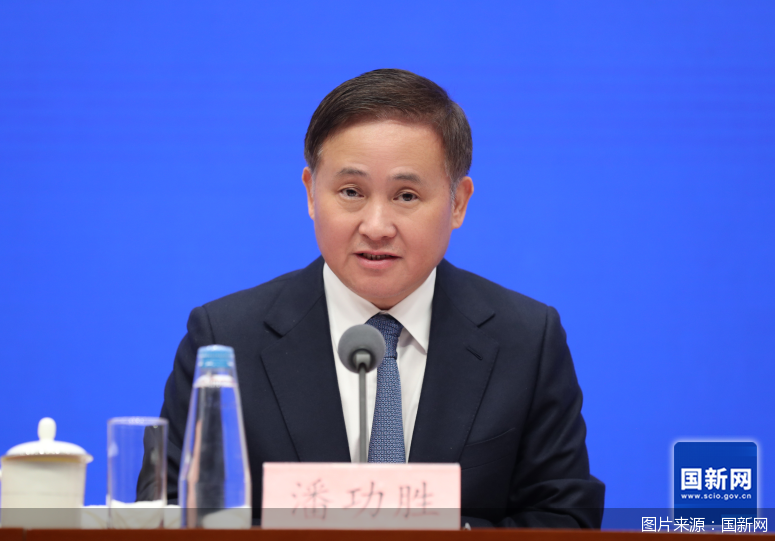
其中涉及资本市场的相关措施引发不少关注。具体来看,包括优化两项支持资本市场的货币政策工具,将 5000亿元证券基金保险公司互换便利和3000亿元股票回购增持再贷款这两个工具的额度合并使用,总额度 8000亿元。 业内认为,两项工具有效适应市场需求,促进资本市场平稳运行。 北京商报讯(记者 刘四红)5月7日,国新办举行新闻发布会,介绍"一揽子金融政策支持稳市场稳预期"有关 情况,中国人民银行行长潘功胜、金融监管总局局长李云泽、中国证监会主席吴清出席会议。会上潘功胜表 示,为贯彻落实中央政治局会议精神,进一步实施好适度宽松的货币政策,中国人民银行将加大宏观调控力 度,推出三类10项一揽子货币政策措施。 数量型政策上,通过降准等措施,加大中长期流动性供给,保持市场流动性充裕;价格型政策上,下调政策 利率,降低结构性货币政策工具利率,也就是中央银行向商业银行提供再贷款的利率,同时调降公积金贷款 利率;结构型政策上,完善现有结构性货币政策工具,并创设新的政策工具,支持科技创新、扩大消费、普 惠金融等领域。 好现有政策的同时,拓宽单项工具的额度上限,从而提升工具使用的便利性、灵活性,更好满足不同类型机 构需求。 业内认为 ...

证监会主席最新发声:中国股市具有四大“硬核底气”
2 1 Shi Ji Jing Ji Bao Dao· 2025-05-07 03:36
21世纪经济报道 记者 崔文静 北京报道 5月7日,证监会主席吴清参加国新办新闻发布会。其一席讲话, 为资本市场注入充足的底气与信心。 ② 资本市场"1+N"政策体系的落地实施,推动市场内在结构发生了积极而深刻的变化,投融资协调的市 场生态正加快形成。 ③ A股市场"科技叙事"逻辑越来越清晰,集聚效应日益明显,新质生产力发展的巨大潜力也将伴随着经 济高质量发展越来越显现,科技创新和产业创新深度融合发展,将为资本市场提供更多有价值的源头活 水。 "我们市场最重要的特征就是整体上比较靠谱,有靠谱的经济发展、靠谱的宏观政策、靠谱的制度保 障,这在不确定性的外部大环境下,为我国经济和资本市场注入更多的确定性。"吴清提到。 在吴清看来,在资本市场方面,我们有着充足的底气和信心。底气和信心,来源于四大方面。 ① 党中央、国务院的坚强领导和维护市场稳定的坚定决心、有力部署。这都是扎扎实实的行动,也都 有实实在在的成效。 ④ A股市场估值水平实际上被业界认为仍处于相对低位。沪深300市盈率只有12.3倍,国内市场主要指 数市盈率都明显低于标普500等全球主要指数。在全球市场面临不稳定因素明显增多的环境下,中国资 产的配置价值 ...
中国证监会主席吴清:完全有条件、有信心、有能力实现中国股市稳定健康发展
Qi Huo Ri Bao Wang· 2025-05-07 02:34
Core Viewpoint - The Chinese stock market is expected to achieve stable and healthy development despite external uncertainties, supported by strong government policies and market conditions [1][2]. Group 1: Market Stability - The stability of the stock market is crucial for the overall economic and social landscape, as well as for the interests of millions of investors [1]. - The current trend of economic recovery in China is being reinforced, with adequate policy responses to external shocks, creating a solid foundation for the stable operation of the capital market [1]. Group 2: Confidence Sources - Confidence in the market stems from four main aspects: strong leadership and commitment from the central government, effective implementation of the "1+N" policy system, a clearer "technology narrative" in the A-share market, and relatively low valuation levels compared to global indices [2]. - The A-share market's price-to-earnings ratio is currently at 12.3, which is significantly lower than that of major global indices like the S&P 500, enhancing the attractiveness of Chinese assets amid global instability [2]. - The overall characteristics of the market are deemed reliable, supported by sound economic development, macro policies, and institutional guarantees, which inject more certainty into the economy and capital market [2].
摩根士丹利基金投研手记:债市交易渐向基本面回归,货币政策节奏博弈增强
Xin Lang Ji Jin· 2025-05-06 07:46
Group 1 - The capital market is expected to focus more on the impact and response to the fundamental changes following the tariff policy negotiations [2] - The manufacturing PMI dropped to 49.0%, indicating a contraction, with the export new orders index falling to 44.7%, the lowest level since 2023 [2] - The real estate sector continues to face significant pressure, with rising inventory levels and weakening second-hand home transactions in first-tier cities [2] Group 2 - The current interest rate curve is relatively flat, with the yield spread at a low level, indicating potential for downward movement if liquidity increases [3] - The overall leverage level of institutional investors in the bond market is lower than last year, reducing the likelihood of a sharp market correction [3] - The monetary policy stance remains supportive, with expectations for increased liquidity in response to domestic economic pressures [1][2]
非标转标阵痛中重构版图 信托业加速布局资本市场
Zhong Guo Zheng Quan Bao· 2025-05-05 20:41
Core Viewpoint - Trust companies are accelerating their participation in capital markets, leveraging their advantages in the trust system to adapt to regulatory changes and enhance their business models [1][5][8] Group 1: Capital Market Participation - Capital markets have become a key focus for many trust companies in 2024, as evidenced by significant growth in their securities investment trust business, with Ping An Trust's scale exceeding 590 billion yuan, marking an 84% year-on-year increase [1] - Trust assets directed towards the securities market reached 8.34 trillion yuan by mid-2024, reflecting a 64.89% year-on-year growth, accounting for 41.81% of total trust assets [2] - Trust companies are primarily engaging in capital markets through asset management trusts and securities investment, with a notable shift towards professional and active management strategies [3][4] Group 2: Institutional Investment and Support for Industries - Trust companies have supported various sectors, including new information technology and renewable energy, with a cumulative management scale exceeding 5 billion yuan [2] - Trust funds are frequently seen among the top ten shareholders of listed companies, with a total market value of 130.49 billion yuan held by trusts as of the first quarter of 2025 [2] Group 3: Challenges and Strategic Adjustments - Trust companies face challenges in competing with securities firms and fund companies, particularly in standardized asset investment capabilities [6] - The mismatch between the fixed duration of trust products and the long-term nature of quality capital market investment opportunities poses a challenge [6] - Trust companies are encouraged to enhance their research capabilities and explore strategic partnerships with external institutions to improve investment efficiency [7] Group 4: Regulatory Environment and Future Opportunities - Recent regulatory guidance encourages trust companies to actively participate in capital markets, particularly through equity investments in strategic emerging industries [5] - A series of favorable regulatory developments are expected to provide more opportunities for trust companies, including revisions to management regulations and the establishment of real estate trusts [7][8]
为满足债券发行要求,他们打造虚增10亿元营收的“纸上帝国”
Sou Hu Cai Jing· 2025-04-30 22:06
Core Viewpoint - The article highlights a case of financial fraud involving a company that inflated its revenue and net profit by over 1 billion yuan to meet bond issuance requirements, ultimately leading to a 1.5 billion yuan investment default [1][3]. Group 1: Company Actions - The company, facing operational difficulties, sought to raise funds through private bond issuance by falsifying financial statements, resulting in inflated reported revenue of 10.56 billion yuan and net profit of 1.45 billion yuan [2][3]. - The fraudulent activities included altering accounting records and creating false tax declarations, with the involvement of various intermediaries, including accountants who knowingly participated in the deception [2][9]. Group 2: Intermediary Responsibilities - The auditing firm failed to perform due diligence, as the responsible accountant issued an audit report without verifying original documents, contributing to the issuance of bonds under false pretenses [9][10]. - The case revealed systemic issues within intermediary organizations, highlighting their role as "gatekeepers" that failed to uphold their responsibilities, thus facilitating the fraud [9][15]. Group 3: Legal and Regulatory Implications - The case led to significant legal actions against the company and its executives, with penalties including prison sentences and fines for those involved in the fraud [12]. - The incident prompted regulatory bodies to enhance oversight of intermediary institutions, emphasizing the need for improved internal controls and ethical standards within the auditing profession [14][15].

重磅会议表示要“活跃”资本市场;人工智能受重视程度超预期|资本市场
清华金融评论· 2025-04-29 10:30
文/《清华金融评论》 王茅 2 025年4月25日召开的中共中央政治局重磅会议,传递了什么重要信号?对资 持续稳定和活跃资本市场 中共中央政治局4月25日召开会议,分析研究当前经济形势和经济工作。中共中央总书记习近平主持会议。 会议指出,要坚持稳中求进工作总基调,完整准确全面贯彻新发展理念,加快构建新发展格局,统筹国内经济工作和国际经贸斗争,坚定不移办好自己的 事,坚定不移扩大高水平对外开放,着力稳就业、稳企业、稳市场、稳预期,以高质量发展的确定性应对外部环境急剧变化的不确定性。 这段话相当关键,体现出以我为主,进行内循环,着重提到"四稳",即稳就业、稳企业、稳市场、稳预期,而去掉了之前的另外两个稳,即不再提稳外贸, 稳外资。这两个稳并非不重要,而是在美国特朗普政府重启关税政策且不断反复,中美激烈博弈的当下,稳外贸,稳外资不在我们掌控范围之内, 我们需 要坚定不移办好自己的事。 关于资本市场,本次中共中央政治局会议指出,持续稳定和活跃资本市场。"稳定"是近来一直的提法, 而关于"活跃"一词,活跃资本市场、提振投资者信 心,这个提法在2023年7月,同等级别的会议上也曾提出来过。 不过当时的市场没有什么反应,接 ...
IPO上市精选37个问答(建议收藏)
Sou Hu Cai Jing· 2025-04-29 05:57
Group 1 - Direct financing refers to the method where fund providers directly supply funds to fund seekers through negotiations or by purchasing securities issued by them, including stock and bond issuance [1] - The capital market consists of various financing activities and is primarily divided into the securities market and the bank medium to long-term credit market, including stocks, corporate bonds, and financial derivatives [2] - The stock market is a platform for companies to raise funds by issuing shares, representing ownership rights for shareholders, and is divided into the primary market (issuance) and secondary market (trading) [3][4] Group 2 - Issuers are entities that issue stocks to raise funds, while investors include institutional and individual investors who trade stocks [4] - The independent organization of the stock market includes self-regulatory organizations like stock exchanges and regulatory bodies such as the China Securities Regulatory Commission [4] - A subsidiary is a company controlled by another company (the parent company) and has its own legal status, while a branch does not have legal status and operates under the parent company's responsibility [5] Group 3 - The consolidated financial statements reflect the overall financial status, operating results, and cash flows of a company and its subsidiaries, including the consolidated balance sheet and income statement [8] - The company must ensure compliance with legal requirements and provide accurate information to intermediaries during the listing process to avoid delays or additional costs [9][10] Group 4 - The stock issuance plan includes details such as underwriting methods, issuance quantity, pricing principles, and procedures [16][17] - Underwriting is the process where securities companies sell securities on behalf of issuers, with methods including firm commitment and best efforts [17] Group 5 - After listing, companies must adhere to regulations, maintain transparency, and comply with the securities listing agreement, ensuring proper governance structures are in place [18][19] - Companies should actively manage investor relations and ensure timely and accurate information disclosure to enhance investor trust [19] Group 6 - The new Securities Law introduces changes to the stock issuance system, requiring registration with the relevant authorities and allowing stock exchanges to review issuance applications [20] - Founders of a company must meet specific criteria, including the ability to independently bear civil responsibilities [23] Group 7 - State-owned enterprises undergoing restructuring must ensure legal compliance and disclose relevant opinions from authorities regarding the legitimacy of the restructuring process [24] - Clear ownership structures are essential, and issues such as equity holding and contractual agreements must be addressed to avoid disputes [25][26] Group 8 - The independence of an issuer is crucial, requiring a complete business system and the ability to operate independently in the market [42] - Related party transactions must be managed to avoid conflicts of interest and ensure fair pricing [44][45]