供应链韧性

Search documents
2026年我们怎么交更多朋友
Xin Lang Cai Jing· 2025-12-24 16:47
Group 1 - The global economy in 2025 is characterized by significant transformation pressures, with countries seeking to reposition themselves amid imbalanced globalization, emphasizing the need for cooperative win-win strategies rather than zero-sum games [1][2] - Countries such as the UAE, New Zealand, Singapore, and Switzerland have formed partnerships focusing on fair trade, supply chain resilience, and digital trade, while the EU and Japan have established a competitiveness alliance covering economic security and advanced technology rules [1][2] - China's participation in global cooperation includes the signing of the China-ASEAN Free Trade Area 3.0, expanding cooperation into digital and green sectors, and initiatives under the Belt and Road framework to enhance industrial connectivity with European nations [2][3] Group 2 - The focus of global cooperation is shifting towards countries with similar values, geopolitical interests, or complementary development stages, with supply chain resilience and economic security becoming core issues [2][3] - China is encouraged to maintain strategic partnerships with neighboring and traditional allies while actively setting agendas in emerging fields and providing cooperative solutions [3] - The need for institutional openness and domestic reforms is highlighted to align with international rules, positioning China as a bridge connecting different economic sectors [3][4]
经济观察:中国—东盟合作迈向深度互嵌
Zhong Guo Xin Wen Wang· 2025-12-24 16:07
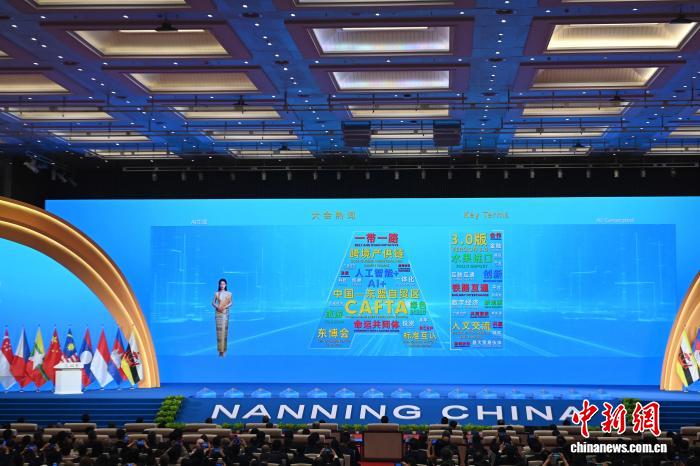
中新网南宁12月24日电 (蒋雪林 范立强 梁丽敏)年终盘点中国与东盟的经贸关系,一组数据令人印象深 刻:今年前11个月,东盟是中国第一大贸易伙伴,中国对东盟进出口6.82万亿元人民币,同比增长 8.5%。中国与东盟累计双向投资在今年7月已超过4500亿美元。 这不仅仅是数字的增长,更揭示了一种深刻的演变——双方正从以货物贸易为主的"贸易伙伴",快速迈 向价值链深度互嵌、彼此成就的"产业链共同体"。近日于广西南宁举行的中国(广西)—东盟智库对话论 坛上,这一趋势成为中外专家热议的焦点。 中国与东盟的产业合作,已不再是传统的垂直分工。中国国际发展知识中心研究员龙海波研究发现,中 国对东盟的出口中,机电产品等资本品和中间品占比突出,而东盟对华出口商品结构也呈现出从资源密 集型向制造业并重的升级趋势。黄烨菁将此概括为从"成本与产能合作"向"产业链协同与智能化、绿色 化场景拓展"的转型。中国企业带来的不仅是资金,更有技术、标准和人才培训,深度参与并助推了东 盟国家的工业化进程。李向阳强调,以共建"一带一路"框架下经济走廊的升级建设为抓手,未来有望构 建起更紧密的区域性价值链网络。 图为第22届中国—东盟博览会开幕式现 ...

研报掘金丨信达证券:源飞宠物与潮玩品牌黑玩达成战略合作,主业表现良好
Ge Long Hui A P P· 2025-12-24 07:45
Core Viewpoint - The strategic partnership between Yuanfei Pet and the trendy toy brand Heyone is expected to leverage Yuanfei's supply chain advantages, enhancing production capacity and exploring new markets [1] Group 1: Strategic Partnership - Yuanfei Pet has formed a strategic cooperation with Heyone, primarily focusing on OEM production [1] - Yuanfei Pet has a well-established manufacturing and supply chain management system in the pet food and supplies sector, which is adaptable to high-quality and safety-demanding trendy toy products [1] Group 2: Brand Development - Heyone is an original IP-centric trendy toy brand that has developed recognizable IPs such as "Oh Zai," "MIMI," and "R3NA," gaining traction among young consumers [1] - The collaboration is expected to facilitate the full release of future production capacity and exploration of new fields [1] Group 3: Global Expansion and Production Capacity - Yuanfei Pet is advancing its global production layout, having established a mature management team in Cambodia, where existing production bases are operating at full capacity [1] - New production capacity is expected to be released in 2026, while the construction of a production base in Bangladesh is progressing steadily, which will enhance global supply chain resilience [1] - The trend of overseas business development is positive, and the impact of tariff adjustments on product profits is expected to be limited [1]

本土情怀与全球供应链的对决:胖东来“三胖”真的在学山姆吗?
Sou Hu Cai Jing· 2025-12-23 06:54
Core Insights - The entry of Pang Donglai into Zhengzhou, close to the planned location of Sam's Club, highlights a significant competition between a local retail legend known for "extreme service" and an international warehouse giant leveraging a membership model and global supply chain [1][11] - The contrasting business philosophies of Pang Donglai and Sam's Club represent two important paths in the transformation of China's retail industry, focusing on "commercial benevolence" and "value return" [11] Group 1: Business Models - Pang Donglai operates as a "trust-based" retail enterprise deeply rooted in regional markets, achieving over 60% market share in areas like Xuchang and Xinxiang, indicating a near-monopoly [3] - The success formula of Pang Donglai includes "high employee happiness + exceeding service expectations + extreme localization," with employees enjoying significantly higher salaries and extended holidays compared to industry standards [3][10] - In contrast, Sam's Club employs an "efficiency-based" membership warehouse model, focusing on "membership fee thresholds + selected SKUs + large packaging high cost-performance + global supply chain" [3][4] Group 2: Product Strategies - Sam's Club reduces SKU numbers to a few thousand and develops private labels (over 30% of offerings) to maximize procurement scale and supply chain efficiency [4] - Pang Donglai also has private label products, but its development logic emphasizes complementing local characteristics and transparency in cost, contrasting with Sam's focus on global quality and low prices [7] - While Sam's Club's large packaging serves family bulk purchasing needs, Pang Donglai's larger sizes are aimed at meeting diverse customer demands rather than being a core sales model [6][10] Group 3: Unique Challenges and Opportunities - Pang Donglai's moat lies in its deep "humanistic care" ecosystem, characterized by high employee benefits and customer service commitments, creating a strong trust loop that is difficult to replicate [10] - Sam's Club's competitive advantage stems from its robust global supply chain and standardized operations, allowing for rapid expansion in first- and second-tier cities, with around 50 stores and over 8.6 million members by 2024 [10] - Both companies face unique challenges: Pang Donglai's high-cost structure requires strong local market density, while Sam's Club must balance product selection quality with growth demands [10][11] Group 4: Consumer Choices - For middle-class families focused on price comparison and product research, Pang Donglai and Sam's Club offer distinct value propositions: Sam's for efficient, reliable one-stop shopping, and Pang Donglai for emotional shopping experiences with exceptional service [12] - The presence of both retailers in Zhengzhou is expected to drive upgrades in local retail services and optimize supply chains, contributing to a more diverse and healthy market [12]
美国制造业回流梦碎?高成本与劳动力断层下的产业链困局
Sou Hu Cai Jing· 2025-12-23 03:00
Core Insights - The article discusses the complex realities behind the global restructuring of supply chains, driven by geopolitical factors, which has led to higher costs, slower processes, and increased fragility in manufacturing [1][2]. Group 1: Geopolitical and Economic Factors - Manufacturing is not simply "returning" but is becoming "more expensive, slower, and more fragile" due to geopolitical influences [2]. - The interplay of technology, finance, labor, and resources is creating a multi-faceted competition that is reshaping global supply chains [2]. - The rise of regionalization and fragmentation in global supply chains is a significant trend that companies must prepare for [2]. Group 2: Technological Decoupling - The costs of technological decoupling include fragmentation of global innovation and standards, as well as a decline in supply chain integration capabilities [4]. - Increased technological barriers among countries complicate industry cooperation and hinder efforts for standardization [4]. - Geopolitical risks are driving companies to increase liquidity assets, which in turn reduces domestic R&D investments and raises intermediate goods trade costs [4]. Group 3: Labor Market Challenges - Labor rights disputes and structural imbalances in labor markets are significant challenges in the reconfiguration of supply chains [5]. - In traditional outsourcing locations like Mexico, rising strike rates in key industries highlight labor dissatisfaction, which disrupts supply chain continuity [5]. - The mismatch between labor skills and industry demands in economies advocating for manufacturing return is slowing down the restructuring process [5]. Group 4: High Costs of Manufacturing Return - The high costs associated with manufacturing return are undermining the effectiveness of policy incentives [6]. - Structural issues such as high local manufacturing costs and inflation are exacerbating the challenges of returning manufacturing to the U.S. [6]. - The rising cost of capital and declining confidence in long-term U.S. Treasury bonds reflect a broader concern about the investment environment [6]. Group 5: Trade Policy Impacts - High trade barriers can provide short-term benefits but lead to long-term negative consequences for industries [7]. - The reintroduction of tariffs under the Trump administration aimed to reshape global supply chains but had limited effectiveness [7]. - The restructuring of global supply chains involves not only capacity reallocation but also significant adjustments in financial order and settlement systems [7]. Group 6: De-dollarization Trends - Emerging markets are increasingly adopting local currency settlements in trade, reflecting a shift away from reliance on the U.S. dollar [8]. - The weakening of the U.S. credit mechanism is accelerating the de-dollarization process, with countries seeking alternatives to mitigate currency risks [8]. - The share of the U.S. dollar in global central bank reserves has decreased significantly, indicating a long-term trend towards de-dollarization [8]. Group 7: Regional Currency Networks - The establishment of regional currency settlement networks is becoming a complementary effort to the regionalization of supply chains [9]. - Initiatives like the Regional Comprehensive Economic Partnership are promoting local currency exchange mechanisms to enhance trade efficiency [9]. - Central bank digital currencies, such as the digital yuan, are emerging as potential new vehicles for cross-border settlements [9]. Group 8: New Competitive Dynamics - The formation of a new competitive landscape reflects the division of standards between the Global North and South, particularly in technology and resources [10]. - The disparity in technological capabilities is creating a polarized global supply chain, complicating innovation and cooperation [10]. - Resource nationalism is becoming a critical factor in global supply chain dynamics, as countries seek to protect their strategic resources [10].

学习规划建议每日问答 | 怎样理解积极扩大自主开放
Xin Hua She· 2025-12-22 06:21
Core Viewpoint - The article emphasizes the importance of expanding autonomous openness in China's economic development, highlighting that greater openness will lead to higher quality growth and international cooperation [1][2]. Group 1: Achievements in Openness - China has achieved historic milestones in foreign trade, maintaining the world's largest goods trade for eight consecutive years, with exports and imports accounting for over 14% and 10% of global totals, respectively [2]. - Since 2013, China has established 22 free trade pilot zones, with the Hainan Free Trade Port set to fully operate by December 18, 2025 [2]. - The country has continuously reduced the negative list for foreign investment, eliminating restrictions in the manufacturing sector [2]. Group 2: Areas for Improvement - Despite being at the forefront among developing countries, China's openness still lags behind global advanced levels, ranking 38th out of 129 economies in the openness index for 2024 [2]. - There are significant challenges in foreign trade systems, foreign investment, and legal frameworks that need to be addressed to enhance openness [2]. Group 3: Key Focus Areas for Expanding Openness - Emphasis on aligning with international high-standard economic and trade rules, expanding the network of high-standard free trade zones, and implementing comprehensive strategies for free trade pilot zones [3]. - A focus on expanding the service sector, particularly in telecommunications and healthcare, while promoting cross-border service trade and facilitating the movement of professional talent [3]. - The necessity of fostering win-win cooperation in international economic relations, enhancing partnerships through initiatives like the Belt and Road, and providing zero-tariff treatment for products from least developed countries [4]. - The importance of participating in global economic governance reforms and contributing to the establishment of an open world economy through various international platforms [4].
学习规划建议每日问答丨怎样理解积极扩大自主开放
Xin Hua She· 2025-12-22 05:13
Core Viewpoint - The article emphasizes the importance of expanding autonomous openness in China's economic development, highlighting that greater openness will lead to higher quality growth and international cooperation [1][2]. Group 1: Achievements in Opening Up - China has achieved historic milestones in foreign trade, maintaining the world's largest goods trade scale for eight consecutive years, with exports and imports accounting for over 14% and 10% of the global total, respectively [2]. - Since 2013, China has established 22 free trade pilot zones, with the Hainan Free Trade Port set to fully operate by December 18, 2025 [2]. - The country has continuously reduced the negative list for foreign investment, eliminating restrictive measures in the manufacturing sector [2]. Group 2: Areas for Improvement - Despite being at the forefront among developing countries, China's openness still lags behind global advanced levels, ranking 38th out of 129 economies in the openness index for 2024 [2]. - There are significant gaps in the service and digital sectors, indicating a need for further enhancement in openness [2]. Group 3: Key Focus Areas for Expanding Openness - Emphasis on aligning with international high-standard economic and trade rules, establishing compliance mechanisms, and expanding the network of high-standard free trade zones [3]. - Focus on increasing openness in the service sector, particularly in telecommunications and healthcare, while promoting cross-border service trade [3]. - Commitment to fostering win-win cooperation in international economic relations and enhancing partnerships through initiatives like the Belt and Road [4]. - Active participation in global economic governance reforms and contributing to the establishment of an open world economy [4].
罗宾升国际货运Mike Short:2026年海运空运格局调整,AI正在重塑供应链韧性
Huan Qiu Wang· 2025-12-18 07:20
Core Insights - The global logistics landscape is undergoing a structural transformation, driven by supply-demand dynamics, trade policy changes, transportation innovations, and AI technology integration [1] Group 1: Maritime and Air Freight Market Dynamics - The maritime market in 2026 will exhibit a coexistence of supply growth and structural forces, with an expected addition of approximately 1.5 million TEU capacity, potentially leading to downward pressure on freight rates [2] - Current market complexities include Suez Canal detours and congestion at major ports, which are tightening effective capacity in the short term, while longer routes and decreased operational efficiency will continue to impact the market [2] - The air freight market is experiencing steady growth, with global air cargo volume increasing by 5.1% year-on-year, led by a 7.4% increase from Asia-Pacific airlines [2] Group 2: Trade Policy and Supply Chain Resilience - Trade policies remain the largest variable affecting global supply chains, with rapid changes in U.S. policies reshaping the trade landscape and influencing procurement decisions, cost structures, and inventory strategies [3] - Companies are encouraged to enhance route flexibility and procurement adaptability to navigate potential market fluctuations [2] Group 3: AI-Driven Supply Chain Innovations - The launch of the Agentic supply chain system by the company in October 2025 marks the beginning of the "Agentic Supply Chain" era, utilizing advanced AI to optimize global supply chains [4] - The Always-On Logistics Planner™, a digital platform comprising over 30 interconnected AI agents, is executing millions of transportation tasks that were previously challenging to automate [4] - The integration of advanced AI technology with a vast global logistics database and expert teams is driving the development of a more intelligent and efficient supply chain system [4] Group 4: Operational Scale and Data Utilization - The company processes over 37 million shipments annually, averaging more than 100,000 shipments per day, allowing for the training of AI models based on real-world complexities [4] - AI technology is being leveraged to extract value from unstructured data, enhancing logistics platform updates and improving delivery predictions, thereby elevating customer experience [4] - The market volatility in 2026 will continue to be shaped by structural forces, necessitating companies to build resilient supply chains while embracing technology and ensuring agility and innovation [4]
千亿金龙鱼从巅峰到困境的跌宕之路
Xin Lang Cai Jing· 2025-12-15 05:59
Core Viewpoint - The company Jinlongyu, once valued at nearly 800 billion yuan, is currently facing significant challenges including declining performance, a trust crisis, and difficulties in strategic transformation [1][8]. Financial Performance - As of December 2025, Jinlongyu's stock price has plummeted by 78.08% from its peak, resulting in a market value loss exceeding 600 billion yuan [1][8]. - In 2024, the company's net profit attributable to shareholders fell by 12.14% to 2.502 billion yuan, while the net profit excluding non-recurring items dropped by 26.42% to 972 million yuan [1][8]. - The company's operating revenue for 2024 was 238.866 billion yuan, a decrease of 5.03%, marking two consecutive years of decline [1][8]. - Financial derivatives contributed significantly to profits, with 1.787 billion yuan from derivative operations accounting for 71.42% of net profit [1][8]. Market Dynamics - In the second quarter of 2025, Jinlongyu reported an operating revenue of 56.603 billion yuan, a quarter-on-quarter decrease of 4.19%, and a net profit of 0.774 billion yuan, down 21.11% [2][9]. - The company's raw material costs constitute 89.30% of operating costs, heavily influenced by international market prices, which are subject to geopolitical and exchange rate fluctuations [2][9]. Operational Efficiency - The company's production capacity utilization rates are low, with oilseed crushing at 47.35%, oil refining at 45.19%, and oil filling at 31.78% [3][10]. - Six out of ten fundraising projects have been delayed, including significant projects in Qingdao and Kunming, pushing completion dates to 2027 [3][10]. Trust Issues - Jinlongyu's public image has been damaged by legal issues, including a court ruling against its subsidiary for contract fraud, resulting in a compensation of 1.881 billion yuan, which is nearly 80% of its 2024 net profit [4][11]. - Consumer trust has declined, with 465 distributors exiting and online negative ratings rising to 7.3% [4][11]. Strategic Transformation - The company is attempting to diversify its product offerings, with its sesame oil achieving a market share of 29.1%, but this segment alone cannot offset overall revenue declines [5][12]. - Jinlongyu is exploring new business areas such as plant-based meat and central kitchens, but market feedback has been cautious due to low consumer awareness and acceptance [5][12]. Future Outlook - The challenges faced by Jinlongyu reflect structural changes in the consumer industry, where demand for staple goods remains stable but growth potential is limited [7][13]. - To overcome these challenges, the company needs to enhance supply chain resilience, innovate products, and rebuild consumer trust, particularly in food safety [7][13].

特朗普已盯上了稀土:要拉盟友建新链条,那中国这张牌还硬不硬?
Sou Hu Cai Jing· 2025-12-13 10:42
白宫看似合作,实则是防中国 之所以搞得这么高调,一个关键原因是稀土不是普通矿,它直接连着高端产业的命门。你以为AI是写 代码、跑算法,其实AI落到现实,最吃的是芯片、服务器、电机、散热、供电这些"硬家伙"。 而很多关键部件离不开稀土永磁材料,军工、航空、精密机床、新能源车同样如此。稀土一旦不稳,很 多产业不是"贵一点",而是"停下来"。 [太阳]这一段时间美国在关键矿产这条线上动作很密集,核心套路就一句话:把日本、韩国、澳大利亚 等伙伴拉到一起,先把"稀土到磁材再到高端制造"这条链子握在自己手里,这表面说是"供应链韧 性""去风险",但是说白了就是担心被卡住脖子。 美国这次的做法,也带着很强的政治表演属性:一方面对内要交代,告诉选民"我在做事、我很强硬", 另一方面对盟友要施压,让大家在资源端站队。 类似的"抱团框架"近年越来越多,比如美国牵头的矿产伙伴机制,以及与盟友围绕关键矿产与高科技供 应链安全的宣示和协调,都在把"市场问题"往"阵营问题"上推。 但这里面有个现实矛盾:美国想要的不是"多买几船矿",而是要把从开采到分离、再到磁材和终端制造 的整条链条搬走一大截。 这也解释了为什么他们会把稀土和AI捆在一 ...