
去风险

Search documents
欧盟经济学家:中国不肯卖稀土,欧洲就加关税,加到他们服软为止
Sou Hu Cai Jing· 2025-12-11 11:13
Core Viewpoint - The European Union (EU) is shifting its approach towards China from "de-risking" to a more aggressive stance characterized by "extortion," particularly in response to China's export controls on critical raw materials like rare earths [1][10]. Group 1: Economic Strategy - Sander Tordoir, chief economist at the Centre for European Reform, suggests that the EU should leverage tariffs as a bargaining tool, demanding China ease its rare earth export controls and commit to a monthly 1.5% appreciation of the yuan [3][10]. - The EU is considering legislative measures to enforce a reduction in dependency on Chinese supply chains, indicating a move away from market-driven decisions to regulatory mandates [4][10]. Group 2: Dependency on China - The EU currently consumes approximately 20,000 tons of permanent magnets annually, with 17,000 to 18,000 tons sourced directly from China, highlighting a significant dependency on Chinese raw materials [5][10]. - The EU's plan includes a €30 billion investment to support mining, refining, and recycling projects, although industry insiders express skepticism about the effectiveness of these measures [8][9]. Group 3: Geopolitical Context - The EU is caught between the resource-rich United States and China's efficient supply chains, leading to a sense of anxiety and frustration among European policymakers [10][11]. - The EU's shift towards weaponizing trade reflects a broader trend where global trade dynamics are increasingly influenced by geopolitical considerations rather than traditional free market principles [11][13].

欧盟对华脱钩?德国外长抵京,下飞机后称和中国交流不可或缺
Sou Hu Cai Jing· 2025-12-10 05:12
德国与法国在对华政策上的分歧,反映了欧盟内部在经济结构和利益诉求上的差异。德国作为欧盟最大经济体,一直以来专注于制造业和外向型 经济,和中国形成了深度的经济联系,因此更加倾向于维持稳定的对华经贸关系,并坚决反对激进的脱钩行为。相比之下,法国的经济结构更多 依赖于农业和服务业,工业领域与中国的竞争性较强,对中国的贸易依赖程度较低,因此其更倾向于从保护本土产业和追求政治平衡的角度提出 立场。这种分歧并非新鲜事,尤其在当前全球贸易格局调整的背景下,显得尤为突出,也使得欧盟在对华政策上难以形成统一声音。毕竟,欧盟 有27个成员国,每个国家都有不同的利益诉求,任何重大贸易制裁措施都需要得到大多数成员国的同意,单凭法国的立场是无法推动对华加税等 措施的。 实际上,欧盟从未正式提出脱钩的立场,而是反复强调去风险与脱钩的区别。去风险是指在少数敏感领域如芯片和关键原材料方面,降低对中国 的过度依赖,确保供应链安全;而脱钩则意味着全面切断与中国的经贸关系,这与欧盟的整体经济利益相冲突。根据数据,中国已经连续多年是 欧盟的第二大贸易伙伴,中欧贸易额常年保持在数千亿欧元的规模,双方在制造业、能源、环保等多个领域有着广泛的合作空间。对 ...
欧媒:欧盟现在很焦虑,不光怕中国一个,更怕美国变成下一个中国
Sou Hu Cai Jing· 2025-12-09 10:44
Core Viewpoint - The European Union (EU) is attempting to reduce its reliance on Eastern countries for critical raw materials, particularly rare earth elements, to ensure supply chain security [1][4]. Group 1: EU's Strategic Initiatives - The EU has launched the "ResourceEU" plan, committing €3 billion (approximately 24.7 billion RMB) to key raw materials needed for electric vehicles, wind turbines, and semiconductors over the next year [2]. - The intention behind this investment is to diversify Europe's supply chain through recycling, joint procurement, and strategic reserves, aiming to regain some control over rare earth materials [4]. Group 2: Challenges and Risks - The acquisition of Less Common Metals (LCM) by USA Rare Earth signifies a critical blow to Europe's rare earth industry, as LCM is one of the few companies in Europe capable of converting rare earth oxides into metals and alloys [5][8]. - The loss of LCM means that Europe may not be able to produce the magnets required for electric vehicles, despite having access to raw materials [7][11]. - The current situation indicates that while Europe seeks to establish its own supply chain, it is losing existing capabilities to American companies, which could lead to a dependency shift from China to the U.S. [11][12]. Group 3: Geopolitical Implications - The U.S. is leveraging its capital strength and the Inflation Reduction Act (IRA) to acquire critical mineral assets globally, which poses a threat to Europe's industrial base [13][15]. - There is a growing realization that the EU's efforts to secure raw materials may inadvertently lead to a form of dependency on the U.S., rather than achieving true autonomy [12][20]. - The EU's current predicament reflects a struggle between wanting to reduce reliance on China while simultaneously facing the risk of becoming subordinate to U.S. interests in the critical materials sector [20][22].
大结局要来,欧盟恐对华脱钩,德国外长抵京,下飞机后送出2句话
Sou Hu Cai Jing· 2025-12-09 09:22
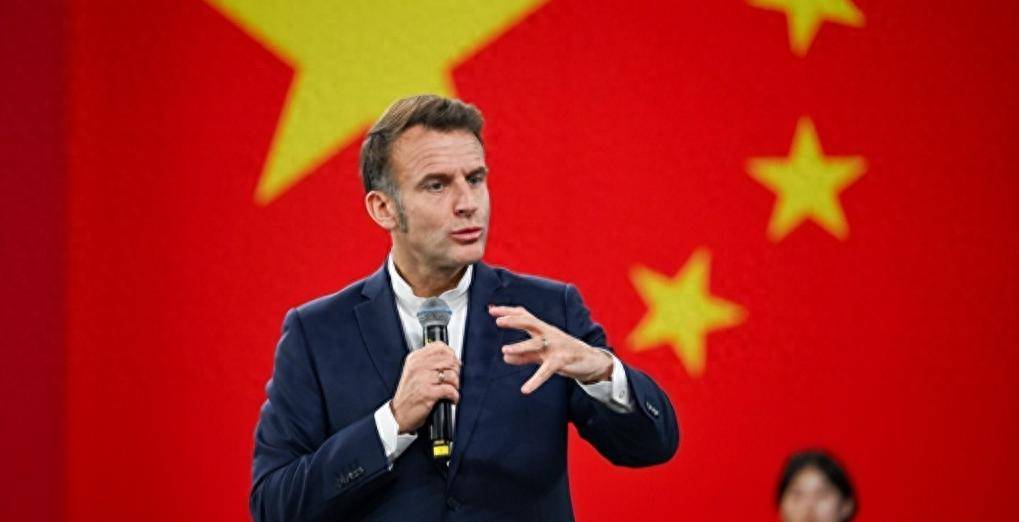
Group 1 - Macron's strong rhetoric against China highlights the unsustainable nature of the trade deficit, suggesting it is a result of dumping rather than market choices [2] - He has set a timeline for addressing the trade imbalance and threatened punitive tariffs if the situation does not improve, indicating a strategic pressure tactic [2][4] - Macron's demands include significant Chinese investment in Europe and the lifting of restrictions on critical raw materials, while maintaining export limits on semiconductor equipment, reflecting a double standard [4] Group 2 - In contrast, Germany's approach, represented by Watzke, emphasizes the necessity of direct communication and collaboration with China, rejecting the notion of decoupling [4][6] - Over 75% of German companies view China as a core growth area, indicating a deep economic interdependence that makes decoupling impractical [8] - The German economy's reliance on China is critical, as major industrial players have established significant ties, making any drastic policy changes highly detrimental [9] Group 3 - France's economic ties with China are less critical compared to Germany, allowing Macron to adopt a more aggressive stance to appease domestic concerns and seek better investment terms [11] - Macron's threats may lack substance, as they require EU consensus for implementation, which is complicated by Germany's differing stance [13] - The economic logic behind Macron's complaints is flawed, as the trade surplus reflects global supply chain dynamics, with European companies benefiting significantly from production in China [15][16] Group 4 - The notion of forcing Chinese investment in Europe as a means to balance trade is seen as outdated and contrary to market principles, distorting commercial behavior into a political obligation [18] - The EU's approach to "de-risking" is focused on specific strategic sectors rather than a comprehensive decoupling, emphasizing the need for strategic autonomy rather than complete dependence on the US [18]
环球市场动态2025年12月8日
citic securities· 2025-12-08 03:19
环球市场动态 欧 盟 更 新 经 济 安 全 战 略 股 票 中国市场周五午后集体拉升,监管 有望推动保险资金入市点燃市场情 绪;欧洲股市走势分化,市场谨慎 等待美联储议息;美国 9 月 PCE 数 据符合预期,巩固降息预期,美股 小幅收高。 外 汇 / 商 品 交易员关注俄乌停火谈判进展及其 对市场供应的潜在影响,上周五国 际油价上涨;市场观望美联储议息, 金价变动不大;铜、白银价格创历 史高位。 固 定 收 益 上周五美国国债下跌,收益率上涨 近 4 个基点。本周将迎来美联储利 率决议,以及 3 年期、10 年期和 30 年期美债拍卖。亚洲债市交投清淡, 利差收窄 2-3 个基点。 产品及投资方案部 注:bp/bps=基点;pt/pts=百分点 中信证券财富管理 (香港) 免责声明请参考封底 2025 年 12 月 8 日 ▪ 上周欧盟发布新版《加强欧盟经济安全》框架,对 2023 年《欧洲经济安全战略》框架进行了系统性更新。在 新版框架中,欧盟提出了六大类 "去风险" 政策工具,以提升欧盟的经济安全水平与全球竞争力,具体包括: 减少对商品和服务的战略依赖;吸引安全投资进入欧盟;支持欧洲国防和航天产业及其 ...
欧盟又担忧了,“在稀土领域,小心美国成为下一个中国”
Sou Hu Cai Jing· 2025-12-06 23:06
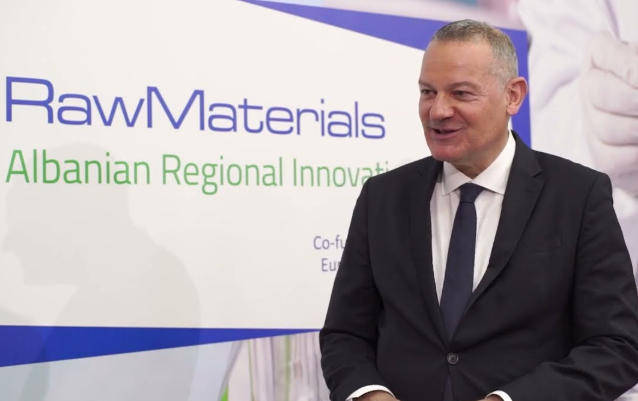
"这无疑是从雄心到实施的真正转变,但仍有所不足,"谢弗告诉路透社,欧盟需要加紧与可供应关键矿 物的第三国谈判。他补充说:"近年来,我们与国际伙伴签署了许多谅解备忘录,但这只是起点。我们 必须变得更像交易撮合者,摆脱平淡的态度,不只是空谈一切。" 他还表示,欧洲需要确保不再继续将关键稀土资产流失给美国。 据介绍,不久前,美国稀土公司"USAR"刚刚收购了英国企业Less Common Metals(LCM),而后者是 一家为数不多有能力将稀土氧化物转化为金属和合金的欧洲公司。 谢弗警告说:"我们正面临危险,即稀土价值链在很大程度上被强行拉向美国。美国可能成为第二个中 国。换句话说,美国或将成为我们依赖进口磁铁的另一个国家。" EIT RawMaterials首席执行官伯恩德·谢弗资料图 【文/观察者网 齐倩】 路透社5日报道称,这意味着欧盟终于动真格了。该计划将在未来一年,在电动车、风力涡轮机和半导 体所需的关键原材料领域投资30亿欧元(247亿元人民币),以减少对单一国家的依赖。 欧盟关键矿物机构EIT RawMaterials首席执行官伯恩德·谢弗3日接受采访时称,他对于上述计划表示欢 迎,但同时提醒说,欧 ...
访华前夕,德国副总理口出狂言:不要中国垃圾,谁给他的底气
Sou Hu Cai Jing· 2025-11-26 04:39
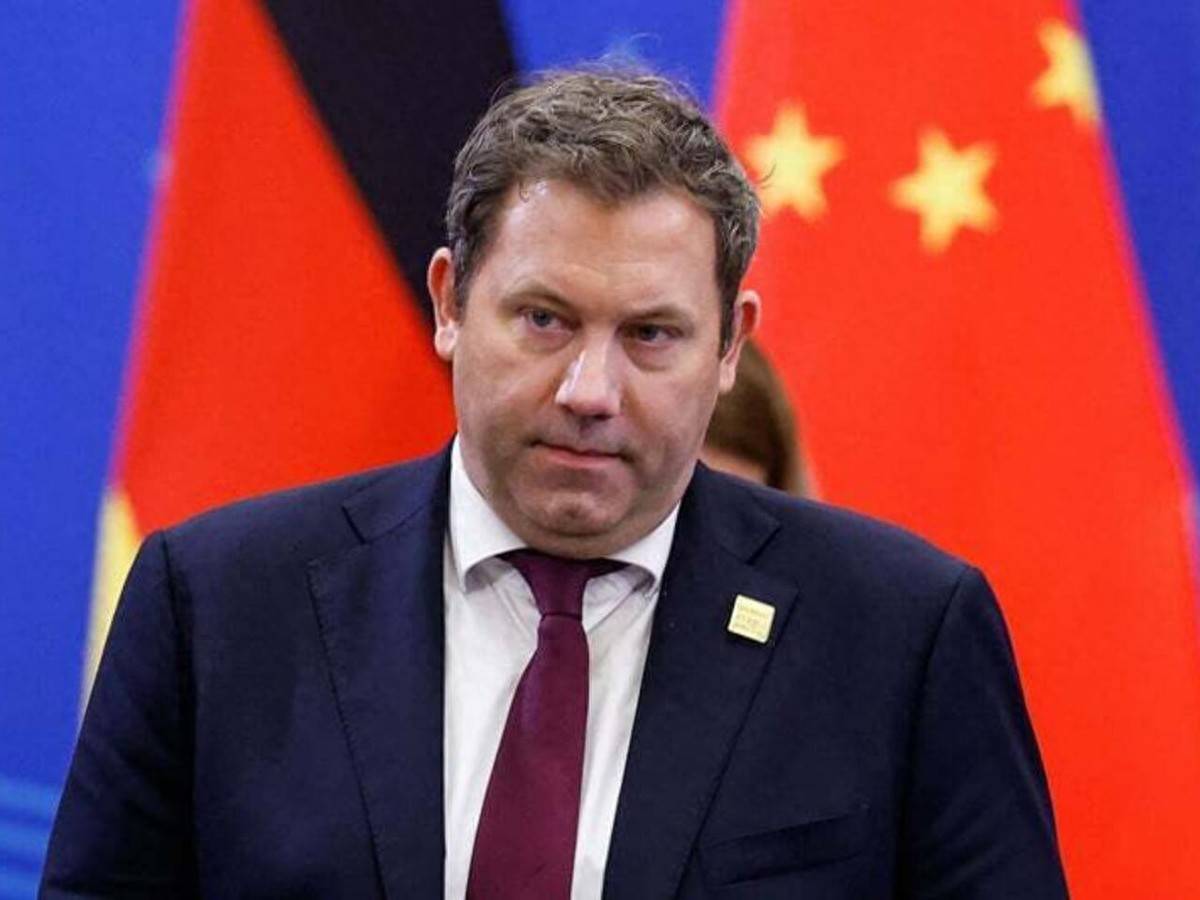
Group 1 - The German Vice Chancellor's statement about not wanting "Chinese garbage" reflects a significant shift in Germany's policy towards China, indicating a move towards protectionism and a focus on reducing dependency on Chinese goods [1][9][14] - The EU's decision to impose taxes on small packages, particularly those valued under 150 euros, is aimed at curbing the competitive advantage of Chinese e-commerce platforms like Temu, Shein, and AliExpress, which have benefited from previous tax exemptions [3][5][6] - The timing of the policy change, pushed forward to early 2025, suggests a coordinated effort by Germany and France to address domestic economic pressures by targeting Chinese imports [6][14] Group 2 - The new tax policy is expected to disrupt the existing trade chain, with estimates indicating billions of small packages shipped from China to Europe annually, potentially leading to increased prices for European consumers [6][11] - While local European businesses may initially benefit from reduced competition, the long-term effects could hinder innovation and quality improvements, as reliance on protectionist measures may lead to complacency [11][14] - Chinese e-commerce companies are adapting by expanding into new markets beyond Europe, enhancing their global presence and product quality, which may mitigate the impact of the EU's protectionist measures [13][14] Group 3 - The EU's approach contradicts its self-proclaimed stance as a proponent of free trade, raising questions about its credibility in international trade discussions [13][14] - The political rhetoric surrounding the new policies serves as a distraction from Germany's internal economic challenges, including inflation and manufacturing struggles, as politicians seek scapegoats for domestic issues [8][14] - The overall shift in Germany's approach to China represents a broader trend of viewing China as a competitor rather than a partner, which could have lasting implications for bilateral relations and global trade dynamics [9][14]
美关税彻底打疼德国!财长急访华求稀土,中国重夺最大伙伴地位!
Sou Hu Cai Jing· 2025-11-23 11:45
Group 1 - Germany's economy is facing challenges due to U.S. tariffs, leading to a shift in trade relationships, with China becoming its largest trading partner, surpassing the U.S. [3][4] - In the first three quarters of the year, Germany's trade with China grew by 0.6% to €185.9 billion, while trade with the U.S. decreased by 3.9% [3][4]. - The visit of German Finance Minister Christian Lindner to China was aimed at securing commitments for rare earth and key material supplies, which are crucial for Germany's industrial sector [3][6]. Group 2 - The shift in trade dynamics is attributed to the aggressive U.S. trade policies under Trump, which have negatively impacted German exports, particularly in the automotive and machinery sectors [4][6]. - Germany's dependency on China has increased significantly, with over 50% reliance in critical sectors such as chemicals, computers, and solar energy [6]. - China's willingness to provide rare earth materials to Germany is seen as a strategic move, emphasizing mutual benefits in the context of geopolitical tensions [8][10]. Group 3 - The evolving relationship between Germany and China reflects a pragmatic approach, moving away from ideological conflicts towards business and supply chain cooperation [6][12]. - Germany's previous disdain for Chinese products has shifted to a recognition of their importance, as they represent a vital market and supply source [10][12]. - Future relations between Germany and China are expected to be characterized by ongoing friction, but with a growing economic interdependence as Germany seeks stability amid U.S. pressures [12].
德国商界无视默茨政府“警示”:中国提供的利润太诱人,撤不走
Guan Cha Zhe Wang· 2025-11-17 08:47
Core Viewpoint - Despite the German government's concerns about dependency on China, major German exporters continue to invest heavily in the Chinese market, with a projected increase in investment from €54 billion to €57 billion between 2023 and 2024, reflecting a €1.3 billion growth [1] Group 1: Automotive Industry - The automotive sector is central to German investment in China, accounting for approximately two-thirds of total investments, with a significant growth rate of 69% expected from 2023 to 2024, reaching €42 billion [3] - Major German car manufacturers like BMW, Mercedes-Benz, and Volkswagen view China as their most important market, with BMW investing around €3.8 billion in a battery project in Shenyang and planning to export electric SUVs back to Europe [3][4] - Mercedes-Benz is developing electric vehicles exclusively for the Chinese market, while Volkswagen has signed multiple agreements with Chinese companies to accelerate technological development [3] Group 2: Chemical and Engineering Sectors - BASF has opened a comprehensive facility in China valued at €8.7 billion, marking its largest investment project to date, emphasizing the importance of the Chinese market for compensating for weak production capacity in Germany [4] - Bosch is also increasing its R&D efforts in China while reducing jobs in Germany, indicating a shift in focus towards the Chinese market [5] Group 3: Investment Trends and Challenges - Over the past five years, Germany's average annual investment in China has reached €5.2 billion, significantly higher than the €3.3 billion average from 2015 to 2019 [5] - The high costs associated with finding alternative sources for materials like rare earths and chips pose a challenge for companies, as these alternatives are often more expensive than sourcing from China [5] - The automotive industry is actively pursuing risk mitigation measures, but these efforts require political support to be effective [5][6] Group 4: Political Context and Future Outlook - The German government, under Chancellor Merz, is considering a reassessment of trade policies with China, focusing on energy, raw materials, and investments in critical infrastructure [8] - The recent visit of Germany's Vice Chancellor and Finance Minister to China aims to foster open dialogue and cooperation on macroeconomic conditions and multilateral collaboration [9]
外交部:希望欧盟为中国企业营造公平、可预期的市场环境
Xin Hua She· 2025-11-14 13:48
Core Viewpoint - The Chinese government emphasizes the need for the EU to adhere to commitments of market openness and fair competition, while addressing the concerns of Chinese enterprises operating in Europe [1][3]. Group 1: Business Environment Concerns - The EU-China Chamber of Commerce reported that the overall business environment rating for Chinese companies in the EU has declined for six consecutive years, with 81% of surveyed companies indicating increased uncertainty [1]. - 90% of respondents believe that the EU's "de-risking" policies and economic security strategies are harming business operations and market confidence [1]. - Over 40% of Chinese enterprises have experienced differential treatment, with "uncertainty" identified as the biggest obstacle to operations in Europe [1]. Group 2: EU's Protectionist Measures - The EU has been promoting economic competition against China and implementing a series of protectionist measures under the guise of maintaining "economic security" and "fair competition," which disrupts global supply chains [2]. - These measures are seen as detrimental not only to the competitiveness of EU industries but also as a negative signal regarding the openness of the EU market, ultimately harming the investment confidence of Chinese companies [2]. Group 3: Opportunities for Cooperation - Chinese enterprises have been actively contributing to the EU's economic growth and green transformation, and the recent "14th Five-Year Plan" outlines a blueprint for China's economic development over the next five years [3]. - The Chinese government advocates for dialogue and cooperation between China and the EU to address differences and promote free trade and fair competition, suggesting that the EU should recognize the opportunities presented by China's development plans [3].