
可重复使用火箭

Search documents
商业航天IPO盛宴开启
21世纪经济报道· 2025-12-31 09:37
Core Viewpoint - 2025 marks a pivotal year in China's commercial aerospace development, transitioning from a pioneering phase to a stage of scaled growth, with significant increases in launches and company registrations [1][2]. Group 1: Industry Growth and Market Dynamics - Since 2025, China has completed 87 space launches, with 23 conducted by private commercial rocket companies, successfully placing 324 spacecraft into orbit [1]. - The number of commercial aerospace-related companies in China has surged to 93,000, with 24,800 registered since 2025, reflecting a 57.5% increase compared to the same period in 2024 [1]. - A new wave of competitive private aerospace companies has emerged, including Blue Arrow Aerospace, Tianbing Technology, and others, as they prepare to enter the capital market [2]. Group 2: Reusable Rocket Development - The commercial aerospace industry faces supply chain challenges, particularly in upstream infrastructure, with a pressing need for breakthroughs in private rocket capabilities to address capacity shortages [4]. - Blue Arrow Aerospace achieved significant technical milestones with the Zhuque-3 rocket, including the first domestic reusable liquid oxygen-methane rocket flight, despite some recovery test failures [5]. - Tianbing Technology's Tianlong-3 rocket has reached cost competitiveness with SpaceX's Falcon 9, with plans for mass production and further cost reductions as reusable technology matures [5][6]. Group 3: Satellite Internet Initiatives - China is advancing two major satellite internet projects, GW constellation and Qianfan constellation, aiming to deploy thousands of low-orbit satellites to compete with SpaceX's Starlink [9][10]. - The GW constellation has accelerated its deployment pace, reducing the launch interval from months to days, indicating a significant improvement in efficiency [9]. - Despite progress, both constellations have yet to deploy 1% of their planned satellites, highlighting the urgent need for enhanced rocket launch capabilities [10]. Group 4: IPO Trends and Policy Support - Over 10 commercial aerospace companies have initiated IPO processes, with several targeting the A-share market, reflecting a surge in interest and investment in the sector [15][16]. - The establishment of the Commercial Aerospace Administration aims to streamline regulatory processes and enhance the development of the satellite industry [16][17]. - Recent policy changes have lowered entry barriers for satellite development, allowing companies to innovate without weight restrictions, thus stimulating the private sector [17]. Group 5: Technological Innovations in Satellite Manufacturing - Companies like Galaxy Aerospace are adopting advanced manufacturing techniques to enhance satellite production efficiency, significantly reducing costs and production times [12]. - The integration of computing and AI capabilities into satellites is expected to revolutionize data processing and transmission, improving operational efficiency [13].

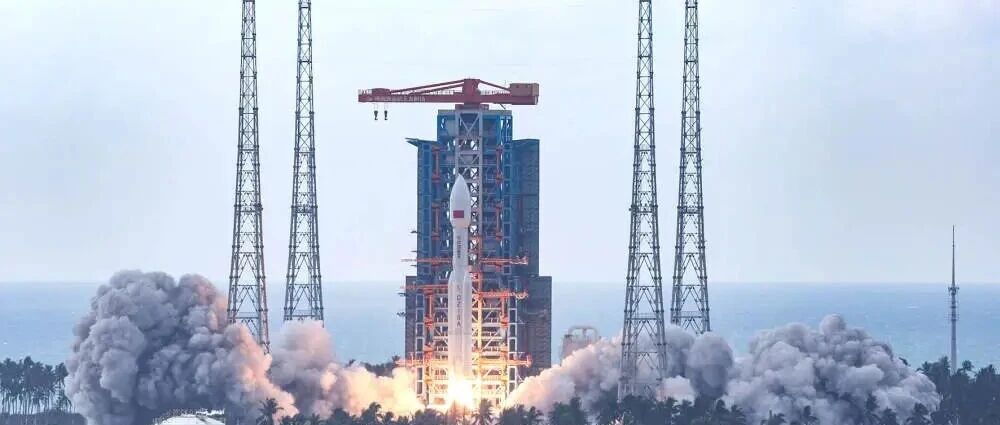
“中国蓝箭航天,挑战马斯克”
Guan Cha Zhe Wang· 2025-12-30 02:22
Core Viewpoint - Chinese commercial aerospace companies, particularly Blue Arrow Aerospace, are rapidly advancing in the reusable rocket sector, traditionally dominated by SpaceX, drawing attention from Elon Musk and international media [1][2]. Group 1: Company Developments - Blue Arrow Aerospace became the first Chinese company to conduct reusable rocket tests, aiming to become the second-largest player in this field after SpaceX [1]. - The company’s Zhuque-3 rocket experienced a setback during the first stage recovery but is viewed as a significant step in China's space exploration efforts [1][6]. - The CEO of Blue Arrow, Dai Zheng, emphasized that the failure was part of a learning process and not a definitive setback, highlighting the experimental nature of the launch [1][7]. Group 2: Market Position and Strategy - Blue Arrow aims to provide low-cost launch solutions similar to SpaceX's Falcon 9, which is crucial for China's plan to deploy up to 10,000 satellites in the coming decades [2][6]. - The company is reportedly preparing for an IPO on the Sci-Tech Innovation Board, potentially ahead of SpaceX, which is still speculated to be preparing for its own IPO [5][6]. Group 3: Industry Context and Future Outlook - The Chinese commercial space market is projected to grow by 8.3% in 2024, reaching approximately 713.32 billion yuan, indicating a robust industry outlook [6]. - Government initiatives, including the establishment of the National Venture Capital Guidance Fund, are expected to provide significant support to the aerospace sector, enhancing investment in early-stage projects [6]. - Despite setbacks, the Zhuque-3 rocket's second stage successfully completed a 1400-second glide, laying the groundwork for future improvements in payload capacity [7].
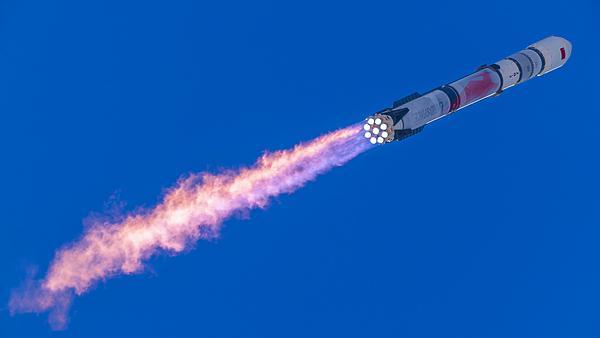
巴菲特谢幕、OpenAI搅动万亿市值、谷歌强势崛起......2025全球十大商业事件盘点
华尔街见闻· 2025-12-28 12:49
Core Insights - The article highlights significant business events in 2025, emphasizing the rise of AI competition and the reshaping of the technology landscape [4] - Key players like OpenAI, Nvidia, and Google are at the forefront of this transformation, with substantial investments and strategic partnerships [1][3] AI Competition and Investments - The U.S. government announced a $500 billion investment in AI infrastructure, dubbed "Stargate," aiming to build 20 large-scale AI data centers [5] - OpenAI's partnership with SoftBank and Oracle faced challenges, leading to a reduction in project scope and delays in execution [6] - CoreWeave, a company specializing in GPU cloud services, went public with a valuation of approximately $230 billion, marking a significant moment for AI computing rental services [7][12] Major Corporate Developments - Nvidia became the first company to reach a market capitalization of $5 trillion, driven by the demand for AI-related hardware [24][26] - The company invested $50 billion in Intel, marking a strategic alliance to enhance their competitive positions in the PC and data center markets [13][15] - OpenAI's influence on the market was profound, with its valuation and orders significantly impacting the AI industry narrative throughout the year [17][21] Market Dynamics and Trends - The article discusses the shift in the automotive industry, particularly Germany's decision to amend its 2035 ban on internal combustion engines, reflecting the tension between aggressive transformation and market realities [2][40] - Google's advancements in AI, particularly through its TPU and Gemini models, are positioned to challenge Nvidia's dominance in the AI infrastructure market [43][44] Conclusion - The events of 2025 illustrate a complex interplay of alliances, competition, and market adjustments, with companies navigating the evolving landscape of AI and technology [3][21]
科创板第五套标准再细化,商业航天“七子夺嫡”第一股
Hua Er Jie Jian Wen· 2025-12-27 07:40
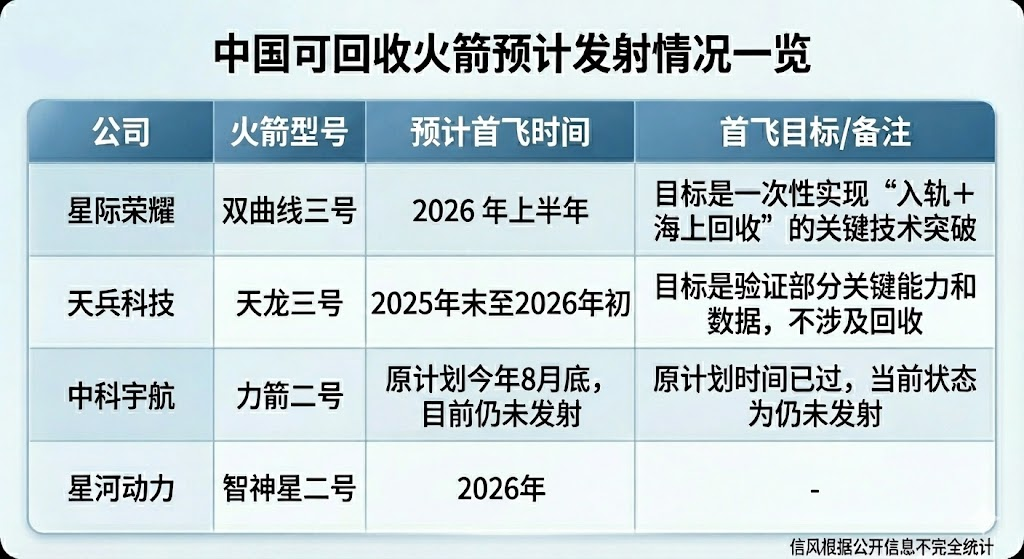
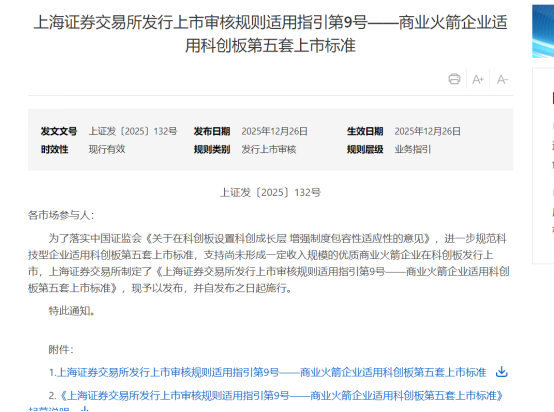
Group 1 - The core viewpoint of the article is that the listing standards for commercial rockets are becoming clearer, with the Shanghai Stock Exchange issuing guidelines for companies seeking to list on the Sci-Tech Innovation Board [1][2] - The fifth set of listing standards primarily requires "market value + stage achievements" without setting performance thresholds, making the definition of stage achievements crucial [2] - The guidelines specify that for companies to qualify under the fifth set of standards, they must achieve the successful launch of a medium to large reusable rocket that places a payload into orbit [2] Group 2 - Blue Arrow Aerospace is currently the fastest company in the IPO process, having recently completed the launch of its reusable rocket [3][4] - The Zhuque-3 rocket, launched by Blue Arrow, successfully entered orbit but failed to achieve recovery due to an engine ignition issue during the landing phase [5][6] - Despite the recovery failure, the Zhuque-3 provided valuable experience for the industry [7] Group 3 - With the new guidelines clarifying the listing standards, Blue Arrow Aerospace is expected to be the first commercial aerospace company to pursue an IPO under the fifth set of standards [8] - At least six other commercial aerospace companies, including Xinghe Power, Interstellar Glory, and Tianbing Technology, are currently in the IPO counseling phase, all of which must achieve orbital success with their reusable rockets to qualify [8] - The expected first flight dates for these companies' reusable rockets are primarily set for 2026, with specific timelines for each company outlined [9][11]
美媒盘点2025中国航天“重大进展”
Huan Qiu Wang Zi Xun· 2025-12-26 22:59
Core Insights - In 2025, China achieved significant advancements in its space sector, including record rocket launches, manned lunar exploration hardware tests, and deep space missions, culminating in a total of 87 launches, surpassing the previous record of 68 launches set in 2024 [1][2] Group 1: Launch Achievements - China launched a total of 87 space missions in 2025, breaking its previous record [1] - The increase in launch frequency is partly driven by two low Earth orbit internet constellations, which include thousands of satellites, as a response to Western counterparts like SpaceX's Starlink [2] - The successful launch of 15 low Earth orbit satellites using the Long March 6A rocket on December 9, 2025, is a notable achievement [2] Group 2: Manned Lunar Exploration - China is on track to achieve its first manned moon landing by 2030, with significant hardware tests conducted in 2025 [2] - Key tests included the successful zero-height escape flight test of the Dream Chaser spacecraft and the comprehensive verification of the lunar lander [2] Group 3: Deep Space Missions - The Tianwen-2 probe was successfully launched in May 2025, marking another deep space exploration mission following the Tianwen-1 Mars mission [3] - The Tianwen-2 probe is expected to reach its target asteroid by July 2026, providing new insights and samples from the celestial body [2][3] Group 4: Emergency Response - In November 2025, an emergency situation arose when a crack was found in the Shenzhou-20 spacecraft's window, leading to a swift response where astronauts were transferred to the Shenzhou-21 spacecraft for safe return [4] - The backup Shenzhou-22 spacecraft was prepared and launched within 16 days to ensure the safety of the crew [4] Group 5: Future Plans - The frequency of launches is expected to increase further in 2026, with plans for more reusable rocket tests and the expansion of launch facilities [5] - Major upcoming missions include the Chang'e 7 lunar probe and the SMILE satellite in collaboration with the European Space Agency [5] - The manned space program will see the launch of Shenzhou-23 and Shenzhou-24 missions, with plans for long-term stays in space [6]
群殴 “马保国”
债券笔记· 2025-12-26 14:41
Group 1: Equity Market - The U.S. follows a "private sector-led, government-assisted" approach, where the government acts as an "angel investor" and major customer, while companies drive their own growth [8] - SpaceX is highlighted as a leading player, with its Falcon 9 rocket achieving high recovery rates and the Starlink project amassing over 8 million users, showcasing its strong revenue potential [8][9] Group 2: Commercial Space Race - In the U.S., private companies like Blue Origin and Rocket Lab are competing in the commercial space sector, with Blue Origin focusing on space tourism and Rocket Lab targeting the small satellite market [10] - In China, state-owned enterprises lead the way in commercial space, with China Aerospace Science and Technology Corporation (CASC) and China Aerospace Science and Industry Corporation (CASIC) playing pivotal roles in various space missions and innovations [11] - The private sector in China is also emerging, with companies like Blue Arrow Aerospace and Tianbing Technology developing reusable rockets and innovative propulsion systems [12][13] Group 3: Market Dynamics and Challenges - Key areas of focus include reusable rockets, satellite internet, and AI-enabled space computing, which are seen as crucial for reducing costs and expanding market opportunities [14] - Challenges include the stability of reusable rocket technology and the need for breakthrough applications to create a commercial ecosystem in the space industry [14] Group 4: A-Share Market Performance - The A-share market shows positive momentum, with the Shanghai Composite Index rising by 0.47% and a total trading volume of 1.92 trillion yuan, indicating strong investor sentiment [15] Group 5: Macro and Fixed Income - The bond market is characterized by strong short-term bonds, with the 10-year government bond yield at 1.837% [16] - The central bank's operations include a net injection of 1 trillion yuan through MLF, ensuring ample liquidity in the market [16] Group 6: International Relations and Currency - The U.S. has announced the end of its trade investigation into Chinese chips, which is expected to ease trade tensions and positively impact the technology sector [16] - The Chinese yuan is strengthening, nearing the 7.0 mark against the dollar, supported by strong trade surpluses and favorable economic conditions [16]

上交所重磅!事关商业火箭IPO
Zheng Quan Shi Bao· 2025-12-26 09:51
商业火箭企业适用科创板第五套上市标准指引来了! 12月26日,上海证券交易所正式发布《上海证券交易所发行上市审核规则适用指引第9号——商业火箭企业适用科创板第五套上市标准》(以下简称《指 引》),支持正处于大规模商业化关键时期的商业火箭企业,适用第五套上市标准登陆科创板,这意味着科创板"1+6"改革举措又一项成果落地。 证券时报记者注意到,《指引》明确商业火箭企业适用科创板第五套上市标准的业务范围,即主营业务为"商业火箭自主研发、制造和提供航天发射服 务",更加看重发行人的"硬科技"属性。据悉,商业火箭研制及发射业务处于商业航天产业链中游,承担"承上启下"的关键枢纽职能,已成为我国商业航 天产业发展的关键所在。 上交所表示,下一步将以《指引》发布为契机,着力推进符合《指引》标准的商业火箭企业在科创板发行上市,以更大力度支持突破关键核心技术的科技 型企业发展。 2025年6月,中国证监会发布实施《关于在科创板设置科创成长层增强制度包容性适应性的意见》,明确扩大第五套标准适用范围,支持人工智能、商业 航天、低空经济等更多前沿科技领域企业适用科创板第五套上市标准。2025年11月,国家航天局发布的《推进商业航天高质 ...


刚刚,大利好突袭!涨停潮!
天天基金网· 2025-12-24 05:27
Group 1: Commercial Aerospace Sector - The commercial aerospace sector experienced a rebound, with 17 out of 18 stocks containing "aerospace" in their names rising, including a notable surge in China Satellite, which hit the daily limit [2][4] - Recent events in the commercial aerospace field include the successful launch of the Long March 12 rocket and the completion of the IPO counseling for Blue Arrow Aerospace, a leading private aerospace company in China [6][7] - The Wenchang International Aerospace Forum emphasized the development of a closed-loop system for commercial launches, satellite applications, and the integration of aerospace tourism [7][8] Group 2: Power Equipment Sector - The power equipment sector saw significant gains, with stocks like Megmeet and Zhongheng Electric hitting their daily limits [9][10] - The demand for power equipment is driven by the growth of data centers, which are becoming critical infrastructure for AI development, with global data center capacity expected to exceed 100GW by 2025 [12] - The evolution of data centers towards direct current and high voltage is creating new market demands for auxiliary power sources like supercapacitors and battery backup units [12]





火箭为何入轨易,回收难?与朱雀三号副总师聊聊我们离「完美落地」还有多远 | 科技早知道
声动活泼· 2025-12-23 11:02
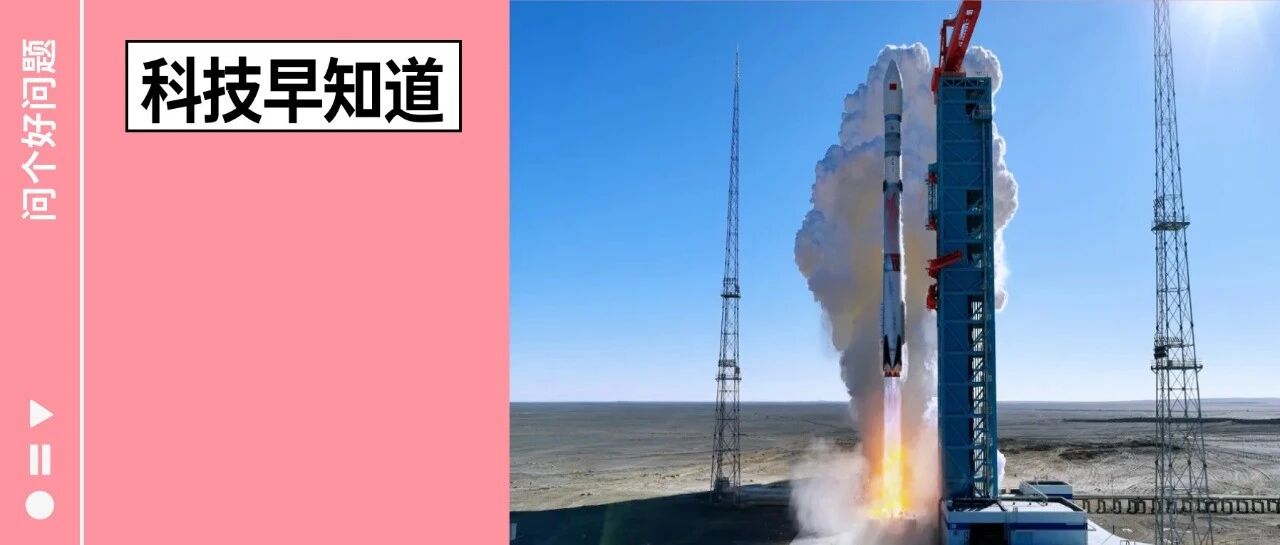
Core Viewpoint - The successful first flight of the Zhuque-3 reusable rocket marks a significant milestone in China's commercial space industry, despite the failure to recover the first stage, highlighting the challenges of achieving both orbital insertion and recovery in the same mission [5][15][19]. Group 1: Zhuque-3 Overview - Zhuque-3 is a medium-sized reusable rocket using liquid oxygen and methane, designed to compete with SpaceX's Falcon 9, featuring a similar two-stage configuration [7][9]. - The rocket's first flight took place on December 3, with the second stage successfully entering the designated orbit, while the first stage's recovery attempt was unsuccessful [5][14]. - The rocket's design emphasizes high-frequency reuse, utilizing materials like stainless steel and a specific engine configuration to enhance operational efficiency [24][25]. Group 2: Technical Challenges and Design Choices - The choice of liquid oxygen and methane, along with stainless steel, was made to optimize for reusability and reduce maintenance needs, as stainless steel can withstand high temperatures without requiring an external thermal protection layer [24][25]. - The recovery process involved multiple stages, including a re-entry burn and a controlled descent, which were critical for validating the rocket's design and operational capabilities [32]. - The recovery site was set at 390 kilometers for safety, impacting the rocket's payload capacity, which could increase significantly with a longer recovery distance [27]. Group 3: Future Plans and Industry Context - The company aims to achieve successful recovery by mid-2026, with plans to iterate on the design based on the first flight's data, including extending the recovery range and enhancing the rocket's capabilities [37][38]. - The competitive landscape in commercial spaceflight is intensifying, with the company focusing on providing cost-effective and reliable launch services to attract customers [35]. - The long-term vision includes developing a larger fully reusable rocket, with a target operational capacity of 200 tons, to further enhance China's capabilities in space [38][39].
大运载时代:百箭争流,共绘天疆新图景
HUAXI Securities· 2025-12-14 11:16
Investment Rating - Industry Rating: Recommended [4] Core Insights - The successful launches of the Li Jian No.1 and Long March 12 rockets validate China's heavy-lift capabilities in commercial space [1][14] - Li Jian No.1 achieved a "one rocket, nine satellites" launch, marking its entry into large-scale operations with a payload capacity of 1.5 tons to a 500 km sun-synchronous orbit, outperforming similar Indian rockets by over four times [1][15] - Long March 12, China's strongest single-core rocket, demonstrated its capability to launch large satellite constellations with a near-Earth orbit capacity of at least 12 tons [1][16] Summary by Sections Section 1: Li Jian No.1 and Long March 12 Launches - Li Jian No.1 successfully launched nine satellites, including three for international clients, establishing a strong market presence in the commercial launch sector [14][25] - The rocket's innovative avionics system enhances reliability and supports remote one-click launches, transitioning from custom to generalized systems [25][33] - Long March 12's successful mission included launching 16 low-Earth orbit satellites, showcasing its adaptability and efficiency with a record short turnaround time [16][34] Section 2: Global Commercial Space Development - SpaceX is redefining launch capacity standards with its Starship system, achieving near-Earth orbit capacity of 150 tons and a single-use capacity of 250 tons [3][20] - The commercial space market is projected to exceed $500 billion by 2025, driven by low-cost reusable rockets and satellite constellations [20][54] - The emergence of differentiated technologies, such as Rocket Lab's Neutron rocket, indicates a competitive landscape where second-tier companies seek to carve out market niches [21][22] Section 3: Investment Recommendations - Beneficial stocks include aerospace companies like Aerospace Power, Superjet, and West Materials, as well as space computing firms like Shunhao and Putian Technology [7][23]