外汇储备多元化

Search documents
金价大拐点!今天行情拐点已现,黄金市场或将迎来更大变盘?
Sou Hu Cai Jing· 2025-11-08 18:46
Core Viewpoint - The recent changes in gold tax policy in China have led to significant price discrepancies in the gold market, affecting both retail prices and recovery rates, with a notable increase in costs for consumers [1][7]. Market Phenomenon - The price of gold jewelry has surged to 1268 yuan per gram, while bank investment gold bars hover around 930 yuan per gram, indicating a clear distinction based on purchase intent: consumption versus investment [3]. - Consumers are exhibiting caution in their purchasing decisions, with some opting to delay purchases until after the release of CPI data, reflecting concerns over potential price corrections [3]. - The gold recovery market is active but characterized by significant price gaps, with recovery prices from major brands being substantially lower than retail prices, leading to potential losses for consumers [3]. Data Insights - As of November 8, 2025, international gold prices have stabilized above 4000 USD per ounce, with a daily increase of 0.33% [5]. - The Shanghai Gold Exchange reported a closing price of 917.42 yuan per gram, reflecting a minor increase, while the price fluctuations indicate a growing divergence between bullish and bearish market sentiments [5]. Policy Impact - The new tax regulations effective from November 1 have increased the tax burden on gold used for investment, leading to a rapid increase in retail prices in various markets [7]. - The policy has caused temporary confusion in market pricing, prompting industry associations to issue guidelines for compliance [7]. Institutional Movements - Central banks globally have significantly increased their gold purchases, with China's central bank holding a record 2304 tons of gold as of October, indicating a strategic shift towards gold accumulation [10]. - Emerging market central banks are becoming the primary drivers of gold demand, reflecting a broader trend towards diversifying foreign exchange reserves [10]. International Factors - The direction of the Federal Reserve's monetary policy is a key factor influencing short-term gold price fluctuations, with market expectations leaning towards a potential interest rate cut [12][13]. - Geopolitical risks have shown a cooling effect on gold prices, as recent developments have reduced immediate demand for gold as a safe-haven asset [13]. Investment Strategies - Current technical analysis suggests that gold prices are at a critical juncture, with key resistance and support levels identified [15]. - The growing popularity of gold ETFs among younger investors highlights a shift towards more flexible investment options that do not require physical storage [15]. - Significant price differences between various purchasing channels indicate that consumers need to be aware of the cost implications when investing in gold [15]. Market Outlook - The gold market is currently experiencing a tension between long-term support from central bank purchases and short-term pressures from changing monetary policies and geopolitical stability [17]. - Analysts predict that gold prices could test higher levels in the future, but caution that the market has not yet reached critical thresholds that typically signal a market downturn [17].

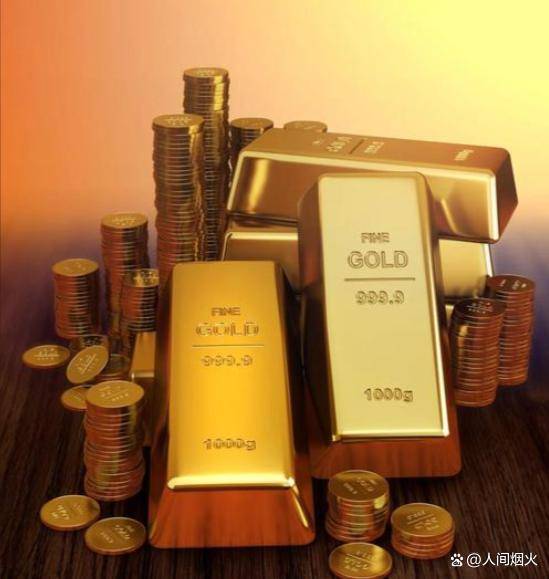
我国连续大量的抛售美债,总规模已十分巨大,那钱去了哪里了?
Sou Hu Cai Jing· 2025-11-08 07:39
Core Viewpoint - China has significantly reduced its holdings of US Treasury bonds over the years, moving from a peak of $1.3167 trillion in 2013 to approximately $730.7 billion by mid-2025, reflecting a strategic shift to diversify its foreign reserves and mitigate risks associated with US monetary policy and global trade tensions [2][4][15]. Group 1: Reduction Timeline - In 2018, China began selling US Treasuries, reducing its holdings by about $50 billion as US interest rates rose [2]. - By 2019, amid escalating trade disputes, China sold over $100 billion, bringing its holdings down to $1.06 trillion [4]. - In 2020, China further reduced its holdings by $80 billion, stabilizing at $1.05 trillion [4]. - The trend continued in 2021 with a reduction of $120 billion, dropping below the $1 trillion mark [4]. - In 2022, China sold $150 billion, resulting in a total holding of $850 billion [4]. - By 2023, the pace of selling accelerated, with a total reduction to $800 billion [6]. - As of 2025, cumulative reductions exceeded $500 billion, with holdings at their lowest since 2009 [6][15]. Group 2: Reasons for Reduction - The primary driver for the reduction has been the increase in US interest rates, which has led to lower bond prices and higher holding costs for investors [8]. - The appreciation of the US dollar has introduced additional exchange rate risks, prompting China to seek diversification [8]. - Global trade protectionism and unilateral actions by the US have further motivated China to reduce its reliance on US assets [8][15]. Group 3: Reallocation of Funds - Proceeds from the sale of US Treasuries have been redirected towards diversifying foreign reserves, including increased investments in gold, euros, and yen [10][11][17]. - By mid-2025, China's gold reserves reached approximately 2,298.53 tons, reflecting a strategic pivot towards more stable assets [10][11]. - The overall foreign reserve balance remained stable at around $3.3 trillion, despite fluctuations in specific asset classes [8]. Group 4: Strategic Implications - The shift towards gold and other currencies is aimed at enhancing China's financial security and reducing vulnerability to US monetary policy fluctuations [15]. - China's strategy aligns with a broader trend of de-dollarization, as it seeks to strengthen its international financial standing and reduce dependence on the US dollar [15][17]. - The diversification of reserves is expected to bolster China's economic resilience and enhance its role in global finance [13][17].

第八届进博会参展企业再创新高,央行连续12个月增持黄金丨一周热点回顾
Di Yi Cai Jing· 2025-11-08 02:50
Group 1: Trade and Export - In the first ten months of the year, China's total goods trade value increased by 3.6% year-on-year, with a slight decrease of 0.4 percentage points compared to the previous nine months [1] - In October, exports decreased by 0.8% in RMB terms and 1.1% in USD terms, marking the first negative growth since February this year, slightly below market expectations [1] - Exports to the US saw a significant decline of 25.2%, which pulled down the overall export growth by 3.8 percentage points [1] - Despite the decline, new export drivers such as "new three samples" products and green products like railway electric locomotives and wind power generators maintained double-digit growth [1] Group 2: Monetary Policy and Debt Management - The People's Bank of China resumed government bond trading in October, injecting 20 billion yuan into the banking system, marking the end of a suspension since January [2][3] - The scale of bond purchases in October was relatively low compared to previous months, indicating a cautious approach by the central bank to avoid rapid declines in interest rates [3] - The establishment of a Debt Management Department by the Ministry of Finance aims to enhance the management and monitoring of government debt, aligning with high-quality development goals [6] Group 3: Economic Events and Trends - The eighth China International Import Expo (CIIE) opened with over 4,000 participating companies, including 290 Fortune 500 firms, showcasing a strong international interest in the Chinese market [4][5] - China's central bank has increased its gold reserves for 12 consecutive months, reaching approximately 2,304.457 tons, reflecting a strategic move to diversify foreign reserves amid global uncertainties [8][9] - The ongoing US government shutdown has reached a record 36 days, with potential economic losses estimated at $11 billion if it continues, impacting key economic data releases [10][11]
央行连续12个月增持黄金,全球央行购金热潮持续
Di Yi Cai Jing· 2025-11-07 10:33
Group 1 - As of the end of October, China's gold reserves reached 74.09 million ounces (approximately 2304.457 tons), marking a month-on-month increase of 30,000 ounces (about 0.93 tons) and continuing a 12-month streak of accumulation [1] - The People's Bank of China is adopting a "low and frequent" strategy for gold purchases, which helps to smooth market volatility, manage costs, and mitigate the impact of large-scale purchases on gold prices, while also serving as a hedge against global macro risks [1] - In October, gold prices hit a historical high of $4,294 per ounce, marking the 50th new high of the year, and despite a subsequent pullback to around $4,000 per ounce by the end of the month, the price still rose by 4.9% for the month, marking the fifth consecutive month of gains [1] Group 2 - The World Gold Council reported that global central banks accelerated gold purchases in the third quarter, with a net purchase of 220 tons, a 28% increase from the second quarter and a 10% year-on-year increase [2] - The total net gold purchases by global central banks for the first three quarters reached 634 tons, which, while lower than the exceptionally high levels of the past three years, remains significantly above the average levels prior to 2022 [2] - Factors such as escalating geopolitical tensions, persistent inflation pressures, and uncertainties in global trade policies are driving investors to seek safe-haven assets, thereby increasing demand for gold [2]
中国央行连续12个月增持黄金,全球央行购金热潮持续
Di Yi Cai Jing· 2025-11-07 09:33
Group 1 - As of the end of October, China's gold reserves reached 74.09 million ounces (approximately 2304.457 tons), marking a month-on-month increase of 30,000 ounces (approximately 0.93 tons) and continuing a 12-month streak of accumulation [1] - The People's Bank of China is adopting a "low and frequent" strategy for gold purchases, which helps to smooth market volatility, manage costs, and mitigate the impact of large-scale purchases on gold prices, while also serving as a hedge against global macro risks [1] - In October, gold prices hit a historical high of $4,294 per ounce, marking the 50th new high of the year, and despite a subsequent pullback to around $4,000 per ounce by the end of the month, the price still rose by 4.9% for the month, marking the fifth consecutive month of gains [1] Group 2 - The World Gold Council reported that global central banks accelerated gold purchases in the third quarter, with a net purchase of 220 tons, a 28% increase from the second quarter and a 10% increase year-on-year [2] - The total net gold purchases by global central banks for the first three quarters reached 634 tons, which, while lower than the exceptionally high levels of the past three years, remains significantly above the average levels prior to 2022 [2] - Factors such as escalating geopolitical tensions, persistent inflation pressures, and uncertainties in global trade policies are driving investors to seek safe-haven assets, thereby increasing demand for gold [2]
印度黄金储备大挪移:超65%本土存放!
Sou Hu Cai Jing· 2025-10-29 09:48
Core Insights - The Reserve Bank of India (RBI) is accelerating the repatriation of gold, with 576 tons stored domestically by the end of September, driven by geopolitical concerns over the safety of overseas assets [2][5][6] - The RBI's strategy reflects a significant shift, with over 65% of its gold reserves now held domestically, nearly doubling from four years ago [2][5] - The move is largely attributed to the freezing of Russian assets by Western nations following the Ukraine conflict, raising global concerns about the safety of foreign-held assets [6] Group 1: Gold Reserves and Storage - As of now, the RBI's total gold reserves amount to 880 tons, with 576 tons stored locally, marking a historical high [5] - In September 2022, only about 38% of India's gold reserves were stored domestically, indicating a substantial increase in local storage [5] - The RBI previously entrusted some of its gold reserves to the Bank of England and the Bank for International Settlements for safekeeping [5] Group 2: Strategic Implications - The RBI's gold repatriation is seen as a move to enhance direct control over national gold assets and avoid the risk of asset freezes similar to those experienced by Russia [6] - India's Finance Minister emphasized that this initiative is a "thoughtful move" to diversify foreign exchange reserves [6] - The RBI aims to increase the proportion of gold in its reserves from 13.92% as of September 2025 to 20% in the future, indicating a continued trend of gold accumulation [7] Group 3: Global Context - The global central bank gold purchases reached 415 tons in the first half of 2025, maintaining a historical high, with emerging market countries like China, Russia, and Turkey also increasing their gold reserves [7] - 95% of surveyed central banks expect continued growth in official gold reserves over the next 12 months, reflecting a renewed strategic importance of gold amid rising geopolitical risks [7][8] - India's foreign exchange reserves totaled $702.3 billion as of October 17, 2025, ranking fourth globally and providing a solid foundation for its reserve diversification strategy [7]

各国央行纷纷抢购黄金的底层逻辑是什么?
Sou Hu Cai Jing· 2025-10-29 04:11
Core Insights - Global official gold reserves increased by 166 tons in Q2 2023, reaching historical highs, with central banks expected to continue purchasing over 1000 tons annually from 2022 to 2024 [2][3] - 95% of surveyed central banks anticipate an increase in global official gold reserves in the next 12 months, with 43% planning to increase their own gold holdings [2] - The freezing of Russian foreign exchange reserves by the US and its allies has triggered a crisis of trust in the US dollar-based international monetary system, leading to a surge in gold purchases by central banks [3][5] Gold as an Alternative to the Dollar - Gold is a non-nominal asset with physical form, immune to political interference, and can be stored under national control, making it a secure option in the current geopolitical climate [4] - Gold possesses unique attributes as a commodity, currency, and financial asset, independent of any nation's credit, thus serving as a hedge against currency devaluation and high debt levels [4] - The global daily trading volume of gold exceeds $100 billion, providing the liquidity that central banks require for reserve assets [4] Shift Towards Diversification - Central banks are adjusting asset allocation strategies, with a notable trend of "de-dollarization" emerging, particularly among emerging market countries like China, Russia, and India, as well as others like Turkey and Kazakhstan [5] - There is a clear trend towards diversifying international trade settlement currencies, with more countries opting for local currency settlements to reduce reliance on the US dollar [5] - The erosion of trust in the dollar's dominance is a gradual process, and while the dollar remains a key player in global finance, the shift towards a more diversified international monetary system is underway [5][6] Future Financial Landscape - The increasing demand for gold reflects a broader desire for a more equitable and diversified international monetary system, with gold playing a crucial role as a store of value and a symbol of financial sovereignty [5][6] - The development of digital currencies may further alter the existing financial landscape, potentially reducing dependence on traditional reserve currencies [6] - The ongoing transformation in the global financial system is complex and will involve market fluctuations and geopolitical tensions, as countries seek to balance security, liquidity, and profitability in their reserve strategies [6]

谁在真正支撑国际美元?答案不是美国,是我们
Sou Hu Cai Jing· 2025-10-24 09:16
Core Insights - The dominance of the US dollar in international payments remains strong, holding a 47.79% share, followed by the euro at 22.77% and the British pound at 7.38% [1][3] - The Chinese yuan has made significant strides in international trade, now accounting for 7.28% of global cross-border trade finance, surpassing the euro [4][6] - The use of the yuan in China's own cross-border trade has increased from 16% to nearly 30% during the 14th Five-Year Plan, indicating a substantial rise in its acceptance [6] International Payment Landscape - The US dollar continues to dominate international payments with a 47.79% share, while the euro, pound, and yen follow with 22.77%, 7.38%, and 3.69% respectively [1] - The yuan ranks fifth in global payment currencies with a 3.17% share, closely followed by the Canadian dollar at 3.12% [3] Cross-Border Trade Dynamics - In the realm of cross-border trade finance, the yuan's share has reached 7.28%, overtaking the euro's 7% [4] - Despite being the largest commodity trader, China still relies heavily on the dollar for trade settlements, using the yuan for only about 30% of its cross-border transactions [6] Strategic Implications - The increase in yuan usage in cross-border trade reflects its growing acceptance and potential as a trade settlement currency [6] - A shift to a higher percentage of yuan settlements could significantly reduce the demand for dollars, impacting its role as a trade medium [9] Future Outlook - The gap between the yuan's current share in global payments (3.17%) and its potential growth in cross-border trade (7.28%) indicates significant room for expansion [10] - China's ongoing trade expansion and initiatives like the Belt and Road Initiative are expected to further promote yuan internationalization [10] - The US's confrontational policies may inadvertently accelerate the yuan's rise in the global financial system [10][11]
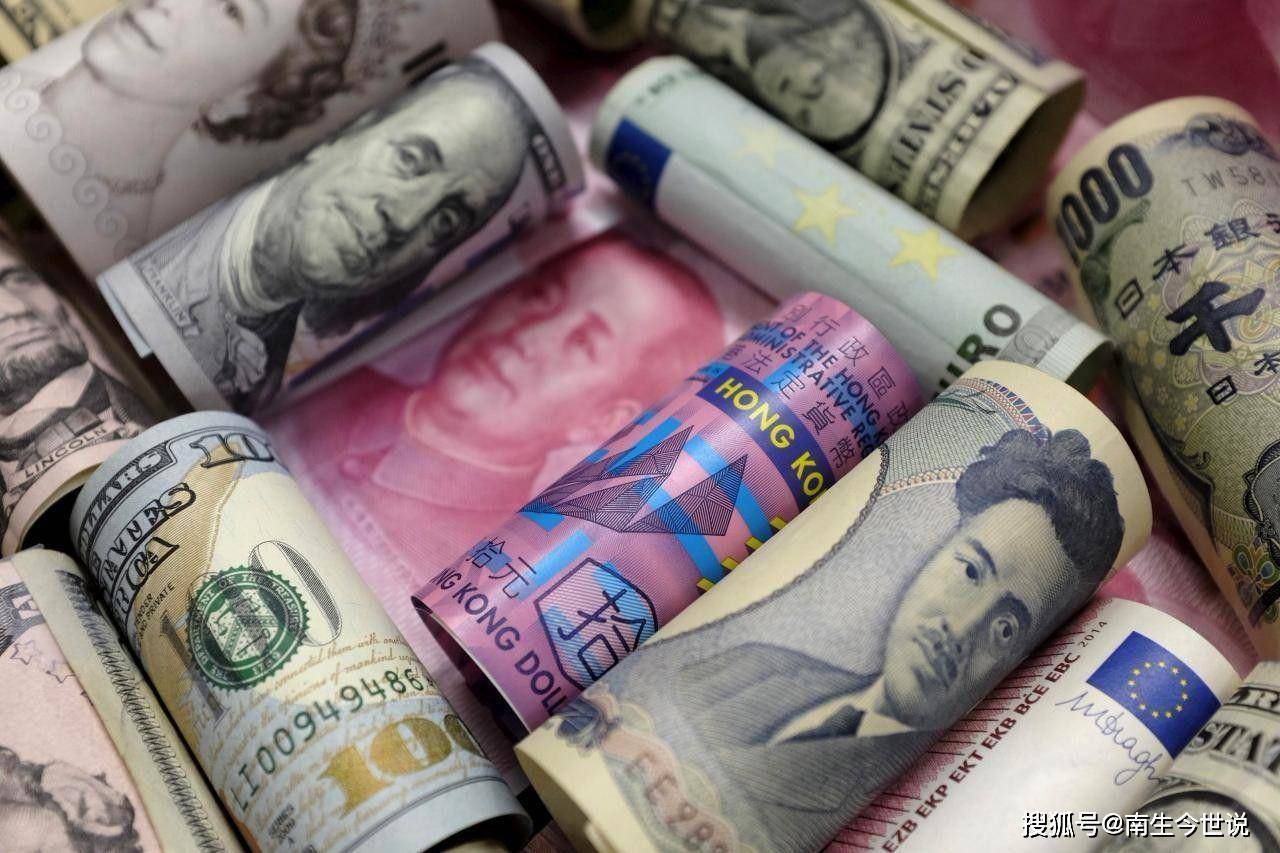
要中国增持美债,不许武统台岛,美学者:历史证明美国能击败中国
Sou Hu Cai Jing· 2025-10-19 12:22
Group 1 - The total U.S. national debt has surged to nearly $37.5 trillion, with daily increases of approximately $60 billion, leading to interest expenditures exceeding $1 trillion for the fiscal year 2024 [1] - China, as the largest foreign holder of U.S. debt, has been reducing its holdings, dropping to $730.7 billion by July 2025, the lowest since 2008, while Japan and the UK have increased their holdings [3][5] - U.S. Treasury Secretary Janet Yellen has emphasized the importance of China's investment in U.S. debt for financial market stability and has engaged in discussions with Chinese officials to address this issue [5][7] Group 2 - The reasons behind China's reduction of U.S. debt holdings include low yields on U.S. debt, rising geopolitical risks, and a desire to diversify foreign exchange reserves [9] - China has been increasing its gold reserves, reaching 2,302 tons by September 2025, as a strategy to hedge against dollar risks [11] - The U.S. faces structural issues regarding its debt, with ongoing political disagreements hindering tax reform and spending control, raising concerns about future debt increases and potential credit rating downgrades [11][19] Group 3 - The geopolitical landscape is complicated by U.S.-China tensions, particularly regarding Taiwan, with U.S. scholars warning against military actions by China that could destabilize the region [13][15] - China's strategy includes reducing reliance on U.S. debt, promoting the internationalization of the renminbi, and enhancing its position in the global gold market [17] - The ongoing dialogue between U.S. and Chinese officials reflects a complex relationship where debt cooperation and geopolitical tensions coexist [19]

美元布局紧急生变!中国拒绝援助买家离场,45万亿资产陷困局
Sou Hu Cai Jing· 2025-10-14 18:19
Economic Performance - China's GDP reached 66,053.6 billion yuan in the first half of 2025, with a year-on-year growth of 5.3%, driven by domestic demand, manufacturing, and service sector recovery [2] - The World Bank has raised China's annual growth forecast to 4.8%, close to the official target of around 5% [2] - In contrast, the US experienced a 3.8% annualized growth in Q2, but the full-year forecast is only 1.8% to 1.9% [2][18] Debt Market Dynamics - China's holdings of US Treasury bonds fell to $730.7 billion in July 2025, a decrease of $25.7 billion from the previous month, marking the lowest level since December 2008 [4] - This reduction reflects China's strategy of diversifying foreign exchange reserves, moving away from large-scale purchases of US debt [4][6] - The shift in China's investment strategy includes a focus on Asian assets and gold to enhance risk resilience [4][6] Real Estate Market Trends - Chinese investors are gradually exiting the US real estate market, shifting their focus to Asia or other stable regions [10] - The total value of US homes reached $55.1 trillion, but several states have seen declines, with Florida and California losing $109 billion and $106 billion, respectively [10] - The cumulative effect of these declines is significant, as the market adjusts to avoid potential risks [10][16] Investment Strategy Shifts - The US faces a potential crisis with $45 trillion in household real estate wealth, which is vulnerable to fluctuations in the debt market [12] - Chinese buyers have strategically exited the US market to avoid the impact of these fluctuations, demonstrating improved predictive capabilities [12][16] - The Federal Reserve's shift from aggressive rate hikes to gradual cuts has had limited success in reversing the increasing inventory trend in the US real estate market [12][20] Currency and Global Influence - China's economic strategy emphasizes domestic demand expansion and technological investment, maintaining a stable growth rate above 5% [14] - The refusal to provide external financial assistance reflects China's confidence in its sovereign financial strategy [14][20] - The global shift towards emerging markets presents opportunities for China to enhance its influence and reduce reliance on the US dollar [18][20]