房地产去库存

Search documents
北京优化调整住房限购政策 放宽非京籍家庭购房条件
Yang Guang Wang· 2025-12-25 05:16
Core Viewpoint - Beijing's new housing policy aims to relax purchasing conditions for non-local families and support multi-child households, reflecting recent national requirements and market changes [1][2] Policy Adjustments - Non-Beijing residents can now purchase homes within the Fifth Ring Road after paying social insurance or individual income tax for 2 years, while the requirement is reduced to 1 year for properties outside the Fifth Ring [1][3] - Multi-child families are allowed to buy an additional property within the Fifth Ring, increasing the total number of homes they can purchase [2][3] Market Impact - The policy is expected to expand the housing demand group, facilitating entry for eligible buyers into the market and potentially boosting real estate sales and inventory reduction [2][3] - The adjustments are seen as a response to the accumulated housing demand and are likely to stimulate the market, especially in light of lower housing prices and financing costs [3][4] Loan Policy Optimization - The new policy eliminates the distinction between first and second home loan interest rates, allowing banks to set rates based on their operational conditions [3][4] - The minimum down payment for second homes using public housing funds has been reduced from 30% to 25%, lowering the barrier for home purchases [4] Development and Investment Focus - The policy also includes changes to the approval process for real estate development projects, shifting from city-level to district-level oversight, which aims to enhance investment efficiency [4][5] - This approach aligns with national strategies to control growth, reduce inventory, and improve supply in the real estate market [5][6] Broader Implications - The adjustments in Beijing's housing policy may influence other first-tier cities, potentially leading to similar relaxations in purchasing restrictions in cities like Shanghai and Shenzhen [6]
中经评论:理性看待房地产开发投资下降
Jing Ji Ri Bao· 2025-12-24 00:10
Group 1 - National real estate development investment decreased by 15.9% year-on-year from January to November, reflecting the implementation of control measures and market adjustments [1] - The decline in real estate investment is attributed to strict control of new real estate projects and a significant shift in supply-demand dynamics, with new housing demand unlikely to return to previous peak levels [1] - The role of second-hand housing is increasingly prominent, with second-hand transactions accounting for 45% of total housing transactions in the first eleven months of 2025, and major cities seeing significant year-on-year growth in second-hand sales [1] Group 2 - The total transaction volume of new and second-hand homes in 30 key cities has stopped declining year-on-year, indicating stable market demand despite adjustments in new home sales [2] - The sales area of commercial housing has exceeded the area of new construction, suggesting effective inventory reduction, and cities with excess real estate should halt new land acquisitions [2] - Long-term urbanization efforts continue, with significant potential for optimizing existing urban stock and meeting public demand for high-quality housing [2] Group 3 - The focus will be on the renovation of old urban communities, villages, and unsafe housing to address public concerns and eliminate safety hazards [3] - Emphasis on high standards in construction and renovation to meet diverse housing needs and drive industry upgrades [3]
全国房地产开发投资下降,中央财办:是“去库存”的结果
第一财经· 2025-12-16 15:34
"房地产开发投资延续下降态势,这是各地消化库存、严控增量的结果,是房企应对当前市场形势的 理性选择,对此要客观分析、正确看待。" 16日晚间,新华社发布中央财办有关负责同志对2025年中央经济工作会议精神的详细解读。在谈及 房地产市场发展现况时,中央财办有关负责同志作出上述回应。 2025.12. 16 本文字数:1797,阅读时长大约3分钟 作者 | 第一财经 吴斯旻 一是从供需两端发力稳市场。供给端要严控增量、盘活存量,鼓励收购存量商品房用于保障性住房等 合理用途,加快消化库存,同时有序推动"好房子"建设。需求端要采取更多针对性措施,充分释放 居民刚性和改善性需求。 二是积极推动房地产企业转型发展。支持房企加快从以新房销售为主向更多持有物业、提供高品质多 样化居住服务转型。同时,要进一步发挥"保交房"白名单制度作用,支持房企合理融资需求。 国家统计局数据显示,1~11月份,全国房地产开发投资78591亿元,同比下滑15.9%。同期,房 地产新开工面积同比降幅达到20.5%。在销售端,1~11月,全国新建商品房销售面积和销售金额 分别为78702万平方米和75130亿元,分别同比下降了7.8%和11.1%。 ...


房企手握近万顷闲置土地进退两难,业内呼吁加大回收或调规力度
第一财经· 2025-12-16 09:12
本文字数:3700,阅读时长大约6分钟 作者 | 第一财经 马一凡 2025.12. 16 2025年是很多爆雷房企"甩掉历史包袱"的一年,楼盘保交付任务基本完成,债务重组也有了不少进 展。 但有一个问题对他们来说仍是沉重的"包袱"——众多爆雷房企手握大量 2021年前以高溢价抢下的土 地,却因当下开发易亏损、过去的规划不符市场趋势等原因不愿开发。 总部位于华东的某爆雷房企,其手中土储未开工面积按当前开发速度,未来16年都开发不完;另一 家规模曾排行业前20的爆雷房企,土储超2500万平方米,按当前销售速度,土储20年都消化不完。 有业内人士向第一财经反映,存量土地去库存虽已获国家多项政策支持,却因政策落地差异、房企债 务复杂等因素,部分土地仍未被有效收储。在此背景下,破解闲置土地难题,实现房地产行业稳楼市 与去库存目标,成为亟待探索的关键问题。 土地闲置多年,房企开发意愿低 在楼市狂飙余波尚未退去的2021年,广州市南沙区曾发布一个雄心勃勃的计划——要在中心区域建 一个"双塔地标",最高建筑达到290米,与珠江新城的天际线遥相呼应。 然而高大上的南沙新地标并未快速崛起,这个商住地块的一部分反而成了大型临时停 ...
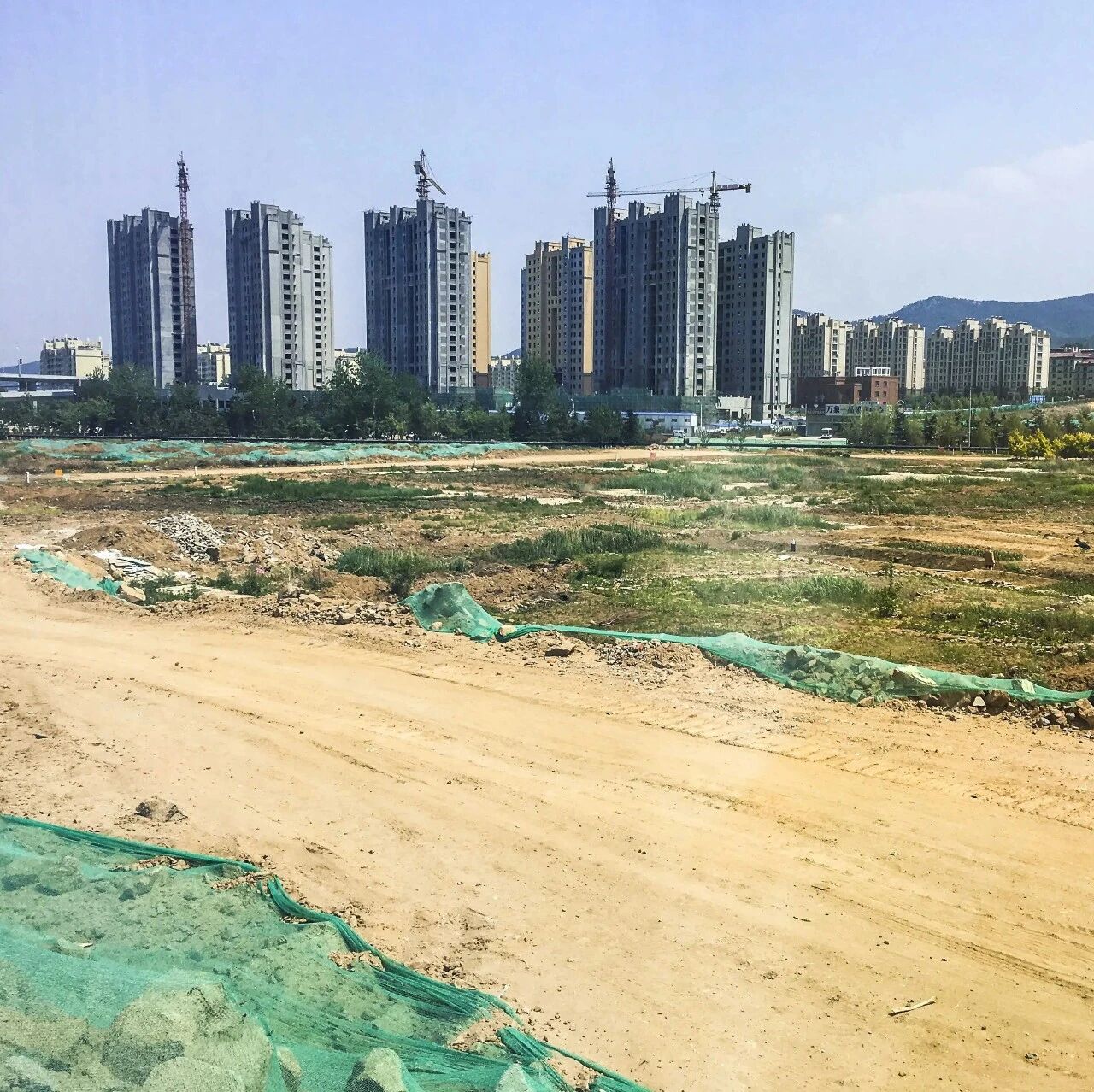
今日热点:11月上海、沈阳等8城新房价格上涨,商品房库存实现九连降
Sou Hu Cai Jing· 2025-12-16 02:16
Core Viewpoint - The real estate market in November continues to show fluctuations, but the effectiveness of policies aimed at stabilizing the market is becoming evident, with some major cities experiencing increased transaction activity [3][4]. Group 1: Market Performance - In November, the overall housing prices in 70 major cities continued to adjust, with new home prices in first-tier cities decreasing by 0.4% month-on-month, while some cities like Shanghai saw a slight increase of 0.1% [6][8]. - The number of cities with rising new home prices increased to 8, up from 6 in October, indicating a positive signal for the market [6][8]. - The total sales area of newly built commercial housing from January to November was 78.702 million square meters, a year-on-year decrease of 7.8%, while the sales amount reached 75.130 billion yuan, down 11.1% [8][12]. Group 2: Inventory and Supply - By the end of November, the inventory of unsold commercial housing decreased to 75.306 million square meters, marking a reduction of 301,000 square meters from the end of October, with inventory declining for nine consecutive months [4][8]. - The supply of new homes in key cities showed a slight recovery, with an expected new supply of 6.69 million square meters in November, a month-on-month increase of 16% [7][11]. Group 3: Policy Impact - Various local governments are intensifying support policies for home purchases, including subsidies and tax reductions, to stimulate market activity as the year-end purchasing window approaches [10][11]. - The Central Economic Work Conference emphasized stabilizing the real estate market as a top priority for next year, focusing on controlling supply, reducing inventory, and improving the quality of housing supply [11][12]. Group 4: Future Outlook - Analysts predict that the market will see a gradual recovery, with a focus on "de-inventory" policies and the potential release of rigid demand in core cities [12]. - In a neutral scenario, it is estimated that the sales area of newly built commercial housing will decline by 6.2% year-on-year in 2026, with a continued trend of market differentiation [12].
政策与地缘研究12月第1期:海外联储降息落地,中国政策定调积极
GUOTAI HAITONG SECURITIES· 2025-12-15 15:00
策略研究 /[Table_Date] 2025.12.15 海外联储降息落地,中国政策定调积极 [Table_Authors] 方奕(分析师) 政策与地缘研究 12 月第 1 期 本报告导读: 资产概览:全球风偏降温,贵金属领涨 2025.12.15 成交活跃度升高,创业板指估值领涨 2025.12.13 资产概览:商品/权益上涨,中债熊陡 2025.12.09 AI 产业延续高景气,服务消费同比偏强 2025.12.09 融资资金延续流入,ETF 平稳回流 2025.12.08 国外方面,美联储 12 月降息落地并开启扩表。国内方面,中央经济工作会议召开, 强调扩内需继续优先,推动投资止跌回稳,科技突破是产业重心。 投资要点: 策 略 观 察 [Table_Summary] 2025 年 12 月美联储议息会议如期宣布降息 25BP,将联邦基金利率 目标区间下调至 3.5%-3.75%,符合市场普遍预期,但内部分歧显 著加大。12 位 FOMC 投票委员中 3 人反对,为 2019 年以来首次出 现三名委员反对利率决议,其中 1 人主张降息 50BP,2 人主张维持 利率不变,点阵图中 2026 年降息预测 ...
最新数据,房价继续深跌中
Sou Hu Cai Jing· 2025-12-15 13:58
11月份的70城房价数据出来了,还是那句话,深不见底…… 房价下跌深不见底:一线新房价格环比下跌降0.4%,二手房环比下降1.1%。 这是很夸张的下跌速度,以一线城市一套房400万价格计算,房价下降1.1%等于4.4万。 就算一线的小领导月收入2万,每个月的房价跌幅相当于把一个人两个月的工资给跌没了,一年全白干。 这么说大家应该能够感觉到肉痛了吧,更让人绝望的是,这种下跌还不知道持续多久。 房地产销售下跌深不见底: 1-11月全国新建商品房销售面积7.9亿平米,同比下降7.8%。新建商品房销售额7.51万亿元,同比下降11.1%; 从22年开始,房地产的销售已经连续3年来都是负增长,哪怕是去年9月份那一次强力救市也只是昙花一现,今年又是开始加速下跌。 可以预见,今年的销售额仅为8万亿左右,几乎是等于2015年哪个水平,相对2021年,全国的买房群体足足减少了一半,大家都在观望,生怕自己成为下一 个"接盘"的。 房地产投资下跌深不见底: 1-11月,全国房地产开发投资额为7.86万亿元,同比下降15.9%。 这条线几乎是一路往下,本月的跌幅已经扩大至年内最大,也是本轮房地产全面调整以来的最大幅度,看得出流进房地 ...

中央定调,2026年楼市重点是去库存!三大招能化解地产风险吗?
Sou Hu Cai Jing· 2025-12-15 04:12
Core Viewpoint - The Central Economic Work Conference held on December 10-11 has set a clear direction for China's economic development in the coming year, with a significant focus on stabilizing the real estate market [1][3]. Group 1: Real Estate Market Stability - The conference emphasized the need for targeted policies in real estate, focusing on controlling new supply, reducing inventory, and improving supply quality [3][6]. - Encouragement for the acquisition of existing residential properties to be converted into affordable housing was highlighted, alongside reforms to the housing provident fund system [3][8]. - The importance of the real estate sector as a pillar of the national economy was reiterated, noting that risks in this sector could have widespread implications for the entire economy [3][5]. Group 2: Inventory Reduction Strategies - Reducing inventory is identified as a top priority, as excess inventory can lead to severe financial strain on real estate companies, affecting their cash flow and overall stability [5][7]. - Local governments are encouraged to purchase existing housing stock to alleviate inventory issues while addressing the housing needs of low-income families [8][10]. - The need to enhance housing quality and meet the demands of consumers for better living conditions was stressed, indicating a shift towards building high-quality homes [10][11]. Group 3: Collaborative Efforts for Implementation - Effective implementation of the conference's directives requires collaboration among local governments, regulatory bodies, and real estate companies [11][13]. - Local governments should introduce relevant policies to guide market development, while regulatory agencies must ensure compliance with these policies [13]. - Real estate companies are urged to adapt to market changes by improving product quality and service levels to foster sustainable development in the sector [13].
支持住房“以旧换新”,山东率先放大招!
Hua Er Jie Jian Wen· 2025-12-13 05:18
继中央经济工作会议提出"着力稳定房地产市场"后,山东省率先出手。 12月12日,山东省发布了《关于住房"以旧换新"的指导意见》,其中提出,丰富"换新"模式,拓宽旧房 处置途径,多措并举降低换房成本等。 对于出台新政的原因,山东省住建厅相关负责人表示,旨在通过机制创新、政策支持和服务优化,打通 新房与二手房市场壁垒,缩短交易周期,降低置换成本,激发住房消费活力。 中指研究院预计,各地去库存政策将继续落位,如收购存量商品房、加大购房补贴力度促需求、推动住 房"以旧换新"等,增加改善性住房供给、优化住房供给空间和产品结构等或是优化供给的重要方向。 山东发布"以旧换新"指导意见 12月12日,山东省住建厅等10个部门联合发布了《关于住房"以旧换新"的指导意见》。《指导意见》共 包含6部分、15条具体措施,系统构建了支持住房"以旧换新"的政策框架。 一是丰富"换新"模式,提升置换效率。明确提出"卖旧换新""收旧换新""拆旧换新"三种模式。支持房地 产经纪机构提供"帮卖"服务并引入"兜底收购"机制;鼓励各类主体市场化收购二手房;在符合规划和安 全要求前提下,探索城镇老旧住房原拆原建更新路径,新增公共设施不计容积率。 二是 ...
明年的经济定调,我们划了5个重点
吴晓波频道· 2025-12-13 00:29
点击上图▲立即收听 " 会议将内需抬升至更突出的位置;财政从之前的 ' 加杠杆 ' 更强调 ' 提效率、防风险 ' ;房地产则从 ' 止跌托底 ' 进一步转向 ' 去库存 ' 等。 " 文 /巴九灵(微信公众号:吴晓波频道) 与去年的会议相比,今年在多个关键表述上出现了明显变化。 国补政策是否延续?央行明年降不降息?民生保障如何调整?在这场会议之后,2026年的经济大方向,终于定了。 12月11日,中央经济工作会议在北京落下帷幕。这次会议既是对2025年经济工作的系统总结,更是对2026年经济运行与宏观政策的全面定调,其 重要性不言而喻。 例如,会议将内需抬升至更突出的位置;财政从之前的"加杠杆"更强调"提效率、防风险";房地产则从"止跌托底"进一步转向"去库存"等。会议精 神总体延续了12月8日政治局会议"直面困难挑战、聚焦国内提质增效"的主线。 从数据来看,2025年中国前三季度GDP增速同比增长5.2%,预计四季度GDP增速4.6%,全年大概率能够完成5%的增长目标。"十四五"即将圆满 收官。 | | | | 维度 | 2024年中央经济 | 2025年中央经济 | 变化 | | --- | --- | ...