
物理人工智能

Search documents
远景发布伽利略AI储能,“交易”+“构网”智能体驱动价值实现
中关村储能产业技术联盟· 2025-10-20 09:04
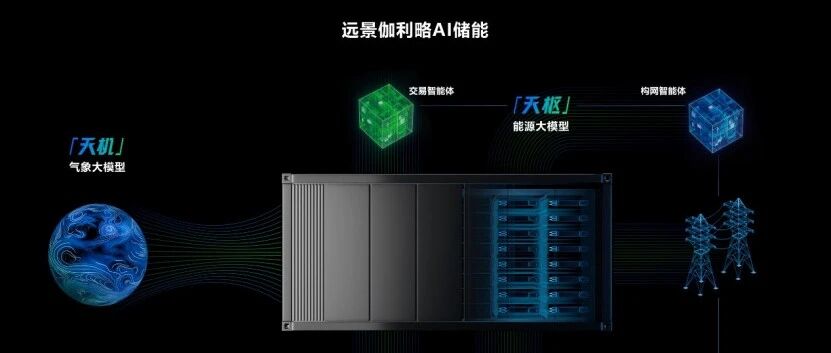
Core Viewpoint - The article emphasizes that artificial intelligence (AI) is not merely a tool but a主体, with a new paradigm defined as "physical artificial intelligence," which deeply integrates AI with physical laws, system boundaries, and knowledge graphs. The core competition in future energy systems will shift from asset-based to AI-based assets [2][4]. Group 1: AI Storage System - The launch of the Envision Galileo AI Storage System is a significant development, which utilizes two main intelligent agents: the trading agent and the grid construction agent, to establish a stable foundation for new power systems [2][4]. - The trading agent acts as an "economic brain," enabling automated trading through the Envision Tianji weather model and the Envision Tianshu energy model, achieving a 21.91% increase in project lifecycle returns based on stable operational data [4][5]. - The grid construction agent functions as a "stability nerve," utilizing super-perception and adaptive capabilities to gain insights from grid node signals, significantly enhancing AI model adaptation efficiency by five times [4][5]. Group 2: AI Empowerment Across the Value Chain - AI capabilities span the entire asset lifecycle, with precise forecasting being a prerequisite for revenue generation. The system demonstrates high accuracy in power and weather forecasting, providing reliable decision-making support [5]. - AI diagnostics enhance asset health by offering deep insights into equipment status, leading to a significant reduction in operational costs [5]. Group 3: Industry Transformation - The AI storage system, supported by dual intelligent agents, is crucial for maximizing the potential of renewable energy. The core competitiveness of the storage industry is shifting from the equipment itself to the embedded "AI assets" [6]. - The integration of physical artificial intelligence will drive the green energy transition, enabling the construction of new power systems and ending the homogeneous competition in the industry, leading to rational prosperity [6].

远景发布“能源大模型” 张雷提出“物理人工智能”将重构能源系统
Zheng Quan Ri Bao Wang· 2025-10-20 06:15
Core Insights - The core argument presented by Zhang Lei, Chairman of Envision Technology Group, is that artificial intelligence (AI) is evolving from a mere tool to a主体, fundamentally transforming the energy sector into an "intelligent agent" ecosystem rather than just a collection of physical assets [1][2][4] Group 1: AI's Role in Energy Systems - AI is seen as a revolutionary force that can handle the increasing complexity and market uncertainties associated with high proportions of renewable energy in the grid [2][3] - The concept of "Physical AI" is introduced, which integrates AI with physical laws and knowledge graphs, enhancing its reliability in real-world applications [2][3] Group 2: Technological Advancements - Envision has made significant breakthroughs in large models, particularly with the "Tianji" meteorological model, which improves medium to long-term weather forecasting accuracy, crucial for the reliable operation of renewable energy [3] - The "Tianshu" energy model, capable of real-time control through advanced algorithms, is successfully applied to optimize energy trading and asset investment decisions [3] Group 3: Future Competitiveness - The future competitiveness of energy companies will shift from traditional metrics like installed capacity to the scale of "AI assets" [3][4] - The industry is urged to focus on the intelligence of their models and the scale of their AI capabilities, marking a significant transition from physical to intelligent assets [3]
重磅!远景发布行业首个伽利略AI风机
中国能源报· 2025-10-20 04:33
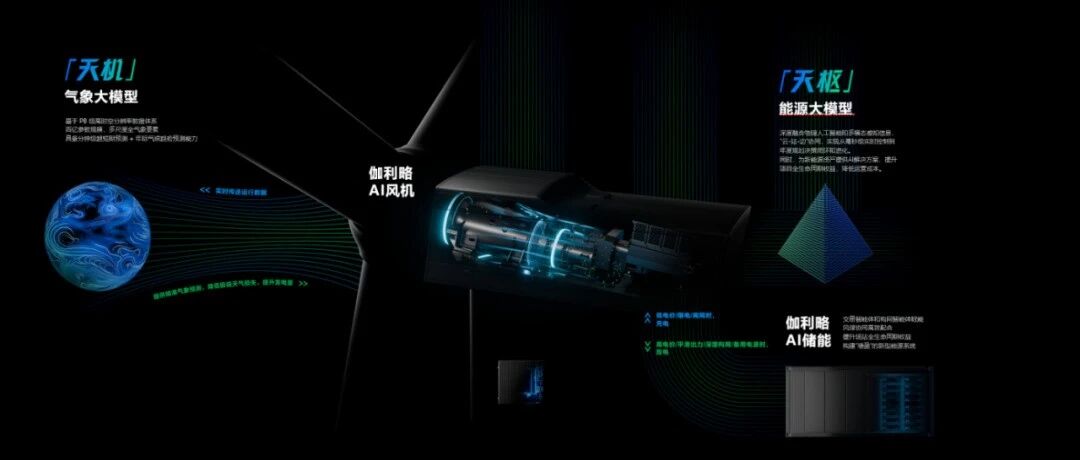
Core Viewpoint - Envision Energy has launched the Galileo AI Wind Turbine, which aims to address major pain points in the wind power industry by providing more flexible and precise power generation strategies and higher reliability, marking a new phase in the application of physical artificial intelligence in the sector [1][3]. Summary by Sections Addressing Industry Pain Points - The Galileo AI Wind Turbine offers a validated solution to three major pain points in the wind power industry: inaccurate forecasting (power/load/consumption/electricity price), poor turbine performance, and high safety and quality risks. The implementation of the "Tianshu" energy model intelligent control platform has led to over a 20% increase in revenue for wind farms equipped with AI compared to those without [3][4]. Enhancing Forecast Accuracy - The "Tianji" meteorological model utilizes advanced computing power and a model with over 10 billion parameters to achieve significant breakthroughs. It integrates multi-modal data from satellites, radar, and ground stations, along with data from over 800 GW of global energy assets, to generate precise forecasts for the next 15-30 days within just three minutes [5][6]. Improving Power Generation Capability - The core of the Galileo AI Wind Turbine is a neural network with over 100 million parameters, functioning as a "super brain" for the turbine. This system, supported by high-performance chips, enables real-time online reasoning to handle complex, non-linear problems that traditional control logic struggles with. The intelligent control platform allows for real-time adjustments and self-healing capabilities, enhancing overall efficiency [7][8]. Increasing Warning Accuracy - The development of a high-fidelity digital twin platform is crucial for improving warning accuracy in the wind power sector. By leveraging AI computing power and extensive operational data, the integration of multi-modal information has significantly enhanced prediction accuracy. For instance, early detection of blade failures through sound and strain monitoring has improved maintenance scheduling, resulting in substantial operational gains [9][10]. Future of AI in Wind Power - The transition from traditional wind turbines to intelligent systems capable of understanding weather changes and market dynamics represents a significant evolution in the industry. The potential for further advancements in artificial intelligence applications within wind power remains vast [11].
全球瞩目!巨头收购,股价一度飙涨
Sou Hu Cai Jing· 2025-10-09 15:56
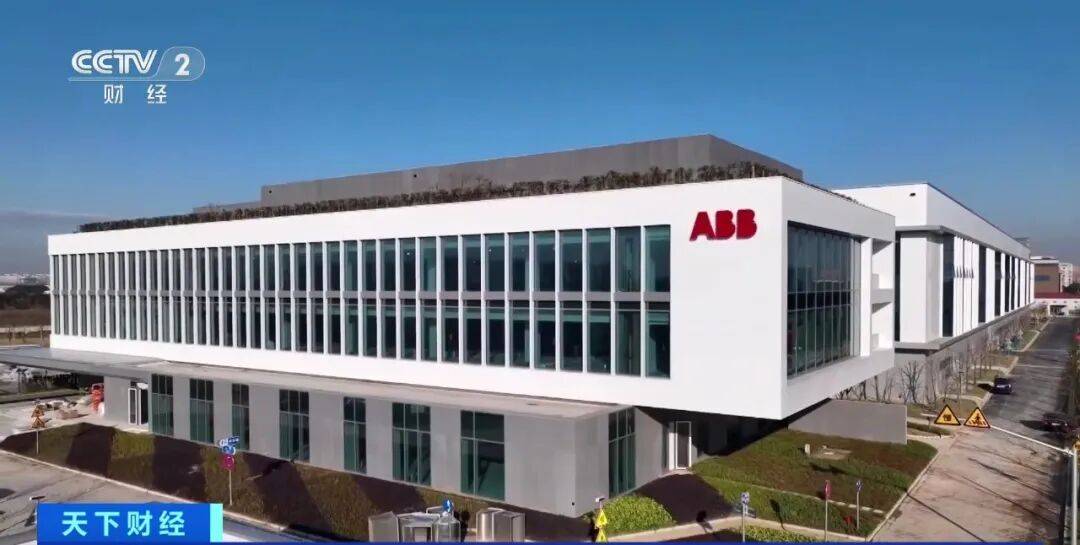
Group 1 - ABB Group has signed an agreement to sell its robotics division to SoftBank Group for approximately $5.4 billion, abandoning plans to spin off the division into a separate publicly traded company [1][3] - The transaction values ABB's robotics business at $5.375 billion, with ABB expected to receive about $5.3 billion in cash after transaction costs, and it will generate approximately $2.4 billion in non-operating pre-tax book gains for the group [1][4] - The deal is subject to regulatory approval and is expected to be completed in the second half of 2026 [1] Group 2 - This acquisition is seen as a significant merger in the global industrial automation sector, marking a historic collaboration between a traditional industrial robotics giant and cutting-edge artificial intelligence capital [3] - ABB's robotics division, which employs around 7,000 people, has faced declining profitability and sales, with projected sales of $2.3 billion in 2024, accounting for about 7% of ABB's total revenue [4] - SoftBank has been increasingly investing in the artificial intelligence sector, with CEO Masayoshi Son stating that the acquisition aims to integrate world-class technology and talent to create SoftBank's next frontier—physical artificial intelligence [6]

近54亿美元!瑞士巨头ABB把机器人业务卖给了沉迷超级AI的孙正义
Xin Lang Cai Jing· 2025-10-08 23:40
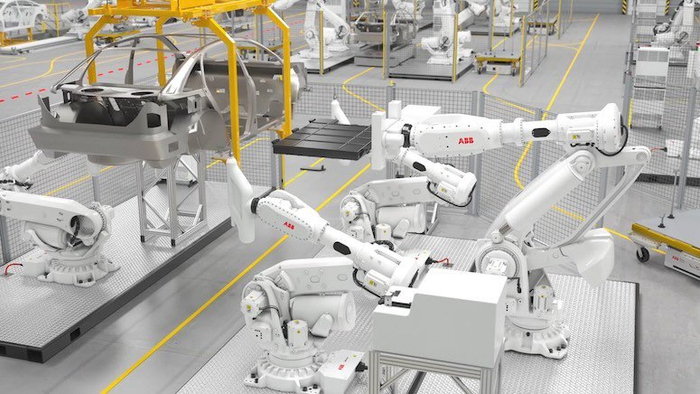
Core Viewpoint - ABB has decided to sell its robotics business to SoftBank for $5.375 billion, abandoning plans for a separate IPO, reflecting the long-term advantages of the robotics unit and creating immediate value for ABB's shareholders [1][2]. Group 1: Transaction Details - The deal is expected to close in mid-2026, pending regulatory approvals and customary closing conditions [1]. - ABB's robotics division is the second largest globally, with projected sales of $2.3 billion in 2024, accounting for 7% of ABB's total revenue [1][6]. - The sale will generate approximately $5.3 billion in net cash proceeds and about $2.4 billion in non-operating pre-tax book gains for ABB [2]. Group 2: Strategic Implications for ABB - Following the sale, ABB will focus on its core areas of electrification and automation, aligning more closely with competitors like Siemens and Schneider Electric [3]. - The robotics business will be classified as "discontinued operations" starting from Q4 2025, leading to a restructuring of ABB into three main business segments [2]. Group 3: Market Context - The robotics market has faced volatility, particularly in traditional sectors like automotive and consumer electronics, leading to growth challenges for ABB's robotics division [3]. - Domestic competitors in China have significantly increased their market share, with four local firms now in the global top 10 for industrial robots, capturing over 50% of the domestic market by late 2024 [3]. Group 4: SoftBank's Strategic Vision - SoftBank's acquisition is part of a broader vision to integrate physical AI with robotics, aiming to drive transformative changes in the industry [4]. - The company is actively investing in AI-related fields, including AI chips and robotics, to enhance its portfolio and drive growth in the robotics sector [4][5]. Group 5: Future Prospects - ABB's recent investment in LandingAI aims to enhance its robotics software with advanced AI capabilities, improving training speeds by up to 80% [5]. - SoftBank is poised to revitalize its robotics investments, particularly through advancements in AI technology, despite past challenges with its robotics ventures [5].

深夜,中国资产大涨!纳斯达克中国金龙指数涨超3%
Zheng Quan Shi Bao Wang· 2025-09-25 06:24
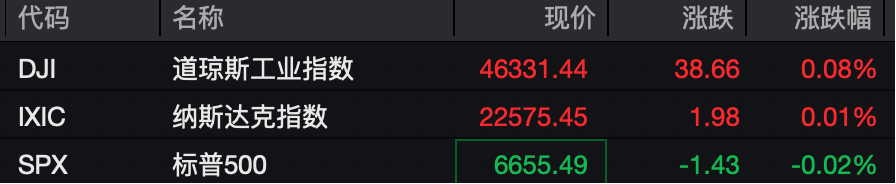
Market Overview - Chinese concept stocks showed strong performance, with the Nasdaq Golden Dragon China Index rising over 3% [2][4] - Major US stock indices opened higher but displayed mixed results, with the Dow Jones up 0.08%, Nasdaq up 0.01%, and S&P 500 down 0.02% [1][2] Emerging Market Sentiment - HSBC's latest "Emerging Market Investment Intentions Survey" indicates growing optimism among global institutional investors regarding emerging markets, particularly in Asia [4] - Over 61% of surveyed investors believe emerging market stocks will outperform developed markets, an increase from 49% in June [4] - More than half of the respondents expressed the most confidence in the mainland Chinese stock market, significantly up from about one-third in June [4] Chinese Stock Performance - On September 24, A-shares and Hong Kong stocks performed strongly, with the Shanghai Composite Index rising 0.83%, Shenzhen Component Index up 1.8%, and ChiNext Index up 2.28% [4] - The Hang Seng Index increased by 1.37%, while the Hang Seng Tech Index rose by 2.53% [4] Notable Chinese Stocks - Yipeng Energy surged over 15%, while Daqo New Energy, Niu Technologies, Alibaba, and GDS Holdings all rose over 9% [5][6] - Alibaba's Hong Kong shares also increased by over 9%, following a partnership announcement with NVIDIA in the Physical AI sector [6] US Tech Stocks - Among the "Big Seven" tech stocks, Tesla rose over 3% after UBS raised its Q3 delivery forecast from 431,000 to 475,000, a 10% increase [7] - Tesla's stock has seen a month-to-date increase of over 30% [7] - Lithium Americas experienced a significant surge of over 80%, with reports suggesting the US government is seeking to acquire up to 10% of the company [8]


深夜,中国资产大涨!
证券时报· 2025-09-24 14:56
Core Viewpoint - Chinese concept stocks have shown strong performance, with the Nasdaq Golden Dragon China Index rising over 3% [3]. Market Performance - On September 24, U.S. stock indices opened higher but showed mixed results, with the Dow Jones up 0.08%, Nasdaq up 0.01%, and S&P 500 down 0.02% [2]. - In the Asian trading session, A-shares and Hong Kong stocks also performed strongly, with the Shanghai Composite Index rising 0.83%, Shenzhen Component Index up 1.8%, ChiNext Index up 2.28%, and the STAR 50 Index up 3.49% [5]. Institutional Investor Sentiment - HSBC's latest "Emerging Markets Investment Intentions Survey" indicates that global institutional investors are increasingly optimistic about emerging markets, particularly in Asia, with over 60% believing emerging market stocks will outperform developed markets, up from 49% in June [5]. - More than half of the surveyed investors expressed the most confidence in the mainland Chinese stock market, significantly higher than about one-third in June, reflecting confidence in China's economic stimulus policies and positive developments in U.S.-China trade relations [5]. Chinese Concept Stocks Performance - Specific Chinese concept stocks saw significant gains, with Yipeng Energy rising over 15%, Daqo New Energy, Niu Technologies, Alibaba, and GDS Holdings rising over 9%, and JD.com and others rising over 7% [6][7]. - Alibaba's Hong Kong stock also rose over 9%, following a major announcement of collaboration with NVIDIA in the Physical AI field during the 2025 Hangzhou Yunqi Conference [7]. Notable Movements in Other Stocks - Among U.S. tech giants, Tesla rose over 3% after UBS raised its Q3 delivery forecast from 431,000 to 475,000 units, marking a 10% increase [8]. - Lithium Americas surged over 80%, with reports indicating the U.S. government is seeking to acquire up to 10% of the company [9].


刚刚,Cadence又宣布一桩收购
半导体行业观察· 2025-09-05 01:07
Core Viewpoint - Cadence has announced the acquisition of Hexagon AB's Design & Engineering (D&E) business, including its MSC software, to enhance its "Intelligent System Design™" strategy and expand its system design and analysis product portfolio [2][4]. Group 1: Acquisition Details - The acquisition involves a payment of approximately €2.7 billion, with 70% in cash and 30% in Cadence common stock [2]. - The deal is expected to close in the first quarter of 2026, pending regulatory approvals and customary closing conditions [5]. Group 2: Strategic Implications - The integration of Hexagon's D&E technology will strengthen Cadence's position in the multi-billion dollar structural analysis market, following its 2024 acquisition of Beta CAE [2][5]. - The acquisition will enable Cadence to provide a comprehensive, unified, end-to-end multiphysics platform, addressing the growing demand for early-stage multiphysics simulations in design cycles [3][4]. Group 3: Market Impact - The combined business is projected to generate approximately $280 million in revenue in 2024 and will employ over 1,100 staff globally [5]. - The acquisition will broaden Cadence's customer base, including major aerospace and automotive OEMs such as Volkswagen, BMW, Toyota, Lockheed Martin, BAE, and Boeing, who rely on Hexagon's D&E solutions for critical simulation workflows [4][5].


Cadence收购Hexagon业务,作价31.6亿美元
美股IPO· 2025-09-04 23:25
Core Viewpoint - Cadence has announced the acquisition of Hexagon's Design and Engineering (D&E) business, which will enhance its capabilities in simulation and analysis solutions, particularly in the aerospace and automotive sectors [3][4]. Group 1: Acquisition Details - The acquisition involves a payment of approximately €2.7 billion, with 70% in cash and 30% through the issuance of Cadence common stock [3]. - The deal is expected to be completed in the first quarter of 2026, pending regulatory approvals and customary closing conditions [4]. - If the transaction does not close, Cadence may incur a reverse termination fee of up to €175 million [3]. Group 2: Strategic Implications - This acquisition is part of Cadence's strategy to expand its "Intelligent System Design™" and significantly enhance its system design and analysis product portfolio [3]. - The integration of Hexagon's D&E technology is anticipated to strengthen Cadence's position in the multi-billion euro structural analysis market [3]. - The combined business is projected to generate approximately $280 million in revenue in 2024, leveraging a workforce of over 1,100 employees globally [3]. Group 3: Market Position and Client Base - Cadence's client base will broaden to include major aerospace and automotive OEMs such as Volkswagen, BMW, and Lockheed Martin, who utilize Hexagon's D&E solutions for critical simulation workflows [3]. - Hexagon's D&E business is recognized for its flagship products MSC Nastran and Adams, which are industry standards in structural and multibody dynamics simulation [3]. - The acquisition is expected to address the increasing demand for multi-physics simulation in early design cycles, particularly in the context of electric vehicles and autonomous systems [3].
机器人芯片大爆发?为时过早!
半导体行业观察· 2025-08-13 01:38
Core Insights - The article discusses the slow progress of physical artificial intelligence (AI) compared to general AI, predicting significant growth in humanoid robots and autonomous vehicles by 2050 [2][3][4]. Group 1: Humanoid Robots - Morgan Stanley predicts the humanoid robot market will reach $5 trillion by 2050, with 1 billion units deployed, indicating a slow adoption rate until the late 2030s [2]. - Currently, there are approximately 1,000 humanoid robots globally, most of which are prototypes, highlighting the challenges in development [3]. - The development of humanoid robots is complex due to their flexibility, making them less likely to drive market growth in the next decade [4]. Group 2: Autonomous Vehicles - Waymo, a subsidiary of Google, has captured 26% of the ride-hailing market in San Francisco as of April 2025, surpassing Lyft [5]. - The global automotive market is valued at $2.1 trillion, with annual sales of 90 million vehicles, and the automotive semiconductor market is projected to reach $51 billion to $77 billion by 2025 [6][7]. - Waymo's revenue is expected to reach approximately $2.5 billion by 2030, based on its fleet of 17,000 vehicles [6]. Group 3: Industrial Robots - The global industrial robot count has reached 4.2 million, with an estimated 400,000 new installations in 2023, predominantly in Asia [10][12]. - The industrial robot market is projected to grow to $291 billion by 2035, with significant contributions from countries like China, Japan, and the U.S. [12]. - Amazon is a major user of robotics, having deployed 1 million robots in its logistics operations, with a capital expenditure of $7 billion to $8 billion planned for 2024 [13][14]. Group 4: Semiconductor Market Impact - The semiconductor content per robot is estimated at $2,000, leading to a potential semiconductor market size of $7 billion by 2035 if the robot market reaches $376 billion [15]. - The overall semiconductor market is expected to exceed $1.5 trillion by 2035, indicating that the robotics sector will remain a small segment compared to the broader automotive market [16].
