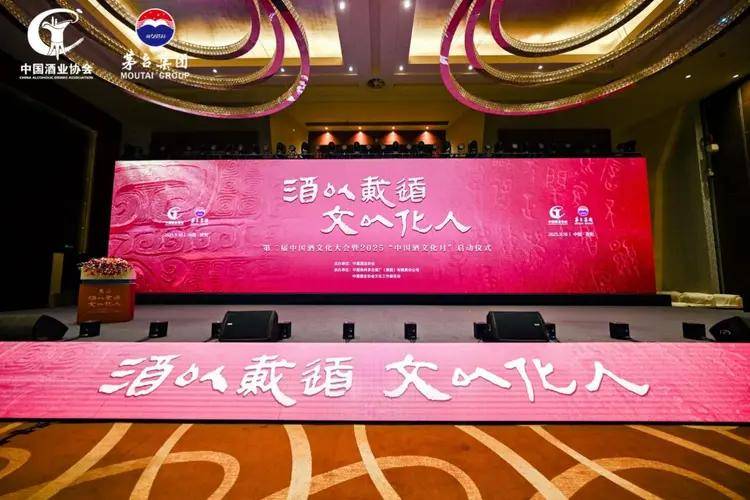
酒旅融合

Search documents
食品饮料行业周报:板块轮动拉升消费,餐饮链催化延续-20251012
Huaxin Securities· 2025-10-12 15:34
Investment Rating - The report maintains a "Recommended" investment rating for the food and beverage sector [9][58]. Core Insights - The report highlights that the white liquor sector is experiencing marginal improvements in sales during the double festival period, although it remains under pressure year-on-year. Channel inventory has slightly decreased but is still at a relatively high level, leading to anticipated pressure on wholesale prices as companies focus on controlling volume to maintain prices [6][56]. - The consumer sector is rebounding, driven by capital switching and favorable data from the National Day holiday. The report notes a significant increase in cross-regional mobility, with an estimated 2.432 billion people traveling during the holiday, a historical high [7][57]. - The beverage sector is performing strongly, with a focus on new consumption opportunities amid retail channel transformations. The report suggests monitoring companies like Heytea, Cha Bai Dao, and others in the tea beverage segment [8][58]. Summary by Sections Industry News - In September, Douyin's liquor sales increased by 58% month-on-month, and JD Seven Fresh reported a 109% year-on-year increase in liquor sales during the double festival period [5][18]. - The report mentions the official release of the twelve fragrance standard sample and various company developments, including Guizhou Moutai's focus on integrating tourism and liquor sales [5][18]. Company Feedback - The report provides insights into the performance of key companies, noting that the white liquor sector is under pressure but suggests focusing on high-dividend leaders like Guizhou Moutai and Wuliangye, as well as more elastic stocks like Jiu Gui Jiu and She De Jiu Ye [6][9]. - The report also emphasizes the importance of the tea beverage sector, particularly during the National Day holiday, and suggests monitoring companies like Mi Xue and Gu Ming [7][58]. Key Company and Profit Forecasts - The report includes a table of key companies with their stock prices, earnings per share (EPS), and price-to-earnings (PE) ratios, recommending a "Buy" rating for all listed companies, including Guizhou Moutai, Wuliangye, and others [59].




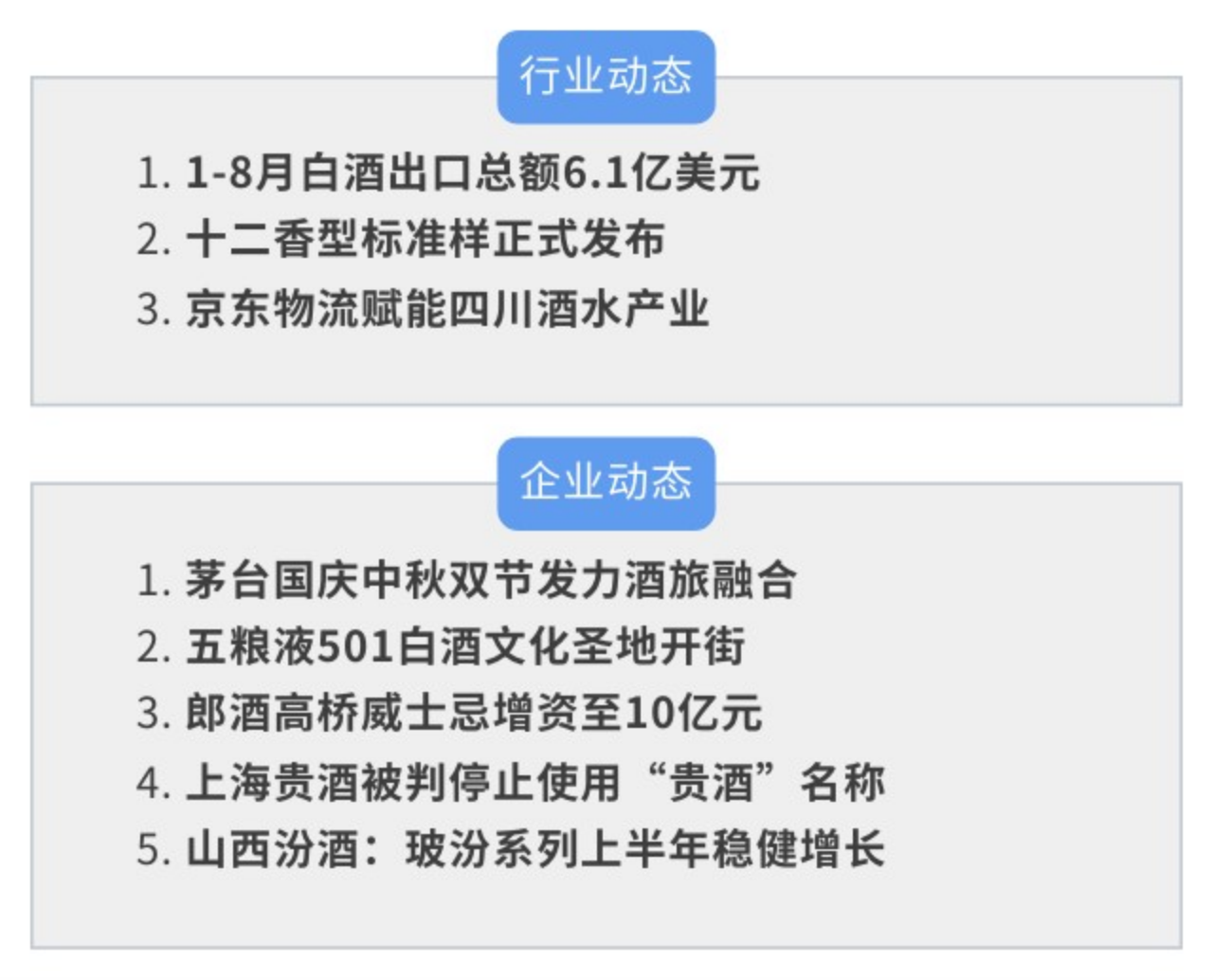
中经酒业周报∣1-8月白酒出口总额6.1亿美元,十二香型标准样正式发布,茅台国庆、中秋双节发力酒旅融合,上海贵酒被判停止使用“贵酒”名称
Xin Hua Cai Jing· 2025-10-11 10:20
Core Insights - The total export value of Chinese liquor from January to August reached 610 million USD, with a year-on-year growth of 4.7% for baijiu exports [3] - The "Twelve Aroma Types Standard Sample" for Chinese baijiu has been officially released to help enthusiasts understand the flavor profiles [3] - Major liquor companies like Moutai and Wuliangye are increasingly integrating tourism with their brands, marking a shift in industry competition towards brand culture and immersive experiences [5] Industry Dynamics - From January to August, the total liquor export value was 1.28 billion USD, a year-on-year increase of 7.9%, with a total export volume of 620 million liters, up 27.5% [3] - The average price of baijiu exports was 56.5 USD per liter, reflecting a 1.2% increase year-on-year, with a total export volume of 10.7 million liters, up 3.5% [3] - JD Logistics has launched a special plan in Sichuan to enhance the local liquor industry, potentially reducing logistics costs by over 100 million RMB annually [3] Company Information - Moutai is collaborating with Gui Travel Group to launch a series of immersive cultural tourism activities during the National Day and Mid-Autumn Festival [4][5] - Wuliangye's 501 Baijiu Cultural Heritage Site has officially opened, featuring various cultural and experiential zones [5] - Emei Mountain Gaoqiao Whisky has increased its registered capital from 300 million RMB to 1 billion RMB [6] - Shanghai Gui Wine has been ordered to stop using the "Gui Wine" name due to trademark infringement, resulting in a financial penalty of approximately 4.19 million RMB [6] - Shanxi Fenjiu reported steady growth in its glass Fen series and plans to expand into markets with weaker demand for clear aroma types [6]

“村糖会”横空出世,背后藏着成都酒产业的新考量
Mei Ri Jing Ji Xin Wen· 2025-10-10 06:11
Core Insights - Chengdu's "Super Golden Week" saw a significant increase in tourism, with 28.62 million visitors and a 5.3% growth in visitor numbers compared to previous years, alongside a 7.7% increase in per capita spending [1][5][10] - The newly launched "Village Sugar Fair" aims to promote local agricultural products and enhance the integration of agriculture, commerce, culture, and tourism, distinguishing itself from the traditional Spring Sugar Fair which targets B2B markets [4][6][10] Tourism and Economic Impact - Chengdu received 28.62 million tourists from October 1 to 8, with a 5.3% year-on-year increase, and foreign visitors increased by 6.4% [1][5] - The "Village Sugar Fair" was strategically timed during this peak tourist season to leverage the influx of visitors and promote local alcoholic beverages [5][6] New Platform Development - The "Village Sugar Fair" serves as a consumer-facing platform, showcasing local alcoholic beverages and food products, and aims to support the revitalization of rural industries [4][6] - The fair is designed to enhance consumer engagement and reduce costs for businesses by utilizing the city's brand to attract visitors [6][10] Product Innovation and Market Trends - Chengdu's liquor companies are targeting younger consumers with new product offerings such as fruit wines and low-alcohol beverages, responding to changing consumption trends [7][9] - The fair features interactive experiences, allowing consumers to create personalized drinks, thus fostering a closer connection to local products [9][10] Historical and Cultural Significance - Chengdu has a rich history in alcohol production, with archaeological findings supporting its long-standing reputation as a significant production city [10][12] - The city is recognized for its unique geographical advantages in wine production, contributing to its status as a major player in the national liquor market [10][12] Future Prospects - The "Village Sugar Fair" is seen as the beginning of a broader initiative to enhance Chengdu's brand as a prominent alcohol production region, with plans for further development in the industry [13]

加速去库存,全力拼市场,舍得酒业一季度净利润超去年全年
Nan Fang Du Shi Bao· 2025-09-23 06:43
Core Viewpoint - Shede Liquor achieved significant improvement in its Q1 2025 performance, with net profit surpassing the total for the entire year of 2024, indicating a successful strategic shift towards rational growth and inventory reduction [1][2][3]. Financial Performance - Q1 2025 revenue reached 1.576 billion yuan, a 75.68% increase compared to the previous quarter [2] - Net profit for Q1 2025 was 346 million yuan, exceeding the total net profit of 345.8 million yuan for the entire year of 2024 [2] - Operating cash flow net amount increased by 106.76% year-on-year, indicating improved financial health [2] - Inventory costs decreased by 11.25% year-on-year, and management expenses fell by 25.24% year-on-year, reflecting enhanced operational efficiency [3]. Strategic Initiatives - The company has implemented a "stable price, control inventory, and strengthen sales" strategy, leading to a gradual return of inventory to reasonable levels [4] - E-commerce sales grew to 205 million yuan in Q1 2025, a 36.71% year-on-year increase, showcasing the effectiveness of dual-channel optimization [4] - The company is focusing on core products to strengthen market presence, with significant growth in sales of major products during the Spring Festival [4]. Brand Development - Shede Liquor has engaged in various high-visibility marketing initiatives, including sponsorship of cultural events and programs, enhancing brand exposure [5] - The company is actively pursuing a "C-oriented" brand strategy, integrating ecological, cultural, and old liquor elements to enhance brand influence and consumer value [4][5]. Long-term Growth Strategy - The company is developing a liquor tourism integration project, which aims to enhance long-term quality development and local economic growth [6][7] - The project includes the establishment of an ecological brewing industrial park and a cultural resort, aiming to merge international perspectives with Chinese elements [7]. - The resilience and strategic focus on old liquor are expected to yield long-term benefits, with a strong certainty of performance improvement in 2025 [7].
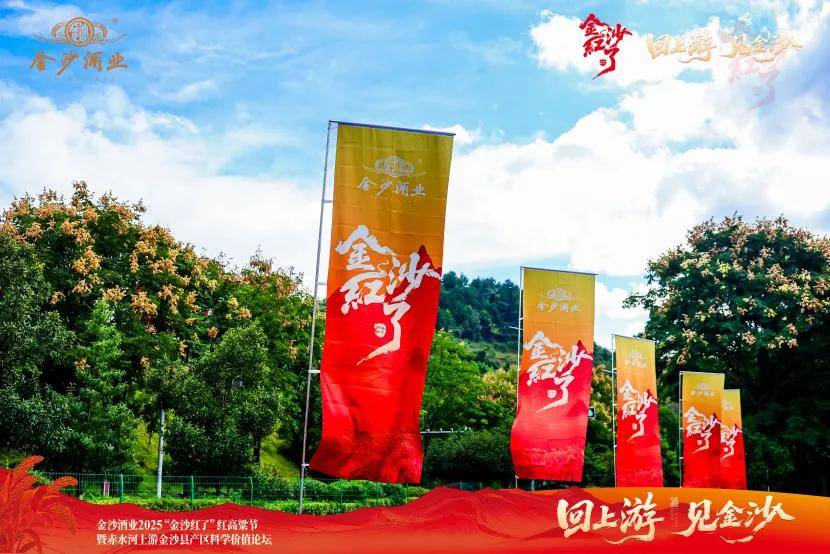
五年淬炼“金沙红了”,金沙酒业重塑酱酒产区价值与体验范式
Sou Hu Cai Jing· 2025-09-23 04:50
Core Insights - The event "Jinsha Red Sorghum Festival" marks a strategic shift in the liquor industry from scale expansion to value cultivation, emphasizing a new phase of scientific and systematic development in the upstream region of the Chishui River [3][12] - The integration of wine and tourism is becoming a core pathway for connecting consumers with production areas, brands, and values, transforming the perception of production areas from mere geographical labels to entities embodying quality, culture, and ecology [4][10] Strategic Development - Jinsha Liquor Industry is evolving from a traditional liquor producer to a builder of regional ecosystems and a promoter of value co-creation, highlighting the importance of sustainable development in the liquor industry [8][19] - The "Jinsha Red" brand IP has transitioned from a simple celebration of sorghum planting to a comprehensive value ecosystem that integrates raw material tracing, craftsmanship, cultural heritage, and consumer experience [4][10] Experience Enhancement - The launch of the "Return to Upstream: See Jinsha" factory tour project aims to enhance consumer experience and leverage regional resource advantages, guiding consumers through the brewing process to unlock the flavor and quality logic of sauce-flavored liquor [11] - The strategic upgrade of the sealing ceremony focuses on emotional and memory-carrying functions, evolving into a cultural service that combines ritual experience, time expectations, and emotional attachment [11] Scientific Empowerment - The scientific value forum held alongside the festival revealed the ecological scarcity and unique brewing characteristics of the Jinsha County production area, marking a shift towards a scientific and systematic approach to regional development [12][14] - The forum's findings provide quantifiable and traceable scientific evidence for the quality of the production area, redefining the genetic basis of "smooth and mellow sauce aroma" [14][17] Future Outlook - The development of the Jinsha production area is entering a new historical stage, with plans to enhance wine-tourism integration and improve consumer engagement through better facilities and services [19] - The future competition in the liquor industry will focus on ecosystem competition, emphasizing collaboration and shared growth among various stakeholders in the production area [19]
非遗活化为产业IP:山西代州黄酒的文化变现方程式
Zhong Guo Xin Wen Wang· 2025-09-17 13:44
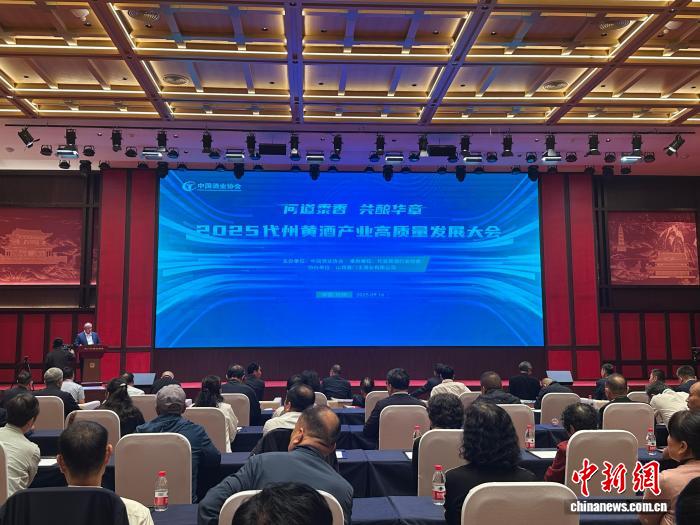
Core Viewpoint - The article discusses the revitalization of traditional culture into an industrial IP through the development of the Daizhou Huangjiu industry in Shanxi Province, highlighting its historical significance and future growth potential [1][3]. Industry Development - The Daizhou Huangjiu industry aims to establish itself as a "world-class specialty wine region" and "hometown of Huangjiu" in China, leveraging the opportunities presented by the construction of specialized towns in Shanxi Province [2][6]. - In 2022, Daizhou Huangjiu was recognized as one of the first ten provincial key specialized towns in Shanxi, prompting the county to implement various supportive policies to encourage enterprise growth and market expansion [6][7]. Historical Significance - Daizhou Huangjiu has a rich history, originating from the Yangshao culture, flourishing during the Han and Tang dynasties, and becoming renowned in the Song and Yuan dynasties, earning the title of a typical representative of northern Huangjiu [3][6]. - The "Daizhou Huangjiu Production Technique" was included in Shanxi's intangible cultural heritage list in 2011, and a geographical indication trademark was registered in 2024, showcasing its cultural and regional significance [3][6]. Economic Growth - The number of market entities in the Daizhou Huangjiu specialized town doubled from 102 to 208, while the number of Huangjiu production enterprises increased from 27 to 68, reflecting a growth of over 150% [7]. - Total production capacity surged from 18,000 tons to 130,000 tons, a 620% increase, and annual output value rose from 120 million yuan to 551 million yuan, marking a 360% growth [7]. Innovation and Collaboration - The county promotes a "company + cooperative + farmer" model for raw material base construction, encouraging farmers to cultivate 10,000 acres of millet [9]. - Collaborative agreements have been established with various regions, including a strategic partnership with the Fenyang production area and a cooperation agreement with Shaoxing City, enhancing regional synergy and development [10]. Future Goals - The county aims to achieve a comprehensive output value of over 1 billion yuan by 2025 and exceed 2 billion yuan by 2027, establishing itself as a leading Huangjiu brand and a distinctive industrial town [10].
百亿元豪赌酒旅融合:舍得酒业能否破解“酒旅分离”行业困局?
Mei Ri Jing Ji Xin Wen· 2025-09-16 08:30
Core Viewpoint - The "Shede·Oriental Mediterranean" project, a joint investment of 10 billion yuan, aims to integrate liquor and tourism, enhancing the cultural and experiential aspects of the liquor industry while addressing the challenges faced by traditional liquor brands [1][3]. Investment and Project Overview - The project is a collaboration between Shede Liquor, the government of Shehong City, and ClubMed, with a total investment of 10 billion yuan, and is expected to be completed by 2029 [1][2]. - The project includes five thematic areas: "Ecological Shede," "Years of Shede," "Celebration of Shede," "Free Shede," and "Homecoming Shede," each offering different experiential scenarios [2]. Industry Context and Challenges - The liquor and tourism integration is becoming a significant transformation strategy for the liquor industry, with many companies exploring this model [4]. - Despite the growing interest, the liquor tourism sector in China is still in the exploratory phase compared to established wine tourism in regions like Bordeaux and Napa Valley [4]. Operational and Cultural Integration - The core of liquor-tourism integration is not merely adding a tourism component but enhancing the liquor industry through cultural and experiential offerings [3][5]. - The project aims to provide new branding channels and enhance consumer engagement through cultural and emotional experiences [3]. Location and Accessibility - The geographical advantage of Shehong City, located between Chengdu and Chongqing, is crucial for attracting a broader tourist base, with travel times expected to be reduced to one hour due to high-speed rail developments [6]. Professional Management and Sustainability - The integration of professional management resources, such as those from Fosun Tourism, is essential for overcoming operational challenges in the liquor-tourism sector [6]. - The project must establish a sustainable business model, as the tourism industry typically has long investment cycles and relies heavily on real estate [6]. Cultural Depth and Future Outlook - The depth of cultural exploration will determine the success of the liquor-tourism integration, with Shede's unique cultural philosophy being a key asset [7]. - The industry consensus is shifting towards the necessity of liquor-tourism integration, emphasizing the need for companies to assess their capabilities in this area [7].
国投证券-口子窖-603589-二季度深度调整,中高档白酒承压
Xin Lang Cai Jing· 2025-09-16 06:55
Core Viewpoint - The company reported a significant decline in revenue and net profit for the first half of 2025, indicating challenges in the high-end liquor market and overall industry adjustments [1][2][3]. Financial Performance - In H1 2025, the company achieved revenue of 2.531 billion yuan, a year-on-year decrease of 20.07%, and a net profit attributable to shareholders of 715 million yuan, down 24.63% [1]. - For Q2 2025, revenue was 721 million yuan, reflecting a substantial year-on-year decline of 48.48%, with net profit dropping to 105 million yuan, a decrease of 70.91% [1]. Product Performance - Revenue from high-end, mid-range, and low-end liquor in H1 2025 was 2.385 billion yuan, 32 million yuan, and 68 million yuan, respectively, with year-on-year changes of -19.8%, -10.8%, and -2.6% [2]. - In Q2 2025, revenue from high-end, mid-range, and low-end liquor was 657 million yuan, 12 million yuan, and 29 million yuan, with year-on-year changes of -49.6%, -7.7%, and +7.5%, respectively [2]. Regional and Channel Analysis - H1 2025 revenue from domestic and external markets was 2.101 billion yuan and 384 million yuan, with year-on-year changes of -19.3% and -19.2% [2]. - In Q2 2025, domestic and external revenue was 515 million yuan and 183 million yuan, with year-on-year changes of -54.0% and -18.6% [2]. - Direct sales (including group purchases) and wholesale agency revenue in H1 2025 were 133 million yuan and 2.352 billion yuan, with year-on-year changes of +44.6% and -21.3% [2]. Profitability and Cost Structure - The gross margin for Q2 2025 was 65.18%, a decrease of 9.86 percentage points year-on-year, primarily due to reduced revenue from high-end liquor and an increase in low-margin products [3]. - The net profit margin for Q2 2025 was 14.51%, down 11.18 percentage points year-on-year [3]. Strategic Focus - The company aims to maintain strategic focus during the industry adjustment period by enhancing market presence, structural improvements, and brand upgrades, while also investing in smart and digital transformation [3]. - Efforts include deepening the domestic market, expanding in key regions like the Yangtze River Delta, and actively developing e-commerce and digital marketing [3]. Investment Outlook - Revenue growth rates are projected to be -21.0% for 2025, +4.3% for 2026, and +7.0% for 2027, with net profit growth rates of -28.6%, +7.2%, and +7.3% respectively [4].

百亿元豪赌酒旅融合:舍得酒业能否破解“酒旅分离”行业困局?| 活力中国调研行
Mei Ri Jing Ji Xin Wen· 2025-09-15 11:40
Core Viewpoint - The "Shede·Oriental Mediterranean" project, a 10 billion yuan investment by Shede Liquor Industry, aims to integrate liquor and tourism, addressing the cyclical fluctuations faced by traditional liquor brands [1][4][6]. Investment and Project Overview - The project is a collaboration between Shede Liquor, the government of Shehong City, and Club Med, with a total investment of 10 billion yuan, and is set to be completed by 2029 [1][4]. - The project includes various experiential segments such as "Ecological Shede," "Years of Shede," "Celebration of Shede," "Free Shede," and "Homecoming Shede," each offering unique experiences [6][8]. Industry Context - The liquor and tourism integration is becoming a significant transformation method for the liquor industry, with many companies exploring this model to enhance their value chain [8][11]. - Compared to mature wine tourism in regions like Bordeaux and Napa Valley, the Chinese liquor industry's integration is still in the exploratory phase [8][11]. Challenges and Strategic Insights - Key challenges include location limitations, operational capabilities, and investment return cycles, with many liquor companies lacking the necessary tourism operation skills [12][11]. - Shede's project benefits from its advantageous location between Chengdu and Chongqing, making it accessible for mass tourism [12]. - The integration of cultural elements into the tourism experience is crucial for the project's success, leveraging Shede's unique cultural brand identity [13][14].

茅台加速回归初心:文化叙事背后的行业价值跃迁
Sou Hu Cai Jing· 2025-09-11 14:25
Core Viewpoint - The Chinese liquor industry is undergoing a profound transformation from "scale expansion" to "value cultivation," integrating cultural and product values to create a new industry ecosystem [1] Group 1: Cultural Significance - The liquor industry is entering a new development stage where enhancing cultural quality becomes a key competitive factor [3] - Experts believe that cultural empowerment is a new pathway for liquor brands to continue progressing amid transformation and redefined perceptions [5] Group 2: Market Adjustments - The liquor market is experiencing deep adjustments in capacity, sales, prices, and demand, influenced by both internal and external factors, with Chinese liquor culture being a core element [5] - The industry is urged to focus on cultural self-reflection, self-awareness, renewal, and confidence to build a unique value system and lifestyle [5][13] Group 3: Moutai's Strategic Initiatives - Moutai is actively guiding the market to shift focus from short-term price fluctuations to deepening brand heritage, product quality, consumer experience, and cultural value [8] - Moutai's strategy includes three transformations: customer group transformation, scene transformation, and service transformation, along with a focus on single product, collaborative channels, value branding, and service at the terminal [8][9] Group 4: Consumer Engagement - Moutai aims to transform from "selling liquor" to "selling a lifestyle," creating immersive consumption scenarios that meet diverse consumer needs [9] - The company is building a three-dimensional value matrix of experiential, emotional, and social value to deepen emotional connections with consumers [9][10] Group 5: International Expansion - Moutai is accelerating its internationalization efforts, collaborating with global events and increasing overseas market revenue by 31.29% to 2.893 billion yuan [14] - The company is committed to promoting Chinese liquor culture globally, enhancing brand value through cultural output and unique immersive experiences [14]