
产品创新

Search documents
万顺新材(300057) - 2025年9月20日投资者关系活动记录表
2025-09-22 08:40
Group 1: Aluminum Processing Business - The company has an aluminum foil production capacity of 25.5 million tons after the completion of ongoing projects [2] - The total production capacity for aluminum plate and strip is 26 million tons, with 13 million tons each from Jiangsu and Anhui bases, and an additional 13 million tons from Sichuan [2] - In the first half of 2025, the aluminum processing business achieved revenue of 2.398 billion yuan, a year-on-year increase of 12%, with aluminum foil sales slightly down by 4.7% and aluminum plate and strip sales up by 25% [2] Group 2: Functional Film Business - The functional film business focuses on high barrier films, smart conductive films, car wrap films, and energy-saving films [4] - Despite a decline in sales due to market price competition, the company improved the gross margin by adjusting the product structure [4] - Future development will target high-potential markets for functional films, including automotive smart roofs and high-end packaging [5] Group 3: Paper Packaging Materials Business - The paper packaging materials segment, primarily involving special paper products for tobacco and alcohol packaging, generated revenue of 223 million yuan in the first half of 2025, a year-on-year increase of 17% [6] - Sales volume reached 17,000 tons, reflecting a 12% year-on-year growth, with high-value specialty transfer paper products driving margin improvements [6]

新茶饮们的“中场战事”,还有 5 大竞赛点
3 6 Ke· 2025-09-22 02:58
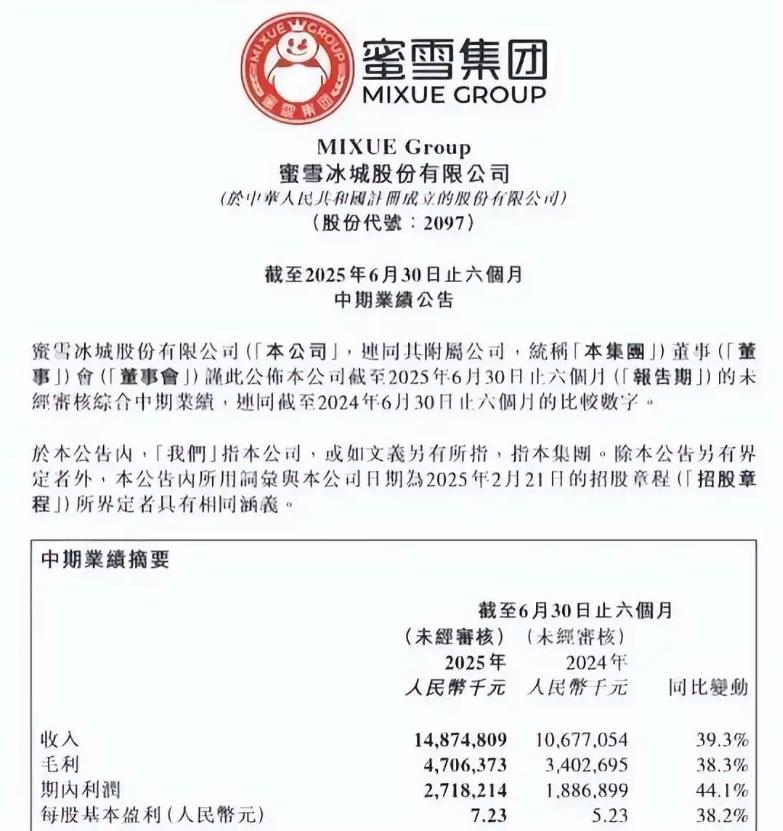
Core Insights - The new tea beverage industry is entering a phase of stock competition as market saturation increases, with six major listed companies reporting a total revenue exceeding 33 billion yuan in the first half of 2025 [1][2][8] Revenue Performance - The total revenue of the six major companies in the new tea beverage sector reached over 33 billion yuan in the first half of 2025, with a significant performance from Mixue Group leading the industry with 14.875 billion yuan in revenue and 2.718 billion yuan in net profit [2][4] - Guming achieved a remarkable net profit growth of 121.5%, with revenues of 5.663 billion yuan and net profits of 1.625 billion yuan [4] - Nayuki's revenue was 2.178 billion yuan, a decrease of 14.4% year-on-year, but its adjusted net loss narrowed significantly by 73.1% [4] Market Dynamics - The industry is experiencing a clear differentiation, with leading brands like Mixue and Guming adapting strategies to navigate intense competition [2][8] - The number of stores has become a crucial revenue driver, with Mixue surpassing 53,000 stores globally, and Guming also crossing the 10,000 store mark [5][8] Product Innovation - Health-focused product innovation is becoming a key differentiator, with brands launching numerous new products aimed at healthier options [9][10] - Nayuki's "No Sugar Natural Nutrition+" initiative and Guming's collaboration with Longjing tea highlight the trend towards integrating health into product offerings [10][16] Cultural Empowerment - Cultural elements are increasingly integrated into product offerings, enhancing brand differentiation and consumer connection [14][18] - Brands like Hushang Ayi and Tea Baidao are leveraging cultural experiences to create unique consumer interactions [16][18] Diversification and Globalization - The new tea beverage brands are diversifying their product lines, with coffee becoming a significant growth area [19][21] - Global expansion is a strategic focus, with brands like Mixue and Bawang Chaji increasing their international presence [22][24][26] Digital Transformation - Digitalization is essential for operational efficiency and product innovation, with brands investing heavily in digital marketing and supply chain management [27] - The competition is shifting towards brands that can effectively utilize data for decision-making and enhance customer experiences [27]

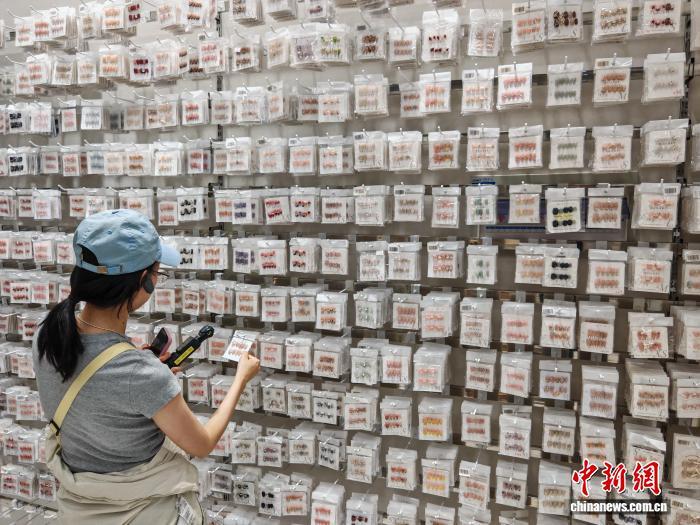
活力中国调研行丨“小包裹”卖全球 中国跨境电商“爆款”频出
Zhong Guo Xin Wen Wang· 2025-09-22 01:28
Group 1 - The core viewpoint is that Chinese enterprises are increasingly leveraging cross-border e-commerce to expand their global market presence, with significant sales achievements in various product categories [1][4]. - The pet raincoat from Suzhou Xihe Textile Technology Co., Ltd. has achieved annual sales of nearly 800,000 units, showcasing the potential of innovative products in the global market [1]. - The wearable nail industry in Lianyungang has seen its annual output value exceed 8 billion yuan, with 30% of this value coming from cross-border exports to markets in Europe, America, and Southeast Asia [1]. Group 2 - The cross-border e-commerce sector is supported by local governments, with Jiangsu aiming to develop 30 cross-border e-commerce industrial belts and Guangdong establishing comprehensive pilot zones [4]. - The "City Procurement" service platform in Changshu has served over 40,000 small and micro enterprises, achieving export values exceeding 90 billion yuan in five years [4]. - The digital technology development and increasing global e-commerce penetration are expected to continue driving growth in China's foreign trade through product innovation and brand building [4].
研判2025!中国干发喷雾行业发展背景、产业链、市场规模、企业分析及未来趋势分析:颜值经济背景下,干发喷雾市场需求不断提高[图]
Chan Ye Xin Xi Wang· 2025-09-22 01:04
Core Insights - The demand for dry shampoo is increasing due to rising disposable income and changing consumer preferences towards personal care products [1][5][9] - The market for dry shampoo in China is projected to reach 1.356 billion yuan in 2024, reflecting a year-on-year growth of 3.90% [1][10] - Social media platforms like Xiaohongshu and Douyin are significantly influencing consumer purchasing decisions through KOL recommendations and tutorials [1][9] Industry Overview - Dry shampoo is designed for quick hair drying and temporary oil control, utilizing ingredients like starch and hydrocarbons to absorb oil and condition hair [4][7] - The main components of dry shampoo include surfactants, adsorbents, solvents, and propellants, with starch being a key ingredient [4][5] Market Dynamics - The dry shampoo industry is experiencing a shift towards high-priced, high-value products as consumers demand better quality and functionality [1][9] - E-commerce is becoming the primary sales channel for dry shampoo, with online platforms benefiting from increased user engagement and convenience [8][16] Competitive Landscape - The market features a mix of international brands like Batiste and local brands such as Spes, with increasing competition driving innovation and product development [11][12] Future Trends - Product innovation will focus on natural ingredients and diverse functionalities, catering to specific consumer needs [13][14] - The market is expected to see a rise in personalized products targeting different demographics, including young consumers and fitness enthusiasts [15] - The integration of online and offline sales channels will enhance consumer shopping experiences, leveraging social media and live streaming for marketing [16]

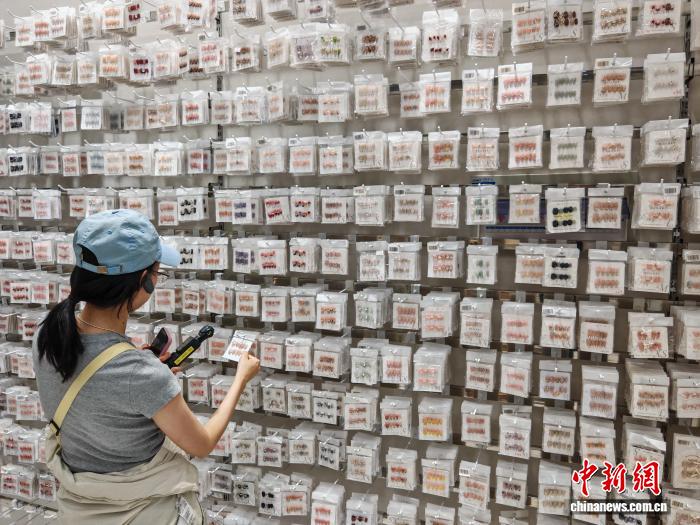
(活力中国调研行)“小包裹”卖全球 中国跨境电商“爆款”频出
Zhong Guo Xin Wen Wang· 2025-09-21 09:04
Core Insights - The article highlights the rapid growth of China's cross-border e-commerce, with "small packages" becoming a key vehicle for global sales, showcasing successful products like pet raincoats and wearable nail art [1][4]. Group 1: Market Trends - Cross-border e-commerce is transforming Chinese small commodity enterprises, enabling them to sell daily goods and decorative items globally, particularly from regions like Yiwu and Shenzhen [1]. - Innovative products are driving sales, exemplified by a pet raincoat that sold nearly 800,000 units and a wearable nail art industry that has achieved an annual output value exceeding 8 billion yuan, with 30% of exports going overseas [1][3]. Group 2: Industry Innovations - The East China Crystal City features a variety of wearable nail products and crystal-based essential oil bottles that are popular in overseas markets, supported by a robust workforce of over 35,000 in cross-border e-commerce [3]. - The home appliance sector is seeing significant growth, with products like mobile air conditioners and dehumidifiers gaining traction in international markets, leading to a 31.89% year-on-year increase in cross-border e-commerce sales revenue, reaching 120 million yuan from January to August [4]. Group 3: Government Support and Infrastructure - Various levels of government are actively promoting cross-border e-commerce, with Jiangsu focusing on developing 30 industrial belts and Guangdong establishing comprehensive pilot zones [4]. - Platforms like "Shicaitong" in Changshu have supported over 40,000 small and micro enterprises, achieving export values exceeding 90 billion yuan, facilitating their transition from local leaders to international brands [4]. Group 4: Global Trade Dynamics - Cross-border e-commerce not only facilitates global sales but also enables the import of high-quality products from Southeast Asia, Europe, Japan, and South Korea into China, catering to diverse consumer needs [4]. - The ongoing development of digital technologies and increasing global e-commerce penetration are expected to further enhance the role of "small packages" in stabilizing China's foreign trade growth [4].
白酒旺季氛围渐起,零食品类创新加速
GOLDEN SUN SECURITIES· 2025-09-21 08:55
Investment Rating - The report maintains an "Accumulate" rating for the food and beverage industry [5] Core Insights - The white liquor sector is showing signs of recovery as the peak season approaches, with notable sales performance from new products like "Da Zhen" [2] - The beverage sector is witnessing innovation, particularly with the introduction of sparkling wines by brands like Yuanqi Forest [3] - The snack food category is experiencing rapid product innovation, with unique flavors and collaborations emerging [4] Summary by Sections White Liquor - As the Mid-Autumn Festival and National Day approach, the sales velocity of white liquor is gradually improving, although traditional distributors face challenges [2] - Moutai's pricing has slightly decreased due to weak demand, but the downward space is limited [2] - Leading companies are adapting to market changes and are expected to navigate through the industry cycle effectively [2] Beer and Beverages - In August, China's beer production slightly declined to 3.583 million kiloliters, down 1.8% year-on-year, indicating weak demand [3] - Yuanqi Forest has launched a new sparkling wine product, priced at approximately 10 yuan per 330ml can [3] - The beverage sector is highly competitive, with numerous new product launches [3] Food - The food sector is seeing structural opportunities due to channel transformations and rapid product innovation [4] - Unique products with regional characteristics are being developed, enhancing competitive advantages [4] - A regulatory penalty was imposed on Jie Wei Food for revenue misreporting, leading to stock suspension and warnings [4]

星巴克的月饼,年年难卖年年卖
Sou Hu Cai Jing· 2025-09-21 04:09
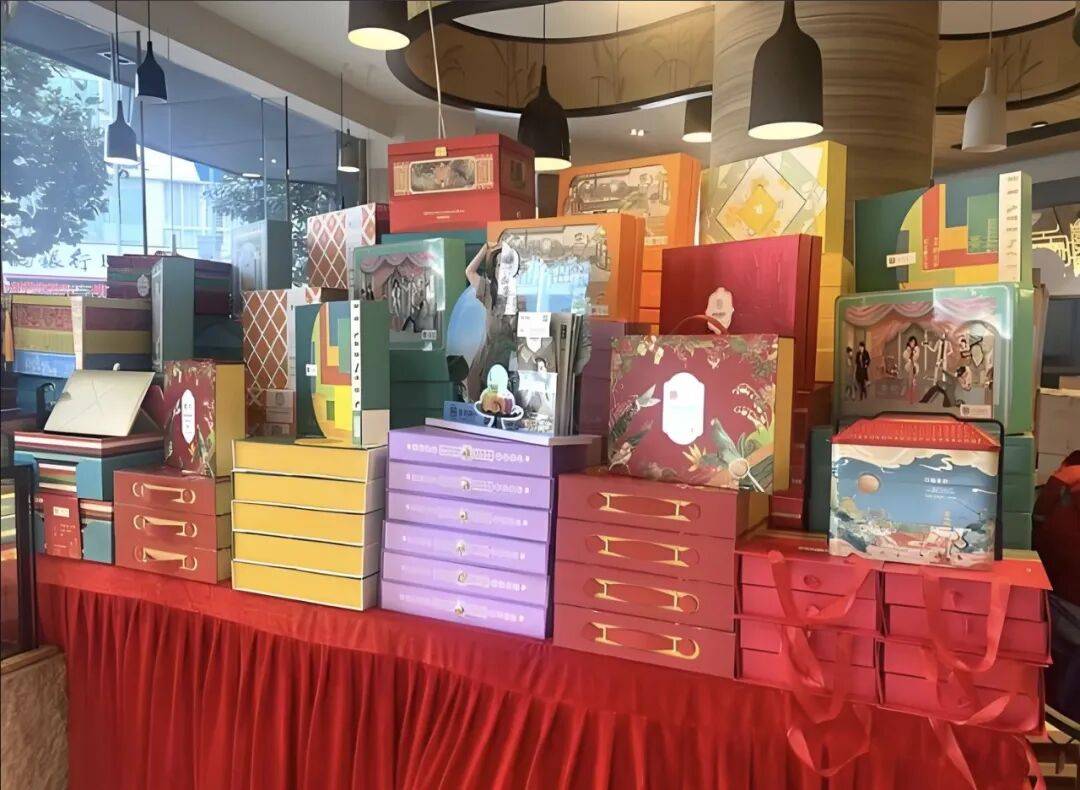
Core Viewpoint - The article highlights the internal pressure faced by Starbucks employees regarding mooncake sales, revealing a broader issue of operational challenges within the company and the retail industry as a whole [2][3][5]. Group 1: Employee Pressure and Sales Challenges - Employees at Starbucks have reported significant pressure to meet mooncake sales targets, with some resorting to purchasing mooncakes out of their own pockets, leading to financial strain [2][3]. - A survey indicated that 67% of chain restaurants impose mooncake sales targets on employees, with Starbucks facing some of the highest pressure in this regard [5]. - Despite the high profit margins of mooncakes (65%), the low repurchase rate (23%) indicates a struggle to sell these products effectively [7]. Group 2: Starbucks' Operational Struggles - Starbucks has experienced its first revenue decline in China for 2024, with same-store sales and average transaction values also decreasing, despite an increase in store count and membership [11]. - The competitive landscape has shifted, with local brands like Luckin Coffee offering significantly lower prices, leading to increased price sensitivity among consumers [11][13]. - The company's slower pace of product innovation has resulted in a perception among younger consumers that Starbucks lacks novelty, with 42% of consumers aged 18-30 expressing this sentiment [13]. Group 3: Industry-Wide Issues - The mooncake sales dilemma reflects a broader "Mid-Autumn curse" affecting the retail and dining sectors, with many businesses struggling to sell mooncakes despite their prominent marketing [14][16]. - The total production of mooncakes in China is projected at 420,000 tons for 2024, with a market value of 21.8 billion yuan, yet there are significant structural issues, including inflated prices and declining demand [16][18]. - The cultural shift away from mooncake gifting, exacerbated by anti-corruption measures, has led to a 78% decrease in reported violations related to mooncake gifts since 2019 [18][22]. Group 4: Changing Consumer Behavior - Consumer purchasing power and willingness to spend have declined, with a 23% drop in corporate mooncake procurement compared to 2023 [19][21]. - Younger consumers are increasingly favoring practical gifts over traditional mooncakes, with sales of alternative gifts like crabs and tea rising significantly [22][24]. - The traditional high-priced mooncake gift boxes are seeing a drastic decline in sales, with a 67% drop in those priced over 500 yuan since 2019, while more affordable options are gaining traction [24][26]. Group 5: Need for Industry Transformation - The article suggests that the traditional mooncake sales model needs reform, emphasizing the importance of aligning with consumer needs rather than relying solely on cultural traditions [26]. - For international brands like Starbucks, the challenge lies in balancing respect for local traditions with maintaining their global brand identity while addressing operational costs and risks [26].

牛文文:中国企业这一套打法,在海外所向披靡
创业家· 2025-09-20 10:03
Core Viewpoint - The article emphasizes that small and medium-sized enterprises (SMEs) must adapt to survive, either by expanding into international markets or by focusing on niche segments domestically. The competitive advantage for Chinese companies lies in their experience and strategies developed in the domestic market, which can be effectively applied abroad [3][4]. Group 1: International Expansion Strategies - SMEs are encouraged to explore international markets, particularly in Southeast Asia, where they can leverage their established business models and operational efficiencies [3][4]. - The article highlights successful case studies, such as the company WOOK, which has thrived in Indonesia's e-commerce sector, showcasing the potential for Chinese brands to dominate foreign markets [4][7]. - The narrative suggests that the current wave of Chinese SMEs going abroad represents a shift from competing in a saturated domestic market to capitalizing on opportunities in less competitive international landscapes [4][9]. Group 2: Insights from Industry Experts - The article promotes an upcoming event featuring industry leaders who will share insights on product innovation and brand expansion strategies, particularly in the context of the Chinese and Japanese markets [10][12]. - Notable speakers include former executives from renowned companies like Uniqlo and Sony, who will discuss how to transform technology into consumer-friendly products and the importance of understanding local market needs [18][19]. - The event aims to provide practical frameworks for SMEs to innovate and adapt their products for global markets, emphasizing the need for a deep understanding of consumer behavior and market dynamics [21][22]. Group 3: Product Innovation and Market Adaptation - The article discusses the importance of product innovation in the context of a saturated market, urging companies to focus on unique value propositions and consumer insights to differentiate themselves [19][21]. - It highlights the role of AI in reshaping consumer experiences and creating new product categories, suggesting that companies must integrate technology with consumer needs to succeed [19][20]. - The narrative stresses that successful international expansion requires not just exporting products but also adapting to local cultures and consumer preferences, which is crucial for building trust and brand loyalty [26][27].

悍高集团(001221) - 悍高集团股份有限公司投资者关系活动记录表
2025-09-19 12:34
Group 1: Company Overview and Competitive Advantages - The company has achieved quality and design comparable to international brands such as Baolong and Haidisi, while maintaining a cost-effective pricing strategy [2] - Key competitive advantages include product innovation, brand reputation, diverse channels, and manufacturing capabilities [2] - The company has been innovating continuously, focusing on original design and quality to enhance user experience and meet diverse consumer needs [2] Group 2: Future Development Goals - The company aims to innovate continuously in product development, focusing on micro and macro upgrades to meet market demands and lead industry trends [4] - Plans to enhance brand awareness and reputation through diversified marketing strategies, particularly targeting end consumers [4] - The company targets a 15% sales contribution from overseas markets, with plans to expand through overseas agents and establish offices [6][7] Group 3: Sales Channels and Management - The primary sales channel is through distributors, with a clear management system in place for onboarding and evaluating distributors [5] - The company conducts annual assessments of distributors based on sales performance and compliance with company standards [5] - Future strategies include empowering distributors with marketing support to align with the company's growth [5] Group 4: Product Categories and Market Positioning - The company focuses on multiple product categories, with a strong emphasis on hardware, particularly hinges and rails, which have significant market potential [5] - Plans to deepen collaboration with well-known home furnishing brands to strengthen market position in storage hardware [6] - The bathroom product line is in the incubation stage, with plans to enter the high-end market leveraging original design advantages [7]
调研速递|美农生物接受多家线上投资者调研,上半年营收2.36亿元增长亮点多
Xin Lang Cai Jing· 2025-09-19 10:44
Core Viewpoint - The company reported a revenue growth of 13.69% and a net profit increase of 17.68% for the first half of 2025, driven by strategic market focus and product innovation [1][2]. Group 1: Performance Analysis - The company's revenue for the first half of 2025 reached 236 million yuan, with a net profit of 23.53 million yuan, and a non-recurring net profit of 21.84 million yuan, reflecting year-on-year growth rates of 13.69%, 17.68%, and 27.46% respectively [1]. - The company is committed to a market strategy of "deepening domestic and breaking into international" and a product strategy of "diversified species and products, full nutritional support" [1]. Group 2: Future Growth Strategy - The company plans to continue its established strategy in the second half of the year, focusing on core customers in the domestic market and implementing the "expansion of one product project" to balance customer costs and value through dual service and cross-selling [2]. - In the international market, the company aims to enhance market development by adopting a "go out and invite in" approach, while also increasing R&D investment to develop efficient, safe, and environmentally friendly products [2]. Group 3: Product and Market Situation - The company emphasizes R&D for product innovation, aiming to enrich its product offerings and develop new solutions to mitigate risks associated with the cyclical nature of the livestock industry [3]. - The overseas business grew by over 20% in the first half of the year, with a sales network established in over 40 countries and regions, and the company plans to continue investing in international market development [3]. Group 4: Raw Material Price Management - The company has established long-term partnerships with upstream suppliers to mitigate the impact of raw material price fluctuations, employing strategic procurement and optimized inventory management [4]. - Continuous optimization of product structure and adherence to the company's mission are key to meeting diverse customer needs and enhancing product competitiveness [4].