
可持续发展

Search documents
专访联合国经社事务部助理秘书长Navid Hanif:中国将是推进可持续发展的关键力量
2 1 Shi Ji Jing Ji Bao Dao· 2026-01-07 03:36
Core Insights - Global economic growth is becoming increasingly "expensive," particularly for developing economies facing debt pressures, tightening financing, and rising external uncertainties [1] - The UN indicates that these pressures have structural characteristics, with global growth levels remaining below pre-pandemic trends [1] - The focus is shifting from achieving higher growth rates to assessing the capacity for future resource investment [1] Economic Growth Factors - The global economy is recovering, but the pace is slow and uneven, with a projected growth rate of 2.5% for 2026, significantly below the pre-pandemic level of 3.2% [2] - Key factors impacting economic growth include: - Debt issues, with many developing countries allocating over 10% of fiscal revenue to debt servicing, limiting investment in sustainable development [2] - Trade tensions, which could escalate with new tariffs, posing risks to economic growth [2] - Youth unemployment, a significant challenge for many countries [2] - Climate shocks, which disrupt food supply and infrastructure, increasing fiscal burdens for recovery [2] Sustainable Development Financing - There is an annual investment gap of approximately $4 trillion to achieve sustainable development goals, which is manageable within the global GDP of over $100 trillion [3] - The "Seville Commitment" emphasizes three action areas for sustainable financing: - Mobilizing both domestic and international investments, including concessional financing from multilateral development banks [3] - Urgent resolution of debt crises, with specific measures proposed under the G20 framework [4] - Reforming the international financial architecture to ensure timely emergency financing during crises [4] Sovereign Debt Restructuring - The current debt situation is severe for developing countries, with calls for coordinated, long-term solutions rather than temporary fixes [5] - The G20 framework for debt relief has seen slow progress, with specific recommendations to expedite debt restructuring and ensure equitable responsibility among creditors [5][6] Investment in Human Capital and Productivity - Investment in human capital is crucial for future prosperity, emphasizing education, skills training, and job creation [7] - Productivity growth in developing countries has significantly declined, necessitating structural transformation towards higher value-added manufacturing and services [7] - Investment in renewable energy and health is highlighted as essential for enhancing productivity and creating jobs [7] Global Cooperation and Multilateral Mechanisms - Despite global fragmentation, shared challenges necessitate collective solutions, particularly in areas like poverty alleviation and climate change [8] - The UN's role is to support member states in achieving sustainable development goals through collaboration [9] - China's potential role in advancing global development agendas is recognized, particularly through initiatives that align with sustainable development goals [10]
外贸向“新”向“绿”加速跑 以“造高端”巩固“卖全球”优势为经济增长注入新动能
Yang Shi Wang· 2026-01-07 02:31
Core Insights - Shenzhen's foreign trade import and export volume is projected to rank first among Chinese cities by 2025, with a focus on solidifying advantages and expanding new growth points in foreign trade [2] Group 1: Export Trends - The Shenzhen Bay Customs reported that high-value, intelligent products like cleaning robots are becoming the main export items, with high-tech products accounting for nearly 50% of the export value [4] - A cleaning robot manufacturing company is ramping up overseas order deliveries and simultaneously developing a new product, an intelligent robotic dog [6][8] - In a recent business matching event, over ten companies established partnerships to facilitate overseas sales, with one product expected to sell over 200,000 units by 2025 [10] Group 2: Innovation and Growth - Shenzhen is home to 1,333 national-level specialized and innovative "little giant" enterprises, the highest number among Chinese cities, aiming to enhance the international market presence of high-tech products [12] - Many tech companies in Shenzhen do not have dedicated foreign trade departments, yet their products are still successfully exported, supported by an increasingly comprehensive overseas service system [13] Group 3: Service Ecosystem - The Xinghe Park in Longgang, Shenzhen, hosts over 100 overseas service companies, providing a "one-stop" service for businesses, covering customs, logistics, and intellectual property services [15] - A service provider reported a 30% business growth at the start of 2026, with over 100 new clients, indicating a robust demand for assistance in navigating overseas markets [17] Group 4: Green Transformation - Shenzhen's foreign trade is accelerating its green transformation, with initiatives in green manufacturing, logistics, and services being implemented [22][23] - A new production line for a green packaging company has commenced, utilizing recycled plastic bottles to create environmentally friendly packaging for cosmetics [23][24] - The logistics sector is also adopting clean energy solutions, with over 60% of clean energy vehicles in use at the Yantian Port, contributing to a significant reduction in carbon emissions [26] Group 5: Future Initiatives - Shenzhen's market supervision authority plans to enhance international trade services and promote carbon footprint certification for products, aiming to improve export competitiveness [28] - The construction of a green trade system in Shenzhen is accelerating, with a carbon footprint certification platform being integrated into the international trade single window [29]

苹果推马年手机壳售价449元引热议
Xin Lang Cai Jing· 2026-01-07 01:40
不少网友对这款手机壳的设计提出质疑,认为其图案形 象更接近龙而非马,视觉辨识度存在争议。同时,也有 用户认为449元的定价偏高,与其实际价值不完全匹配。 对此,苹果官方客服作出回应称,该款手机壳为设计师 联名作品,图案原型确为马,设计理念基于艺术表达, 审美感受因人而异。目前该产品仅通过官网渠道发售, 定价为官方统一制定。客服同时表示,是否购买属于个 人选择,消费者可根据自身需求决定。 此外,客服介绍,该保护壳具备防冲击、抗紫外线和耐刮擦等实用功能,并在材料选择上注重环保属 性,符合品牌一贯的可持续发展理念。 据官方说明,这款手机壳的设计灵感源自骏马的动感与生命力,整体采用粉、红、橙、黄四色渐变呈 现,由艺术家陈粉丸操刀设计,融合中国传统剪纸艺术与现代视觉语言,意在传递新春佳节的热烈氛围 与文化韵味。 临近中国农历马年,苹果官网近日推出一款马年主题手机保护壳,售价为449元,适用于即将发布的 iPhone 17系列及iPhone Air机型,并支持MagSafe磁吸功能。产品一经上线,迅速引发网络热议。 临近中国农历马年,苹果官网近日推出一款马年主题手 机保护壳,售价为449元,适用于即将发布的iPhone ...

创业逾28年的传统杭企IPO首发过会
Mei Ri Shang Bao· 2026-01-06 22:22
Core Viewpoint - The successful IPO of Hangzhou Fuen Co., Ltd., a company specializing in eco-friendly recycled fabrics, marks a significant breakthrough in the textile industry, which had not seen an A-share listing for nearly three years [2][4]. Company Overview - Founded over 28 years ago, Fuen started as a village cloth factory in Xiaoshan and transitioned to a family-run business after a share transfer due to policy adjustments [2]. - The company has embraced multiple transformations to maintain its competitiveness in the traditional textile industry, particularly focusing on eco-friendly materials since 2010 [2][3]. Market Trends - The global textile and apparel industry is increasingly prioritizing green and sustainable practices, with brands setting clear sustainability goals, creating opportunities for eco-friendly fabrics [3]. - According to the United Nations Environment Programme, the textile and apparel sector accounts for 10% of global carbon emissions, highlighting the growing importance of sustainable materials [3]. Financial Performance - Fuen's recycled fabric products now account for over 80% of its total revenue, with major clients including well-known international fast fashion brands such as H&M and Uniqlo [4]. - Financial projections indicate that Fuen's main business revenues for 2022 to 2025 will be 1.742 billion, 1.505 billion, 1.803 billion, and 932 million yuan respectively, with net profits of 277 million, 229 million, 275 million, and 105 million yuan [4]. Competitive Landscape - The recycled fabric segment in which Fuen operates has relatively few strong competitors, with major rivals including French fabric manufacturer Kaimeng and Japanese Toray's subsidiary in China, both of which have lower production capacities than Fuen [5]. Future Plans - Fuen plans to raise 1.25 billion yuan through its IPO, with 800 million yuan allocated for an integrated project on recycled eco-friendly yarn-dyed fabrics and 450 million yuan for a high-end recycled materials research institute and green manufacturing project [6]. - Key milestones for 2025 include the launch of a factory in Vietnam, a yarn factory in Hangzhou, and becoming a supplier for Lululemon, indicating expansion into overseas production and upstream supply chains [6].

商务部关于印发《企业境外履行社会责任工作指引》的通知
Shang Wu Bu Wang Zhan· 2026-01-06 16:51
Core Viewpoint - The Ministry of Commerce has issued guidelines for Chinese enterprises to fulfill their social responsibilities abroad, aiming to enhance sustainable development and contribute to the economic and social development of host countries [1][3]. Group 1: General Principles - The guidelines are designed to align with the concept of building a community with a shared future for mankind and to implement various global initiatives [3]. - Enterprises are encouraged to integrate social responsibility into their international business strategies and governance mechanisms [4]. - Compliance with both Chinese and host country laws regarding social responsibility is emphasized [5]. Group 2: Supporting Economic Development in Host Countries - Enterprises should adapt their operations to local conditions and deepen cooperation in capital, industry, and technology [9]. - The guidelines advocate for investment in local industries to support economic growth and transformation [9][10]. - Companies are encouraged to enhance infrastructure quality and connectivity in host countries [11]. Group 3: Improving Local Livelihoods and Social Harmony - Enhancing local welfare is a key focus, with an emphasis on small-scale projects that support poverty alleviation [19]. - Companies must adhere to local labor laws and ensure fair treatment of employees [20][21]. - Establishing effective communication with local communities is crucial for fostering long-term relationships [26]. Group 4: Environmental Protection and Green Transition - Companies are required to comply with local environmental laws and integrate green practices into their operations [30]. - The guidelines promote participation in global climate governance and the development of low-carbon solutions [30][34]. - Enterprises should conduct environmental impact assessments before initiating projects [35]. Group 5: Promoting Healthy Industry Development - Establishing compliance management systems and adhering to legal and ethical standards is essential [39]. - Companies are encouraged to prioritize quality management and innovation in their products and services [40]. - Fair competition and collaboration within the industry are emphasized to maintain a healthy business environment [42]. Group 6: Enhancing Capacity for Social Responsibility - Companies should develop a robust social responsibility management system and integrate it with their business strategies [51]. - Regular reporting and transparency in social responsibility practices are encouraged [58]. - Engaging with local governments and communities to communicate contributions to sustainable development is vital [59].
2025上市公司与金融机构可持续发展典型案例征集
清华金融评论· 2026-01-06 10:32
Core Viewpoint - The article emphasizes the transition of sustainable development from a strategic concept to a critical measure of high-quality economic growth in China, particularly highlighting 2025 as a pivotal year for deepening practical implementation of sustainability initiatives [3]. Group 1: Policy and Regulatory Framework - The Chinese government has introduced several policies, including the "Central Enterprise ESG Special Action Guidelines (2025)" and the "Management Measures for Information Disclosure of Listed Companies," mandating the integration of sustainable development into corporate governance and shifting from optional to standardized disclosure of non-financial information [3]. - Financial institutions are evolving from advocates of sustainability to key actors, embedding ESG principles into their strategies and business processes, and promoting green finance and responsible investment practices [3]. Group 2: Case Collection Initiative - Tsinghua Financial Review has launched a "2025 Sustainable Development Case Collection" initiative aimed at creating a high-level platform for sharing best practices in green finance and sustainability governance [4]. - The initiative encourages submissions from various sectors, including banks, insurance companies, asset management firms, and listed companies, focusing on innovative and impactful sustainability practices [6]. Group 3: Submission Themes and Requirements - The case collection is organized around three main dimensions: climate change response, social responsibility, and corporate governance, with specific topics such as pollution control, waste management, and supply chain safety [7][8]. - Submissions must reflect the positive contributions of financial institutions and listed companies to sustainable development, with a focus on authenticity and relevance to future industry pathways [8]. Group 4: Selection and Publication - A selection process will be conducted by an expert panel from Tsinghua Financial Review to identify exemplary cases, which will be published across various media platforms [12]. - Selected case representatives will have opportunities to share their experiences at events hosted by Tsinghua Financial Review, enhancing visibility and knowledge sharing within the industry [12].

于维华参赞拜会马里国家地质矿业局局长
Shang Wu Bu Wang Zhan· 2026-01-06 06:19
Core Viewpoint - The meeting between the Chinese Embassy's Economic and Commercial Office in Mali and the Director of the Mali National Geological and Mining Bureau focused on enhancing practical cooperation in the mining sector and improving the investment environment for mining [1] Group 1: Cooperation and Support - The Chinese government expresses willingness to engage in mining cooperation with Mali based on mutual benefit principles [1] - Chinese mining companies in Mali adhere to legal compliance and sustainable development, contributing positively to local economic development and employment [1] - The Mali Bureau Director appreciates China's long-term support for Mali's economic development and is willing to provide more support for Chinese enterprises in mining cooperation [1] Group 2: Policy and Development - The Mali Bureau Director introduced recent adjustments in Mali's mining policies and the latest developments in mining rights management [1] - There is an emphasis on strengthening cooperation in mineral exploration and green mining technologies to assist in upgrading Mali's mining industry [1]

英特诺 : 加码中国市场发展,紧贴客户需求变化
Sou Hu Cai Jing· 2026-01-06 04:41
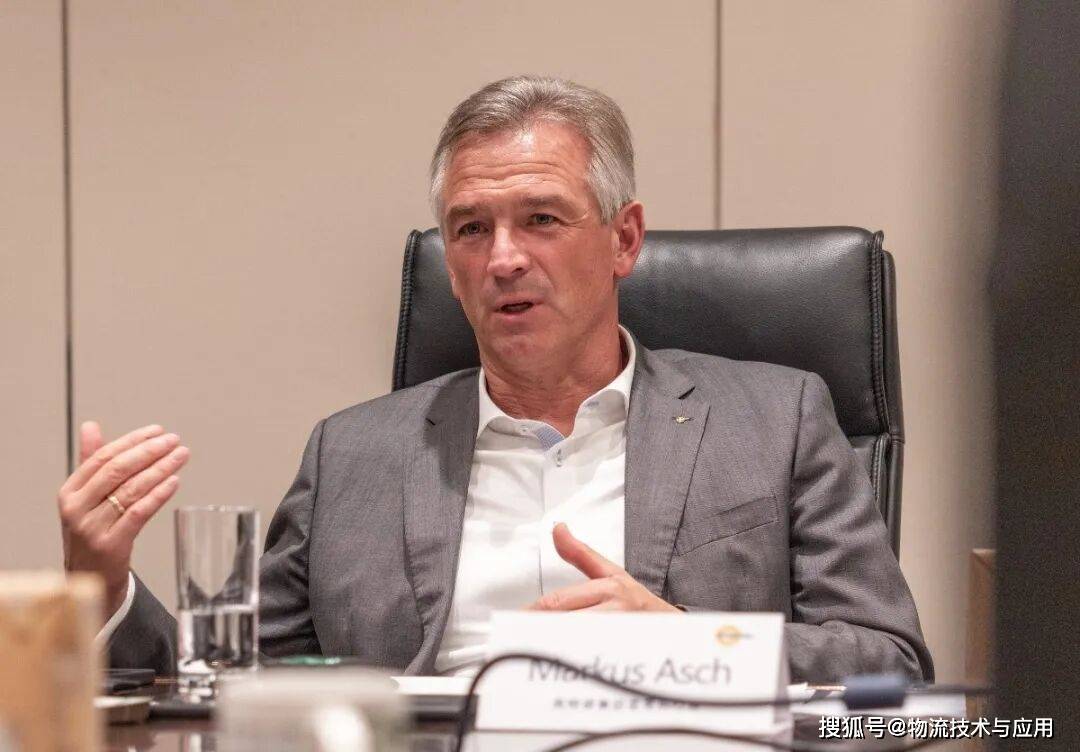
——访英特诺首席执行官马科斯.阿希(Markus Asch) 英特诺集团亚太区首席执行官夏本春博士 作为全球领先的物料输送解决方案供应商,英特诺集团近年来持续加码中国市场,不仅在苏州设立亚太研发创新中心,而且推出面向全球市场的MCP PLAY新型输送机平台,彰显其深耕本地、服务全球的战略决心。在CeMAT ASIA 2025展会期间,英特诺首席执行官马科斯.阿希(Markus Asch)与亚太 区CEO夏本春博士接受本刊记者采访,深入阐释公司如何以客户为中心、通过模块化创新与数字化融合,应对激烈竞争与绿色转型双重挑战,并把握中国 企业"出海"带来的新机遇。 10 月28日,在CeMAT ASIA 2025展会期间,国际知名物料输送解决方案供应商英特诺公司举办媒体交流活动,英特诺集团首席执行官马科斯.阿希 (Markus Asch)和英特诺集团亚太区首席执行官夏本春博士出席活动与各媒体记者进行交流恳谈,对外宣布英特诺加码中国市场的发展计划,并详细介 绍了英特诺紧贴客户需求的发展策略。 英特诺首席执行官 马科斯.阿希(Markus Asch) 记者:请问马科斯.阿希(Markus Asch)先生,您认为中国市场和 ...
善作善成 和合共生
Zhong Guo Zi Ran Zi Yuan Bao· 2026-01-06 04:36
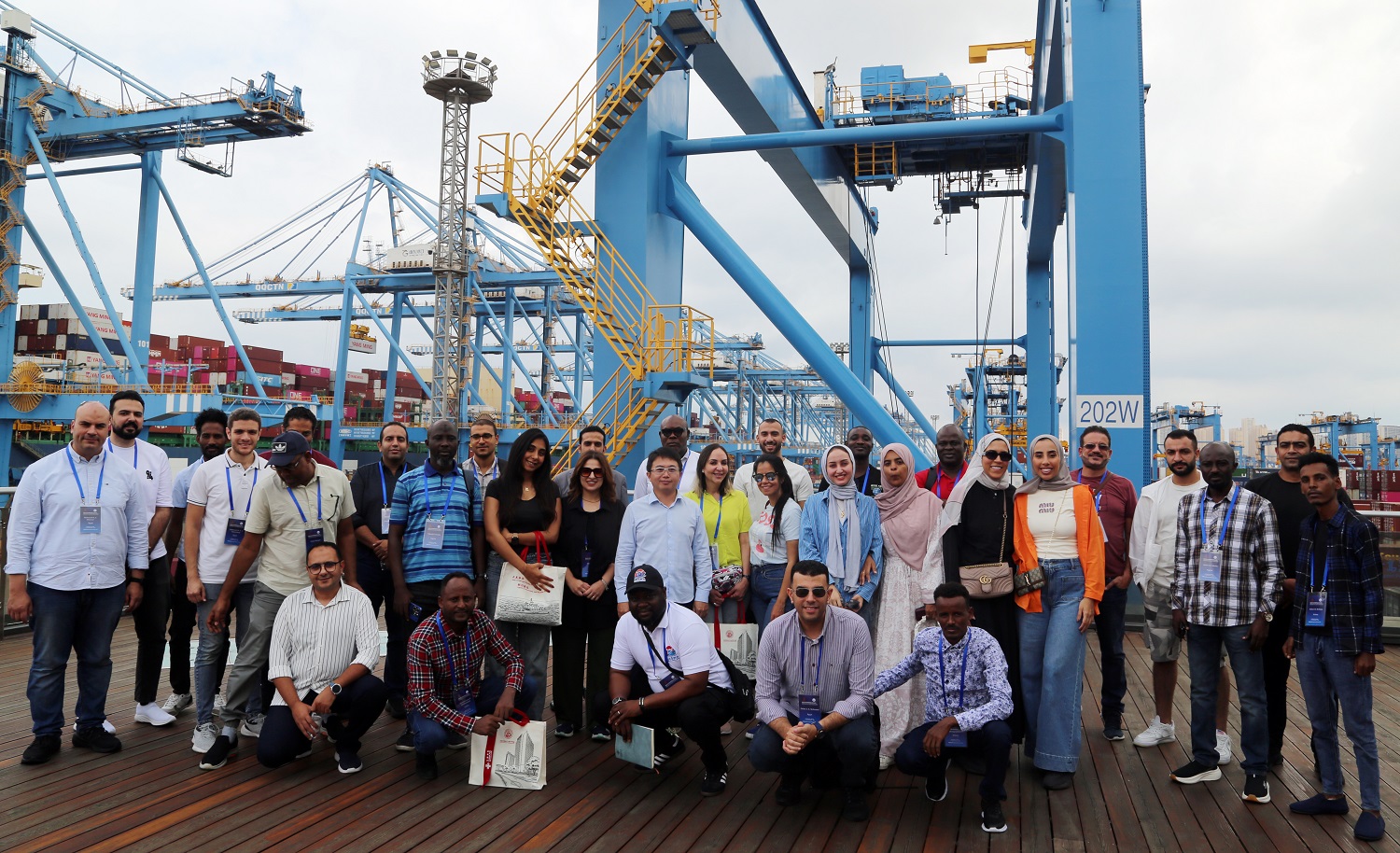
Core Insights - The training program organized by the Second Institute of Oceanography under the Ministry of Natural Resources aims to enhance marine observation technology and concepts among participants from nearly 20 countries, contributing to the construction of a "marine community of shared future" [3][4] Group 1: Training Program Overview - The program consists of four sessions in 2025, supported by the Ministry of Commerce, focusing on practical training in marine observation technology [3] - A diverse teaching approach is employed, including theoretical lectures, case studies, and field visits, to provide effective training for participants [3][4] Group 2: Course Content and Reception - Courses are tailored to meet the core development needs of participating countries, covering topics such as sea level monitoring, coastal adaptation, marine observation forecasting, ecological governance, and disaster monitoring [3] - The course on "Global Sea Level Change Characteristics under Climate Change" was particularly well-received, addressing the real challenges faced by ASEAN countries [3] Group 3: Practical Learning Experiences - Each training session includes hands-on learning opportunities, allowing participants to visit research vessels and key laboratories, and experience China's innovations in marine technology and green development [4] - Participants expressed admiration for the automation and smart logistics systems at Qingdao Port, highlighting the value of China's development experience [4] Group 4: Institutional Support and Future Cooperation - The training program has received recognition from the Ministry of Commerce and the Ministry of Natural Resources, emphasizing the importance of knowledge sharing and cooperation among developing countries [4] - Future initiatives will focus on deepening practical cooperation in technical support, joint research, and talent cultivation, aiming to establish a regular cooperation mechanism for sustainable marine development [5]
商务部回应CBAM:坚决采取一切必要措施回应任何不公平贸易限制
Zhong Guo Hua Gong Bao· 2026-01-06 04:14
Core Viewpoint - The European Union's Carbon Border Adjustment Mechanism (CBAM) will officially be implemented on January 1, 2026, and China expresses willingness to cooperate with the EU on climate change while firmly opposing any unfair trade restrictions that threaten its development interests and the stability of global supply chains [1][2] Group 1 - The EU has recently released legislative proposals and implementation details regarding CBAM, including setting default values for carbon emission intensity and plans to expand the range of covered products [1] - China criticizes the EU for setting significantly high default values for carbon emission intensity that do not reflect China's actual levels and future development trends, which is seen as unfair and discriminatory treatment [1] - The EU's actions are viewed as a violation of World Trade Organization principles such as "most-favored-nation treatment" and "national treatment," as well as contrary to the "common but differentiated responsibilities" principle established by the United Nations Framework Convention on Climate Change [1] Group 2 - The EU is accused of ignoring historical emissions responsibilities, national development stages, and technological levels, using the pretext of preventing "carbon leakage" to impose new trade protectionism on developing countries [2] - This approach is believed to increase the costs of climate action for developing nations and undermine international trust, contradicting efforts to cooperate on climate change and promote sustainable development [2] - China urges the EU to adhere to international rules related to climate and trade, reject unilateralism and protectionism, and maintain an open market based on fairness, science, and non-discrimination to facilitate trade and investment in the green sector [2]