
绿色低碳转型

Search documents
螺纹钢阶段底部渐显
Qi Huo Ri Bao· 2025-12-18 23:30
当下,螺纹钢库存结构是比较健康的,现实供需矛盾也不大。因此,本轮价格下跌过程中,期货价格的 跌幅明显大于现货。螺纹钢主力2605合约对华东现货的贴水已经扩大至196元/吨,处于近3年高位。杭 州地区螺纹钢库存已经从11月下旬的95.7万吨下降至69.7万吨。螺纹钢期货前20席位净多和净空持仓的 差值也从11月下旬的-11.16万手变为2.27万手。 明年1月,市场可能逐步关注到冬储逻辑。虽然现在市场普遍预计2026年建材需求会继续下一个台阶, 贸易商冬储意愿偏差,但是螺纹钢2605合约价格已经接近电炉钢的谷电成本(3079元/吨),且盘面贴 水已经处于高位,具备一定冬储价值。因此,我们预计仍会有贸易商通过盘面或场外累购期权的方式进 行冬储。 12月5日以来,螺纹钢价格出现快速下跌,主力2605合约价格最低下探至3031元/吨,相比月初高点下 跌150元/吨,跌幅约为4.7%。对于后期走势,我们认为,利空充分发酵之后,螺纹钢价格有望在3000 元/吨附近逐步企稳。 近期大跌原因分析 近期,螺纹钢价格大幅下跌主要是因为需求走弱和成本支撑下移。12月是传统的建材需求淡季,螺纹钢 表观消费量从11月下旬的230.79 ...
建设美丽中国(学习贯彻党的二十届四中全会精神)
Ren Min Ri Bao· 2025-12-18 21:52
Core Viewpoint - The 20th Central Committee's Fourth Plenary Session emphasizes accelerating the comprehensive green transformation of economic and social development to build a beautiful China, highlighting the importance of ecological civilization in modern governance [1]. Group 1: Significance of Building a Beautiful China - Building a beautiful China is a crucial goal for modernizing the socialist state and achieving the Chinese Dream of national rejuvenation [2]. - It is essential for establishing a green foundation for Chinese-style modernization, which emphasizes harmony between humans and nature [2]. - The construction of a beautiful China is necessary for achieving high-quality development, with green and low-carbon transitions being key components [3]. - It addresses the growing demand for a better quality of life among the populace, as a good ecological environment is seen as a fundamental public good [3]. - The initiative contributes to global efforts for a clean and beautiful world, showcasing China's commitment to international environmental governance [4]. Group 2: Progress in Building a Beautiful China - Since the 18th National Congress, significant strides have been made in ecological civilization, with historical changes in both theory and practice [5]. - Environmental quality has improved, with PM2.5 levels in major cities dropping by 56% over the past decade, and the proportion of good surface water quality increasing from 64.1% to 90.4% [5]. - The pace of green and low-carbon transitions has accelerated, with over 96% of coal-fired power units achieving ultra-low emissions [6]. - The quality of ecosystems has steadily improved, with over 30% of land area designated as ecological protection red lines [7]. - The reform of ecological civilization systems has shown significant results, establishing a comprehensive legal framework for environmental protection [8]. Group 3: New Major Progress in the 14th Five-Year Plan - The 14th Five-Year Plan outlines major goals for building a beautiful China, including the formation of green production and lifestyle patterns and achieving carbon peak targets [10]. - It emphasizes the need for strong leadership in ecological construction and the establishment of a clear responsibility system for environmental protection [11]. - Continuous efforts are required in pollution prevention and ecological system optimization, focusing on source governance and multi-pollutant control [12]. - The construction of a new energy system is prioritized, with an emphasis on increasing the share of renewable energy and improving energy efficiency [13]. - The plan aims to promote carbon peak achievements through systematic and coordinated actions across various sectors [14]. - A shift towards green production and lifestyle is encouraged, with initiatives to enhance resource management and promote circular economy practices [15].
金融新篇章 担当新作为 | 中国东方湖北省分公司:立足荆楚谋发展 深耕主业显担当
Xin Lang Cai Jing· 2025-12-18 14:26
Core Viewpoint - The company focuses on serving the real economy and driving innovation to support high-quality regional development in Hubei Province [3][8] Group 1: Deepening Main Responsibilities - The company actively participates in the local non-performing asset market, successfully acquiring 6 asset packages from financial institutions since 2025, with an investment of 450 million yuan, resolving 80 non-performing asset debts in Hubei, totaling 3.1 billion yuan [4][9] - The company has accelerated asset package disposal, recovering a total of 282 million yuan, effectively aiding the reform and risk management of small and medium-sized financial institutions in Hubei [4][9] Group 2: Empowering New Productive Forces - In promoting green transformation, the company has invested 290 million yuan through market-oriented debt-to-equity swaps in a new energy battery company, helping the firm to supplement capital and reduce debt, focusing on core technology research and development in the new energy sector [5][10] - The company has invested a total of 2.358 billion yuan in revitalizing inefficient assets, supporting the reform and transformation of state-owned enterprises in Hubei, achieving both economic and social benefits [5][10] Group 3: Deepening Financial Services - The company actively implements financial support for the stable and healthy development of the real estate market, employing a comprehensive risk resolution plan to address industry challenges [6][11] - For the "Lotus Mountain Villa" project, which has been stalled for 16 years, the company has utilized a combination of equity and debt to isolate risks and has added additional relief funds through urban real estate financing coordination mechanisms, leading to the project's return to normal development and sales [6][11] - The company has also assisted local private enterprises like Zhuye Mountain Group in revitalizing land resources and restoring operational cash flow, while helping multiple real estate project companies ensure the delivery of over 200 residential units, thereby stabilizing local livelihoods [6][11]


国家能源局新能源司:1-10月全国光伏发电利用率同比下滑2.2个百分点
Xin Lang Cai Jing· 2025-12-18 12:29
他也谈到,供给侧方面,光伏产业转型升级的任务依然艰巨,内卷式竞争对行业整体利润的侵蚀,对技 术创新空间的挤压影响依然存在,部分关键环节的核心技术护城河仍需加深;需求方面,光伏大规模高 比例接入,对高效消纳挑战日益突出,1-10月全国光伏的发电利用率仅为94.9%,同比下滑了2.2个百分 点,电力系统的消纳压力非常大。(刘丽丽) 他也谈到,供给侧方面,光伏产业转型升级的任务依然艰巨,内卷式竞争对行业整体利润的侵蚀,对技 术创新空间的挤压影响依然存在,部分关键环节的核心技术护城河仍需加深;需求方面,光伏大规模高 比例接入,对高效消纳挑战日益突出,1-10月全国光伏的发电利用率仅为94.9%,同比下滑了2.2个百分 点,电力系统的消纳压力非常大。(刘丽丽) 责任编辑:何俊熹 责任编辑:何俊熹 12月18日消息,在今天举行的2025光伏行业年度大会上,国家能源局新能源和可再生能源司副司长桂小 阳表示,2025年对于光伏行业来说是极不平凡的一年,光伏行业整治内卷式竞争持续高位推进,举措立 即落地,产业链各环节的价格企稳回暖,竞争秩序逐步修复,新能源全面参与电力市场绿电直连,促进 新能源集成融合发展和消纳调控等政策也相继 ...
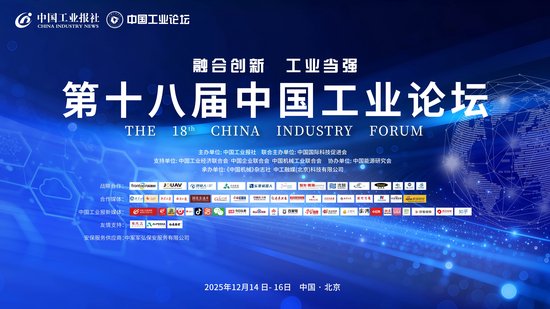
第十八届中国工业论坛在京召开
Zhong Guo Jing Ji Wang· 2025-12-18 02:22
Group 1 - The 18th China Industrial Forum emphasizes "integrated innovation" as a key driver for industrial upgrading and new competitive advantages, focusing on intelligent, green, and integrated development [1] - The forum highlights the importance of deep interaction and restructuring among different fields and elements to foster new technologies, business models, and systemic changes in production and organization [1] - Achieving a strong industrial base relies on core capabilities, quality branding, innovation capacity, green content, and international competitiveness, all driven by "integrated innovation" [1] Group 2 - The mechanical industry faces challenges such as the need for stronger foundational research and the enhancement of supply chain resilience and security, necessitating a focus on technological self-reliance and innovation [2] - The importance of technology innovation as a core driver for both traditional industry transformation and the growth of emerging industries is emphasized, alongside the need for deep integration of technology and industry [2] - The call for reform to break down barriers and activate internal dynamics for integration, as well as the need for a collaborative ecosystem to foster innovation and talent development, is highlighted [2] Group 3 - Recommendations include advancing artificial intelligence applications, enhancing foundational capabilities in data, networks, and algorithms, and promoting the scale development of emerging industries [3] - The necessity for a green low-carbon transition is stressed, with specific goals for carbon peak by the end of the 14th Five-Year Plan, and the promotion of green factories and low-carbon parks [3] - The integration of technological and industrial innovation is crucial, with an emphasis on converting scientific achievements into productive forces and enhancing effective supply across the industry [3] Group 4 - Manufacturing is identified as the core of building a modern industrial system and solidifying the foundation of the real economy, with an increasing share of Chinese manufacturing firms in the global top 500 [4] - The focus on intelligent manufacturing and the enabling role of technologies like AI and IoT for traditional industry upgrades is emphasized, alongside the need for collaboration across the industrial chain [4] - The "2025 New Quality Productivity Trends and Practices Report" indicates significant improvements in various aspects of productivity but also highlights challenges such as cognitive biases and insufficient foundational research [4]
金融期货早评-20251218
Nan Hua Qi Huo· 2025-12-18 02:13
1. Report Industry Investment Ratings No relevant content provided. 2. Core Views of the Report - Short - term, the RMB is likely to be moderately strong against the US dollar, mostly in a low - volatility range with limited trading value. Key factors include clear policy support, enhanced independent exchange - rate fluctuations, and a resonance of internal and external environments. However, potential risks such as high long - position inventories of USD/HKD and the impact of the Bank of Japan's interest - rate hikes should be noted [3]. - The entry of the national team only boosts the market sentiment in the short term. The stock index is expected to stabilize and fluctuate in the short term, and the small and medium - cap stock indexes may face pressure [4]. - For the bond market, it is not pessimistic in the medium term. Mid - term long positions can be held, while short - term long positions can consider taking profits [5]. - In the container shipping European route, there is a bull - bear mix. The price is expected to be supported in January due to shipping companies' price - holding intentions, but factors such as weak economic data, sufficient shipping capacity, and the expected resumption of Red Sea routes may bring pressure [6]. - For platinum and palladium, the long - term bullish foundation for platinum remains. In the short term, attention should be paid to the risk of adjustment due to the widening price difference between domestic and foreign markets. For gold and silver, be cautious about short - term callbacks, and maintain a long - term bullish view. For copper, the market sentiment is high, but the price increase did not meet expectations. For aluminum, it is expected to fluctuate strongly in the medium term; alumina is expected to be weak; and cast aluminum alloy is expected to fluctuate strongly. For zinc, it is expected to maintain a wide - range shock in the short term. For nickel and stainless steel, they had a short - term correction, and attention should be paid to the supply and demand situation. For tin, it is expected to be strong in the short term, and it is recommended to enter the market on dips. For lithium carbonate, the short - term price may fluctuate more widely, and there are opportunities for long positions in the long term. For industrial silicon, it is in a supply - demand weak situation, and for polysilicon, the trading logic is mainly technical [9][11][13][16][19][20][22][23][24][26]. - For steel products, the price is expected to fluctuate. The price range of the rebar main contract 2605 is likely between 2900 - 3300, and that of the hot - rolled coil main contract 2605 is likely between 3000 - 3400. For iron ore, the downward space is expected to be limited. For coking coal and coke, if the upward trend continues, it may drive a new round of terminal restocking. For ferrosilicon and ferromanganese, the market is in a situation of weak reality and strong expectation, and there may be a short - term rebound [30][31][32][33][34][36]. - For pulp and offset paper, the short - term strategy is mainly to wait and see. For crude oil, the escalation of the US - Venezuela situation may drive up short - term oil prices. For LPG, the near - term is still supported. For PTA - PX, there is no obvious driver, and it will fluctuate with the cost side. For MEG - bottle chips, the short - term downward driving force is weakened, but the medium - and long - term situation is still under pressure. For methanol, it is recommended to maintain a reverse spread. For PP, the cost side provides strong support, and there may be a short - term rebound. For PE, the spot side is weak, and the supply - demand pressure is large. For pure benzene - styrene, pure benzene shows a near - weak and far - strong pattern, while styrene shows a near - strong and far - weak pattern. For asphalt, if the US does not directly declare war on Venezuela, the upward space is limited. For rubber, both natural and synthetic rubber are expected to maintain a wide - range shock. For urea, the 01 contract is expected to continue to fluctuate. For soda ash, it is waiting for unexpected supply changes. For glass, the near - month 01 will follow the delivery logic, and the far - month is affected by production line cold repairs. For caustic soda, the price is expected to fluctuate weakly. For logs, the current price has limited trading value. For propylene, it is expected to maintain a shock pattern [38][40][42][44][45][46][47][49][50][52][53][54][55][57][58][60][61][62][63][65][67][68][70][71][72][75][76][78][79][80]. - For oilseeds, the external soybean market will focus on demand in the short term and is expected to fluctuate around the cost line in the medium term. The domestic soybean meal will continue the long - spread trend in the short term, and the medium - term supply depends on reserve releases. For oils, the short - term trend is wide - range shock, and attention should be paid to production and biodiesel information. For cotton, it is recommended to build long positions on dips, paying attention to downstream orders and hedging pressure. For sugar, the price will remain weak. For apples, the strategy is mainly to buy on dips. For red dates, the short - term downward space may be limited, and attention should be paid to pre - holiday procurement [81][82][83][84][85][86][87][88][89]. 3. Summary by Relevant Catalogs Financial Futures - **Macro**: Overseas, the Fed cut interest rates in December, the US employment market cooled, and the UK's CPI decline increased the expectation of an interest - rate cut. Domestically, policies are "seeking progress while maintaining stability," and in November, industrial production was resilient but domestic demand was weak [1]. - **RMB Exchange Rate**: The previous trading day, the on - shore RMB depreciated slightly against the US dollar. Key information includes China's fiscal revenue growth, the Fed's potential interest - rate cuts, and the UK's CPI decline. The RMB is expected to be moderately strong in the short term, with potential risks [2][3]. - **Stock Index**: The stock index rose collectively in the previous trading day. The entry of the national team boosted market sentiment, but the index is expected to fluctuate in the short term, and small and medium - cap indexes may face pressure [4]. - **Treasury Bonds**: The bond market rose on Wednesday. The market sentiment improved, and it is not pessimistic in the medium term. Mid - term long positions can be held, and short - term long positions can consider taking profits [4][5]. Commodities Non - ferrous Metals - **Platinum and Palladium**: The night - session prices of platinum and palladium rose to new highs this year. The price is affected by factors such as the Fed's policy, supply - demand fundamentals, and EU policies. In the long term, the bullish foundation for platinum remains, and short - term adjustment risks should be noted [9][10]. - **Gold and Silver**: Gold and silver prices rose. Silver shows a long - squeeze phenomenon. The short - term focus is on callback risks, and the long - term view is bullish [11][12]. - **Copper**: The copper price rebounded. The market sentiment was high, but the increase did not meet expectations. It is recommended to pay attention to the pressure around 93500 - 94000, and downstream enterprises can consider buying futures on dips for hedging [13][14][15]. - **Aluminum Industry Chain**: Aluminum is expected to fluctuate strongly in the medium term; alumina is expected to be weak; and cast aluminum alloy is expected to fluctuate strongly. The fundamentals of aluminum are relatively stable, alumina is in a supply - surplus situation, and cast aluminum alloy has strong support [16][17][18]. - **Zinc**: Zinc prices had support at the bottom and rebounded slightly at night. In the short term, it is expected to maintain a wide - range shock, and there may be entry opportunities [19][20]. - **Nickel and Stainless Steel**: They had a short - term correction. The nickel ore market is expected to be stable and strong, and the stainless - steel market is affected by export regulations. Attention should be paid to the supply and demand situation [20][21]. - **Tin**: Tin prices were strong. It is recommended to enter the market on dips, and the short - term view is not to short [22]. - **Lithium Carbonate**: The price rose sharply. The short - term price may fluctuate more widely, and there are opportunities for long positions in the long term. Attention should be paid to supply shocks and demand declines [22][23]. - **Industrial Silicon and Polysilicon**: Industrial silicon is in a supply - demand weak situation, and polysilicon's trading logic is mainly technical. The long - term price of industrial silicon has limited downward space, and polysilicon's fundamentals are ineffective [24][26]. - **Lead**: Lead prices were weakly volatile. In the short term, it is expected to fluctuate between 16700 - 17500, with strong support around 16500 [27]. Black Metals - **Rebar and Hot - Rolled Coil**: The prices rebounded slightly but faced pressure above. After the central economic work conference, the pricing of the steel market returned to fundamentals. Supply may slow down the reduction, demand is seasonally weak, and inventory is in a de - stocking trend. The price is expected to fluctuate [28][30][31]. - **Iron Ore**: The price rebounded. After macro events, the trading logic returned to fundamentals. Supply is relatively restrained, demand is in a bottom - grinding stage, and the price is supported by coking coal [32]. - **Coking Coal and Coke**: The coking coal price may be affected by winter restocking, and the coke price may continue to decline. If the upward trend continues, it may drive a new round of terminal restocking [33][34]. - **Ferrosilicon and Ferromanganese**: The market is in a situation of weak reality and strong expectation. Supply is likely to continue to decline, demand is expected to decrease, and inventory is at a high level. There may be a short - term rebound [35][36]. Energy and Chemicals - **Pulp - Offset Paper**: Pulp prices fluctuated, and offset paper prices were weakly volatile. The Crofton pulp mill's shutdown was postponed, and the pulp port inventory is still high. The short - term strategy for both is to wait and see [38][40][41]. - **Crude Oil**: Oil prices stopped falling and rebounded. The US - Venezuela tension may drive up short - term oil prices, and attention should be paid to the development of the situation [42][43][44]. - **LPG**: The near - term is still supported. The supply increased slightly, demand remained stable, and attention should be paid to marginal changes [45][46]. - **PTA - PX**: There is no obvious driver, and it will fluctuate with the cost side. PX supply is expected to be high, PTA supply and demand are in a tight - balance situation in December, and the polyester demand is expected to decline seasonally in December [47][49]. - **MEG - Bottle Chips**: The short - term downward driving force is weakened, but the medium - and long - term situation is still under pressure. Supply has shown initial signs of support, and demand is expected to decline seasonally in December [50][52]. - **Methanol**: It is recommended to maintain a reverse spread. Factors such as commodity trends and unloading problems have affected the price, and the unloading problem will be resolved in the future [53][54]. - **PP**: The cost side provides strong support, and there may be a short - term rebound. Supply may be relieved in January, and demand has some support [55][57]. - **PE**: The spot side is weak, and the supply - demand pressure is large. Supply is increasing, and demand is decreasing, especially in the agricultural film sector [58][60]. - **Pure Benzene - Styrene**: Pure benzene shows a near - weak and far - strong pattern, while styrene shows a near - strong and far - weak pattern. The supply of pure benzene is slightly decreasing, and the demand is weak. The supply of styrene has increased, and the demand is stable [60][61]. - **Asphalt**: If the US does not directly declare war on Venezuela, the upward space is limited. The supply and demand have changed slightly, and the US - Venezuela situation may affect the supply of heavy oil [62]. - **Rubber**: Both natural and synthetic rubber are expected to maintain a wide - range shock. Natural rubber is affected by supply - side disturbances and weak demand. Synthetic rubber has limited fundamental improvement, and the upward space is restricted [63][65][67]. - **Urea**: The 01 contract is expected to continue to fluctuate. High supply pressures the price, but export policies relieve the pressure, and the inventory is in a de - stocking trend [68][70]. - **Soda Ash, Glass, and Caustic Soda**: Soda ash is waiting for unexpected supply changes, glass's near - month 01 will follow the delivery logic, and the far - month is affected by production line cold repairs. Caustic soda prices are expected to fluctuate weakly due to supply pressure and weakening demand [71][72][75]. - **Logs**: The current price has limited trading value. It is in a position - shifting market, with the inventory decreasing and the spot price falling [76][78]. - **Propylene**: It is expected to maintain a shock pattern. The supply is relatively loose, demand is stable, and it is affected by the "anti - involution" policy [79][80]. Agricultural Products - **Oilseeds**: The external soybean market will focus on demand in the short term and is expected to fluctuate around the cost line in the medium term. The domestic soybean meal will continue the long - spread trend in the short term, and the medium - term supply depends on reserve releases. The rapeseed meal is in a supply - demand weak situation [81][82]. - **Oils**: The short - term trend is wide - range shock. Palm oil is affected by supply pressure, soybean oil is affected by soybean auctions, and rapeseed oil is affected by global supply. Attention should be paid to production and biodiesel information [82][83]. - **Cotton**: It is recommended to build long positions on dips. The downstream shows resilience, but short - term pressure exists. Attention should be paid to downstream orders and hedging pressure [84]. - **Sugar**: The price will remain weak. Global sugar production and trade data affect the price, such as India's high production and Brazil's high exports [85][86]. - **Apples**: The strategy is mainly to buy on dips. Consumption is sluggish, and inventory is slowly decreasing [87][88]. - **Red Dates**: The short - term downward space may be limited. New - season production is slightly reduced, and new - product supply is sufficient. Attention should be paid to pre - holiday procurement [89].

融合创新提质效 工业图强启新程——第十八届中国工业论坛在京成功召开
Xin Lang Cai Jing· 2025-12-18 01:58
Core Viewpoint - The 18th China Industrial Forum emphasizes the theme of "Integration and Innovation for a Strong Industry," focusing on intelligent, green, and integrated development to enhance China's industrial quality and competitiveness [3][24]. Group 1: Forum Overview - The forum took place from December 14 to 16 in Beijing, featuring a main forum and seven sub-forums, gathering government leaders, experts, and industry leaders to discuss high-quality industrial development [3][24]. - Key topics included the promotion of new industrialization and the development of new productive forces [3][24]. Group 2: Key Speeches and Insights - Ma Peihua highlighted that "fusion innovation" is crucial for industrial upgrading and creating competitive advantages, emphasizing the need for deep interaction and restructuring across different fields [7][28]. - Zhang Wenhong reported an 8.7% year-on-year increase in the added value of the mechanical industry, which is above the national average, indicating strong support for industrial economic stability [8][29]. - Duan Siyi pointed out that China's manufacturing has become a global "golden card," stressing the importance of technological innovation for industrial security and competitiveness [9][30]. Group 3: Development Directions - Li Yizhong discussed four key areas for industrial development: enhancing AI applications, promoting green low-carbon transitions, integrating technological and industrial innovations, and understanding the concept of "high-end" supply [10][31]. - Zhu Hongren emphasized the need for intelligent manufacturing and the role of AI and IoT in transforming traditional industries, advocating for collaboration across the industrial chain [11][32]. Group 4: Challenges and Opportunities - The report from the China Industrial Journal indicated significant improvements in new productive forces but also highlighted challenges such as cognitive biases and insufficient basic research [17][37]. - The forum initiated a new round of research activities aimed at identifying leaders in new productive forces, focusing on areas like AI and industrial internet [17][37]. Group 5: Collaborative Efforts - A series of strategic cooperation agreements were signed during the forum, aimed at enhancing resource integration and deep collaboration in emergency response, industrial tourism, and green development [19][39]. - The forum included discussions on energy transition, equipment upgrades, and supply chain innovation, showcasing practical paths for industry renewal [35][36].
绿色低碳电子家电有了推荐目录
Guang Zhou Ri Bao· 2025-12-18 01:56
在近日举行的第六届电器产业链生态合作大会的主旨大会上,《首批符合电器电机能效新国标要求的产 品推荐目录》和《首批绿色低碳电子家电及零部件产品推荐目录》正式发布,目录共收录37家企业的 108个产品型号,会上为收录企业代表颁发证书。 近两年,国内电器电机领域能效新国标密集落地实施。其中,厨房电器能效新国标(GB 21456-2024) 已于2025年9月1日实施、空气净化器能效新国标(GB 36893-2024)和永磁同步电动机能效新国标(GB 30253-2024)已于2025年10月1日实施;而燃气灶具能效新国标(GB 30720-2025)将于2026年3月1日实 施、商用制冷器具能效新国标(GB 26920-2024)将于2026年4月1日实施、家用电冰箱能效新国标(GB 12021.2-2025)将于2026年6月1日实施,对电器电机产品的能效水平提出了更高要求。 为贯彻落实国家碳达峰碳中和战略部署,培育壮大绿色发展新动能,推动电器电机行业绿色低碳转型, 中国电器工业协会工业日用电器分会、中国电器工业协会分马力电机分会开展了"首批符合电器电机能 效新国标要求"和"首批绿色低碳电子家电及零部件"的产品征 ...
技术创新推动能源发展迈上新台阶
Shan Xi Ri Bao· 2025-12-18 00:42
在位于延安市安塞区的延长油田杏子川采油厂郝家坪注水项目区,一根根管道将源源不断的水注入 大地深处。 在能源化工园区,"黑色煤海"掀起层层"绿波"; 百米深井下,采煤机轰鸣前行,精准切割煤壁; …… 数据显示,"十四五"时期,陕西煤炭最高年产量达7.8亿吨、较2020年增加1亿吨,天然气、原油产 量分别居全国第三、第四位,能源工业"压舱石"作用凸显。 发展的驱动力源自技术创新。 2000万吨;煤炭产量从1090万吨预计增长至4040万吨,化工品产量从632万吨预计增长至792万吨、增幅 25.32%。 近年来,能源陕西实验室、榆林能源革命创新示范区等加速建设,重点企业、重点项目接续发力, 创新成果不断涌现,陕西能源行业迸发新活力。聚焦高端化、多元化、低碳化发展目标,陕西持续推动 煤化工产业绿色低碳转型。 陕煤集团榆林化学有限责任公司(以下简称"陕煤集团榆林化学")积极拥抱数智化发展浪潮,建成 国内首个化工行业5G应用联合创新实验室,推动煤化工产业生产质效大幅提升。 12月12日,在陕煤集团榆林化学中控室,乙二醇装置副操万帅帅"盯"着自动运转的工厂干活。"厂 区内的1080条巡检路线、598个点位,都实现了数字化 ...
中经评论:煤炭消费负增长不是“终场哨”
Jing Ji Ri Bao· 2025-12-18 00:08
近日,中国煤炭运销协会在煤炭经济运行分析会上,披露了一个引人关注的数据:今年以来,我国 煤炭消费总体偏弱,自2017年以来同比首次出现负增长,预计明年煤炭需求仍有增长空间,煤炭供应将 相对稳定。煤炭消费为何出现下滑?这一数据是短期波动,还是长期趋势的起点?在"十五五"规划建议 明确提出"推动煤炭和石油消费达峰"的背景下,我们该如何理解煤炭角色转变? 煤炭消费下滑首要原因是火电用煤减少。燃煤发电行业仍是煤炭消费主力,今年以来,新能源装机 和发电量快速增长,预计全年风电光伏新增装机约3.7亿千瓦。持续高增长下,新能源规模化替代效应 凸显,煤电装机占比继续下降,煤电发电量受到制约。同时,受房地产市场持续调整等因素影响,钢 铁、建材两大传统耗煤行业煤炭需求也有所减少。 有人认为,煤炭消费下滑是经济动能不足的表现。但事实绝非如此。随着我国能源转型深入推进和 产业结构升级,煤炭消费增速与宏观经济增速的关系,已由密切相关转为弱相关。一方面,在经济高质 量发展要求下,钢铁、建材等高耗能行业不再是简单的规模扩张,而是致力于提质增效和节能减排。单 位产出煤耗持续降低,意味着我们可以用更少的煤支撑经济稳定增长。 另一方面,我国经济 ...