
即时零售

Search documents
11月份电商物流指数保持快速发展势头
Zheng Quan Ri Bao· 2025-12-09 15:41
Core Insights - The e-commerce logistics index in China remained stable at 113.1 points in November 2025, unchanged from October [1] - The total business volume index for e-commerce logistics decreased by 0.5 points to 132.4 points in November, with all four major regions experiencing a decline [1] - The rural e-commerce logistics business volume index fell significantly by 2.6 points to 130.4 points, with only the Northeast region showing a slight increase [1] Demand and Supply Analysis - The "Double 11" promotional activities led to a sustained promotional effect from October, but the price advantages diminished, resulting in a decrease in both total business volume and rural business volume indices [2] - Categories such as sports and outdoor, pets, and trendy toys saw continued high growth, with instant retail platforms like Meituan and JD's quick delivery becoming new growth points in November [2] - E-commerce logistics companies maintained service capabilities and efficiency despite the demand slowdown, with improvements in logistics timeliness, fulfillment rates, satisfaction rates, and load rates reaching new highs for the year [2] Inventory and Cost Metrics - The inventory turnover rate index increased by 0.3 points in November, while the cost index decreased by 0.1 points, marking six consecutive months of decline [1] - The effects of cost reduction measures are becoming evident, contributing to the overall stability in the logistics sector [1]
阿里“大消费”格局展开,淘宝闪购看到未来
经济观察报· 2025-12-09 09:46
Core Viewpoint - Ele.me has rebranded to "Taobao Flash Purchase," marking a strategic upgrade in Alibaba's integration of instant retail business to adapt to market changes and consumer trends [3][4]. Group 1: Brand Transformation and Market Strategy - The rebranding signifies the birth of a new large consumption platform, enhancing consumer convenience and expanding merchant opportunities [3]. - This move is seen as a proactive upgrade to align with changing consumer trends and is expected to bring about significant changes in the commercial paradigm and market structure [4][6]. Group 2: Instant Retail Growth and Market Potential - The instant retail sector is experiencing rapid growth, with projections indicating a market size of 7.81 trillion yuan in 2024, a 20.15% increase year-on-year, and expected to exceed 10 trillion yuan by 2026 [4]. - The focus of competition in instant retail is shifting from broad subsidies to supply chain efficiency and user experience, with Taobao Flash Purchase positioned to leverage this trend [4][5]. Group 3: Competitive Advantages of Taobao Flash Purchase - Taobao Flash Purchase benefits from Alibaba's extensive ecosystem, including a vast user base, a comprehensive product range, and a well-established instant delivery network [5]. - The platform's integration allows for a seamless transition between long-distance e-commerce and local retail, creating a unique competitive edge that is difficult for other platforms to replicate [5]. Group 4: Performance Metrics and User Engagement - In August, Taobao Flash Purchase achieved a peak daily order volume of 120 million, with a 200% increase in monthly active buyers compared to April [8]. - The platform has significantly boosted user engagement on Taobao, contributing to a 20% increase in daily active users in August [8]. Group 5: Future Outlook and Strategic Goals - Alibaba aims to create a one-stop consumption platform that meets the diverse needs of 1 billion consumers, with a long-term goal of achieving a transaction volume of 1 trillion yuan within three years [9]. - The integration of AI and cloud technology is expected to enhance the platform's capabilities, positioning it as a key player in the evolving landscape of large-scale consumption [9][10].


服饰行业:周度市场观察-20251209
Ai Rui Zi Xun· 2025-12-09 08:16
服饰行业 周度市场观察 行业环境 头部品牌动态 投资运营 产品技术 营销活动 01 行业趋势 Industry Trends 本周看点: 悦己、表达个性、文化认同 年轻人买金理由变了; IP谷子大爆发,吃谷人先扛不住了 白云机场都快成广州的奢侈品卖场了。 行业环境: 1. 悦己、表达个性、文化认同 年轻人买金理由变了 关键词:国际黄金市场,情绪消费,产品创新,品牌塑造,Z世代 概要:国际黄金市场热度持续,金饰企业从传统"金价波动"模式转向"情绪消费"新风口, 通过个性化产品和高端化品牌叙事寻求突破。专家指出,情绪消费推动企业注重创新与品牌塑 造,促进行业从价格竞争转向差异化竞争。随着"Z世代"成为消费主力,黄金购买动机从保值、 婚庆转向"悦己"和个性表达,推动需求场景变化。企业通过IP联名(如《盗墓笔记》《黑神 话》系列)精准触达年轻群体,激活文化共鸣与购买动力。同时,高端化战略(如周大生联名 国家宝藏)通过"文化+设计+稀缺"提升附加值,吸引高净值客户,形成稳定高利润市场。行 业趋势显示,金饰消费正从功能需求转向情感与价值驱动。 原文链接:https://news.cfw.cn/v385423-1.htm ...
关店30家,零售巨头中百损失1.8亿
3 6 Ke· 2025-12-09 07:47
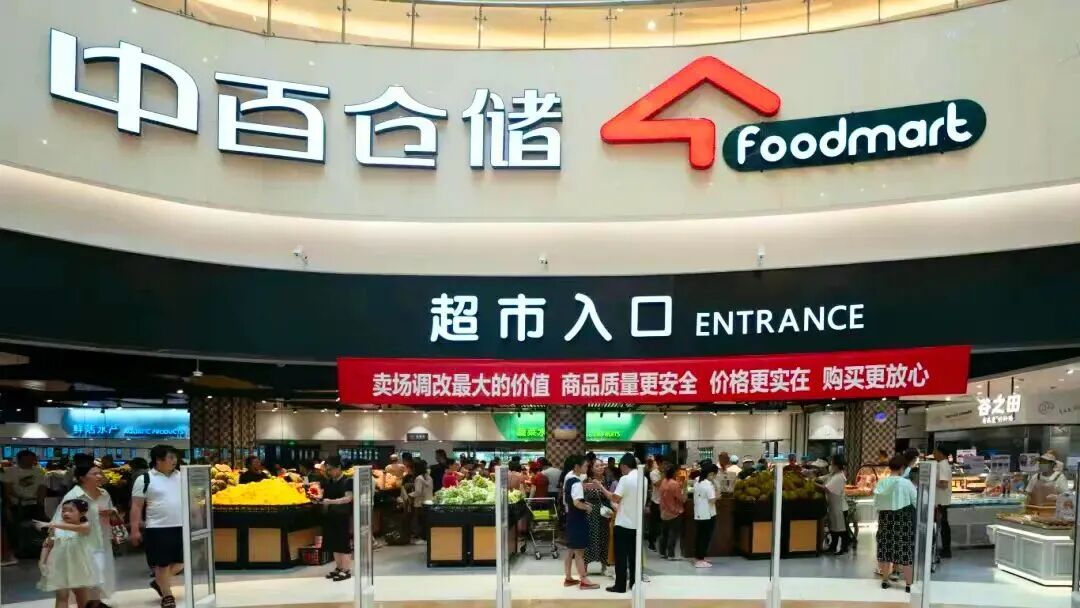
前言 今日,老牌零售巨头,上市公司中百集团(000759.SZ)发布了一份《关于关闭部分门店的公告》,公告称,为深化改革关闭亏损门店,公司在2025年上 半年已关闭13家仓储大卖场,截至目前,公司共计关闭了30家仓储大卖场,预计因此产生的关店损失高达1.8亿元。同时,2025年前三季度已经亏损5.8 亿,2024年全年亏损5.28亿。 01 关闭30家,因亏损关闭的为23家 中百集团在公告中称,公司2025年上半年已关闭仓储大卖场13家,截至目前累计关闭数量达到30家。这一决策基于门店的具体情况,部分门店长期经营亏 损且扭亏无望。 在30家被关闭的门店中,因亏损关闭的门店占比高达76.7%,达到23家;另有7家门店则因合同到期而关闭。此次关店行动涉及湖北多个城市的门店。关 闭名单中不乏经营多年的老店,如2005年开业的武穴购物广场门店、2008年开业的嘉鱼潘家湾店和崇阳购物广场门店。 尽管关店带来了短期财务阵痛,但中百集团表示,这一举措有利于进一步优化门店布局,提升整体经营质量,促进公司战略转型和持续发展。中百集团在 公告中详细说明了关店损失的具体构成。主要包括合同解约损失、员工安置补偿支出、装修等长期待摊费 ...

酒便利股权被拍卖 出资方背靠天音控股等 会被整合重组吗?
Nan Fang Du Shi Bao· 2025-12-09 07:35
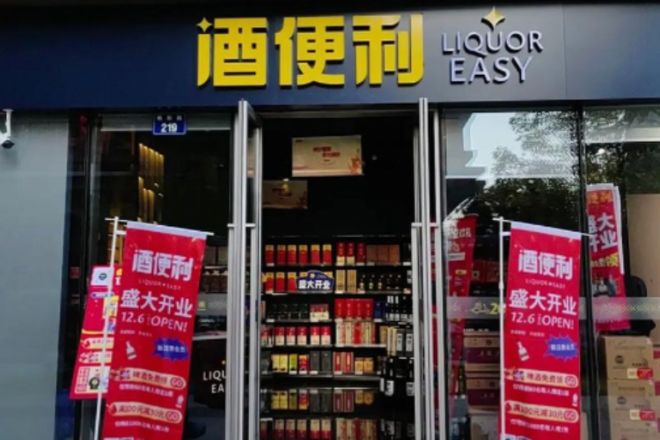
Group 1 - The core point of the article is that the control of Jiubianli has changed hands, with Henan Qiaohua's 51% stake being auctioned and acquired by Chongqing Chuangdongfang Huake Equity Investment Partnership for approximately 68.4 million yuan [1] - The auction process involved three separate bids, with a total starting price of 67.12 million yuan, which is about 70% of the market valuation of 95.9 million yuan [1] - The new controlling entity, Chuangdongfang Huake, is a professional equity investment firm with a focus on sectors such as AI, biotechnology, and consumer technology [2] Group 2 - Following the acquisition, the integration of Jiubianli with Chuangdongfang Huake's existing investments, particularly the "Jiukuai Dao" platform, is anticipated to be a focal point for the industry [3] - Jiubianli's value is attributed to its extensive network of over 300 stores and 6 million members, which are seen as essential infrastructure rather than mere shell resources [3] - The immediate retail sector is gaining traction in the liquor industry, with significant growth observed during major promotional events, indicating a shift in consumer purchasing behavior [4] Group 3 - The previous control of Jiubianli faced challenges due to the investigation of its former actual controller, which has left unresolved debt issues with various stakeholders [4] - Chuangdongfang Huake, backed by multiple state-owned guiding funds and industrial capital, is expected to have the capacity to inject significant capital to stabilize Jiubianli's operations [4] - The ongoing restructuring under new ownership will be closely monitored as Jiubianli seeks to regain trust and operational stability [4]

酒便利股权被拍卖,出资方背靠天音控股等,会被整合重组吗?
Nan Fang Du Shi Bao· 2025-12-09 07:28
Core Viewpoint - The ownership of Jiu Bian Li has changed hands, with Henan Qiaohua Commercial Management Co., Ltd. selling its 51% stake to Chongqing Chuangdong Huake Equity Investment Partnership for approximately 68.4 million yuan [2] Group 1: Ownership and Auction Details - The 51% stake in Jiu Bian Li was auctioned in three parts, with a total starting price of 67.12 million yuan, which is about 70% of the market valuation of 95.9 million yuan [2] - The auction saw competitive bidding for one of the shares, which sold for 5.23 million yuan after a 31.7% premium, while the other two shares sold at the original price [2] Group 2: New Ownership and Investment Background - Chongqing Chuangdong Huake is a professional equity investment firm backed by Tianyin Holdings and other investors, with a focus on sectors like AI, biotechnology, and consumer goods [3] - The new owner, Xiao Shuilong, has previously invested in the liquor sector through Chuangdong Huake, indicating a strategic interest in the industry [3] Group 3: Strategic Integration and Market Potential - Jiu Bian Li's value lies in its network of over 300 stores and 6 million members, which are seen as essential infrastructure rather than mere shell resources [4] - There is speculation that Jiu Bian Li may integrate with "Jiu Kuai Dao," a new retail platform co-founded by Chuangdong Huake, to enhance operational efficiency [4][5] Group 4: Market Trends and Challenges - The instant retail model is gaining traction in the liquor industry, with significant sales growth observed during major shopping events, indicating a shift in consumer purchasing behavior [5] - However, Jiu Bian Li faces challenges in rebuilding trust and addressing outstanding debts from its previous management before it can fully capitalize on its new ownership [5][6]
即时零售这块大肥肉,被东方甄选盯上了?
3 6 Ke· 2025-12-08 12:02
Core Insights - The article highlights the transformation of Dongfang Zhenxuan as it pivots towards instant retail, indicating a strategic shift in response to challenges in the live-streaming e-commerce sector [2][6][19] Company Developments - Dongfang Zhenxuan has updated its business scope to include restaurant management and delivery services, signaling plans for future instant retail expansion [2] - The company is reportedly hiring a store manager for its first flagship store in Beijing, offering a monthly salary of 15,000 to 30,000 yuan, with specific experience requirements [2] - The departure of key personnel, including co-founder Sun Dongxu, has led to a significant leadership change, with founder Yu Minhong taking over operational control [3][6] Financial Performance - The company's GMV dropped from 14.3 billion yuan to 8.7 billion yuan, a decline of 32.7%, indicating struggles in the live-streaming business [6] - Orders on Douyin halved from 180 million to 91.6 million, reflecting the impact of losing top streamers [6] Market Trends - The instant retail market is projected to grow significantly, with estimates suggesting it could exceed 1 trillion yuan by 2026 and reach 2 trillion yuan by 2030 [11] - The shift in consumer behavior towards instant retail is driven by increased living standards and changing consumption habits, particularly among younger demographics [12] Competitive Landscape - The instant retail sector is becoming increasingly competitive, with major players like Meituan and JD.com already established in the market [19] - Dongfang Zhenxuan's strategy includes leveraging its brand influence and loyal customer base to compete effectively in this space [16] Strategic Advantages - The company has a strong supply chain and quality control experience, which are crucial for success in the food and beverage sector [16] - Utilizing existing educational resources from New Oriental for store locations could reduce costs and enhance customer traffic [17] Challenges Ahead - Operating a hybrid retail and dining model presents management and operational challenges that need to be addressed for successful nationwide expansion [19] - The need for improved logistics and supply chain integration remains a critical hurdle for Dongfang Zhenxuan as it enters the instant retail market [19][24]

饿了么品牌焕新背后,即时零售进入新周期?
Xin Lang Cai Jing· 2025-12-08 11:22
Core Insights - The recent rebranding of Ele.me to "Taobao Flash Purchase" signifies Alibaba's strategic shift towards enhancing its instant retail business, reflecting a commitment to becoming a major player in the consumer market [1][7]. Group 1: Business Performance - As of September 30, 2025, Alibaba's instant retail business revenue grew by 60% year-over-year, with Taobao Flash Purchase's average order value increasing by over double digits compared to August [1][7]. - In the second quarter of the 2026 fiscal year, Alibaba's instant retail revenue reached 22.9 billion yuan, maintaining a 60% growth rate [2][8]. - The number of daily orders for Taobao Flash Purchase surged to 80 million, peaking at over 120 million within three months of its launch [2][8]. Group 2: Strategic Integration - The integration of Taobao Flash Purchase and Ele.me is a strategic decision based on the business development stage, enhancing the synergy between various Alibaba platforms [2][8]. - The collaboration among Taobao, Ele.me, Cainiao, and Tmall creates a core hub that leverages resource integration for improved operational efficiency [3][9]. - As of October 31, 2025, 3,500 Tmall brand offline stores were integrated into the instant retail network, contributing to a 290% year-over-year increase in transactions during the Double 11 shopping festival [3][9]. Group 3: Future Outlook - Alibaba aims to refine user experience and focus on high-value customer engagement, with a target of achieving a trillion yuan in transaction volume within three years [5][11]. - The brand integration is viewed as a milestone rather than an endpoint, indicating ongoing strategic investments in instant retail [5][11]. - The deepening of ecological collaboration is expected to unlock greater potential in the consumer market, enhancing service capabilities across multiple scenarios [5][11].
饿了么APP焕新淘宝闪购,新阶段新攻势已展开!
Di Yi Cai Jing· 2025-12-08 09:03
Core Insights - Ele.me has officially transformed into "Taobao Flash Purchase," marking a significant shift in Alibaba's strategy towards integrating its e-commerce and instant retail operations [3][4][9] Group 1: Company Strategy - The update of Ele.me to Taobao Flash Purchase is aimed at enhancing Alibaba's "big consumption" strategy, indicating a clearer and more determined investment direction [3][4] - The integration of Ele.me's capabilities with Taobao Flash Purchase is expected to create a unified brand identity, enhancing operational synergies across e-commerce, delivery, and logistics [9][10] Group 2: Market Performance - Alibaba's instant retail business reported a 60% year-on-year revenue growth in Q3, with Taobao Flash Purchase achieving a peak daily order volume of 120 million in August [5][6] - The number of monthly active buyers for Taobao Flash Purchase reached 300 million, reflecting a 200% increase since April [5] Group 3: User Engagement and Growth - The average order value for Taobao Flash Purchase has increased, with non-tea drink orders rising by over 75%, and the daily active delivery personnel exceeding 2 million [6][10] - During the Double 11 shopping festival, Taobao Flash Purchase facilitated over 100 million e-commerce orders from new users, showcasing its potential for brand growth [10] Group 4: Future Outlook - The transformation signifies a strategic pivot towards a new competitive landscape in e-commerce, with a focus on user-driven demand and the integration of various consumer needs into Alibaba's ecosystem [7][11] - Alibaba aims to leverage AI capabilities to enhance user experience and operational efficiency, predicting that Taobao Flash Purchase could generate trillions in transactions over the next three years [11]
更多品牌加速上线 即时零售行业提质扩围
Zhong Guo Zheng Quan Bao· 2025-12-07 20:21
Core Insights - 361° has officially joined Taobao Flash Purchase, launching in Chongqing and expanding to 160 cities with 1,500 stores [1] - The combination of "30-minute delivery + free returns" is becoming a standard in the instant retail industry, driving growth towards a trillion-dollar market [1][2] - The instant retail sector is evolving from a single focus on food delivery to a comprehensive model covering all categories and scenarios [2] Group 1: Market Dynamics - The instant retail market in China is projected to reach over 1 trillion yuan by 2026 and 2 trillion yuan by 2030, with an average annual growth rate of 12.6% [3] - Alibaba reported a 60% year-on-year increase in instant retail revenue for Q2 of the 2026 fiscal year, indicating strong market performance [3] - Meituan's instant retail daily order volume peaked at 150 million in July, reflecting increased user engagement and diverse consumption scenarios [3] Group 2: Service Innovations - Meituan Flash Purchase has partnered with over 50 apparel brands to offer a unique return service that includes free shipping for returns, enhancing customer experience [2] - The industry is shifting from price-driven competition to a focus on user experience, with an emphasis on service quality and efficiency [2] - Meituan's "Assured Flash Purchase" service has expanded to cover 20 service items, helping nearly one million merchants reduce disputes and improve customer satisfaction [2]
