银发经济

Search documents
促进银发经济发展 推进品牌化建设 八部门发文培育养老服务经营主体
Sou Hu Cai Jing· 2026-01-14 09:32
Core Insights - The Ministry of Civil Affairs and seven other departments have jointly issued measures to cultivate the elderly care service sector and promote the silver economy, focusing on brand development, supply-demand platform construction, and optimizing the development environment [1][2] Group 1: Brand Development - The cultivation of trademark brands in elderly care services is crucial for the high-quality development of the silver economy, with specific measures to support the establishment of branded signage and encourage provincial civil affairs departments to standardize service provider names [2] - The document outlines initiatives to enhance brand recognition and support for well-known brands in the elderly care sector, providing a clear policy path for nurturing leading enterprises [2] Group 2: Supply-Demand Platform - Efforts are being made to build supply-demand matching platforms to facilitate consumption, with examples from Zhejiang and Shaanxi demonstrating significant economic contributions from the silver economy [3] - The document emphasizes the need to optimize the supply of elderly care services and age-friendly products, encouraging community-supported home care and the development of suitable food and cosmetic products for the elderly [3] Group 3: Development Environment Optimization - The document highlights the rapid growth of private elderly care institutions, which now account for 71.9% of the total, supported by various favorable policies in land, taxation, talent, and funding [4] - Measures are proposed to create a fair competitive environment and improve government services, including eliminating hidden barriers for quality service providers and implementing electronic licensing for the elderly care sector [4]
14项具体举措出台!银发经济发展将有这些新变化
Xin Hua Wang· 2026-01-14 08:32
Core Insights - The potential for the silver economy in China is immense, with a broad outlook for development as highlighted by recent measures from the Ministry of Civil Affairs and seven other departments aimed at fostering the growth of the elderly care service sector [1] Group 1: Brand Development - The cultivation of trademarks and brands in elderly care services is crucial for promoting high-quality development in the silver economy [2] - The document outlines several initiatives to encourage elderly care service providers to enhance their brand visibility and reputation, offering comprehensive support for brand creation, protection, and promotion [4] Group 2: Supply and Demand Platforms - In Zhejiang, a provincial silver economy industrial park has been established, generating nearly 2.8 billion yuan in output; in Shaanxi, the release of a silver economy industry directory for two consecutive years has included nine categories of age-friendly products, driving consumption by nearly 1.2 billion yuan [5] Group 3: Market Order - By the end of 2025, there will be approximately 41,700 elderly care institutions nationwide, employing around 722,000 people, with private and publicly funded private institutions making up 71.9% of the total, indicating that social forces are becoming the mainstay of diverse elderly care service provision [7] Group 4: Accessibility and Innovation - There is an expectation for elderly care services in China to become more accessible, convenient, and intelligent, better meeting the diverse and multi-layered needs of millions of elderly individuals [9]

人民财评:以品牌化、标准化推动养老服务跃升
Ren Min Wang· 2026-01-14 08:29
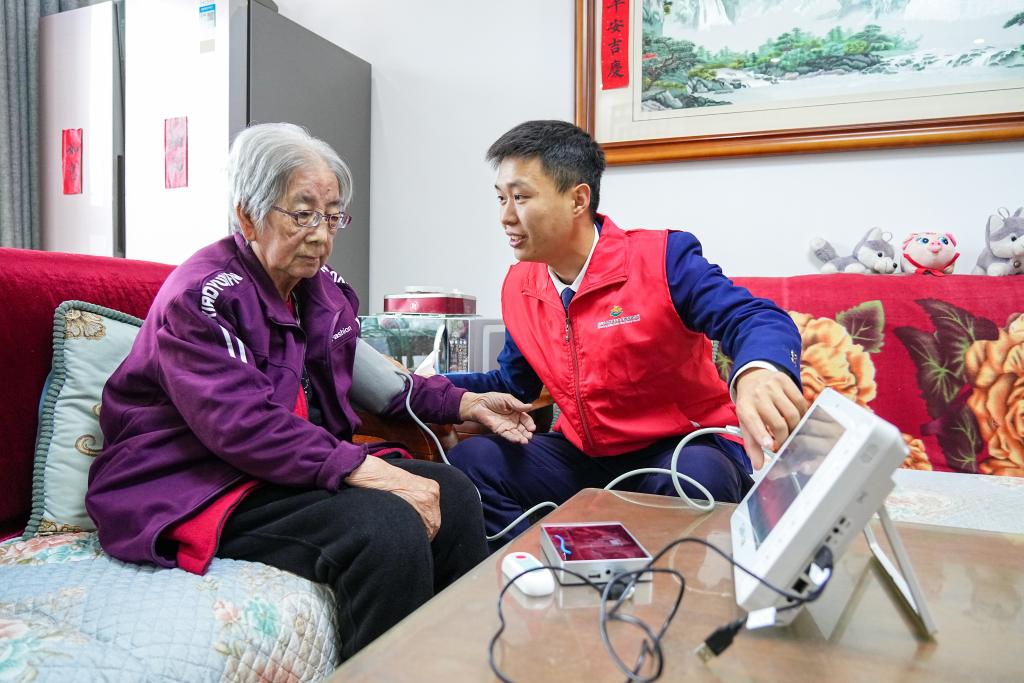
Core Viewpoint - The Ministry of Civil Affairs and seven other departments have jointly issued measures to promote the branding of elderly care services, aiming to elevate the sector from fragmentation and low standards to branding and standardization, thereby enhancing the silver economy [1][2]. Group 1: Market Potential and Demographics - The silver economy in China has significant growth potential, with the elderly population aged 60 and above expected to reach 310 million by the end of 2024 and over 400 million by 2035, leading to a market scale projected to exceed 30 trillion yuan [1]. - The branding of elderly care services is essential for the development of the silver economy, ensuring that the elderly can enjoy better care and services [1]. Group 2: Branding and Standardization - The current elderly care market suffers from fragmentation, with a lack of standardized services and low consumer trust, which the new measures aim to address by supporting chain-operated care services and encouraging trademark registration [1]. - The measures propose the establishment of distinctive signage for care service providers and the inclusion of brands in the "China Consumer Famous Products" list, transforming service providers from "general stores" to "flagship stores" [1]. Group 3: Technological Integration - The future of elderly care will require technological empowerment, with a projected increase in the care-dependent population to over 40 million in the next five years, creating a demand for over 5 million additional caregivers [2]. - The measures advocate for the integration of big data, cloud computing, artificial intelligence, and Beidou technology in health monitoring, safety alerts, and personalized services for the elderly, enhancing service quality [2]. Group 4: Sustainable Development and Market Dynamics - The branding initiative is expected to foster a fair competitive environment, driving market development and creating a sustainable cycle of improved services, increased consumption, and a more vibrant industry [2]. - The policy aims to transition elderly care services from quantity expansion to quality improvement, laying the groundwork for high-quality, large-scale, and professional development in the silver economy [2].
民革广州凝聚智慧话发展 携手奋进“十五五”
Zhong Guo Fa Zhan Wang· 2026-01-14 08:19
Core Insights - The Guangzhou Municipal Committee of the Chinese Kuomintang (民革) emphasizes the importance of focusing on industrial development and manufacturing as key strategies for the city's growth, aligning with national policies and local initiatives [1] Industry Development - Recommendations include developing a "new blue ocean" for the unmanned economy to transition from a follower to a leader in this sector, focusing on policy innovation and ecosystem collaboration [2] - The proposal to enhance innovation infrastructure sharing aims to empower the development of strategic industries in Guangzhou, addressing the current lack of collaborative mechanisms compared to cities like Beijing and Shanghai [2] - The pet industry, valued at 300 billion yuan, is identified as a potential growth area, with suggestions to integrate it with other sectors such as biomedicine and fashion [2] - The low-altitude economy around Nankun Mountain is highlighted for its potential, with recommendations to address current operational challenges to transform ecological resources into economic benefits [2] - The beauty industry is urged to enhance its core competitiveness through improved brand quality and innovation [2] Government Planning and Economic Environment - The proposal for a scientific government planning approach to leverage the water economy, which has significant potential, is presented, emphasizing the need for innovative land supply and industry chain optimization [3] - Recommendations for a tiered exit mechanism for business entities aim to promote a healthier private economy by ensuring market competition and preventing systemic risks [3] Legal and Regulatory Framework - Suggestions to optimize administrative checks on enterprises through digital means aim to reduce arbitrary enforcement and improve regulatory efficiency [4] - Addressing the issue of private enterprises relocating out of Guangzhou, recommendations include differentiated rental subsidies and the establishment of a supportive policy framework to retain businesses [4] Agricultural Sector - The proposal to establish an international flower trading center in Guangzhou aims to enhance the competitiveness of the local flower industry, which currently faces challenges in supply chain and infrastructure [5] Social Welfare and Economic Growth - The development of the silver economy is proposed as a new growth engine, focusing on integrating technology and innovative services to cater to the aging population in Guangzhou [6] - Additional recommendations include improving cultural facilities to enhance community engagement and support for the elderly [6]
民政部等八部门联合印发《若干措施》 大力支持科技赋能养老服务
Ke Ji Ri Bao· 2026-01-14 07:24
Core Insights - The Ministry of Civil Affairs and seven other departments have jointly issued measures to cultivate the elderly care service sector and promote the silver economy, highlighting the importance of technology in enhancing service efficiency and quality [1][2] Group 1: Key Measures - The measures propose 14 specific initiatives across five areas, emphasizing the integration of technology in elderly care services, including the use of big data, artificial intelligence, and Beidou technology for health monitoring and personalized services [1] - There is a strong encouragement for the development of elderly care robots and smart devices, with pilot testing in care institutions to improve service experiences for the elderly [1] - The focus is on transforming the elderly care system from a traditional care model to a smart quality-enhancing model, driven by technological innovation and supply optimization [1] Group 2: Industry Development - The Ministry of Industry and Information Technology aims to enhance the elderly goods industry by focusing on increasing product variety, improving quality, strengthening technology, and enforcing standards [1] - Key areas for technological empowerment include the development of humanoid robots, health monitoring devices, and rehabilitation aids for large-scale application in homes, communities, and care institutions [2] - The measures also include the establishment of a supply-demand matching platform to address barriers in the silver consumption market, enhancing the purchasing experience for the elderly [2]
消费再迎政策催化!上海发布28条新政促消费!消费ETF(159928)回调近1%,近5日大举净流入超16亿元!
Xin Lang Cai Jing· 2026-01-14 07:05
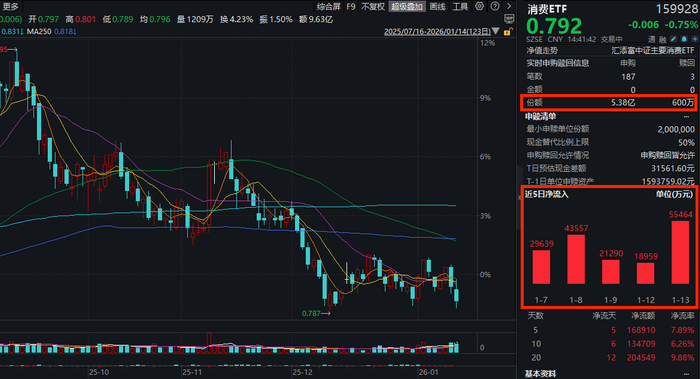
Group 1: Market Performance - The Shanghai Composite Index experienced fluctuations, reaching a new high before a continuous decline, with the consumer sector undergoing a pullback, and the Consumer ETF (159928) dropping by 0.75% [1][3] - The trading volume for the Consumer ETF exceeded 1 billion yuan, with significant capital inflow, accumulating over 5.3 million shares during the day and over 1.6 billion yuan in the previous five days [1][3] Group 2: Policy Initiatives - Eight departments jointly introduced 14 specific measures to promote high-quality development in elderly care services and the silver economy, with the elderly population expected to reach 310 million by the end of 2024 and over 400 million by 2035, leading to a silver economy scale exceeding 30 trillion yuan [3] - Shanghai has implemented 28 measures to enhance service quality and stimulate consumption, including optimizing auto loan processes and supporting quality content creation in micro-dramas and the gaming industry [3][6] Group 3: Economic Indicators - The service sector and consumption in Shanghai have shown positive growth trends, with service value-added increasing by 5.9% and retail sales of consumer goods growing by 5% in the first eleven months of 2025, both surpassing national averages [6] - The Consumer Price Index (CPI) in December recorded its highest year-on-year increase since March 2023, with food prices improving, indicating a release of consumer potential [7][8] Group 4: Investment Opportunities - The valuation of the Consumer ETF (159928) is attractive, with a TTM price-to-earnings ratio of 19.29, placing it in the 2.76% percentile of the past decade, indicating it is cheaper than 97% of historical periods [3] - The top ten holdings in the Consumer ETF account for over 68.55% of its weight, with significant shares in leading liquor brands and major agricultural companies, suggesting a robust investment opportunity in the consumer sector [11]
甘肃向中度以上失能老年人发放养老服务消费补贴
Xin Hua She· 2026-01-14 06:21
Core Viewpoint - Gansu Province has initiated a subsidy program for elderly individuals aged 60 and above who are assessed as moderately, severely, or completely disabled, aimed at enhancing their access to various elderly care services [1][2]. Group 1: Subsidy Program Details - The subsidy program commenced in January 2023 and is set to run for 12 months, concluding on December 31, 2026 [1]. - The program is open to all residents within Gansu Province, regardless of their registered household status, provided that the services are purchased within the province [1]. - The types of services covered include home care, community care, and institutional care, encompassing daily living assistance, basic care, health management, and more [1]. Group 2: Financial Aspects - The subsidy will be distributed through the "Minzheng Tong" platform in the form of electronic vouchers, which can offset personal expenses for eligible elderly care services [1]. - The monthly deduction rate for the subsidy ranges from 30% to 60% of the elderly care service costs, with a maximum monthly deduction of 800 yuan [1]. - For elderly individuals who qualify for both long-term care insurance and this subsidy, expenses will be settled in the order of insurance first, followed by the subsidy [1]. Group 3: Implementation and Impact - The application process for the subsidy requires elderly individuals or their representatives to register on the "Minzheng Tong" platform and submit an application, with approvals expected within five working days [2]. - The program aims to enhance the quality and capacity of elderly care services, professionalize the caregiving workforce, and stimulate the "silver economy," thereby promoting both social welfare and economic development [2]. - Authorities will implement strict oversight to prevent fraud and ensure the effective delivery of the subsidy program [2].
关于科技、消费、就业、收入……来21财经@国务院,提建议!
2 1 Shi Ji Jing Ji Bao Dao· 2026-01-14 05:50
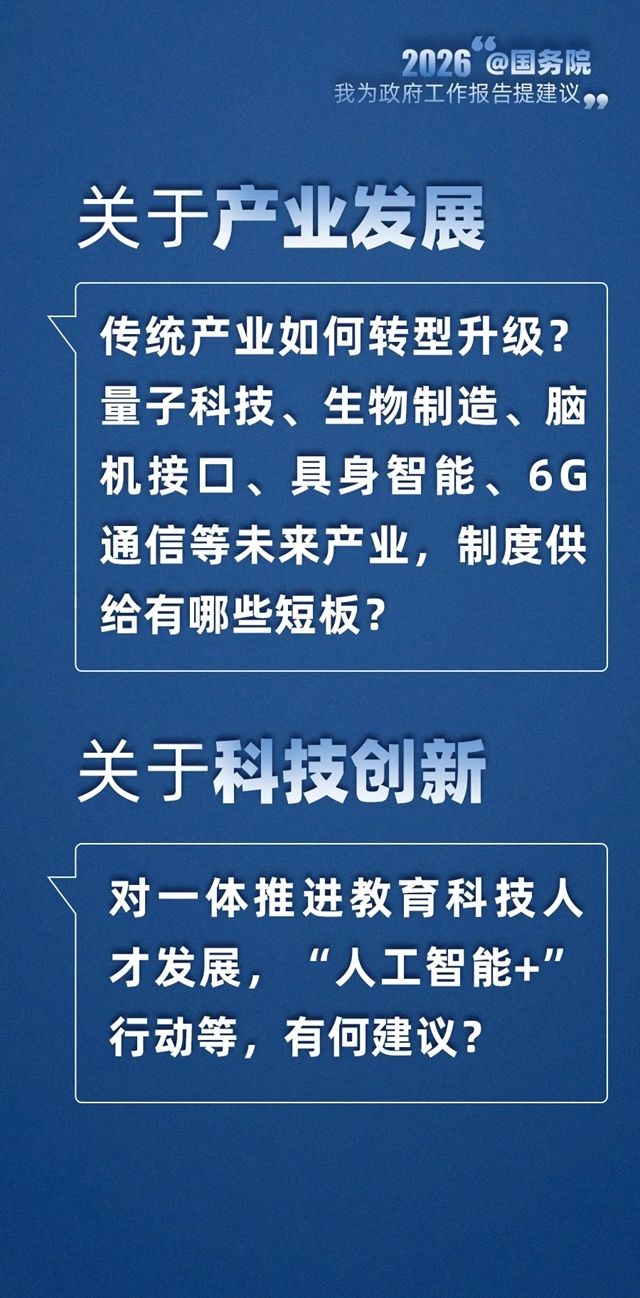
Group 1: Industry Development - Suggestions for the transformation and upgrading of traditional industries, focusing on future industries such as quantum technology, biomanufacturing, brain-computer interfaces, embodied intelligence, and 6G communication [2] - Discussion on the shortcomings in institutional supply for technological innovation and the integration of education and technology talent development [2] Group 2: Consumption and Investment - Exploration of new consumption scenarios and services, with a focus on enhancing quality services in elderly care, childcare, and housekeeping [4] - Strategies to better stimulate private investment and the concept of "investing in people" [5] Group 3: Business Environment - Recommendations for better supporting the development of small and medium-sized enterprises and individual businesses, including clearing corporate debts and addressing issues of internal competition and low-price competition [6] Group 4: Economic and Financial Policies - Suggestions for fiscal and monetary policies to promote the healthy development of stock, bond, and foreign exchange markets [8] Group 5: Foreign Trade and Investment - Policies to support enterprises going global, including the development of free trade pilot zones, internationalization of the Renminbi, and cross-border e-commerce [10][11] Group 6: Rural Revitalization - Policies to support income growth for rural residents and improvements in housing, education, healthcare, and employment for those moving from rural to urban areas [12] Group 7: Employment and Income Distribution - Recommendations for improving the income distribution system, including adjustments to the minimum wage standard and measures for wealth accumulation and redistribution [17][18] - Discussion on policies and services to support flexible employment, migrant workers, and new employment forms [21] Group 8: Education and Social Security - Insights on children's enrollment and educational pathways, as well as suggestions for enhancing vocational and higher education [20] - Recommendations for social security coverage for flexible workers, elderly individuals, and vulnerable groups [21] Group 9: Housing and Healthcare - Suggestions for stabilizing the real estate market, optimizing housing supply, and addressing housing loan rates and public fund withdrawals [23][24] - Recommendations for improving the medical security system, including drug procurement and tiered diagnosis and treatment [24] Group 10: Green Development - Experiences with green and low-carbon living, along with suggestions for pollution prevention and ecosystem optimization [26]
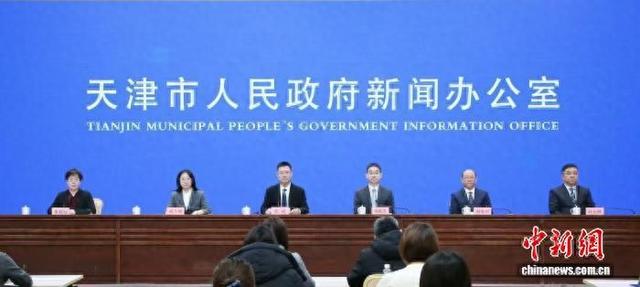
“家门口”找工作更方便 天津2025年建成就业驿站130家
Xin Lang Cai Jing· 2026-01-14 04:07
Group 1 - The Tianjin municipal government is implementing policies to promote high-quality and full employment, with a focus on establishing 130 employment service stations by 2025 to provide public employment services [1][3] - The city plans to organize 916 specialized recruitment events throughout the year, aiming to collect 71,000 job positions and successfully assist 9,451 workers in finding employment [1][3] Group 2 - The Tianjin Development and Reform Commission aims to expand employment opportunities in digital economy, green industries, health care, and domestic services, while promoting the healthy and regulated development of platform economy and flexible employment [3] - The city will focus on developing renewable energy, recycling, and energy-saving industries to increase green job opportunities and explore low-altitude economic applications to create related job positions [3] - The Tianjin Education Commission will implement various recruitment actions throughout the year, emphasizing collaboration with key enterprises and organizations to enhance job matching for graduates [3] - The Tianjin Industrial and Information Technology Bureau will support the growth of quality small and medium-sized enterprises in manufacturing, aiming to enhance the scale and capability of market entities and create high-quality employment opportunities [3]
债市早报:资金面进一步收敛;债市走势分化,短债走弱,长债延续暖势
Sou Hu Cai Jing· 2026-01-14 02:45
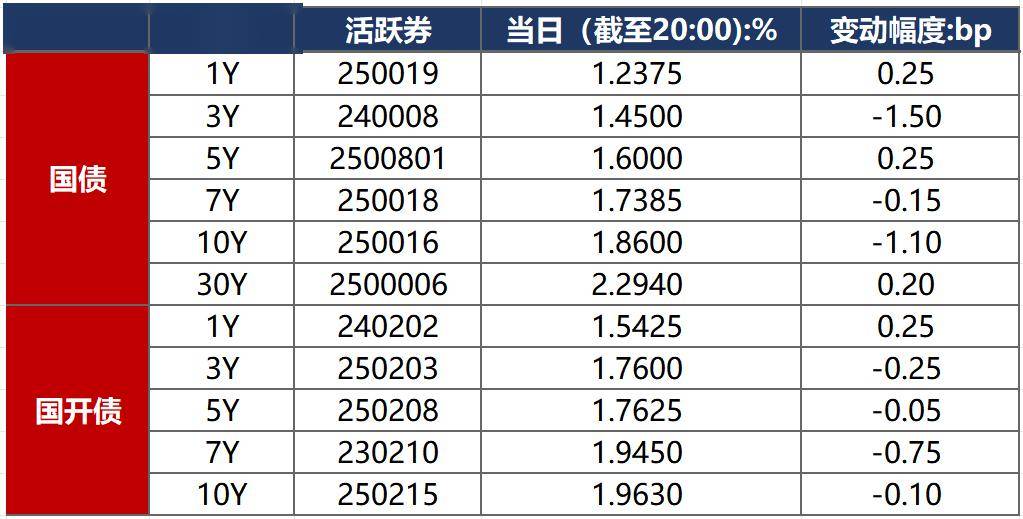
Group 1: Domestic News - The National Development and Reform Commission (NDRC) will lead the formulation of the "14th Five-Year" plan for circular economy development, focusing on key areas such as traditional recycling resources and solid waste recovery to enhance resource utilization efficiency and support green low-carbon transformation [2] - The Ministry of Industry and Information Technology (MIIT) has issued an action plan for the high-quality development of industrial internet platforms from 2026 to 2028, emphasizing the cultivation of specialized, industry-specific, and collaborative platforms, and promoting AI integration [2] Group 2: Silver Economy - Eight departments, including the Ministry of Civil Affairs, have jointly issued measures to support the development of the silver economy, focusing on technology empowerment in elderly care services and exploring brain-computer interface technologies for elderly individuals with declining physical functions [3] Group 3: International News - The U.S. Consumer Price Index (CPI) for December rose by 2.7% year-on-year, matching expectations and remaining at a four-year low, while the core CPI increased by 2.6%, slightly below the expected 2.7% [4] - The December CPI data is viewed as a convincing signal of cooling inflation, with significant contributions from service and food prices, while housing inflation pressures are easing [4] Group 4: Financial Market Dynamics - On January 13, the People's Bank of China conducted a 7-day reverse repo operation of 358.6 billion yuan at a fixed rate of 1.40%, resulting in a net cash injection of 342.4 billion yuan after accounting for maturing reverse repos [6] - Major repo rates continued to rise, with DR001 increasing by 6.43 basis points to 1.391% and DR007 rising by 5.72 basis points to 1.547% [7] Group 5: Bond Market - Short-term bonds weakened due to tightening liquidity, while long-term bonds were supported by a decline in the stock market, with the yield on the 10-year government bond falling by 1.10 basis points to 1.8600% [8] - The secondary market for credit bonds saw significant price deviations, with certain industrial bonds experiencing price increases exceeding 10% [10] Group 6: Convertible Bonds - The convertible bond market followed the equity market's downturn, with major indices declining, and a total trading volume of 103.8 billion yuan, down by 4.6 billion yuan from the previous trading day [17] - The announcement of price adjustments for certain convertible bonds, including a reduction in the conversion price for Yuxing Convertible Bond from 12.49 yuan to 8.50 yuan, indicates active management in the market [19]