人民币升值

Search documents
华泰证券今日早参-20251205
HTSC· 2025-12-05 05:11
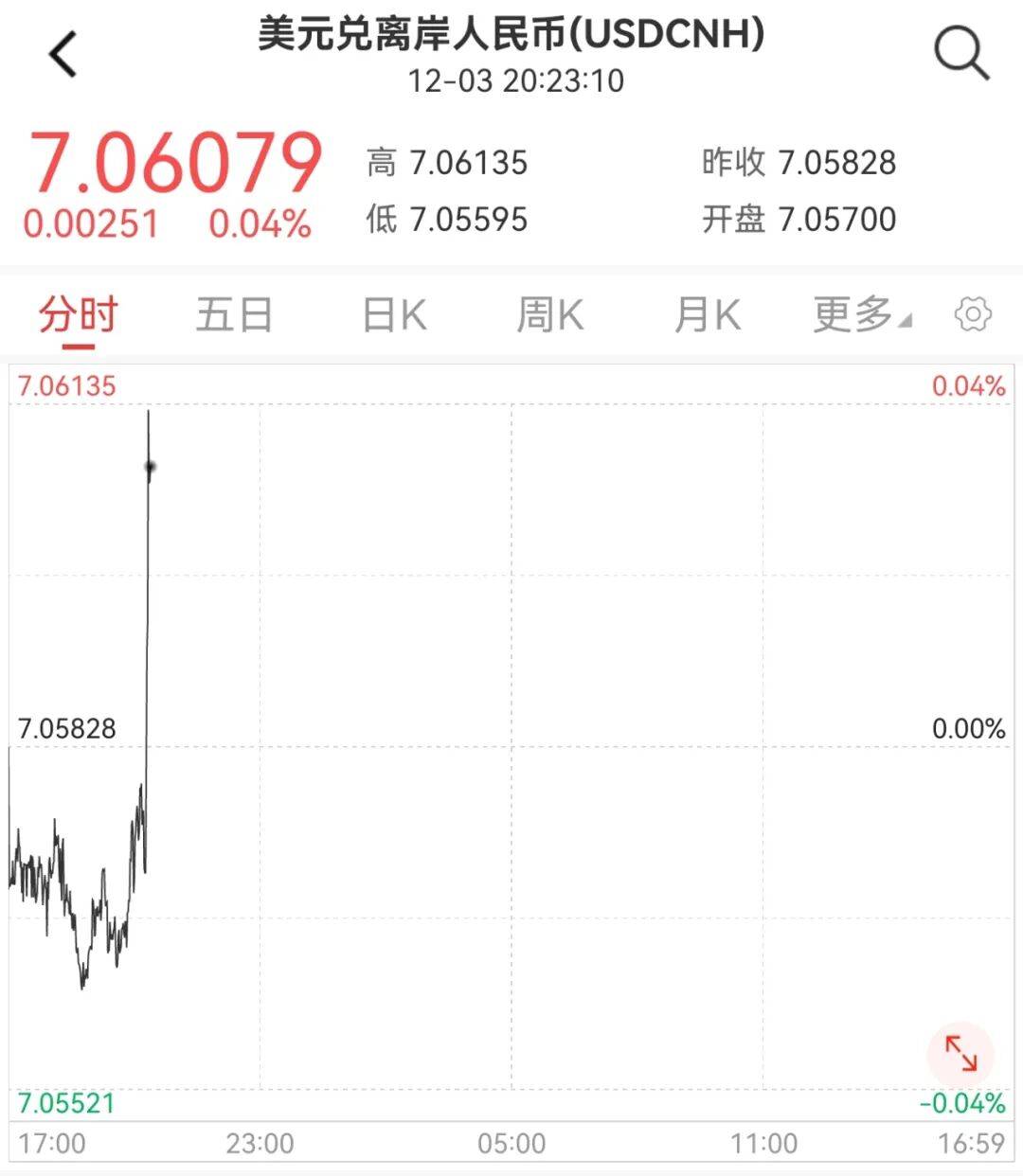
今日早参 2025 年 12 月 05 日 易峘 首席宏观经济学家 邮箱:evayi@htsc.com 庄汀洲 石油与化工行业首席研究员 座机:010-56793939 邮箱:zhuangtingzhou@htsc.com 今日热点 宏观:人民币升值渐入佳境 10 月后,虽然美元指数有所反弹,但人民币兑美元汇率总体走强。昨天 (12 月 3 日),离岸人民币盘中突破 7.06,达到 14 个月高点。近期,离岸 人民币汇率表现强于中间价和在岸汇率,显示市场对人民币升值的预期升 温。经历了 2022 年 2 季度至 2025 年上半年 3 年多的有效汇率下行周期 后,今年 5-6 月后,市场对人民币汇率的预期走过磨底、蓄势、温和修复的 过程——目前人民币升值作为一个在年初"反共识"的观点,已经渐渐变成 部分市场人士的共识(参见《人民币:蓄势已久的升值》,2025/8/31,以及 《人民币升值逐渐走出"独立行情"》,2025/10/29)。我们认为,随着近期 美联储降息预期的下修基本到位,中国表观经济数据短期走弱的迷雾逐渐消 散(参见《如何理解中观数据"温差?》,2025/11/23),出口增长保持强 劲,春节前结 ...
美元连破关键关口,人民币逆势走强!
Sou Hu Cai Jing· 2025-12-05 02:27
11月21日,美元收盘汇率为7.1090,当日最低达7.1066,突破7.11关键关口,开启美元贬值,人民币升值的加速态势。 11月22 - 23日,美元汇率均为7.1066,最低触及7.1061,站稳7.11关口下方;11月24日,美元汇率为7.1022,最低7.1013,进一步突破7.10关口。 11月25日,美元中间价为7.0826,突破了7.09的关键关口。截至12月5日,美元汇率为7.0686,较前几日进一步走低,延续了突破关键关口后的贬值态势。 下一任美联储主席遴选侧重对特朗普的"忠诚度",这让市场担忧美联储独立性受损。若失去独立性,其货币政策调控通胀、稳定经济的效果会打折扣,市 场对美元的信心受挫,导致美元进入贬值模式。 4. 人民币强势形成反向挤压 1. 降息预期急剧升温推动资产流出 市场对美联储12月降息的押注大幅增加,芝加哥商品交易所集团的FedWatch工具显示,12月10日会议降息25个基点的概率已达87%,远高于一周前的 39%。这种强烈的宽松预期让美元资产吸引力下降,促使资金流出美元资产,进而推动美元贬值。 2. 经济数据疲软加剧贬值 美国就业市场表现糟糕,10月裁员人数达2003 ...


华泰证券:市场对人民币升值的预期升温
Sou Hu Cai Jing· 2025-12-05 01:27
12月5日,华泰证券研报称,10月后,虽然美元指数有所反弹,但人民币兑美元汇率总体走强。12月3 日,离岸人民币盘中突破7.06,达到14个月高点。近期,离岸人民币汇率表现强于中间价和在岸汇率, 显示市场对人民币升值的预期升温。 华泰证券认为,随着近期美联储降息预期的下修基本到位,叠加我国出口增长保持强劲等因素,春节前 结汇高峰来临,人民币升值有望渐入佳境。维持2026年底美元兑人民币汇率6.82的预测。 ...

华泰证券:从资本流动季节性判断 春节前结汇或将推动人民币升值加速
Di Yi Cai Jing· 2025-12-05 00:08
(文章来源:第一财经) 华泰证券指出,从资本流动季节性判断,春节前结汇或将推动人民币升值加速。近期,外汇流入有所加 速,升值预期和市场表现形成正循环,带动出口商结汇比例低位回升、及资本项下流入回暖。随着5月 中旬中美关税降级,今年2季度以来银行代客结售汇顺差明显扩大,主要由货物贸易及证券投资项下净 结汇上升驱动。临近春节,出口商通常需要结汇来支付员工奖金,出口结汇比例有望进一步低位回升。 ...
华泰证券:人民币升值渐入佳境
Xin Lang Cai Jing· 2025-12-04 23:24
华泰证券指出,10月后,虽然美元指数有所反弹,但人民币兑美元汇率总体走强。12月3日,离岸人民 币盘中突破7.06,达到14个月高点。近期,离岸人民币汇率表现强于中间价和在岸汇率,显示市场对人 民币升值的预期升温。今年5-6月后,市场对人民币汇率的预期走过磨底、蓄势、温和修复的过程,目 前人民币升值作为一个在年初"反共识"的观点,已经渐渐变成部分市场人士的共识。随着近期美联储降 息预期的下修基本到位,中国表观经济数据短期走弱的迷雾逐渐消散,出口增长保持强劲,春节前结汇 高峰来临,人民币升值有望渐入佳境。我们维持2026年底美元兑人民币汇率6.82的预测。虽然短期走势 仍有不确定性,尤其美联储和日央行下周的决策仍有悬念,但这一预测隐含的路径假设是人民币临 近"破7"。 ...
人民币:2026 年走势之争 _ 高盛新兴市场策略 --- RMB_ The debate for 2026 _ GS EM Marketstrats
Goldman Sachs· 2025-12-04 15:36
Investment Rating - The report does not explicitly provide an investment rating for the RMB outlook in 2026, but it discusses various perspectives on RMB appreciation and depreciation, indicating a cautious approach towards rapid appreciation due to low corporate margins and weak domestic demand. Core Views - The report highlights a divided market opinion on the RMB's trajectory towards 2026, with some investors expecting accelerated appreciation due to narrowing US-China rate differentials and a strong current account surplus, while others anticipate a continuation of the current appreciation pace or view the RMB as a funding currency due to weak domestic demand [1][2][3]. Summary by Sections Flow Picture and RMB Outlook - The flow picture is mildly supportive of RMB appreciation in 2026, with China's monthly trade balance averaging USD 96 billion and expectations for the current account surplus to expand from 3.4% of GDP in 2025 to 4% in 2026 [4]. - There has been a slight increase in the FX conversion ratio by exporters and mild net FX inflows since mid-2025, driven by gradual RMB appreciation and narrowing US-China rate differentials [4]. PBoC's Stance on RMB Appreciation - The People's Bank of China (PBoC) is unlikely to favor rapid RMB appreciation due to low corporate margins, despite some arguments for appreciation based on the low real effective exchange rate [12]. - The PBoC may support RMB appreciation to boost asset confidence and internationalization, especially in light of planned high-level meetings [12]. Intervention Limits and RMB Volatility - There is no clear limit on agent bank intervention on the appreciation side, as they can recycle USD assets accumulated from offshore investments [18]. - RMB volatility may mildly rise in 2026 from current historical lows, with the PBoC likely allowing increased flexibility in the RMB fixing [25]. Market Expectations and Trading Strategy - The report suggests a trading strategy involving a 3-month USDCNH put spread, expecting the USDCNH to decline towards 7.0 in the coming months, with a year-end target of 7.04-7.05 [30]. - The base case anticipates moderate RMB strength in 2026, with potential depreciation if the USD rebounds, while a significant appreciation could occur if the Fed cuts rates more than expected [30].
升值势头延续!人民币汇率短期“破7”概率大
Di Yi Cai Jing· 2025-12-04 13:56
Core Viewpoint - The recent acceleration of the Renminbi's appreciation against the US dollar has sparked market interest, with increasing discussions about whether the exchange rate can break the 7.0 mark [1][9]. Exchange Rate Trends - Since November, the Renminbi has entered a rapid appreciation cycle, with further consolidation in December. As of December 3, the onshore and offshore Renminbi rates were 7.0661 and 7.0583, respectively, marking an increase of 506 and 595 basis points since November 20 [2]. - On December 4, the onshore Renminbi closed at 7.069, a slight decrease of 29 basis points from the previous trading day. The central parity rate has shown a narrow upward trend since December began, reaching its highest level since October 14, 2024, at 7.0733 [3][1]. Market Dynamics - The central bank's recent adjustments indicate a signal of "stabilizing the exchange rate" and guiding two-way fluctuations, as the central parity has been consistently set above the market price [4]. - The global currency market has seen increased volatility since late September, yet the Renminbi has maintained a relatively strong position against the US dollar, contributing to a dual strength scenario for both currencies [4]. Factors Supporting Appreciation - The market's expectations of a Federal Reserve rate cut in December have been a direct driver of the Renminbi's appreciation, with the dollar index falling below 100 [6]. - The seasonal demand for currency conversion by enterprises at year-end has also supported the Renminbi's exchange rate. Data from the foreign exchange administration shows significant surpluses in bank settlements, indicating strong demand for currency conversion [7][8]. Short-term Outlook - Experts predict a high probability of the Renminbi breaking the 7.0 mark in the short term, supported by seasonal demand and favorable economic conditions [10]. - The upcoming Federal Reserve meeting on December 11 is expected to influence market sentiment and the Renminbi's exchange rate [10]. Long-term Considerations - Despite the potential for short-term appreciation, there are uncertainties regarding the Renminbi's ability to maintain levels below 7.0 in the long run. Factors such as US tariffs and global trade dynamics may exert downward pressure on the Renminbi [11][12]. - The regulatory environment and economic policies are expected to provide a stabilizing effect on the Renminbi, with a balanced approach to managing exchange rate fluctuations [12][13].
洪灝:明年人民币有望升值至7以内,带动中国资产重估
Sou Hu Cai Jing· 2025-12-04 11:43
本文来自格隆汇专栏:六里投资报 著名分析师、莲华资管首席投资官洪灝,12月4日谈及了美联储降息、人民币汇率、AI科技等话题,并 且对2026年的市场行情进行了展望。 洪灝指出,无论谁接任美联储主席,都将面临回购市场流动性紧张的局面,因此降息并扩表是必然选 择。 市场预期未来一年将有多次降息, 贵金属价格已反映宽松预期,他预测白银可能涨至80-100美元/盎司。 对于如火如荼的AI产业,洪灝则指出了一则风险,如果企业依赖信贷融资进行资本支出将是未来一个 潜在问题。 洪灝表示,美元处于长期下行趋势,大宗商品将因美元走弱和通胀预期保持强势。 人民币实际有效汇率被低估,有望升值至6.9以下,带动中国资产重估,明年A股可能表现优于H股。 此外,房地产市场调整已持续近五年,但行业仍需时间出清,救助规模或需约10万亿元。 展望2026年,洪灝表示,明年作为五年规划首年,政策支持力度可能加大,流动性环境改善,中国市场 或有望上涨20%以上。 回购利率已经飙升到联邦基金利率之上,这意味着回购市场流动性非常紧张。 所以无论谁明年上任,都将不得不降息,并立即开始重新扩张资产负债表。 主持人:或许,12月降息一次基本已成定局,但20 ...
人民币到底该不该升值?对大家有什么影响?
Sou Hu Cai Jing· 2025-12-04 06:46
Core Viewpoint - The recent appreciation of the Renminbi (RMB) against the US dollar reflects China's economic resilience, but it raises concerns for export-oriented businesses [1][3]. Economic Factors - The RMB has appreciated nearly 4% since the beginning of 2025, marking its best annual performance in five years, influenced by a weakening US dollar due to sluggish economic recovery and interest rate cuts by the Federal Reserve [3]. - China's economic fundamentals are strong, with a GDP growth of 5.2% year-on-year in the first three quarters of 2025, and a manufacturing PMI of 50.8% in October, indicating expansion [3]. - Increased foreign investment and active capital markets, with over 300 billion RMB net inflow from foreign capital into A-shares by the end of November 2025, have bolstered demand for the RMB [3]. Expert Opinions - Goldman Sachs predicts the RMB could rise to 6.85 against the dollar in 2026, citing continued strong economic growth in China and potential further interest rate cuts by the Federal Reserve [4]. - The IMF suggests the RMB is undervalued by 18%-50%, indicating further appreciation is possible, which has caused concern among export businesses [5]. Impact on Different Sectors - Import-oriented businesses, such as airlines, benefit from RMB appreciation as it reduces costs for purchasing aircraft and fuel, with a 1% appreciation lowering domestic airline fuel costs by approximately 800 million RMB [6]. - Export-oriented companies face challenges as RMB appreciation makes their products more expensive in international markets, reducing competitiveness, particularly in low-margin industries like textiles and furniture [7][8]. - Regions heavily reliant on exports, such as Guangdong and Zhejiang, may experience slowed GDP growth due to reduced export growth rates, potentially declining by 2-3 percentage points with a 5% RMB appreciation [10]. Recommendations for Stakeholders - Businesses should consider financial tools to hedge against exchange rate risks, such as forward contracts, to mitigate the impact of currency fluctuations [11]. - Investors are advised to adjust asset allocations, favoring sectors that benefit from RMB appreciation while being cautious of those that may suffer [11]. - Individuals planning to travel or study abroad may find it advantageous to exchange currency now, but should do so cautiously to manage risks associated with fluctuating exchange rates [11].

人民币,大幅升值!股市,迎利好!
Sou Hu Cai Jing· 2025-12-04 06:13
Core Viewpoint - The recent strengthening of the RMB against the USD is attributed to a combination of strong domestic economic performance and a decline in the USD, with the RMB's middle rate rising significantly this year [1][3]. Group 1: RMB Exchange Rate Trends - On December 4, the People's Bank of China announced an increase in the RMB middle rate against the USD by 21 basis points to 7.0733, marking a new high in over a year [1]. - The onshore and offshore RMB both reached new highs in appreciation against the USD since October 2024, with an approximate increase of 1000 basis points year-to-date [1][3]. - As of the report, the offshore RMB was quoted at 7.06079 against the USD, while the spot rate was at 7.0680 [1]. Group 2: Economic Factors Influencing RMB Strength - The recent appreciation of the RMB is primarily driven by two factors: strong domestic economic trends and a significant decline in the USD [3]. - Analysts suggest that the RMB's strength is also supported by better-than-expected export performance and a robust domestic capital market since July [3]. - The market anticipates that the RMB will continue to operate in a strong range in the short term, with a focus on USD trends and domestic economic policies [3]. Group 3: Market Predictions and Implications - The market currently estimates an 89% probability of the Federal Reserve lowering interest rates in the upcoming meeting, which could further influence the RMB's strength [4]. - The strengthening RMB is expected to boost domestic capital market confidence, positively impacting the stock market [4]. - Analysts predict that the RMB could break the 7 mark against the USD, with potential for further appreciation, possibly reaching 6.95 by the end of 2026 [4][5].