单边主义

Search documents
美国拒绝降低关税,加拿大通知中国:加税25%!中方转手将订单给了澳大利亚,卡尼自讨苦吃
Sou Hu Cai Jing· 2025-07-26 20:35
Core Viewpoint - Canada has imposed a 25% tariff on imported products containing Chinese steel, which is seen as an attempt to shift the burden of its trade issues with the U.S. onto China [1][3] Group 1: Trade Relations - The Canadian government is responding to stalled trade negotiations with the U.S. by targeting China, hoping to gain favor with the U.S. by sacrificing Chinese interests [1][3] - The Chinese Ministry of Commerce criticized Canada's actions as a violation of WTO rules and indicative of unilateralism and protectionism [3][8] Group 2: Economic Impact - China's response includes a significant order worth $3.7 billion for agricultural products from Australia, effectively closing the door on Canadian canola exports, which previously accounted for 64% of Canada's total exports to China [3][4] - Canadian farmers are experiencing delays in soybean orders and significant port congestion, with 8 million tons of canola stuck at ports [4][6] Group 3: Domestic Reactions - Canadian farmers and agricultural associations are expressing dissatisfaction, with calls for the government to reconsider its approach to trade with China [6][7] - Internal divisions are emerging within Canada, with opposition parties questioning the government's strategy and its impact on farmers [6][7] Group 4: Comparative Analysis - Australia is seizing the opportunity to re-establish trade with China, utilizing a rolling procurement model that allows for flexibility and short-term gains [4][7] - Canada's concessions to the U.S. have not resulted in reciprocal treatment, leading to a cycle of dependency and loss of trade partners [7][8]

刚拿到中国稀土,美国就飘了,要推翻协议框架?中方已备好万全之策,特朗普打错了算盘
Sou Hu Cai Jing· 2025-07-26 15:55
Core Viewpoint - The upcoming China-U.S. economic and trade talks are complicated by U.S. attempts to introduce new issues, particularly regarding China's oil purchases from Russia and Iran, which could affect the negotiations and the broader economic relationship between the two countries [1][3][4]. Group 1: Trade Dynamics - China's rare earth exports to the U.S. surged to 352.8 tons in June, a 660% increase from May, indicating China's commitment to fulfilling trade agreements [1]. - The U.S. Treasury Secretary has expressed a desire to include China's purchases of Russian and Iranian oil in the upcoming trade negotiations, reflecting a shift in U.S. strategy [3][4]. - The U.S. aims to leverage the oil purchase issue to gain negotiation advantages and to disrupt the economic ties between China and Russia [4][6]. Group 2: Strategic Responses - China maintains strict control over its rare earth export quotas to the U.S., ensuring that it retains significant leverage in the supply chain [6]. - China opposes U.S. unilateral sanctions and emphasizes that its oil trade with Russia and Iran is based on mutual benefit and normal international trade rules [6][9]. - The Chinese government is actively diversifying its energy import sources to reduce dependency on any single supplier, enhancing its energy security [6][9]. Group 3: Negotiation Challenges - The upcoming third round of China-U.S. trade talks is expected to be contentious, with China rejecting the politicization of trade issues [7]. - If the U.S. insists on including unrelated geopolitical issues in the negotiations, it risks a breakdown in talks, which could have negative repercussions for both economies [7][9]. - China's commitment to dialogue and negotiation is firm, but it is prepared to defend its national interests against U.S. pressure [9].

不确定性中见韧性!国际形势更趋严峻复杂 外贸企业如何迎难而上?
Yang Shi Wang· 2025-07-25 22:53
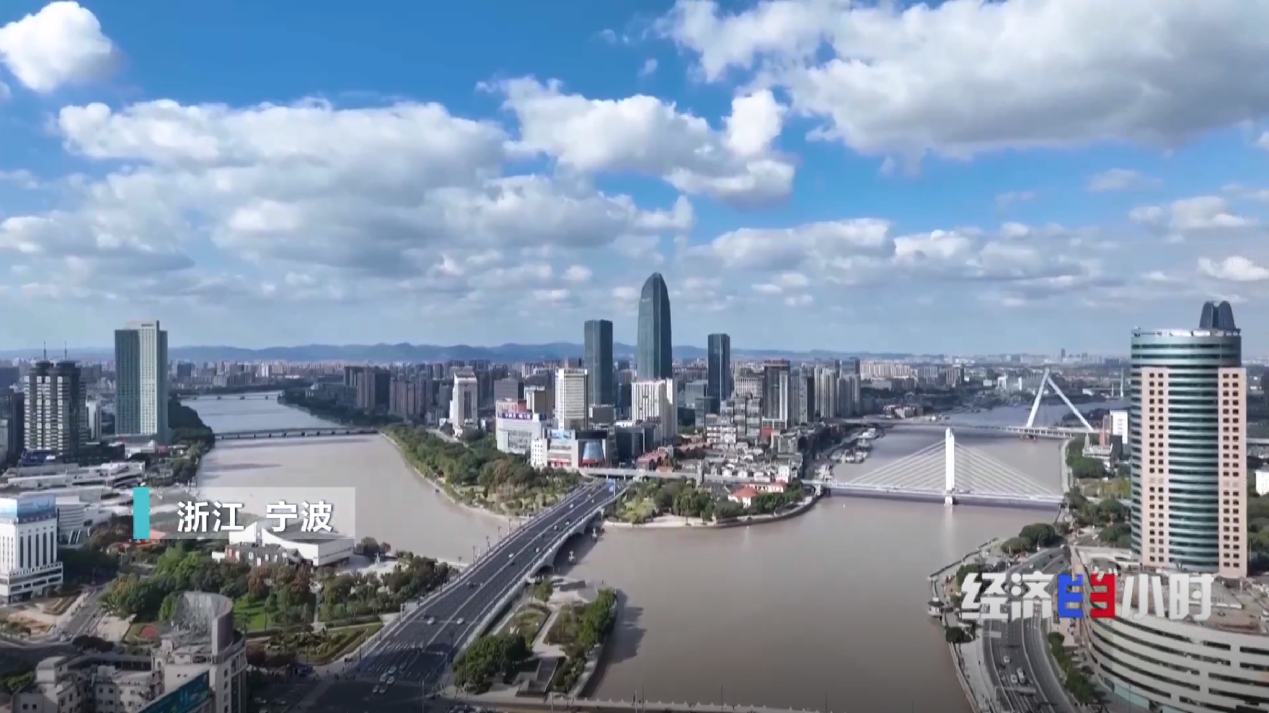
Core Viewpoint - Despite the challenges posed by high tariffs and a complex international environment, China's foreign trade has achieved counter-cyclical growth, with companies adapting by exploring new markets and innovating products [1][21]. Group 1: Company Adaptation and Market Changes - A home appliance manufacturer in Ningbo has seen a significant increase in shipments to Southeast Asia and South America, compensating for a drop in exports to the U.S., which previously accounted for 20% of its export revenue [3][5]. - The company's export volume reached approximately 300 million yuan in the first half of the year, with a year-on-year growth of about 4%, despite a substantial decline in U.S. market exports [5][7]. - The company invested 100 million yuan in R&D last year, representing over 20% of its revenue, and aims to develop 30 to 40 new products annually to maintain its foreign trade market [7][14]. Group 2: Regional Export Performance - In Ningbo, private enterprises are the backbone of foreign trade, with over 24,000 companies having export records, contributing 403.62 billion yuan, or 82.3% of the city's total foreign trade exports in the first half of the year [9][14]. - Zhejiang's foreign trade import and export volume reached 2.73 trillion yuan in the first half of the year, a year-on-year increase of 6.6%, with exports surpassing 2 trillion yuan, growing by 9.1% [14]. Group 3: Industry Trends and Innovations - The logistics and freight forwarding sectors are experiencing increased business activity due to rising export volumes, with companies processing over 8,000 business documents daily, corresponding to 12,000 to 13,000 standard containers [11][12]. - The export of electromechanical products has been on the rise, with their share exceeding 50% of total exports, indicating a shift towards more complex and higher-value products [14]. Group 4: Strategic Shifts in Business Models - A toy company in Dongguan has shifted its focus from the U.S. market, which has decreased to 30% of its sales, to Japan, South Korea, and Europe, which now account for 40% of its orders [16][18]. - The company has also expanded its domestic sales from 10% to 30% of its total revenue, reflecting a strategic pivot towards building its own brands after years of being an OEM [18][19].
第三次退出联合国教科文组织,美国意欲何为
2 1 Shi Ji Jing Ji Bao Dao· 2025-07-25 08:40
Core Points - The United States has announced its third withdrawal from UNESCO, reflecting its "America First" stance and prioritizing national interests over international laws and rules [1][2][3] - This decision is seen as part of a broader trend of unilateralism by the U.S., which is perceived to weaken its soft power and international influence [1][3] - The withdrawal will take effect on December 31, 2026, and is attributed to the U.S. government's belief that UNESCO promotes divisive social and cultural initiatives [2][4] Group 1: U.S. Withdrawal from UNESCO - The U.S. has previously withdrawn from UNESCO twice, first in 1984 due to allegations of corruption and mismanagement, and again in 2017 [4] - The current withdrawal is based on ideological differences and a lack of willingness to lead globally, rather than solely financial considerations [3][4] - UNESCO's budget has been growing, with voluntary contributions doubling since 2018, despite the U.S. reducing its financial support [4][5] Group 2: International Reactions and Implications - UNESCO's Director-General expressed regret over the U.S. decision, emphasizing that it contradicts the principles of multilateralism [2][3] - The Chinese government has criticized the U.S. for its lack of responsibility as a major power and has reiterated its commitment to multilateralism and support for UNESCO [2][5] - The withdrawal raises questions about the reliability of the U.S. in international organizations and may create opportunities for China to enhance its influence within UNESCO [3][4]
王毅会见东盟秘书长高金洪
news flash· 2025-07-25 08:38
Core Viewpoint - The meeting between Wang Yi and ASEAN Secretary-General Kao Kim Hoh emphasizes the deepening cooperation between China and ASEAN, highlighting the importance of regional stability, free trade, and collaborative efforts in addressing regional issues [1][2][3] Group 1: Cooperation Areas - China and ASEAN should focus on three main areas of cooperation: maintaining free trade and multilateral trade systems, effectively implementing the South China Sea Code of Conduct, and jointly safeguarding regional peace and stability [2] - The emphasis on resisting unilateralism and upholding WTO rules is crucial for ensuring the integrity of the China-ASEAN Free Trade Area and the Regional Comprehensive Economic Partnership [2] - The need for a collaborative approach to the South China Sea issues, including the completion of the South China Sea Code of Conduct negotiations, is highlighted [2] Group 2: Regional Stability - The recent border conflict between Cambodia and Thailand raises concerns about regional stability, with a call for a calm and constructive approach to resolving such issues [2] - The historical context of colonialism is acknowledged as a root cause of current tensions, emphasizing the importance of dialogue and political solutions [2] - ASEAN's role in mediating conflicts and promoting dialogue is supported, with China expressing its willingness to contribute positively to de-escalation efforts [2][3] Group 3: Future Cooperation - The 2026 milestone for the establishment of a comprehensive strategic partnership between China and ASEAN is seen as an opportunity to enhance strategic alignment and practical cooperation across various fields [3] - The commitment to accelerate negotiations on the South China Sea Code of Conduct is reiterated, reflecting a mutual interest in maintaining regional peace and stability [3] - ASEAN's central role in regional cooperation and community building is acknowledged, with gratitude expressed for China's support in these efforts [3]
3国已经倒戈!美国对中国发号施令:不许继续扩大出口!理由太荒唐了!
Sou Hu Cai Jing· 2025-07-25 02:27
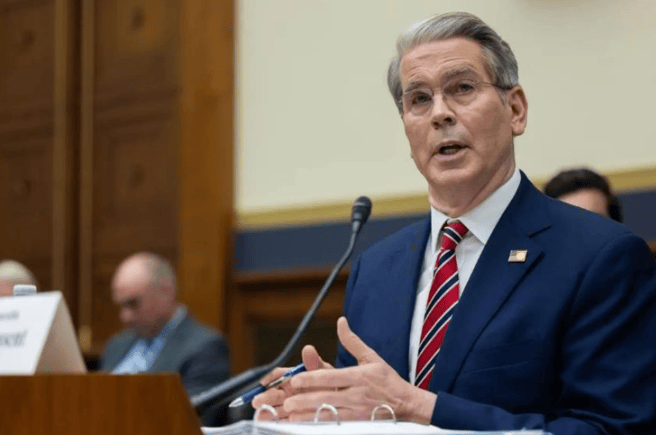
Core Viewpoint - The rapid trade agreements reached by the Trump administration with Japan, the Philippines, and Indonesia reflect a strategic shift in U.S. trade policy, aiming to strengthen its economic position while exerting pressure on China [1][3][4]. Group 1: Trade Agreements - The U.S.-Japan trade agreement includes a 15% reciprocal tariff and requires Japan to invest $550 billion in the U.S., with 90% of the profits going to the U.S. [1] - The agreement with the Philippines involves a symbolic 1% tariff reduction, leading to zero tariffs on U.S. goods and market access [3]. - Indonesia is required to eliminate 99% of trade barriers, supply key minerals, and purchase $150 billion in energy products, $45 billion in agricultural products, and 50 Boeing aircraft [3]. Group 2: U.S. Domestic Politics - The Trump administration seeks to bolster its domestic support by showcasing trade agreements as diplomatic successes, particularly in light of previous foreign policy challenges [4]. - The administration aims to alleviate domestic economic pressures, especially regarding energy and inflation, by redirecting Chinese oil purchases to U.S. sources [4]. Group 3: U.S.-China Relations - The U.S. Treasury Secretary's strong stance in upcoming trade talks indicates a shift towards a more aggressive approach against China, including potential tariffs on Chinese goods if certain conditions are not met [3][4]. - The U.S. is attempting to limit China's technological advancements by restricting Chinese engineers' access to U.S. defense systems [5]. Group 4: Global Trade Implications - The unilateral trade policies of the U.S. are seen as damaging to the global trade order, undermining the comparative advantages of international trade [7]. - The trade war between the U.S. and China poses risks not only to bilateral relations but also to global economic stability, with potential increases in import costs and inflation in the U.S. [7]. Group 5: China's Response - China is positioned to withstand U.S. pressures due to its large domestic market and diversified trade partnerships, which mitigate the impact of U.S. sanctions [8]. - China's ongoing development and strategic initiatives, such as the Belt and Road Initiative, aim to create a more resilient global trade network [8].
美国抛出100%关税威胁,中国减持7500亿美债,华尔街慌了
Sou Hu Cai Jing· 2025-07-23 17:15
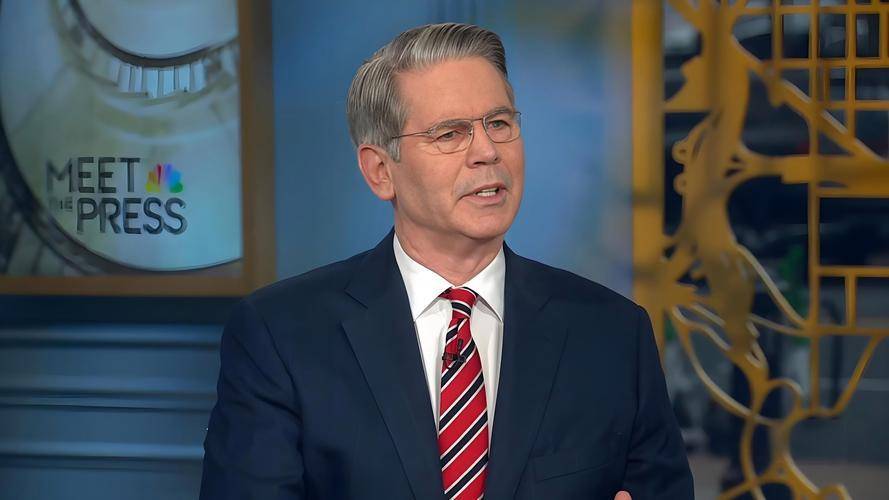
Group 1 - The U.S. Treasury Secretary has issued a 100% tariff threat to China, demanding an end to oil purchases from Russia and Iran, reflecting U.S. strategic anxiety [1][3] - China has reduced its holdings of U.S. Treasury bonds for three consecutive months, now totaling $750 billion, prompting similar actions from allies like the UK, which has unsettled Wall Street [1][15] - The U.S. is struggling to maintain its influence as allies show reluctance to follow its lead, indicating a shift in the balance of power [9][11] Group 2 - Russia has been China's largest oil supplier for 12 consecutive months, providing stable and reasonably priced oil, while Iran's oil trade is seen as legitimate under current geopolitical conditions [5][7] - The U.S. is perceived to be attempting to pressure China into purchasing more expensive shale oil, which is viewed as unrealistic [7][9] - The U.S. has shown inconsistency in its policies, leading to confusion and a lack of support from traditional allies [9][13] Group 3 - The dependency dynamics between the U.S. and China reveal that the U.S. relies on 276 critical goods from China, while China only depends on 22 from the U.S., indicating a significant imbalance [15] - The U.S. has faced challenges in replacing Chinese manufacturing, as attempts to source from countries like Vietnam and Mexico still rely on Chinese materials [17][19] - China's domestic market is shifting, with local brands like Huawei and Xiaomi capturing over 80% of the market share, reflecting a change in consumer preferences [21] Group 4 - China's energy imports are diversifying, with significant imports from Canada, which has replaced 90% of U.S. oil imports, and a declining reliance on oil overall [21][23] - The internationalization of the renminbi is accelerating, with direct currency settlements with over 30 countries, reducing dependence on the U.S. dollar [25] - The U.S. is becoming increasingly isolated due to its unilateral approach, while China is expanding its influence through multilateral agreements [32][34]
除了3国,190多国无一投降!特朗普已经犯下大错,美国“关税战”输了!
Sou Hu Cai Jing· 2025-07-23 09:51
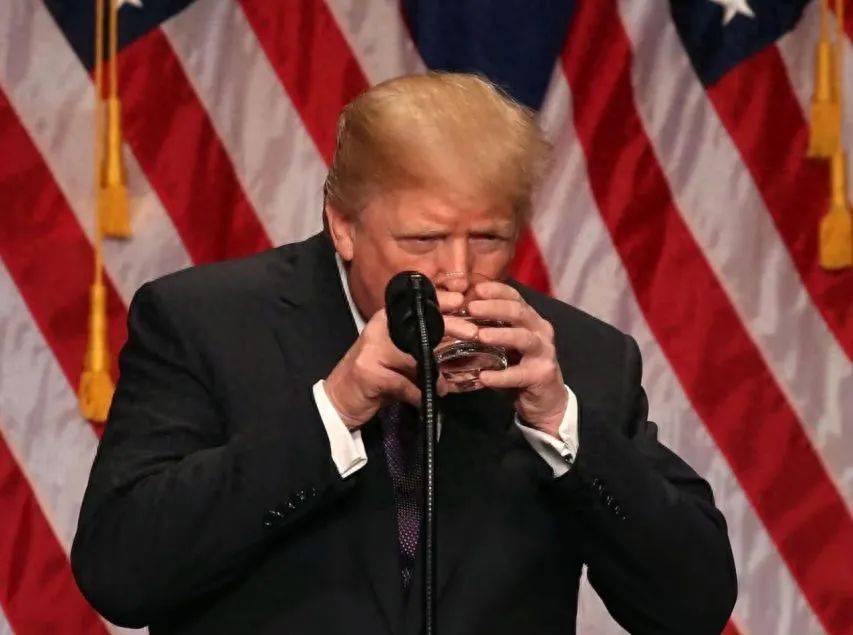
Core Viewpoint - The recent tariff policies implemented by the Trump administration have backfired, leading to widespread global resistance and negative impacts on the U.S. economy [1][4][6]. Group 1: Economic Impact - The tariffs imposed on various goods, including steel, automobiles, and agricultural products, were intended to bring manufacturing back to the U.S. and reduce trade deficits, but resulted in increased production costs and layoffs in the automotive sector [3][4]. - U.S. farmers faced significant losses, with soybean prices dropping by 30% due to China's shift to Brazilian imports, leading to bankruptcies among many farmers [3][4]. - The tariffs prompted retaliatory measures from other countries, with China and the EU imposing equivalent tariffs on U.S. products, directly affecting key industries such as agriculture and manufacturing [3][4]. Group 2: Global Trade Dynamics - The interconnectedness of the global economy has made it difficult for the U.S. to isolate itself; for instance, U.S. reliance on imported parts for automotive production led to production halts and increased costs [4][6]. - Trade agreements among RCEP countries have resulted in reduced tariffs and increased trade, highlighting the diminishing influence of U.S. trade policies [4][8]. - The establishment of alternative trade systems, such as currency-based trade among BRICS nations, further undermines the U.S. dollar's dominance in global trade [4][8]. Group 3: Political Ramifications - The tariff policies have led to political backlash, with multiple states suing the federal government and a decline in Trump's approval ratings as workers protest against job losses [6][8]. - Business organizations, including the U.S. Chamber of Commerce, have publicly opposed the tariffs, citing annual losses of $200 billion for companies [6][8]. - The overall sentiment indicates that unilateral trade policies are becoming increasingly untenable, with a shift towards multilateral cooperation among nations [8].
中美第三轮谈判定了?特朗普很清楚一件事:美国已落入下风,为了和中方谈妥不惜下“血本”
Sou Hu Cai Jing· 2025-07-23 04:22
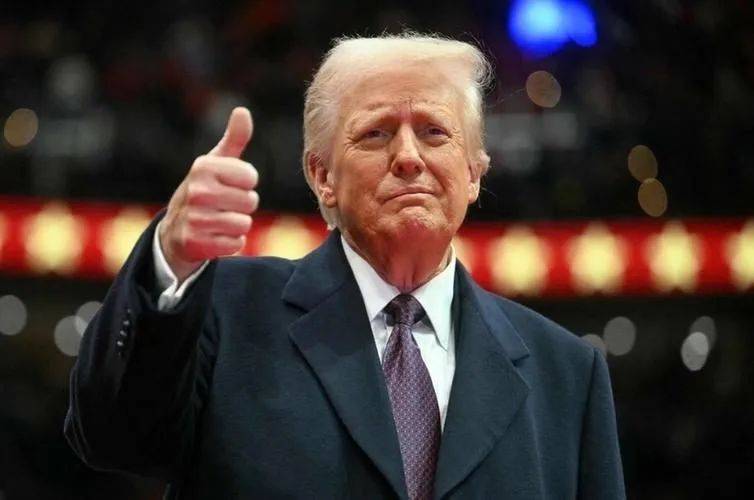
Group 1 - The core viewpoint of the article highlights a significant shift in the U.S. stance towards China, moving from a confrontational approach to a more conciliatory one, indicating a desire for negotiations [1][10] - The U.S. has faced challenges in its tariff strategy, with only three agreements reached out of 75 countries during a 90-day grace period, leading to a realization of the ineffectiveness of its previous hardline tactics [2][4] - The U.S. is showing flexibility in negotiations, with Treasury Secretary Yellen expressing a willingness to discuss cooperation beyond trade, marking a notable change from the previous "America First" rhetoric [6][7] Group 2 - In the semiconductor sector, the U.S. has recently eased restrictions on exports to China, allowing companies like AMD and NVIDIA to resume shipments, which suggests a strategic shift in leveraging chip cooperation for broader trade negotiations [4][9] - The U.S. is also considering imposing tariffs on over 100 smaller countries, indicating a strategy to exert pressure elsewhere while appearing to soften its approach towards China [8][10] - China's response to the U.S. overtures has been measured, emphasizing the need for genuine concessions from the U.S. before committing to negotiations, reflecting China's strong position in the global market [9][10]
美国这次“退群”理由是什么?
第一财经· 2025-07-23 02:25
Core Viewpoint - The United States has announced its withdrawal from UNESCO for the third time, citing that the organization does not align with its "America First" policy and has been accused of promoting divisive social and cultural initiatives [2][4]. Group 1: Reasons for Withdrawal - The U.S. State Department's statement indicated that UNESCO's focus on sustainable development goals and its acceptance of Palestine as a member are problematic and contribute to anti-Israel sentiments within the organization [2][4]. - The withdrawal will officially take effect on December 31, 2026, according to UNESCO regulations [3]. Group 2: Historical Context - The U.S. previously withdrew from UNESCO in 1984 due to issues of corruption and mismanagement, rejoining in 2003. It withdrew again in 2017, citing increasing arrears and concerns over perceived bias against Israel, with the exit effective at the end of 2018. The U.S. rejoined the organization in 2023 [4]. Group 3: Reactions from UNESCO and Other Nations - UNESCO's Director-General, Audrey Azoulay, expressed regret over the U.S. decision, stating it contradicts the principles of multilateralism. She noted that the organization had prepared for this outcome by implementing structural reforms and diversifying funding sources since 2018 [5][6]. - Various international leaders, including UN Secretary-General António Guterres and French President Emmanuel Macron, expressed their disappointment regarding the U.S. withdrawal, emphasizing the importance of UNESCO in global cultural and educational preservation [7].