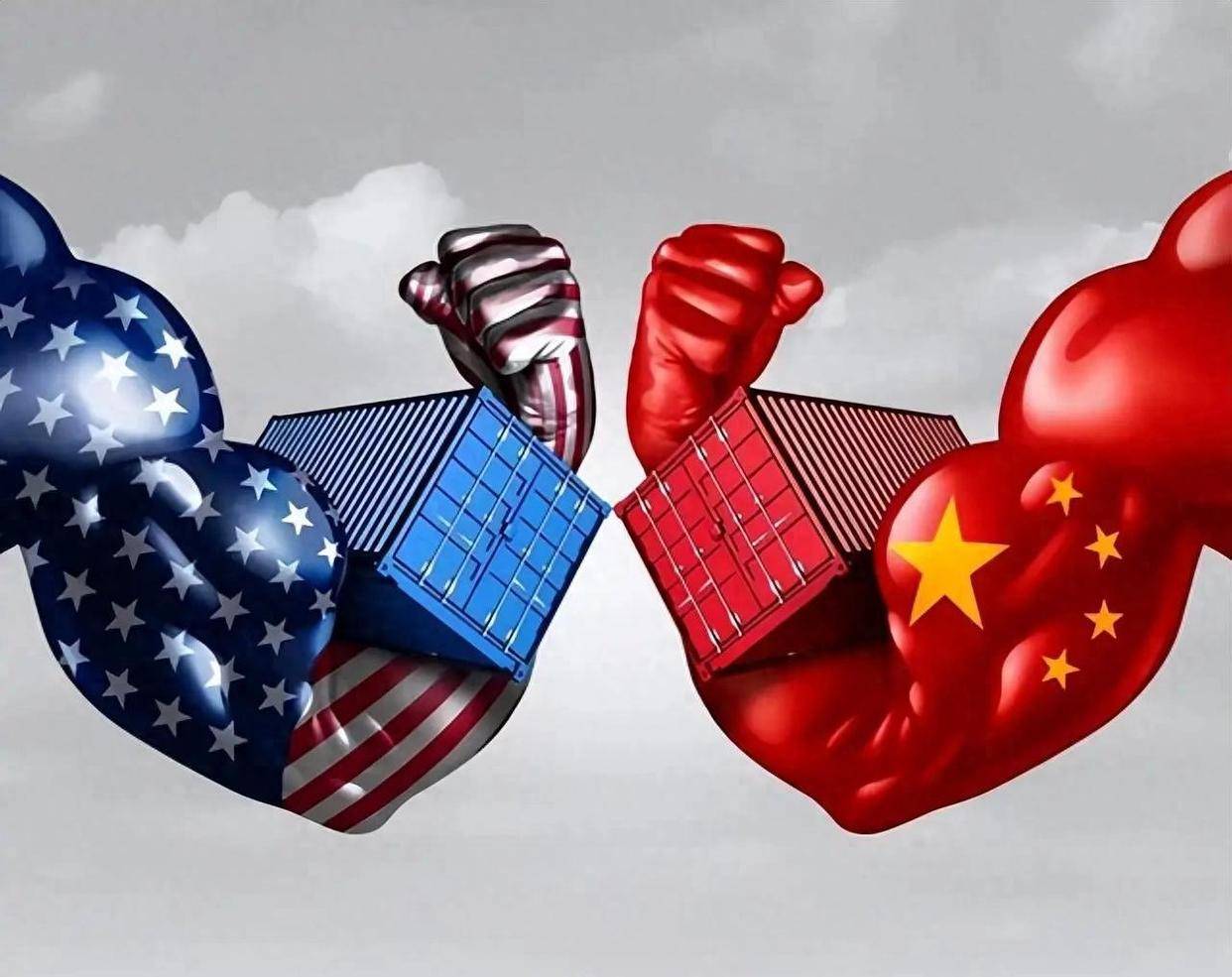
美元霸权

Search documents
美国掐断中国航线?为什么说红海护航,是美元霸权的最后一搏?
Sou Hu Cai Jing· 2025-07-20 04:41
Core Viewpoint - The recent missile attacks in the Red Sea, linked to the Houthi movement's support for Hamas, have created significant disruptions in global shipping, raising concerns about the strategic implications for international trade and the U.S. dollar's dominance [5][8][12]. Group 1: Incident Overview - On January 2, 2024, two missiles exploded over the Red Sea, causing chaos in global shipping routes [5][8]. - The Houthi movement, which has been active in Yemen since 2004, has escalated its military actions, now targeting shipping routes to support Hamas against Israel [8][10]. - The Red Sea is a critical shipping lane, with nearly one-third of global container traffic and over ten percent of oil passing through, making it vital for international trade [12]. Group 2: Economic Impact - The missile attacks have led to increased shipping costs as vessels reroute around the Cape of Good Hope to avoid the Red Sea, resulting in skyrocketing freight prices [12][20]. - Insurance costs for shipping in the Red Sea have surged dramatically, contributing to the halt of Chinese shipping routes in the region [20][22]. - The rising insurance fees are seen as a significant factor in the disruption of trade, with implications for global supply chains [20][24]. Group 3: Geopolitical Dynamics - The U.S. has responded to the situation by forming a coalition with 12 countries to address the threat posed by the Houthis, indicating a collective concern over the stability of the Red Sea [15][17]. - The U.S. aims to counter the Houthi actions, which are perceived as a threat not only to Israel but also to global shipping interests, including those of China [17][19]. - There are speculations that the U.S. may be leveraging the situation to undermine China's shipping capabilities, reflecting broader geopolitical strategies [24][26]. Group 4: Financial Implications - The turmoil in the Red Sea is viewed as a critical moment for the U.S. dollar, which is at risk of losing its status as the world's dominant currency if the situation escalates [28][30]. - The U.S. intervention in the Red Sea is seen as a strategy to maintain its economic influence and protect the dollar's position in global trade [30].


美联储要投降?中国减持美债,陆续运回黄金,李显龙一语激起千层浪
Sou Hu Cai Jing· 2025-07-20 00:45
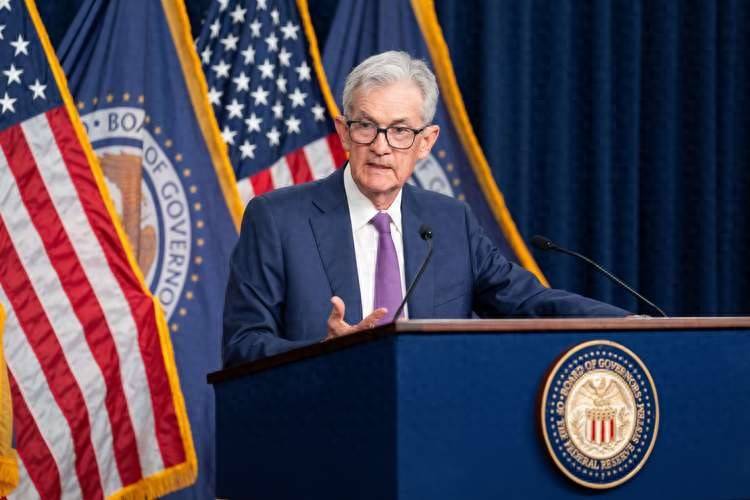
Group 1 - The Federal Reserve is facing increasing internal calls for interest rate cuts, with San Francisco Fed President Mary Daly predicting two rate cuts by the end of the year, warning that waiting for inflation to drop to 2% could lead to missed opportunities that harm the economy and labor market [1] - Fed Governor Waller echoed similar sentiments, suggesting an immediate reduction of rates from the current 4.25%-4.5% to around 3% to alleviate economic pressure, indicating a response to prevailing economic conditions [1][3] Group 2 - The Fed's shift is not only a reaction to economic data but also a response to external political pressures, particularly from former President Trump, who argues that a 1% rate cut could save the U.S. $360 billion in interest payments, highlighting the increasing pressure on the Fed [3] - Concurrently, China has been reducing its holdings of U.S. Treasury bonds for three consecutive months, bringing its holdings down to $756.3 billion, while simultaneously increasing its gold reserves, which are expected to reach 73.9 million ounces by June 2025, indicating a strategic shift in its foreign exchange reserve structure [3][5] Group 3 - The preference for gold over U.S. Treasuries is driven by the low yields of the latter in the face of inflation and dollar depreciation, with global central banks also increasing gold purchases, reaching the second-highest level in 2024, as a response to the dominance of the dollar [5] - Countries are adapting to a new economic landscape, seeking balance with the U.S. as unilateralism increases its isolation, evidenced by ASEAN countries using local currencies for transactions and Saudi Arabia doubling its oil trade with China in yuan [6]
签了!特朗普把美元拴上区块链,全球钱袋子悬了?
Sou Hu Cai Jing· 2025-07-19 17:04
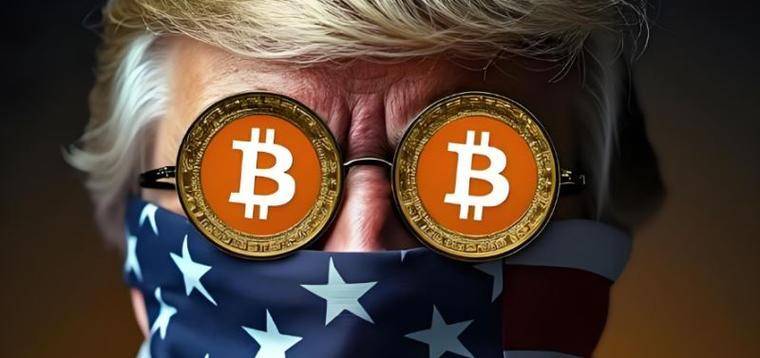
Core Viewpoint - The signing of the "Genius Act" by Trump is seen as a strategy to regulate stablecoins, which are essentially digital representations of the US dollar, while also addressing the US debt crisis. This move raises concerns about potential risks to the global financial system and the implications of increased reliance on stablecoins for international transactions [1][8][12]. Group 1: Understanding Stablecoins - Stablecoins are digital currencies pegged to the US dollar, designed for fast global transactions with minimal price volatility [3][5]. - The new legislation mandates that stablecoin issuers must hold US dollars or US Treasury bonds as reserves, effectively creating a new demand for US debt instruments [5][8]. Group 2: Implications for US Debt - The requirement for stablecoin issuers to back their coins with US Treasury bonds is expected to create a new source of demand for US debt, indirectly providing financial support to the US government [5][12]. - This strategy is viewed as a way for the US to maintain its financial credibility and continue its dollar dominance in the global market [8][12]. Group 3: Regulatory Concerns - The legislation has faced criticism from Democrats, who argue it lacks consumer protections and may benefit Trump's family financially [6][9]. - International institutions, such as the Bank for International Settlements, have warned that stablecoins could pose significant risks to monetary policy and financial stability [6][7]. Group 4: Risks of Stablecoins - Concerns have been raised about the lack of central bank backing for stablecoins, which could lead to significant financial losses if issuers fail or if the value of their reserves declines [6][10]. - The potential for illegal transactions and the challenges of effective regulation are highlighted, as the anonymity of cryptocurrencies complicates oversight [6][10]. Group 5: Global Financial Dynamics - The move towards stablecoins is seen as an attempt by the US to transition its dollar dominance from physical to digital, amidst rising trends of de-dollarization in global trade [8][12]. - The legislation may inadvertently create systemic risks, particularly for smaller nations that could see their currencies undermined by the adoption of stablecoins [10][12]. Group 6: Conclusion on the Legislation - The "Genius Act" is characterized as a gamble for the US, with potential long-term consequences for the global financial system if a major stablecoin fails [12][13]. - The legislation is perceived as a way for the US to shift its financial burdens onto the global community, raising questions about the sustainability of this approach [12][13].
美元霸权升级!特朗普签署通过《天才法案》,加密货币要变天?
Sou Hu Cai Jing· 2025-07-19 15:16
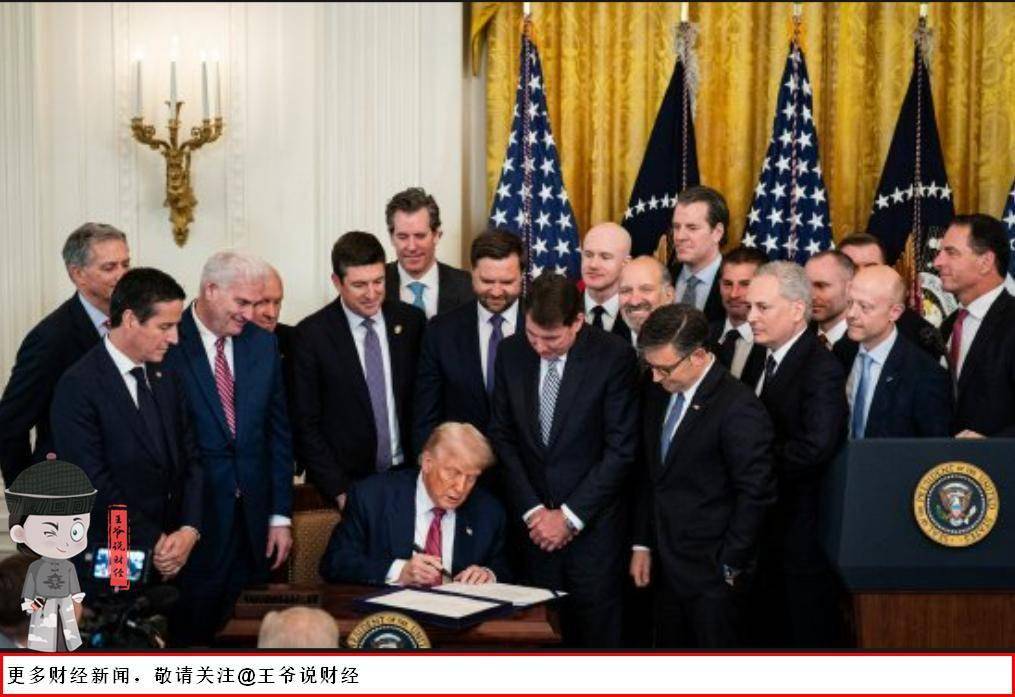
Group 1 - The signing of the "Genius Act" by President Trump marks the beginning of a new regulatory era for cryptocurrencies, particularly stablecoins, which will now be required to maintain a 1:1 reserve with the US dollar or US Treasury bonds [3] - The act includes three main provisions: stablecoins must be backed 1:1 by USD or US Treasury bonds, issuers must be licensed and disclose asset details monthly, and algorithmic stablecoins are prohibited to prevent Ponzi schemes [3] - The global cryptocurrency market reacted strongly, with Coinbase's stock price surging and the founder of USDT witnessing the event, as Trump described it as the greatest transformation in financial technology [3] Group 2 - The "Genius Act" positions stablecoins as the digital equivalent of US dollars, aimed at stabilizing the volatile cryptocurrency market [5] - Trump's strategy includes three key objectives: capturing global liquidity by mandating reserves in US Treasury bonds, blocking foreign digital currencies, and enhancing the dollar's dominance in digital transactions [5] - Experts warn that the act essentially makes cryptocurrencies serve US Treasury bonds, shifting risks onto users [5] Group 3 - The act is seen as a means to strengthen the US dollar's position in the global monetary and payment systems [7] - With US debt exceeding $36 trillion, the stablecoin legislation is viewed as a way to create new buyers for US debt, potentially increasing the market for stablecoins to $2 trillion by 2028 [8] - If stablecoins capture 10% of global payments, the dollar's settlement volume could increase by 30%, challenging the dominance of SWIFT [9]
特朗普威胁10%关税,印度18小时内从金砖战友变美国马前卒
Sou Hu Cai Jing· 2025-07-19 06:16
Core Viewpoint - India's rapid diplomatic response to Trump's threat of a 10% tariff on BRICS countries highlights its economic dependency on the U.S. and raises questions about its reliability as a partner in international coalitions [1][3][6] Economic Dependency - India has a trade surplus with the U.S. amounting to $45.7 billion, with its IT services exports constituting 37% of the global market, heavily reliant on the U.S. market [3] - The potential impact of U.S. sanctions could severely affect India's IT services market, valued at approximately $35 billion [3] Diplomatic Reactions - India's swift clarification of its stance, stating it does not intend to challenge the dollar's dominance, contrasts sharply with its previous support for currency diversification among BRICS nations [1][6] - The urgency of India's diplomatic efforts, including sending its foreign minister to China, reflects a significant shift in its foreign policy approach [1][6] International Relations - India's actions have led to disappointment among other BRICS members, undermining the organization's unity and raising doubts about India's status as a reliable partner [6][11] - The perception of India as a "spoiler" within BRICS is growing, potentially isolating it in future multilateral negotiations [11][15] Strategic Shortcomings - India's recent behavior indicates a lack of strategic foresight, as it struggles to navigate the emerging multipolar world while maintaining its economic ties with the U.S. [13][20] - The increasing isolation of India within BRICS is evidenced by its high opposition rate of 31% in decision-making processes, significantly higher than other member states [15] Historical Context - The current situation reflects a broader trend of declining U.S. dollar dominance, with a quarter of countries reducing their dollar reserves, indicating a shift in global economic dynamics [17][20] - India's reluctance to take on responsibilities in the evolving international order may lead to its marginalization in future geopolitical developments [19][20]
一场8小时的投票:美国“加密周”暗流涌动!从“看空”到“力挺” 特朗普为何拥抱稳定币?
Mei Ri Jing Ji Xin Wen· 2025-07-19 06:11
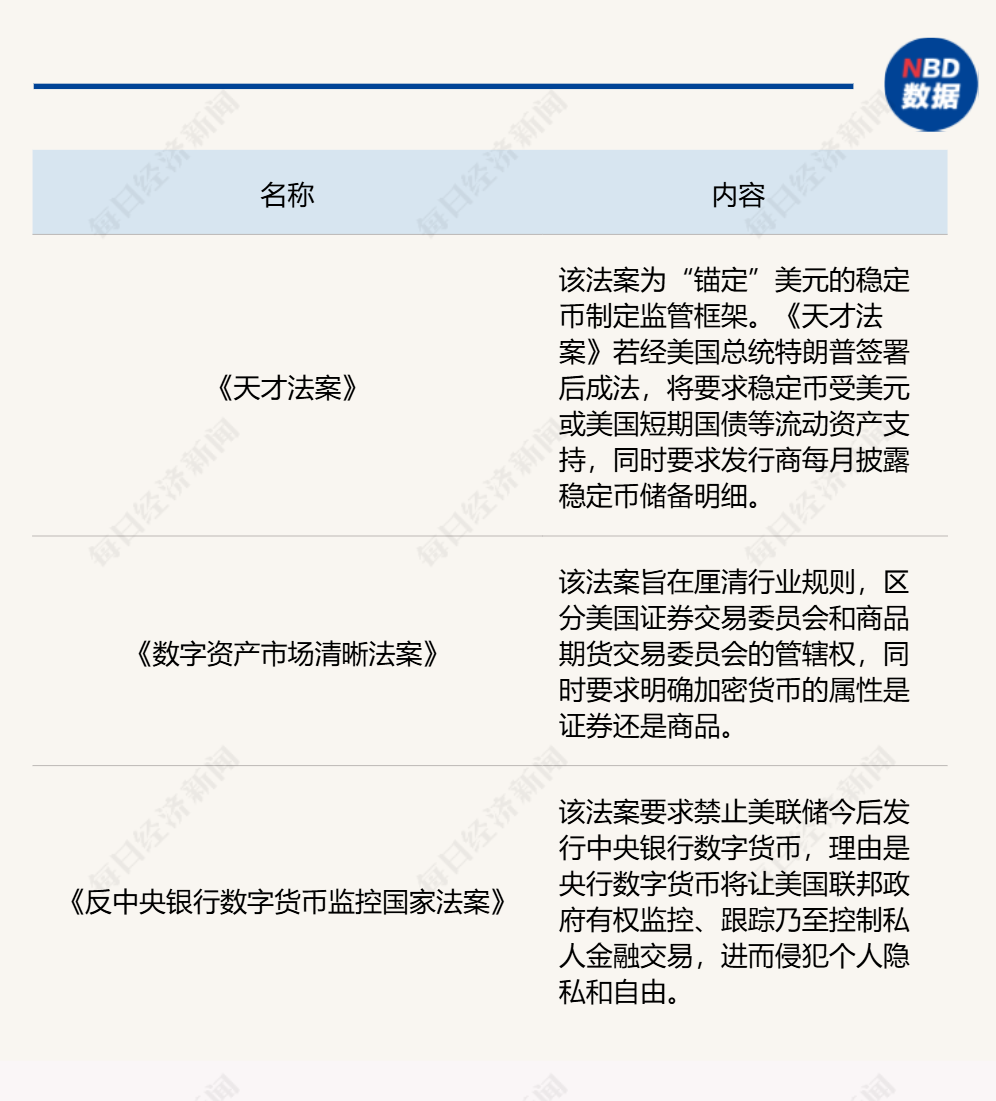
Group 1 - The core point of the article is the formal establishment of a regulatory framework for digital stablecoins in the U.S. through the signing of the "Genius Act" by President Trump, marking a significant legislative development in the cryptocurrency space [1][5] - The "Genius Act" requires stablecoins to be backed by liquid assets such as U.S. dollars or short-term U.S. Treasury securities, and mandates monthly disclosures of reserves by issuers [4][5] - The passage of the "Genius Act" and related legislation reflects a shift in the political landscape, with cryptocurrency evolving from a financial innovation topic to a matter of national interest involving U.S. dollar dominance and political stakes [1][2] Group 2 - Trump's previous skepticism towards cryptocurrencies has transformed into strong support, as he aims to position the U.S. as a leader in the digital currency space [2][6] - The legislative process faced significant hurdles, including an unprecedented 8-hour procedural vote in the House of Representatives, highlighting the contentious nature of cryptocurrency regulation [3][5] - The approval of the "Genius Act" is expected to pave the way for U.S. banks to issue digital assets, with major financial institutions eager to explore this new business opportunity [5] Group 3 - The legislation is seen as a means to maintain the dominance of the U.S. dollar in the global market, with stablecoins potentially reinforcing the dollar's influence beyond traditional monetary systems [7][10] - The demand for stablecoins is projected to create significant new demand for U.S. Treasury securities, potentially lowering interest costs for the U.S. government [7][8] - The push for private sector-issued stablecoins comes alongside efforts to limit the Federal Reserve's power regarding central bank digital currencies (CBDCs), indicating a strategic preference for market-driven solutions [8][10] Group 4 - The global response to the U.S. stablecoin legislation has been one of concern, with many countries accelerating their own CBDC initiatives to counter the potential risks posed by U.S. dollar stablecoins [10][11] - The dominance of U.S. dollar stablecoins, which account for 99% of the global market share, raises alarms about the erosion of monetary sovereignty for other nations [10][11] - Countries like Japan are implementing strict regulations to control the issuance of stablecoins, reflecting a defensive stance against the expansion of U.S. digital currency influence [11]
特朗普挥棒砸自己脚,巴西50%关税硬刚,美元霸权动摇?
Sou Hu Cai Jing· 2025-07-19 05:27
根据美国商务部的数据,他们与巴西的贸易顺差明显,按理应当维持现状。然而,特朗普却无视经济利 益,担心其他国家的团结会对美元构成挑战。此次巴西的反击成为了一个典型的案例,若更多国家效 仿,美国的关税政策将面临全面的失效。 最近,美国突如其来地针对巴西加征了50%的关税,这一举动显得非常不寻常。面对这一挑衅,巴西总 统卢拉立即采取了对等的反击策略,同样对美国的商品征收了50%的关税。不仅如此,韩国和日本也遭 遇了美国加征25%关税的困扰,而韩国还被要求支付100亿美元的军费。美国在与巴西的贸易中本是获 利的,但现在却选择对立,这背后显然隐藏着不为人知的动机。 7月9日,美国贸易代表发布公告,针对八个国家实施关税政策,巴西成为了重点攻击的对象。特朗普政 府或许认为,巴西在金砖国家峰会上表现得太过活跃,尤其是卢拉公开表示"世界不需要皇帝",这显然 是针对美国的强硬言辞。在金砖国家会议上,巴西提议减少对美元的依赖,这一想法直接威胁到了美国 在全球的霸权地位。 那么,巴西此次敢于强硬反击的底气从何而来?首先,他们拥有丰富的石油、铁矿等自然资源,市场也 相当广阔。此外,金砖国家之间的互相支持意味着,尽管美国加税,巴西仍然能 ...
新法案正式落地!又有大的财富机遇要来了?
大胡子说房· 2025-07-19 05:14
Core Viewpoint - The legalization of stablecoins in the U.S. through the "Genius Act" is seen as a strategic move to enhance the liquidity of the dollar and potentially increase its dominance in the global market [1][2][3]. Group 1: Stablecoin Legitimization - The "Genius Act" passed by the U.S. House of Representatives signifies the formal acceptance of stablecoins, moving them from a gray area to a regulated status [1][3]. - The act is interpreted as a tool for the U.S. to solidify the dollar's supremacy and ensure its share in global payments [5][6]. Group 2: Liquidity Implications - The relationship between the dollar and stablecoins suggests that one dollar can generate multiple dollars in purchasing power through the issuance of stablecoins [24][28]. - The mechanism of stablecoins allows for a dollar to be used for transactions while simultaneously being used to purchase U.S. Treasury bonds, effectively doubling its utility [25][26]. Group 3: Impact on Monetary Policy - The introduction of stablecoins could lead to a scenario where the U.S. Treasury can issue debt without direct reliance on the Federal Reserve, potentially altering the dynamics of monetary policy [39][40]. - The expected growth of the stablecoin market from $200 billion to $2 trillion in three years could result in at least $4 trillion in liquidity, significantly impacting asset prices [42]. Group 4: Market Consequences - The influx of liquidity from stablecoins may create new wealth opportunities in certain assets but also risks inflating asset bubbles, particularly in dollar-denominated assets [48][49]. - The potential for the U.S. to shift towards stablecoins as a primary currency raises questions about the future necessity of the dollar [39][40].

600吨中国黄金放在美国,为啥不存在国内金库?背后有着怎样隐情
Sou Hu Cai Jing· 2025-07-18 23:57
Core Viewpoint - The article discusses the rationale behind China storing a significant amount of its gold reserves in the United States, highlighting the historical context and practical benefits of this decision. Group 1: Historical Context - The Bretton Woods system established in 1944 linked the US dollar to gold, making the dollar a global standard for trade and finance [3][5] - The US emerged as the dominant economic power post-World War II, leading countries to store gold in the US for easier international transactions [5][7] Group 2: Practical Benefits - Storing gold in New York, the world's largest gold trading market, allows for efficient transactions without the need for physical movement of gold, saving on costs and time [9][11] - The high security of the Federal Reserve's underground vaults in New York provides a safe storage solution for gold reserves [11] Group 3: Risk Management - China's gold reserves are approximately 2,300 tons, with 600 tons stored in the US, which is a manageable proportion considering the vast amount of gold held privately in China [13][15] - The strategy of diversifying gold storage helps mitigate risks associated with geopolitical tensions and potential loss of assets [15][17] Group 4: Future Considerations - The article notes a growing trend among countries to repatriate gold as a strategic measure against potential geopolitical risks, indicating a shift in global financial dynamics [23] - China is currently weighing the pros and cons of maintaining its gold reserves in the US, with the possibility of repatriation if international financial conditions change significantly [25]


90天休战倒计时,中国静观其变,特朗普失去耐心,真赢家揭晓
Sou Hu Cai Jing· 2025-07-18 23:39
Group 1 - The U.S.-China trade war is intensifying, with Trump's strategies failing to yield significant results, leading to a loss of leverage for the U.S. [1][2][4] - Other countries, including the EU, Japan, Canada, and India, are countering Trump's aggressive trade tactics, undermining his attempts to secure favorable agreements [2][4][8] - The U.S. manufacturing sector is struggling, as indicated by the ISM index declining for four consecutive months, prompting calls for Trump to avoid further disruptions [4][6] Group 2 - Trump's new measures include a ban on foreign purchases of U.S. farmland, which could alienate key voter demographics ahead of the midterm elections [4][6][10] - The financial war against China, aimed at devaluing the yuan and restricting Chinese financial access, is backfiring, leading to increased internationalization of the yuan [6][10][12] - China's response to external pressures includes a focus on regional trade, domestic consumption, and diversification of its supply chains, with significant growth in sectors like electric vehicles and solar energy [8][10][12] Group 3 - The ongoing trade conflict has evolved beyond simple trade imbalances, representing a clash between U.S. dollar hegemony and the internationalization of the yuan [10][12] - The U.S. is facing internal challenges, including rising fiscal deficits and political polarization, which threaten the stability of its economic dominance [10][12] - The outcome of the trade war will depend on resilience and strategic positioning, rather than mere tactical maneuvers by either side [12]