
耐心资本

Search documents
湾区金融大咖汇聚横琴?耐心资本如何助力大湾区产业向新?
2 1 Shi Ji Jing Ji Bao Dao· 2025-09-05 09:56
Group 1: Overview of Patience Capital and Its Role - Patience Capital is gaining unprecedented attention as a key player in supporting long-cycle technology innovation projects amid the national strategy for technological self-reliance [1] - A roundtable discussion titled "Bay Area Financial Experts: Patience Capital Supports the Bay Area Industry Towards New Heights" was held, focusing on the integration of Patience Capital with the Greater Bay Area's tech innovation development [1][2] - The roundtable is part of the 2025 Hengqin World Bay Area Forum, emphasizing the collaboration between industry and financial capital in the Hengqin Guangdong-Macao Deep Cooperation Zone [1] Group 2: Investment Strategies and Considerations - Gobi Partners emphasizes regional adaptability in investment decisions, considering whether projects are better suited for the Greater Bay Area or emerging overseas markets [2] - The firm also focuses on the "investment in people," paying close attention to the founding teams behind projects and their ESG performance [2][3] - Zhuhai Science and Technology Venture Capital Co., Ltd. highlights its local focus, having researched over 1,500 local tech companies to understand their business situations [3] Group 3: Characteristics of Patience Capital - Patience Capital is characterized by a long-term perspective in investment, often taking over six months to a year for thorough tracking and mentoring before making investment decisions [3] - It provides comprehensive support beyond financial investment, helping early-stage projects navigate risks and avoid pitfalls [3] - Continuous investment in high-quality local early-stage projects is a key strategy to support their growth through the most risky initial phases [3] Group 4: Insights from Technology Companies - Chip潮流, a joint venture in integrated circuit design, credits its growth to the steadfast support from local investment institutions [5] - The company suggests aligning with national and regional strategic needs to attract Patience Capital, emphasizing the importance of talent and technology transfer [5] - 普强时代, an AI technology firm, stresses the need for clear communication of investor expectations and aligning project goals with investor interests [6][7] Group 5: Future Expectations and Recommendations - There is a call for more government funding and project support for local tech companies to enhance their focus on product development [8] - The "Double 15%" tax incentive policy is highlighted as a significant advantage for companies in the Hengqin Guangdong-Macao Deep Cooperation Zone [8] - Investment institutions are encouraged to enhance their industry research and post-investment support capabilities to truly embody the concept of Patience Capital [9][10]
湾区金融大咖汇聚横琴 耐心资本如何助力大湾区产业向新?
2 1 Shi Ji Jing Ji Bao Dao· 2025-09-05 09:41
Group 1: Overview of Patience Capital and Its Role - Patience Capital is gaining unprecedented attention as a key player in supporting long-cycle technology innovation projects amid the national strategy for technological self-reliance [1] - A roundtable dialogue titled "Bay Area Financial Experts: Patience Capital Supports the Bay Area Industry Transition" was held, focusing on the integration of Patience Capital with the Greater Bay Area's tech innovation development [1][2] - The roundtable is part of the 2025 Hengqin World Bay Area Forum, emphasizing the collaboration between industry and financial capital in the Hengqin Guangdong-Macao Deep Cooperation Zone [1] Group 2: Investment Strategies and Considerations - Gobi Partners emphasizes regional adaptability in investment decisions, considering whether projects are better suited for the Greater Bay Area or emerging overseas markets [2] - The firm also focuses on the "investment in people," paying close attention to the founders and their teams behind the projects [2] - ESG performance is a significant consideration for Gobi Partners, reflecting both investment return considerations and social responsibility [2] Group 3: Local Investment Platforms and Their Approaches - Zhuhai Technology Venture Capital Co., Ltd. operates as a state-owned investment platform, focusing on local technology enterprises and having researched over 1,500 companies [2][3] - The company differentiates itself through a "localization" approach, ensuring comprehensive coverage of local tech firms [2][3] - Patience Capital's investment approach includes long-term tracking and support, providing comprehensive services beyond just financial investment [3] Group 4: Insights from Technology Enterprises - Chip潮流 (Chip Flow) and 普强时代 (Puchang Era) shared their experiences with Patience Capital, highlighting the importance of strategic alignment with national and regional needs [6][7] - Chip Flow's CEO emphasized the need for long-term perspectives from investors, advocating for less focus on risk control and more on empowering management teams [6] - Puchang Era's CEO noted the importance of understanding investor needs and aligning project goals with potential returns [7] Group 5: Recommendations for Future Development - There is a call for government support in funding and project prioritization for local tech enterprises, as local returns can attract foreign investment [9] - The "Double 15%" tax incentive policy is highlighted as a significant advantage for enterprises in the Hengqin Guangdong-Macao Deep Cooperation Zone [9] - Continuous optimization of the business environment and collaborative mechanisms among government, market, financial institutions, and enterprises is essential for fostering a supportive ecosystem [10] Group 6: Enhancing Collaboration and Investment Mechanisms - Investment institutions are encouraged to enhance their industry research and post-investment support capabilities to truly embody the concept of Patience Capital [10][11] - The need for flexible and diverse listing rules for tech companies is emphasized to provide exit pathways for early investors, thereby attracting more capital into the innovation ecosystem [11]
友邦保险集团管理层详解下阶段投资与策略
Zheng Quan Ri Bao Wang· 2025-09-05 08:12
Core Insights - AIA Group's CEO, Lee Yuanxiang, emphasized that mainland China is the most important market for the company, showcasing significant potential for growth [1] - The latest half-year report revealed a 14% increase in new business value to $2.838 billion, with 13 out of 18 markets experiencing growth, and a 3.4% year-on-year increase in new business value margin to 57.7% [1] Group 1: Long-term Investment in China - AIA established its first branch in Shanghai in 1992, being one of the earliest foreign insurance companies to obtain a personal insurance business license in China [2] - Since 2019, AIA has expanded to 14 operational regions in mainland China and plans to add 1-2 new provincial branches annually [2] - In 2022, AIA invested 12.033 billion RMB in China Post Insurance, becoming its second-largest shareholder, and provided technical support for its successful transformation [2] Group 2: Asset Management Company Establishment - The approval for the establishment of AIA Asset Management Company marks a significant milestone in AIA's ongoing development in mainland China [3] Group 3: Synergy Between Assets and Liabilities - Regional expansion is a core driver of AIA's growth in mainland China, with a focus on optimizing the synergy between assets and liabilities for future growth [4] - In a low interest rate environment, AIA is shifting its focus on long-term savings to diversified and participating products, promoting balanced development across various insurance types [4] - The company believes that the development of participating insurance will thrive in a low interest rate environment, benefiting both the company and clients [4] Group 4: Differentiated Bancassurance Strategy - AIA is committed to a differentiated bancassurance model, focusing on a few banks that align with its long-term cooperation vision, targeting high-income and high-net-worth clients [5] - The implementation of the "Bancassurance Integration" policy and ongoing interest rate adjustments have made the bancassurance market more standardized and healthy, which AIA views as a future opportunity [6]

国家创新药慧眼系统深圳建!“情报中枢”突破“卡脖子”瓶颈
Nan Fang Du Shi Bao· 2025-09-04 13:12
Core Insights - The "Huiyan System" for innovative drugs was launched at the 17th China Bio-Industry Conference, aiming to address key pain points in the development of China's innovative drug industry [2][4] - Shenzhen is emerging as a hub for innovative drugs and high-end medical devices, with the pharmaceutical industry projected to reach a value of 54.783 billion yuan and the medical device industry approximately 103 billion yuan by 2024 [2][5] Group 1: Innovative Drug System - The "Huiyan System" is designed to meet the increasing domestic demand for high-quality, accessible, and affordable innovative drugs amid an aging population and rising health consumption [4] - The system addresses various pain points, including real-time updates on the innovative drug industry, insights into technological trends, and support for enterprises facing R&D bottlenecks and funding gaps [4] Group 2: Financial Empowerment - The Shenzhen local financial management bureau and the Shenzhen Securities Regulatory Bureau have issued a plan to cultivate patient capital, focusing on industries like artificial intelligence and biomedicine [5] - The plan aims to create a comprehensive financial support system covering R&D, pilot testing, mass production, and marketization, enhancing the efficiency of capital allocation in the pharmaceutical and medical device sectors [5]

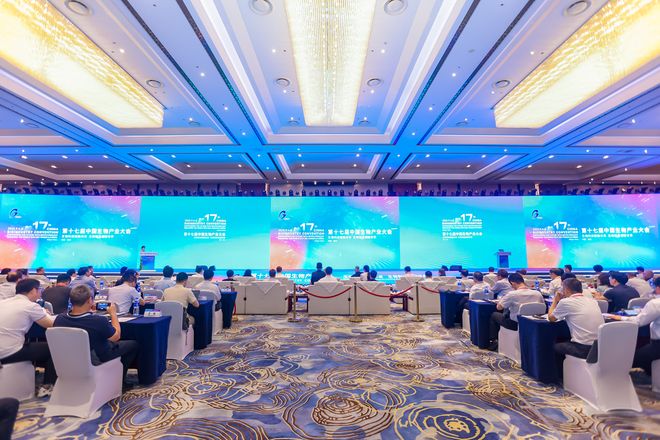
金融强动能,湾区新画卷 横琴世界湾区论坛金融主题论坛成功举行
2 1 Shi Ji Jing Ji Bao Dao· 2025-09-04 12:05
Group 1 - The fourth Hengqin World Bay Area Forum focused on financial themes, emphasizing the importance of financial innovation and cooperation in the Guangdong-Hong Kong-Macao Greater Bay Area [1][2] - The forum highlighted the achievements of financial support policies such as the "Hengqin Financial 30 Measures," which have facilitated cross-border investment and financing [2][3] - In the first half of the year, the Hengqin Guangdong-Macao Deep Cooperation Zone's financial industry added value reached 5.2 billion yuan, a year-on-year increase of 9.9%, accounting for 19.8% of the region's GDP [2] Group 2 - The People's Bank of China and other financial regulatory bodies discussed the importance of cross-border financial cooperation and the need for regulatory alignment to enhance financial services [3] - Financial institutions shared their practices in supporting cooperation between Guangdong and Macao, focusing on product innovation and service integration [6] - The introduction of "patient capital" is seen as crucial for supporting long-term technology projects, enhancing the capital structure in the Greater Bay Area [7] Group 3 - The "Green Finance" concept was emphasized as a key tool for sustainable economic development, aligning with the dual carbon goals [5] - A report on cross-border financial development in the Greater Bay Area was released, outlining ten major trends and the role of major cooperation platforms in financial innovation [8]
宫正:期望快牛、急牛不可取 大盘指数向上突破需基本面驱动
Xin Jing Bao· 2025-09-04 11:53
Group 1 - The A-share market has reached a ten-year high, with the Shanghai Composite Index stabilizing above 3800 points, driven by the continuous influx of medium- and long-term capital [1][2] - Various financial institutions, including insurance companies and public funds, are actively participating in the market, with significant reforms and optimizations in investment management mechanisms [1][2] - The discussion at the salon focused on how patient capital can contribute to market stability, aiming to build a robust ecosystem [1] Group 2 - Multiple favorable factors have contributed to the recent surge in A-shares and Hong Kong stocks, including a stable economy and increased investor confidence amid trade tensions [2] - The proportion of A-shares held by insurance funds and pension funds has been steadily increasing over the past three years, indicating a positive trend in medium- and long-term capital entering the market [2] - Regulatory measures are in place to ensure that public funds and large state-owned insurance companies increase their investments in A-shares, with specific targets set for the coming years [2] Group 3 - The market is expected to transition from a liquidity-driven bull market to one driven by fundamental improvements, which will require monitoring economic indicators closely [4] - There is a cautious optimism regarding the market's future performance, with a preference for undervalued large-cap technology growth stocks and sectors with high industry trends, such as artificial intelligence and semiconductors [4]
今天,LP、GP都往厦门飞
FOFWEEKLY· 2025-09-04 11:53
Core Viewpoint - The investment community is increasingly focused on Xiamen, driven by its continuous investment in the venture capital ecosystem, institutional innovation, and an improved business environment, attracting both general partners (GPs) and limited partners (LPs) [6][10]. Group 1: Investment Environment - Xiamen has become a key destination for investors, with a notable increase in the number of active LPs and a friendly fundraising environment for GPs [7][10]. - The region's LPs are among the few willing to invest in the consumer sector, and there is a significant "linkage effect" among Xiamen's LP community [7][10]. - Xiamen's fund registration scale and LP activity have been steadily increasing, making it a preferred choice for many GPs [7][10]. Group 2: Economic Transformation - Historically reliant on manufacturing and tourism, Xiamen is now emerging in strategic new industries such as renewable energy, hard technology, digital economy, and high-end manufacturing [9]. - The successful mass production of the world's first 587Ah energy storage battery by Xiamen's Haichen Storage marks a significant milestone in the energy storage industry [9]. - Xiamen leads the province with 99 companies recognized as "unicorns," "future unicorns," or "gazelles," highlighting its innovation capabilities [9]. Group 3: Policy Support - The Fujian provincial government has implemented measures to enhance capital market services for technology enterprises, including a 10 billion yuan provincial merger fund and a 10 billion yuan provincial S fund to support quality tech companies [10][11]. - The government is also focusing on optimizing the management of venture capital funds and promoting market-oriented approaches to improve the efficiency of fiscal fund allocation [11]. - Xiamen's "拨改投" policy and cross-strait integration funds have been identified as key drivers of its fundraising success [12]. Group 4: Upcoming Events - The "2025 Mother Fund Annual Forum and the Sixth Lujing Venture Capital Forum" is set to convene, bringing together various stakeholders to explore the multiplier effect of combining long-term capital, industrial capital, and innovative capital [15].

最近,VC/PE都去福建了
母基金研究中心· 2025-09-04 08:54
Core Viewpoint - The article highlights the active role of the Fujian provincial government investment fund in attracting VC/PE attention through various initiatives and funding announcements, which is seen as a positive development for private equity investment in China [2][3]. Group 1: Fund Activities and Announcements - On August 22, the Fujian provincial government investment fund announced the selection of GP for the second batch of specialized sub-funds, following the public announcement of the first batch of five sub-fund managers on July 21 [2]. - The provincial fund has been active this year, launching multiple funds with target sizes of 1 billion for a biomedicine fund, 5 billion for a merger fund, 5 billion for an S fund, and 3 billion for a cultural tourism fund, indicating consistent progress and announcements [2]. - The fund's establishment and operations are efficient, having received government approval in February and subsequently releasing the first batch of sub-fund selection announcements in March [3]. Group 2: Policy Support and Mechanisms - The Fujian provincial fund has implemented positive incentives for sub-funds, allowing for profit-sharing based on development outcomes, with a maximum of 50% of government investment returns [4]. - Significant adjustments have been made to the fund management guidelines, including lowering the minimum return ratio from 1.5 times to 1 time the government investment and establishing a compliance exemption mechanism for investment failures under certain conditions [5]. - The fund's investment period has been extended to 30 years, reflecting a commitment to "patient capital" that can endure long investment cycles typical of technology innovation [6]. Group 3: Strategic Goals and Collaborations - Fujian aims to establish a comprehensive fund matrix, targeting the creation of a 300 billion functional fund group and a 1 trillion industrial fund group within five years, enhancing the role of government-led funds [7][9]. - The provincial government has successfully set up nine government investment funds totaling 13.3 billion, focusing on industries such as digital technology, new energy, and biomedicine [8]. - Collaborations with leading industry players and national funds are being fostered to enhance the resilience and security of industrial supply chains, with specific funds established for carbon neutrality and biomedicine [10]. Group 4: Future Outlook - The article anticipates that Fujian's continuous optimization of policies and mechanisms will enhance its attractiveness to VC/PE, driving talent, enterprises, and resources to the region [11]. - The upcoming 29th World Investment Conference and the 8th Sharjah Investment Forum are expected to facilitate discussions on emerging industries and foreign investment cooperation [12].

加快推进中国资本市场高水平制度型开放|资本市场
清华金融评论· 2025-09-03 10:18
Core Viewpoint - Accelerating the high-level institutional opening of China's capital market is essential for achieving high-quality development, emphasizing that "post-border rules are more important than border opening" [3][4][5]. Group 1: Significance of Institutional Opening - Institutional opening represents a new phase of China's opening-up, differing significantly from traditional commodity and factor flow openings [8][9]. - High-level institutional opening is necessary for building a socialist market economy, enhancing resource allocation efficiency, and supporting high-quality economic development [11]. - It is crucial for advancing the internationalization of the RMB and mitigating external shocks, thereby enhancing the attractiveness of RMB assets to foreign investors [12]. Group 2: Principles for Advancing Institutional Opening - The opening should follow the principles of "taking the initiative, facing international standards, being rooted in local conditions, focusing on market needs, promoting overall progress, and prioritizing safety" [14][13]. - Emphasizing the importance of understanding local conditions to avoid the pitfalls of blindly adopting foreign systems [17][18]. - The process should be market-driven, ensuring that there is demand, institutional capability, and regulatory oversight [19]. Group 3: Pathways for Stock Market Opening - The stock market is a key area for institutional opening, requiring improvements in issuance, trading, investment, and securities firms [22][23]. - Support for Chinese companies to list abroad and for foreign companies to list in China is essential for internationalization [24][25]. - Enhancements in the registration system and merger and acquisition processes are necessary to facilitate market activity [26][27]. Group 4: Pathways for Bond Market Opening - The bond market requires improvements in issuance, investment, and investor protection mechanisms [37][38]. - Enhancing the information disclosure mechanism and rating system is vital for increasing foreign investor confidence [39][40]. - Expanding the channels for foreign investment in RMB bonds and improving the legal framework for bondholder meetings and trustee management is necessary [43][44]. Group 5: Risk Prevention in Institutional Opening - The process of institutional opening must address risks such as institutional mismatch, information leakage, external shocks, malicious attacks, and financial sanctions [47][48]. - Emphasizing the importance of national security and the need for robust monitoring and regulatory frameworks to mitigate these risks [50][51][52]. - Developing a comprehensive response plan to potential financial attacks and enhancing the resilience of the financial system against sanctions is crucial [53][54]. Group 6: Conclusion - The high-level institutional opening of the capital market is vital for supporting economic development and enhancing market stability and competitiveness [56][57]. - A systematic approach is required to identify and address institutional weaknesses while ensuring that safety is prioritized throughout the opening process [58].
2亿美元创投资本缘何牵手昆山
Su Zhou Ri Bao· 2025-09-03 00:21
Core Insights - The establishment of the QFLP project by Qiming Venture Partners marks a significant milestone after 14 years of hesitation, reflecting renewed foreign investment interest in China [1][2][5] - The QFLP mechanism facilitates foreign investors in converting foreign currency to RMB for direct investment in Chinese enterprises, addressing previous barriers [2][3] - The project has a subscribed scale of $200 million, with an initial capital of $25 million, serving as a unique window to observe the economic vitality of Kunshan [1][5] Group 1 - Qiming Venture Partners is one of the earliest fund managers to act under the QFLP policy, managing assets totaling $9.5 billion and investing in over 580 high-growth innovative companies [2][3] - The collaboration with Kunshan has been strengthened over the years, with previous investments in local tech companies, showcasing a long-term partnership [2][4] - The rapid establishment of the QFLP project in Kunshan, completed in less than two months, exceeded initial expectations and highlighted the efficiency of local government support [3][4] Group 2 - The $200 million investment through the QFLP project introduces "patient capital" that can support companies over the long term, contrasting with traditional short-term debt financing [5][6] - The project is seen as a reflection of Kunshan's commitment to reform and openness, creating a dual bridge for overseas capital to share in China's innovation growth [6][7] - The shift from traditional land and tax incentives to a "fund招商" model represents a new approach to attracting innovative enterprises through strategic investments [7][8] Group 3 - The establishment of various funds by Kunshan Chuangkong Group, totaling over 70 billion RMB, aims to create a comprehensive investment ecosystem that supports innovation and economic resilience [9] - The transformation of the government from a traditional investor to a co-builder of innovation signifies a new era in the economic landscape of Chinese counties [9]