
地缘政治

Search documents
能源化工日报-20260211
Wu Kuang Qi Huo· 2026-02-11 00:58
1. Report Industry Investment Rating There is no information about the industry investment rating in the provided content. 2. Core Viewpoints of the Report - For crude oil, the current oil price has risen and priced in a high geopolitical premium. In the short - term, the supply gap from Iran still exists, but considering the expected over - performance of Venezuela's production increase and OPEC's subsequent production recovery, the oil price should be taken profit at high levels, and the main operation idea is mid - term layout [2]. - For methanol, it has priced in a considerable number of negative factors. There is still a probability of short - term fluctuations due to overseas geopolitics. The previous short positions should be taken profit, and short - term waiting and watching is recommended [5]. - For urea, the import window has been opened due to the current situation of internal and external price differences, and combined with the expected production start - up recovery at the end of January, the fundamental negative expectation of urea is coming, so short positions are recommended [8]. - For rubber, near the Spring Festival, it is recommended to reduce the risk level and focus on risk prevention. Short - term trading according to the disk, setting stop - losses, and quick in - and - out operations are suggested. During the Spring Festival, it is recommended not to hold single - side positions, and hedge by buying the NR main contract and shorting the RU2609 contract [13]. - For PVC, the comprehensive profit of enterprises is at a neutral to low level. The supply reduction is small, and the production is at a historical high. The domestic demand is in the off - season, and the demand is under pressure. The export tax rebate cancellation has spurred short - term export rush, which is the only short - term fundamental support. In general, the domestic supply is strong and the demand is weak, and the follow - up changes in production capacity and start - up should be concerned [16]. - For pure benzene and styrene, the non - integrated profit of styrene is moderately high, and the upward valuation repair space is narrowing. The cost - side pure benzene production starts to rebound from a low level, and the supply is still abundant. The port inventory of styrene continues to accumulate. It is recommended to gradually take profit as the non - integrated profit of styrene has been significantly repaired [20]. - For polyethylene, OPEC+ plans to suspend production growth in the first quarter of 2026, and the crude oil price may have bottomed out. The spot price of polyethylene remains unchanged, and the PE valuation still has downward space. The coal - based inventory has been significantly reduced, which supports the price. In the off - season, the raw material inventory of agricultural films may reach the peak, and the overall start - up rate fluctuates downward [23]. - For polypropylene, the EIA monthly report predicts a slight reduction in global oil inventories, and the supply surplus may ease. There is no production capacity investment plan in the first half of 2026, and the pressure is relieved. The downstream start - up rate fluctuates seasonally. In the context of weak supply and demand, the overall inventory pressure is high. In the long - term, the contradiction has shifted from cost - led decline to production investment mismatch. It is recommended to go long on the PP5 - 9 spread at low levels [26]. - For PX, the PX load remains at a high level, and the downstream PTA has many maintenance operations. It is expected to maintain an inventory accumulation pattern before the maintenance season. The valuation center has risen, and the short - process profit is also high. The supply - demand structure of PX and downstream PTA is strong after the Spring Festival, and there are mid - term opportunities to go long following the crude oil price [29]. - For PTA, the supply side maintains high - level maintenance in the short - term, and the demand side of polyester and chemical fiber is limited by the off - season and the load gradually decreases. PTA enters the inventory accumulation stage during the Spring Festival. The PTA processing fee is expected to remain stable at a high level, and there is still room for valuation increase after the Spring Festival. Mid - term, look for opportunities to go long at low levels [32]. - For ethylene glycol, the overall load is still high, and the port inventory accumulation pressure is large due to the off - season of downstream demand. There is an expectation of further profit compression and load reduction under the pressure of inventory accumulation and high start - up. The current valuation is moderately low year - on - year. There is a risk of rebound due to the tense situation in Iran and the rebound of coal prices [34]. 3. Summary by Related Catalogs Crude Oil - **Market Information**: The main INE crude oil futures closed up 10.10 yuan/barrel, a 2.17% increase, at 476.10 yuan/barrel. The main futures of related refined oil products, high - sulfur fuel oil, closed up 60.00 yuan/ton, a 2.15% increase, at 2845.00 yuan/ton; low - sulfur fuel oil closed up 53.00 yuan/ton, a 1.63% increase, at 3306.00 yuan/ton. China's weekly crude oil data showed that the crude oil arrival inventory decreased by 1.43 million barrels to 199.82 million barrels, a 0.71% decrease; gasoline commercial inventory increased by 1.95 million barrels to 97.01 million barrels, a 2.05% increase; diesel commercial inventory increased by 1.93 million barrels to 98.87 million barrels, a 2.00% increase; the total refined oil commercial inventory increased by 3.89 million barrels to 195.88 million barrels, a 2.02% increase [1]. Methanol - **Market Information**: The regional spot prices changed as follows: Jiangsu changed by 2 yuan/ton, Lunan by 20 yuan/ton, Henan by 20 yuan/ton, Hebei by 0 yuan/ton, and Inner Mongolia by 45 yuan/ton. The main futures contract remained unchanged at 2241 yuan/ton, and the MTO profit changed by 6 yuan [4]. Urea - **Market Information**: The regional spot prices changed as follows: Shandong changed by 10 yuan/ton, Henan by 30 yuan/ton, Hebei by 0 yuan/ton, Hubei by 10 yuan/ton, Jiangsu by 10 yuan/ton, Shanxi by 30 yuan/ton, and Northeast by 0 yuan/ton. The overall basis was reported at - 5 yuan/ton. The main futures contract decreased by 3 yuan/ton to 1785 yuan/ton [7]. Rubber - **Market Information**: The short - term rubber market fluctuated and consolidated following the commodity market. The bulls believed in an increase due to macro - bullish expectations, seasonal expectations, and demand expectations, while the bears thought the market would decline due to weak demand. As of February 5, 2026, the operating load of all - steel tires of Shandong tire enterprises was 60.94%, 1.47 percentage points lower than last week but 40.93 percentage points higher than the same period last year. The operating load of semi - steel tires of domestic tire enterprises was 73.42%, 1.93 percentage points lower than last week but 44.41 percentage points higher than the same period last year. As of February 1, 2026, China's natural rubber social inventory was 128.1 tons, a 0.9 - ton increase and a 0.7% increase. The total natural rubber inventory in Qingdao increased by 1.09 tons to 59.12 tons, an 1.88% increase. In the spot market, the Thai standard mixed rubber was 15200 (+150) yuan, STR20 was reported at 1945 (+20) US dollars, STR20 mixed was 1945 (+20) US dollars, Jiangsu and Zhejiang butadiene was 10100 (0) yuan, and North China cis - butadiene was 12200 (- 100) yuan [10][11][12]. PVC - **Market Information**: The PVC05 contract decreased by 21 yuan to 4971 yuan. The spot price of Changzhou SG - 5 was 4730 (- 30) yuan/ton, the basis was - 241 (- 9) yuan/ton, and the 5 - 9 spread was - 117 (0) yuan/ton. The cost - side calcium carbide in Wuhai was quoted at 2550 (0) yuan/ton, the medium - grade semi - coke was 785 (0) yuan/ton, ethylene was 695 (0) US dollars/ton, and caustic soda was 588 (0) yuan/ton. The overall PVC operating rate was 79.3%, a 0.3% increase; among them, the calcium carbide method was 80.9%, a 0.3% increase, and the ethylene method was 75.5%, a 0.5% increase. The overall downstream operating rate was 41.4%, a 3.3% decrease. The factory inventory was 28.8 tons (- 0.2), and the social inventory was 122.7 tons (+2.1) [15]. Pure Benzene and Styrene - **Market Information**: The cost - side East China pure benzene was 5995 yuan/ton, a 25 - yuan decrease; the pure benzene active contract closed at 6034 yuan/ton, a 25 - yuan decrease; the pure benzene basis was - 39 yuan/ton, a 35 - yuan decrease. In the spot - futures market, the styrene spot price was 7700 yuan/ton, a 75 - yuan decrease; the styrene active contract closed at 7473 yuan/ton, a 35 - yuan increase; the basis was 227 yuan/ton, a 110 - yuan decrease; the BZN spread was 166.12 yuan/ton, a 1.75 - yuan increase; the EB non - integrated device profit was - 134.05 yuan/ton, a 79.75 - yuan increase; the EB consecutive 1 - consecutive 2 spread was 69 yuan/ton, a 19 - yuan decrease. The upstream operating rate was 69.96%, a 0.68% increase; the Jiangsu port inventory was 10.86 tons, a 0.80 - ton increase. The demand - side three - S weighted operating rate was 40.79%, a 0.23% increase; the PS operating rate was 55.20%, a 0.40% decrease, the EPS operating rate was 56.24%, a 2.98% increase, and the ABS operating rate was 64.40%, a 1.70% decrease [19]. Polyethylene - **Market Information**: The main contract closed at 6775 yuan/ton, a 54 - yuan increase. The spot price was 6675 yuan/ton, unchanged. The basis was - 100 yuan/ton, a 54 - yuan decrease. The upstream operating rate was 87.03%, a 0.27% decrease. In terms of weekly inventory, the production enterprise inventory was 37.97 tons, a 5.67 - ton increase, and the trader inventory was 2.32 tons, a 0.23 - ton decrease. The downstream average operating rate was 33.73%, a 4.03% decrease. The LL5 - 9 spread was - 51 yuan/ton, a 5 - yuan increase [22]. Polypropylene - **Market Information**: The main contract closed at 6688 yuan/ton, a 58 - yuan increase. The spot price was 6675 yuan/ton, a 25 - yuan decrease. The basis was - 13 yuan/ton, an 83 - yuan decrease. The upstream operating rate was 74.9%, a 0.01% decrease. In terms of weekly inventory, the production enterprise inventory was 41.58 tons, a 1.49 - ton increase, the trader inventory was 18.32 tons, a 0.02 - ton decrease, and the port inventory was 6.37 tons, a 0.03 - ton decrease. The downstream average operating rate was 49.84%, a 2.24% decrease. The LL - PP spread was 87 yuan/ton, a 4 - yuan decrease, and the PP5 - 9 spread was - 19 yuan/ton, a 12 - yuan increase [24][25]. PX - **Market Information**: The PX03 contract increased by 28 yuan to 7220 yuan, PX CFR increased by 9 US dollars to 909 US dollars. The basis was - 31 yuan (+47), and the 3 - 5 spread was - 88 yuan (+10). The PX load in China was 89.5%, a 0.3% increase; the Asian load was 82.4%, a 0.8% increase. In terms of devices, Sinochem Quanzhou was restarting, Zhejiang Petrochemical was increasing the load, and Fujian United Petrochemical's load fluctuated. The PTA load was 77.6%, a 1% increase. In terms of devices, Sichuan Energy Investment was restarting, Dushan Energy was under maintenance, and a 700,000 - ton device in Taiwan was under maintenance. In January, South Korea exported 40.8 tons of PX to China, a 2.5 - ton decrease year - on - year. In December, the inventory was 465 tons, a 19 - ton increase month - on - month. In terms of valuation and cost, PXN was 302 US dollars (+7), South Korea's PX - MX was 139 US dollars (- 2), and the naphtha crack spread was 91 US dollars (- 12) [28]. PTA - **Market Information**: The PTA05 contract increased by 38 yuan to 5230 yuan. The East China spot price increased by 25 yuan to 5140 yuan. The basis was - 75 yuan (0), and the 5 - 9 spread was 28 yuan (+20). The PTA load was 77.6%, a 1% increase. In terms of devices, Sichuan Energy Investment was restarting, Dushan Energy was under maintenance, and a 700,000 - ton device in Taiwan was under maintenance. The downstream load was 78.2%, a 6% decrease. In terms of devices, Hengyi's 250,000 - ton filament was restarting, and 475,000 - ton chemical fiber devices such as Sanfangxiang, Jiabao, and Yuanlong were under maintenance. The terminal texturing load decreased by 35% to 17%, and the loom load decreased by 24% to 9%. On January 30, the social inventory (excluding credit warehouse receipts) was 211.6 tons, a 3.3 - ton increase. In terms of valuation and cost, the PTA spot processing fee decreased by 18 yuan to 366 yuan, and the disk processing fee increased by 26 yuan to 436 yuan [31]. Ethylene Glycol - **Market Information**: The EG05 contract decreased by 6 yuan to 3733 yuan. The East China spot price decreased by 12 yuan to 3623 yuan. The basis was - 110 yuan (0), and the 5 - 9 spread was - 108 yuan (+2). The ethylene glycol load was 76.2%, a 1.8% increase, among which the syngas - based production was 76.8%, a 4.3% decrease, and the ethylene - based load was 75.9%, a 5.4% increase. In terms of syngas - based devices, Wonen was shut down and expected to restart in the short - term, Guanghui was shut down and the restart was to be determined, and Sinochem had a load reduction due to an accident. In terms of petrochemical, Zhongke Refining and Chemical and Sinochem Quanzhou were restarting. Overseas, China Taiwan's Zhongxian was shut down, and Saudi Arabia's Sharq2 was restarting. The downstream load was 78.2%, a 6% decrease. In terms of devices, Hengyi's 250,000 - ton filament was restarting, and 475,000 - ton chemical fiber devices such as Sanfangxiang, Jiabao, and Yuanlong were under maintenance. The terminal texturing load decreased by 35% to 17%, and the loom load decreased by 24% to 9%. The import arrival forecast was 18.1 tons (two weeks), and the East China departure was 1.5 tons on February 9. The port inventory was 93.5 tons, a 3.8 - ton increase. In terms of valuation and cost, the naphtha - based profit was - 1252 yuan, the domestic ethylene - based profit was - 710 yuan, and the coal - based profit was 24 yuan. The cost - side ethylene decreased to 695 US dollars, and the Yulin pit - mouth steam coal price decreased to 580 yuan [33].
【光大研究每日速递】20260211
光大证券研究· 2026-02-10 23:07
Macro Insights - Geopolitical factors are reshaping the global interest rate curve through a "safety" premium, indicating that the rise in long-term rates is a structural change driven by fiscal expansion for national security rather than mere cyclical fluctuations [5] - High inflation coupled with fiscal expansion has significantly weakened the traditional safe-haven attributes of bonds, with the macro narrative from Trump expected to dominate asset price fluctuations ahead of the U.S. midterm elections [5] Energy Sector - The core reason for the electricity shortage in the U.S. is the sustained increase in capital expenditure for data centers, leading to a mismatch between capital expenditure expectations, actual demand, and infrastructure capabilities [5] - The report analyzes the future electricity shortage levels in the U.S. under different scenarios and provides an in-depth analysis of the electricity landscape in regions with dense data center construction, such as ERCOT and PJM [5] - The electricity shortage issue is expected to enhance the demand for reliability in the power system, benefiting sectors like gas turbines, power equipment, and energy storage [5] Materials Sector - The price of rhenium powder has increased for two consecutive months, while prices for other materials such as cobalt, lithium hydroxide, and polysilicon have decreased [6] - Uranium prices have risen, indicating a potential shift in the nuclear power materials market [6] Hong Kong Market Strategy - The Hang Seng Technology Index has formed a "deeply oversold valuation pit" with four key characteristics, suggesting a significant optimization of risk-reward ratios and presenting a golden window for medium to long-term strategic allocation [7] - The recommendation is to prioritize the allocation of Hang Seng Technology ETFs, which encompass internet leaders, AI applications, and computing power across the board, focusing on core stocks with rapid commercialization, stable cash flow, and historically low valuations [7]


【宏观】“安全”的溢价:地缘政治如何重塑全球利率曲线?——《光大投资时钟》系列第二十九篇(赵格格/王佳雯)
光大证券研究· 2026-02-10 23:07
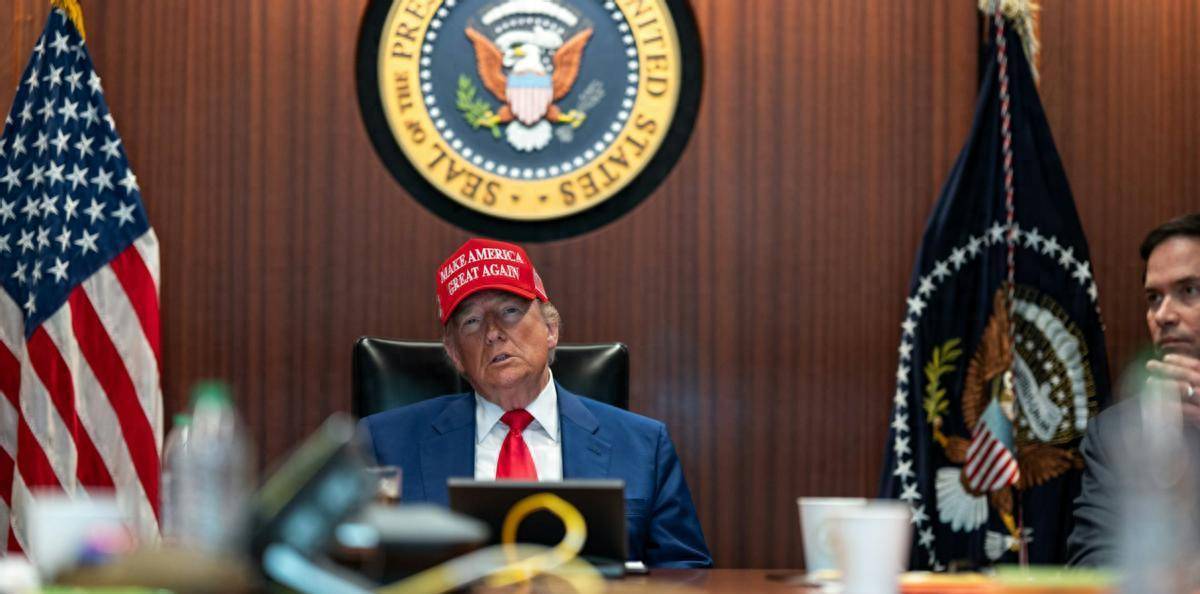
Core Viewpoint - Geopolitical factors are profoundly reshaping the global interest rate curve through a "security" premium, with the rise in long-term rates being a structural change driven by fiscal expansion for national security rather than simple cyclical fluctuations. High inflation-driven fiscal expansion has significantly weakened the traditional safe-haven characteristics of bonds. The macro narrative brought by Trump will continue to dominate asset price fluctuations ahead of the U.S. midterm elections, with RMB-denominated assets already showing "safe haven" attributes [4]. Group 1: Long-term Interest Rates - The synchronized rise in long-term interest rates across major economies is not merely driven by economic cycles but represents a structural shift under geopolitical fragmentation. Concerns over uncontrolled fiscal deficit expansion and tariff conflicts following Trump's "first hundred days" have led markets to reprice long-term inflation and sovereign credit risks [5]. Group 2: Pricing of Term Premium - The term premium is undergoing a paradigm shift, where national security, supply chain restructuring, and technological competition are replacing sovereign credit as the new anchor for long-term bond pricing. The "weaponization" of U.S. Treasuries has exposed the wave of "safety" for reserve assets, while competitive fiscal expansion, re-industrialization, and resource hoarding have completely disrupted the self-regulating supply-demand mechanism [6]. Group 3: Potential Disruption of Narratives - The current steepening of the interest rate curve began with Trump's inauguration on January 20, 2025, but the sustainability of this political momentum faces serious challenges from the midterm elections. If political momentum wanes, the "security premium" logic may weaken, leading to significant volatility in commodity and precious metal prices. However, narrative trading will still dominate the market in the first half of 2026, with caution advised for potential bidirectional fluctuations due to policy adjustments in the second half. In this context, RMB-denominated assets stand out as a "safe haven" due to robust fiscal discipline and stable currency value [7].

突然!美军,发动“致命打击”!发生了什么?
Xin Lang Cai Jing· 2026-02-10 14:55
美军南方司令部在帖文中附有一段11秒的视频,显示美军对一艘在海上行驶的船只进行打击,船只发生 巨大爆炸。 美军突然发动"致命打击"。 当地时间2月9日,美军南方司令部称,当天在太平洋东部对一艘"贩毒船"实施"致命打击",打死船上2 人,有1名幸存者。视频显示,美军对一艘在海上行驶的船只进行打击,船只发生巨大爆炸。 另据美媒报道,美国能源部长克里斯·赖特将很快前往委内瑞拉与该国领导人会面,就石油开采相关问 题展开讨论。赖特将是特朗普政府对委展开军事行动后访问该国的最高级别美国官员。赖特在受访时辩 称,特朗普政府展开军事行动的原因并不是看中了该国石油财富。 美军实施"致命打击" 2月10日,据新华社,当地时间2月9日,美军南方司令部称,当天在太平洋东部对一艘"贩毒船"实施"致 命打击",打死船上2人,有1名幸存者。 美军南方司令部在社交媒体上称,美军"南方之矛"联合特遣部队对一艘由"被认定的恐怖组织"运营的船 只实施"致命打击"。有情报显示,这艘船正"沿东太平洋已知的毒品走私路线航行,并从事毒品走私活 动"。此次行动打死船上2名"毒品恐怖分子",有1名幸存者。 然而,自美军突袭并抓捕马杜罗以来,美国总统特朗普多次 ...
突然!美军,发动“致命打击”!发生了什么?
券商中国· 2026-02-10 14:49
Group 1 - The U.S. military conducted a "lethal strike" against a drug trafficking boat in the eastern Pacific, resulting in the deaths of two individuals on board and one survivor [2][3] - The operation was part of the "Southern Strike" initiative, aimed at eliminating drug trafficking organizations in the Western Hemisphere, utilizing advanced military equipment such as MQ-9 drones and F-35 fighter jets [3] - Since September 2022, the U.S. military has carried out multiple strikes against alleged drug trafficking vessels, but has not provided evidence to substantiate claims of drug-related activities [3] Group 2 - U.S. Energy Secretary Chris Wright plans to visit Venezuela to discuss oil extraction issues, marking the highest-level visit by a U.S. official since military actions against the country [4][5] - Wright emphasized that the U.S. military actions were not primarily motivated by Venezuela's oil reserves, framing the situation as a geopolitical issue rather than an oil-driven conflict [5] - The visit comes amid scrutiny of the U.S. government's strategy regarding Venezuela, as it seeks to increase oil production while also engaging with former members of the Maduro government [6]

高盛首席执行官:贸易、通胀和地缘政治方面存在不确定性。
Xin Lang Cai Jing· 2026-02-10 13:20
Group 1 - The CEO of Goldman Sachs highlighted uncertainties in trade, inflation, and geopolitical factors [1]

特朗普签令取消印度关税,普京主动降价促销,中方趁势大量进口俄油
Sou Hu Cai Jing· 2026-02-10 07:51
Core Viewpoint - The U.S. aims to leverage trade policies to influence geopolitical dynamics, particularly by pressuring India to reduce its reliance on Russian oil, but India is likely to maintain its oil imports due to economic considerations [1][2][9]. Group 1: U.S. Trade Policy and India's Response - The U.S. has issued an executive order to eliminate a 25% additional tariff on Indian goods, contingent on India ceasing its purchases of Russian oil [1]. - India expresses gratitude for the tariff reduction but remains silent on the commitment to stop buying Russian oil, indicating a reluctance to sever ties with a crucial energy source [1][4]. - The Indian refining sector's dependency on Russian oil is deeply embedded, with several major refineries relying on it for cost-effective operations [1][6]. Group 2: Challenges of Alternative Oil Sources - The U.S. proposed Venezuelan oil as an alternative to Russian oil, but logistical challenges, high costs, and compatibility issues with existing refining infrastructure make it an impractical substitute [1][6]. - India's commitment to "reduce purchases" of Russian oil is likely a strategic maneuver to gain tariff benefits rather than a genuine shift away from Russian oil [1][4]. Group 3: Russia's Pricing Strategy - In response to potential declines in Indian demand, Russia has significantly reduced its oil prices, with discounts reaching nearly $9 per barrel against Brent crude, aiming to stabilize its market share, particularly in China [1][10]. - China's demand for Russian oil has surged, with record imports reported, as Chinese refiners capitalize on the low prices, enhancing their profit margins [1][10][14]. Group 4: Market Dynamics and Energy Security - The energy market operates on economic principles rather than political pressures, with companies prioritizing cost and reliability over geopolitical considerations [2][14]. - Both India and China are strategically maintaining diverse procurement channels to ensure energy security, avoiding over-reliance on any single source [11][14]. - The ongoing dynamics illustrate that energy trade is fundamentally a business transaction, where price and supply stability dictate purchasing decisions [10][14].
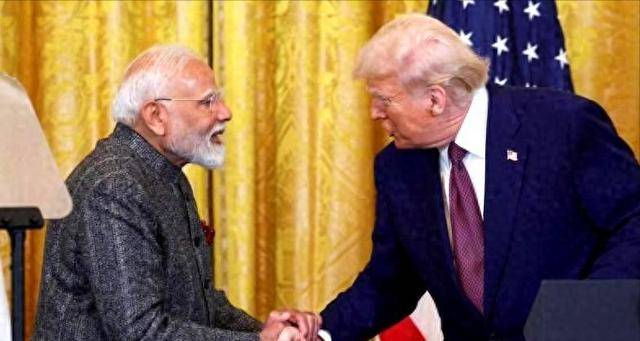
美印宣布达成临时贸易协议,双方闭口不谈俄罗斯石油问题,印度已偷偷停止采购?
Sou Hu Cai Jing· 2026-02-10 06:06
Core Viewpoint - The recent trade agreement framework between the US and India aims to promote bilateral trade through tariff reductions, with a notable commitment from India to stop importing Russian oil, although this topic was not explicitly mentioned in official statements [1][3]. Group 1: Trade Agreement and Energy Dynamics - The trade agreement is perceived as a win-win situation, but the underlying complexities regarding the commitment to cease Russian oil imports are significant [1]. - Despite high-level discussions about halting Russian oil purchases, Indian state-owned refineries have not fully stopped procurement, and private enterprises continue to maintain ties with Russia due to favorable pricing and energy security concerns [3]. - India, as the world's third-largest energy consumer, relies heavily on oil imports, with a projected need for 1.7 million barrels of Russian oil daily until 2025, making it challenging to comply with US pressures without incurring substantial economic losses [3]. Group 2: Balancing Relations and Future Energy Supply - India seeks to balance its relations between the US and Russia, maintaining its long-standing military and energy cooperation with Russia while facing US pressure [5]. - The trade agreement indicates that India plans to import $500 billion worth of goods from the US over the next five years, which may include energy supplies, but the transition to US oil is fraught with challenges [5]. - India aims to invest $100 billion in the oil and gas sector by 2030 and explore deep-sea resources to reduce external dependency, highlighting its strategic approach to energy security [5]. Group 3: Implications for Global Energy and Security - The evolving US-India relationship, marked by the trade agreement, signals potential for strategic cooperation in the face of common threats, yet the issue of Russian oil will continue to be a contentious topic [7]. - Energy remains a core issue in both economic interests and national security, with India's role in the global energy landscape becoming increasingly significant [7]. - The future of US-India energy cooperation and strategic stability will be influenced by various factors, impacting not only bilateral relations but also the broader global economic and security environment [7].
全球金属新格局:美加速矿产储备,中国稀土影响市场
Sou Hu Cai Jing· 2026-02-10 04:37
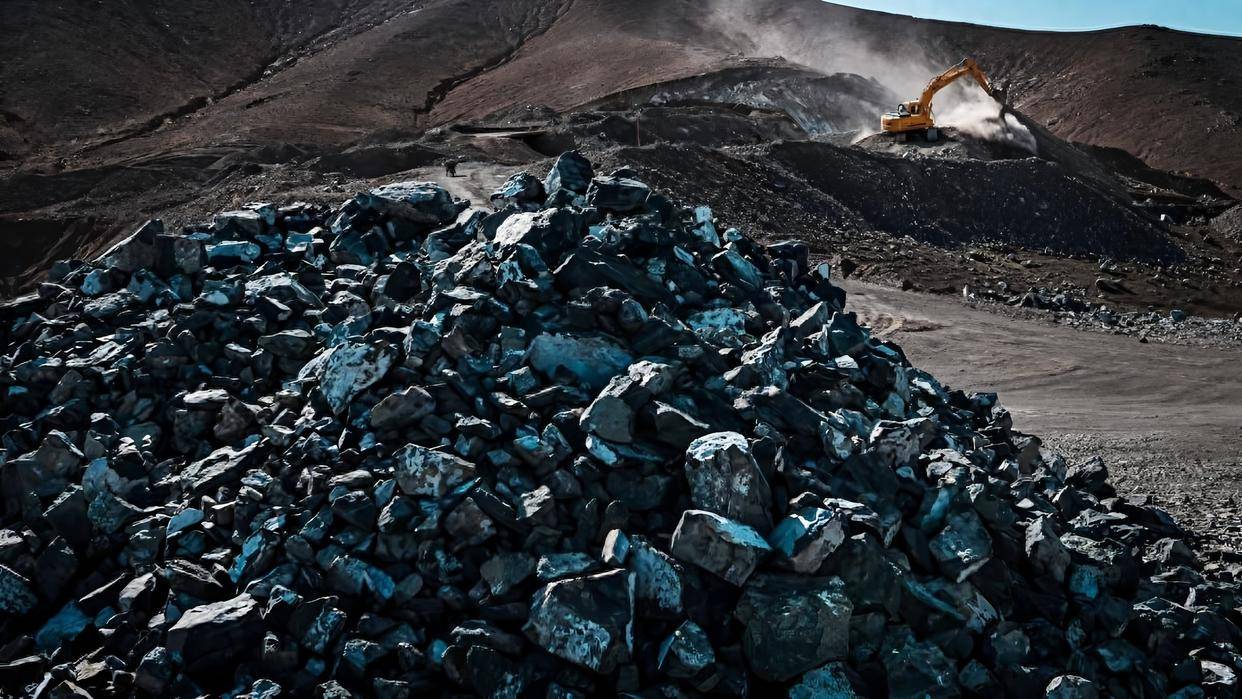
Group 1 - The Federal Reserve Chairman Jerome Powell received a criminal subpoena due to budget overruns on office renovations, indicating potential political tensions regarding his monetary policy [1] - Concurrently, China has reduced its holdings of U.S. Treasury bonds to levels not seen in over a decade, suggesting a strategic shift in financial relations [3] - The dynamics of economic decision-making have shifted from traditional market forces to geopolitical influences, with military and diplomatic leaders now playing a significant role in determining prices and resource allocation [4] Group 2 - The U.S. is stockpiling "war metals" such as cobalt, antimony, tantalum, and scandium, which are critical for modern weaponry, due to domestic shortages and reliance on foreign imports [6][8] - The U.S. Department of Defense is attempting to establish a rare earth reserve to reduce dependence on China, but faces significant technological and cost challenges [11][12] - The market for rare earths is manipulated, with prices kept low to prevent new entrants, benefiting companies like MP Materials that have secured government contracts at favorable rates [16][19] Group 3 - The imposition of tariffs on Chinese permanent magnets is intended to protect U.S. manufacturing, but it creates a cost burden on American companies that cannot produce these components in the short term [20][21] - The current geopolitical climate resembles the Cold War era, where resource prices are driven by military competition rather than industrial demand [24][25] - The global supply chain is evolving into a strategic battleground, with countries leveraging their resources as hard currency and imposing export taxes [30] Group 4 - The overarching logic of great power competition has shifted from profitability and efficiency to control over resources and strategic assets [33] - The current environment emphasizes security and self-sufficiency over cooperation, marking the beginning of a new era in international relations [33]

光大期货能化商品日报-20260210
Guang Da Qi Huo· 2026-02-10 03:51
1. Report Industry Investment Rating No relevant information provided. 2. Core Viewpoints of the Report - Crude oil prices are expected to fluctuate in the short - term due to repeated geopolitical factors between the US and Iran and EU sanctions targeting third - country ports, which bring uncertainties to the supply side [1]. - Fuel oil prices are likely to oscillate. The low - sulfur fuel oil market in Singapore is under pressure in the short - term but may improve in March. The high - sulfur fuel oil market is strengthening. Both are affected by geopolitical situations and crude oil costs [3]. - Asphalt market shows a pattern of weak supply and demand. The price follows the cost - side oil price but may be volatile after the US - Iran negotiation, so light positions are recommended before the Spring Festival [3]. - Polyester prices are expected to fluctuate. PX and PTA prices may follow the cost and weaken, while ethylene glycol prices are expected to oscillate at a low level [3][5]. - Rubber prices are predicted to maintain an oscillating trend due to the weak supply - demand fundamentals and a slight increase in port inventory [5]. - Methanol prices are likely to have a narrow - range fluctuation. The decrease in Iranian shipments in February will support the price, but the slow destocking speed at ports and the approaching Spring Festival will limit the price movement [6]. - Polyolefin prices are expected to oscillate narrowly. With the end of downstream enterprise restocking and the approaching Spring Festival, the market trading activity will decline [6]. - PVC prices are expected to maintain a bottom - oscillating trend. Although the supply is high and domestic demand is slowing, the export tax - refund policy before April 1 will provide short - term support [7]. 3. Summary by Directory 3.1 Research Views - **Crude Oil**: On Monday, WTI March contract closed at $64.36/barrel, up $0.81 or 1.27%; Brent April contract closed at $69.04/barrel, up $0.99 or 1.45%; SC2604 closed at 475.2 yuan/barrel, up 9.2 yuan or 1.97%. OPEC's January oil production decreased by 60,000 barrels per day to 28.34 million barrels per day, with Nigeria having the largest decline. The EU plans to expand sanctions on Russia to ports in Georgia and Indonesia. The short - term oil price will oscillate due to geopolitical factors [1]. - **Fuel Oil**: On Monday, the main fuel oil contract FU2605 on the Shanghai Futures Exchange closed down 0.5% at 2,794 yuan/ton, and the low - sulfur fuel oil contract LU2604 closed down 1.22% at 3,248 yuan/ton. The short - term supply is sufficient, and the expected increase in arbitrage cargoes from the Western market in February will put pressure on the Singapore low - sulfur market. However, the inflow of arbitrage cargoes in March is expected to decrease. The high - sulfur fuel oil market is strengthening [3]. - **Asphalt**: On Monday, the main asphalt contract BU2603 on the Shanghai Futures Exchange closed down 0.98% at 3,334 yuan/ton. The supply is stable, and the port inventory of diluted asphalt has increased. The demand has basically ended before the Spring Festival. The market shows a pattern of weak supply and demand, and the price follows the cost - side oil price [3]. - **Polyester**: TA605 closed at 5,192 yuan/ton, up 0.5% on the previous day; EG2605 closed at 3,739 yuan/ton, down 0.11%. The PX futures main contract 605 closed at 7,290 yuan/ton, up 0.39%. The polyester load is weakening, and the near - term performance is under pressure, while the far - month is expected to be strong [3][5]. - **Rubber**: On Monday, the main rubber contract RU2605 rose 165 yuan/ton to 16,245 yuan/ton, and the NR main contract rose 100 yuan/ton to 13,150 yuan/ton. The cost - side raw material prices are supported by stocking, and the supply - demand fundamentals are weak with a slight increase in port inventory [5]. - **Methanol**: On Monday, the Taicang spot price was 2,205 yuan/ton. The domestic supply is at a high - level oscillation, and the Iranian supply is low. The load of the Ningbo Fude MTO device will gradually increase, and there is rigid demand support. The decrease in Iranian shipments in February will support the price, but the destocking speed at ports will be slow [6]. - **Polyolefins**: On Monday, the mainstream price of East China拉丝 was 6,530 - 6,750 yuan/ton. The upstream production is at a high level, and the downstream factories will gradually stop production. The downstream restocking is basically over, and the polyolefins will start to accumulate inventory, so there is pressure for the price to rise [6]. - **Polyvinyl Chloride (PVC)**: On Monday, the price in the East China PVC market was stable, and the price in the South China market rose slightly. The domestic real - estate construction is slowing down before the Spring Festival, and the demand for pipes and profiles is decreasing. The supply is at a high - level oscillation, and the export policy will provide short - term support [7]. 3.2 Daily Data Monitoring - The report provides the basis price, basis rate, price changes of spot and futures, and the quantile of the latest basis rate in historical data for multiple energy - chemical products, including crude oil, liquefied petroleum gas, asphalt, fuel oil, etc. [8] 3.3 Market News - On February 9, the US issued a new guide for merchant ships passing through the Strait of Hormuz, advising US - flagged ships to stay away from Iranian territorial waters and not to resist if boarded by the Iranian military [11]. - According to traders and shipping data, Russian oil tankers are increasingly listing Singapore as the official destination, but Singapore does not import Russian crude oil, and its offshore waters are often used for ship - to - ship transfers [11]. 3.4 Chart Analysis - **4.1 Main Contract Prices**: The report presents the closing price charts of main contracts for various energy - chemical products such as crude oil, fuel oil, low - sulfur fuel oil, asphalt, etc., from 2022 to 2026 [13][15][17][19][21][24][26][28]. - **4.2 Main Contract Basis**: It shows the basis charts of main contracts for multiple products, including crude oil, fuel oil, low - sulfur fuel oil, etc. [31][36][37][38][40][41]. - **4.3 Inter - period Contract Spreads**: The report provides the spread charts between different contracts for fuel oil, asphalt, PTA, ethylene glycol, etc. [43][45][48][51][53][55][57]. - **4.4 Inter - variety Spreads**: It includes the spread and ratio charts between different varieties, such as crude oil internal and external markets, fuel oil high - low sulfur, BU/SC ratio, etc. [59][62][64]. - **4.5 Production Profits**: The report shows the production profit charts for LLDPE, PP, PTA, and the cash - flow chart for ethylene - based ethylene glycol [64][66]. 3.5 Team Member Introduction - **Zhong Meiyan**: Deputy Director of Everbright Futures Research Institute, with over a decade of experience in the futures derivatives market, has won multiple awards and provides risk management and investment strategies for many enterprises [70]. - **Du Bingqin**: Energy and Chemical Research Director of Everbright Futures Research Institute, with in - depth research on the energy industry chain, has won many awards and is often interviewed by the media [71]. - **Di Yilin**: Rubber and Polyester Analyst of Everbright Futures Research Institute, mainly engaged in the research of rubber and polyester - related futures varieties, has won several awards and published views in many media [72]. - **Peng Haibo**: Methanol, Propylene, Pure Benzene, Polyolefin, and PVC Analyst of Everbright Futures Research Institute, with experience in the energy - chemical spot - futures trading and CFA Level 3 certification [73].