价格战

Search documents
【雷军称反内卷不打价格战】6月3日讯,小米集团创始人、董事长兼CEO雷军在小米投资者大会上表示,反内卷不打价格战,很快做汽车芯片。雷军提到,YU7价格标准版不会只是比SU7标准版高2万;今年Q3-Q4汽车、芯片等新业务有望打平盈利。
news flash· 2025-06-03 08:20
金十数据6月3日讯,小米集团创始人、董事长兼CEO雷军在小米投资者大会上表示,反内卷不打价格 战,很快做汽车芯片。雷军提到,YU7价格标准版不会只是比SU7标准版高2万;今年Q3-Q4汽车、芯片 等新业务有望打平盈利。 (贝壳财经) 雷军称反内卷不打价格战 ...

车企要敢于向“内卷式”竞争说不
中汽协会数据· 2025-06-03 07:04
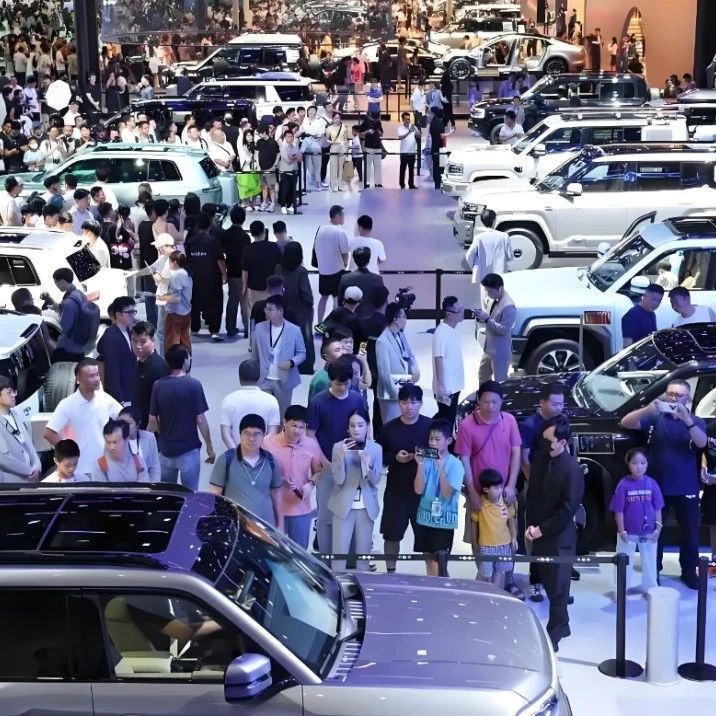
中国汽车工业协会在 《关于维护公平竞争秩序,促进行业健康发展的倡议》 中指出,产品售后服务保 障、企业创新发展需要持续加大投入,而"价格战"严重影响企业正常经营,冲击产业链供应链安全,把 产业发展带入恶性循环。无序"价格战"加剧恶性竞争,将进一步挤压企业利润空间,不仅阻碍行业自身 健康发展,也将危害消费者权益并带来安全隐患。 近期,多家汽车企业发起新一轮大范围降价。对此,应该如何看待? 中国汽车技术研究中心有限公司董事长安铁成说,当前中国汽车产业正处于电动化、智能化、低碳化、 国际化转型的关键时期,前沿领域缺乏成熟经验可遵循,技术路线多、研发投入大、回报风险高,需要 全行业协同推进技术创新和产业生态建设,才有望实现中国汽车产业的焕新升级和国际引领。此 时,"内卷式"竞争容易导致经营恶化,破坏创新投入可持续性甚至引发产品和服务质量下滑,长此以往 将诱发企业经营和品牌危机。 针对5月23日以来部分车企率先发起大幅降价活动,中国汽车工业协会日前发布倡议呼吁,希望全 行业同心协力,共同维护公平竞争秩序,促进行业健康、可持续发展。 日前,在广东省深圳市深圳国际会展中心(宝安),观众在二〇二五粤港澳大湾区车展上参观。新华 ...

全国工商联汽车经销商商会倡议:坚决抵制以“价格战”为主要形式的“内卷式”竞争行为
news flash· 2025-06-03 03:19
4、优化商务政策。合理制定经销商考核指标,慎用罚款手段,不以考核为手段胁迫经销商完成相应指 标任务。 全国工商联汽车经销商商会倡议:坚决抵制以"价格战"为主要形式的"内卷式"竞争行为 智通财经6月3日电,全国工商联汽车经销商商会公告称,在当前行业市场形势影响下,汽车经销行业受 到严重影响和冲击,面临经营压力加大、盈利能力降低、车辆库存偏高、流动资金紧张等一系列问题, 对行业持续、健康发展带来严重影响。特别是今年二季度以来,在新一轮"价格战"等影响下,广大汽车 经销商面临的形势更加严峻。为维护良好、健康、公平的市场竞争秩序,推动包括汽车经销行业在内的 汽车行业高质量发展,全国工商联汽车经销商商会提出以下倡议: 5、完善退网机制。不得以优化网络渠道名义胁迫经销商退网闭店,对确需退网闭店的经销商应给予相 应补偿。 1、全行业应以中国汽车产业实现高质量发展大局为重,严格遵守公平竞争原则,坚决抵制以"价格 战"为主要形式的"内卷式"竞争行为。 2、关注品牌形象。防止因频繁调整销售政策和产品销售价格,增加经销商销售难度,影响品牌在消费 者中的形象。 3、改善汽车经销商的生存状况。坚持以销定产,合理制定企业年度生产目标和经 ...
财联社汽车早报【6月3日】
Xin Lang Cai Jing· 2025-06-03 02:55
Group 1: Industry Overview - The Ministry of Industry and Information Technology (MIIT) of China will intensify efforts to regulate "involutionary" competition in the automotive industry, aiming to maintain a fair and orderly market environment [1] - The MIIT supports the initiative from the China Automobile Industry Association to promote healthy industry development and will implement necessary regulatory measures [1] - The ministry emphasizes that chaotic "price wars" are a typical manifestation of "involutionary" competition, which harms product quality and consumer rights, threatening the sustainable development of the industry [1] Group 2: New Energy Vehicle (NEV) Sales Data - In May 2025, BYD reported NEV sales of 382,500 units, with a production volume of 349,800 units [7] - Geely's May sales reached 235,208 units, a year-on-year increase of 46%, with NEV sales accounting for 59% of total sales [7] - SAIC Group's NEV sales in May grew by 50.30% year-on-year, totaling 124,575 units [8] - Chery Group sold 205,732 vehicles in May, a 9.1% increase year-on-year, with NEV sales up 47.7% [10] - Great Wall Motors reported May sales of 102,231 units, an 11.78% year-on-year increase, with NEV sales of 32,638 units [12] Group 3: New Entrants and Market Dynamics - In May 2025, new energy vehicle startups like Leap Motor, Li Auto, Xpeng, and NIO reported varying delivery figures, with Leap Motor leading the delivery rankings for three consecutive months [2][3] - New brands such as Hongmeng Zhixing and Xiaomi's automotive division also reported significant delivery increases in May, indicating a collective rise in the new energy vehicle market [4][5] - The automotive market is expected to improve due to rising consumer confidence driven by seasonal promotions and new vehicle launches [6] Group 4: Competitive Landscape - Tesla's sales in France plummeted by 67% in May, marking the lowest registration figures since July 2022, despite the launch of a redesigned Model Y [17] - The competitive landscape is characterized by a shift towards technological innovation and brand differentiation as companies seek to escape the "involution" trap [14]

时报观察丨跳出价格战“囚徒困境” 车企责无旁贷
证券时报· 2025-06-03 00:14
这种困境并非没有先例。上世纪90年代,中国家电行业曾爆发惨烈的价格战,若干头部品牌通过大幅降价抢占 市场,短期内销量激增,但最终导致全行业利润率暴跌,许多企业因资金链断裂而倒闭。同样,摩托车行业在 2000年左右的价格混战,使得原本技术领先的企业被迫缩减研发投入,出口竞争力减弱。这些教训表明,过度 打价格消耗战的市场策略,最终损害的是整个产业的可持续发展能力。 中汽协和工信部的发声是重要信号,但还需配套监管措施,如加强反不正当竞争执法、设定合理定价指导区间 等。头部企业自身的约束和担当也至关重要。正如中汽协在倡议中所言,优势企业不应垄断市场,挤压其他主 体生存空间。 当前,中国汽车产业正处于从"量变"到"质变"的关键阶段,价格战或许能带来短期销量增长,但长远来看,它 透支的是行业的创新力、品牌的溢价能力和消费者的信任。 中国新能源汽车产业的崛起,依靠的是一大批具有前瞻眼光的龙头车企的坚定投入、持续研发。在当前激烈的 竞争环境下,行业整体亟需跳出"囚徒困境",继续保持这种对市场、对产业未来趋势的前瞻性、敏锐性,将目 光放长远。这既是产业担当,也是责任所在。 责编:李丹 校对: 陶谦 行业整体亟需跳出"囚徒困境" ...
增程车型支撑 4万辆月销阵营持续扩容
Zhong Guo Zheng Quan Bao· 2025-06-02 20:47
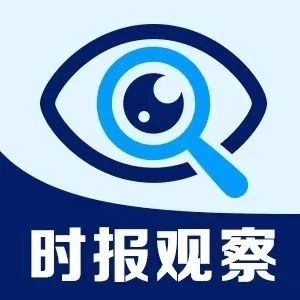
Summary of Key Points Core Viewpoint - In May, domestic new energy vehicle manufacturers reported significant sales growth, with most companies achieving both year-on-year and month-on-month increases, highlighting the competitive landscape in the industry. Group 1: Sales Performance - Leap Motor led the new energy vehicle sector with a record delivery of 45,067 units in May, marking a year-on-year increase of over 148% and securing the top position for three consecutive months [2] - Li Auto delivered 40,856 units in May, reflecting a year-on-year growth of 16.7% and a month-on-month increase of 20.4%, ranking second among new energy vehicle manufacturers [2] - Aito's brand, under Huawei's HarmonyOS, delivered over 36,600 units in May, regaining the third position in the sales ranking [3] Group 2: Market Dynamics - The sales of new energy vehicles are increasingly supported by range-extended models, which are seen as a solution to range anxiety amid current battery technology limitations [1][2] - The competitive landscape is intensifying, with a monthly sales threshold of 20,000 units becoming a benchmark for new energy brands, while leading players are vying for sales above 40,000 units [1] Group 3: Strategic Initiatives - Leap Motor introduced a price reduction strategy during the Dragon Boat Festival, with significant discounts on its range-extended models [2] - Li Auto's sales growth was bolstered by the upgrade of its L series models and the implementation of a "Hundred Cities Star Plan" to expand its market reach [2] - The automotive market is experiencing a shift from traditional seasonal downturns to increased competition, driven by promotional activities and a focus on inventory clearance [5] Group 4: Financial Performance and Industry Trends - The financial performance of A-share automotive companies showed overall improvement in Q1, but significant disparities in net profit were noted, with leading companies dominating revenue and profit shares [5] - The industry is facing pressures from price competition and the transition to new energy, which may lead to further consolidation and restructuring within the market [5]


“价格战”影响多大?理想成绩“不理想”
第一财经· 2025-06-02 13:39
2025.06. 02 本文字数:2355,阅读时长大约4分钟 作者 | 第一财经 李隽 短短两年时间内,不断推迟公布财报披露时间,单车平均净利润不断下滑,理想汽车(02015.HK) 给到投资者"并不理想"的趋势印象。 财务数据显示,2023年第一季度一度实现单车平均净利润1.78万元的理想汽车,两年间的这个数据 就一下子堕落到2025年第一季度的不到0.7万元/辆,单车利润降逾六成。 有业内人士认为,整车"价格战"影响着行业内每一家企业的财务报表,而对理想汽车来说,也包括了 L6等中低价产品销售占比上升的影响,增程技术路线能实现盈利,也有越来越多车企加入,"护城 河"并不深。 迟来的财报 相比2023年5月10日就公布一季报,这一次理想汽车的一季报在5月29日晚间才公布,来得比以往晚 了近20天。 理想汽车公布的2025年第一季度财报显示,公司前三月实现营业收入259.3亿元,同比增长1.1%;净 利润为6.46亿元,同比增长9.4%。一季度,理想汽车交付量为9.3万辆,同比增长16%。 2024年5月20日,理想汽车公布的2024年一季报显示,当季交付量8.04万辆,收入总额256亿元,较 2023年第 ...
重拳整治内卷式竞争,多部门就无序价格战密集发声
Di Yi Cai Jing· 2025-06-02 13:22
Core Viewpoint - Comprehensive rectification of involution-style competition is a key measure to address current economic development contradictions [1][2][4] Group 1: Industry Response - Regulatory authorities are intensifying efforts to rectify involution-style competition in the automotive industry and platform enterprises [1][2] - The China Automotive Industry Association (CAAM) has issued an initiative to maintain fair competition and promote healthy industry development [1][2] - The Ministry of Industry and Information Technology (MIIT) supports CAAM's initiative and plans to enhance the rectification of involution-style competition in the automotive sector [1][2] Group 2: Economic Impact - The automotive industry's profit margin is projected to decline to 4.3% in 2024 and further to 3.9% in the first quarter of 2025, below the manufacturing average [2] - Continuous price wars are leading to a decrease in product quality and service levels, posing risks to consumer safety and weakening the industry's internal growth momentum [2][3] Group 3: Proposed Solutions - CAAM has proposed four initiatives to ensure fair competition, including compliance with laws and regulations, avoiding market monopolization, and conducting self-inspections [4][5] - Experts suggest that the government should strengthen top-level design and guide the industry towards innovation-driven competition rather than price competition [5][6] Group 4: Regulatory Measures - The government may implement stricter penalties for violations of laws and regulations within the industry, focusing on issues like overdue payments to component suppliers [6][7] - Multiple departments are collaborating to address involution-style competition and promote effective competition, technological innovation, and industry upgrades [7][8] Group 5: Market Dynamics - The current involution-style competition is particularly prevalent in emerging industries closely related to new energy and those with high external dependencies [7][9] - The solar industry is experiencing significant price declines, with components dropping to around 0.6 yuan per watt, leading to a rapid reshuffling of companies [7][9]
从小开到大,“限时一口价”!头部合资车企放大招
Zhong Guo Ji Jin Bao· 2025-06-02 12:37
Core Viewpoint - SAIC Volkswagen has launched a "limited-time fixed price + lifetime warranty" car purchase campaign, marking its entry into the price reduction trend in the automotive market [1][3][4]. Group 1: Company Actions - The campaign covers several fuel SUV models including TAYRON, NEW TAYRON, TIGUAN L, TIGUAN L Pro, TAYRON X, and TAYRON Pro, running from May 31 to June 30 [1][3]. - The starting prices for the models are as follows: TAYRON at 79,900 yuan, NEW TAYRON at 109,900 yuan, TIGUAN L at 142,900 yuan, TIGUAN L Pro at 192,900 yuan, TAYRON X at 249,900 yuan, and TAYRON Pro at 269,900 yuan [8]. - The campaign includes trade-in subsidies of 8,000 yuan for limited license cities and 6,000 yuan for non-limited license cities, along with options for cash vouchers or maintenance coupons [8]. Group 2: Market Context - Several domestic car manufacturers have initiated similar "limited-time fixed price" and "billion-dollar subsidy" campaigns, but SAIC Volkswagen is the first joint venture to join this price reduction trend [3][9]. - The automotive market is currently experiencing a downturn, with SAIC Volkswagen's sales in May declining by 1.43% year-on-year to 88,700 units, and a cumulative decline of 7.14% to 399,400 units in the first five months [11][10]. - The China Association of Automobile Manufacturers has issued a statement advocating for fair competition and cautioning against price wars that could harm industry profitability [18].

端午假期要闻速览,本周全球市场大事不断
Wind万得· 2025-06-02 12:35
Group 1 - The article discusses the recent drone attacks on a military base in Siberia, marking a significant escalation in the conflict between Russia and Ukraine [1] - The U.S. Trade Representative's office has extended the exemption period for certain tariffs on China related to technology transfer and intellectual property until August 31, 2025 [2] - President Trump announced an increase in import tariffs on steel from 25% to 50%, effective June 4, 2025, which has drawn criticism from the EU and Canada [3] Group 2 - China's manufacturing PMI for May is reported at 49.5%, an increase of 0.5 percentage points from the previous month, indicating improved manufacturing sentiment [4] - Various regions in China are implementing measures to prevent the illegal outflow of strategic minerals, with specific actions taken by provinces like Guizhou and Hunan [5] - The Chinese automotive industry is experiencing a new round of price wars, prompting the Ministry of Industry and Information Technology to enhance regulatory measures to maintain fair competition [6][9] Group 3 - OPEC+ has decided to increase production by 411,000 barrels per day starting in July, marking the third consecutive month of production increases [11] - Hong Kong has officially enacted the Stablecoin Ordinance, establishing a licensing framework for issuers of fiat-backed stablecoins, aimed at promoting financial innovation while ensuring stability [12] - Major adjustments to multiple A-share indices will take effect on June 16, 2025, with significant changes in sample stocks for indices like the CSI 300 and CSI 500 [13] Group 4 - Huawei has made significant advancements in AI, launching a new model with 718 billion parameters, showcasing its capabilities in large-scale model training [14] - CATL will be included in the MSCI China Standard and Large Cap Index starting June 2, 2025, reflecting its growing significance in the market [15]