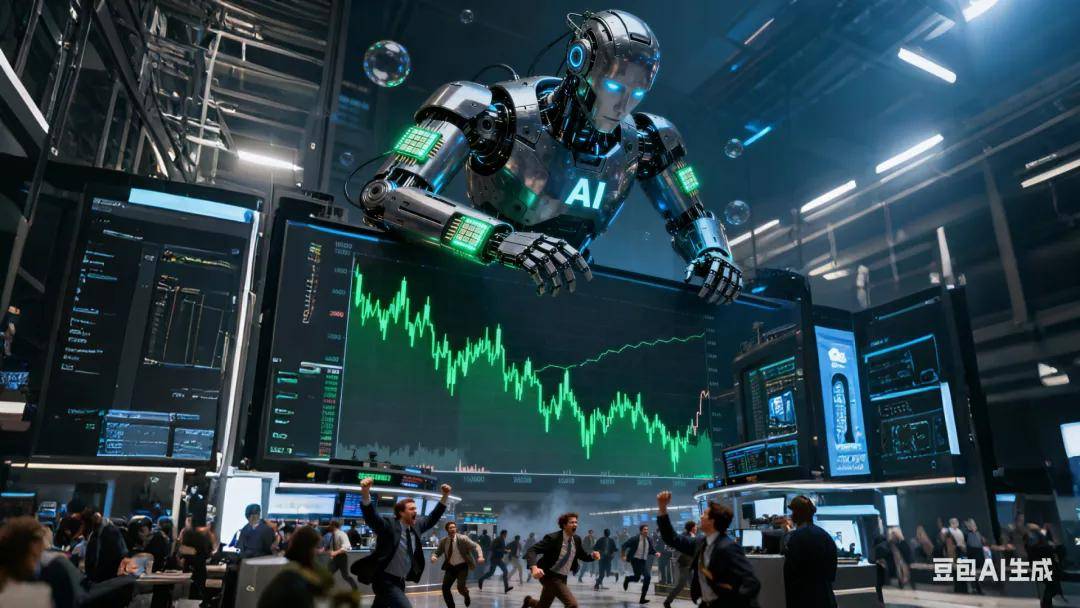
AI泡沫

Search documents
商品期货早班车-20251126
Zhao Shang Qi Huo· 2025-11-26 02:07
1. Report Industry Investment Rating There is no information about the industry investment rating in the report. 2. Core Viewpoints of the Report The report provides market analysis and trading strategies for various commodity futures, including precious metals, base metals, black industries, agricultural products, and energy chemicals. It analyzes the market performance, fundamentals, and supply - demand situations of each commodity and gives corresponding trading suggestions based on these factors. 3. Summary by Commodity Categories Precious Metals - **Gold**: Market price oscillated on Tuesday, with London gold blocked at $4150. Weak US economic data increased rate - cut expectations. Domestic gold ETFs continued to see inflows. Suggest buying at the lower support level [2]. - **Silver**: Supply tightness gradually eased. Suggest gradually reducing long positions [2]. Base Metals - **Copper**: Price rose and then fell. December rate - cut is likely, and the market discussed the possibility of a dovish official becoming the next Fed Chair. Consider an oscillating and slightly bullish approach [3]. - **Aluminum**: The main contract price rose by 0.40% to 21,465 yuan/ton. Supply increased slightly, and demand was stable. Expected to maintain oscillating adjustment [3]. - **Alumina**: The main contract price fell by 0.33% to 2,727 yuan/ton. Supply had narrow fluctuations, and demand was high. Expected to show an oscillating and slightly bearish trend before large - scale production cuts [3]. - **Industrial Silicon**: The main 01 contract price rose by 0.22% to 8,960 yuan/ton. Supply might decline in November, and demand was supported. The price was expected to move between 8,600 - 9,400 yuan/ton. Suggest waiting and watching [4]. - **Lithium Carbonate**: The LC2605 contract price rose by 5.76% to 97,340 yuan/ton. Supply was high, and demand increased. Expected to be oscillating and slightly bullish in the short - term. Pay attention to inventory data [4]. - **Polycrystalline Silicon**: The main 01 contract price rose by 2.65% to 54,730 yuan/ton. Supply decreased slightly, and demand was weak. Near - month prices were anchored to the spot range. Suggest waiting and watching [4]. - **Tin**: Price was oscillating and slightly bullish. December rate - cut was likely. Supply was tight, and demand was on - demand. Consider an oscillating and slightly bullish approach [4]. Black Industry - **Rebar**: The main 2601 contract price rose to 3,097 yuan/ton. Inventory decreased, and supply - demand was weak. Suggest leaving the market and waiting. The reference range for RB01 is 3,060 - 3,110 yuan/ton [5]. - **Iron Ore**: The main 2601 contract price rose to 795.5 yuan/ton. Supply - demand was weakening. Suggest leaving the market and waiting. The reference range for I01 is 780 - 800 yuan/ton [5]. - **Coking Coal**: The main 2601 contract price fell to 1,067 yuan/ton. Supply - demand was weakening. Suggest leaving the market and waiting. The reference range for JM01 is 1,050 - 1,100 yuan/ton [5]. Agricultural Products - **Soybean Meal**: CBOT soybean prices rose slightly. Supply was contracting in the near - term and expected to be large in the long - term. Demand for US soybean crushing was strong. US soybeans were expected to be oscillating, and the domestic market's medium - term trend depends on tariff policies and production [6]. - **Corn**: Futures prices were oscillating and slightly bullish. Supply was delayed due to weather, and demand was strong. However, new production was expected to increase. Suggest waiting and watching [6]. - **Eggs**: Futures prices oscillated narrowly. Supply pressure decreased, and short - term prices were slightly bullish but with limited sustainability. Expected to oscillate [7]. - **Vegetable Oils**: Palm oil prices fell. Supply was high, and demand was weak. Pay attention to production and bio - diesel policies [7]. - **Sugar**: The 01 contract price rose slightly. International prices might bottom - out in the long - term, and domestic pressure was high. Suggest shorting futures and selling call options [7]. - **Cotton**: US cotton prices rebounded, and domestic prices rose. Suggest buying at low prices, with a strategy in the 13,500 - 13,800 yuan/ton range [7]. - **Pigs**: Futures prices were weaker in the near - term. Supply was abundant, and demand might increase seasonally. Expected to be oscillating and slightly bearish [7]. Energy Chemicals - **LLDPE**: Price fell slightly. Supply pressure was rising but at a slower pace, and demand was weak. Expected to be oscillating and slightly bearish in the short - term and supply - demand to be loose in the long - term. Suggest shorting at high prices [8][9]. - **PTA**: PX supply was high, and PTA supply decreased in the short - term. PX was expected to be bullish in the long - term, and short - term PTA supply - demand improved. Suggest taking profits on long PX and short PTA processing - fee positions [9]. - **Rubber**: Price fell by 0.85%. Inventory increased. Expected to maintain a wide - range oscillation [9]. - **PP**: Price fell slightly. Supply increased, and demand was stable. Expected to be oscillating and slightly bearish in the short - term and supply - demand to be loose in the long - term. Suggest shorting at high prices [9]. - **MEG**: Supply was high, and inventory increased. Suggest shorting at high prices for the 01 contract and taking partial profits [10]. - **Crude Oil**: Price fell sharply. Supply pressure was large, and demand was in the off - season. Suggest holding short positions [10]. - **Styrene**: Price oscillated slightly. Supply - demand improved in the short - term but might weaken later. Expected to oscillate, with upside limited by the import window [10].
英伟达“市值神话”被谷歌击穿
Di Yi Cai Jing Zi Xun· 2025-11-26 01:41
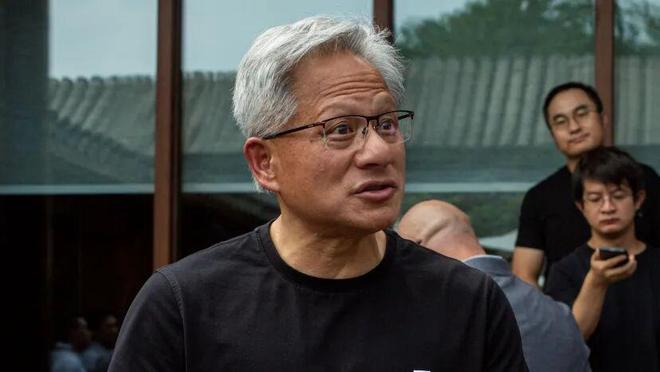
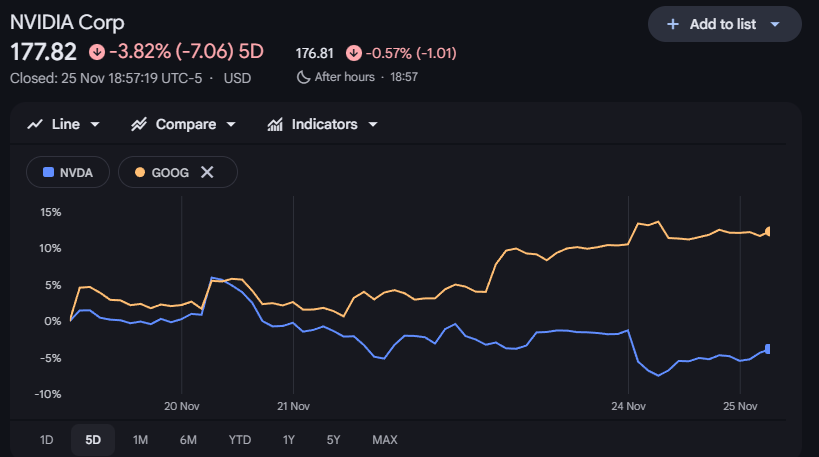
2025.11.26 本文字数:2411,阅读时长大约1分钟 作者 |第一财经 郑栩彤 在一周前的内部会议上,英伟达首席执行官黄仁勋坦言,尽管公司交出了"令人难以置信的"成绩单,但 市场对英伟达的预期已经高到令公司陷入某种"无赢局面"。他直言:"如果我们交出糟糕的季报,哪怕 只是差一点点,看起来有一点点不稳,整个世界就会崩溃。" 这样的预言正在成为现实。尽管交出了超出市场预期的财报,但在谷歌发布Gemini 3后,市场的风向开 始转变。谷歌的这一模型采用的是自研TPU进,而不是英伟达GPU,更重要的是,业内认为其已经"超 越"了OpenAI的GPT模型。 11月25日美股盘中,英伟达股价一度重挫逾7%,市值瞬间蒸发近3500亿美元,虽随后跌幅收窄,但最 终仍收跌2.59%,收盘价177.82美元,创两个多月收盘新低。英伟达曾在10月29日触及212美元/股的历 史高点,当时总市值达到5.15万亿美元,不过目前其股价较该历史高点已跌去约16%,市值蒸发超8000 亿美元。 英伟达紧急发声 当天,英伟达官方罕见对外发文,称该公司技术依然领先行业一代,是唯一能够运行所有人工智能 (AI)模型并应用于所有计算场景的平 ...


英伟达“市值神话”被谷歌击穿
第一财经· 2025-11-26 01:35
2025.11. 26 当天,英伟达官方罕见对外发文,称该公司技术依然领先行业一代,是唯一能够运行所有人工智能 (AI)模型并应用于所有计算场景的平台。分析认为,英伟达此举是为了回应华尔街对该公司在AI 基础设施领域主导地位可能受到谷歌芯片威胁的担忧。 英伟达在社交平台X上发文称:"我们对谷歌的成功感到高兴,他们在人工智能方面取得了巨大进 展,而我们也将继续向谷歌供货。英伟达领先行业整整一代——是唯一一个能运行所有AI模型、并 在所有计算场景中部署的平台。" 英伟达补充道:"与专为特定AI框架或功能设计的ASIC(专用集成电路)芯片相比,英伟达提供更高 的性能、更强的通用性以及更好的可替代性。" 本文字数:2411,阅读时长大约1分钟 作者 | 第一财经 郑栩彤 在一周前的内部会议上,英伟达首席执行官黄仁勋坦言,尽管公司交出了"令人难以置信的"成绩单, 但市场对英伟达的预期已经高到令公司陷入某种"无赢局面"。他直言:"如果我们交出糟糕的季报, 哪怕只是差一点点,看起来有一点点不稳,整个世界就会崩溃。" 这样的预言正在成为现实。尽管交出了超出市场预期的财报,但在谷歌发布Gemini 3后,市场的风 向开始转变。 ...
英伟达有点慌了?
华尔街见闻· 2025-11-26 01:07
Core Viewpoint - Nvidia is responding to competitive pressures and short-seller criticisms through unusual public and private actions, which may indicate a lack of confidence rather than quell investor concerns [2][12]. Group 1: Market Response - Nvidia's stock fell approximately 2.6% to a new closing low in over two months after a drop of more than 7% during trading, while Alphabet's stock rose 1.6%, nearing a market capitalization of $4 trillion [2]. - Nvidia's unusual communication strategy, including a public post on social media and a private memo to analysts, has been interpreted as a sign of insecurity, as a leading company typically does not need to respond to every market noise [4][11]. Group 2: Competitive Landscape - Nvidia's market share in AI chips exceeds 90%, but concerns arise as major clients like Meta consider adopting Google's custom AI chips, Tensor Processing Units (TPUs), which could indicate a weakening of Nvidia's competitive moat [7]. - Google has stated that both its TPUs and Nvidia's GPUs are experiencing growing demand, highlighting a trend among large tech companies to diversify their AI infrastructure suppliers, which is a concern for Nvidia investors [7]. Group 3: Internal Communications - Nvidia distributed a seven-page memo to Wall Street analysts to counter criticisms from notable investors like Michael Burry, who likened the current AI hype to the late 1990s internet bubble [4][8]. - The memo addressed key points raised by critics, including accounting practices, equipment depreciation, and allegations of circular financing, asserting that Nvidia's business is fundamentally sound and transparent [9][10]. Group 4: Analyst Perspectives - Analysts have noted that Nvidia's defensive actions may backfire, as a confident leader would typically let performance and products speak for themselves rather than engage in extensive rebuttals [11]. - The perception of Nvidia as "stuck" in its responses has heightened existing fears regarding uncontrolled investments in AI, increased competition, and concerns over alleged circular financing [11][12].


AI第一股双雄竞速,MiniMax与智谱清言谁能率先突围?
3 6 Ke· 2025-11-26 00:46
Core Insights - The competition in the AI large model sector has evolved from a purely technical contest to a comprehensive battle involving capital, business models, and ecosystem construction [1] - The capitalization process of Chinese large models is gaining attention, particularly with companies like MiniMax and Zhipu AI being viewed as strong contenders for the title of "first AI large model stock" [1] MiniMax Overview - MiniMax is building a technical moat through a comprehensive layout in the multimodal large model field, with its latest model, MiniMax M2, achieving significant market validation shortly after its release [2][3] - The M2 model features an "end-to-end development workflow" and has shown excellent performance in code generation and tool invocation, achieving a global ranking of fourth in usage on the OpenRouter platform [2] - MiniMax's pricing strategy is competitive, with its API priced significantly lower than similar models, attracting a large developer base [3] Product Development and Market Position - MiniMax has maintained a leading position in multimodal fields, with its video generation model "海螺02" ranking second globally, and the recent release of "海螺2.3" showcasing significant technological upgrades [3][4] - The company has also launched a new generation of speech generation models, Speech2.5, which supports 40 languages and has improved accuracy and naturalness in speech generation [4][5] - MiniMax aims to create a high-availability, low-cost large model ecosystem that serves both individual creators and enterprises, with strong backing from major investors [5] Challenges Faced by MiniMax - Despite its technological strengths, MiniMax faces challenges on its path to IPO, including capital pressure from multi-line operations and the need for substantial ongoing investment in R&D [6][7] - The company's brand recognition is limited, primarily appealing to niche markets, which poses challenges for broader market expansion [7] - Regulatory risks are significant, especially in overseas markets, as evidenced by legal challenges from major entertainment companies regarding copyright issues [8] Zhipu AI Overview - Zhipu AI's parent company, Zhipu Huazhang, has made substantial progress towards IPO, with a clear roadmap and recent regulatory filings indicating a potential submission of an IPO prospectus by the end of 2025 [10] - Zhipu AI has developed a comprehensive product ecosystem, including various models for text, multimodal applications, and agent technologies, reflecting a "technology-driven, full-stack layout" strategy [10][11] Product Iteration and Market Strategy - Zhipu AI has rapidly iterated its products, achieving significant milestones in code generation and video generation, and has been recognized among the top AI applications globally [11][12] - The company is exploring multiple service models, including offerings for individual users, enterprises, and government sectors, which positions it well for future growth [12] Challenges Faced by Zhipu AI - Zhipu AI faces challenges in product commercialization, as it has yet to develop a standout product despite a broad product line [13] - The company has experienced internal restructuring and layoffs, indicating a shift from a project-driven to a product-driven strategy, which may impact its operational stability [14] - Compliance and user safety issues have arisen, necessitating a focus on regulatory adherence while expanding its open ecosystem [14] Industry Trends and Future Outlook - The Chinese AI industry is transitioning from a focus on technology to a focus on commercialization, with companies like MiniMax and Zhipu AI vying for leadership in the market [12][15] - The competition for the title of "first AI large model stock" is intensifying, with both companies needing to balance technological innovation, market expansion, and compliance to succeed [16]
连续暴跌,英伟达,怎么啦?
半导体行业观察· 2025-11-26 00:39
公众号记得加星标⭐️,第一时间看推送不会错过。 平心而论,英伟达今年三季度财报并不差,甚至可以说超乎预期——2026财年第三季度,其营收 570亿美元,同比增长62%;经调整净利润达319亿美元,同比增长65%。 但华尔街给出的反应却非常冷淡,英伟达周四早盘一度上涨超过5%,但最终却以下跌3% 收场。截至 周四收盘,英伟达股价下跌5.88美元,报收于180.64美元,跌幅为3.15%,市值蒸发大约1429亿美元 (约合1万亿元人民币)。 昨夜晚间,英伟达股价大幅下跌,导致这家人工智能芯片制造商的市值蒸发了 1150 亿美元。英伟达 股价最终收跌2.6%,但早盘一度下跌超过7%。与这家芯片制造商相关的公司股价也随之下跌。 对于志得意满,准备再创新高的英伟达而言,资本市场的遇冷无疑是当头一棒,GPU越卖越好,股价 却越来越低,也让场外的我们不禁问出一个问题: 英伟达,怎么了? 为何大跌 这一轮的回调,尽管来的突然,但不少人似乎早已有了心理准备——在连续多个季度的高速增长之 后,市场对英伟达的预期已经堆叠到极高的位置,而任何利空因素都会被放大。其中,谷歌在近日放 的连环火,就是英伟达昨晚暴跌的原因之一。 据 FT ...
周末私函“逐条”反驳“大空头”,周二发帖“自证”领先谷歌,英伟达有点慌了?
Hua Er Jie Jian Wen· 2025-11-26 00:30
Core Viewpoint - Nvidia is responding to competitive pressures and short-seller criticisms through unusual public and private actions, which may indicate a lack of confidence rather than quell investor concerns [1][2]. Group 1: Market Response - Nvidia's stock fell approximately 2.6% on the day of its public statement, reaching a new closing low in over two months, while Alphabet's stock rose 1.6%, nearing a market capitalization of $4 trillion [1]. - The company's unusual communication strategy has led analysts to perceive it as "reactive," suggesting that a confident leader would rely on performance and products rather than feeling compelled to defend against every criticism [9]. Group 2: Competitive Landscape - Nvidia publicly asserted its GPU technology is "a generation ahead" of Google's offerings, emphasizing its ability to run all AI models across various computing scenarios [3]. - Concerns are growing that if major clients like Meta shift to Google's Tensor Processing Units (TPUs), it could signify a breach in Nvidia's dominant market position, which currently holds over 90% of the AI chip market [5]. Group 3: Internal Communications - Nvidia distributed a seven-page memo to Wall Street analysts to counter claims of accounting fraud, circular financing, and an AI bubble, particularly addressing criticisms from notable investors like Michael Burry [2][6]. - The memo clarified that Nvidia's accounting practices are sound and that the company does not engage in special purpose entity financing, while also defending the depreciation timelines of its GPUs [6][7].
谷歌母公司股价飙涨近70%纳指暴涨创半年纪录
Sou Hu Cai Jing· 2025-11-25 15:01
【#谷歌母公司股价飙涨近70%##纳指暴涨创半年纪录#】当地时间周一,美国科技股出现反弹,纳斯达 克综合指数创下六个月来最大单日涨幅。过去几周,美股市场基本围绕着两件事摇摆,一是人工智能交 易的可持续性,二是美联储是否会继续降息。多位美联储官员主张12月降息,市场预期升温,CME联 邦利率期货显示:目前市场押注美联储12月降息25个基点的概率,从一周前的约40%,飙升到隔夜的 80%以上。在AI交易方面,谷歌母公司Alphabet成了近期投资者的关注焦点。AI热潮推动股价飙升,今 年谷歌母公司股价已上涨近70%,目前市值逼近4万亿美元。但需要注意,隔夜,有"大空头"之称的投 资人迈克尔·伯里再度公开警告AI泡沫,他综述了过往自己成功预测了00年互联网泡沫、08年房地产崩 盘的记录,并宣布推出了一个付费的文章频道,来记录自己对AI泡沫的思考,目前该频道已有超5万订 阅。 转自:贝壳财经 ...
准时上演!“大空头”大战英伟达,“AI泡沫”论战开启
华尔街见闻· 2025-11-25 14:46
Burry在这篇文章中,正式向当下的AI热潮宣战,而风暴的中心正是英伟达。 他直指英伟达即是当年的思科。 "这一次没有什么不同,无论多少人试图证明。再一次,有一个思科处于这一切的中心,它为所有人提供'镐和铲子',并伴随着宏大的愿景。它的名字叫英伟 达。" 在经历了基金注销传闻与"做空AI金额被媒体夸大百倍"的闹剧后,电影《大空头》原型、知名投资者Michael Burry于当地时间11月24日兑现承诺,准时"回 归"。 这一次,他并未如传言般通过巨额期权做空市场,而是选择通过首篇专栏文章《泡沫的主要迹象:供给侧的暴食》(The Cardinal Sign of a Bubble: Supply- Side Gluttony)来表达"做空AI"的观点。 核心论战:英伟达就是当年的思科 针对近期市场认为"科技巨头盈利能力强,因此不存在泡沫"的主流观点,Burry在文中进行了针锋相对的反驳。 他列举了1999年互联网泡沫巅峰时期的数据指出,当年的繁荣同样是由高利润公司推动的,而非仅仅是那些甚至没有收入的小网站。 他在文中写道: "并不像人们以为的那样是由无利可图的网络公司驱动,1999年强劲的纳斯达克指数是由当时高 ...
美股的敌人才不是AI泡沫,更要警惕流动性危机
Sou Hu Cai Jing· 2025-11-25 14:22
Core Viewpoints - Recent fluctuations in the US stock market are primarily driven by liquidity issues, with the federal government shutdown and the Federal Reserve's indecision being the root causes [2][5][6] - The argument for an AI bubble is based on two premises: fundamental cracks and liquidity constraints, but the market is not yet at a bubble stage [2][11] - Discussions about an AI bubble should ideally begin around mid-2026 [2][19] Market Downturn - The recent downturn in the US stock market is not a result of an AI bubble but rather a liquidity crisis, characterized by a "double whammy" of falling stock and bond prices [4][10] - The liquidity crisis is attributed to the federal government shutdown, which began on October 1, 2023, due to a failure to pass a temporary funding bill [5][6] - Following the government shutdown, the Treasury's general account balance increased significantly, leading to a decline in bond market value and contributing to the stock market's downturn [8] AI Bubble Discussion - The AI sector's capital expenditure has surpassed that of the internet bubble era, but the quality of revenue and profitability of current leading companies is significantly better [14][18] - The capital expenditure as a percentage of revenue is only slightly above 18%, compared to over 33% during the internet bubble, indicating that the current situation does not suggest an imminent bubble [18] - The current monetary environment is not tightening but is expected to remain accommodative, contrasting with the conditions leading to the internet bubble's collapse [18] Future Indicators - Key indicators to monitor for potential risks include the prices of safe-haven assets like gold and cryptocurrencies; a recovery in these prices would suggest improved liquidity [19] - If a new Federal Reserve chair adopts aggressive rate cuts, it could stimulate inflation and raise concerns about liquidity issues in the latter half of 2026 [19]