通货膨胀

Search documents
December interest rate cut in doubt as Fed minutes show policymakers divided
Fox Business· 2025-11-20 16:11
Core Insights - The Federal Reserve's policy meeting minutes indicate uncertainty regarding interest rate cuts in December and early next year, with policymakers divided on the necessity of an additional rate cut due to concerns over the labor market and inflation [1][2][5] Interest Rate Decisions - The Fed implemented its first rate cut of the year in September, followed by a second 25-basis-point cut in October, resulting in a benchmark federal funds rate range of 3.75% to 4% [2] - Participants expressed differing opinions on the appropriateness of further rate cuts at the December meeting, with some suggesting that a 25-basis-point reduction may not be likely [5][6] Inflation and Tariff Impact - The minutes highlighted discussions on the impact of higher tariffs from the Trump administration, which have increased costs for businesses importing goods and contributed to rising inflation as these costs are passed to consumers [8] - While some policymakers noted that inflation was close to the Fed's long-term target of 2%, many remarked that overall inflation had been above target for an extended period without signs of returning to the 2% objective [9][11] Economic Outlook and Consumer Sentiment - Many participants anticipated a potential increase in core goods inflation in the coming quarters due to the pass-through effects of tariffs, although there was uncertainty regarding the timing and extent of these price adjustments [11] - The consensus among Fed policymakers was that monetary policy decisions would not follow a preset course but would depend on incoming data and the evolving economic outlook [12] Market Expectations - Market expectations for a third consecutive rate cut in December have fluctuated, with the CME FedWatch tool indicating a 43.8% probability of a 25-basis-point cut, a rise from 30.1% but below the previous week's 50.1% and last month's 98.8% [13]


Surprise job surge signals a stronger-than-ever economy
Youtube· 2025-11-20 14:45
So, the non-bar payrolls number coming in at 119,000. 119,000. The estimate was 50,000.Private sector jobs coming in at 97,000. The estimate was 50. Factory jobs, we saw a loss of 6,000. Government jobs, a gain of 22,000.Average work week, all private workers, 34.2% hours. Average hourly earnings annually up 3.8%. Little bit better than expected.Average hourly earnings month-to-month up2%. The unemployment rate 4.4%. The unemployment rate 4.4% the estimate was 4.3%. Again, non-farm 119,000 the estimate was ...
苏丹通货膨胀仍然较高
Shang Wu Bu Wang Zhan· 2025-11-20 12:23
11月19日,苏丹现场网报道,苏丹中央统计局在月度公报中表示,10月份年化通货膨胀率降至 77.40%,低于9月份的83.47%。尽管有所下降,但仍高于去年10月份的水平。其中,城市通货膨胀率达 到83.37%,而农村为74.64%。 ...
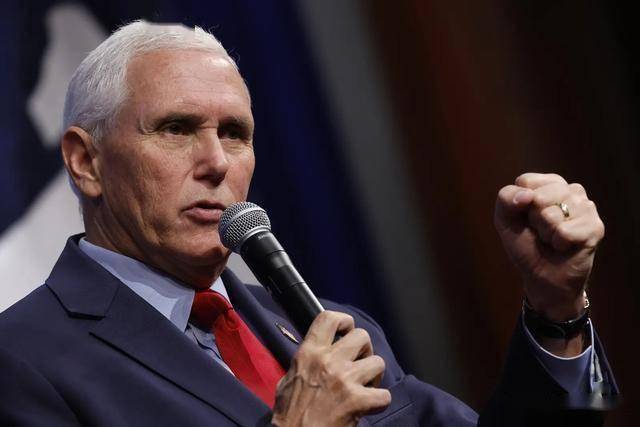
彭斯炮轰特朗普关税政策:美国消费者才是最终买单人
Sou Hu Cai Jing· 2025-11-20 08:37
Core Viewpoint - Former Vice President Mike Pence criticized the tariff policy of the Trump administration, stating that "American consumers pay American tariffs," highlighting the impact of tariffs on inflation and the economy [1][3]. Group 1: Concerns about Tariff Policy - Pence expressed concerns about the continuation of tariffs beyond Trump's presidency, hoping they would not persist [3]. - He mentioned a key Supreme Court case evaluating the constitutionality of the president's unilateral authority to impose tariffs, arguing that such powers should reside with Congress [3]. Group 2: Economic Impact of Tariffs - Pence noted that both import and export tariffs ultimately burden American businesses and consumers, with minimal marginal effects [5]. - He referenced the recent removal of tariffs on coffee and beef to lower grocery prices as evidence of the negative impact of tariffs on inflation and the economy [5]. Group 3: Tariffs as Negotiation Tools - Pence acknowledged the role of tariffs as a negotiation tool rather than a long-term policy, recalling their use during the Trump administration to negotiate trade agreements [5][7]. - He emphasized the importance of free trade with allied nations, advocating for dialogue and negotiation to resolve trade issues [7].
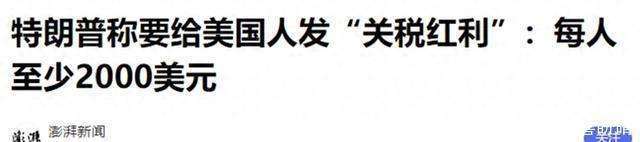
特朗普发钱了,每人发2000美元!背后是救赎也是死局?
Sou Hu Cai Jing· 2025-11-20 06:50
Core Points - The article discusses Trump's proposal to distribute $2000 cash rewards to Americans, which is seen as a political strategy to gain votes ahead of the 2026 midterm elections [1][4][12] - The funding for this proposal is claimed to come from tariff revenues, but the actual financial implications suggest a significant shortfall [5][6][12] Group 1: Economic Implications - Trump's announcement of cash rewards is not aimed at stimulating consumption but rather at securing electoral support, particularly from discontented agricultural voters affected by the trade war [4][12] - The projected tariff revenue for 2025 is estimated at $300 billion, which is insufficient to cover the proposed $600 billion payout, leading to increased government fiscal burdens [5][8] - The U.S. federal budget deficit for the 2025 fiscal year is already at $1.8 trillion, and adding $600 billion in cash distributions would exacerbate this issue, potentially leading to inflation [8][10] Group 2: Political Strategy - Trump's focus is on creating a facade of economic prosperity to influence voter sentiment ahead of the elections, which may involve pressuring the Federal Reserve to maintain loose monetary policies [12][13] - The potential for a stock market bubble is highlighted, with risks of a significant downturn following the elections if the economic support is withdrawn [13]
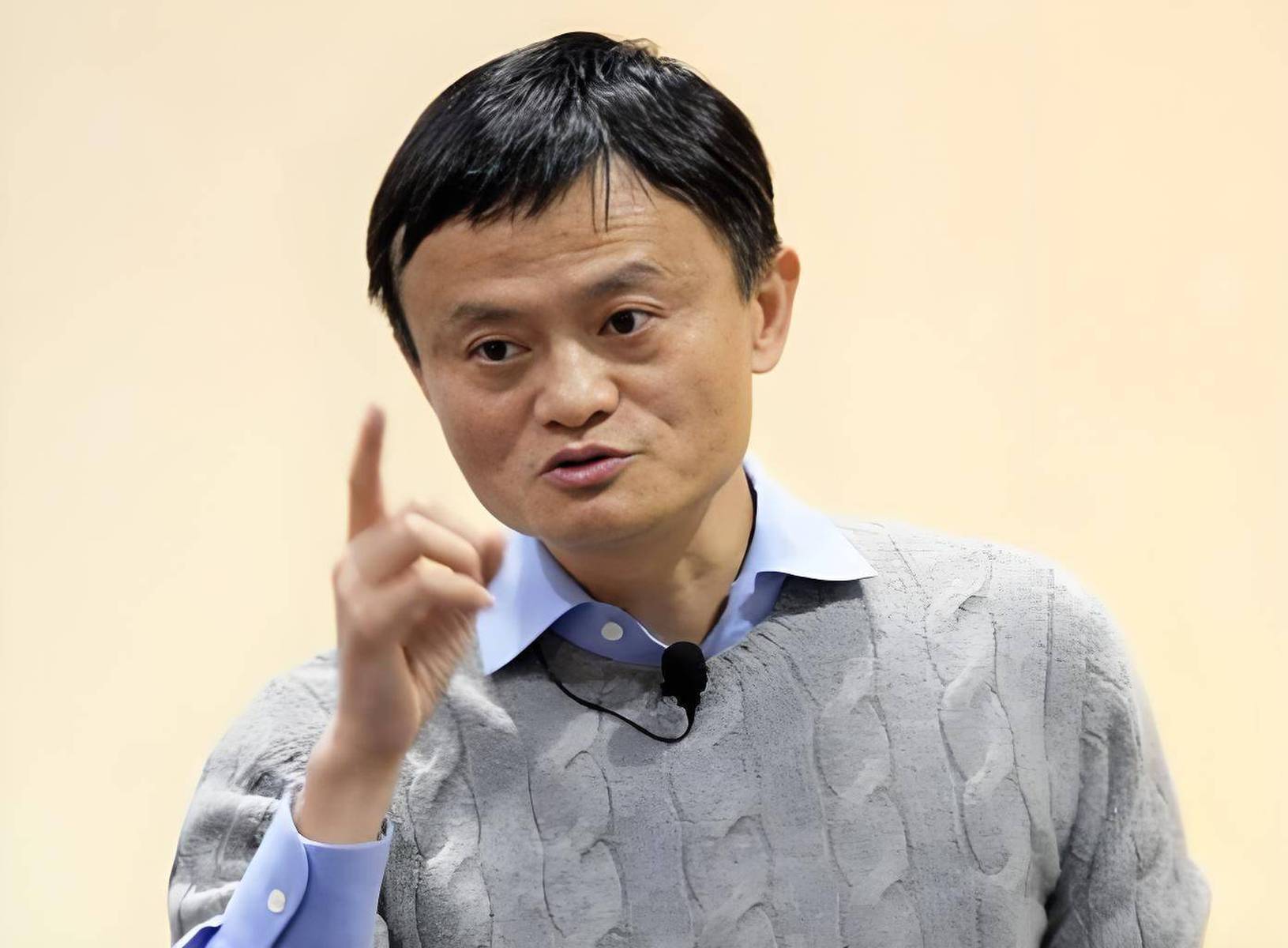
马云预言应验了?2025下半年手中有存款的人,或面临4大现实?
Sou Hu Cai Jing· 2025-11-20 06:15
Core Viewpoint - The article discusses the potential challenges that individuals with savings may face in the second half of 2025, emphasizing that recent claims attributed to Jack Ma regarding these challenges are largely fabricated and should be approached with skepticism [1][13]. Group 1: Financial Challenges - The interest income from savings is decreasing, with the one-year deposit rate dropping from 2.25% to 1.35%, resulting in a loss of approximately 900 yuan in interest for a 100,000 yuan deposit [6][8]. - The purchasing power of savings is declining due to rising prices of essential goods, leading to a situation where savings interest cannot keep up with inflation [4][6]. - Investment risks are increasing as many individuals are shifting their savings into stocks and funds, yet the majority of investors are experiencing losses, with public funds projected to incur losses of 20-30% in 2024 [8][9]. Group 2: Entrepreneurial Risks - The likelihood of entrepreneurial failure is rising as many individuals are using their savings to start businesses, but the current economic environment is challenging due to reduced consumer spending and intense competition [9][11]. - Factors contributing to the high failure rate include shrinking market demand, fierce competition from experienced peers, and rising operational costs such as rent and labor [11].
美国的芯片关税计划,被爆将推迟
半导体行业观察· 2025-11-20 01:28
Group 1 - U.S. officials privately indicated that they may not quickly impose long-term tariffs on semiconductors, potentially delaying a key aspect of President Trump's economic agenda [2] - Discussions regarding semiconductor tariffs have progressed slowly, with officials aiming to avoid trade disputes that could reignite tensions and disrupt the flow of critical rare earth minerals [2] - Trump previously stated that the U.S. would impose approximately 100% tariffs on imported semiconductors, with exemptions for companies producing or committing to produce in the U.S. [2] Group 2 - White House and Commerce Department officials denied any change in government stance regarding semiconductor tariffs, emphasizing the commitment to bring manufacturing back to the U.S. [3] - The potential delay or reduction in semiconductor tariffs could be sensitive for Trump, especially with rising consumer price concerns ahead of the holiday shopping season [3] - Trump recently canceled tariffs on over 200 food items but claimed that import tariffs have not significantly impacted inflation, which has remained above the Federal Reserve's target since Biden took office [3] Group 3 - U.S. officials mentioned that future national security measures may be taken that could be unpopular with other countries [4] - The Trump administration has been investigating the import of pharmaceuticals and semiconductors, aiming to impose tariffs due to national security concerns related to reliance on foreign production [5]

特朗普要推迟半导体100%关税?“不想激怒中国”
Guan Cha Zhe Wang· 2025-11-20 01:28
Core Viewpoint - The Trump administration is reconsidering the implementation of previously threatened tariffs on imported semiconductors, which were initially proposed to be as high as 100% [1][3][4]. Group 1: Tariff Policy Changes - U.S. officials have indicated a more cautious approach regarding semiconductor tariffs to avoid escalating tensions with China [1][5]. - The Trump administration's initial stance included a potential 250% tariff on pharmaceuticals, but the semiconductor tariffs have not yet been finalized [3][4]. - The White House has denied any changes to the tariff policy, asserting that the administration remains committed to using all powers to bring manufacturing back to the U.S. [4][5]. Group 2: Economic Implications - Increasing semiconductor tariffs could lead to higher consumer costs for electronic products, which is a sensitive issue as the holiday shopping season approaches [4][5]. - The administration's tariff policies are seen as a strategy to revive U.S. manufacturing jobs that have been lost to overseas competition, particularly from China [5]. Group 3: Trade Relations with China - The Trump administration is attempting to maintain a delicate trade truce with China, which is a major producer of semiconductors and related equipment [5]. - Trump has expressed a desire for a fair agreement with China, indicating a potential shift in tone regarding trade negotiations [5].
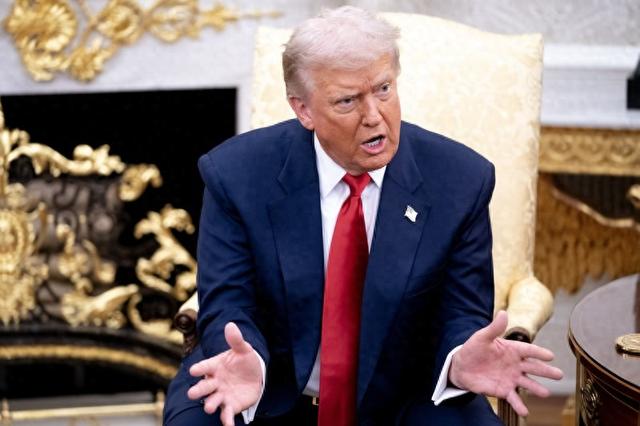
Fed Minutes Show ‘Many' Saw December Cut as Likely Not Appropriate
Youtube· 2025-11-19 20:26
Well, the minutes show no surprise that there was a very divided Fed at the last meeting. Some thought that inflation was going to rise too high. Some thought that unemployment rate rise to high and nobody could agree on what to do at the December meeting.In general, they agreed that inflation had moved up. The economy was expanding at a moderate pace and the unemployment rate remained low. But they did not agree on the outlook.Several said that inflation ex tariffs was close to target, but many noted infla ...

10-year yield holds near 4.1% range following Fed minutes
Youtube· 2025-11-19 19:45
Group 1 - The Federal Reserve appears to be divided in its conclusions despite having access to the same data, leading to confusion among analysts [1][2] - The term "likely not appropriate" was frequently used regarding a potential rate cut, indicating a cautious stance from the Fed [2] - Inflation has been persistent and largely unchanged over the past year, yet the Fed is currently focusing on it [2] Group 2 - There was a misconception in the media regarding a spike in interest rates, which did not occur as reported [3][4] - Fed fund futures indicate a decreasing probability of a rate cut, with a brief dip below 30% [3] - The 10-year yield has been fluctuating within a narrow range of 4.07% to 4.17% since the last rate cut in October, suggesting a period of stability [5]