价格倒挂

Search documents
超50%汽车经销商亏损
第一财经· 2025-08-19 16:46
Core Viewpoint - The domestic automotive market is experiencing a mild recovery in consumption due to policies promoting vehicle scrappage and replacement, but intense competition has led to price cuts, worsening the financial situation of dealers [3][4]. Group 1: Dealer Financial Performance - In the first half of 2025, the loss ratio among automotive dealers rose to 52.6%, with only 29.9% reporting profits [3]. - Only 30.3% of dealers met their sales targets, with 29% of dealers achieving less than 70% of their goals [3]. - New car sales losses are the biggest challenge for dealers, with 74.4% experiencing price inversion, and 43.6% of dealers facing price inversions exceeding 15% [3][4]. Group 2: Profitability by Vehicle Type - Independent dealers of new energy vehicles performed better than traditional fuel vehicle dealers, with profit ratios of 42.9% for new energy dealers compared to 25.6% for traditional dealers [4]. - Traditional fuel vehicle dealers face severe losses due to price inversions, while new energy dealers struggle with low after-sales value and long investment recovery periods [4]. Group 3: Dealer Satisfaction and Manufacturer Relations - Dealers reported a significant decline in satisfaction with manufacturers due to reduced rewards for achieving basic targets and an imbalance between effort and return [4][5]. - The automotive industry faces four major issues: imbalanced target setting by manufacturers, distorted rebate systems, collapsed pricing structures, and damaged support services [5]. - Manufacturers need to optimize the rebate cycle and improve clarity on rebate percentages to help dealers better calculate their actual earnings [5].


新车毛利贡献为负 汽车经销商求变
Bei Jing Shang Bao· 2025-08-19 16:16
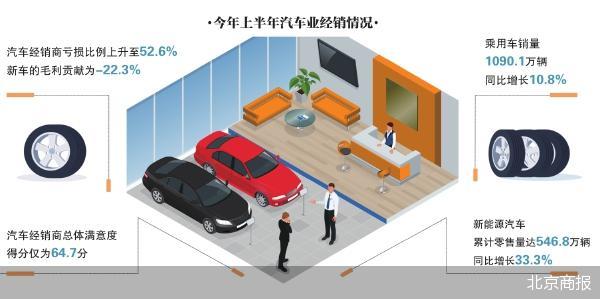
Core Insights - The automotive dealership industry in China is facing intensified competition, leading to increased pressure on dealers to transform their business models [1][3][7] - A significant portion of dealerships are experiencing financial losses, with 52.6% reporting losses in the first half of the year and new car gross profit contribution at -22.3% [1][5][6] Market Performance - Passenger car sales reached 10.901 million units in the first half of the year, reflecting a year-on-year growth of 10.8% [3] - Only 30.3% of dealerships met their sales targets, with 29% of dealers achieving less than 70% of their goals [3][4] Dealer Satisfaction and Profitability - Overall dealer satisfaction scores dropped to 64.7, indicating a significant decline [4] - The majority of dealers (74.4%) reported varying degrees of price inversion, with 43.6% experiencing price inversions exceeding 15% [5][6] Shift in Revenue Sources - After-sales and financial services are becoming crucial for profitability, contributing 63.8% and 36.2% to gross profit, respectively, compared to new car sales [7][8] - Dealers are exploring new service offerings, such as car cleaning and maintenance, to enhance customer loyalty and revenue [8] Transition to New Energy Vehicles - Profitability among independent new energy vehicle dealers stands at 42.9%, while traditional fuel vehicle dealers show only 25.6% profitability [9][10] - The retail penetration rate of new energy vehicles reached 53.3% in June, with total retail sales of new energy vehicles at 5.468 million units, a 33.3% increase year-on-year [9][10] Strategic Partnerships and Brand Adjustments - Traditional dealerships are increasingly partnering with new energy vehicle brands, with companies like 中升集团 (Zhongsheng Group) adjusting their brand portfolios to include electric vehicle offerings [10] - New energy brands are shifting from direct sales to collaborations with top dealerships, indicating a strategic pivot in the market [10]

上半年汽车经销商亏损面超五成 价格倒挂成主要症结
Zheng Quan Ri Bao Wang· 2025-08-19 07:59
Core Insights - The survival status of automotive dealers in China has significantly deteriorated in the first half of 2025, with only 30.3% achieving their sales targets, reflecting increased pressure in the terminal market [1] - The automotive industry is facing a severe profit squeeze due to price inversion, with 74.4% of dealers experiencing varying degrees of price inversion, leading to a loss of profit margins [1][2] - The overall loss ratio among automotive dealers has risen to 52.6%, marking a historical high since 2018, with new car sales contributing negatively to gross profit [2][3] Group 1: Sales Performance - Only 30.3% of automotive dealers met their sales targets in the first half of 2025, with nearly 29.0% achieving less than 70% of their goals [1] - 40.7% of dealers completed between 70% and 100% of their targets, indicating a general decline in performance compared to previous years [1] Group 2: Profitability Challenges - The loss ratio among automotive dealers has increased to 52.6%, with only 29.9% reporting profits, the highest loss ratio in nearly eight years [2] - New car sales have a gross profit contribution of -22.3%, while after-sales services have become a crucial profit pillar with a contribution of 63.8% [2] Group 3: Market Dynamics - The automotive market is experiencing intense competition, leading to a "price-cut for sales" strategy, which has resulted in a situation where sales increase does not translate to revenue growth [1][3] - Dealers are calling for manufacturers to simplify rebate policies and adjust sales targets based on market conditions to alleviate price inversion pressures [3] Group 4: Future Outlook - Dealers' expectations for overall passenger car sales in 2025 are cautious, with only 49% anticipating growth, a decrease from the end of 2024 [3] - The industry is undergoing a structural change between new energy and traditional fuel vehicles, which will continue to impact dealers' operational strategies [4]
调查显示上半年汽车经销商亏损比例升至52.6%,仅三成完成上半年销售目标
Xin Hua Cai Jing· 2025-08-19 00:01
Core Insights - The survival status of automotive dealers in China has significantly deteriorated in the first half of 2025, with only 30.3% achieving their sales targets, and over 52.6% reporting losses [1][2][4] Group 1: Sales Performance - Only 30.3% of automotive dealers met their sales targets in the first half of 2025, with 29.0% of dealers achieving less than 70% of their targets [2] - Among different brand categories, luxury brands performed slightly better than joint venture and independent brands, with a higher percentage of dealers meeting their targets [2] Group 2: Pricing Issues - Over 74.4% of automotive dealers faced varying degrees of price inversion, with 43.6% experiencing price inversions exceeding 15% [3] - Price inversions have severely impacted dealers' cash flow, particularly for traditional fuel brand dealers, leading to significant losses in new car sales [3] Group 3: Profitability Challenges - The proportion of automotive dealers reporting losses rose to 52.6% in the first half of 2025, with only 29.9% reporting profits [4] - The gross profit contributions from new car sales, after-sales, and financial insurance were -22.3%, 63.8%, and 36.2% respectively, indicating a continued loss in new car sales [4] - Independent brand dealers in the new energy sector fared better than traditional fuel brand dealers, with 42.9% reporting profits compared to 25.6% for traditional brands [4] Group 4: Dealer Satisfaction - Overall satisfaction among automotive dealers has declined, with a score of 64.7, reflecting increased operational pressures [5] - Dealers reported dissatisfaction with new car and used car business performance due to high target expectations and insufficient support from manufacturers [5] - After-sales service satisfaction has also decreased, attributed to declining service visits and increasing parts pricing [5]
仅三成达成销售目标 新能源品牌盈利优势显现
Zhong Guo Zheng Quan Bao· 2025-08-18 20:17
Core Insights - The overall satisfaction score of automotive dealers in China dropped significantly to 64.7 points in the first half of 2025, primarily due to multiple operational pressures [2] - Only 30% of dealers met their sales targets in the first half of the year, indicating increased survival pressure for dealers [2] - The profitability of dealers is under severe strain, with 52.6% reporting losses, while only 29.9% reported profits [2] Group 1: Dealer Performance - The proportion of dealers completing sales targets is low, with 29% of dealers achieving less than 70% of their targets [2] - Among new energy independent brand dealers, 42.9% reported profits, compared to only 25.6% of traditional fuel vehicle brand dealers [2] - The overall performance of dealers is further complicated by a significant increase in the number of dealers reporting losses [2][3] Group 2: Profitability and Revenue Sources - The gross profit contributions from new cars, after-sales, and financial insurance are -22.3%, 63.8%, and 36.2% respectively, indicating a negative contribution from new car sales [3] - New energy brand dealers show relatively better profitability in new car sales compared to traditional fuel vehicle brand dealers [3] Group 3: Pricing and Financial Pressures - 74.4% of dealers experienced price inversion, with 43.6% facing price inversions exceeding 15% [4] - The severe price inversion is consuming dealers' liquidity, particularly affecting traditional fuel brand dealers [4] - The automotive industry is facing challenges with the complexity of rebate policies from manufacturers, which need to be simplified to alleviate financial pressures on dealers [4][5]
山东会给郎酒机会吗?
Sou Hu Cai Jing· 2025-08-15 09:31
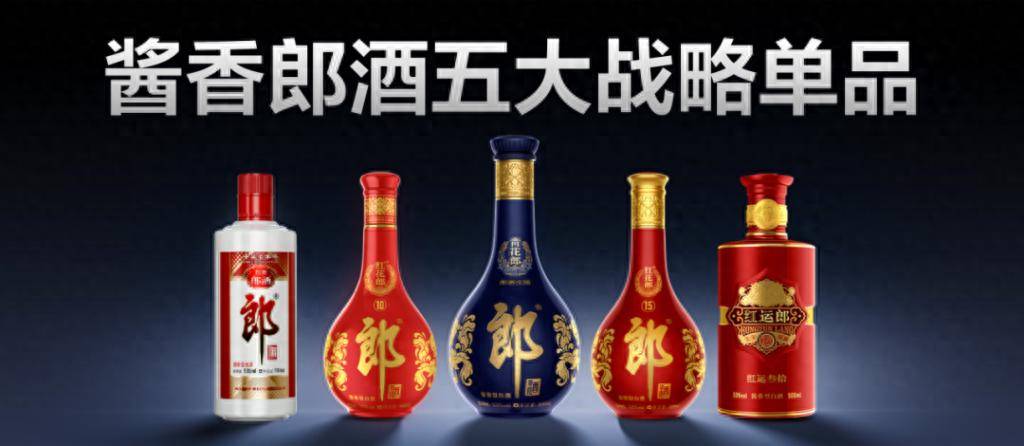
Group 1 - Shandong is a major province for the production and sales of Chinese liquor, with a market size of approximately 55 billion yuan in 2024, making it a competitive battleground for brands [1] - Langjiu Group's chairman, Wang Junlin, is leading efforts to strengthen the company's presence in Shandong over the next three years, despite facing challenges such as high inventory and price inversion in the industry [1] - The white liquor market is currently undergoing a deep adjustment period, with continuous price declines observed in the first half of 2025 [1] Group 2 - Langjiu's product matrix includes key items such as Qinghua Lang, Honghua Lang, and Hongyun Lang, with a focus on premium and high-end products [3] - The pricing structure of Langjiu's flagship product, Qinghua Lang, has shown significant weakness, with a price drop of 21.79% over the past five years [4] - The overall trend in the white liquor market indicates a decline in prices, with Moutai's price dropping by 36.15% since 2022, reflecting changes in consumer behavior and market dynamics [3][4] Group 3 - The competitive landscape in Shandong shows that the majority of consumers prefer strong aroma liquor, with over 70% of low-alcohol consumption in certain regions, posing a challenge for Langjiu's primarily sauce-flavored product lineup [11] - Langjiu's market position in Shandong is relatively weak compared to other brands, with a need to surpass the 1 billion yuan threshold to compete effectively [13] - The market is dominated by established brands like Moutai and Wuliangye, creating a challenging environment for new entrants like Langjiu [13][15]
日赚2.5亿元的贵州茅台,放缓了增长脚步
Guo Ji Jin Rong Bao· 2025-08-13 12:15
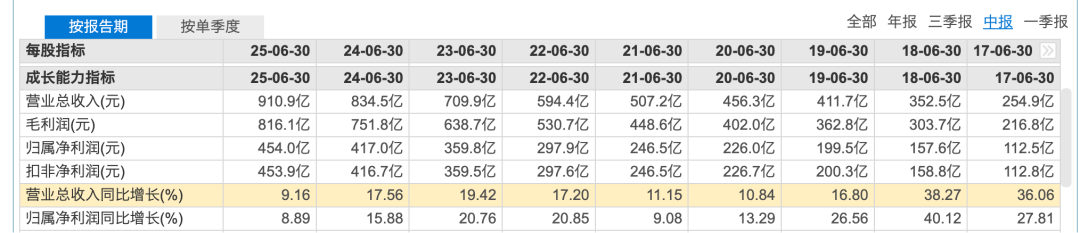
Core Viewpoint - Guizhou Moutai (600519.SH) reported a revenue of 91.094 billion yuan for the first half of 2025, marking a year-on-year growth of 9.16%, while net profit reached 45.403 billion yuan, up 8.89%, despite the overall downturn in the liquor industry [1][2]. Financial Performance - Total revenue for the first half of 2025 was 91.094 billion yuan, compared to 83.45 billion yuan in the same period of 2024, reflecting a growth rate of 9.16% [2]. - Net profit attributable to shareholders was 45.403 billion yuan, an increase from 41.7 billion yuan in the previous year, representing an 8.89% growth [2]. - Daily earnings averaged 250 million yuan over the 181 days of the reporting period, with both revenue and profit reaching historical highs, although the growth rate was the lowest in a decade [1][2]. Industry Context - The liquor industry is experiencing a cyclical adjustment, with many companies forecasting significant declines in performance for the first half of the year [4]. - Guizhou Moutai's management indicated a shift from high-speed growth to high-quality development, setting a growth target of 9% for the year, down from previous targets of 15% [4]. - The wholesale price of Feitian Moutai has been fluctuating, with reports indicating a drop below 1800 yuan per bottle earlier this year, impacting dealer confidence and leading to a consensus of "not stocking up" among distributors [4][5]. Revenue Structure - The Feitian Moutai segment accounted for approximately 85% of total revenue, generating 75.59 billion yuan in the first half of 2025, a year-on-year increase of 10.24% [4][8]. - The revenue from the sauce-flavored liquor segment, which includes products like Moutai 1935, was 13.763 billion yuan, growing only 4.69%, significantly lower than previous years where growth rates exceeded 25% [8][9]. Prepayment and Market Sentiment - Prepayments decreased by over 42%, from 9.592 billion yuan at the beginning of the year to 5.507 billion yuan at the end of the reporting period, indicating reduced willingness among distributors to stock products [5][6]. - The overall sentiment in the market reflects caution, with the industry facing pressures from macroeconomic cycles and policy adjustments [6][14]. Product Development - Guizhou Moutai has been focusing on developing new flagship products outside of Feitian Moutai, with Moutai 1935 being a key product that achieved over 50 billion yuan in sales in its first year and around 120 billion yuan last year [10][11]. - Despite its potential, Moutai 1935 has faced pricing challenges, with its market price often falling below the suggested retail price, raising concerns among investors [11][12]. Direct Sales Growth - Direct sales revenue reached 40.009 billion yuan, growing over 18% year-on-year, with its share of total revenue increasing to nearly 44% [15]. - The iMoutai app contributed 10.76 billion yuan in revenue, showcasing the company's efforts to enhance its digital sales channels [15].

DDR 4,风云突变
半导体行业观察· 2025-08-07 01:48
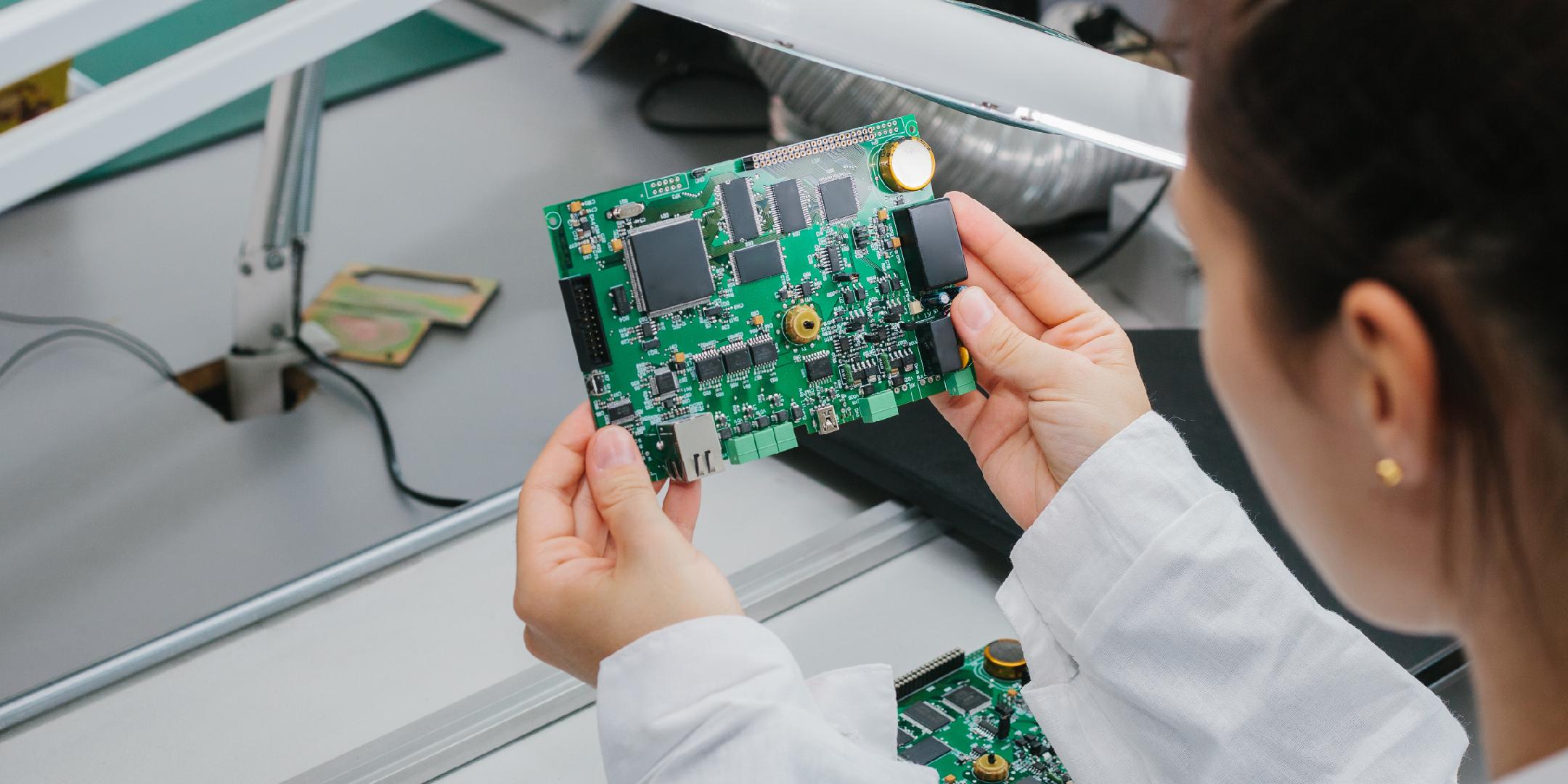
Core Viewpoint - Samsung has postponed its plan to stop supplying DDR4 DRAM until the end of 2026, which may disrupt the current market dynamics and affect Taiwanese DRAM manufacturers like Nanya Technology and Winbond [2][3]. Group 1: Market Dynamics - The expectation of major manufacturers exiting the DDR4 market had previously driven up spot prices, with DDR4 prices even surpassing DDR5 prices, creating a significant price inversion [2][3]. - TrendForce reported that the contract price for PC DDR4 8Gb reached $3.9 in late July, a 50% increase from June, while the 8GB module price rose to $26.5, exceeding DDR5's $25.5 [3]. Group 2: Impact on Taiwanese Manufacturers - Taiwanese manufacturers were optimistic about the rising DDR4 prices, which could help improve their financial performance; however, Samsung's continued production may disrupt this trend [3]. - Nanya Technology has been supplying 8Gb DDR4 products and anticipated continued price increases, which could positively impact its gross margin [3]. Group 3: Supply Chain and Pricing Pressure - Adata noted that DDR4 inventory levels were low, and demand was recovering, leading to improved revenue in the second half of the year [4]. - Despite some customers reducing orders, the overall supply-demand balance remains tight, particularly for high-capacity DDR5 products, which has led to price increases for DDR5 memory modules [4][5]. Group 4: Transition to DDR5 - There is a psychological expectation among server customers to transition to DDR5, although the associated costs for platform upgrades and custom materials pose significant challenges [5].
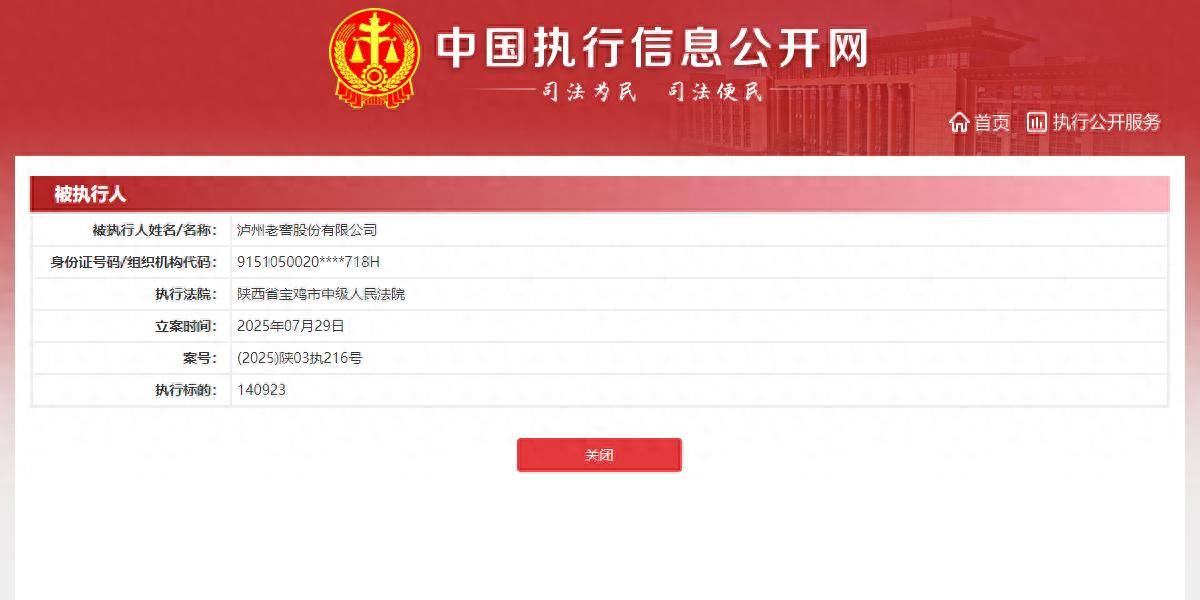
泸州老窖被执行14万余元 经营数据折射多重挑战
Sou Hu Cai Jing· 2025-07-30 12:12
Group 1 - The core product, 52-degree Guojiao 1573, has a current adjustment price of 835 yuan per bottle, while the factory price is 980 yuan per bottle, indicating a significant price inversion where distributors incur a loss of at least 145 yuan per sale [1] - As of the end of 2024, Luzhou Laojiao's inventory scale reached 13.393 billion yuan, a year-on-year increase of 15.24%, accounting for 19.6% of total assets, marking a historical high [1] - The stock price of Luzhou Laojiao has seen an annual decline of 28.28% in 2024, underperforming within the liquor sector, which is closely related to the company's operational data [1] Group 2 - The company's strategy of "inventory compression" alongside "lending" may lead to discrepancies between short-term operational data and the market's actual consumption capacity [1] - In the context of intensified market competition and upgraded consumer demand, liquor companies need to continuously optimize their pricing systems, inventory management, and operational strategies for sustainable development [1] - For Luzhou Laojiao, improving core indicators and stabilizing market expectations through refined operations is a critical challenge currently faced [1]

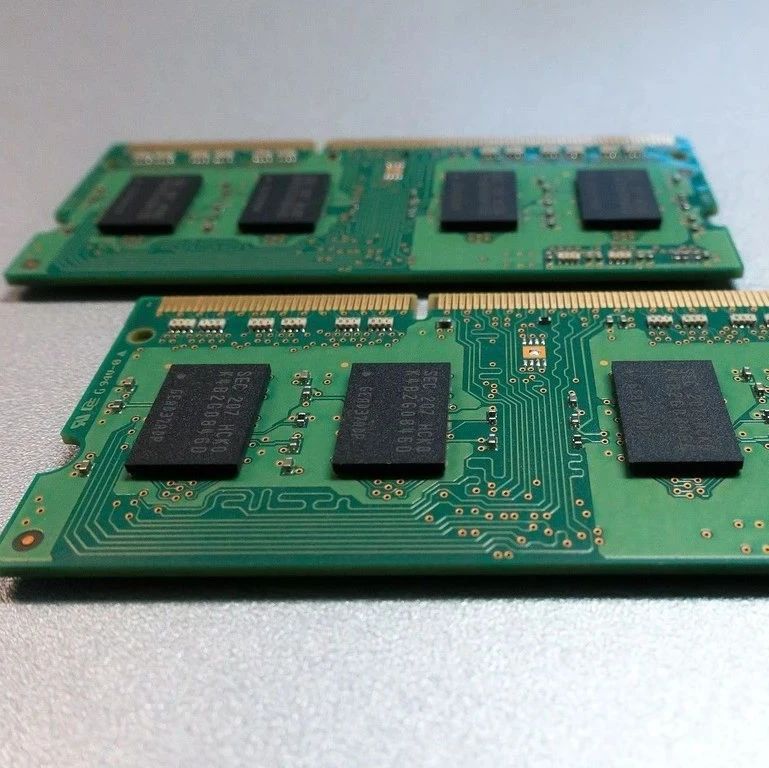
DDR4价格倒挂调查:HBM芯片如何引爆“过时”内存涨价潮?
Jing Ji Guan Cha Wang· 2025-07-16 08:49
Core Viewpoint - The DDR4 memory, which was expected to fade from the mainstream market, has recently shown an unusual price trend in the storage chip spot market, with its price surpassing that of the newer DDR5 memory, leading to a rare "price inversion" phenomenon [2][3][5]. Supply and Demand Dynamics - The supply of DDR4 has been constrained as major manufacturers like Samsung and SK Hynix prioritize production for higher-margin products such as HBM (High Bandwidth Memory), resulting in a mismatch between supply and demand [3][5]. - Specific industries, such as industrial control and security, continue to exhibit a rigid demand for DDR4 due to product lifecycle and certification costs, despite its status as an older generation product [3][4][14]. Market Reactions - The announcement of DDR4's End-of-Life (EOL) by manufacturers has led to a rush in inventory buildup among downstream customers, causing a supply shortage [4][11]. - The price of DDR4 eTT chips has increased significantly, with reports indicating a price surge of nearly 50% in recent months, reflecting a chaotic market driven by panic buying and speculation [9][12]. Industry Transition - The semiconductor industry is undergoing a transition from DDR4 to DDR5, but this shift has been disrupted, leading to significant price increases for DDR4 products [9][19]. - The focus on HBM production by major manufacturers has resulted in a strategic withdrawal from lower-margin products like DDR4, creating a vacuum in the market that local manufacturers may exploit [19][20]. Future Outlook - The shift towards HBM and the strategic decisions of major players may provide opportunities for domestic manufacturers to fill the gap left by international giants, although challenges remain in terms of technology and production capabilities [20][21]. - The ongoing demand for DDR4 in niche markets, combined with the reluctance of enterprise clients to purchase at inflated prices, is pushing the market towards DDR5 adoption [14][15].