
区域协同

Search documents
北京城市副中心连续五年保持千亿级投资规模
Xin Jing Bao· 2025-11-19 12:08
Core Insights - The Beijing Urban Sub-center is expected to achieve an average annual GDP growth of over 6% during the 14th Five-Year Plan period, with a reported growth of 10.9% in the first three quarters of this year, ranking second in the city [1] - The total fixed asset investment in the sub-center has exceeded 960 billion yuan since its construction began in 2016, maintaining an investment scale of over 100 billion yuan for five consecutive years [2] - The number of medical institution beds has increased by 50% compared to 2020, and over 60,000 new educational slots have been added in the region [2] Investment and Infrastructure Development - The sub-center has seen significant infrastructure development, including major projects like the extension of Guangqu Road and the underground transformation of the East Sixth Ring Road, enhancing urban framework [2] - The comprehensive transportation hub in the sub-center is expected to be operational this year, with surrounding residential projects achieving record sales in the new housing market [2][8] - The government plans to maintain an annual investment scale of 100 billion yuan, focusing on industrial upgrades, cultural tourism, and urban renewal [3] Business and Economic Growth - The number of large-scale enterprises in the sub-center has reached 2,800, a 52% increase since 2020, with an average of over 20,000 new businesses established annually [4] - The total output value of the advanced manufacturing sector has surpassed 100 billion yuan, reflecting a 70% increase since 2020, with a year-on-year growth of 81% in the first three quarters of this year [4] - The financial and cultural tourism sectors have become pillar industries, with the financial sector's value-added and tax revenue maintaining around 10% [4] Environmental and Social Development - The sub-center has implemented 141 tasks to promote green development, achieving a 24% improvement in PM2.5 concentration since 2020 [5] - The area has established eight ecological parks and 600 kilometers of greenways, becoming the first national forest city in a plain area [5] - The average disposable income of residents has increased by 27.1% compared to 2020, surpassing the city's average growth rate [7] Transportation and Regional Collaboration - The sub-center has the highest density of transportation lines outside the central urban area, with seven rail lines and ongoing improvements to internal road networks [8] - Collaborative efforts with neighboring regions have led to the completion of significant transportation projects, enhancing commuting efficiency and public service resource sharing [9]
一路领跑,北方最强地级市烟台“开挂”了?
Sou Hu Cai Jing· 2025-11-06 13:29
Core Viewpoint - The economic performance of "trillion-yuan club" cities in China shows a mixed picture, with Yantai leading in GDP growth among these cities, raising discussions about its competition with Jinan for the title of "Shandong's second city" [1][3][5]. Economic Performance - Among the 27 cities with GDP exceeding 1 trillion yuan last year, 8 cities, including Guangzhou and Tianjin, failed to surpass the national average growth rate of 5.2%, while 19 cities met or exceeded this benchmark [1]. - Yantai achieved a remarkable GDP growth rate of 6.4% in the first three quarters, significantly higher than the national average, making it the top performer among "trillion-yuan cities" [3][4]. Industrial Development - Yantai's industrial sector has been a key driver of its economic growth, with the added value of the secondary industry increasing by 8.8%, outperforming the national average by 3.9 percentage points [3][4]. - The city's industrial output value rose by 13.9%, second only to Hefei among "trillion-yuan cities" [4]. Major Projects - Significant industrial transformation projects in Yantai, such as the Longkou Yulong Petrochemical Industrial Park and the Penglai Wanhua New Materials Low-Carbon Industrial Park, are expected to enter a "high output" phase by 2025, contributing to GDP growth [4]. Economic Challenges - Despite strong growth, Yantai's tertiary industry growth rate of 4.7% lags behind national and provincial averages, indicating potential sustainability issues for its economic development [4]. - Fixed asset investment growth has also shown negative trends, raising concerns about future economic stability [4]. Competition Among Cities - The competition among Shandong's major cities is intensifying, with Qingdao leading in total GDP, followed by Jinan and Yantai, which is showing strong growth potential [5][6]. - Historical economic rivalry between Yantai and Jinan has been noted, with Yantai previously surpassing Jinan in total economic output until Jinan regained the lead in 2018 [7][8]. Future Outlook - The economic competition between Yantai and Jinan is expected to continue, with Yantai's high growth rate suggesting the possibility of surpassing Jinan in the future [9]. - The structural differences in industries between the two cities highlight their respective strengths, with Yantai focusing on traditional industries and Jinan on high-tech manufacturing [8]. Regional Economic Strategy - Shandong province is under pressure to enhance its economic vitality and innovation capabilities, with Yantai, Jinan, and Qingdao identified as the "three cores" driving regional growth [10][11]. - The need for differentiated development strategies among these cities is emphasized, with each city focusing on its unique strengths to avoid homogenized competition [12][14].

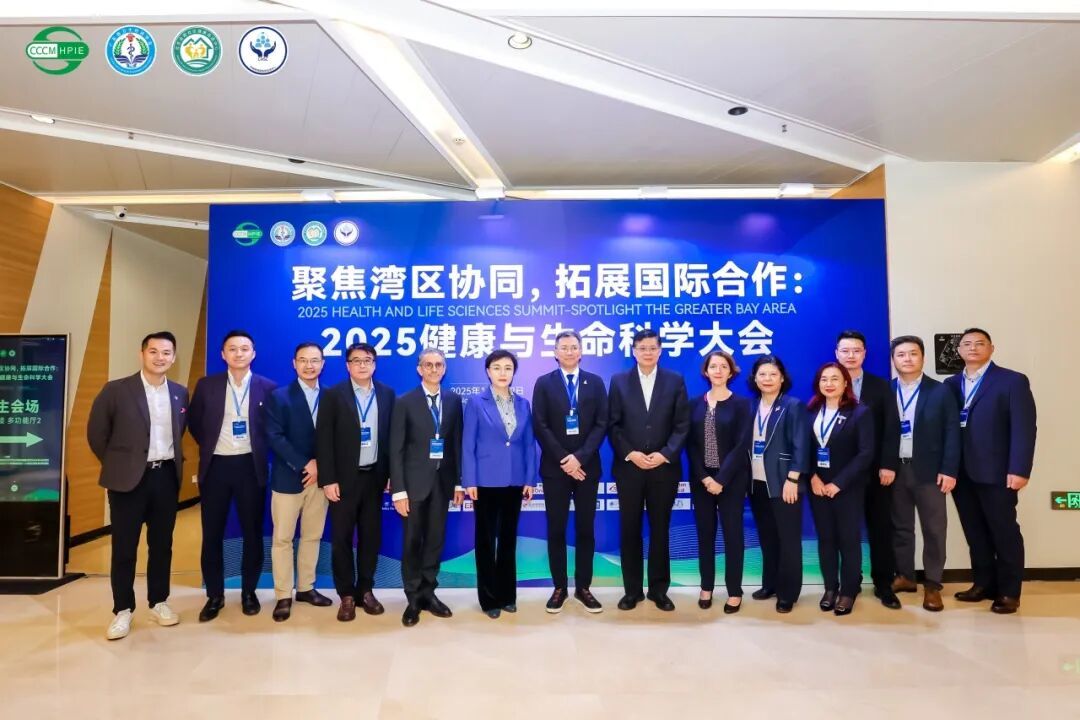
“聚焦湾区协同,拓展国际合作:2025健康与生命科学大会”圆满落幕
Feng Huang Wang Cai Jing· 2025-11-06 03:11
Core Insights - The conference "Focusing on Bay Area Collaboration and Expanding International Cooperation: 2025 Health and Life Sciences Conference" successfully concluded in Guangzhou, highlighting the importance of international collaboration in the health and life sciences sector [2][3][42] - Key topics included medical service collaboration, regulatory innovation in pharmaceuticals and medical devices, biomanufacturing ecosystems, and cross-border healthcare mechanisms [3][42] Group 1: Conference Overview - The conference was guided by the Guangzhou International Biological Island Management Committee and co-hosted by various health organizations, showcasing strong support from numerous pharmaceutical companies and financial institutions [2][3] - The event attracted representatives from health authorities in mainland China, Hong Kong, Macau, and international health organizations, emphasizing the global perspective on health cooperation [3][42] Group 2: Key Presentations - Meng Dongping, Secretary of the China Chamber of Commerce for Import and Export of Medicines and Health Products, emphasized the resilience and opportunities in China's health industry, particularly in the Greater Bay Area [6] - Dr. Gina Samaan from the World Health Organization highlighted the importance of cross-national cooperation in enhancing emergency response systems and public health resilience [6][7] - William Adi Teja from Indonesia's drug regulatory authority discussed Indonesia's regulatory innovations aimed at promoting pharmaceutical innovation and attracting investment [9] Group 3: Regional Development and Innovation - Tian Peilong from Guangzhou's Industrial and Information Technology Bureau presented Guangzhou's advantages in the biopharmaceutical sector, including a robust industrial ecosystem and strong medical resources [11] - Huang Weijian, Director of the Guangzhou International Biological Island Management Committee, outlined the island's role as a core engine for biopharmaceutical innovation, housing over 700 companies [13] Group 4: Roundtable Discussions - A roundtable discussion focused on enhancing the accessibility and affordability of innovative pharmaceuticals and medical devices in the Bay Area, with participants advocating for simplified regulatory standards and increased policy support [15][16] - Another roundtable addressed cross-border healthcare cooperation, emphasizing the need for integrated service systems and the potential for the Bay Area to attract international patients [23] Group 5: Multi-layered Healthcare System - Chen Xingwei, President of the Guangdong Provincial Health Economics Association, stressed the importance of a multi-layered healthcare system to ensure equitable access to healthcare innovations [31] - The Guangzhou Medical Insurance Bureau's initiatives, such as the "Sui Suikang" insurance product, aim to address the challenges of accessing innovative medications [32][34] Group 6: Future Outlook - The conference concluded with a vision for the Greater Bay Area to continue leveraging its advantages in institutional innovation and regional collaboration to build a high-quality health ecosystem [42]
无锡振华:廊坊振华项目稳步推进 将持续强化行业上下游区域协同能力
Quan Jing Wang· 2025-11-04 09:42
Core Viewpoint - The event "Capital 'X' Gravity, Innovation High Ground - Wuxi's First Investor Reception Day for Listed Companies" was successfully held, highlighting the progress and future plans of Wuxi Zhenhua [1] Company Summary - Wuxi Zhenhua's General Manager Qian Ben stated that the construction progress in Langfang is steadily advancing, aligning with the product planning [1] - The company is expanding its production base in Langfang, Hebei, to enhance the capacity for automotive stamping and welding components [1] - This expansion is expected to help the company seize regional development opportunities and strengthen collaboration with upstream and downstream industry players, thereby sharing growth opportunities within the industry [1] - The initiative aims to further consolidate and enhance the company's competitive position in the industry [1]

扩大内需,应聚焦科技、服务与区域三重突破丨孙立坚专栏
2 1 Shi Ji Jing Ji Bao Dao· 2025-10-29 23:20
Core Viewpoint - The article discusses the "15th Five-Year Plan" for China's economic and social development, emphasizing the importance of expanding domestic demand as a strategic foundation for modernization, driven by technological innovation, service industry upgrades, and regional collaboration [2][10]. Group 1: Technological Innovation Driving Supply Upgrades - The plan aims to significantly enhance self-reliance in technology, integrating technological and industrial innovation to boost domestic demand [3]. - New technologies such as AI, 6G, quantum technology, and biomedicine will create new products and services, expanding effective investment and new consumption scenarios [3][4]. - The marketization of data factors will unlock demand in new service industries and platform economies, enhancing digital infrastructure needs [4]. Group 2: Service Industry Upgrades Activating Investment and Consumption Potential - The plan promotes high-quality development in the service industry, focusing on specialized and high-value services in production and diverse, convenient services in daily life [5]. - Productive services enhance manufacturing competitiveness and drive effective investment in high-end equipment and digital infrastructure, while life services directly increase consumer spending [5][6]. - Four key areas in life services are expected to grow rapidly: healthcare and biomedicine, cultural tourism and digital content, education and vocational training, and elderly care and community services [6][7]. Group 3: Regional Collaboration Optimizing Resource Allocation - The plan emphasizes optimizing major productivity layouts and fostering regional economic cooperation to enhance resource allocation efficiency [8]. - Coordinated regional development will facilitate deeper industrial collaboration and division of labor, improving supply quality and driving investment growth [8][9]. - Key directions for regional economic collaboration include creating cross-regional innovation networks, enhancing supply chain resilience, and promoting green energy cooperation [9].
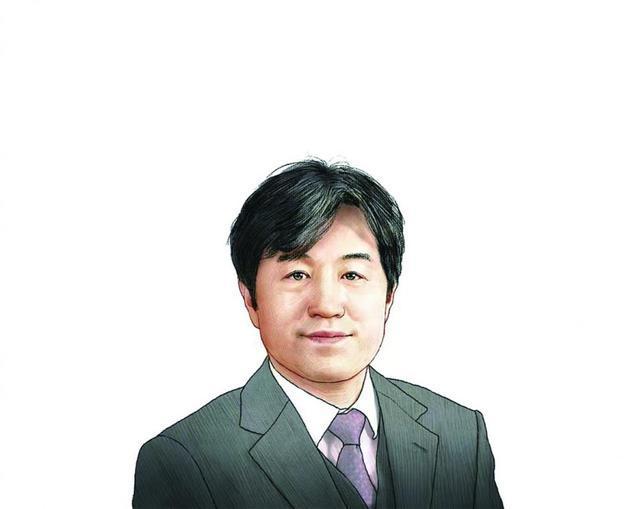
扩大内需,应聚焦科技、服务与区域三重突破
2 1 Shi Ji Jing Ji Bao Dao· 2025-10-29 22:52
Core Viewpoint - The article discusses the "15th Five-Year Plan" for China's economic and social development, emphasizing the importance of expanding domestic demand as a strategic foundation for modernization, driven by technological innovation, service industry upgrades, and regional collaboration [1][10]. Group 1: Technological Innovation Driving Supply Upgrades - The plan aims to significantly enhance self-reliance in technology, integrating technological and industrial innovation to boost domestic demand [2]. - New technologies such as AI, 6G, quantum technology, and biomedicine are expected to create new products and services, expanding effective investment and new consumption scenarios [2][3]. - The marketization of data factors will unlock demand in new service industries and platform economies, enhancing digital infrastructure needs [2][3]. Group 2: Service Industry Upgrades Activating Investment and Consumption Potential - The plan promotes high-quality development in the service sector, focusing on specialized and high-value services in production and diverse, convenient services in daily life [4]. - Productive services can enhance manufacturing competitiveness and stimulate effective investments in high-end equipment and digital infrastructure [4][6]. - Life services directly increase service consumption, optimizing demand structure and creating a positive cycle of new scenarios, new supply, and new consumption [4][6]. Group 3: Regional Collaboration Optimizing Resource Allocation - The plan emphasizes optimizing the layout of productive forces and fostering regional economic cooperation to enhance resource allocation efficiency [8]. - Breaking down local protectionism and market segmentation will lower transaction costs and expand investment and consumption multipliers [8][10]. - Regional collaboration will deepen industrial cooperation and division of labor, improving supply quality and driving growth in productive services and final consumption [8][9]. Group 4: Key Directions for Regional Economic Collaboration - Strengthening the integration of technology, industry, and factors through cross-regional innovation networks and industrial collaboration platforms [9]. - Enhancing supply chain resilience and security through multi-point layouts within regions to mitigate systemic risks [9]. - Promoting green energy collaboration across regions to drive green investments and related service consumption [9].
沪澳动漫IP经济深度对话 共探产业协同新路径—— 澳门动漫业界上海交流团参访黄浦
Sou Hu Cai Jing· 2025-10-27 14:31
Core Insights - The "Macau Animation Industry Shanghai IP Economic and Cultural Exchange Group" successfully conducted a two-day visit to explore Shanghai's IP economic development experience, aiming to foster collaboration between the animation and toy industries in Shanghai and Macau [2] Group 1: Immersive Visits - The exchange group visited key IP landmarks in Shanghai, including the POPMART global flagship store, where the operational model of "deeply mining IP core + diversified product development" sparked discussions among participants [3] - At the TOP TOY global flagship store, the group explored a multi-dimensional space featuring over 80 IPs, gaining insights into the "black technology + top IP" immersive operational approach [5] Group 2: Roundtable Discussions - During a roundtable meeting, the Secretary-General of the Macau Animation Toy Association emphasized that "digital empowerment + regional collaboration is the essential path for Macau IP to go global," sharing successful cases of cost reduction and enhanced experiences through technology [7] - Representatives from Huangpu District highlighted the integration of Shanghai IP with cultural tourism, showcasing the 2024 Pokémon Shanghai City Carnival, which attracted up to 50,000 participants in a single day and boosted surrounding retail and dining consumption by 35% [8] Group 3: Future Collaboration - The exchange activity established a practical cooperation platform, with Shanghai's IP economic innovation complementing Macau's cultural tourism resources [10] - Future projects will focus on joint IP development and toy exhibition collaborations, injecting new momentum into the animation industry cooperation between the Yangtze River Delta and the Guangdong-Hong Kong-Macau Greater Bay Area [10]

从政策、区域、产业三个维度推动建设零碳货运走廊
Zhong Guo Huan Jing Bao· 2025-10-27 03:28
Core Viewpoint - The transportation sector is crucial for achieving China's "dual carbon" goals, with carbon emissions from this sector accounting for over 10% of the national total, primarily driven by road freight, necessitating a green transformation to reduce overall carbon intensity [1] Group 1: Zero Carbon Freight Corridor - The zero carbon freight corridor aims to integrate "vehicles, energy, roads, and cloud" systems, facilitating a shift from localized optimization to systemic transformation in the freight industry [1] - This initiative utilizes the national comprehensive transportation corridor to manage carbon emissions across the entire freight chain, enhancing the green momentum for high-quality development in the transportation sector [1] Group 2: Collaborative Mechanism - A collaborative mechanism involving "central coordination, inter-provincial linkage, and market leadership" is essential for advancing the construction of zero carbon freight corridors, addressing the challenges posed by administrative divisions and fragmented policies [2] - Policy coordination is fundamental, requiring a unified planning framework and regional strategies to overcome barriers and ensure effective implementation [2] Group 3: Regional Coordination - Regional coordination is vital for the seamless execution of zero carbon freight corridors, necessitating a multi-level governance system that promotes collaboration among provincial and local governments [3] - Establishing inter-provincial meetings and coordination platforms will enhance information sharing and unified enforcement, ensuring continuity and operational coherence of the corridors [3] Group 4: Industrial Collaboration - Industries should form alliances to drive technological advancements, infrastructure investment, and innovative business models, fostering a cycle of "technological breakthroughs, industrial upgrades, market expansion, and reinvestment" [4] - The construction of zero carbon freight corridors is progressing from pilot demonstrations to broader regional explorations, providing replicable solutions for green transformation in the freight sector [4]
密切互动,合作办赛更顺畅(全运会来了)
Ren Min Ri Bao· 2025-10-22 22:21
Group 1 - The core point of the news is the collaboration between Guangdong, Hong Kong, and Macau in supplying athlete food for the 15th National Games, highlighting the establishment of a comprehensive food safety and source control system [2][3] - The Guangdong Provincial Executive Committee organized the supply of six categories of food for athletes, selecting 38 quality suppliers from seven provinces, ensuring food safety and compliance with anti-doping regulations [2] - The logistics operation involves a centralized warehouse in Guangzhou, where food is collected and distributed to Hong Kong hotels, with strict quality control measures in place [1][2] Group 2 - The event marks the first time the National Games are co-hosted by the Guangdong-Hong Kong-Macau Greater Bay Area, showcasing regional cooperation and integration [2][3] - Various cultural and sports activities have been organized to enhance collaboration among the three regions, including health runs and cultural exhibitions [3] - The opening ceremony will feature performances that integrate cultural elements from Guangdong, Hong Kong, and Macau, aiming to present a unique visual experience to a global audience [3]
大湾区全球招商大会前三届整体开工率近九成 今年聚焦产业创新
2 1 Shi Ji Jing Ji Bao Dao· 2025-10-22 07:21
Core Insights - The 2025 Guangdong-Hong Kong-Macao Greater Bay Area Global Investment Conference will be held in Guangzhou, continuing the theme "Investing in the Greater Bay Area, Creating a Better Future" [1][2] - The conference aims to enhance investment and trade cooperation with developed countries and emerging markets, showcasing the economic vitality and investment potential of the Greater Bay Area [1][2] Summary of Achievements - The previous three conferences resulted in 3,645 signed projects with a total investment amount of 7 trillion yuan, including 92 projects exceeding 10 billion yuan [2] - As of September this year, the overall project commencement rate from the three conferences is 88.1%, with an investment progress rate of 37.6% [2] - Notable projects from major companies such as Siemens Medical, Shell, and Mitsubishi Heavy Industries have progressed well, boosting strategic emerging industries in the province [2] Participation and Activities - Over 450 representatives from global Fortune 500 companies and foreign business associations are confirmed to attend, including 63 executives at the vice president level or above [1][2] - The conference will feature a series of activities, including a main event, nine regional investment conferences, and various domestic and international roadshows [2][4] Innovations in the Current Conference - This year's conference focuses on enhancing brand quality, integrating investment and trade, and promoting regional collaboration [4][5] - New initiatives include a special roundtable for unicorn companies and targeted investment promotion for strategic industry clusters [4] - The conference aims to attract high-quality projects and improve resource allocation across the region [5] Foreign Investment Trends - In the first nine months of this year, Guangdong established 24,000 new foreign-invested enterprises, a year-on-year increase of 33.7%, with actual foreign investment amounting to 78.13 billion yuan, up 8.8% [5] - The province plans to further enhance support for foreign investment and create a top-tier business environment [5]