多元化配置

Search documents
资管巨头发声,看多亚洲尤其是中国
中国基金报· 2025-11-18 09:02
Core Viewpoint - Allianz Investment emphasizes that the Asian market, particularly the Chinese stock market, is a key diversification choice for investors who are currently overexposed to the US stock market [10][11]. Group 1: Market Outlook - Allianz Investment's Chief Investment Officer for Fixed Income, Zeng Zheng, predicts that the Federal Reserve will further cut interest rates, with the terminal rate expected to be around 3.5% by mid-2026 [5][7]. - Zeng notes that recent US policy signals suggest a potential stabilization in inflation data, although employment data may weaken [6][7]. - The investment return drivers are shifting, with 2025 returns driven by credit spread narrowing, while 2026 returns are likely to be primarily driven by spreads [8]. Group 2: Investment Opportunities in Asia - Zeng highlights that many investors are overly concentrated in US stocks, particularly in large tech sectors, and there is a trend of Asian investors reallocating funds back to Asian assets [11]. - Four key themes driving investment opportunities in Asian stocks include: 1. Innovation in technology manufacturing, especially in semiconductors, AI, and biotechnology [12]. 2. Corporate reforms in China, Korea, Japan, and Singapore aimed at enhancing shareholder value [12]. 3. Supply chain diversification benefiting markets like India due to reduced geopolitical concentration [12]. 4. Emerging consumer trends driven by domestic consumption and digital infrastructure, particularly in China and India [12]. Group 3: China's Economic Strategy - Allianz Investment's Senior Economist, Tang Jicheng, identifies two main focuses of China's economic strategy: continued investment in advanced manufacturing and boosting domestic consumption [14]. - The "14th Five-Year Plan" suggests five strategic areas to watch: 1. Building a modern industrial system with a focus on advanced manufacturing and green transformation [15]. 2. Achieving substantial technological breakthroughs to enhance innovation capabilities [15]. 3. Establishing a strong domestic market to promote free flow of production factors [15]. 4. Promoting human-centered urbanization for balanced regional development [15]. 5. Strengthening international cooperation to enhance bilateral investments [15]. Group 4: Asset Allocation and Gold - Allianz Investment's Head of Multi-Asset Growth, Hartwig Kos, notes that risk assets remain attractive, with a shift towards more diversified global allocations beyond the US stock market [19]. - Gold has reestablished its status as a strategic asset, increasingly driven by geopolitical uncertainties and de-dollarization, making it a crucial component of a diversified investment portfolio [20]. - Hartwig Kos anticipates that the trend of investing in gold will continue until 2026, supported by retail investment flows and geopolitical tensions [20]. Group 5: Sustainable Investment Trends - Allianz Investment's Head of Sustainable and Impact Investing, Matt Christensen, indicates that sustainable investment regulation is entering a new phase, with a shift from mere disclosure to clearer product classifications in the EU [21]. - Impact investing is maturing, with growing recognition of achieving market-level returns, particularly in private markets [21]. - Allianz has developed proprietary tools to integrate ESG and impact risk analysis into portfolio construction, enabling scenario testing and risk mitigation strategies across asset classes [22].


高盛资管:2026年各股票市场差异或将扩大,倾向多元化配置
Sou Hu Cai Jing· 2025-11-18 03:22
钛媒体App 11月18日消息,高盛资产管理发布了2026年投资展望报告。其中就公开市场主题,该报告认 为,各股票市场差异或将扩大,倾向全球股票多元化配置、基本面与量化策略结合。固定收益强调久期 和战略性曲线仓位的多元配置,以应对复杂的宏观信号。证券化、高收益及新兴市场信用产品可能出现 良机。私募市场维度,高盛资产管理判断,新交易和退出活动整体环境利好,私募股权基金管理人业绩 表现的分散性扩大。私募信贷违约率历史上低于银团贷款,收益仍将高于公开市场收益。严谨的承销发 挥关键作用,并且在人工智能和能源转型驱动下,基础设施领域正在出现新的机会。(广角观察) ...
保险机构投资前三季度最高收益率8.6% 三大调仓路径浮现:稳固收、加权益、拓另类
Zhong Guo Jing Ji Wang· 2025-11-17 02:09
Core Viewpoint - The insurance sector has shown impressive investment performance in the first three quarters of 2025, driven by a favorable stock market and increased bond yield volatility, leading to higher investment returns for insurance companies [1][2]. Investment Performance - Five listed insurance companies reported significant investment returns, with New China Life achieving an annualized return of 8.6%, while China Pacific Insurance and China Life reported non-annualized returns of 5.2% and 6.42%, respectively [1][2]. - China Life's total investment income reached RMB 368.55 billion, marking a 41.0% year-on-year increase [3]. - China Reinsurance's total investment income was RMB 862.50 billion, reflecting a 35.3% year-on-year growth [3]. Investment Strategies - Insurance companies are actively responding to the demand for long-term capital entry into the market, leveraging their patient capital advantage to steadily increase equity holdings [1][2]. - China Reinsurance has increased its long-duration bond allocation and focused on long-term growth potential in equity investments [3]. - China Pacific Insurance has maintained a disciplined asset allocation strategy, actively managing equity investments with a focus on undervalued and high-dividend stocks [3]. Alternative Investments - Alternative investments are becoming a key focus for insurance companies as part of their diversification strategies and business transformation efforts [4]. - China Reinsurance is actively promoting business transformation by investing in asset-backed plans and public/private REITs [5]. - China Ping An is also increasing its allocation to quality alternative assets to diversify and enhance its revenue sources [6]. Product Performance - A total of 1,483 insurance asset management products achieved positive returns this year, with a 93.8% success rate, and four products exceeded 100% returns [8].



专访霸菱马丁·霍恩:中国科技股成全球配置热门 将继续加大投资
Di Yi Cai Jing· 2025-11-04 09:22
Core Insights - The A-share market has shown significant recovery in the second half of the year, with the Shanghai Composite Index breaking through important psychological levels, and foreign capital expressing optimism towards Chinese assets, particularly in technology stocks [1][2] Investment Opportunities - Barings has identified two main investment opportunities in the Chinese market: gold and technology stocks, with a particular focus on the latter due to their growing popularity globally [1][2] - The Chinese technology sector is characterized by strong manufacturing capabilities and technological research and development, supported by government policies, making it a unique growth model [2][4] - Consumer demand in China is being driven by policy support, leading to a sustainable internal consumption cycle that is crucial for economic development [4][5] Market Dynamics - External factors, such as tariff policies, have previously caused market volatility, but Barings believes that China has effectively mitigated the impact through trade structure adjustments [6][7] - The firm anticipates that the influence of tariff issues on global markets will gradually diminish by 2026, as new pragmatic agreements are likely to emerge between China and the U.S. [6][7] Sector Focus - Barings is particularly focused on leading companies in the AI sector, as these firms are expected to drive market development and generate significant market effects and returns [3][4] - The renewable energy market in China is also seen as a promising investment opportunity, given China's leading position in this sector and the increasing demand driven by AI and climate change initiatives [4][5]
手里有100万闲钱,是买房还是存银行,曹德旺给出了答案
Sou Hu Cai Jing· 2025-10-15 20:52
Core Insights - The article discusses the dilemma of whether to invest in real estate or keep savings in the bank, emphasizing that asset allocation is a personal choice based on individual circumstances and future plans [1][6][12] Group 1: Bank Savings - In the first half of 2025, new household savings deposits in China increased by 5.3 trillion yuan, a year-on-year growth of 9.2%, indicating a trend towards safer investment options [3] - Current three-year fixed deposit rates range from 2.6% to 3.1%, while five-year rates are between 2.8% and 3.3%. For an investment of 1 million yuan, the total amount after three years would be approximately 1.08 to 1.095 million yuan, and after five years, around 1.15 to 1.177 million yuan [3] - The advantages of bank savings include high safety and liquidity, making it suitable for individuals with low risk tolerance or short-term funding needs. However, the disadvantages are low returns that may not keep pace with inflation, leading to a potential decrease in purchasing power over time [3][4] Group 2: Real Estate Investment - In the first half of 2025, the real estate market showed a mixed trend, with 35 out of 70 major cities experiencing a month-on-month increase in new residential prices [4] - For a 1 million yuan investment in a small apartment in a second-tier city, the annual rental yield is approximately 2%, with actual returns potentially between 1.5% and 1.5% after expenses [4] - The benefits of real estate investment include inflation resistance, potential asset appreciation, and rental income. However, it has drawbacks such as low liquidity, high management costs, and concentrated risk in a single asset [4][6] Group 3: Diversified Investment Strategies - A survey by the China Investor Education Foundation in 2025 indicates that households are increasingly diversifying their asset allocation beyond traditional real estate and bank savings to include funds, stocks, and insurance products [6] - A diversified investment strategy can mitigate risks associated with market fluctuations, as demonstrated by an individual who allocated funds across various assets, ensuring both safety and reasonable returns [6][10] - The article suggests that individuals should evaluate their personal situations and financial goals, consider time horizons for investments, and analyze local real estate markets before making decisions [7][10] Group 4: Recommendations - Individuals are advised to assess their personal circumstances and financial objectives, as different life stages and goals necessitate different asset allocation strategies [7] - It is recommended to maintain emergency funds equivalent to 3-6 months of living expenses, regardless of the chosen investment strategy [10] - The "core-satellite" investment strategy, which allocates a majority of funds to low-risk assets while a smaller portion is invested in higher-risk assets, is increasingly popular among households [10][11]
巴菲特:永远只和信任的人打交道...
聪明投资者· 2025-10-12 02:03
Core Viewpoint - The article emphasizes the importance of understanding the companies in which one invests, as highlighted by legendary fund manager Peter Lynch, especially during market volatility [2][3]. Group 1: Peter Lynch's Insights - Peter Lynch participated in a dialogue at Fidelity Investments, where he shared his views on investment strategies and market behavior [1]. - Lynch believes that individual investors possess significant advantages, provided they have a thorough understanding of their investments, stating that "investing is not an IQ game, but relies on diligence, common sense, and field observation" [3]. - He warns that if investors do not understand the companies they are buying, they will panic during market downturns, suggesting that they should refrain from investing in such cases [2][3]. Group 2: Market Context - The article discusses recent market volatility, triggered by comments from former President Trump, which resulted in a $2 trillion drop in U.S. stocks, causing anxiety among Chinese investors [2]. - It highlights the normalcy of market fluctuations and the necessity for investors to be prepared for such events [2]. Group 3: Additional Recommendations - The article mentions other notable discussions, including NVIDIA's CEO addressing controversies in the tech sector and Ray Dalio's advice on diversification for Chinese investors [4]. - It also suggests exploring ETFs related to the gaming industry and those with high exposure to the "fruit chain" [4].

最好的投资方法,往往是看起来最平庸的那个!这本书揭示了投资最本质的真相
雪球· 2025-10-04 13:00
Core Viewpoint - The essence of investing lies in overcoming human emotions of greed and fear, emphasizing the importance of patience and common sense in wealth accumulation [4][11][19]. Group 1: The Power of Compounding - Compounding is often misunderstood but is a powerful tool for wealth growth, with the "72 Rule" allowing investors to estimate how long it will take for their money to double based on annual returns [6][7]. - For example, an annual return of 5% takes approximately 14.4 years to double, while 8% only takes about 9 years [7]. - A historical case illustrates the power of compounding: Benjamin Franklin's $5,000 gift grew to $2 million after 200 years due to compounding [10]. Group 2: Investment Strategies - The best investment approach is often the simplest, with a focus on index funds and dollar-cost averaging to mitigate emotional decision-making [19][32]. - Investors should diversify their portfolios to include various asset classes, such as stocks, bonds, and cash reserves, to manage risk effectively [23][25]. - Regular rebalancing of the portfolio helps maintain desired asset allocation and counteracts emotional biases during market fluctuations [27][30]. Group 3: Personal Development as Investment - Investing in oneself yields the highest returns, with activities such as reading, skill acquisition, and maintaining health contributing to long-term wealth and opportunity [33][41]. - The journey to wealth is straightforward: save money, start investing in index funds, maintain discipline, and continuously improve personal knowledge and skills [39].

给中国投资者的忠告!瑞·达利欧最新对话:我一直取胜的法宝就是多元化配置
雪球· 2025-09-28 13:00
Core Viewpoint - The article emphasizes the importance of diversification in personal asset allocation to achieve wealth preservation and growth, rather than engaging in speculation [2][32]. Group 1: Investment Strategies - Ray Dalio suggests that a 10%-15% allocation to gold is an effective balance and risk hedge for an individual's asset portfolio [39]. - Dalio advocates for a diversified investment strategy, highlighting that individuals should not solely rely on savings or real estate, as many people do [2][29]. - The concept of "All Weather Strategy" introduced by Dalio focuses on diversification, risk balance, and rebalancing as key components of asset allocation [3][4]. Group 2: Economic Insights - Dalio discusses the significance of debt cycles, stating that excessive debt can lead to economic distress for both individuals and nations [6][13]. - He points out that the current U.S. debt situation is unsustainable, with government spending significantly exceeding revenue, leading to increased borrowing [19][20]. - The article mentions that many countries, including the U.S., Japan, and China, face varying degrees of debt issues, with similar underlying mechanisms [17][18]. Group 3: Market Dynamics - The dialogue highlights the changing global economic landscape, where investors need to adapt their strategies to manage their portfolios effectively [38]. - Dalio notes that understanding the underlying mechanisms of market movements is crucial for managing investment portfolios [39][42]. - The article suggests that a balanced approach to asset allocation can help investors navigate market fluctuations and economic cycles [30][39].

给中国投资者的忠告!瑞·达利欧最新对话:我一直取胜的法宝就是多元化配置
聪明投资者· 2025-09-26 03:34
Core Insights - The article emphasizes the importance of asset preservation and diversification in personal investment strategies, particularly in the context of changing economic cycles and debt issues faced by countries like China and the U.S. [2][4][30] Group 1: Investment Strategies - Personal investors should focus on diversifying their asset portfolios rather than relying solely on savings or real estate investments, as many individuals tend to do [2][30] - A recommended allocation of 10% to 15% in gold can provide a good balance and risk hedge within an individual's asset portfolio [2][38] - The concept of "All Weather Strategy" proposed by Ray Dalio highlights the significance of diversification, risk balance, and rebalancing in asset allocation [3][4] Group 2: Economic and Debt Cycles - Debt is identified as a critical factor influencing a country's economic success or failure, with historical examples illustrating the consequences of excessive debt [9][10] - The article discusses the cyclical nature of debt and its implications for economic stability, suggesting that when a country struggles to repay its debt, it faces broader economic challenges [9][10] - The current U.S. debt situation is described as unsustainable, with significant implications for future economic policies and stability [17][19][21] Group 3: Recommendations for Investors - Investors are encouraged to understand the underlying mechanisms of market fluctuations and to manage their investment portfolios accordingly [37][40] - The article suggests that individuals should not merely follow investment conclusions but should learn to think independently and develop their own strategies for asset management [39][40] - The importance of recognizing the cyclical nature of debt and its impact on personal and national economies is emphasized, advocating for a diversified approach to mitigate risks [30][38]
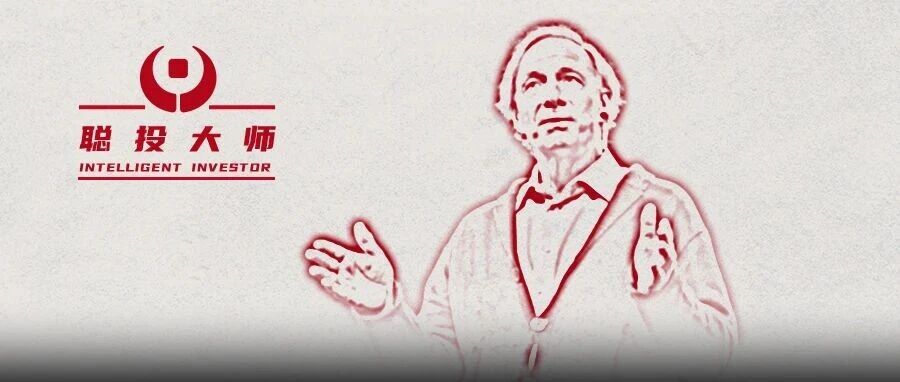
《国家为什么会破产:大周期》新书发布会在京举办,达利欧谈全球债务危机
Jing Ji Wang· 2025-09-25 10:09
Core Insights - The event focused on the themes of debt cycles, national rise and fall, and the evolution of global order, featuring prominent figures such as Ray Dalio and other experts [1][5]. Group 1: Key Themes Discussed - Ray Dalio emphasized that the rise and fall of nations and the shifts in order are driven by five major forces: debt/credit/money/economic cycles, domestic political order cycles, international geopolitical cycles, natural forces, and human learning and new technologies [5]. - Dalio compared the credit system to the human circulatory system, highlighting that debt accumulation can squeeze purchasing power, leading to economic and political crises [5][7]. - The discussion included the challenges of high debt levels and rising repayment pressures faced by multiple countries, advocating for "harmonious deleveraging" as a means to achieve a soft landing [5][7]. Group 2: Insights on Debt and Economic Implications - Dalio pointed out that debt issues are not just economic but also reflect political and social problems, warning that high repayment costs can exacerbate internal conflicts and lead to national decline or conflict [7]. - In addressing China's debt situation, Dalio noted that the debt is primarily denominated in local currency and held domestically, providing some policy buffer, but also acknowledged challenges such as local government debt and real estate adjustments [7]. - The importance of understanding the relationship between government revenue and debt repayment capacity was emphasized, suggesting that GDP is not an ideal measure for assessing debt scale [7]. Group 3: Investment Strategies - Dalio reiterated the principle of "diversified allocation" as essential for managing uncertainty, recommending that investors create balanced portfolios and consider gold as a hedge against debt devaluation, with a suggested allocation of 10%-15% [8]. - The focus should be on understanding the mechanisms behind cycles rather than simply applying conclusions from past experiences [8]. - The insights and principles regarding investment are encapsulated in Dalio's book "Why Nations Fail," which is seen as a valuable resource for understanding these dynamics [8].