
市场风格切换

Search documents
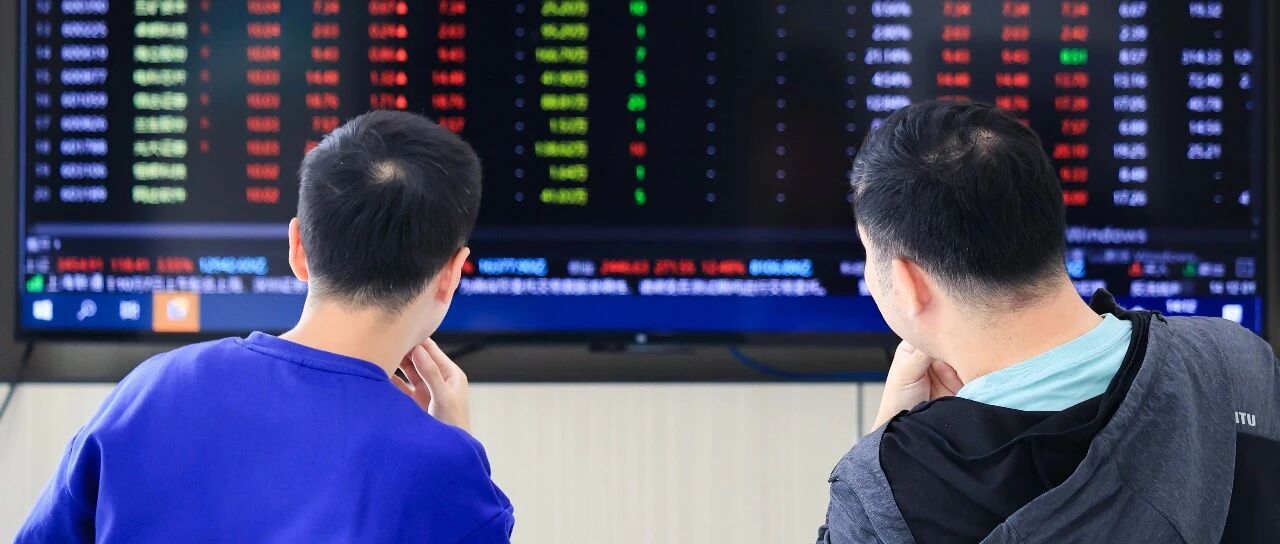
市场风格切换了?要调仓吗?券商最新观点出炉
券商中国· 2025-11-05 04:12
Core Viewpoint - The A-share market is experiencing a significant style switch in November, with the banking sector leading the market gains while previously strong sectors like metals and new energy are declining [1][2]. Group 1: Market Trends - On November 4, the banking sector rose by 2.03%, leading the market, while the metals sector fell by 3.04% [1]. - Historical data shows that in bull markets, style switches are common at year-end, primarily driven by policy, industry trends, and fund reallocation [2][3]. Group 2: Institutional Behavior - In the fourth quarter, there is often pressure to realize gains in leading sectors, as these sectors have accumulated significant increases [4]. - As of Q3 2025, the electronic sector's holding ratio reached 25%, and TMT sector holdings exceeded 40%, both at historical highs [4]. Group 3: Investment Strategy - Investors are advised to adopt a balanced allocation strategy to navigate market volatility during the style switch period, while still recognizing the ongoing value in technology growth stocks [5]. - The macroeconomic environment is expected to favor growth stocks due to the anticipated easing of monetary policy in the U.S., which could enhance liquidity [5]. Group 4: Sector Recommendations - Current recommendations include focusing on traditional industries that show improved capital returns, such as non-bank financials, steel, basic chemicals, and machinery, despite their lack of investor interest [5][6]. - The recovery of global manufacturing is uneven but moving towards alignment, with the U.S. benefiting from AI spillover and emerging markets seeing a return of capital and capacity rebuilding [6].


英大证券晨会纪要-20251104
British Securities· 2025-11-04 05:30
Core Insights - The report indicates a market style shift from high-valuation growth stocks to low-valuation weighted stocks, reflecting a clear trend of capital migration towards more stable and lower-risk investments [2][3][10] Market Overview - On Monday, the three major indices in the A-share market showed a rebound after a dip, with significant gains in heavyweight sectors such as coal, oil, banking, and steel, contrasting with the underperformance of the ChiNext and Sci-Tech 50 indices [2][5][9] - The overall market sentiment was active, with a total trading volume of 21,071 billion, and the Shanghai Composite Index closing at 3,976.52 points, up 0.55% [6][12] Sector Performance - The cultural media sector saw substantial gains, with a year-to-date increase of 42.75% in the first half of 2023, although it experienced a 15.58% pullback in the third quarter [7] - The Hainan Free Trade Zone concept stocks surged due to the announcement of the full island closure operation set to officially start on December 18, 2023 [8] Future Market Trends - The current "elephant dance" market signals a positive macroeconomic outlook, indicating a recovery in market confidence regarding economic fundamentals [3][10] - The report suggests a more balanced market style in the fourth quarter, with a focus on "technology growth," "cyclical sectors," and "stable dividend core assets" for better cost-performance ratios [3][11] - Investment strategies should focus on technology growth sectors, high-dividend defensive stocks, and cyclical styles, while being cautious of overhyped growth stocks lacking solid performance backing [11]
去你的老登股
虎嗅APP· 2025-11-04 00:24
Core Viewpoint - The article discusses the current market dynamics in China, highlighting a significant shift in investment styles between traditional sectors (referred to as "old stocks") and technology sectors (referred to as "new stocks") as investors navigate between high growth and certainty [4][10]. Market Performance - In the last trading day of October, technology stocks showed high growth in earnings, while traditional sectors like liquor faced significant declines, yet the market reacted oppositely [3][4]. - The market is experiencing a critical style battle, with funds oscillating between high-growth technology stocks and more stable traditional stocks [4][10]. Historical Context - The article traces the historical shifts in investment styles, noting that "old stocks" have previously been "new stocks" during different market cycles, indicating a cyclical nature of investment preferences [9][10]. - Past instances of style switching occurred in 2009, 2014, and 2017, where traditional sectors outperformed technology stocks after periods of high growth in the latter [12][14]. Factors Influencing Style Switching - Key factors driving these transitions include macroeconomic conditions, industry cycles, capital market rotations, and changes in market participant structures [9][10]. - The current market is characterized by a peak in technology stock valuations, with the ChiNext index and the STAR 50 index showing significant year-to-date gains [20][21]. Current Market Signals - The article identifies three signals indicating a potential style switch: extreme valuation disparities, high concentration in technology sector investments, and the need for fundamental shifts or policy changes to support traditional stocks [20][26]. - Recent market trends show a rebound in traditional sectors like coal and steel, suggesting a possible shift in investor sentiment [29][30]. Investment Strategy Outlook - Investment firms are likely to adopt a balanced approach, maintaining a core focus on technology while exploring opportunities in traditional sectors with strong fundamentals [31][32]. - The market is expected to experience volatility in the short term, with potential for a style switch as investors reassess their positions [31][32].
市场环境因子跟踪周报(2025.10.29):海外风险缓和,风格切换概率提升-20251029
HWABAO SECURITIES· 2025-10-29 12:30
- The report tracks various market environment factors, including stock market factors, commodity market factors, options market factors, and convertible bond market factors [1][7][11] - **Stock Market Factors**: - **Market Style**: The style of large-cap and small-cap stocks was balanced, while the value-growth style leaned towards growth [11][13] - **Market Style Volatility**: Both large-cap/small-cap and value-growth style volatilities increased [11][13] - **Market Structure**: Industry excess return dispersion increased, industry rotation speed decreased, and the proportion of rising constituent stocks increased [11][13] - **Trading Concentration**: The transaction amount of the top 100 stocks slightly decreased, while the transaction amount of the top 5 industries remained unchanged compared to the previous period [11][13] - **Market Activity**: Market volatility increased, and market turnover rate decreased [12][13] - **Commodity Market Factors**: - **Trend Strength**: Precious metals and agricultural products showed a decline in trend strength, while other sectors experienced an increase [26][32] - **Basis Momentum**: Basis momentum increased across all sectors [26][32] - **Volatility**: Volatility rose in all sectors except for the black sector [26][32] - **Liquidity**: Liquidity decreased in precious metals, non-ferrous metals, and agricultural products [26][32] - **Options Market Factors**: - **Implied Volatility**: Implied volatility for the SSE 50 and CSI 1000 indices decreased, reflecting a moderation in market expectations regarding Trump's tariff policies [35] - **Implied Discount Rate**: The implied discount rate for CSI 1000 narrowed, but the market did not turn fully optimistic [35] - **Option Holdings**: Both put and call option holdings increased, indicating persistent market uncertainty [35] - **Convertible Bond Market Factors**: - **Market Recovery**: The convertible bond market showed slight recovery last week [37] - **Valuation**: Pure bond premium rates remained stable, while the premium rate for 100-yuan convertible bonds steadily increased [37] - **Low Premium Convertible Bonds**: The proportion of low premium convertible bonds decreased significantly [37] - **Market Turnover**: Market transaction volume stabilized without further contraction [37]
重仓股“由小变大”,大小盘风头逆转?公募热议市场风格切换
券商中国· 2025-10-27 05:51
Core Viewpoint - The A-share market is experiencing a style switch from small-cap to large-cap stocks, driven by macroeconomic stabilization and performance certainty in the upcoming quarterly reports [2][3]. Market Performance - As of October 24, the Shanghai Stock Exchange 50 Index rose by 4.33% in the past month, reaching a new high for the year, while the North Exchange 50 Index and the CSI 2000 Index fell by 6.77% and 0.25%, respectively, indicating a shift in market capitalization style [2]. - Since the "9.24 market" in 2024, the CSI 2000 Index had previously outperformed the SSE 50 Index by 109.65%, but recently it has underperformed by about 5 percentage points [3]. Fund Manager Insights - Fund managers believe that the market is transitioning from small-cap to mid and large-cap stocks due to increased risk aversion and a focus on performance certainty [2][4]. - Recent announcements of dividends and purchase limits from small-cap funds suggest a strategy to lock in profits [3]. Liquidity Cycle - The A-share market liquidity is characterized by a four-stage cycle, currently nearing the end of the initial expansion phase, with large-cap stocks expected to regain dominance as institutional funds enter the market [4]. - There is a notable shift in focus towards mid-cap stocks, which have been under pressure due to a lack of confidence in their fundamentals [4]. Fund Holdings Transition - Many high-performing funds are shifting their holdings from small-cap to large-cap stocks, reflecting a broader trend of "abandoning small for large" [5][6]. - For instance, the "champion fund" Yongying Technology has transitioned its holdings from small-cap growth stocks to large-cap growth stocks since the second quarter [6]. Fund Size Impact - The rapid growth in fund sizes necessitates a shift towards more liquid large-cap stocks, as fund managers find it challenging to build large positions in less liquid small-cap stocks [7]. - This creates a positive feedback loop where increased fund size leads to higher stock prices, further attracting investment [7]. Institutional and Regulatory Factors - Institutional changes, such as the upcoming performance benchmark regulations for public funds, are expected to reinforce the large-cap market logic [8]. - The valuation of large-cap stocks, particularly the CSI 300, indicates they are undervalued, presenting a strong defensive investment opportunity as small-cap stocks weaken [8].

市场风格悄然切换 基金重仓股“由小变大”
Zheng Quan Shi Bao· 2025-10-26 22:18
Core Viewpoint - The A-share market is experiencing a style shift from small-cap to large-cap stocks, driven by macroeconomic stabilization and a focus on performance certainty amid rising risk aversion [1][2][6] Group 1: Market Performance - The Shanghai Stock Exchange 50 Index has risen by 4.33% in the past month, reaching a new high for the year, while the CSI 2000 Index and the North Exchange 50 Index have declined by 6.77% and 0.25%, respectively, indicating a market style switch [1][2] - Since the "9·24 market" in 2024, the CSI 2000 Index had previously outperformed the SSE 50 Index by 109.65%, but recently it has underperformed by about 5 percentage points [2] Group 2: Fund Manager Insights - Fund managers believe that the current market environment is pushing funds from small-cap to mid and large-cap stocks due to performance certainty and risk aversion [1][3] - Some fund managers are focusing on mid-cap stocks, which have been overlooked, as market risk appetite improves and funds begin to flow back into these stocks [3] Group 3: Fund Adjustments - Many funds are undergoing a significant shift from small-cap to large-cap stocks, as seen in the holdings of top-performing funds like Yongying Technology and Nuon Research Select, which have transitioned to larger market cap stocks [4][5] - The rapid growth of fund sizes is influencing managers to allocate more to liquid large-cap stocks, creating a positive feedback loop where rising stock prices attract more investments [5] Group 4: Institutional and Structural Factors - Institutional changes, such as the introduction of new performance benchmarks for public funds, are expected to reinforce the trend towards large-cap stocks [6] - The valuation of large-cap stocks, particularly the CSI 300 Index, is currently low, suggesting strong defensive characteristics and potential for capital inflow as small-cap stocks weaken [6]


招商证券:港股调整后重回成长风格 关注互联网与保险
智通财经网· 2025-10-25 07:22
Core Viewpoint - The recent adjustment in the Hong Kong stock market is seen as an overreaction to external shocks, with expectations of a rebound supported by easing trade tensions and incremental policy benefits [1][2] Market Performance - The Hong Kong stock market experienced a broad decline last week, with the Hang Seng Index dropping by 3.97% and the Hang Seng Tech Index falling by 7.98% [2] - The AH premium significantly widened to 120, indicating a disparity between Hong Kong and mainland stock valuations [2] Industry Recommendations - The report recommends focusing on the internet and insurance sectors as key areas for investment [1] - The overall market style shift is expected to be gradual or wave-like rather than a sudden switch, with growth style remaining the main focus in the near term [1] Micro Fund Flow - There was a net inflow of capital from various sources, including a net inflow of 451 million HKD from southbound funds, primarily directed towards financial and non-essential consumer sectors [2] - Foreign capital saw a net sell-off of 3.8 million USD through ETFs, while local ETFs experienced a net outflow of 17 million HKD [2] Liquidity Changes - After a rapid rise, Hong Kong market interest rates have stabilized, with the overnight Hibor at 3.04% and the 3-month Hibor at 3.61% [2] - The USD to HKD exchange rate is approaching the strong-side Convertibility Undertaking at 7.77 [2]

中加基金权益周报︱科技板块高位调整,债市呈现利差压缩行情
Xin Lang Ji Jin· 2025-10-24 07:52
Market Overview and Analysis - The primary market saw the issuance of government bonds, local government bonds, and policy financial bonds amounting to 276 billion, 32.3 billion, and 142.4 billion respectively, with net financing of 16.6 billion, -19.8 billion, and 23.3 billion [1] - Non-financial credit bonds totaled 401.2 billion in issuance, with a net financing amount of 182 billion [1] - One new convertible bond was issued, expected to raise 1.7 billion [1] Secondary Market Review - Long-term interest rate bonds and perpetual bonds performed well, influenced by factors such as the stock-bond relationship, liquidity easing, and institutional behavior [2] Liquidity Tracking - The central bank conducted a 1 trillion buyout reverse repurchase operation for six-month terms, with a total buyout of 4 trillion this month, marking the highest level in nearly seven months, indicating continued liquidity easing [3] Policy and Fundamentals - The Ministry of Finance set a local bond balance limit of 500 billion [4] - September's import and export data and M1 exceeded expectations, while credit, social financing, and CPI were slightly below expectations [4] - In the overseas market, a video call between US and China trade leaders raised concerns about the credit quality of US regional banks, with Powell hinting at the end of balance sheet reduction; US Treasury yields fell, and US stocks initially rose before declining [4] Equity Market - A-shares experienced strong risk aversion, with the Wande All A index dropping 3.45% over the week; the previously high-performing TMT sector led the decline, with electronics down 7.14%, media down 6.27%, and communications down 5.92%, while banks and coal stocks led the gains [5] - Trading volume decreased, with an average daily trading volume of 2.19 trillion, down 234.579 billion week-on-week [5] - As of October 16, 2025, the total financing balance for All A was 2.440123 trillion, an increase of 10.908 billion from October 9 [5] - Future focus includes the progress of US-China negotiations and the sustainability of market style shifts [5] Bond Market Strategy Outlook - Ahead of the Fourth Plenary Session and the upcoming high-level US-China talks, the policy environment is expected to remain stable, with a low likelihood of contractionary measures, providing trading opportunities in the bond market based on changes in risk appetite and expectations of easing policies [6] - However, bond trading space remains highly dependent on fundamental trends and geopolitical developments, necessitating close attention to third-quarter GDP data and policy signals from key meetings and public statements [6] - In the current uncertain environment, the focus should be on controlling volatility, with increased allocation value in reasonably valued bank convertible bonds [6]
【金融工程】止盈意愿上升,风格切换或将持续——市场环境因子跟踪周报(2025.10.23)
华宝财富魔方· 2025-10-23 09:06
Group 1 - The article emphasizes the potential for a market style shift in the fourth quarter, suggesting a reduction in positions within the technology growth sector and a shift towards broader indices and low-volatility dividend stocks [2][6] - The macro strategy team indicates that external short-term disturbances are expected to be less significant than in April, with positive signals anticipated from the 20th Central Committee's Fourth Plenary Session and the "15th Five-Year Plan" [2][6] - The report notes an increase in market volatility and a tendency for profit-taking and portfolio adjustments following the release of favorable signals in October [2][6] Group 2 - In the equity market, the style has shifted towards large-cap stocks, with a preference for value over growth, while the volatility of large-cap stocks has increased [8][9] - The report highlights a decrease in the proportion of stocks rising within the market, alongside a decline in the concentration of trading among the top 100 stocks [8][9] - Market activity has shown increased volatility, with a mixed performance in turnover rates across different sectors [8][9] Group 3 - In the commodity market, trends for precious metals, energy, non-ferrous metals, and agricultural products have strengthened, while the black metal sector has weakened [14][15] - The report indicates an increase in liquidity for precious metals, contrasting with a decline in liquidity for other sectors [14][15] Group 4 - The options market experienced heightened implied volatility due to unexpected tariff announcements, leading to a temporary spike in fear among investors [19] - The report notes that the indicators for the small-cap/growth style have not shown signs of improvement, despite previous strength [19] Group 5 - The convertible bond market adjusted in line with the stock market, maintaining stable conversion premiums, which suggests a good defensive characteristic compared to the stock market [22] - The report mentions a decline in pure bond premiums and a significant drop in market transaction volumes post-holiday [22]

长城基金尤国梁:市场或出现风格切换
Xin Lang Ji Jin· 2025-10-23 04:05
Group 1 - The market is experiencing fluctuations due to a combination of cautious sentiment and external news, leading to a shift of funds from the technology sector to defensive sectors like banking and coal [1] - Looking ahead to Q4, significant events such as important meetings and the "14th Five-Year Plan" are expected to influence market trends, with a forecast of a stepwise upward movement in indices [1] - There is a potential for a style switch in November, with large-cap growth stocks possibly shifting towards small-cap or value stocks, depending on market consensus regarding the "14th Five-Year Plan" [1] Group 2 - If the market returns to a small-cap theme, there is an optimistic outlook for sectors such as commercial aerospace and satellites [1]