房地产市场分化

Search documents
我国楼市或成定局,未来全国45%的家庭,或将不得不面临“4大挑战”
Sou Hu Cai Jing· 2025-09-23 00:58
Core Insights - The Chinese real estate market is undergoing a significant transformation, moving from a "golden era" of rapid growth to a challenging "new normal" characterized by declining sales and changing housing demands [2][3][5] Group 1: Market Trends - In Q1 2025, the national sales area of commercial housing decreased by 8.7% year-on-year, with sales revenue dropping by 12.3% [2] - The average return on residential investment has halved from 9.7% in 2018 to 3.2% in 2025, indicating a shift away from real estate as a reliable investment [3][5] Group 2: Challenges Facing the Housing Market - The housing market is facing four major challenges: the return of housing to its primary function of residence, demographic changes leading to a qualitative shift in housing demand, regional disparities causing market segmentation, and high financial pressure on households [2][6][8][9] - Approximately 45% of families will confront these challenges, which include a significant decline in the perceived investment value of real estate [2][5] Group 3: Demographic Shifts - The birth rate in China is projected to fall below 10 million by 2024, with a natural population growth rate of only 0.9‰, leading to an aging population where those over 60 may comprise nearly 30% by 2035 [6] - There is a growing demand for age-appropriate housing and senior living facilities, as 42.7% of seniors feel their current housing conditions are inadequate [6][7] Group 4: Regional Disparities - The price gap between first-tier cities and third- and fourth-tier cities has widened, with the difference in price fluctuations increasing from 5.7 percentage points in 2020 to 11.3 percentage points [8] - About 127 third- and fourth-tier cities have new housing inventory turnover periods exceeding 24 months, indicating significant market pressure [8] Group 5: Financial Pressures on Households - The average monthly housing loan payment now accounts for 38.2% of urban household income, surpassing the internationally recognized threshold of 30% [9] - Households with mortgages spend 27.3% less on education and entertainment compared to those without, highlighting the financial strain caused by high housing costs [9] Group 6: Future Outlook and Recommendations - Families are advised to reassess their housing needs, focusing on the primary function of housing as a place to live rather than an investment vehicle [10][12] - Emphasis should be placed on long-term city development prospects and the diversification of household assets to ensure financial stability [10][12]

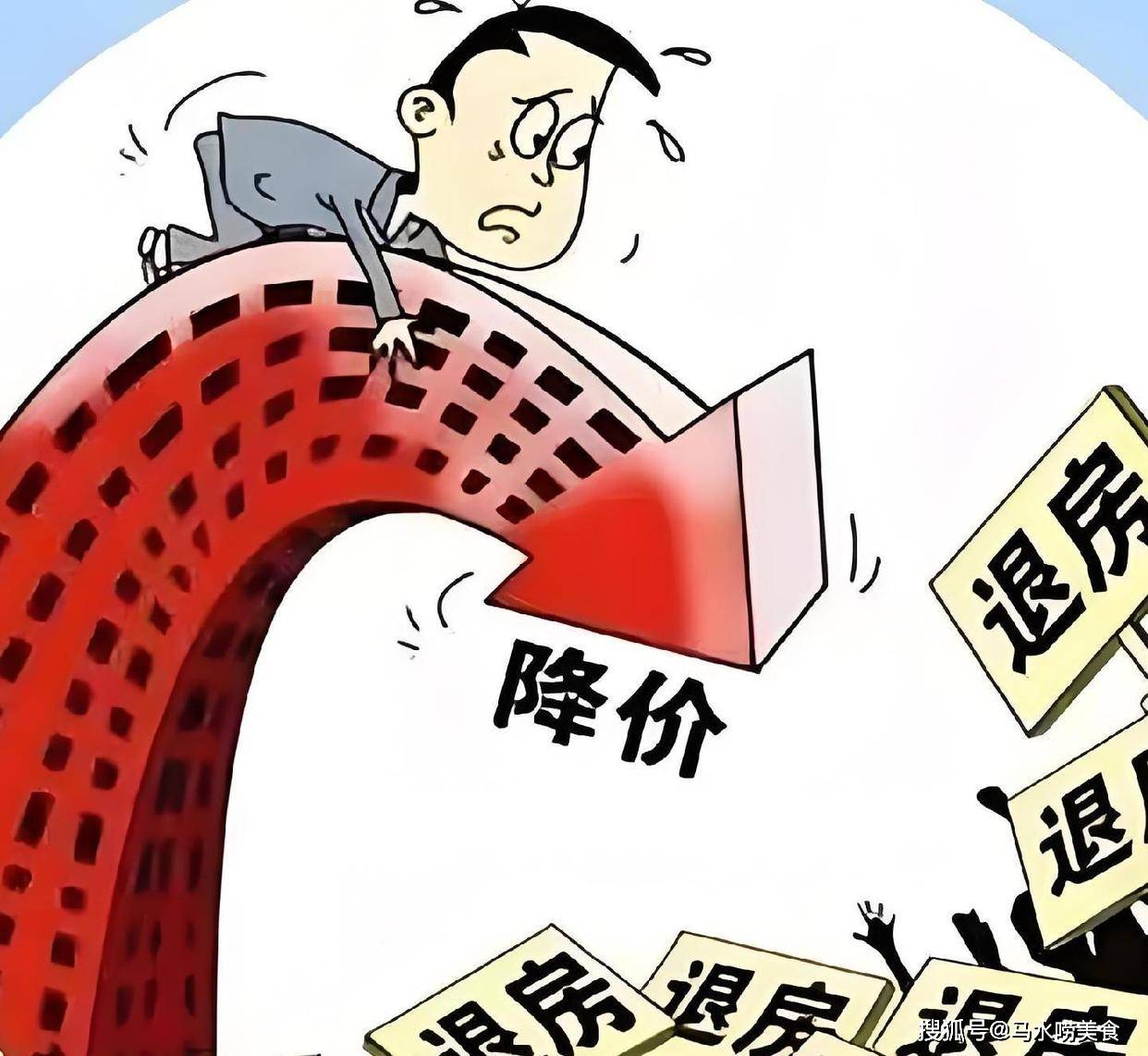
马云预言成真了?未来10年,到底是该“买房”还是“持币”?答案来了
Sou Hu Cai Jing· 2025-09-22 01:32
楼市迷局:买房还是持币?一场关乎财富与未来的抉择 几日前,与友人小聚,话题不免俗地落在了资产配置之上。老张率先发声,言之凿凿地阐述了他抛售市 中心小户型,手握现金静待楼市触底反弹的策略。话音未落,老李便针锋相对,分享了他购置郊区大三 居的决定,虽首付压力不小,但总算拥有了一个安身立命之所。两人你来我往,争论得面红耳赤,却始 终无法说服彼此。 这场争论折射出的,或许是当下许多人面临的共同困境:在风云变幻的经济大环境下,究竟是迎风而 上,购置房产,还是按兵不动,持币观望,以待时机? 这绝非一道简单的选择题,它不仅关乎个人的财富保值增值,更牵动着无数家庭的未来走向。毕竟,对 于绝大多数普通人而言,房子不仅仅是遮风避雨的居所,更是家庭资产配置中最为重要的组成部分。 回溯过去两年的房地产市场,我们目睹了一场深刻的调整。国家统计局的数据清晰地勾勒出这一轮调整 的轨迹:2024年,全国商品房销售面积同比大幅下降12.3%,创下近十年来历史新低。这股下行之风, 自一线城市开始,迅速蔓延至二三四线城市,房价也随之呈现出不同程度的回落。 支持购房的人士普遍认为,房子作为一种生活必需品,无论市场如何波动,其根本需求始终存在。随着 ...

房价连续跌了4年,涨回来只用了3天?楼市拐点难道来了?
Sou Hu Cai Jing· 2025-09-20 23:33
Core Viewpoint - The real estate market in China is experiencing a stark contrast between a temporary surge in luxury property sales and a continued decline in the overall housing market, indicating a complex and divided landscape [1][3][11] Policy Impact - Various government policies have been implemented to stimulate the housing market, including reduced down payments and interest rates, as well as direct subsidies for homebuyers [3][5] - These measures have led to a temporary increase in transactions in certain areas, such as a 38% rise in transaction volume for older homes in Hangzhou after the removal of purchase restrictions [5][6] Market Division - The real estate market is showing extreme division, with luxury properties experiencing a surge in demand, evidenced by a 184% increase in transactions for high-end homes in Shenzhen [8][9] - Conversely, the second-hand housing market is struggling, with significant price reductions required to facilitate sales, such as a 14% price cut in Shenzhen [8][9] Economic Role of Real Estate - The real estate sector, once a key driver of China's economy, is now facing significant challenges, with a reported 11.2% year-on-year decline in real estate development investment [11][12] - The contribution of land sales to local government revenue has decreased by 23.2% compared to peak levels, indicating a shift in the economic landscape [11][12] Future Market Outlook - The real estate market is expected to undergo a "threefold differentiation," with core first-tier cities maintaining stability while third and fourth-tier cities continue to face challenges [13][14] - The focus is shifting from speculative investment to a more rational approach centered on living quality, as the market adapts to changing consumer preferences [16][17]
取消折扣、上调房价!最牛地级市,打响房价上涨第一枪
Sou Hu Cai Jing· 2025-09-17 20:48
Core Insights - The recent price increase in real estate markets across various second-tier cities in China indicates a potential market recovery rather than a mere risk signal [1][10][14] Group 1: Price Trends and Market Dynamics - Over 20 second-tier cities have announced the cancellation of sales discounts, with significant price increases observed in 8 cities since the beginning of 2025 [1][2] - The cities experiencing price increases are primarily located in the Yangtze River Delta and Pearl River Delta regions, characterized by low inventory turnover periods, declining new supply, and rising transaction volumes [2][5] - For example, in Xuzhou, new land supply decreased by 35% in 2024 compared to 2023, while new construction area fell by 28%, indicating a tightening supply coinciding with growing demand [2][5] Group 2: Buyer Behavior and Demand Shifts - The proportion of improvement-driven buyers in third- and fourth-tier cities has risen to 48%, the highest in five years, indicating a shift towards higher quality housing demands [5][7] - Sales data shows that these cities have a housing absorption rate exceeding 80%, with some popular projects experiencing buyer queues, suggesting a solid market foundation for price increases [5][7] Group 3: Developer and Government Influences - Developers are under financial pressure, leading them to raise prices to improve profitability, especially for projects acquired during high land cost periods [6][10] - Local governments are also motivated to support price increases as land sale revenues are crucial for their budgets, especially in light of a 12.8% decline in national land sale revenues in 2024 [6][10] Group 4: Market Segmentation and Future Outlook - The price increases are primarily seen in the new housing market, while second-hand housing prices remain stable, indicating a more proactive stance from developers rather than a passive market reaction [7][10] - The current price trends reflect a structural differentiation in the market, where cities with strong industrial support and population inflow see price increases, while those lacking such fundamentals continue to struggle [7][10] Group 5: Economic Implications - Moderate price increases can positively impact local economies by restoring market confidence and stimulating related industries such as construction and home furnishings [8][10] - However, rapid price increases could burden ordinary families, particularly first-time buyers, raising concerns about affordability and overall consumer spending [10][11]

今明两年不买房,5年后会买不起吗?王健林曹德旺的说法“近乎明示”
Sou Hu Cai Jing· 2025-09-16 11:36
Core Insights - The current real estate market is experiencing a significant adjustment, with a notable decline in housing prices in various regions, particularly in third and fourth-tier cities [3][4] - Young individuals face immense pressure regarding home purchases, with a high percentage expressing concerns about affordability and the fear of missing out on buying opportunities [1][3] - The market is characterized by a clear differentiation between high-quality properties in core urban areas and those in less desirable locations, with the former likely to maintain value while the latter may see price declines [4][5] Market Trends - According to the National Bureau of Statistics, new residential prices in 70 major cities decreased by 0.3% for new homes and 0.5% for second-hand homes in the first half of 2025, indicating a market adjustment rather than continuous growth [3] - A demographic shift is evident, with a declining birth rate leading to a population decrease, which is expected to impact housing demand negatively [3] - Predictions suggest that the real estate market will enter a phase of "overall surplus but structural shortage" within the next five years, indicating an oversupply of housing but a continued demand for high-quality properties [3] Investment Considerations - The rental market is becoming increasingly attractive, with a significant portion of young people opting to rent rather than buy, as rental yields are often lower than mortgage rates [7][10] - Financial experts recommend that housing costs should not exceed 30% of a household's monthly income to avoid excessive financial strain [7] - The importance of considering long-term career and personal plans when making housing decisions is emphasized, as buying a home is a long-term commitment [7][8] Psychological Factors - The "fear of missing out" on home purchases can lead to poor financial decisions, as seen in cases where individuals bought homes at high prices only to face subsequent declines [1][8] - The narrative that "housing prices will only rise" contributes to anxiety among potential buyers, highlighting the need for independent analysis rather than following market trends blindly [8][10] - The notion that homeownership is the only path to stability is challenged, with suggestions that investing in personal development may yield better long-term returns than real estate [10][11]

房价底部出现了吗?
3 6 Ke· 2025-09-16 10:20
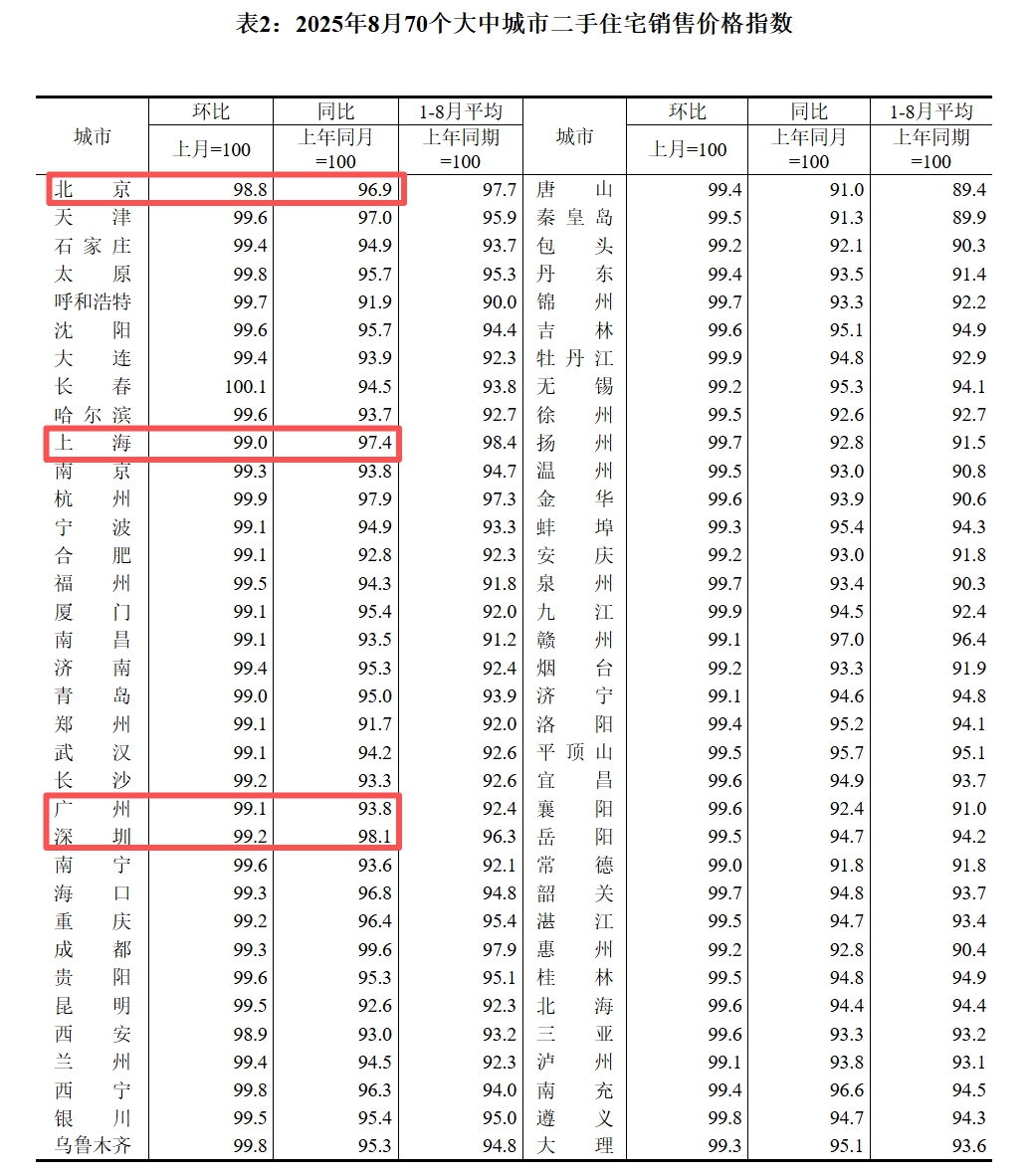
Core Viewpoint - The real estate market in China is experiencing a divergence between new and second-hand housing prices, with first-tier cities showing more resilience in new home prices compared to second-hand homes, which continue to decline [1][4][10]. Group 1: Price Trends - In August, new home prices in first-tier cities decreased by 0.1% month-on-month, while second-hand home prices fell by 1.0% [1]. - Second-tier cities experienced a more significant decline, with new home prices down 0.3% and second-hand prices down 0.6% month-on-month [1]. - Guangzhou saw the largest year-on-year drop in second-hand home prices, down 6.2% compared to last year [1]. Group 2: Market Dynamics - The second-hand housing market is more reflective of market sentiment, while new homes benefit from quicker supply adjustments and stronger demand in core areas [1][4]. - The divergence between new and second-hand home prices is expected to intensify, leading to the emergence of two distinct markets [4]. Group 3: Supply and Demand Factors - Key factors influencing the new home market include land supply, developer funding, and transaction volume [5]. - The concentration of land supply is increasing, with the top 10 developers accounting for 70% of the new value added in the real estate sector [5][6]. - In Beijing, major developers are acquiring a significant portion of land, leading to a potential regional supply monopoly and a shift towards high-end product development [6]. Group 4: Financial Conditions - Real estate developers' funding reached 64,318 billion yuan in the first eight months of 2025, a year-on-year decrease of 8%, but the decline rate has slowed [8]. - The new housing starts have decreased by 19.5% year-on-year, indicating a potential easing of financial pressures for major developers [8]. - The land market is showing signs of recovery, with the top 100 developers increasing their land acquisition by 31% year-on-year [8][9]. Group 5: Consumer Behavior - The second-hand housing market is characterized by intense competition among individual sellers, leading to a downward price pressure [11][12]. - The decline in personal housing loans indicates a weakened willingness to buy among consumers, despite a potential increase in leverage capacity [13][16]. - Rental prices in cities like Beijing have also decreased, which may further delay potential buyers' plans to enter the market [14].
西安楼市“冰与火”:豪宅单价破6万 远郊刚需重回8500元
2 1 Shi Ji Jing Ji Bao Dao· 2025-09-10 12:16
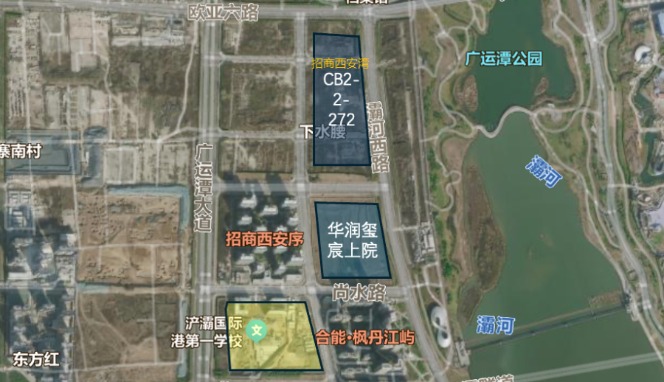
Core Viewpoint - The real estate market in Xi'an is undergoing a significant restructuring, characterized by a stark contrast between the struggling affordable housing sector and the thriving luxury market, reflecting a shift from scale expansion to quality competition [1][2][6]. Group 1: Market Performance - In the first eight months of 2025, the total sales amount of real estate in Xi'an decreased by approximately 18%, with the top 30 real estate companies achieving sales of 711.20 billion yuan [2][6]. - The average monthly visitor count at sales offices was 476, resulting in only 24 transactions in August, indicating a cooling market [2]. - The average price of improved residential properties in the Chanba International Port area has stabilized above 30,000 yuan/m², with some products reaching 60,000 yuan/m² [1][4]. Group 2: Market Segmentation - The market is experiencing a clear divide, with first-time buyers remaining cautious while high-end projects continue to sell well due to their scarcity [1][3]. - The affordable housing market is facing deep adjustments, with some projects reverting to prices seen eight years ago, such as 8,500 yuan/m² in the Weiyang Lake area [6]. - The luxury segment, particularly in the Olympic Sports and Qujiang areas, is performing robustly, largely unaffected by market fluctuations [4][6]. Group 3: Land Market Dynamics - Xi'an's land market has shown a structural recovery, with residential land transactions totaling 26.6 billion yuan, ranking sixth nationally, and floor prices increasing by 22.57% year-on-year [7][8]. - The land acquisition landscape is shifting, with local enterprises increasingly securing land in core areas, while outer regions face challenges such as unsold land [8][9]. - The financing environment for real estate companies is improving, with bond financing costs decreasing, which is crucial for land acquisition decisions [8][9]. Group 4: Policy Measures - The Xi'an government has implemented a series of policies aimed at stimulating the real estate market, including adjustments to public housing fund policies and easing land payment terms [10][11]. - New measures allow for the extraction of public housing funds for down payments and extend the payment period for land transfer fees, enhancing liquidity for developers [11][12]. - The focus on improving the quality of housing and enhancing market trust through regulatory measures is expected to support market recovery [12].
深圳10万+房价板块仅这六个
Sou Hu Cai Jing· 2025-09-07 07:40
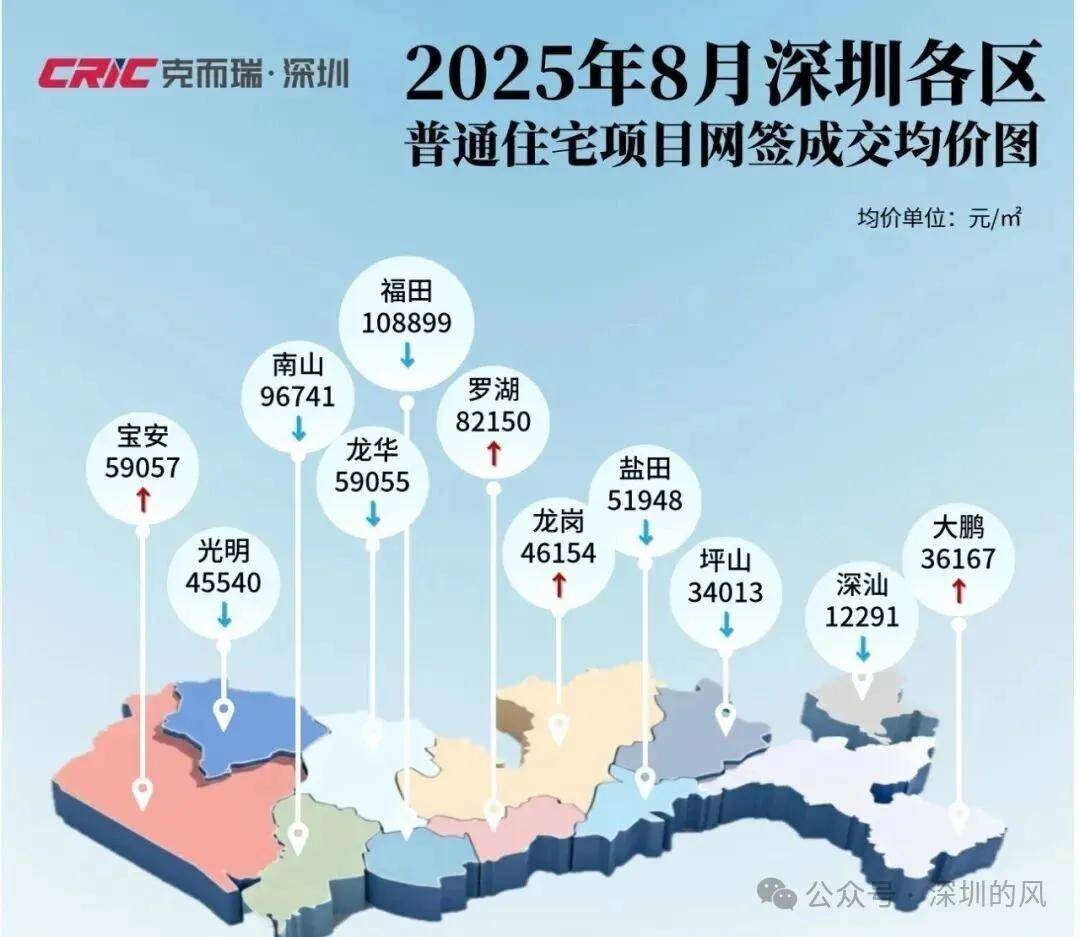
Core Insights - The Shenzhen real estate market continues to show signs of adjustment, with a significant decline in transaction volume for ordinary residential properties, marking the fifth consecutive month of decrease [1][8] - Supply has contracted sharply, with only 7 residential projects receiving pre-sale permits in August, leading to a substantial reduction in new supply area [2][8] - There is a notable divergence in price performance across different districts, with some areas experiencing price increases while others see declines [3][5][7] Market Performance - The transaction volume for ordinary residential properties in Shenzhen was approximately 127,800 square meters in August, reflecting a month-on-month decrease of 14.8% and a year-on-year decline that continues to widen [1] - Only 30,900 square meters of new residential supply was added in August, a significant drop of 35.2% compared to the previous month [2] - The overall average price of new homes in Shenzhen remained stable month-on-month, but only 4 out of 11 districts saw price increases, with Dapeng New District leading with a 5.5% month-on-month increase [3][5] Price Analysis - The average transaction price in Futian District remains the highest at 108,899 yuan per square meter, followed by Nanshan and Luohu at 96,741 yuan and 82,150 yuan respectively [5] - The high-end market has seen a reduction in the number of districts with prices above 100,000 yuan per square meter, dropping to 6 districts from 8 in July [6] - Dapeng District recorded the highest month-on-month price increase at 10.4%, while the Biling District experienced the largest declines, with a year-on-year drop of 33.0% [7] Market Outlook - Analysts indicate that the Shenzhen real estate market is still in an adjustment phase, with a strong wait-and-see sentiment among buyers and a slowdown in developers' project launches [8] - Despite the overall market decline, high-quality projects in core areas continue to attract interest, demonstrating strong resilience against price drops [8] - The market is expected to stabilize gradually as policy environments become clearer and market expectations stabilize, although divergence in performance will likely persist in the short term [8]
王健林的预言又准了!2026年的房价如何,已经出现4个迹象
Sou Hu Cai Jing· 2025-09-06 12:13
Core Insights - The real estate market is entering a "deep adjustment period," as predicted by Wang Jianlin three years ago, with clear signals emerging regarding the price trends for 2026 [1][38] Group 1: Market Dynamics - The second-hand housing market is experiencing a supply-demand imbalance, with listings exceeding 7.53 million, a historical high, while transaction volumes have decreased by 15% year-on-year [3][5] - Many cities face a situation of "more listings, fewer transactions," leading to properties remaining unsold for months, and buyers are increasingly negotiating prices down [5][12] - Developers are heavily promoting properties due to inventory pressure and debt crises, with a total inventory of 760 million square meters and 525.7 billion yuan in debts due by 2025 [7][8] Group 2: Financing and Borrowing Trends - Mortgage rates have dropped to historical lows, from 5% to 3% over two years, yet the number of applicants has not increased significantly [10][12] - The high leverage ratio of 62% among residents has made them cautious about taking on long-term mortgages, preferring to keep funds for emergencies [12][26] Group 3: Price Disparities - While core areas in first-tier cities maintain strong demand for quality properties, prices in county towns and suburban areas are declining, with some prices dropping from 8,000 yuan per square meter to 5,000 yuan [13][20] - The disparity in housing prices within the same province or city is becoming more pronounced, driven by market dynamics [14][16] Group 4: Regional Economic Factors - Core areas benefit from scarce resources such as quality education and healthcare, which sustain demand for properties despite overall market conditions [18][20] - Non-core areas are suffering from population outflow and lack of competitive industries, leading to a significant drop in housing demand [22][24] Group 5: Policy Implications - Policy measures aimed at stimulating the market, such as lowering mortgage rates and relaxing purchase restrictions, have had limited impact in non-core areas [26][28] - Developers in core areas can still manage inventory effectively, while those in non-core areas face high inventory pressures and may need to pause sales [28][30] Group 6: Strategic Recommendations - Potential buyers should focus on core areas with quality resources and maintain a cautious approach to financing, ensuring emergency funds are available [32][39] - Sellers should be realistic about pricing and consider minor renovations to enhance property appeal [34] - Observers should track market dynamics, including listing and transaction volumes, as well as population trends, to identify potential opportunities [36]

行业透视 | 9月预期新房供应“量增质优”,成交或迎低位回升
克而瑞地产研究· 2025-09-04 09:30
Core Viewpoint - The traditional marketing peak in September has led to a steady increase in supply, resulting in a potential halt in the decline of new home transactions, although the growth rate remains limited, indicating a weak recovery trend [1][4]. Supply Overview - In September, the supply of new residential properties in 28 key cities is expected to reach 5.88 million square meters, representing a 10% month-on-month increase but a 47% year-on-year decrease [6][10]. - First-tier cities, particularly Beijing and Guangzhou, have shown significant month-on-month supply increases, with Beijing's supply surging by 296% month-on-month, although it still reflects a 4% year-on-year decline [7][10]. - Second-tier cities have seen supply remain flat month-on-month but drop by 52% year-on-year, indicating severe inventory pressure [8][10]. - Third and fourth-tier cities experienced a month-on-month increase of 87%, primarily driven by a significant rise in Wuxi [9][10]. Supply Structure - The supply structure in key cities is skewed towards improvement demand, with 30% for basic needs, 53% for improvement, and 17% for high-end products [11][14]. - Over 70% of cities have their main supply concentrated in urban areas, with cities like Wuxi, Suzhou, and Fuzhou showing over 90% of their supply from main urban areas [14][15]. Market Predictions - The expected increase in supply during September, combined with favorable policies in cities like Beijing and Shanghai, is likely to lead to a low-level rebound in new home transactions [18][20]. - The market is expected to see continued differentiation between cities and projects, with core cities maintaining high volatility and some second-tier cities showing signs of weak recovery [18][20]. - The second-hand housing market is anticipated to experience a slowdown in growth momentum, as the improved product offerings in new homes may only attract price-sensitive buyers in the short term [18][20].