扩大消费

Search documents
中金公司 政治局会议联合解读
中金· 2025-08-05 03:20
Investment Rating - The report indicates a positive outlook for the bond market, expecting a continued decline in bond yields in the second quarter of 2025 due to accelerated fiscal and monetary policies [14][16]. Core Insights - The political bureau meeting emphasizes the acceleration of fiscal policy implementation, with a notable increase in the issuance of government bonds and special bonds in 2025, aiming to mitigate risks in key areas and address local government debts [1][3]. - Monetary policy is expected to adapt by potentially lowering the reserve requirement ratio and introducing innovative structural monetary policy tools to support technological innovation and stabilize foreign trade [5][10]. - The real estate policy focuses on urban renewal and the transformation of urban villages, with plans to expand the scale of these projects and improve the supply of high-quality housing [7][23]. - The impact of new U.S. tariff policies on Chinese exports is acknowledged, but the report highlights that Chinese listed companies primarily rely on domestic demand, which mitigates the overall impact [12][13]. - The report suggests that the second quarter of 2025 may present a favorable trading window in the bond market, driven by monetary policy easing and increased fiscal support [16]. Summary by Sections Fiscal Policy - The meeting highlighted a clear acceleration in fiscal policy, with government bond issuance progress at 25.6% and special bonds at 25.8% as of April 25, 2025, compared to 8.6% and 18.0% in the same period of 2024 [3]. - The focus is on utilizing existing policies more effectively, with expectations for increased bond issuance in May and June to support economic stability [4][10]. Monetary Policy - The report discusses the potential for lowering the reserve requirement ratio and the introduction of new financial tools to support consumption and innovation [5][21]. - The stability of the RMB exchange rate is noted, providing room for interest rate cuts [5][18]. Real Estate Sector - The political bureau plans to enhance urban renewal projects and optimize policies for the acquisition of existing housing, with a target of increasing the supply of high-quality housing [7][23]. - The report indicates that the overall housing market is expected to stabilize, with a gradual recovery in transaction volumes and prices over the next 1-3 years [26]. Consumer and Technology Sectors - The report emphasizes the importance of supporting domestic consumption and technological innovation, particularly in the context of external pressures from tariffs [32][33]. - The Chinese home appliance industry is highlighted for its global competitive advantages, with a focus on enhancing overseas production capacity [38]. Investment Opportunities - The report recommends focusing on sectors related to domestic demand, such as consumer goods and telecommunications, as well as long-term investments in technology and domestic substitution concepts [15][31]. - Specific investment opportunities include cement companies and consumer building materials, which are expected to benefit from urban renewal and consumption stimulus policies [31].

国家发展改革委:适时加力实施好已部署的各项政策举措
Shang Hai Zheng Quan Bao· 2025-08-01 18:50
Economic Performance - China's GDP grew by 5.3% year-on-year in the first half of the year, exceeding expectations and improving by 0.3 percentage points compared to the same period last year and the entire previous year [1] - Domestic demand contributed 68.8% to economic growth, showcasing strong resilience amid external pressures [2] - The import and export scale reached 20 trillion yuan, with exports increasing by 7.2% [2] Policy Measures - The National Development and Reform Commission (NDRC) has fully allocated 800 billion yuan for "two heavy" construction projects and 735 billion yuan for central budget investments [1] - A total of 690 million yuan in special bonds for consumer goods replacement has been allocated, with plans for a fourth batch of 690 million yuan to be disbursed in October, completing the annual target of 300 billion yuan [1] - The NDRC aims to enhance support for the artificial intelligence industry, focusing on optimizing the innovation ecosystem and increasing policy support [2] Investment and Consumption - The NDRC plans to promote healthy and sustainable consumption growth, including measures to steadily increase residents' income and foster domestic products [3] - There will be efforts to expand effective investment, including the establishment of new policy financial tools and encouraging private enterprises to participate in major national projects [3] - The NDRC will also work on reform measures to stimulate domestic demand and enhance the role of private investment in various sectors [3][4] Market Regulation - The NDRC aims to address issues of "involution," disorderly competition, and market disarray by combining effective market mechanisms with proactive government actions [4] - Measures will be taken to regulate low-price competition and ensure fair pricing practices among enterprises [4][5] - The NDRC will develop a comprehensive action plan to promote a unified national market, focusing on regulatory measures and improving market access [5]
国家发改委:将以更大力度、更实举措、更优服务,持续做好扩消费工作
news flash· 2025-08-01 03:30
8月1日,国家发展改革委就当前经济形势和经济工作举行新闻发布会。国民经济综合司司长周陈在会上 表示,下一步,国家发展改革委将以更大力度、更实举措、更优服务,持续做好扩消费工作。一是着力 推动增强消费能力,让大家敢消费。加快落实稳就业稳经济推动高质量发展若干举措,促进居民收入稳 步提升,同时解决好群众急难愁盼问题。二是培育服务消费新的增长点,让大家能消费。落实《提振消 费专项行动方案》部署,聚焦文化旅游体育赛事等服务消费,以及养老医疗托育等生活服务业,推动地 方有序减少消费限制。三是持续优化消费供给,让大家愿消费。积极培育国货"潮品",大力发展"人工 智能+"消费,加力创新应用场景。完善充电桩、商贸物流体系等消费基础设施,进一步推动消费投资 良性循环。 ...
政治局会议定调促消费:扩大商品消费同时,培育服务消费新增长点
Sou Hu Cai Jing· 2025-07-30 07:48
Group 1 - The central government emphasizes the need to effectively unleash domestic demand potential and implement actions to boost consumption, focusing on both goods and services [1] - The importance of expanding consumption is highlighted as a key factor in stabilizing economic growth amid increasing external uncertainties [1] - The government has previously outlined plans to enhance consumption and investment efficiency, aiming for comprehensive expansion of domestic demand [1] Group 2 - The Ministry of Commerce acknowledges a current shortage in high-quality service supply and is implementing targeted measures for both external and internal openings [3] - The focus on external opening includes expanding pilot programs in sectors like healthcare to attract more quality services, while internal measures aim to support high-quality service consumption development [3] - Research indicates that service consumption will be a crucial area for future growth, with expectations for increased policy support in the second half of the year to stimulate demand and optimize supply [3]

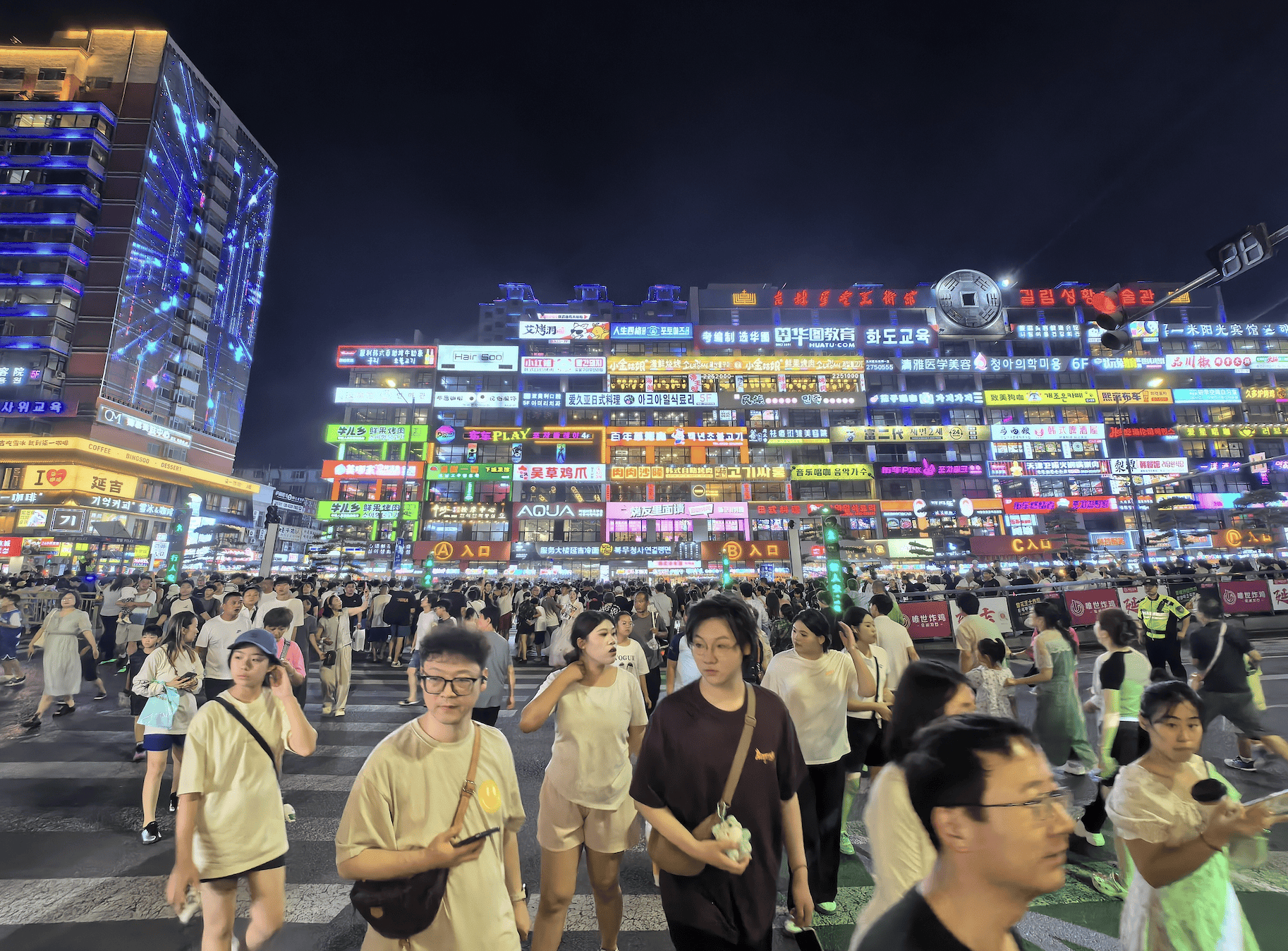
为扩大消费“添柴加薪”
Xin Hua Ri Bao· 2025-07-28 20:44
Group 1 - The "Su Super" event has significantly boosted urban consumption, with summer homestay bookings in cities like Nanjing, Suzhou, and Xuzhou increasing by over 50% year-on-year [1] - The entire "Su Super" season is projected to generate over 300 million yuan in comprehensive economic benefits, serving as an excellent case of consumption driving economic growth [1] - In the first half of the year, domestic demand contributed 68.8% to GDP growth, with final consumption expenditure accounting for 52%, highlighting consumption as a stable anchor for economic growth [1] Group 2 - Enhancing consumer confidence is essential for boosting consumption, with measures including employment expansion, training programs, and increased social security support [2] - The "Special Action Plan to Boost Consumption" emphasizes the importance of ensuring workers' rights to rest and leisure, allowing them time to engage in shopping and tourism [2] - There is a shift in consumer preferences from purchasing products to seeking services, experiences, and cultural offerings, indicating a trend towards personalized and diverse consumption [2] Group 3 - Optimizing the consumption environment is crucial for stimulating consumption, addressing both hard and soft environmental shortcomings [3] - Key actions include improving logistics for rural areas, enhancing nighttime consumption facilities, and establishing a fair market governance system [3] - The "Three-Year Action Plan for Optimizing the Consumption Environment" in Jiangsu Province outlines 62 specific measures to create a safe, convenient, and high-quality consumption environment [3]
21专访|华泰资产王军:像重视招商引资一样重视消费
2 1 Shi Ji Jing Ji Bao Dao· 2025-07-24 09:56
Economic Performance - In the first half of the year, China's GDP reached 66.05 trillion yuan, growing by 5.3% year-on-year, laying a solid foundation for achieving the annual target of around 5% [1] - The manufacturing sector showed significant support, with industrial added value increasing by 6.4% year-on-year, and high-tech manufacturing growing by 9.5% [4][5] - Exports demonstrated resilience, with a total trade surplus of $586 billion, marking a 34.7% year-on-year increase [5] External Trade Dynamics - The trade environment is influenced by U.S. tariff policies, with potential risks of export decline in the second half due to demand exhaustion and new tariffs [1][7] - China expanded its trade partnerships, with exports to emerging markets like Africa and ASEAN showing significant growth, indicating a strategy to mitigate external risks [6] Consumer Spending and Income - Despite a 5.3% increase in disposable income, consumer spending potential remains underutilized due to economic transformation and real estate market adjustments [8][9] - Recommendations include enhancing domestic circulation, increasing residents' income, and prioritizing consumer spending in fiscal policies [9][10] Investment Outlook - Investment dynamics are expected to weaken, particularly in manufacturing and real estate, with private investment growth remaining low [13][14] - Infrastructure investment is anticipated to maintain resilience, supported by special bonds and policy financing [13] Fiscal and Monetary Policy - There is room for interest rate cuts and a need for proactive fiscal policies to support economic stability and growth [15][16] - The focus should be on fiscal expansion through special bonds and targeted financial tools to stimulate effective investment [16]

权威解读|中国经济下半年发力点何在?
Xin Hua She· 2025-07-19 08:22
Group 1 - The Chinese economy is expected to maintain a stable and positive development trend in the second half of the year, supported by solid performance in the first half [1][2] - The government has implemented policies to boost consumption, including financial support for service sectors and subsidies for durable goods, which have shown positive effects [2] - There is a focus on increasing local government special bonds and enhancing investment in social sectors such as elderly care, education, and healthcare to stimulate economic growth [2] Group 2 - The expansion of the "trade-in" policy to service consumption sectors is anticipated, aiming to enhance consumer confidence and spending [2] - The number of countries with unilateral visa-free policies for entry into China has increased to 47, which is expected to invigorate the inbound consumption market [2] - Macro policies are being coordinated to ensure stable economic operations, with relevant departments accelerating the introduction of supportive measures for the second half of the year [1][2]
进一步加大逆周期调节力度 一揽子金融支持举措全部落地实施
Ren Min Ri Bao· 2025-07-14 21:53
Monetary Policy and Economic Support - Since 2020, the People's Bank of China (PBOC) has implemented 12 reserve requirement ratio cuts and 9 interest rate reductions, leading to a decrease of 115 basis points for 1-year loans and 130 basis points for loans over 5 years [1] - In the first half of the year, new corporate loans increased by 12.92 trillion yuan, with a weighted average interest rate of approximately 3.3%, down about 45 basis points year-on-year [2] - The PBOC's monetary policy has effectively supported the real economy, with total social financing growing by 8.9% year-on-year and broad money supply increasing by 8.3% [2][3] Financial Structure and Innovation Support - The PBOC's financial support measures have led to a notable increase in loans for technology and innovation, with technology loans growing by 12% year-on-year, reaching a balance of 43.3 trillion yuan [4] - The "Five Major Financial Articles" initiative has resulted in a loan balance of 103.3 trillion yuan, with significant growth in green, inclusive, and digital loans [4][5] - The establishment of a "Technology Board" in the bond market has facilitated the issuance of approximately 600 billion yuan in technology innovation bonds, supporting both emerging industries and traditional sectors [5] Consumer Spending and Economic Recovery - The PBOC has introduced a 500 billion yuan service consumption and pension refinancing initiative to enhance financial support for sectors like hospitality, education, and tourism [6] - The focus is on improving the quality of financial services in the consumption sector, aiming to create a virtuous cycle where supply drives demand and vice versa [6]
刚刚!央行重磅发布
摩尔投研精选· 2025-07-14 10:40
Core Viewpoint - The A-share market is experiencing fluctuations with mixed performance across major indices, and there is potential for increased capital inflow as trading volume has decreased significantly from last week [1][2]. Group 1: Market Performance - The A-share market showed a divergence today, with major indices exhibiting varied performance [1]. - Trading volume has shrunk to below 1.5 trillion, indicating a substantial decrease from last week's 1.7 trillion, suggesting room for increased capital entry [1]. Group 2: Sector Performance - Robotics stocks surged collectively, with Zhongdali gaining the daily limit [2]. - Power and grid stocks also strengthened, with Jingyuntong hitting the daily limit [2]. - Precious metals stocks were active, with Hunan Silver reaching the daily limit [2]. - Conversely, major financial stocks faced collective adjustments, with Nanhua Futures hitting the daily limit down [2]. Group 3: Monetary Policy Insights - The People's Bank of China (PBOC) plans to continue implementing a moderately loose monetary policy, focusing on enhancing domestic demand and stabilizing market expectations [5]. - The PBOC emphasizes financial services for the real economy, particularly in technology innovation and support for small and micro enterprises [5]. - There is a focus on improving the execution and supervision of interest rate policies to enhance the efficiency of fund utilization and prevent fund idling [5]. Group 4: Anti-Competition Measures - The upcoming political bureau meeting will shift macroeconomic focus, with an emphasis on addressing "involution" in competition [6][7]. - The government aims to establish rules to eliminate local protectionism and market segmentation, facilitating smoother economic circulation [7]. - The concept of "anti-involution" is expected to permeate various industries, with significant implications for future policy [9]. Group 5: Industry Trends - The future of anti-involution will focus on two core areas: supporting new technologies and hard tech, and eliminating outdated production capacity [10][12]. - The solar energy sector, despite facing challenges, is still expected to grow due to increasing demand [15]. - Recent price increases in polysilicon and other components within the solar industry indicate a potential recovery and valuation correction in the sector [17]. - Institutional holdings in the solar sector have decreased significantly, suggesting a potential for reallocation as market conditions improve [18].

央行最新发布!事关人民币汇率、货币政策……
第一财经· 2025-07-14 09:30
Core Viewpoint - The article discusses the current state and future direction of China's monetary policy, emphasizing the stability of the RMB exchange rate and the expected improvements in the alignment of monetary policy cycles between China and the US, as well as the focus on supporting key sectors like technology innovation and consumption. Group 1: Monetary Policy Overview - The RMB exchange rate remains stable with a solid foundation due to the improving domestic economy [1] - The expectation of the Federal Reserve restarting interest rate cuts in the second half of the year will help narrow the interest rate differential between China and the US [2] - Recent years have seen a supportive monetary policy environment, with multiple reductions in reserve requirements and interest rates [3] Group 2: Future Monetary Policy Direction - The effects of previously implemented monetary policies will continue to manifest over time, with a commitment to maintaining a moderately loose monetary policy [4] - Structural monetary policy tools will focus on supporting technology innovation and boosting consumption, enhancing the effectiveness of economic restructuring and transformation [5][6] Group 3: Financial Support for Key Areas - The People's Bank of China (PBOC) will enhance financial services for the real economy, ensuring liquidity remains ample and aligning monetary supply growth with economic growth targets [7] - Emphasis will be placed on supporting private and small enterprises, improving the financial support system, and increasing the availability of financing for these sectors [8]