电动汽车

Search documents
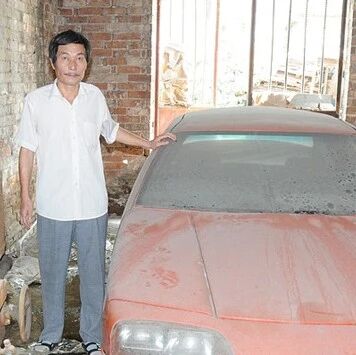
30多年前,温州就出了个马斯克
36氪· 2026-02-02 13:35
Core Viewpoint - The article narrates the entrepreneurial journey of Ye Wengui, a pioneer in electric vehicle development in China, highlighting his innovative spirit and the challenges he faced in realizing his dream of creating a Chinese automotive brand [3][4][5]. Group 1: Early Life and Entrepreneurial Spirit - Ye Wengui, originally from Wenzhou, became a successful entrepreneur in Qitaihe, Heilongjiang, after innovating in the production of shovel handles, significantly increasing output through technological improvements [10][14][18]. - His ventures included establishing an aluminum rolling factory and a high-frequency heat sealing machine factory, which were highly successful and contributed to his wealth [22][25][31]. Group 2: Transition to Automotive Industry - In the late 1980s, Ye Wengui shifted his focus to the automotive industry, motivated by the lack of Chinese brands and the potential of electric vehicles [45][46]. - He successfully developed the "Yefeng No. 1," an electric vehicle that could travel 200 kilometers on an eight-hour charge, showcasing his innovative capabilities [51][52]. Group 3: Challenges and Setbacks - Despite initial success, Ye faced significant challenges, including funding shortages and missed partnership opportunities, which ultimately hindered the commercialization of his electric vehicles [61][70][75]. - By 1995, after investing over 40 million yuan and developing multiple prototypes, Ye Wengui had to cease operations due to financial constraints and lack of support [76][78]. Group 4: Legacy and Recognition - Ye Wengui's story is seen as a representation of the entrepreneurial spirit in Wenzhou during the 1980s, and he is remembered for his contributions to the industry despite the eventual failure of his automotive ventures [85][88]. - His legacy continues to inspire, as he is recognized in the Zhejiang Merchants Museum, symbolizing the resilience and innovation of private entrepreneurs in China [87][88].

东南亚出海解码:中国车企“卷”向东南亚,本土化成争夺新杠杆
3 6 Ke· 2026-02-02 08:22
Core Insights - Southeast Asia's automotive industry is entering a policy adjustment window from late 2025 to early 2026, with Thailand significantly reducing electric vehicle (EV) tax rates and Malaysia ending tax exemptions for imported pure electric vehicles, shifting from broad consumer subsidies to more refined industrial guidance [1][2]. Policy Adjustments - Southeast Asian automotive markets are revising their industrial incentive policies, aiming to use tax and access regulations to attract international capital and technology [2]. - Thailand's new vehicle consumption tax will reduce the tax rate for pure electric vehicles to 2% by 2026, with conditions for plug-in hybrid vehicles to include local manufacturing of batteries and advanced driver-assistance systems (ADAS) [2]. - Malaysia has ended the road tax exemption for imported pure electric vehicles, implementing a tiered tax system based on motor power, encouraging local production while maintaining consumer interest [4]. Market Dynamics - Indonesia shows significant potential, with electric vehicle sales projected to grow by 49% in 2025, accounting for over 15% of total new car sales, making it the fourth largest export market for Chinese electric vehicles globally [5]. - By the end of 2025, 16 Chinese automotive brands will have entered the Indonesian market, surpassing Japanese brands, although Japanese brands still dominate in new car sales with Toyota holding a 31.6% market share [7]. - In Malaysia, Chinese brands are leading the electric vehicle market, with seven out of the top ten pure electric vehicle models being Chinese, and BYD emerging as the top-selling brand [7][8]. Competitive Landscape - The competition is shifting from product export to a comprehensive localization strategy that includes manufacturing, research and development, sales, and ecosystem integration [9]. - Geely aims for an export target of 640,000 vehicles by 2026, expanding its presence in Thailand with plans for new showrooms and service centers [11]. - Chery is establishing Malaysia as a regional production and export hub, investing 2.2 billion ringgit in a new factory with a capacity of 100,000 vehicles per year [11]. Future Outlook - The future of the Southeast Asian automotive market will be determined by refined policy guidance, infrastructure development, and the depth of localization by automotive companies [12]. - Chinese automotive companies will need to deepen their full industry chain localization to consolidate and expand their market share, moving beyond initial advantages gained through product cost-effectiveness and early electric vehicle adoption [12].

新材料ETF国泰(159761)回调超4%,新型产业快速发展,上游材料需求有望持续旺盛
Mei Ri Jing Ji Xin Wen· 2026-02-02 07:02
Group 1 - The core viewpoint is that emerging industries such as artificial intelligence, electric vehicles, renewable energy, and commercial aerospace are rapidly expanding, leading to qualitative changes in the requirements for upstream materials [1] - These changes impose unprecedented stringent standards on the performance, purity, form, and functionality of materials, resulting in a significant number of metals being reclassified from bulk commodities to "critical strategic materials" or "high-tech value-added new materials" [1] - The investment logic in the upstream metal materials industry is fundamentally shifting due to the vigorous development of new fields, injecting a new growth cycle into the upstream metal materials sector from the demand side [1] Group 2 - The value of upstream metals is expected to continue to rise as the demand for materials in new industries remains robust, necessitating a growth-oriented perspective on the key materials for future technology industries [1] - The Guotai New Materials ETF (159761) tracks the New Materials Index (H30597), which focuses on the new materials industry by selecting listed companies involved in advanced basic materials, critical strategic materials, and cutting-edge new materials [1]

共拓智能化新场景 中韩汽车供应链深化双向奔赴
Zhong Guo Qi Che Bao Wang· 2026-02-02 03:04
Core Insights - Lenovo and SWM have announced a strategic partnership to develop and deploy next-generation L4 autonomous taxis, aiming to globalize the "Korean-style Robotaxi platform" [2][3] - The collaboration signifies a deeper interaction between the Chinese and Korean automotive industries, particularly in the autonomous driving sector, marking a new phase of cooperation [2][3] Industry Collaboration - The interaction between the Chinese and Korean automotive supply chains has evolved from simple component trade to comprehensive collaboration encompassing technology R&D, platform co-construction, and market expansion [3] - SWM has achieved Korea's first fully autonomous taxi commercial operation in September 2024, maintaining a zero-accident safety record [3] - The partnership will integrate SWM's sensor fusion algorithms and ADS systems with Lenovo's onboard computing, hardware design, and low-latency communication technology, creating a high-performance autonomous driving solution [3] Technological Advancements - The core of the collaboration is SWM's AP-700 autonomous driving platform, which is built on Lenovo's L4 autonomous driving domain controller AD1, providing over 2000 TFLOPS of AI computing power [3] - The partnership aims to define smart mobility technology standards and facilitate the global rollout of their collaborative results, starting from regions like Japan, Southeast Asia, and the Middle East [3] Market Dynamics - The cooperation extends to auxiliary driving solutions, with Chinese company Zhixing Technology receiving a mass production order from a Korean automaker for four models, projecting nearly one million units in sales over the lifecycle from 2026 to 2033 [4] - The collaboration also includes efforts in smart logistics, with New Stone Technology signing agreements to introduce autonomous delivery vehicles in Korea, marking a significant step in their global strategy [4] Competitive Landscape - China's automotive supply chain has matured, becoming a core competitive advantage for attracting Korean partnerships, particularly in the autonomous driving sector [5] - A report from Korea's Industrial Research Institute indicates that China has surpassed Korea in competitiveness in robotics, autonomous driving, electric vehicles, and even semiconductors [5] Strategic Synergies - The synergy between Chinese and Korean companies is driven by complementary advantages in technology, market demand, and policy support, fostering a collaborative environment for the automotive industry [6] - The ongoing negotiations for the second phase of the China-Korea Free Trade Agreement (FTA) and various high-level meetings between companies indicate a solid foundation for future cooperation [6] Testing and Implementation - The Korean government has designated Gwangju as a testing city for autonomous driving, planning to deploy over 200 autonomous vehicles in real-world conditions by late 2026 [7] Challenges and Adaptations - Despite the progress, challenges such as regulatory differences, cultural disparities, and potential conflicts over technology patents and data security remain [8] - Chinese companies need to adapt to local regulations and ensure data localization to succeed in the Korean market [9] Future Outlook - The collaboration between Chinese and Korean automotive supply chains is expected to create a new paradigm of efficient and mutually beneficial regional cooperation, potentially reshaping the global automotive industry [10]
海外电池厂跟踪(LG&SK)
数说新能源· 2026-02-02 02:37
Financial Data - In Q4 2025, LG Energy achieved revenue of 29.9 billion yuan, a year-on-year decrease of 4.79% and a quarter-on-quarter increase of 7.75%. The gross margin was 12.55%, up 4.31 percentage points year-on-year but down 12.83 percentage points quarter-on-quarter [1] - The operating loss for Q4 2025 was 590 million yuan, showing a reduction in losses year-on-year but an expansion of losses quarter-on-quarter, resulting in an operating margin of -2.0%. The contribution from AMPC manufacturing subsidies was 1.26 billion yuan, down 9.02% quarter-on-quarter. Excluding subsidies, the actual operating loss was approximately 2.24 billion yuan, with an operating margin of -7.4%, an increase of 1.9 percentage points year-on-year but a decrease of 11.5 percentage points quarter-on-quarter [1] - Revenue growth was driven by significant increases in North American energy storage business despite a slowdown in electric vehicle sales due to the termination of U.S. EV subsidies and inventory adjustments by automakers [1] Market Outlook - Global electric vehicle (EV + PHEV) sales are expected to grow by 18% year-on-year in 2026 [1] - North American battery demand is projected to approach 200 GWh in 2026, with energy storage accounting for about 50%, reaching 100 GWh [1] - Global energy storage installation demand is anticipated to grow by 40% year-on-year in 2026, with 96% of North American energy storage demand in 2025 applied to the grid and commercial sectors [1] Growth Strategy Energy Storage - The company expects to add over 90 GWh of new energy storage orders in 2026, following 55 GWh and 90 GWh in 2024 and 2025, respectively [2] - Plans to strengthen long-term utility-scale energy storage orders from North America and expand UPS orders through high-power NCM soft-pack batteries [2] - By the end of 2025, global energy storage system capacity is projected to be 36 GWh, with North America accounting for 60% [2] Power - The company aims to broaden its product line, with plans to mass-produce LFP and medium-nickel high-voltage batteries in Q1 2026 [2] - New business opportunities are being explored in robotics, marine, and low-altitude markets, alongside the development of an energy management optimization system based on energy storage battery data [2] 2026 Guidance - The revenue growth target is set at 15%-20%, primarily driven by stable growth in cylindrical batteries and increased sales of energy storage systems [3] - The operating margin target (including AMPC subsidies) aims for year-on-year improvement, with a focus on increasing energy storage supply and enhancing cost competitiveness [3] - Capital expenditures are targeted to be reduced by 40% year-on-year, amounting to approximately 30.6 billion yuan [3] SK Innovation Q4 2025 - SK On's battery business reported revenue of 7.082 billion yuan in Q4 2025, a year-on-year decrease of 8.9% and a quarter-on-quarter decrease of 19.4% [4] - The operating loss for the battery business was approximately 2.145 billion yuan, with an operating margin of -30.3%, reflecting a year-on-year decline of 7.8 percentage points and a quarter-on-quarter decline of 23.4 percentage points [4] - Despite unfavorable external conditions, the company plans to reshape its business through investment balance and strengthening energy storage operations [4]

30多年前,温州就出了个马斯克
3 6 Ke· 2026-02-02 00:57
Core Viewpoint - The article narrates the entrepreneurial journey of Ye Wengui, highlighting his innovative spirit and contributions to the electric vehicle industry in China, despite facing numerous challenges and ultimately not achieving commercial success in his automotive ventures [1][42]. Group 1: Early Life and Initial Ventures - Ye Wengui, originally from Wenzhou, became the wealthiest person in Qitaihe after moving there in 1969 and starting a shovel handle factory, which he expanded through innovative techniques [2][5][7]. - His entrepreneurial spirit led him to establish multiple factories, including an aluminum rolling mill and a high-frequency heat sealing machine factory, achieving significant financial success [11][12][14]. Group 2: Transition to Automotive Industry - In the late 1980s, Ye Wengui shifted his focus to electric vehicles, motivated by the lack of Chinese brands in the automotive sector and the environmental benefits of electric cars [24][28]. - He successfully developed the "Ye Feng" electric vehicle, which could travel 200 kilometers on an eight-hour charge, showcasing advanced technology for its time [28][31]. Group 3: Challenges and Setbacks - Despite initial success, Ye faced significant challenges, including funding shortages and missed partnership opportunities, which hindered the commercialization of his vehicles [32][35]. - By 1995, after investing over 40 million yuan and developing several prototypes, Ye Wengui had to cease operations due to financial constraints and lack of support from local authorities [37][40]. Group 4: Legacy and Recognition - Ye Wengui's story is seen as a representation of the entrepreneurial spirit in Wenzhou, and he is remembered for his contributions to the early electric vehicle industry in China [42][44]. - His journey reflects the challenges faced by private entrepreneurs in China during the 1980s and 1990s, and he is celebrated as a symbol of resilience and innovation [42][44].

车企一月成绩单出炉;小米否认与福特探索成立电车合资企业丨汽车交通日报
创业邦· 2026-02-01 10:09
Group 1 - The core viewpoint of the article highlights the performance of various automotive companies in January, with significant delivery numbers and growth rates reported for several brands [2][3]. Group 2 - Xiaomi's automotive deliveries exceeded 39,000 units in January 2026 [3]. - Li Auto delivered 27,668 vehicles in January 2026 [3]. - Leap Motor achieved total deliveries of 32,059 units in January, marking a 27% year-on-year increase [3]. - Aito's deliveries reached 40,016 units in January, reflecting an 83% year-on-year growth [3]. - Lantu delivered 10,515 units in January 2026, showing a 31% increase [3]. - GAC Toyota's sales in January amounted to 63,648 units [3]. - GAC Trumpchi's terminal sales in January were 26,937 units, with a year-on-year growth of 2.06% [3]. - Great Wall Motors reported total sales of 90,312 units in January 2026, a year-on-year increase of 11.59% [3]. - Geely's brand, Extreme Stone, achieved cumulative deliveries of 1,028 units in January, nearly doubling year-on-year [3].


小米、福特双双否认合作传闻,均称相关报道虚假不实
Feng Huang Wang· 2026-02-01 09:06
Core Viewpoint - Ford is reportedly in discussions with Xiaomi to explore the possibility of forming a joint venture for localized electric vehicle production in the U.S., which could pave the way for Xiaomi's entry into the U.S. market [1] Group 1: Company Responses - Xiaomi has denied the reports of negotiations with Ford, stating that it currently does not sell products or services in the U.S. and has not engaged in any such talks [3] - Ford also refuted the claims, asserting that the reports are completely unfounded and lack factual basis [3] Group 2: Industry Context - Ford's CEO, Jim Farley, has publicly praised Chinese electric vehicles and acknowledged that Chinese automakers pose a "survival threat" to Western counterparts, predicting their inevitable entry into the U.S. market [4] - Earlier this month, Farley hosted former President Trump at a Ford factory, where Trump expressed support for Chinese automakers establishing factories and hiring in the U.S. [4] - Ford has already reached a technology licensing agreement with CATL for battery cell production in the U.S. [4] - Chinese automakers like BYD have rapidly expanded in markets such as Europe, Southeast Asia, and Latin America, leveraging high cost-performance electric and hybrid models [4] - Geely has indicated that North America is a potential market for future expansion, emphasizing the importance of timing and location for market entry [4]

小米汽车进军美国?报道称福特探索与小米成立电车合资企业
Hua Er Jie Jian Wen· 2026-02-01 01:26
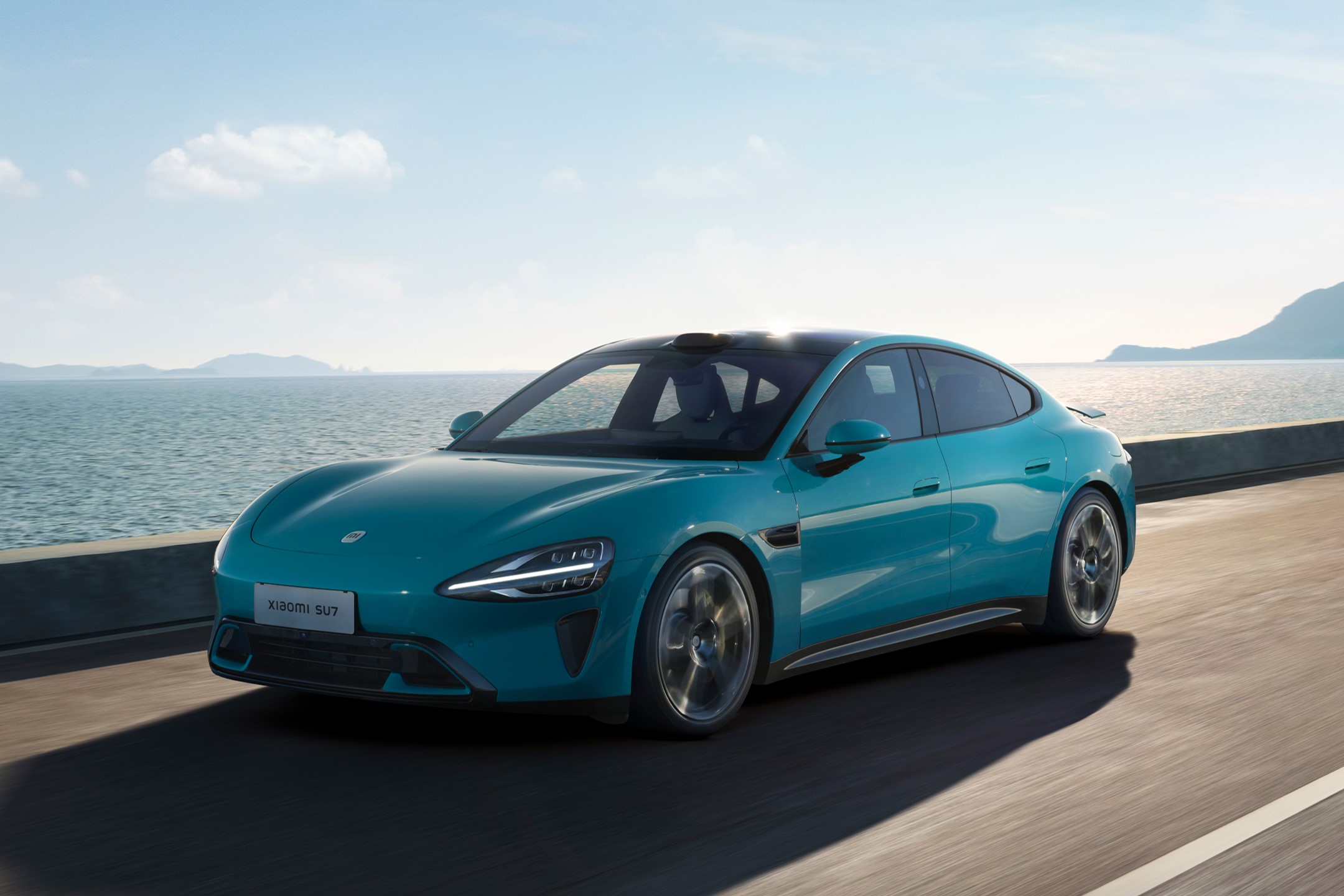
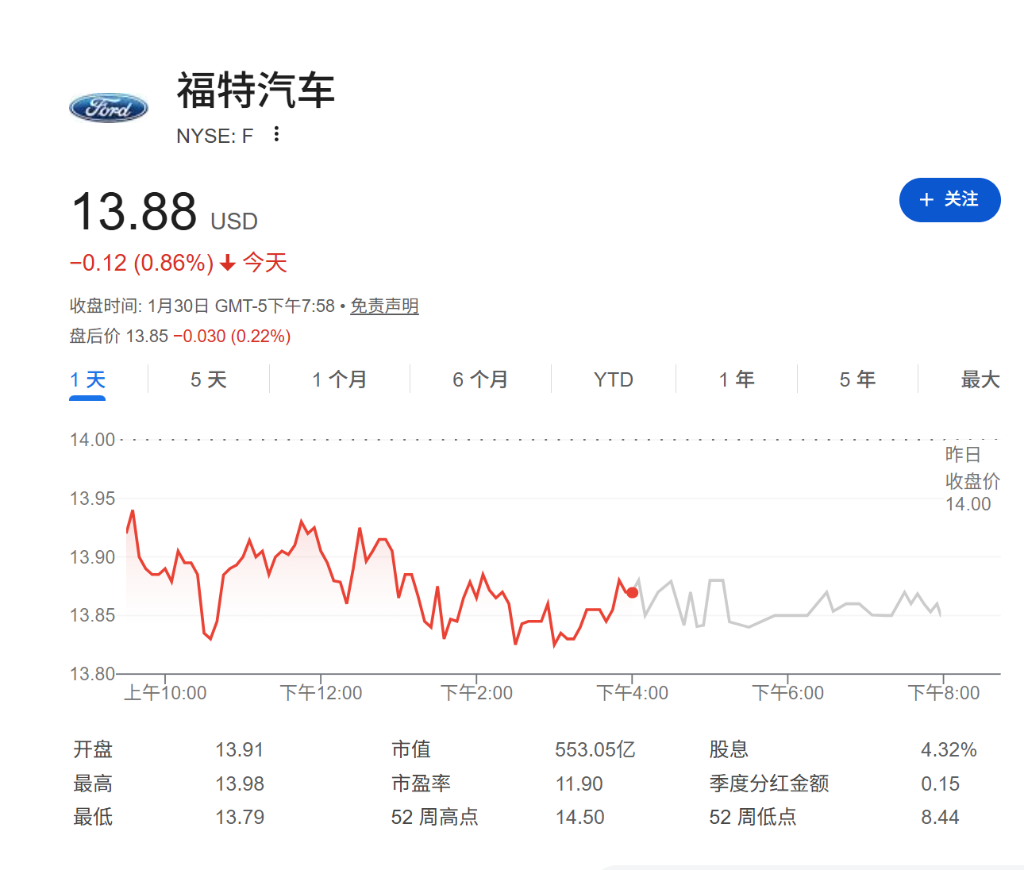
Core Viewpoint - Ford is exploring a potential joint venture with Chinese electric vehicle manufacturer Xiaomi to produce electric vehicles in the U.S., which could facilitate the entry of Chinese automakers into the U.S. market [1] Group 1: Joint Venture Discussions - Ford has held talks with Xiaomi regarding the establishment of a joint venture in the U.S. for electric vehicle manufacturing [1] - The discussions are in preliminary stages, and Ford is also in contact with other Chinese automakers like BYD for potential collaborations in the U.S. [1] Group 2: Company Responses - Ford has denied the report, stating that it is "completely false and has no basis in fact" [2] - Xiaomi did not respond to requests for comment, and BYD declined to comment [2] Group 3: Market Challenges - Ford's CEO, Jim Farley, is a supporter of Chinese electric vehicles and has imported a Xiaomi model for personal use [3] - Analysts suggest that Ford is particularly vulnerable to competition from Chinese electric vehicles, as it has discontinued several key models in anticipation of an electric vehicle transition that has stalled [3] - Discontinued models include the compact crossover Ford Escape and the midsize SUV Ford Edge, with no replacements available until at least 2027 when a new low-cost electric vehicle platform is planned [3] Group 4: Stock Market Reaction - Following the news, Ford's stock price fell by 0.22% to $13.85 in after-hours trading [4]
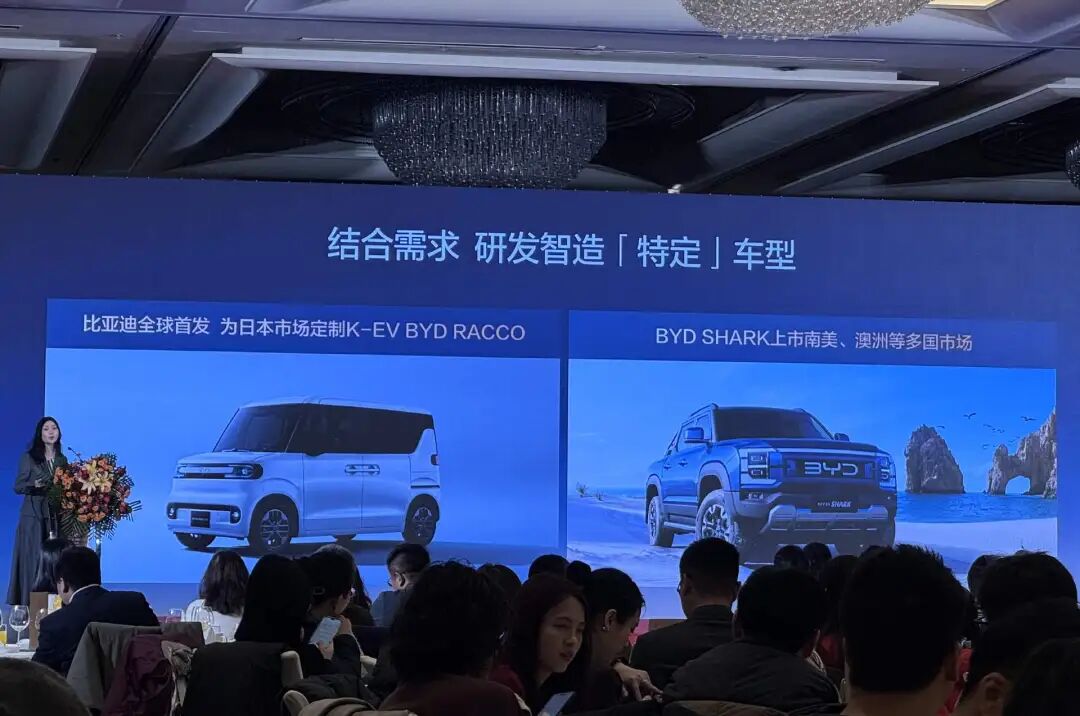
4.9万辆电车名额放出,加拿大消费者在热议什么?
3 6 Ke· 2026-01-30 13:02
Core Viewpoint - The Canadian government has released a quota allowing 49,000 Chinese electric vehicles (EVs) to enter the market at a reduced tariff, which will gradually increase to 70,000 over five years, amidst a heated public debate on the implications for consumers and the automotive industry [1]. Group 1: Government Policy and Market Impact - Starting in 2026, Canada will permit an annual import of up to 49,000 Chinese EVs under a 6.1% Most-Favored-Nation tariff, with plans to increase this quota to 70,000 over five years [1]. - By 2030, at least 50% of the imported Chinese EVs must be priced below CAD 35,000 (approximately RMB 177,000) [1]. - The 49,000 quota is expected to represent about 44.5% of the projected 110,000 EV sales in Canada for 2025, which is similar to the sales volume before the imposition of punitive tariffs [12]. Group 2: Consumer Preferences and Expectations - Canadian consumers have expressed a strong interest in specific Chinese brands, with BYD's Atto1 and Seal being frequently mentioned as desirable models [2][4]. - The BYD Shark pickup truck has garnered significant attention due to its suitability for Canadian climates and its hybrid structure, which addresses range anxiety [2][4]. - Other brands like Zeekr and Xiaomi's SU7 have also been highlighted as potential entrants, with consumers showing a preference for models that offer competitive pricing and features compared to traditional luxury brands [6][10]. Group 3: Concerns and Challenges - Consumers are worried about the adequacy of charging infrastructure in Canada, which is currently below that of EU countries, and the need for significant investment to meet future EV sales targets [16]. - There are concerns regarding the after-sales service and parts availability for Chinese EVs, as experiences from other markets indicate potential delays in repairs and maintenance [18][20]. - The lack of established dealer networks and compliance with North American safety standards poses additional barriers for Chinese EVs entering the Canadian market [20].