
贸易逆差

Search documents
打脸自家媒体还是掩盖真相?日本紧急辟谣:美财长没说要“强日元”!
Jin Shi Shu Ju· 2025-04-28 06:31
Group 1 - The Japanese top currency diplomat denied a media report claiming that U.S. Treasury Secretary Mnuchin preferred a weak dollar and a strong yen during a bilateral meeting [1] - Japanese Finance Minister Aso and Mnuchin had their first face-to-face meeting during the IMF and World Bank meetings, with no discussion on exchange rate targets [1][2] - The Yomiuri Shimbun reported that the Japanese government is considering increasing imports of U.S. rice and soybeans as potential leverage in tariff negotiations with the Trump administration [1] Group 2 - Finance Minister Aso also denied the Yomiuri Shimbun report on social media, reiterating that there were no discussions on exchange rate targets or frameworks for managing the yen's value [2] - U.S. President Trump is focused on addressing the U.S. trade deficit and has previously accused Japan of intentionally maintaining a weak yen, which has led to market expectations that Tokyo may face pressure to strengthen the yen against the dollar [2] - Mnuchin described the meeting with Aso as "very constructive" and mentioned discussions related to exchange rate matters [2]
特朗普到底想要什么?一文带你读懂美国关税战背后的逻辑
Sou Hu Cai Jing· 2025-04-27 03:25
Core Viewpoint - The article argues that Trump's tariff strategy is unlikely to resolve the underlying issues of trade deficits and the decline of American manufacturing, which are rooted in structural problems related to the dollar's status as the global reserve currency [1][11]. Group 1: Trade Deficits - Trump's perception of trade deficits as a loss is criticized as a flawed logic, equating it to a one-sided transaction [1][3]. - The trade deficit is primarily driven by the dollar's unique position as the global reserve currency, leading to high demand and appreciation of the dollar, which in turn raises production costs in the U.S. [3][6]. - The U.S. has a long-standing reliance on imports due to high domestic production costs, resulting in a growing trade deficit [8][11]. Group 2: Manufacturing Challenges - The high cost of labor in the U.S. due to the dollar's strength makes domestic manufacturing less competitive compared to imports [3][8]. - Trump's strategy to bring manufacturing back to the U.S. through tariffs is deemed impractical, as it does not address the fundamental cost issues associated with U.S. production [9][10]. Group 3: National Debt Concerns - The U.S. national debt has reached $34.5 trillion, with annual interest payments projected to exceed $1 trillion, highlighting a significant fiscal challenge [16][18]. - The increasing reliance on short-term debt due to high interest rates poses additional risks, with a substantial amount of debt maturing soon [19][20]. Group 4: Tariff Implications - While tariffs could generate significant revenue (estimated at over $800 billion from a 20% tariff on $4.11 trillion in imports), they do not fundamentally resolve the underlying economic issues [23][24]. - The tariffs may serve as a negotiating tool to encourage other countries to lower their tariffs on U.S. products, potentially alleviating some trade imbalances [26][32]. Group 5: Global Economic Dynamics - The article suggests that Trump's tariffs are partly aimed at forcing countries to choose sides in the global economic landscape, particularly against China, which has become a significant competitor in manufacturing [34][38]. - The potential for increased prices and inflation in the U.S. due to tariffs could undermine the country's global credibility and economic stability [39]. Group 6: Future Outlook - The article concludes that regardless of the effectiveness of Trump's policies, the U.S. may face a period of economic hardship, necessitating resilience and adaptability from both the U.S. and its trading partners [40][41].

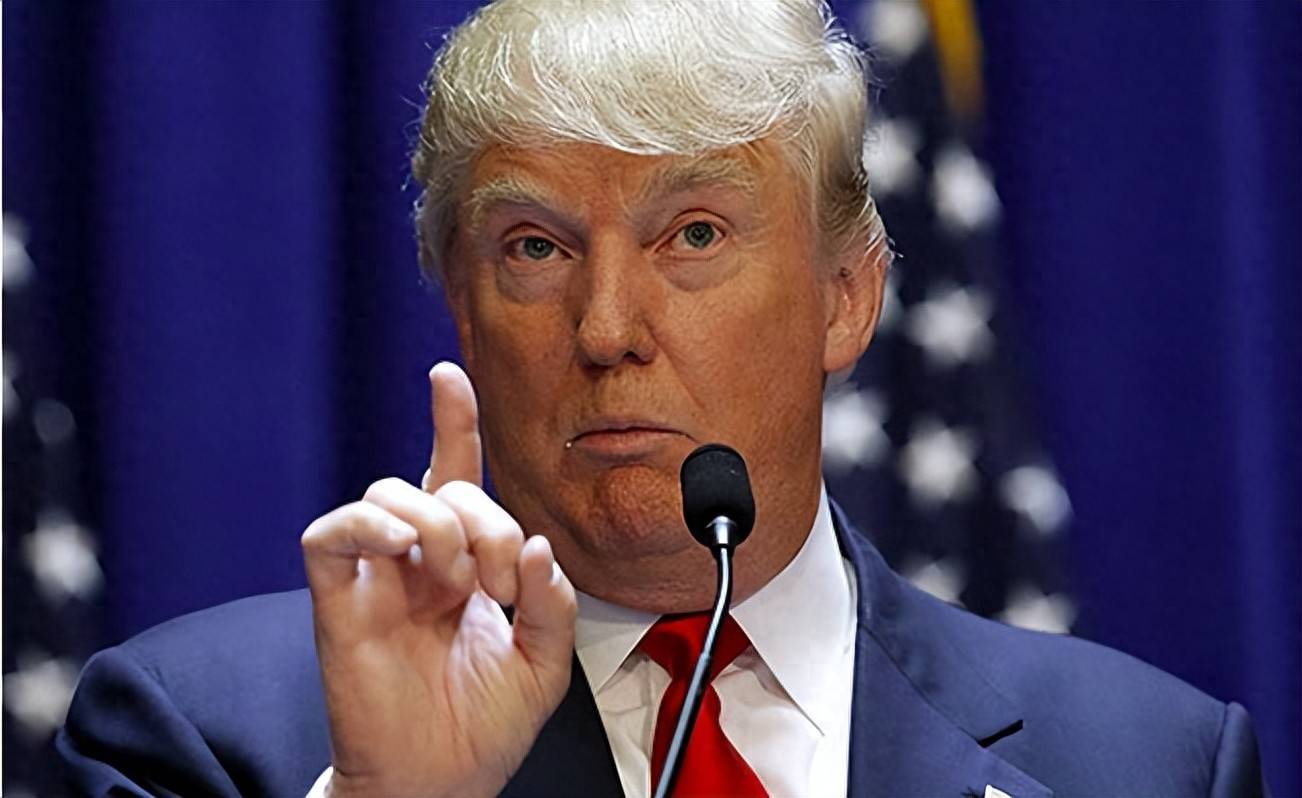
国际新闻小课堂丨央视新闻“超市经济学”告诉你 加关税降逆差为啥走不通
Yang Shi Xin Wen Ke Hu Duan· 2025-04-26 09:54
Core Viewpoint - The article discusses the concept of "dollar privilege" and its implications on the U.S. trade deficit, highlighting that the appreciation of the dollar, often seen as beneficial, paradoxically leads to an increase in the trade deficit due to various economic mechanisms. Group 1: Dollar Privilege and Trade Deficit - The appreciation of the dollar during economic crises attracts safe-haven capital, which increases the trade deficit [1][31] - The article uses the analogy of a "small supermarket" to explain how the U.S. economy operates, where the dollar functions like a widely accepted coupon that can be used in various markets, illustrating the unique position of the dollar [6][31] - The increase in tariffs, intended to reduce the trade deficit, ultimately leads to a stronger dollar, which paradoxically expands the trade deficit [4][30] Group 2: Economic Mechanisms - Tariffs initially reduce imports, which may lower the trade deficit, but the resulting dollar appreciation can negate these effects by making foreign goods cheaper in dollar terms [4][23] - The article emphasizes that the U.S. can maintain a trade deficit without facing the same pressures as other countries due to its ability to print dollars, a privilege not shared by other nations [31][33] - The long-term solution to the trade deficit is suggested to be the relinquishment of the dollar's "privilege," rather than relying on tariffs, which have been shown to be ineffective [33]

美国对日谈判最优先削减贸易逆差
日经中文网· 2025-04-25 04:27
Core Viewpoint - The U.S. Treasury Secretary, Becerra, stated that there is no intention to seek specific currency targets in the ongoing U.S.-Japan tariff negotiations, indicating a lower likelihood of foreign exchange intervention through currency agreements. However, the approach to correct the appreciation of the U.S. dollar remains unchanged, with a focus on addressing trade imbalances and reducing trade deficits [1][2]. Group 1: U.S.-Japan Tariff Negotiations - The U.S. has expressed a clear stance on viewing trade imbalances as a problem and prioritizing the reduction of trade deficits in the ongoing tariff negotiations with Japan [1][2]. - Becerra emphasized that the U.S. will not set specific currency targets or force a depreciation of the dollar or appreciation of the yen, aligning with the G7 agreement against competitive currency devaluation [2][3]. - The negotiations are expected to be challenging, with Japan seeking exemptions from the 25% tariffs on automobiles, which the U.S. has indicated are tied to national security concerns and thus not open for negotiation [3]. Group 2: International Financial System - Becerra expressed a desire to reform the international financial system, aiming to restore and maintain economic balance, referencing the Bretton Woods system established post-World War II [3][4]. - The U.S. aims to reclaim a strong leadership role in international financial institutions like the IMF and World Bank, which have been criticized for not aligning with Western values amid China's growing influence [5]. - The U.S. administration believes that the expanding trade deficit reflects a decline in American manufacturing, which is unsustainable, and seeks a path toward sustainable development rather than unilateral gains [5].

为何美国无法通过所谓“对等关税”解决“双赤字”难题?
Di Yi Cai Jing· 2025-04-24 09:21
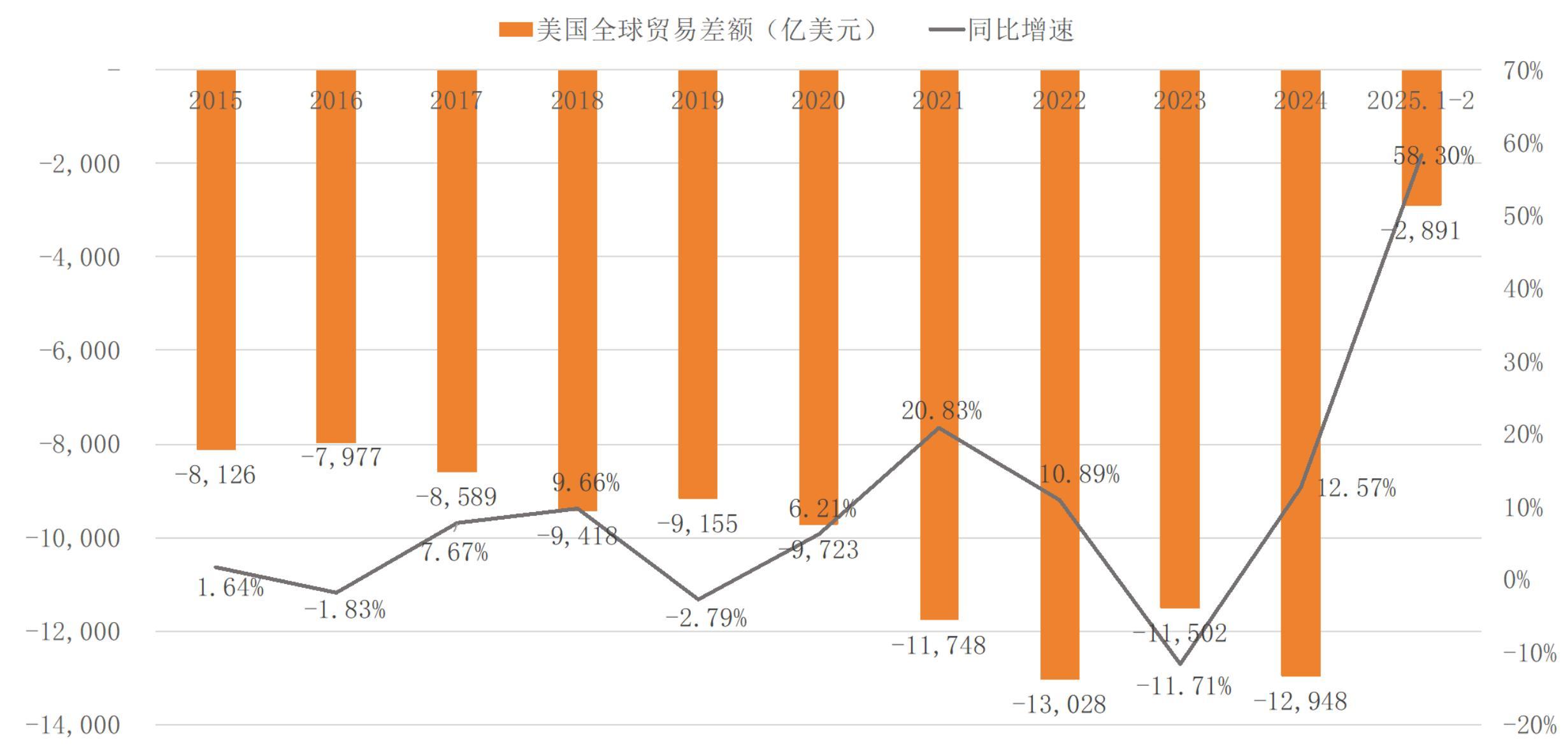
Core Viewpoint - The long-term U.S. tariff policy cannot fundamentally resolve the "twin deficits" issue, which includes both trade and fiscal deficits [1][22]. Trade Deficit - The U.S. trade deficit reached a historical high of $1.3 trillion in 2022, with a year-on-year increase of 10.89%, and is projected to be $1.29 trillion in 2024, up 12.57% [3]. - The trade deficit with China remains significant, with a surplus of $319 billion in 2024, only a decrease of $76.7 billion from 2017 [2]. - The U.S. has maintained a trade deficit exceeding $1.1 trillion since 2021, with a deficit of $289.1 billion in the first two months of 2025, marking a year-on-year increase of 58.3% [3]. Fiscal Deficit - The federal budget deficit is projected to reach $1.781 trillion in 2025, accounting for 23.9% of the total budget and 5.9% of GDP, indicating a worsening trend compared to 2019 [5][7]. - Interest payments on national debt are expected to rise from $363 billion in 2019 to $965 billion in 2025, driven by a historic federal debt exceeding $36 trillion and rising interest rates [6][7]. Tariff Policy and Revenue - The U.S. government anticipates an average annual tariff revenue of $290 billion over the next decade, which is only 15.6% of the projected $1.859 trillion fiscal deficit in 2024 [2][21]. - The proposed tariffs, including a 145% tariff on China, are expected to generate $9.8 trillion in revenue from $27.7 trillion in imports over ten years, but the actual revenue may decline due to increased prices leading to reduced demand [20][21]. Structural Issues - The U.S. trade deficit is primarily a result of structural economic imbalances and the global reserve currency status of the dollar, which encourages high consumption and low savings [16][17]. - The U.S. has a high consumption rate of 67.9% of GDP, significantly above other developed countries, which contributes to the persistent trade deficit [14][16]. Impact on Competitiveness - Tariff barriers may increase global supply chain costs, potentially weakening the competitiveness of U.S. companies [22]. - The monopolistic position of U.S. tech companies allows them to generate substantial profits overseas, which may be threatened by retaliatory tariffs from other countries [11][12]. Conclusion - The "reciprocal tariffs" policy may yield short-term negotiation benefits and localized adjustments to the trade deficit, but it lacks the structural reforms necessary to address income inequality, savings rates, and fiscal sustainability [22].
美国财政部长:日美谈判不寻求货币目标
日经中文网· 2025-04-24 02:50
美国财政部长贝森特表示,谈判"正在关注关税、非关税壁垒、政府补贴等多个要素",暗示把 纠正对日贸易逆差作为主要议题。关于中美贸易战,贝森特表达了期待通过双边对话来缓和 紧张局面的想法…… 美国财政部长贝森特4月23日对日本经济新闻(中文版:日经中文网)等部分媒体表示, 在围绕关税的日美谈判中,"没有寻求特定货币目标的想法"。他还表示,谈判"正在关注关 税、非关税壁垒、政府补贴等多个要素",暗示把纠正对日贸易逆差作为主要议题。 贝森特在华盛顿邀请了日本经济新闻以及美国主要媒体的部分记者,接受了提问。 贝森特在日美关税谈判中担任主导角色,他于16日和访问美国的日本经济财政再生相赤泽 亮正会面,开启了双边磋商。预计贝森特最早将于当地时间24日和目前正在美国访问的日本 财务相加藤胜信举行会谈。 关于在财务相会谈中成为焦点的汇率政策,贝森特指出,不打算寻求可促使日元贬值、美 元升值的货币目标或者货币协定。但同时表示:"希望日本尊重七国集团(G7)的协议",对 以诱导货币贬值为目的的外汇操作予以强烈牵制。 日本方面要求完全废除对等关税和汽车关税等,接下来将与美方寻找妥协点。 贝森特在与部分记者进行问答之前发表演讲,并指出 ...

中金:特朗普的两个目标均难实现
中金点睛· 2025-04-23 23:55
点击小程序查看报告原文 Abstract 特朗普政府试图通过加征关税促使美国贸易逆差收窄,制造业回流,我们认为这两个目标难以通过关税实现。首先,关税难以使得美国贸易逆差收窄。 从理论来看,提升关税并不一定能够缩减逆差(扩大顺差)。根据勒纳对称定理,对进口征税等同于对本国的出口征税。从历史来看,1890年《麦金利关 税法案》后,美国顺差一度上升,但是1930年《斯穆特-霍利关税法案》后,美国顺差下降,甚至一度转为逆差,说明了关税和贸易顺差之间的复杂关 系。1890年,美国仍然处于工业化相对早期阶段,面临英国的竞争,关税可以保护其幼稚产业。而到了1930年《斯穆特-霍利关税法案》出台时,美国的 国际地位已经超过英国,在全球出口中的份额也已经超过英国。对于一个大国而言,关税可能同时导致其进口和出口下降,而贸易逆差未必收窄。 关税难以促使制造业回流美国。 前几年美国制造业投资一度加速,但并未持续,近来制造业新开工投资、短期的投资计划出现下滑。中国的中间品对美 国的出口远低于对新兴市场的出口,也反映美国制造业回流缓慢。全球制造业产业链更多的是调整到新兴市场国家,而非美国。与之相应的是,中国与美 国之间的供应链长度增加。 ...
特朗普想“强卖”汽车!石破茂:不急于达成协议
第一财经· 2025-04-23 09:41
对于谈判,石破茂表示,不会做出重大让步,也不急于达成协议。 专注于日企供应链研究的分析人士王岩告诉第一财经记者,在供应链深度交织的当前,试图通过所谓 的"零逆差"重构贸易格局,不仅违背经济规律,更可能引发全球经济衰退,"美国认为日本通过高关 税、技术壁垒等手段保护本土产业,导致美国商品难以进入日本市场。但这种指责显然忽略了美日产 业结构差异,贸易逆差本是国际分工的自然结果。" 2025.04. 23 本文字数:2047,阅读时长大约4分钟 作者 | 第一财经 潘寅茹 美日经贸谈判暗流涌动。据央视网报道,4月22日,日本首相石破茂透露,美国总统特朗普表示,希 望将对日贸易逆差缩减至零。 这已不是特朗普第一次公开表示希望把美日之间的贸易逆差缩减至零。2月上旬,石破茂访美期间, 特朗普就在双方的会面中强调了减少美国对日本贸易逆差的重要性。他表示,美国目前对日本存在约 1000亿美元的贸易逆差,并希望将这一逆差缩减至零。 日本汽车进口商协会的数据显示,2024年财年,美国汽车(不包括特斯拉)在日本销量超过1万辆。 由于特斯拉没有按地区详细披露其销售数据,但通过日本汽车进口商协会的数据估算,今年第一季 度,"其他品牌" ...
特朗普想“强卖”汽车与农产品 石破茂:不急于达成协议
news flash· 2025-04-23 08:24
日本首相石破茂透露,美国总统特朗普表示,希望将对日 贸易逆差缩减至零。对于谈判,石破茂表 示,不会做出重大让步,也不急于达成协议。特朗普在汽车领域对日本的不满主要集中在日本进口美国 汽车的数量,以及日本针对汽车进口存在的诸如安全测试标准、环保标准等非关税壁垒。除了汽车及零 部件外,日本以大米、牛肉、水产品、马铃薯为代表的农产品贸易保护政策也被特朗普"点名批评",后 者要求日本取消关税以外的限制。 ...
