汽车智能化

Search documents
8月市场平稳,斑马智行冲刺港股上市
CAITONG SECURITIES· 2025-09-12 07:50
Group 1 - The report indicates that the automotive market in August showed a stable trend, with retail sales reaching 1.995 million units, a year-on-year increase of 4.6% and a month-on-month increase of 8.2%. Cumulatively, retail sales for the year reached 14.741 million units, up 9.5% year-on-year [4][9][13] - The report highlights that the automotive market is transitioning towards "reducing price cuts and stabilizing promotions," with 23 models experiencing price reductions in August, compared to 29 in the same month last year [4][9][13] - The report notes that Zhibao Zhixing (formerly Zhibao Network) has officially submitted its listing application to the Hong Kong Stock Exchange, with projected revenues of 805 million, 872 million, and 824 million RMB for 2022, 2023, and 2024 respectively, indicating a decline of 5.4% in 2024 [5][29][30] Group 2 - The report suggests focusing on companies with a leading position in automotive intelligence and advanced software capabilities, including Ruiming Technology, Daotong Technology, Huace Navigation, Desay SV, and others [6][32] - The report emphasizes that the penetration rate of automotive intelligence is expected to increase, driven by consumer demand and policy support, although there are risks associated with the pace of this growth [6][33]
智能汽车:颠覆式革新,供给创造需求 | 投研报告
Zhong Guo Neng Yuan Wang· 2025-09-12 00:51
Core Insights - The current period is a critical transformation phase from electrification to intelligence in the automotive industry, with AI large model technology expected to be a key driver of industry development [1][3] - The automotive industry's transformation is comprehensive, affecting the entire supply chain, with a shift from a single focus on electrification to a core emphasis on intelligence [2] Industry Transformation - The automotive industry is experiencing a reconstruction of its logic, where intelligence becomes a survival necessity for automakers, with urban NOA (Navigation on Autopilot) experiences being crucial for gaining user recognition [2] - The business model is shifting from one-time hardware sales to a continuous monetization model that includes hardware, software, and services, allowing automakers to develop diverse business structures [2] - The competitive landscape is evolving from a fragmented market to a concentrated one, where leading companies with a strong commitment to intelligence and cost reduction will widen the gap with competitors [2] Vehicle Manufacturers - Leading automakers with in-house capabilities in large models and computing power are positioned to be the most direct and comprehensive beneficiaries of this transformation [3] - The gap between top-tier automakers that successfully achieve advanced autonomous driving and their competitors will widen, leading to a concentrated industry structure [3] Auto Parts Industry - The competition in the auto parts industry is shifting from scale and cost to technology, architecture, and ecosystem integration, with autonomous parts manufacturers gradually breaking the long-standing monopoly of international Tier 1 suppliers [4] - Companies that can provide complete system solutions and possess Tier 0.5 capabilities will dominate the development of automotive intelligence, supporting the rise of Chinese smart vehicles [4] Operations and New Business Models - The maturity of advanced autonomous driving technology is expected to accelerate the commercialization of new business models like Robotaxi, which will become a core infrastructure for urban mobility [5] - In the next 1-2 years, as hardware costs decrease and user habits develop, Robotaxi is anticipated to transition from technical validation to scalable profitability [5]
文远知行自动驾驶小巴落地比利时;蔚来对侵权网络账号采取法律行动丨汽车早参
Mei Ri Jing Ji Xin Wen· 2025-09-11 23:04
Group 1 - The autonomous driving company, WeRide, has launched its Robobus in Leuven, Belgium, marking its entry into the eleventh global market, which highlights the international expansion of Chinese autonomous driving technology [1] - The project is a collaboration between WeRide, De Lijn (Flemish public transport company), the Leuven city government, and the mobility consulting firm Espaces-Mobilités [1] - This international recognition is expected to enhance WeRide's brand influence and attract more multinational collaborations, boosting confidence in the technology output of the smart driving sector [1] Group 2 - Standard & Poor's Global has indicated that the global automotive industry may face a de-inventory phase, predicting negative growth in production and sales starting in 2026, with a gradual balance expected in 2027 and 2028 [2] - This forecast suggests a structural adjustment in the global automotive industry, with the de-inventory cycle potentially squeezing short-term profits for automakers [2] - Automakers are urged to accelerate their transition towards electrification and intelligence to cope with the anticipated negative growth, while the automotive parts sector may face pressure, emphasizing the need for improved supply chain efficiency [2] Group 3 - Lenovo's communication unit has announced that Hozon Auto's failure to pay service fees has led to the suspension of its vehicle networking services, highlighting cash flow pressures within new energy vehicle companies [3] - The situation reflects rising credit risks within the industry, as Hozon Auto's inability to stabilize operations raises market concerns [3] - The incident may prompt a reevaluation of payment terms and financial health among suppliers in the automotive smart technology sector [3] Group 4 - NIO has taken legal action against hundreds of infringing online accounts that have spread defamatory content against the company and its users, indicating a proactive approach to brand reputation management [4] - This initiative may enhance market recognition of NIO's brand management capabilities, potentially providing support for its stock price [4] - The focus on managing public sentiment by leading companies in the new energy vehicle sector could promote a more regulated industry ecosystem, leading investors to reassess the value of companies with robust risk management systems [4]

加码创新 发力智能 车企全力推新抢占细分市场
Zhong Guo Zheng Quan Bao· 2025-09-11 22:15
Industry Overview - In August, China's automotive production and sales reached 2.815 million and 2.857 million units, respectively, with month-on-month growth of 8.7% and 10.1%, and year-on-year growth of 13.0% and 16.4% [1] - Cumulative production and sales for the first eight months totaled 21.051 million and 21.128 million units, reflecting year-on-year growth of 12.7% and 12.6% [1] - The automotive market is transitioning into a stock era, prompting manufacturers to innovate and focus on high-quality transformation as a key strategic priority [1] New Model Launches - In September, multiple automakers, including Geely, Changan, and BAIC, launched new models ranging from compact sedans to mid-to-large SUVs, providing diverse options for consumers [2] - Changan is expanding its new energy vehicle (NEV) lineup, with the launch of the intelligent brand "Tianshu" and ten new models showcased at the World Intelligent Industry Expo [2] - Deep Blue, a brand under Changan, has become a key player in NEV sales, with a target of 360,000 units for the year and a long-term goal of 2 million units by 2030 [2] Competitive Landscape - Geely is enhancing its model matrix to solidify its position in niche markets, emphasizing rapid product iteration and competitive pricing [3] - The Lynk & Co brand under Geely launched the Lynk 10 EM-P, featuring advanced technology and achieving over 10,000 pre-orders in just 56 minutes, indicating strong consumer recognition [3] Technological Advancements - The automotive industry in China is experiencing over 10% year-on-year growth in production and sales, supported by favorable policies such as personal consumption loans and financial subsidies [4] - BYD's Fangcheng Leopard series has seen significant market acceptance, with the recent launch of the Fangcheng Leopard Titanium 7, contributing to a 234% year-on-year sales increase in August [4] - FAW-Volkswagen's new generation Sagitar L was launched with advanced driver assistance systems, highlighting the ongoing push for smart and localized products to meet consumer demands [4] Market Dynamics - Domestic brands, led by BYD, are outperforming joint venture brands in the NEV sector, achieving significant market share and demonstrating superior competitiveness and innovation [5]

车企全力推新抢占细分市场
Zhong Guo Zheng Quan Bao· 2025-09-11 20:17
Core Insights - In August, China's automotive production and sales reached 2.815 million and 2.857 million units respectively, with month-on-month growth of 8.7% and 10.1%, and year-on-year growth of 13.0% and 16.4% [1] - The automotive industry is shifting towards innovation and high-quality transformation as companies aim to capture market share amid intense price competition [1] Industry Trends - Numerous new models are being launched in September by various automakers, including Geely, Changan, and BAIC, offering consumers diverse choices [1] - Changan is expanding its new energy vehicle lineup, launching the intelligent brand "Tianshu" and showcasing ten new models at the World Intelligent Industry Expo [1] - Deep Blue Automotive has become a key player in Changan's new energy vehicle sales, with a target of 360,000 units for the year and a long-term goal of 2 million units by 2030 [2] - Geely is also enhancing its model lineup to strengthen its position in niche markets, emphasizing rapid product iteration and competitive pricing [2][3] Technological Advancements - Geely is advancing a technology strategy that focuses on multiple energy forms based on user costs and scenarios, with the launch of the Lynk & Co 10EM-P featuring advanced capabilities [3] - BYD's Fangcheng Leopard series is gaining market recognition, with the recent launch of the Fangcheng Leopard Titanium 7, further solidifying its market presence [3] Competitive Landscape - Joint venture brands are also actively launching new models, such as the new generation of the Volkswagen Sagitar, which features advanced driver assistance systems [4] - The performance of domestic brands, represented by BYD, has significantly improved, surpassing joint venture brands in both market share and value for money in the new energy vehicle sector [4]


智能汽车:颠覆式革新,供给创造需求
Shanghai Aijian Securities· 2025-09-11 12:36
Investment Rating - The report maintains an "Outperform" rating for the automotive industry [1]. Core Insights - The current period until next year is expected to be a breakthrough window for the maturity of advanced driving technologies, policy regulations, user acceptance, and business models, emphasizing the importance of automotive intelligence [6]. - The transformation of the automotive industry is characterized by a shift from a single focus on electrification to a core emphasis on intelligence, making intelligent features essential for survival rather than just an added benefit [6]. - The competition landscape is expected to evolve from a fragmented market to a concentrated one, where leading companies with a strategic focus on intelligence and cost reduction will widen the gap with competitors [6]. - The automotive industry is projected to see rapid growth in intelligent vehicle sales from 2025 to 2030, with a significant increase in the penetration rate of electric vehicles [15][19]. Summary by Sections 1. Intelligent Automotive: Disruptive Innovation - The integration of AI, big data, and IoT will transform vehicles from traditional fuel-based transportation to AI-driven mobile terminals [15]. - The penetration rate of electric vehicles in the Chinese market is expected to rise from 10% to over 50% between 2020 and 2024, with projections of reaching 80% by 2030 [15]. 2. Upstream Components: Computing Power as a Foundation - The competition in the automotive parts industry is shifting from scale and cost to technology, architecture, and ecosystem integration [6]. - Companies that can develop complete system solutions and possess Tier 0.5 capabilities will dominate the automotive intelligence landscape [6]. 3. Midstream Vehicles: New Entrants Leading and Benefiting from Intelligence - Leading companies with self-developed large models and computing power will be the primary beneficiaries of automotive intelligence [6]. - The transition from electrification to intelligence is a critical change period, with AI large model technology driving industry development [6]. 4. Downstream Operations: New Business Models Accelerating Based on Advanced Driving - The maturity of advanced driving technologies will accelerate the commercialization of new business models like Robotaxi, which is expected to become a core infrastructure for urban mobility [6]. - The report anticipates that Robotaxi will shift from technical validation to scalable profitability within the next 1-2 years [6]. 5. Investment Highlights - The report suggests focusing on companies that are leading in advanced driving solutions and system-level solution providers, as they are likely to benefit from the commercialization of Robotaxi [6].


慕尼黑车展,一场决定未来格局的中德车企对弈
Mei Ri Jing Ji Xin Wen· 2025-09-10 13:57
Group 1: Event Overview - The 2025 International Motor Show in Munich focuses on innovation, infrastructure solutions, software development, and emerging mobility trends, marking a shift from traditional auto shows to comprehensive mobility platforms [1] - A total of 748 exhibitors participated, with 57% coming from outside Germany, and China being the largest foreign participant, accounting for nearly one-third of overseas exhibitors [1] Group 2: Chinese Automakers' Strategies - Chinese automakers are increasingly active in Europe, with participation rising from over 70 companies in 2023 to 116 in 2025, showcasing vehicles and technologies across various sectors [2][3] - Xpeng Motors announced the opening of its first European R&D center during the show, aiming to better understand and meet European consumer needs [2] - BYD plans to launch multiple new hybrid models in Europe and aims to establish over 1,000 stores by the end of 2023, with a goal of exceeding 2,000 by the end of 2026 [3] Group 3: Competitive Landscape - European automakers, including BMW and Mercedes-Benz, are responding to the competitive pressure from Chinese companies by showcasing their latest electric models and emphasizing cost reduction strategies [7][8] - Mercedes-Benz introduced the new GLC 400 4MATIC electric model, while BMW launched the iX3, with plans for significant new model releases by 2027 [7][8] Group 4: Industry Collaboration - Chinese battery manufacturers like CATL have established deep ties with European automakers, with CATL claiming partnerships with over 90% of mainstream car manufacturers in Europe [6][9] - Companies like Momenta are also forming collaborations with numerous global automakers, enhancing the potential for Sino-European cooperation in smart driving technologies [9]
奔驰,会步诺基亚的后尘吗?
3 6 Ke· 2025-09-10 12:31
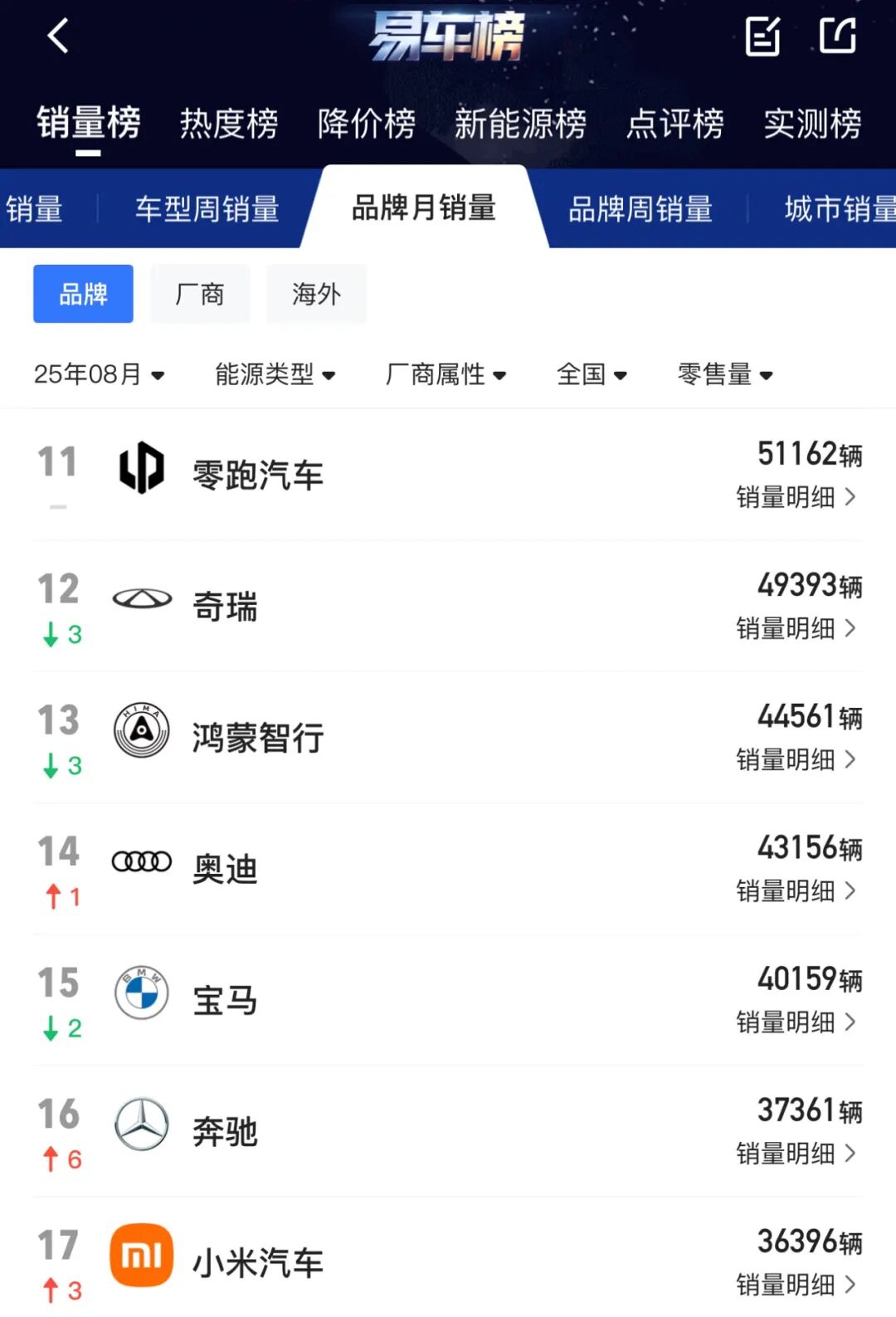
Core Insights - Mercedes-Benz is facing significant challenges in the electric vehicle (EV) market, with a notable decline in sales and consumer interest, particularly in China [1][5][6] - The company plans to launch at least 18 new models by 2026, with a focus on electric vehicles, but this strategy has not yet translated into improved market performance [1][6][25] - Competitors like Audi and BMW are gaining traction in the EV space, highlighting Mercedes-Benz's struggles to maintain its luxury brand status [1][4][21] Sales Performance - In August, Mercedes-Benz's retail sales in China dropped to 37,000 units, a year-on-year decline of nearly 25% [1][6] - For the first half of 2025, total retail sales in China were 293,200 units, down 14% compared to the previous year [6] - The sales trend worsened in July, with a monthly retail volume of only 26,700 units, marking a decline of over 40% [7][9] Market Dynamics - The company is experiencing a dual loss of dealers and consumers, with over 80 dealerships closing in the first half of the year [5][12] - Consumers are increasingly favoring new energy brands over traditional luxury brands, citing superior technology and user experience [10][12][25] - The shift in consumer preferences is particularly pronounced among younger buyers, who prioritize smart features and technology over brand prestige [12][25] Competitive Landscape - Audi's E5 Sportback and BMW's new electric models are attracting consumer interest, further pressuring Mercedes-Benz's market position [21][25] - Mercedes-Benz's electric models, such as EQB, EQE, and EQA, have not performed well, with sales figures indicating a lack of competitiveness [18][19] - The company is perceived as lagging in key areas such as battery technology, smart driving, and user experience compared to emerging brands [18][20] Strategic Initiatives - Mercedes-Benz is attempting to revitalize its brand by launching new electric models and enhancing its technology partnerships, such as with Momenta for smart driving solutions [25][26] - The company recognizes the urgency of transforming its approach to align with modern consumer expectations and the evolving automotive landscape [25][26] - However, these initiatives have yet to yield significant improvements in market competitiveness or consumer perception [25][26]

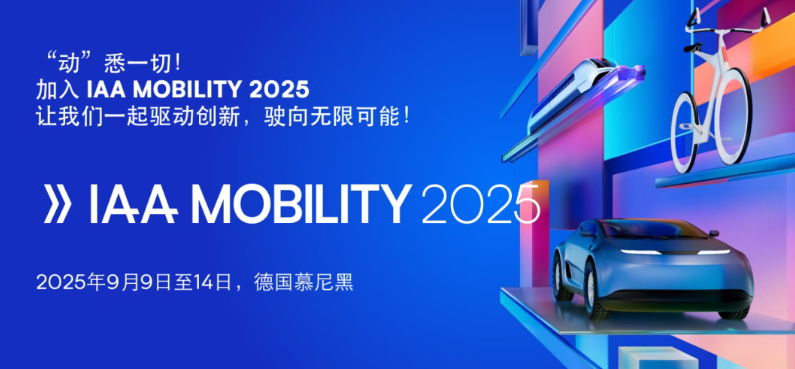
从宝马iX3到比亚迪匈牙利工厂:慕尼黑车展,一场决定未来汽车格局的中德对弈
Mei Ri Jing Ji Xin Wen· 2025-09-10 10:17
Core Viewpoint - The Munich International Motor Show is showcasing a significant competition between Chinese and German automotive companies, highlighting the shift from traditional auto shows to comprehensive mobility platforms [1][3]. Group 1: Event Overview - The 2025 Munich International Motor Show opened on September 8, 2023, with the theme "It's All About Mobility," focusing on innovative technologies and emerging mobility trends [1]. - A total of 748 exhibitors participated, with 57% coming from outside Germany, and China being the largest foreign participant, accounting for nearly one-third of overseas exhibitors [1]. Group 2: Chinese Automotive Presence - The number of Chinese companies participating in the show increased from over 70 in 2023 to 116 in 2024, covering various sectors including complete vehicles and automotive intelligence [3][4]. - Chinese brands captured 9.9% of electric vehicle sales in Europe as of July, with an overall market share of 5.3%, demonstrating resilience and growth potential [4]. Group 3: Strategic Moves by Chinese Companies - XPeng Motors announced the opening of its first European R&D center during the show, aiming to better understand and meet European consumer needs [5]. - BYD plans to launch multiple new hybrid models in Europe and has set a target to open over 1,000 stores by the end of 2023 and more than 2,000 by the end of 2026 [5][6]. - Hongqi, representing China's luxury segment, unveiled its EHS5 electric SUV, targeting urban and family commuting markets [6][7]. Group 4: German Automotive Response - German automakers like BMW, Mercedes-Benz, and Volkswagen showcased their latest electric models, indicating a strong commitment to compete against Chinese brands [9][10]. - Mercedes-Benz highlighted its new GLC 400 4MATIC electric model, set to launch in 2026, while BMW introduced the iX3, with plans for mass production by 2026 [9][10]. Group 5: Industry Collaboration and Integration - Chinese battery manufacturers such as CATL have established deep ties with European automakers, with CATL already collaborating with over 90% of mainstream car manufacturers in Europe [8][11]. - Companies like Momenta are forming partnerships with numerous global automakers, enhancing the potential for collaboration in smart driving technologies [11].

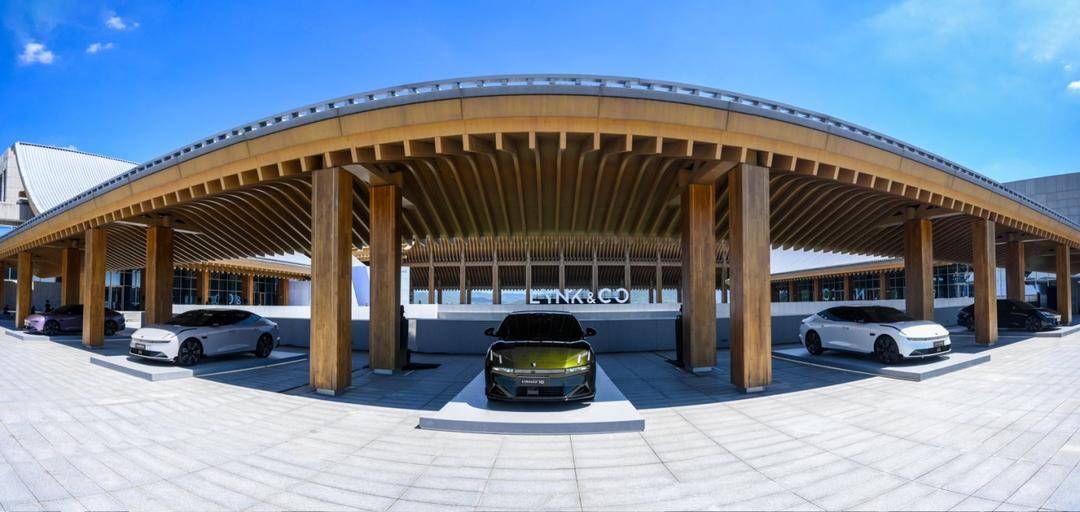
美是前提 快是能力 安全是底线 领克10 EM-P:为热爱买单
Yang Zi Wan Bao Wang· 2025-09-10 10:00
Core Viewpoint - The launch of the Lynk & Co 10EM-P marks the brand's 9th anniversary, showcasing its potential as a blockbuster vehicle with advanced features, appealing design, and competitive pricing [1][8]. Group 1: Product Features - The Lynk & Co 10EM-P offers all-wheel drive performance while maintaining two-wheel drive fuel efficiency, making advanced technology accessible [3]. - The vehicle's design reflects the brand's DNA, emphasizing unique aesthetics and quality, distinguishing it from luxury brands like Porsche and Ferrari [4]. - Innovative color options for the car's exterior provide a dynamic visual effect, changing appearance under different lighting conditions [6][29]. Group 2: Market Reception - The 10EM-P was launched at a price range of 163,800 to 201,800 yuan, with over 10,000 pre-orders within an hour of its release, indicating strong consumer interest [8]. - Lynk & Co has built a loyal customer base of 1.54 million users, emphasizing a brand identity that transcends mere automotive products [9]. Group 3: Brand Philosophy - The brand aims to be more than just a car manufacturer, focusing on enhancing the overall mobility experience and fostering a deep connection with its users [9][11]. - Lynk & Co emphasizes the importance of safety, performance, and aesthetics in its vehicles, adhering to a "safety basic law" that prioritizes quality and innovation [20]. Group 4: Technical Specifications - The 10EM-P features a sophisticated suspension system and the ZF DPS steering system for improved handling, with all-wheel drive as a standard feature [14][22]. - The vehicle includes advanced driver assistance systems, utilizing high-quality lidar technology to enhance safety and performance [24][26]. Group 5: Design and Comfort - The interior of the 10EM-P has been upgraded for comfort, featuring new seating designs and additional amenities to enhance the user experience [16][27]. - The brand's commitment to originality is reflected in the interior design, which incorporates high-quality materials and intricate details [27].