
通货膨胀

Search documents
【环球财经】流通两个多世纪,一美分硬币为何停产
Sou Hu Cai Jing· 2025-11-13 13:44
Group 1 - The U.S. Mint has announced the cessation of the production of the one-cent coin, which has been in circulation for 232 years, due to the high cost of production exceeding its face value [1][2] - The production cost of a one-cent coin has increased from 1.42 cents to 3.69 cents over the past decade, leading to significant financial losses for the Mint [1][2] - In the fiscal year 2024, the Mint reported a loss of $85.3 million attributed to the production of one-cent coins [2] Group 2 - Approximately 300 billion one-cent coins are currently in circulation, far exceeding commercial demand, and they will remain legal tender despite the halt in production [3] - The Federal Reserve has already suspended orders for one-cent coins at 100 of its 181 distribution points, with more expected to follow [3] - The banking industry is encouraging the public to deposit their one-cent coins to address the slowdown in circulation [3] Group 3 - The cessation of the one-cent coin raises questions about the future of other low-denomination coins, as the production costs of five-cent coins and others are also significantly higher than their face values [2][4] - Retailers are seeking federal legislation to establish a standard for rounding cash transactions to the nearest five cents to mitigate potential legal risks [4][5] - There is speculation that inflation may lead to the gradual elimination of the five-cent coin in the coming years, although this could complicate cash transactions [5]
Affordability Is On The Agenda
Seeking Alpha· 2025-11-13 12:30
Group 1 - The Dow reached an all-time high of 48,000 as the government shutdown ended, but the White House may not release delayed economic reports [2] - Alphabet's Waymo is now offering robotaxi rides on highways in Phoenix, San Francisco, and Los Angeles, indicating advancements in autonomous vehicle technology [2] - Atlanta Fed President Raphael Bostic highlighted ongoing inflation concerns, stating that inflation has exceeded the 2% target for nearly five years, emphasizing the need for price stability [3] Group 2 - The Trump administration has been promoting falling costs in various sectors, but significant price increases continue in essential areas like food, cars, and shelter, impacting consumer affordability [3] - The U.S. Mint has officially ended penny production, which is expected to save taxpayers $56 million, reflecting a broader cost-cutting agenda [3] - Coinbase plans to reincorporate in Texas, moving away from Delaware, which may have implications for its regulatory environment and operational strategy [4] Group 3 - Boeing is set to pay over $28 million to the family of a victim from the 737 MAX crash, highlighting ongoing legal and financial repercussions for the company [5] - Chevron has chosen Texas for its first AI data center power project, indicating a strategic investment in technology and energy [5] - Weight Watchers plans to sell the Wegovy pill once it launches, which may impact its product offerings and market positioning [5]


【深度】美国经济K型分化严重,没有结构性改革或难摆脱
Sou Hu Cai Jing· 2025-11-13 11:59
Economic Overview - The current U.S. economy exhibits a K-shaped characteristic, indicating a significant disparity where some sectors are thriving while others are struggling [1][3] - This K-shaped economy is attributed to various factors including policies from the Trump administration, accelerated technological advancements, and the Federal Reserve's monetary policies [1][3] Wealth Disparity - Wealth inequality has intensified, with stock and real estate markets reaching new highs due to loose fiscal and monetary policies, benefiting the wealthy who own assets [1][3] - In contrast, ordinary citizens relying on wage income have seen their purchasing power severely eroded by inflation [1][3] Industry Disparity - Industries such as technology, finance, and remote work have flourished, while sectors like tourism, dining, retail, and entertainment have been severely impacted, leading to job losses in low-skill positions [1][3] - The disparity is further highlighted by the performance of large multinational corporations, which have better access to credit and resources compared to small and medium-sized enterprises that face closures due to cash flow issues [3] Labor Market Dynamics - The U.S. labor market is showing signs of weakness, with a reported 3% year-over-year increase in the Consumer Price Index (CPI) and a rise in the unemployment rate to 4.3%, the highest since November 2021 [3][4] - The Federal Reserve has responded by lowering the federal funds rate by 25 basis points to a range of 3.75%-4.00%, marking the second rate cut of the year [3][4] Impact of Technology - The surge in AI-related capital expenditures is projected to contribute significantly to GDP growth, with estimates suggesting a 0.7 percentage point increase in real GDP growth from Q4 2024 to Q2 2025 [4] - The disconnect between productivity gains from technological advancements and the labor market is evident, with productivity in the non-farm sector expected to rise by 3.3% year-over-year by Q2 2025 [4] Immigration Policy Effects - Restrictive immigration policies have contributed to a slowdown in the labor market, with net immigration numbers expected to drop significantly [5] - The decline in available labor has made it challenging for businesses to fill positions, further exacerbating employment growth issues [5] Federal Reserve's Role - The Federal Reserve's tightening monetary policy, including 11 rate hikes from March 2022 to July 2023, has been identified as a factor exacerbating the K-shaped economy [6] - The disparity in wealth distribution is influenced by high-interest rates, which disproportionately affect lower-income households [6] Economic Outlook - The likelihood of a comprehensive recession in the U.S. is currently low, but the risk of stagflation remains a pressing concern due to potential economic slowdowns and persistent inflation [7] - The Federal Reserve faces challenges in balancing the need for demand stimulation through rate cuts while managing inflationary pressures [7] Structural Reforms Needed - Addressing the K-shaped economic trend requires structural reforms, including adjustments in tax policies and increased investment in education to enhance productivity and job creation [8][9] - Ensuring equitable distribution of the benefits from technological advancements, particularly AI, is crucial for mitigating the adverse effects on lower-income households [9]
折扣减少、圣诞树短缺……关税冲击美国假日季消费
Guo Ji Jin Rong Bao· 2025-11-13 11:29
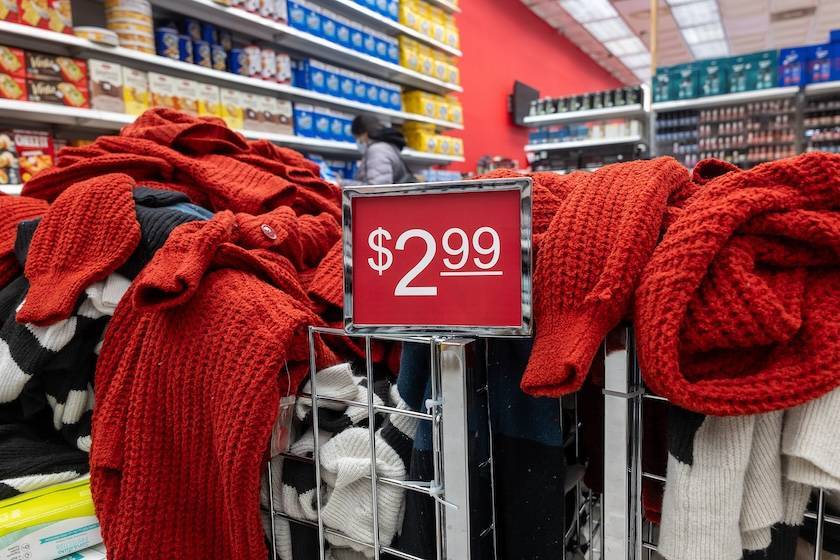
Core Insights - The upcoming holiday shopping season in the U.S. is expected to be challenging for consumers due to inflation and tariffs impacting prices and product availability [1] Group 1: Price Increases Due to Tariffs - Tariffs implemented by the Trump administration are projected to increase consumer costs by approximately $132 per person during the holiday season [3] - Specific categories affected include electronics, where consumers may pay an additional $186, clothing and accessories at $82, personal care products at $14, and food and candy at $12 [3] - Pricefx reports that some product categories have seen price increases of 30% to 40%, particularly in clothing and textiles, with shoe prices rising by 37% and clothing costs by 35% [4] Group 2: Retail Strategies and Consumer Behavior - Retailers are adopting cautious inventory strategies, reducing stock and orders, and extending payment terms by 5% to 10% due to unpredictable tariffs [4] - The prevailing strategy among retailers is to avoid discounting heavily, opting instead to sell out of stock rather than clear inventory at reduced prices [4][6] - Discounts during the holiday season may be less significant, with many promotions based on prior price increases, making them appear more substantial than they are [6] Group 3: Shortages in Holiday Decorations - There is a notable shortage of Christmas trees and decorations, with inventory levels down by double digits compared to previous years [8] - The CEO of National Tree Company indicates that popular items may sell out quickly due to reduced orders during the critical mid-year procurement period [8] - The overall price increase for Christmas trees and decorations is estimated at around 10% this year, driven by tariff-related uncertainties [8]
央行最新发布!社融增量30.9万亿元,政府债净融资占近四成
Zheng Quan Shi Bao· 2025-11-13 09:41
Core Insights - The People's Bank of China reported that the cumulative increase in social financing reached 30.9 trillion yuan in the first ten months of 2025, an increase of 3.83 trillion yuan compared to the same period last year [1] - The structure of social financing is changing, with non-loan financing methods now accounting for over half of the total increase, indicating a diversification in financing channels [2][3] Group 1: Social Financing and Government Debt - Government debt net financing accounted for nearly 40% of the increase in social financing, with a total of 11.95 trillion yuan in net financing, an increase of 3.72 trillion yuan year-on-year [2] - The issuance of government bonds has accelerated, with approximately 22 trillion yuan issued in the first ten months of the year, up nearly 4 trillion yuan from the previous year [2] Group 2: Loan Growth and Structure - The total increase in RMB loans was 14.97 trillion yuan, with a loan growth rate of 6.5% as of the end of October [4] - Inclusive small and micro loans and medium to long-term loans in the manufacturing sector showed significant growth rates of 11.6% and 7.9% respectively, both exceeding the overall loan growth rate [4][5] Group 3: Monetary Policy and Inflation - The central bank's monetary policy is aimed at promoting a reasonable recovery in prices, with the CPI showing a year-on-year increase of 0.2% in October, marking a shift from decline to growth [6] - The current monetary policy stance is supportive, with expectations that the effects of previous monetary policy adjustments will continue to manifest [6][7]

“大鹰派”意外宣布提前退休,美联储货币政策再添疑云
2 1 Shi Ji Jing Ji Bao Dao· 2025-11-13 07:59
(原标题:"大鹰派"意外宣布提前退休,美联储货币政策再添疑云) 南方财经 21世纪经济报道记者吴斌 在特朗普政府谋求扩大对美联储人事影响力之际,当地时间11月12日,亚特兰大联储主席博斯蒂克意外 宣布将于2026年2月28日任期届满时退休,现年59岁的博斯蒂克距离美联储强制退休年龄还有五年多, 他本可以再连任一届。 与此同时,亚特兰大联储董事会已启动遴选程序,预计将在明年2月底前敲定继任者。 需要注意的是,博斯蒂克是"鹰派"官员的代表。他表示,在看到"明确证据"显示通胀正朝美联储2%的 目标回落前,他倾向于维持利率在当前水平。在评估美联储"双重使命"所面临的风险时,他认为"更明 确且更紧迫的风险仍然在于物价稳定"。 随着"大鹰派"意外提前退休,美联储货币政策不确定性愈发浓厚。 博斯蒂克主动回避了一场可能的连任争议。白宫正寻求重塑美联储决策层,美联储理事丽莎·库克正遭 遇罢免危机,明年美联储主席也将换人。 根据现行制度,美国总统并不直接提名12家地区联储主席人选,但相关任命需经美联储理事会批准。所 有12位地区联储主席都需在五年任期结束后重新寻求连任,这一过程通常低调且例行化。但如果特朗普 政府试图在人事上施加 ...
今天的100万,十年后值多少
第一财经· 2025-11-13 05:49
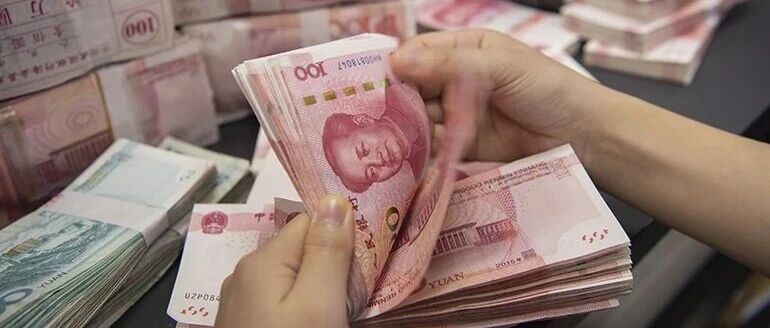
Core Viewpoint - The article discusses the evolution of wealth and investment strategies over the past decade in China, emphasizing the importance of asset allocation to maintain purchasing power and quality of life in the face of economic changes and inflation [5][18]. Historical Context - The past decade marked a transition in China's economy from high-speed growth to high-quality development, with significant asset differentiation [7]. - The Consumer Price Index (CPI) in China averaged an annual increase of approximately 2.2% from 2015 to 2024, while economic growth remained above 5% annually [7]. Real Estate Market - The real estate sector experienced a boom, particularly in first-tier cities, with prices doubling between 2015 and 2016, followed by significant increases in second-tier cities [8]. - However, by 2020, property prices began to decline, with an average correction of at least 40% from peak levels, leading to situations where homeowners could not sell properties for enough to cover their mortgages [9]. A-Share Market - The A-share market has seen significant volatility, with the Shanghai Composite Index rising from around 2000 points in 2014 to 5100 points in 2015, followed by a sharp decline [10]. - Despite this, structural opportunities emerged, particularly in sectors like consumption, pharmaceuticals, and technology, with notable stocks like Kweichow Moutai and CATL achieving substantial gains [11]. Fixed Income Assets - The domestic monetary policy has been persistently accommodative, leading to a decline in the yield on ten-year government bonds from approximately 4.5% in 2015 to around 1.8% currently [13]. - Bond funds have yielded annual returns of about 4% to 6%, while bank wealth management products have seen yields drop from around 5% to 2% [13]. Gold Market - Gold prices have surged from $1200 per ounce in 2015 to over $4000 per ounce, reflecting a more than 300% increase [14]. - The article raises questions about the sustainability of this upward trend in gold prices amid geopolitical risks and currency devaluation [15]. Future Economic Landscape - The next decade is expected to witness profound changes in China's economy and social structure, with GDP growth projected to average between 4% and 5% [20]. - Key trends include a shift from investment-driven to consumption and innovation-driven growth, alongside a rising service sector and advanced manufacturing [21]. Asset Allocation Strategies - Holding cash in a bank is projected to result in a significant loss of purchasing power, with estimates suggesting that 1 million yuan could be worth only 600,000 yuan in ten years due to inflation [28]. - Real estate investment is deemed risky, with only prime locations in first-tier cities likely to retain value, while other areas may not offer investment potential [24]. - The A-share market is expected to reflect economic quality more accurately, with sectors like high-end manufacturing and green energy seen as promising [25]. - Gold and REITs (Real Estate Investment Trusts) are suggested as potential hedges against inflation and as alternatives to traditional fixed-income investments [26]. Conclusion - The article concludes that the future value of today's 1 million yuan will heavily depend on strategic asset allocation decisions made now, emphasizing the need for financial literacy and informed investment choices to navigate economic fluctuations [30].
今天的100万,十年后值多少
Di Yi Cai Jing· 2025-11-13 03:37
Core Viewpoint - The article discusses the significant decline in purchasing power of wealth over the past decade and emphasizes the importance of strategic asset allocation to preserve and grow wealth in the future [2][10][20]. Group 1: Economic Context - The past decade has seen a transition in China's economy from high-speed growth to high-quality development, with an average annual GDP growth rate of over 5% [3][12]. - The Consumer Price Index (CPI) has averaged an annual increase of approximately 2.2% from 2015 to 2024, indicating inflationary pressures on purchasing power [3][10]. Group 2: Real Estate Market - The real estate market experienced a significant boom, particularly in first-tier cities, with prices doubling between 2015 and 2016, followed by substantial increases in second-tier cities [4][5]. - However, the rental yield in the real estate sector is generally below 2%, which is significantly lower than the global average, and many cities have seen property prices decline by at least 40% from their peak [5][16]. Group 3: A-share Market - The A-share market has undergone dramatic fluctuations, with the Shanghai Composite Index rising from around 2000 points in 2014 to 5100 points in 2015, followed by a sharp decline [6]. - Despite the volatility, there have been structural opportunities, particularly in sectors like consumption, healthcare, and technology, with some stocks experiencing significant growth [6][16]. Group 4: Fixed Income Assets - The yield on ten-year government bonds has decreased from approximately 4.5% in 2015 to around 1.8% currently, leading to a steady increase in bond prices [7]. - Bond funds have provided annualized returns of about 4% to 6%, while bank wealth management products have seen yields drop from around 5% to 2% [7]. Group 5: Gold Market - Gold prices have surged from $1200 per ounce in 2015 to over $4000 per ounce, reflecting a more than 300% increase, driven by geopolitical risks and inflation concerns [9][10]. Group 6: Future Economic Outlook - The next decade is expected to witness profound changes in China's economic and social structure, with GDP growth projected to stabilize between 4% and 5% [12]. - Key trends include a shift from investment-driven growth to consumption and innovation, alongside a rising elderly population and increasing demand for healthcare and quality services [13]. Group 7: Asset Allocation Strategies - Holding cash in a bank is projected to lead to a significant loss in purchasing power, with estimates suggesting that 1 million yuan could be worth only 600,000 yuan in ten years due to inflation [19]. - Diversified asset allocation strategies, including investments in equities, real estate, and alternative assets like REITs and gold, are recommended to preserve and grow wealth [16][17][20].
物价高烧不退?白宫暗示:将对食品关税“动刀”
Jin Shi Shu Ju· 2025-11-13 02:24
Core Insights - The Biden administration is under pressure to address a cost-of-living crisis affecting millions of Americans, with potential adjustments to grocery tariffs being considered to lower prices [1] - The National Economic Council Chairman Kevin Hassett indicated that discussions are ongoing regarding food tariff adjustments, suggesting more changes may follow [1] - Former President Trump plans to make a significant announcement aimed at stabilizing food prices, including items like coffee and bananas [1] Group 1 - The inflation rate is currently at 3%, which Hassett believes is moving in the right direction, but acknowledges that grocery prices have continued to rise during Trump's presidency [2] - Typical monthly grocery spending for a family increased from approximately $400 when Trump left office to about $512 currently, indicating a significant rise in food costs [2] - Trump's imposition of large tariffs on most trade partners raised the average tariff level in the U.S. to its highest point since World War II [2] Group 2 - The U.S. has granted exemptions from retaliatory tariffs for certain industries like chips, pharmaceuticals, and critical minerals, while investigations are ongoing that may lead to future tariffs [2] - Many countries are seeking limited agreements with the U.S. to reduce some of the tariffs imposed by Trump, but the government maintains a baseline tariff of at least 10% on nearly all trade partners [2]
Snap-on (NYSE:SNA) FY Conference Transcript
2025-11-12 16:40
Summary of Snap-on's Conference Call Company Overview - Snap-on is a leader in the auto aftermarket and operates in various industries including automotive repair and aviation [1][2] - The company focuses on providing specialized tools where the penalty for failure is high, emphasizing reliability and repeatability [1][2] Key Points and Arguments Business Model and Strategy - Snap-on's value creation mechanism involves direct observation of work environments to identify challenges that can be addressed with their tools [2][3] - The company has a diverse product range with 85,000 SKUs, managing complexity through processes like safety, quality, customer connection, and rapid continuous improvement [3][4] Financial Performance - Over the past 15-17 years, Snap-on has increased its operating income (OI) margin by an average of 85 basis points annually [5] - The Tools Group reported a 1% increase in sales with a 21.7% OI margin, up 10 basis points year-over-year [6] - The Commercial Industrial (C&I) group experienced a flat sales performance but reported a 15.6% OI margin, down 110 basis points, attributed to currency fluctuations [7][8] Market Dynamics - The automotive repair sector is seeing a double-digit increase in household spending, driven by the complexity of modern vehicles [16] - Technicians' pay has increased in the mid-single digits, reflecting their expanded skill set [17] - Current economic uncertainties, including inflation and geopolitical tensions, are causing technicians to be more conservative in their purchasing decisions [18][25] Product Insights - The diagnostics segment performed well, indicating strong demand for tools that enhance efficiency and accuracy in repairs [21][22] - New product launches, such as innovative power tools, are driving sales momentum [27][29] Tariffs and Manufacturing - Snap-on manufactures 80% of its products in the U.S., providing a competitive advantage amid tariff challenges [32][33] - The company is well-positioned to adjust pricing strategies without significant impact on profitability due to its domestic manufacturing footprint [34] Credit and Collection Trends - Credit cycle losses are increasing but remain manageable, with portfolio yields around 16.5% and losses in the 3-3.5% range [37][38] - The company has a resilient credit portfolio, having withstood previous economic downturns [38] Future Outlook - Snap-on expects sales growth of 4% to 6% annually, with a focus on adapting to market preferences for smaller, quicker payback items [40][46] - The C&I segment is anticipated to grow as the company invests in direct sales and customization capabilities [49][52] Capital Allocation - Snap-on prioritizes internal investment for the best returns, with plans to explore M&A opportunities that enhance their market position [60][63] Additional Important Insights - The company is leveraging AI to enhance its data capabilities, which could provide a competitive edge in the market [61] - Snap-on has maintained a consistent dividend payout since 1939, reflecting its commitment to shareholder returns [63]
