
未来产业

Search documents
锚定强国建设推进产业体系现代化
Jing Ji Ri Bao· 2025-11-20 22:19
Core Viewpoint - The modernization of the industrial system is the material and technical foundation for Chinese-style modernization, emphasizing the importance of the real economy and the modernization of the industrial system as a strategic task for building a modern socialist country [1][2][3]. Group 1: Understanding Industrial System Modernization - The establishment and development of any social economic system require a corresponding material foundation, with a modern industrial system being crucial for modernization [2]. - Successful modernization in various countries has been linked to the process of industrial system modernization, while failure to establish such systems has led to insufficient and unsustainable modernization [2]. - China's modernization has been closely tied to the development and evolution of its industrial system, highlighting the need for a complete, advanced, and secure modern industrial system [2][4]. Group 2: Key Components of Modern Industrial System - Xi Jinping's economic thought emphasizes the construction of an industrial system that integrates the real economy, technological innovation, modern finance, and human resources [3]. - The modern industrial system should focus on intelligent, green, and integrated development, with advanced manufacturing as its backbone [3][4]. - The construction of a modern industrial system is a complex, long-term project that requires a strong focus on the real economy and the optimization of traditional industries alongside the cultivation of emerging industries [4][11]. Group 3: Development Directions - The three key directions for industrial modernization are intelligentization, green transformation, and integration, which are interdependent and collectively drive systemic leaps in industrial development [5][7][8]. - Intelligentization involves deep restructuring of the entire production chain using data and AI technologies, aiming to create a smart industrial ecosystem [6]. - Green transformation focuses on embedding low-carbon and circular economy principles throughout the industrial process, emphasizing the importance of green technology innovation and lifecycle management [7]. Group 4: Innovation and Upgrading - The optimization and upgrading of traditional industries are essential for maintaining a balanced manufacturing sector and ensuring the integrity of the industrial system [11]. - New technologies, particularly digital and green technologies, are reshaping traditional production models and development paths, necessitating a shift towards smart, green, and service-oriented manufacturing [11][12]. - The cultivation of emerging and future industries is crucial, with a focus on sectors like renewable energy, aerospace, and advanced materials, leveraging China's unique conditions for rapid technology application [12]. Group 5: Service Industry Development - The service industry is a vital component of the modern industrial system, with its share of GDP expected to increase as industrialization progresses [13]. - Enhancing the quality and efficiency of the service sector can drive industrial transformation, create jobs, and meet the evolving needs of society [13]. Group 6: Infrastructure and Support - A modernized infrastructure system is foundational for the efficient operation of the industrial system, influencing resource allocation and economic efficiency [14]. - China has made significant strides in infrastructure development, but challenges remain in terms of balance and integration [14][15]. - Future infrastructure improvements should focus on enhancing connectivity, adaptability, and advanced technology integration to support industrial modernization [15].
19万平方米,9大展区!2025汉交会在黄陂开幕,万商云集打造城市消费新场景
Sou Hu Cai Jing· 2025-11-20 21:39
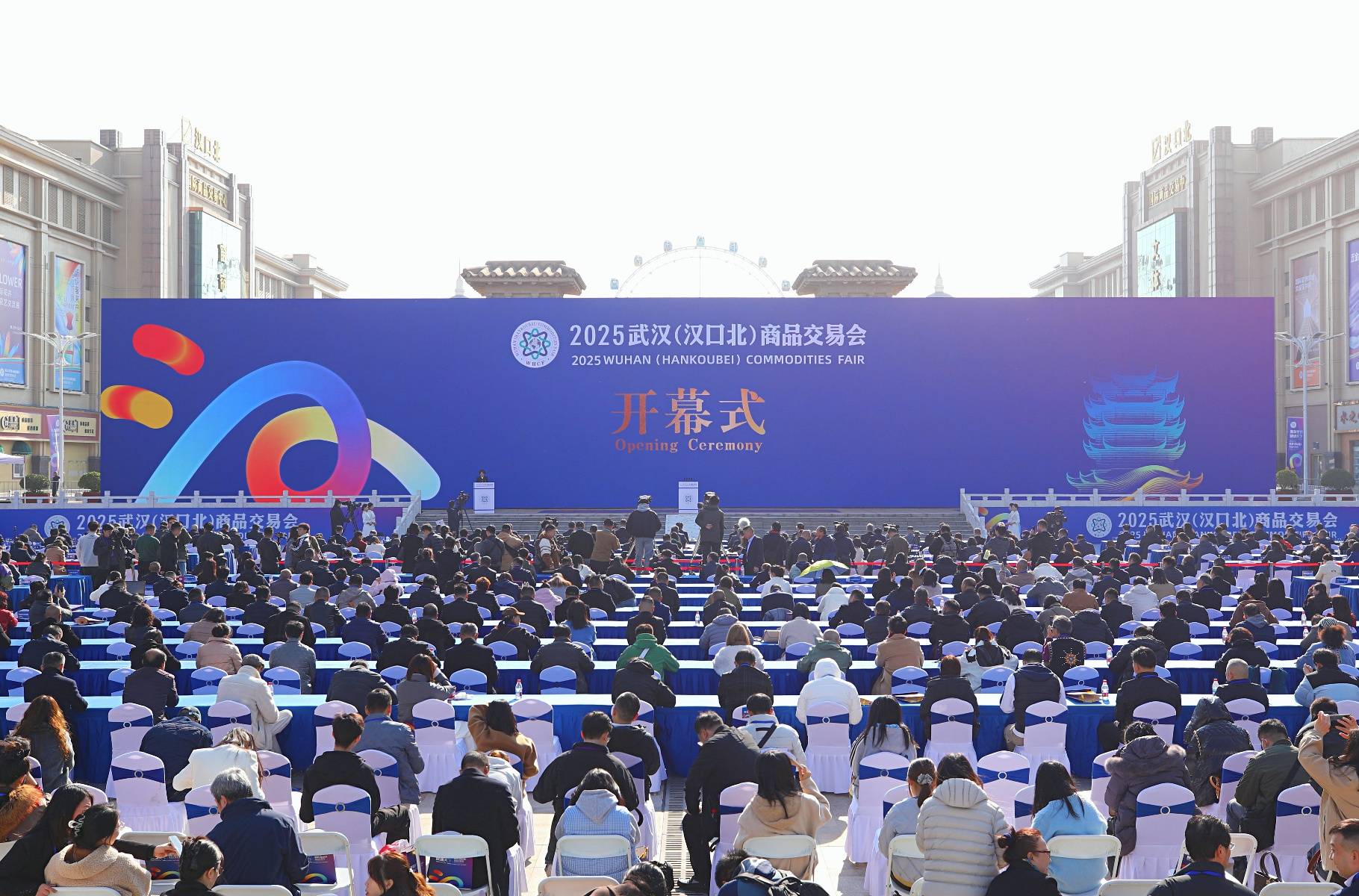
Core Points - The 2025 Wuhan (Hankou North) Commodity Fair, themed "Connecting the World, Trade Across Borders," officially opened on November 20, attracting global exhibitors, buyers, and professionals to Wuhan [1] - The event featured a record attendance of over 1,200 entrepreneurs and experts from approximately 50 countries and regions, including 70 foreign guests, highlighting its significance as an international exchange platform [4] Group 1: Event Overview - The fair includes a main exhibition area and nine market exhibition areas, covering a total area of 190,000 square meters, the largest in its history [7] - The main exhibition focuses on commodity trade, digital trade, and service trade, with 165 high-quality enterprises participating, three times the number from the previous year [7] - The nine market exhibition areas feature over 1,000 exhibitors and 3,000 buyers, covering various industries such as pharmaceuticals, automotive, textiles, and international flowers [7][10] Group 2: Technological Integration - The fair introduced an online digital platform to enhance the integration of online and offline experiences, promoting a modern trade ecosystem [4] - Innovative applications such as AI health assessments and interactive technology displays were showcased, setting industry benchmarks for intelligent transformation [10][12] Group 3: Consumer Engagement - The event created a vibrant consumer experience with various interactive activities, including AI competitions and cultural exhibitions, appealing to a wide demographic [11][12] - Special events linked to local cultural landmarks and commercial areas were organized to enhance the overall experience for attendees [14] Group 4: Future Prospects - The fair aims to establish itself as a leading platform for trade and cooperation, contributing to the development of a national-level trade service hub in the region [14] - The event is positioned to support Wuhan's ongoing efforts to enhance its global trade presence and economic development [14]

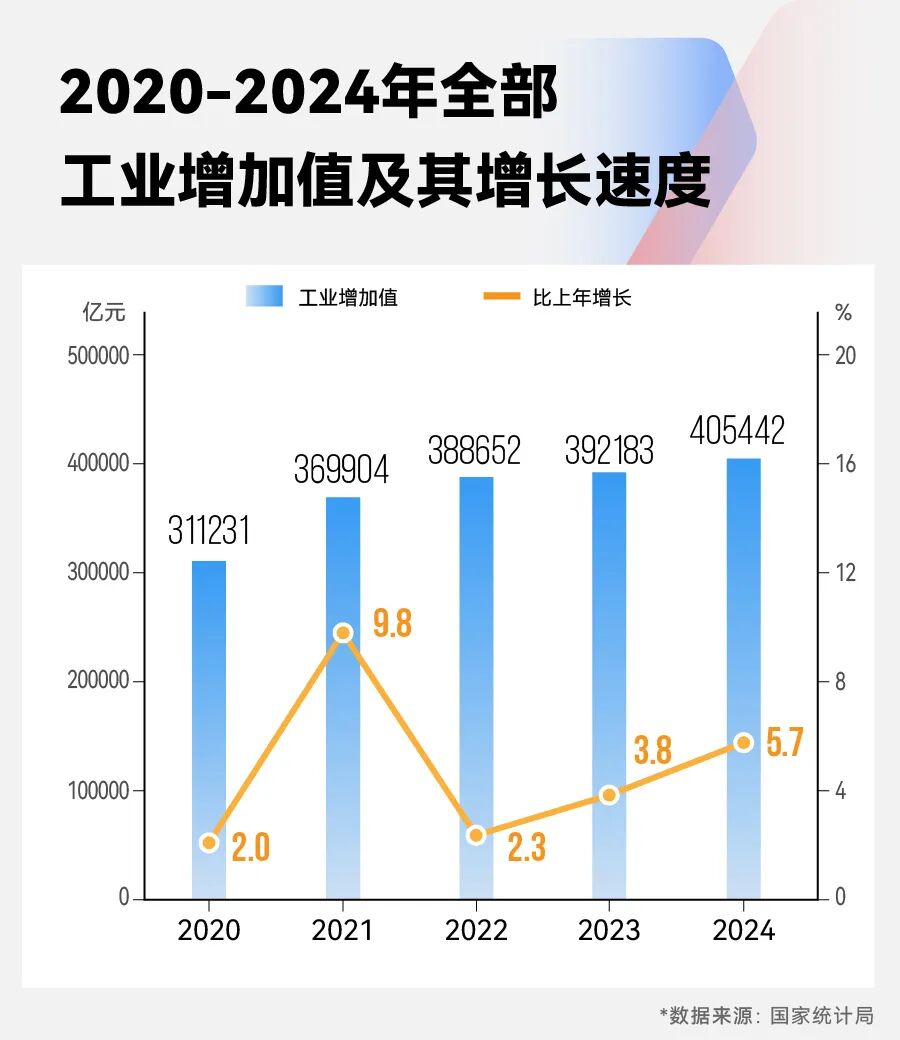
展望“十五五” | 专访黄群慧:既要重视AI赋能千行百业 也要考量其对就业的替代效应和带来的收入极化
Mei Ri Jing Ji Xin Wen· 2025-11-20 16:05
Core Viewpoint - The "15th Five-Year Plan" emphasizes the construction of a modern industrial system, reflecting a strategic shift in China's economic policy to prioritize supply-side reforms and technological innovation [2][3][6]. Group 1: Modern Industrial System - The prioritization of "building a modern industrial system" is crucial for maintaining GDP growth and transforming traditional industries, which currently account for about 80% of the economy, into new growth drivers [3][6]. - The modern industrial system aims to support the transformation of traditional industries and foster the development of strategic emerging industries, creating a symbiotic relationship that drives economic growth [3][6]. Group 2: Future Industries - The plan identifies six key future industries: quantum technology, biomanufacturing, hydrogen energy, nuclear fusion energy, brain-computer interfaces, and sixth-generation mobile communications, chosen for their potential for original innovation and market impact [10][11]. - These industries are expected to contribute significantly to China's economic growth and technological advancement, with a focus on achieving breakthroughs in the next decade [18][19]. Group 3: Investment and Policy Allocation - Investment strategies must be tailored to the characteristics of traditional, strategic emerging, and future industries, ensuring that resources are allocated effectively to avoid neglecting any sector [7][9]. - The government should facilitate the digital and intelligent transformation of traditional industries through various support mechanisms, including funding and public service platforms [8][9]. Group 4: Technological Innovation and Social Impact - The integration of artificial intelligence into various sectors is highlighted as a key strategy for enhancing industrial capabilities, with a focus on addressing the social implications of technological advancements, such as employment displacement and income polarization [31][33][37]. - The need for a governance framework that balances innovation with ethical considerations is emphasized, ensuring that technological progress aligns with societal well-being and shared development goals [33][38].
黄群慧:未来产业在多路径试错阶段允许泡沫,但一定是市场共同追逐形成的泡沫
Mei Ri Jing Ji Xin Wen· 2025-11-20 14:45
Core Viewpoint - The future industry possesses both strategic importance and high uncertainty, necessitating increased investment while diversifying significant risks [1] Group 1: Investment Strategies - The state should establish a future industry guidance fund, maintaining a "guidance" role rather than becoming the primary investor [1] - The guidance fund should leverage market-oriented patient capital, venture capital, and innovative capital to create a multi-layered, relay-style financing system [1] - Financial innovation space should be left to the market, with regulatory bodies moderately relaxing controls within the framework of technology finance [1] Group 2: Market Dynamics - The future industry is in a multi-path trial-and-error phase, where the presence of bubbles is acceptable, provided they are formed through collective market pursuit rather than government-driven initiatives [1] - Successful paths will emerge after a rigorous selection process, akin to "survival of the fittest" in the market [1]
连续4日,汉交会正式开幕!
Chang Jiang Ri Bao· 2025-11-20 09:49
Core Insights - The exhibition covers a total area of 190,000 square meters, attracting over 3,000 domestic and foreign enterprises, with more than 1,200 entrepreneurs and experts attending, and an expected audience exceeding 200,000 people [2] Group 1: Exhibition Overview - The main exhibition hall features two core sections: "Foreign Trade Quality Products and Innovative Consumption" and "Digital Economy and Digital Trade (Cross-border E-commerce)" [2] - The event highlights cutting-edge industries such as artificial intelligence, low-altitude economy, future industries, and high-end manufacturing, showcasing the core strengths and innovative achievements of industrial upgrades [2] Group 2: Interactive Features - Innovative interactive scenes include robot cooking, robot selling hot dry noodles, and robot dog lion dance performances, presenting a new landscape of technology empowering consumption [2] Group 3: Specialized Exhibition Areas - Nine specialized exhibition areas are set up, covering sectors such as new energy vehicles, international soft decoration and whole-house customization, health and wellness, textile and apparel supply chain, hotel supplies and coffee/tea, cultural products and creative design, international floral and floral art exchange, hardware and electrical supply chain procurement, and supermarket procurement and brand exhibitions [2] Group 4: Economic and Cultural Activities - The event emphasizes the "Exhibition +" economy, featuring activities such as a friendly football match with Latin American delegations, discussions on the Hungary-Wuhan Three Towns Club football youth training project, and extending the exhibition's focus from economic and trade exchanges to cultural tourism and sports [2]
海外客商汇聚“汉交会” 共拓中国中部市场新机遇
Zhong Guo Xin Wen Wang· 2025-11-20 09:43
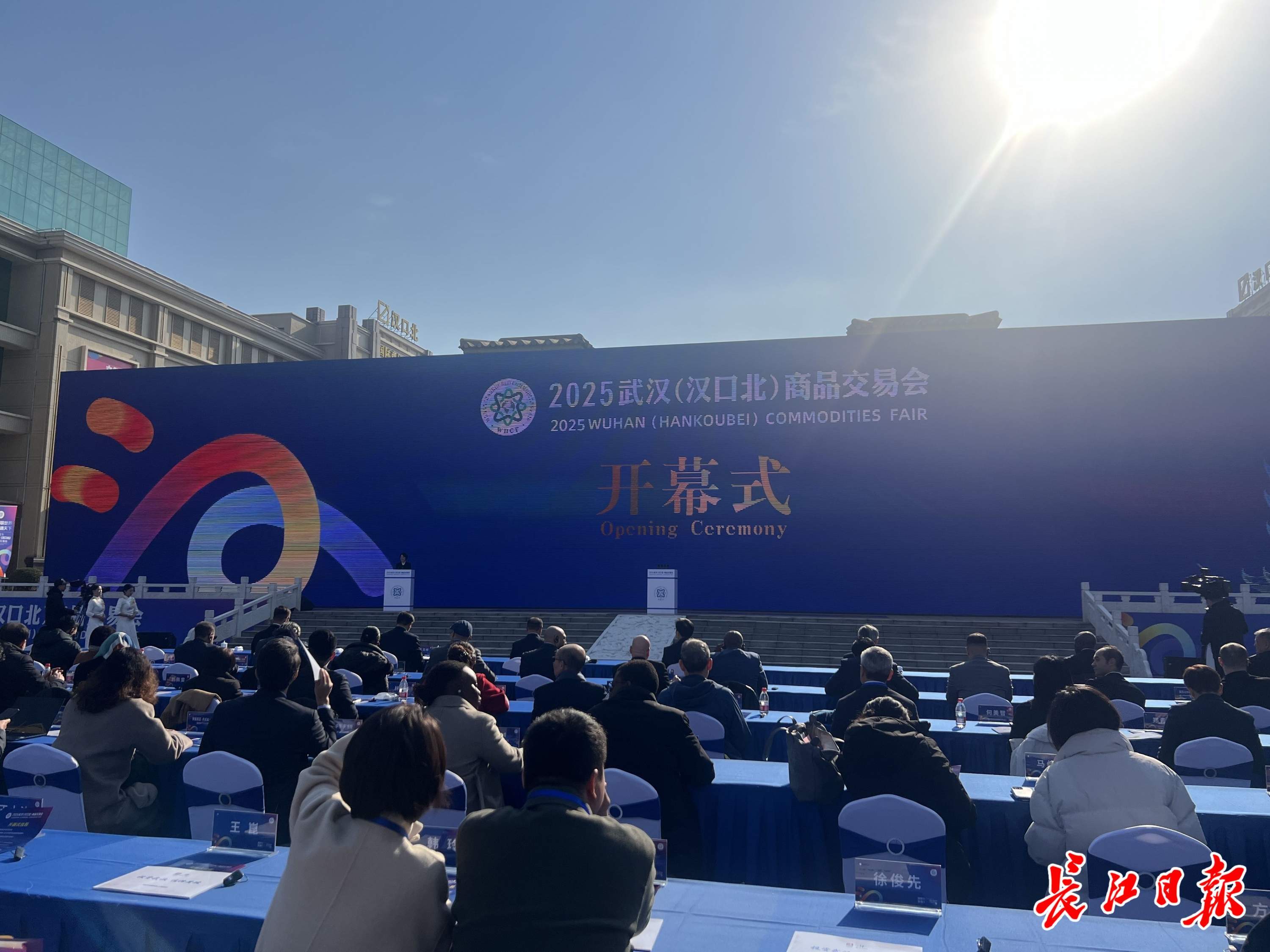
Core Insights - The 2025 Wuhan (Hankou North) Commodity Trade Fair, themed "Connecting the World, Trade Across Borders," opened on November 20, attracting over 3,000 domestic and foreign enterprises from around 50 countries and regions [1][2] - The fair covers a total exhibition area of 190,000 square meters, focusing on two main sectors: "Quality Foreign Trade Products and Innovative Consumption" and "Digital Economy and Digital Trade," with nine specialized exhibition areas [1] Group 1 - The main exhibition area features products from Europe, Asia, Latin America, and Africa, including food and beverages, handicrafts, and high-end consumer goods [1] - The cross-border e-commerce exhibition area showcases overseas influencers presenting unique products, highlighting the growing trend of digital marketing [1] - The international floral and floral art exchange area features over 50 types of imported flowers, such as Ecuadorian roses and Dutch tulips, which are popular among local consumers [1] Group 2 - Diplomats from various countries act as "product recommendation officers," promoting their national products, such as a ginger drink from Dominica and high-quality Argentine products [2] - The fair facilitates discussions among influential overseas Chinese business leaders from 30 countries and regions, focusing on sectors like finance, textiles, biomedicine, and information technology, aiming to build bridges for international economic cooperation [2]

未来产业的现在进行时
Ren Min Ri Bao· 2025-11-20 01:05
Quantum Technology - China has established the world's largest quantum communication network, comprising 8 core sites and 159 access stations [4] - The third-generation superconducting quantum computer "Benyuan Wukong" is set to officially operate in January 2024, with over 80% domestic components [9] - "Benyuan Wukong" has been accessed over 37 million times by users from 163 countries, completing 740,000 quantum computing tasks across various fields [11] Biological Manufacturing - Biological manufacturing combines traditional fermentation and synthetic biology, opening new industrial spaces [12] - China holds over 70% of global biological fermentation capacity, leading in the production of amino acids and organic acids [12] - Challenges include the need for core strains and key enzymes, as well as the development of a robust biological information database [13] Nuclear Fusion Energy - Controlled nuclear fusion, known as "artificial sun," is advancing with significant breakthroughs in technology [14][15] - The "China Circulation No. 3" has achieved record ion and electron temperatures of 120 million and 160 million degrees Celsius, respectively [15] - By 2027, "China Circulation No. 3" is expected to conduct burning plasma experiments, moving towards commercial fusion power generation by mid-century [15] Brain-Computer Interface - Brain-computer interface technology is expanding into various fields, including medical rehabilitation and consumer electronics [17][18] - The industry is supported by a collaborative ecosystem involving research, industry, and policy frameworks [18] - Key focus areas include core technology development, innovation ecosystem enhancement, and ethical regulatory frameworks [18] Humanoid Robotics - Humanoid robots are evolving rapidly, with advancements in joint modules and motion control [19][20] - The Shenzhen area is developing a "embodied intelligence port," fostering a complete industrial chain from R&D to application [20] - The local government has introduced action plans to promote technological innovation and industry development in humanoid robotics [20] 6G Technology - 6G technology aims to enhance connectivity and integrate various technologies, supporting the development of a smart society [21][22] - It is expected to achieve 10 to 100 times the speed and reliability of 5G, covering all domains of connectivity [21] - China is advancing in 6G research and aims for commercial implementation by 2030 [22]
未来产业的现在进行时(经济聚焦)
Ren Min Ri Bao· 2025-11-19 22:20
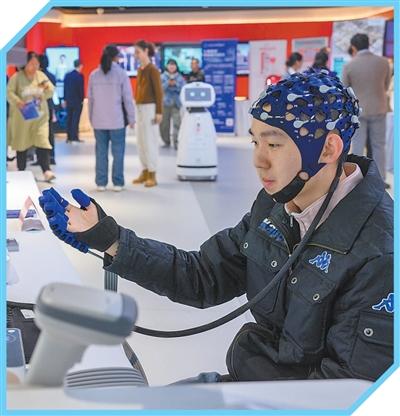
Core Insights - The article discusses the development of future industries in China, focusing on quantum technology, biomanufacturing, nuclear fusion energy, brain-computer interfaces, and embodied intelligence as key growth areas for high-quality development [10][15][18]. Quantum Technology - The "Quantum Avenue" in Hefei is home to numerous tech companies, creating a complete ecosystem for quantum computing, communication, and measurement [11]. - The third-generation superconducting quantum computer "Benyuan Wukong" is set to officially operate in January 2024, with over 80% of its components domestically produced [11]. - "Benyuan Wukong" has been accessed over 37 million times by users from 163 countries, completing 740,000 quantum computing tasks across various fields [12]. Biomanufacturing - Biomanufacturing combines traditional fermentation and synthetic biology, enabling customized production of medical products and sustainable materials [13]. - China holds a significant advantage in biomanufacturing, accounting for over 70% of global fermentation capacity and leading in the production of amino acids and organic acids [13]. - Challenges include the need for core strains and key enzymes, which require improved biological information databases and design tools [14]. Nuclear Fusion Energy - China is making significant strides in nuclear fusion research, with the "China Circulation No. 3" achieving record temperatures of 120 million degrees Celsius for ions and 160 million degrees Celsius for electrons [16]. - The establishment of the first International Atomic Energy Agency fusion research and training center in China marks a shift from participant to key player in global fusion energy development [16]. Brain-Computer Interfaces - Brain-computer interface technology is rapidly expanding into various fields, particularly in healthcare for rehabilitation and assistive technologies [18]. - China is developing a robust ecosystem for brain-computer interfaces, with significant advancements in clinical applications and policy support aimed at creating a competitive industry by 2030 [19]. Embodied Intelligence - The development of humanoid robots is advancing, with companies focusing on high-performance hardware and software to enhance capabilities in various applications [20]. - Shenzhen is emerging as a hub for embodied intelligence, with a complete industrial chain supporting technology development and market application [21]. 6G Technology - 6G technology aims to integrate communication, sensing, advanced computing, and AI, significantly enhancing connectivity and supporting the digital transformation of society and industries [22]. - China is leading in 6G research and is expected to achieve commercial deployment by 2030, with ongoing efforts in technology validation and ecosystem development [23].
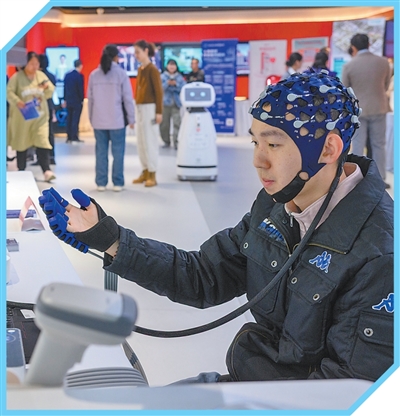
加快形成推动未来产业发展的社会合力
Zheng Quan Ri Bao· 2025-11-19 16:21
Core Viewpoint - Future industries are leading the technological revolution and represent a strategic high ground in global competition, encompassing areas such as artificial intelligence, quantum computing, biomanufacturing, and aerospace technology [1] Summary by Categories Technological Innovation - Technological innovation is the core engine driving the development of future industries, with breakthroughs in disruptive technologies being essential for progress. For instance, the "Nine Chapters No. 3" quantum computing prototype developed by the University of Science and Technology of China can solve Gaussian boson sampling problems one quintillion times faster than the fastest supercomputer globally, positioning China as a leader in the quantum computing sector [2] Policy Support - Policy support is crucial for the development of future industries, which are characterized by high investment, long cycles, and significant uncertainty. The Central Committee's recommendations for the 15th Five-Year Plan emphasize the need for forward-looking layouts in future industries and the promotion of sectors like quantum technology, biomanufacturing, hydrogen energy, and sixth-generation mobile communications as new economic growth points [2] Capital Empowerment - Sufficient and diverse capital supply is key to accelerating the transition of technologies from laboratories to markets, thereby forming future industries. China has established a multi-tiered capital market system, including the main board, Sci-Tech Innovation Board, Growth Enterprise Market, New Third Board, and regional equity markets, enhancing the capital market's ability to support technological innovation and high-level self-reliance [2] Talent Development - Talent cultivation is a lasting driving force for future industries, as competition fundamentally revolves around high-end talent. There is a growing need for interdisciplinary talent who understand both fundamental research and industrial applications. Cities like Shanghai and Guangzhou are implementing talent introduction policies to support core R&D personnel in future industries, with financial incentives of up to 500,000 yuan [3] Systematic Integration - The development of future industries is not merely a combination of the four core elements but requires a collaborative and integrated approach. For example, technological innovation provides value targets for capital empowerment, while policy support and talent development facilitate continuous breakthroughs in technological innovation [3]
地方政府与城投企业债务风险研究报告:浙江省篇
Lian He Zi Xin· 2025-11-19 11:06
1. Report Industry Investment Rating No relevant information provided. 2. Core Views of the Report - Zhejiang Province has prominent regional advantages, a well - developed economy and finance, and a relatively low government debt burden. It is accelerating industrial transformation and upgrading and has received strong policy support [3][5]. - Although the general public budget revenues of all prefecture - level cities in Zhejiang Province have increased, the government - funded budget revenues have declined due to the real estate industry. The government debt scale of each city has increased, with Hangzhou having a relatively light debt burden [3]. - Zhejiang has a large number of urban investment enterprises with outstanding bonds and a large bond outstanding scale, mainly concentrated in the cities around the Hangzhou Bay Greater Area. Affected by the debt - resolution policy, the issuance scale of urban investment bonds in Zhejiang declined in 2024, and the financing was in a net outflow state. Since 2025, the issuance term has been further extended, and the financing has turned into a net inflow [3]. - The total debt of urban investment enterprises in Zhejiang has continued to grow, with the debt structure mainly relying on bank financing. In 2026, the maturity scale of urban investment bonds in Taizhou is relatively concentrated. In 2024, Huzhou and Shaoxing had relatively high regional debt pressures [4]. 3. Summary by Relevant Catalogs 3.1 Zhejiang Province's Economic and Fiscal Strength 3.1.1 Regional Characteristics and Economic Development in Zhejiang Province - Zhejiang has prominent regional advantages, with well - developed transportation infrastructure, a significant port economy, a continuous net inflow of permanent residents, and a high urbanization rate. In 2024, its GDP ranked fourth in the country, and its per - capita GDP ranked fifth. In the first half of 2025, its GDP continued to grow at a rate higher than the national average [5][7][8]. - The industrial structure is dominated by the secondary and tertiary industries, with the proportion of the tertiary industry continuously increasing. The province has a solid industrial foundation, a well - developed private economy, and is steadily developing new productive forces. It is accelerating the construction of the "415X" advanced manufacturing cluster and focusing on cultivating future industries [9][11][14]. - A series of policies have provided strong support for Zhejiang's economic development. The province has completed the "14th Five - Year Plan" with high quality. By the end of 2025, its economic aggregate is expected to reach about 9.5 trillion yuan, and the per - capita GDP is expected to exceed 20,000 US dollars [16][18]. 3.1.2 Fiscal Strength and Debt Situation in Zhejiang Province - Zhejiang has strong fiscal strength. In 2024, its general public budget revenue ranked third in the country, with high revenue quality and fiscal self - sufficiency rate. Although the government - funded revenue continued to decline, it still contributed significantly to the local comprehensive financial resources. In the first half of 2025, the general public budget revenue changed little year - on - year, but the revenue quality declined [20]. - The provincial government's debt burden is relatively low in the country. In recent years, the local government debt scale has been increasing, with the debt balance ranking fourth in the country at the end of 2024. The local government debt ratio and debt - to - GDP ratio have been rising [21]. - Zhejiang has continued to receive debt - resolution policy support. In 2024 and from January to September 2025, it issued special refinancing bonds of 10.9 billion yuan and 8.14 billion yuan respectively. In 2025, it applied for a new government debt quota of 378.8 billion yuan [23]. 3.2 Economic and Fiscal Strength of Prefecture - Level Cities in Zhejiang Province 3.2.1 Economic Strength and Industrial Situation of Prefecture - Level Cities in Zhejiang Province - Most prefecture - level cities in Zhejiang have a per - capita GDP higher than the national average, but the economic development elements are unevenly distributed, and the GDP gap between cities is large. The economic vitality increases from the southwest to the northeast. The pillar industries of cities around the Hangzhou Bay Greater Area are manufacturing, with many national industrial parks and listed companies [25]. - The cities around the Hangzhou Bay Greater Area and in the southeast mainly have manufacturing as their pillar industries, while those in the southwest mainly rely on the tertiary industry. Each city has its own dominant and emerging industries [27][29]. - In 2024, the GDP of Hangzhou and Ningbo exceeded 2 trillion yuan and 1.8 trillion yuan respectively, accounting for more than 44% of Zhejiang's GDP. Except for Hangzhou, the GDP growth rates of other cities were higher than the national average. The per - capita GDP of cities around the Hangzhou Bay Greater Area was significantly higher than that of other regions [32][33]. 3.2.2 Fiscal Strength and Debt Situation of Prefecture - Level Cities in Zhejiang Province - The general public budget revenues of all prefecture - level cities in Zhejiang have increased, but the scale gap is significant. Hangzhou and Ningbo lead by a large margin. Affected by the real estate industry, the government - funded budget revenues of all cities have declined. Cities with low fiscal self - sufficiency rates rely more on superior subsidies [34]. - The fiscal self - sufficiency rates of prefecture - level cities are highly polarized. In 2024, Hangzhou had a fiscal self - sufficiency rate close to 100%, while Quzhou and Lishui had rates of only 32% and 30% respectively [36]. - The government debt scale of each prefecture - level city has increased, with Hangzhou having a relatively light debt burden. Except for Hangzhou, the local government debt ratios of other cities exceeded 100% in 2024. Zhejiang is continuing to prevent and resolve local debt risks [38][41][43]. 3.3 Debt - Repayment Ability of Urban Investment Enterprises in Zhejiang Province 3.3.1 Overview of Urban Investment Enterprises in Zhejiang Province - As of the end of September 2025, there were 479 urban investment enterprises with outstanding bonds in Zhejiang, an increase of 22 compared to the end of October 2024. The administrative levels of these enterprises are mainly concentrated at the district - county level, and most are located in cities around the Hangzhou Bay Greater Area. The main credit ratings are AA and AA+ [44]. 3.3.2 Issuance and Outstanding Situation of Urban Investment Bonds in Zhejiang Province - Affected by the debt - resolution policy, the issuance scale of urban investment bonds in Zhejiang declined in 2024, but the outstanding scale remained large, mainly concentrated in cities around the Hangzhou Bay Greater Area. The financing of urban investment bonds showed a net outflow. Since 2025, the issuance term has been further extended, and the financing has turned into a net inflow [48]. - In 2024, the number and scale of urban investment bond issuances in Zhejiang decreased by 16.13% and 19.78% respectively compared to the previous year. From January to September 2025, the number and scale of issuances decreased by 11.04% and 17.65% respectively compared to the same period in the previous year [49]. - In 2024, the issuance term of urban investment bonds in Zhejiang shifted to long - term. From January to September 2025, the proportion of 5 - year bonds increased by 5.2 percentage points compared to the whole year of 2024 [50]. - In 2024, the net financing of urban investment bonds in Zhejiang turned negative, with a net outflow of about 2 billion yuan. From January to September 2025, it turned into a net inflow of 1.4051 billion yuan [52]. - As of the end of September 2025, the outstanding scale of urban investment bonds in Zhejiang was 200.61 billion yuan, with Hangzhou having the largest balance [55]. 3.3.3 Analysis of the Debt - Repayment Ability of Urban Investment Enterprises in Zhejiang Province - The total debt of urban investment enterprises in Zhejiang has continued to grow, with the debt structure mainly relying on bank loans. In 2026, the maturity scale of urban investment bonds in Taizhou is relatively concentrated. At the end of 2024, the coverage of short - term debt by cash - like assets decreased. Since 2024, the cash flow from financing activities has remained in a net inflow state, indicating strong financing ability [57]. - As of the end of 2024, the total debt of urban investment enterprises in Zhejiang reached 8.25 trillion yuan, a year - on - year increase of 11.9%. As of the end of June 2025, it increased by 6.6% compared to the end of 2024 [58]. - As of the end of 2024, bank financing accounted for 62.9% of the total debt of urban investment enterprises in Zhejiang, with the proportion continuously increasing. The proportion of bond financing in Shaoxing, Huzhou, and Zhoushan exceeded 30%, and the proportion of other financing in Jinhua and Zhoushan exceeded 15% [58]. - As of the end of September 2025, the scale of urban investment bonds due in 2026 and 2027 was about 700 billion yuan and 450 billion yuan respectively, accounting for about 36% and 23% of the total. The proportion of bonds due in Taizhou in 2026 was 46.7%, relatively concentrated [61]. - As of the end of June 2025, the total debt capitalization ratio of urban investment enterprises in each prefecture - level city increased, all exceeding 50%, with those in Shaoxing, Jinhua, and Taizhou exceeding 60% [61]. - At the end of 2024, the coverage of short - term debt by cash - like assets of urban investment enterprises in Zhejiang decreased compared to the end of 2023. As of the end of June 2025, the cash - to - short - term debt ratio of each city increased compared to the end of the previous year, but except for Ningbo and Wenzhou, it was still lower than that at the end of 2023 [63]. - In 2024, the cash flow from financing activities of urban investment enterprises in Zhejiang remained in a net inflow state, but the net inflow scale decreased year - on - year. In the first half of 2025, it still maintained a net inflow state, and the net inflow of Shaoxing, Quzhou, and Zhoushan exceeded the whole - year level of 2024 [63][64]. 3.3.4 Support and Guarantee Ability of Fiscal Revenues of Prefecture - Level Cities in Zhejiang for the Debt of Bond - Issuing Urban Investment Enterprises - Among the prefecture - level cities in Zhejiang, the scale of "local government debt + total debt of bond - issuing urban investment enterprises" in Hangzhou is the largest, followed by Ningbo, Shaoxing, Huzhou, and Jiaxing. The ratio of "local government debt + total debt of bond - issuing urban investment enterprises" to comprehensive financial resources in most cities exceeds 400%, with Shaoxing and Huzhou approaching 1000%, indicating relatively high regional debt pressures [65].