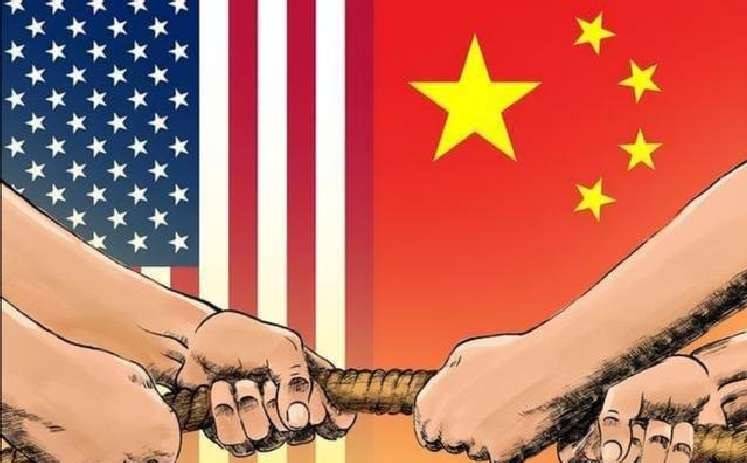
贸易战

Search documents
【环球财经】芝加哥农产品期价3日涨跌不一
Xin Hua Cai Jing· 2025-10-04 01:23
Core Viewpoint - The Chicago futures market for corn, wheat, and soybeans experienced mixed price movements on October 3, with corn and soybeans declining while wheat saw a slight increase. The market is expected to shift focus back to crop size and yield as new investments flow in, but supply surplus issues may hinder price increases [1]. Group 1: Market Performance - On October 3, the most actively traded December corn contract closed at $4.19 per bushel, down 2.75 cents (0.65%) from the previous trading day [1]. - The December wheat contract closed at $5.15 per bushel, up 0.5 cents (0.1%) from the previous trading day [1]. - The November soybean contract closed at $10.18 per bushel, down 5.75 cents (0.56%) from the previous trading day [1]. Group 2: Investment and Supply Dynamics - A new wave of investment is entering the Chicago Board of Trade (CBOT) agricultural futures market, but investment flows are expected to slow down in early next week [1]. - The U.S. Congress faces challenges in quickly agreeing on a $10 billion to $14 billion subsidy for American farmers due to the ongoing trade war initiated by Trump, with potential payments not expected until December or 2026 [1]. - U.S. farmers are accelerating soybean harvesting, expected to be completed by the end of next week, followed by corn harvesting [1]. - Brazilian farmers are set to accelerate soybean planting next week, with favorable weather conditions in South America contributing to crop growth, which may hinder price increases in the CBOT agricultural products [1]. - There is an oversupply of wheat, corn, and soybeans in the U.S. and globally, exacerbated by the new crop listings from South America, leading market analysts to recommend selling on price increases [1].

美国财长最终松口,中美谈判将有重大转折,背后原因令人意外
Sou Hu Cai Jing· 2025-10-03 23:41
Group 1 - U.S. Treasury Secretary Mnuchin has shifted his stance, indicating that the next round of U.S.-China trade talks will achieve "significant breakthroughs," particularly regarding agricultural product purchases [1] - The U.S. soybean crisis has become a catalyst for negotiations, with Chinese orders dropping to zero for the first time since 1999, leading to significant financial losses for American farmers [3] - The U.S. soybean export value to China was $12.8 billion last year, accounting for over half of U.S. soybean exports, but the 23% tariff has rendered U.S. soybeans uncompetitive compared to Brazil and Argentina, which have a 3% tariff [3] Group 2 - The trade war has negatively impacted the U.S. economy, with the federal debt reaching a historic high and a court ruling against Trump's "reciprocal tariff" policy, potentially requiring the Treasury to refund $1 trillion in tariffs [4] - China has retaliated against U.S. tech companies and imposed pressure on rare earth exports, disrupting U.S. supply chains [4] - Temporary agreements have been reached in some areas, such as shortening semiconductor review times and lifting restrictions on new energy battery imports, but core issues remain unresolved, particularly regarding the fentanyl crisis [7]


中方一单不买,反倒下令加税100%!加拿大高官喊话要来中国,想当面求放过?
Sou Hu Cai Jing· 2025-10-03 17:34
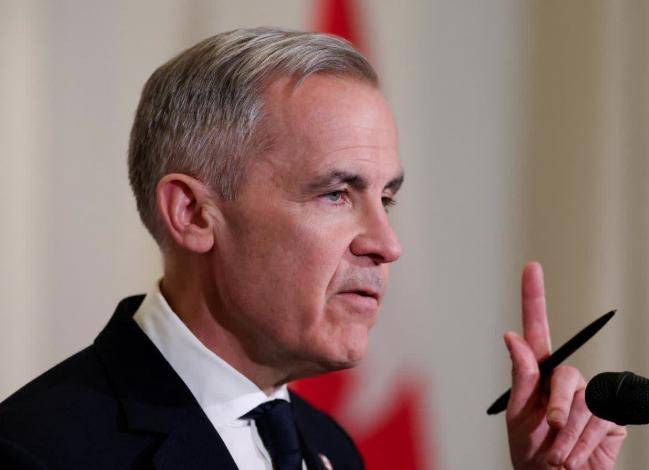
Group 1: Canada-China Relations - Canada has shifted from a hardline stance against China to seeking reconciliation, as indicated by Prime Minister Trudeau's signals for dialogue and Foreign Minister Anand's upcoming visit to China [1][10] - The previous strategy aligned with the US "Indo-Pacific Strategy" led to significant tariffs on Chinese products, including a 100% tariff on electric vehicles and a 25% tariff on steel, which strained Canada-China relations [1][10] - The Canadian government is now under pressure to repair relations with China due to the economic fallout from these tariffs, particularly in the agricultural sector [10][11] Group 2: Economic Impact on Canada - China's retaliatory measures included imposing a 100% tariff on Canadian canola seeds and a 25% tariff on pork, severely impacting Canadian farmers and leading to significant financial losses [4][5] - The canola seed industry, which previously relied heavily on China, is facing a crisis with nearly 90% of its exports to China now at risk, resulting in average losses of tens of thousands of dollars per farmer [5][10] - The lack of support from the US, coupled with ongoing tariffs on Canadian steel and aluminum, has compounded the economic difficulties faced by Canada [5][10] Group 3: Strategic Lessons and Future Considerations - The trade conflict has highlighted the importance of diversifying trade partners, as China quickly turned to Australia for canola seed imports, demonstrating the risks of over-reliance on a single market [7][10] - Canadian businesses are advocating for improved trade relations with China to facilitate market expansion and economic growth, indicating a shift in the business community's perspective on foreign policy [11] - The current situation serves as a critical lesson for Canada regarding the consequences of aligning too closely with US policies at the expense of its own economic interests [11]
美国大豆堆满仓库,特朗普向中国求救,中方:做不到这件事免谈
Sou Hu Cai Jing· 2025-10-03 04:17
今年秋天,美国中西部的仓库堆满了大豆,成堆的豆子让农民们愁眉不展。曾经,中国是美国大豆的最大买家,但如今中国几乎没有了订单。事情的变化其 实从5月就开始了,那时中国减少了采购,到如今,几乎没有任何进展。失去中国这个重要市场,美国的农民只能眼睁睁看着满仓的大豆,不知道如何处 理。 随着丰收的季节到来,农民们原本应该为丰收感到欣慰,可如今却成了沉重的负担。大豆价格持续下跌,仓库堆得越来越高,秋天的本应是丰收的季节,却 变成了农民的"心病"。 特朗普政府看在眼里,急忙公开呼吁中国恢复大豆采购,希望能扭转这一局面。然而,中国的回应却异常冷静——他们明确表示,只有在美国取消不合理的 关税后,才可能恢复大豆的购买。中国商务部表态十分坚定:取消关税,才有谈判的余地。这不仅仅是口头上的要求,而是实实在在的条件,没有这一点, 别想有任何交易。 为了减轻农民的困境,特朗普提出了补贴措施。早前他曾承诺,贸易战胜利后,农民将从中获益,甚至能赚更多。然而,如今市场的消失意味着即使再多的 补贴,也无法弥补这一缺口。农民们心里明镜一样,收再多大豆,卖不出去也只能堆在仓库里。 中国的反击则十分果断。中方暂停了三家美国大豆出口商的进口许可证, ...

美国总统特朗普发文写道:我们国家的大豆农民正遭受损失,因为中国仅仅出于“谈判”的原因不购买
Sou Hu Cai Jing· 2025-10-02 17:45
Core Viewpoint - The article discusses how former President Trump is using soybean trade as a bargaining chip in negotiations with China, suggesting that he is shifting blame onto China for the struggles of American farmers while attempting to bolster his own image [1][3][5]. Group 1: Background and Context - In 2018, Trump initiated a trade war with China, significantly impacting soybean exports, which were heavily taxed by China, leading to a sharp decline in sales for American farmers [3][5]. - The article argues that Trump's claims about China not purchasing billions of dollars in soybeans are misleading, as China, being the largest soybean importer, would seek cheaper alternatives due to high tariffs imposed by the U.S. [3][5]. Group 2: Economic Implications - Trump's assertion that the U.S. has profited from tariffs and can use that money to subsidize farmers is criticized, as tariffs are fundamentally an economic burden that raises costs for American consumers [5][7]. - The article highlights that U.S. soybean exports to China fell by over 25% in 2019, resulting in significant losses for American farmers, indicating that short-term subsidies cannot address deeper economic issues [7][9]. Group 3: Trade Relations and Negotiation Strategy - The article emphasizes that U.S.-China trade relations cannot be resolved through simple transactions like soybean sales, as cooperation requires a broader understanding of economic interests and long-term political dynamics [9][10]. - Trump's urgency to schedule a meeting with China raises questions about his confidence in achieving favorable outcomes through a hardline approach, suggesting a lack of understanding of the complexities involved in trade negotiations [10].
中美互换剧本:中国拼命想变成消费大国,美国竭力想成为制造大国
Sou Hu Cai Jing· 2025-10-02 11:19
特朗普从2018年就开始搞关税壁垒,对中国商品加税,目的是逼企业把生产线挪回本土。 可现在,美国制造业就业只剩1200多万,产业链不全,成本高企。苹果之类的公司宁可去印度设厂,也不愿全回美国。智库报告显示,关税推高了美国通 胀,消费者物价指数在2025年4月同比涨2.3%,制造业成本涨了2%到4.5%,不少工厂关门,职位流失。 特朗普的金主马斯克都公开反对,说这伤了电动车供应链。美联储主席在国会听证会上承认,关税带来的通胀压力会延续到2026年。 美国想重振制造业没错,但底层逻辑有问题,它已经是金融帝国,精英都跑去华尔街了,底层工人适应不了高科技生产线。 结果呢,2025年美国制造业职位继续下滑,劳工部数据说连续四个月丢了上万个岗位。 我国正好相反,从制造大国转向消费大国已经是国家战略。过去中国靠出口和投资,工业产量占全球45%,但消费只占13%,美国3.3亿人消费却占全球 29%。 中国从2023年起就大力推内需,2024年出台贸易升级方案,补贴家电汽车消费。2025年更猛,3月设5%增长目标,300亿人民币补贴启动,覆盖以旧换新。 5月麦肯锡报告说,中国城市家庭消费涨2.3%,7月发1500亿特别国债刺激 ...

来不及了!美国彻底死心:今年468万吨大豆,全部砸在特朗普手里
Sou Hu Cai Jing· 2025-10-02 07:22
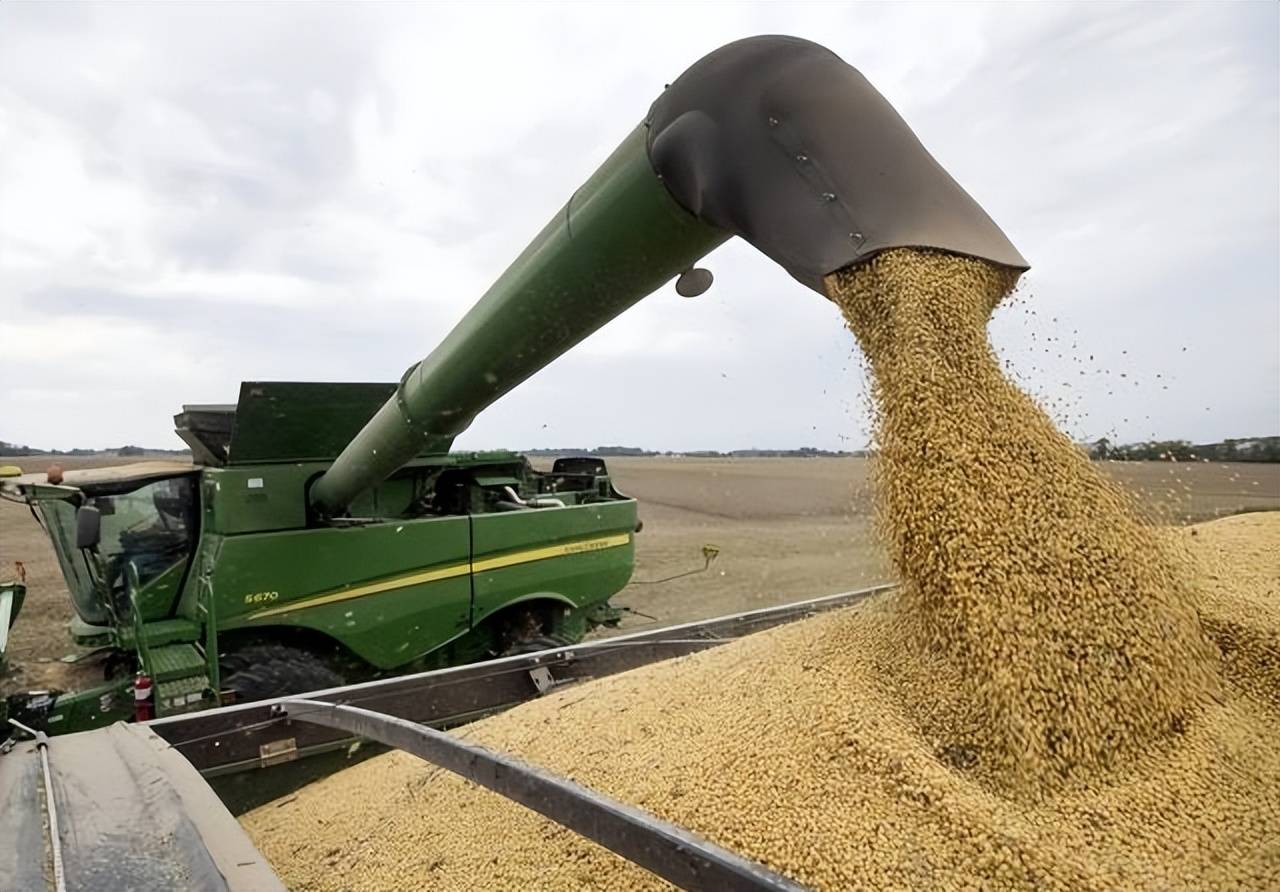
今年的美国大豆市场可谓一片混乱。特朗普刚在2025年1月宣誓就职没多久,就对中国商品加征关税,打算保护美国制造业。但事情没按预期发展,反而先 伤到了美国自己的农业。 从5月份开始,中国彻底停止购买美国大豆,把订单转向巴西和阿根廷。结果,美国中西部的豆农手里堆着468万吨存货,卖不出去,价格一路下跌。美国农 业部9月的报告显示,今年前7个月美国对华农产品出口大跌53%,大豆几乎没有成交。要知道,去年同期中国还是美国大豆的最大买家,采购额高达126亿 美元,如今却一单未下。 对于美国豆农来说,打击尤为沉重。中西部的伊利诺伊、爱荷华、明尼苏达、内布拉斯加和印第安纳州是大豆主产区,占全国产量的40%。过去,中国会买 走一半产量,另一半由国内消化。如今出口受阻,库存不断增加。农业部预计,2025/26年度美国大豆出口量仅有4640万吨,比去年少700万吨。价格也跌破 每蒲式耳8美元,连成本都覆盖不了。8月份的交易数据显示,期货价格暴跌40%,不少农场主面临破产风险。仓库爆满、霉变问题频发,甚至部分加工厂开 始裁员。 白宫也尝试安抚农民。7月中旬,农业部长维尔萨克在白宫汇报情况后,特朗普同意设立援助基金,用关税收入补贴农 ...
中方说到做到,订单全归零,美国尝到反华苦果,特朗普开始找后路
Sou Hu Cai Jing· 2025-10-02 03:42
在中美贸易摩擦的大背景下,美国挑起的关税战持续升级,而中国在农产品进口方面的应对措施,正在美国国 内引发连锁反应。尤其是大豆领域的调整,已让美国豆农深陷困境,三大严重后果逐渐浮现。此时,特朗普政 府是否会另寻出路,成为各方关注的焦点。 事实上,今年 8 月,特朗普不得不向中国喊话,要求增加美国大豆采购,甚至提出将订单放大至往年 4 倍。但 中国态度坚决,直接拒绝。特朗普一边不愿放弃关税筹码,一边又想把大豆和稀土同时卖给中国,这种"既要又 要"的算盘显然难以奏效。结果只会是搬起石头砸自己的脚,让美国农民、企业和消费者一同承担代价。 在压力之下,特朗普开始打"补贴牌"。他声称将动用部分关税收入,用农业援助计划补贴受影响的农民,并强 调农民短期受损,但长期会受益。然而,现实并不乐观。关税导致进口成本上涨,最终转嫁给美国民众。而农 药、化肥等农业投入品本就依赖进口,加税后价格更高,农民的种植成本雪上加霜。滞销与成本齐升,让农民 陷入两难。 可以说,中国的反制措施精准击中美国要害,不仅在农产品进口上限制了美方,还在稀土等战略资源上让美国 左右为难。除非美方展现出足够诚意,拿出真正有竞争力的条件,否则想要重获中国市场几乎 ...
美国一步错、步步错,明知已压不住中国,特朗普埋下了最后一颗雷
Sou Hu Cai Jing· 2025-10-01 13:14
Group 1 - The article discusses the strategic miscalculations of the Trump administration regarding the trade war and its implications for U.S.-China relations, particularly focusing on the semiconductor industry [2][4][9] - U.S. Secretary of Commerce Gina Raimondo's proposal for a "50-50" chip production plan with Taiwan is framed as a geopolitical maneuver rather than a genuine supply chain security measure [6][8] - Taiwan's government is actively lobbying against the U.S. proposal, fearing a loss of its geopolitical value and potential abandonment by the U.S. after being exploited [8][9] Group 2 - The article highlights China's resilience in the face of U.S. tariffs and its ability to negotiate reductions in high tariffs during talks, indicating a shift in the balance of power [4][6] - The U.S. strategy of leveraging Taiwan in the semiconductor sector is seen as a direct provocation, with potential repercussions for regional stability and U.S. alliances in Asia [9][15] - The ongoing geopolitical tensions are exacerbated by the U.S. attempts to engage Pakistan, which could threaten China's investments in the region and serve as a counterbalance to India [11][13] Group 3 - The article emphasizes that the semiconductor issue is a critical flashpoint in U.S.-China relations, with the potential to escalate into direct conflict [9][15] - The economic implications of the trade war are highlighted, noting that U.S. manufacturing is declining and consumer prices are rising due to tariffs, which could lead to backlash against the administration [16]
美国大豆“烂在地里”,中国精准反制让特朗普票仓农民欲哭无泪!
Sou Hu Cai Jing· 2025-10-01 11:29
Core Insights - The U.S.-China trade war has severely impacted American farmers, particularly in the soybean sector, which has seen a dramatic decline in exports to China, resulting in losses amounting to billions of dollars [3][10]. - Despite the hardships, many farmers continue to support the Republican Party, reflecting a complex relationship between political allegiance and economic reality [6][12]. Group 1: Impact on Agriculture - The trade war has led to a significant drop in soybean exports to China, which previously accounted for about 25% of U.S. soybean sales, creating a dire situation for American farmers [3][10]. - Farmers are attempting to mitigate losses through cost-cutting measures and crop rotation, but these efforts have not been sufficient to prevent severe income reductions and potential bankruptcies [6][10]. - The agricultural sector's competitiveness is declining, with U.S. soybeans becoming a casualty of the trade conflict, affecting the entire agricultural system [10]. Group 2: Market Dynamics - China is diversifying its import sources by increasing cooperation with countries like Brazil and Argentina, thereby reducing its reliance on U.S. agricultural products [8][10]. - The misconception in the U.S. that its large consumer market can pressure other countries is being challenged, as evidenced by the Federal Trade Commission's findings that export disruptions lead to price reductions for U.S. agricultural products [8][10]. - The global market dynamics are shifting, and even if a trade agreement is reached, the U.S. agricultural sector may struggle to regain its previous market position due to the changes in supply chains [10][12].