物理AI

Search documents
增程的“抽屉”,何小鹏真拉开了
Xin Lang Cai Jing· 2025-11-10 09:48
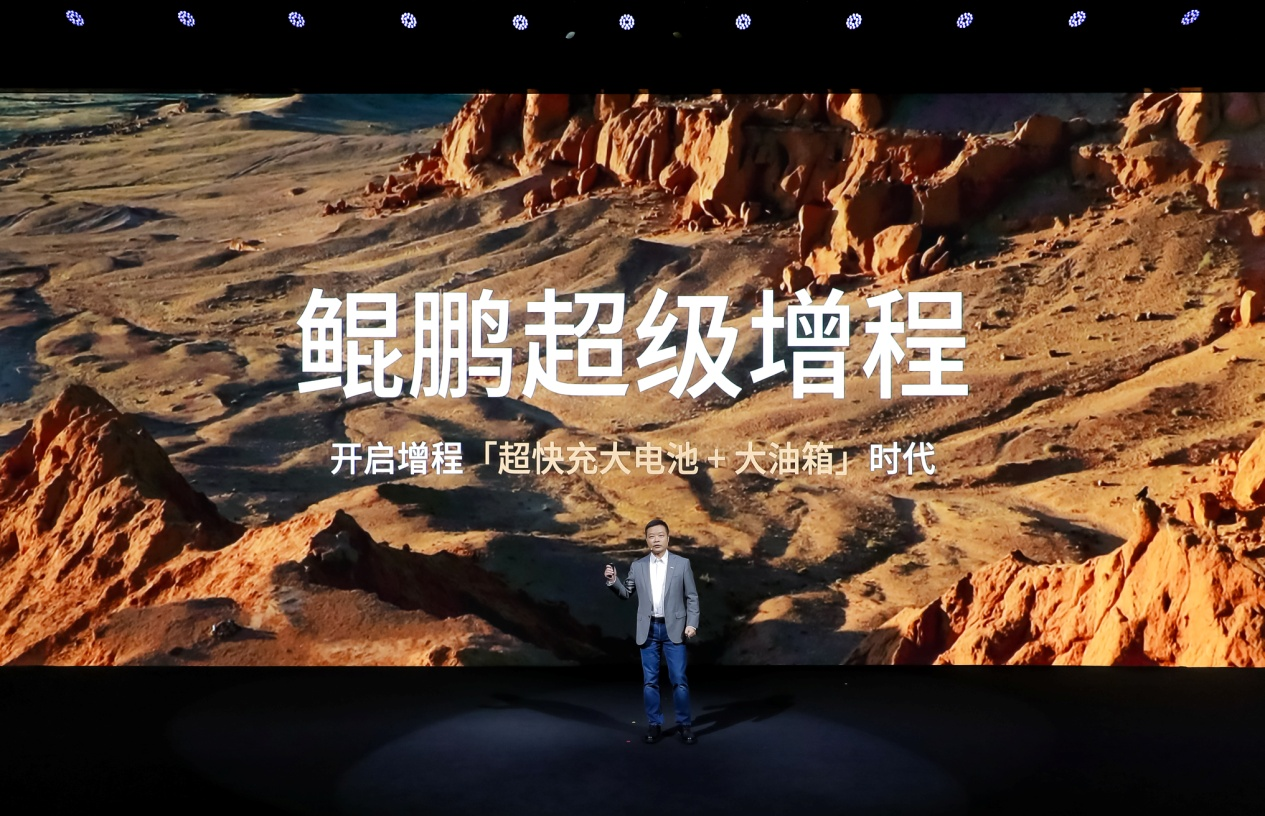
Core Viewpoint - Xiaopeng Motors is transitioning from being solely an electric vehicle manufacturer to incorporating range-extended technology, starting with the launch of the Xiaopeng X9, which marks a significant shift in its product strategy [1][2]. Group 1: Entry into Range-Extended Vehicles - Xiaopeng X9 features enhancements in design, length, and interior compared to its pure electric version, with pre-sale prices starting at 350,000 yuan for the Max version, which is nearly 10,000 yuan lower than the pure electric model [2]. - The decision to enter the range-extended vehicle market was reached after five internal discussions, with the fifth attempt being successful, highlighting the challenges faced in the decision-making process [2][3]. - Industry insiders suggest that the initial reluctance to pursue range-extended technology stemmed from concerns about its maturity and the potential loss of advantages for traditional automakers [2][3]. Group 2: Technical Features and Innovations - The Xiaopeng X9 is equipped with a fast-charging lithium iron phosphate battery that meets new national standards, featuring a 24-hour fire and explosion prevention capability and a design life of 2000 cycles [4][5]. - The vehicle boasts a CLTC pure electric range of 452 kilometers and a comprehensive range of 1602 kilometers, with a rapid charging capability that allows for 70% charge in just 12 minutes [5]. - Xiaopeng's new 800V mixed silicon carbide drive system achieves a comprehensive efficiency of 93.5%, with a peak torque of 465 N·m and peak power of 210 kW, ensuring performance even at low battery levels [5]. Group 3: Market Position and Future Outlook - The introduction of range-extended models increases Xiaopeng's demand for batteries, necessitating strong supply chain management, especially with anticipated market shortages in 2025 [6]. - Xiaopeng is positioning itself as a "embodied intelligence company," moving beyond just electric vehicles to include robotics and AI technologies, with significant investments in these areas [7][8]. - The company aims to integrate hardware and software in its new generation of humanoid robots, with plans for mass production of flying cars and Robotaxis, indicating a diversified growth strategy [9][10].

美股异动丨小鹏汽车盘前涨超5% 美银上调其2025至2027年的销量及收入预测
Ge Long Hui· 2025-11-10 09:17
Core Viewpoint - Xpeng Motors (XPEV.US) shares rose 5.58% to $23.67 in pre-market trading following the announcement of significant advancements in physical AI and new product launches during the 2025 Xpeng Technology Day [1] Group 1: Product Developments - Xpeng unveiled four key applications of physical AI, including the second-generation VLA large model, Xpeng Robotaxi, a new generation of IRON humanoid robots, and the Huotian flying car [1] - The company aims to be a pioneer in the physical AI world, with all new product developments based on physical AI technology [1] Group 2: Financial Forecasts - Bank of America raised its sales forecasts for Xpeng Motors for 2025 to 2027 by 0.2%, 0.2%, and 0.3% respectively, and revenue forecasts by the same percentages [1] - The target price for Xpeng Motors' U.S. stock was increased from $26 to $27, maintaining a "buy" rating due to anticipated strong model launches in the second half of 2025 and into 2026 [1]
小鹏汽车战略升维 布局“AI+增程”双赛道
Cai Jing Wang· 2025-11-08 23:13
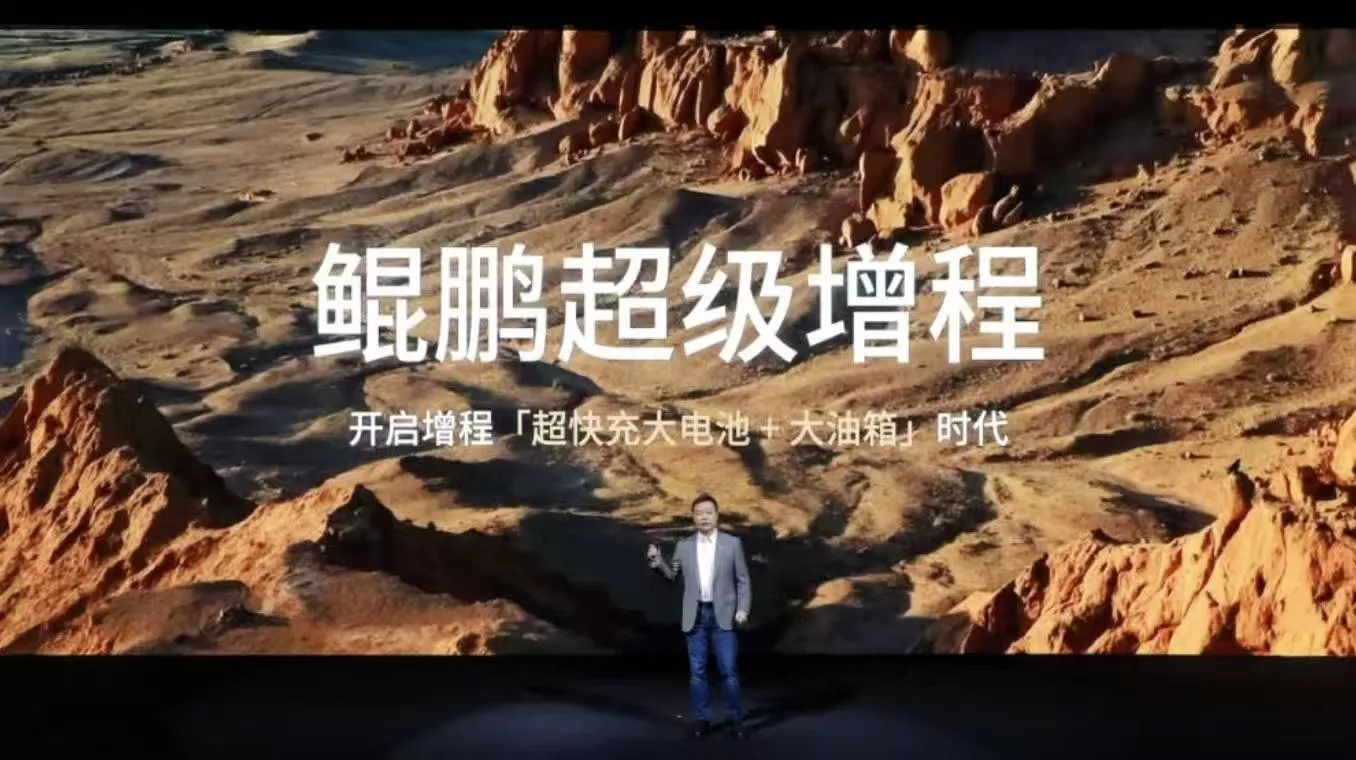
Core Insights - Xiaopeng Motors launched four AI technology products and introduced a new range extender technology solution called Kunpeng Super Range Extender, along with its first model, the Xiaopeng X9 Super Range Extender [1][3][8] Product Launch - The four AI products include the second-generation VLA physical world model, a fully self-developed Robotaxi, a hybrid flying car "A868," and a new generation of IRON humanoid robots [1][3] - The Xiaopeng X9 Super Range Extender will be available in two versions, Max and Ultra, with pre-sale prices of 350,000 yuan and 370,000 yuan respectively [3] Strategic Positioning - Xiaopeng Motors is transitioning from being labeled as a "new force in the automotive industry" to a "technology company exploring the frontier of physical AI" [3][4] - The CEO emphasized that the newly launched products, while appearing to span multiple fields, are fundamentally interconnected [4] Technological Advancements - The new generation of IRON humanoid robots features significant breakthroughs, including large model training for mastering complex gaits and a unique spine design for enhanced movement coordination [6] - The Kunpeng Super Range Extender technology combines a fast-charging large battery with a 60L fuel tank, achieving a pure electric range of over 450 km and a comprehensive range exceeding 1600 km [8][10] Sales Performance - Xiaopeng Motors has achieved its annual sales target of 350,000 units two months ahead of schedule, with monthly deliveries exceeding 40,000 units in September and October [11][12] - The Xiaopeng P7+, G6, and MONA MO3 models have been key contributors to sales, with the P7+ leading the market in its segment for 11 consecutive months [11] Financial Outlook - The company is poised to achieve profitability in the fourth quarter of this year, driven by a strong product cycle and the introduction of high-margin products [12]

Gartner2026预测:这十大战略技术趋势,将决定企业未来竞争力
Sou Hu Cai Jing· 2025-11-08 18:56
Core Insights - Gartner identifies ten strategic technology trends that organizations need to focus on by 2026, emphasizing the unprecedented speed of innovation and transformation in the current year [1][3]. Group 1: AI Supercomputing Platforms - AI supercomputing platforms integrate various computing resources to manage complex workloads, enhancing performance and innovation potential [6]. - By 2028, over 40% of leading companies will apply hybrid computing paradigms to critical business processes, a significant increase from the current 8% [8]. Group 2: Multi-Agent Systems - Multi-agent systems consist of multiple AI agents that interact to achieve complex individual or collective goals, enhancing automation and collaboration [10]. Group 3: Domain-Specific Language Models (DSLM) - DSLMs are tailored AI models trained on specific industry data, providing higher accuracy and compliance for specialized tasks compared to general models [11]. - By 2028, over half of generative AI models used by enterprises will be domain-specific [13]. Group 4: AI Security Platforms - AI security platforms offer unified protection mechanisms for AI applications, helping organizations monitor activities and enforce usage policies [16]. - By 2028, over 50% of enterprises will utilize AI security platforms to safeguard their AI investments [16]. Group 5: AI Native Development Platforms - AI native development platforms enable rapid software development through generative AI, allowing non-technical experts to create applications [19]. - By 2030, 80% of enterprises will transform large software engineering teams into smaller, agile teams empowered by AI [19]. Group 6: Confidential Computing - Confidential computing protects sensitive data by isolating workloads in trusted execution environments, crucial for regulated industries [20]. - By 2029, over 75% of business processes handled in untrusted infrastructures will be secured through confidential computing [22]. Group 7: Physical AI - Physical AI empowers machines and devices with perception, decision-making, and action capabilities, providing significant benefits in automation and safety [23]. Group 8: Proactive Cybersecurity - Proactive cybersecurity is becoming a trend as organizations shift from passive defense to active protection, with AI-driven solutions playing a key role [26]. Group 9: Digital Traceability - Digital traceability is essential for verifying the source and integrity of software and data, especially as reliance on third-party software increases [30]. Group 10: Geopolitical Repatriation - Geopolitical repatriation involves moving data and applications to local platforms to mitigate geopolitical risks, a trend expected to grow significantly by 2030 [33].

臭搞技术的何小鹏,被逼着用一把剪刀终结质疑!
电动车公社· 2025-11-08 14:04
Core Viewpoint - The article emphasizes that Xiaopeng Motors is making significant strides in technology, particularly in the fields of autonomous driving and humanoid robots, positioning itself as a leader in innovation rather than a follower in the industry [12][13][60]. Group 1: Innovation and Technology - Xiaopeng Motors has introduced the second-generation VLA (Vision Language Action) model, which enhances the interaction and decision-making process of AI systems, making them more controllable and efficient [21][22][27]. - The second-generation VLA allows for autonomous learning and understanding of the real world, leading to improved capabilities in driving assistance, such as recognizing human gestures and understanding traffic light logic [29][31]. - The company plans to implement "navigation-free autonomous driving" and "small road NGP" features, significantly enhancing the driving experience and increasing the average takeover mileage by 13 times [33][35]. Group 2: Market Position and Future Plans - Xiaopeng Motors aims to position itself as a "global embodied intelligence company," expanding its focus beyond automobiles to include Robotaxi, humanoid robots, and flying cars [47][48]. - The company is set to launch three Robotaxi models in 2026, with a focus on utilizing its high-performance Turing AI chips, which will enhance the capabilities of its autonomous vehicles [49][51]. - Xiaopeng's humanoid robot IRON is expected to achieve mass production by the end of 2026, showcasing advanced features such as 82 degrees of freedom and the use of solid-state batteries [67][69]. Group 3: Competitive Landscape - Xiaopeng Motors is compared to Tesla, with both companies focusing on AI as a core driver of their business models and aiming for similar timelines in the development of humanoid robots and Robotaxi [55][56]. - The article highlights that Xiaopeng has made earlier investments and advancements in flying cars and humanoid robots compared to Tesla, indicating a competitive edge in these emerging markets [63][65]. - The company is also adopting an open-source approach for its technologies, similar to Tesla's strategy in the past, which could lead to significant advancements in the global autonomous driving and humanoid robot sectors [76][79].
从小鹏的“物理AI”,看中国智能化的下一步
Guan Cha Zhe Wang· 2025-11-08 01:21
Core Insights - The article highlights the advancements of Xiaopeng Motors in the field of AI and robotics, showcasing their transition from an AI automotive company to a comprehensive "physical AI" ecosystem developer [3][7][9] - Xiaopeng's innovations, including the second-generation VLA model and humanoid robots, are positioned to redefine the automotive and robotics industries, emphasizing a shift from traditional manufacturing to intelligent, data-driven production [10][22][24] Group 1: Technological Innovations - Xiaopeng's second-generation VLA model allows for end-to-end generation from "vision to action," significantly improving the vehicle's capabilities, such as a 13-fold increase in average takeover mileage [11] - The new humanoid robot, IRON, features advanced bionic structures and is designed for practical applications in industries like inspection and service, with plans for deployment in collaboration with Baosteel [17] - The "陆地航母" flying car is set for mass production in 2026, with 7,000 orders already secured, indicating strong market interest and potential for low-altitude tourism [21] Group 2: Strategic Direction - Xiaopeng's shift towards a "physical AI" approach reflects a broader trend in China's manufacturing strategy, moving from mere production to intelligent, self-evolving systems [10][22] - The company maintains a research and development investment of over 20%, utilizing advanced cloud computing resources to support rapid iteration of their AI models [22] - Xiaopeng's initiatives align with national strategies to enhance AI integration in manufacturing, aiming for over 70% application rate of new intelligent terminals by 2027 [16][24] Group 3: Market Positioning - The interaction between Xiaopeng and global tech leaders, such as Elon Musk, signifies a growing recognition of China's role in the global innovation landscape [3][9] - Xiaopeng's comprehensive ecosystem, which includes vehicles, humanoid robots, and flying cars, positions the company as a leader in the emerging "physical AI" market [14][24] - The company's focus on practical applications and commercial viability of its technologies reflects a strategic move to establish a competitive edge in the rapidly evolving tech landscape [19][21]

小鹏AI日后,美银上调其目标价:看好“物理AI”战略和技术变现的能力
硬AI· 2025-11-07 14:41
Core Viewpoint - Bank of America raised the target price for Xpeng Motors to $27, driven by the validation of its "Physical AI" strategy and technology monetization capabilities [2][4]. Group 1: AI Strategy and Developments - Xpeng Motors introduced the "Physical AI" concept, which aims to enable AI to deeply understand, interact with, and change the physical world, supported by the new VLA 2.0 model [7][10]. - The VLA 2.0 model is powered by Xpeng's self-developed Turing AI chip, boasting a computing power of 2,250 TOPS and a 12-fold increase in inference efficiency [8][10]. - Volkswagen has become the first external customer for Xpeng's VLA 2.0 model and has ordered the Turing AI chip, marking a significant step in the commercialization of Xpeng's AI technology [5][10]. Group 2: Future Product Plans - Xpeng plans to launch three Robotaxi models in 2026, equipped with four Turing chips (total computing power of 3,000 TOPS) and the VLA 2.0 model, with Gaode Map as its first global ecosystem partner [12]. - The new generation humanoid robot, IRON, is expected to achieve mass production by the end of 2026, featuring solid-state batteries and applications in commercial scenarios like patrolling [12]. - The flying car brand ARIDGE plans to start mass production and delivery of its "land carrier" flying cars in 2026, with an annual production capacity of 10,000 units [13]. Group 3: Financial Adjustments and Projections - Bank of America adjusted its financial forecasts, increasing the expected non-GAAP net loss for 2025 by 36.7% while lowering profit expectations for 2026 and 2027 by 4.5% and 5.5%, respectively [5][16]. - Despite the target price increase, the bank remains cautious about Xpeng's profitability, projecting that the company may face pressure on gross margins due to product mix changes, leading to an expanded loss in 2025 [15][16]. - The new target price of $27 is based on an average of EV/Sales and DCF valuation methods, reflecting a higher sales growth expectation compared to peers [15].

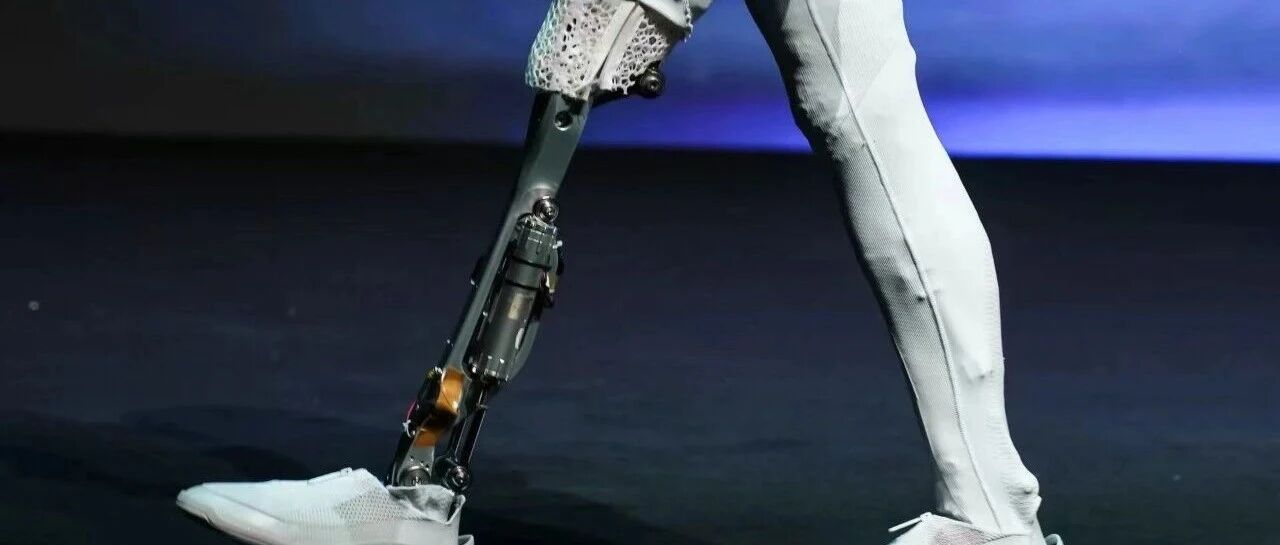
昨天小鹏机器人无皮肤版本来了,大家自己看金属步态吧
Xin Lang Cai Jing· 2025-11-07 11:24
Core Insights - Xiaopeng Motors has unveiled a skinless version of its robot, showcasing its metallic gait [1] Group 1 - The company has made significant advancements in physical AI technology, as highlighted by He Xiaopeng [1]


硬蛋创新(00400.HK)深度报告:稀缺AI算力芯片供应商 自研SOM打造第二成长曲线
Ge Long Hui· 2025-11-07 10:57
Core Insights - The company is enhancing its layout across the entire industry chain of chips, endpoints, and cloud services, achieving significant growth in H1 2025 with a revenue of 6.676 billion yuan, a year-on-year increase of 54.5%, and a net profit of 132 million yuan, up 17.2% [1] - The demand for AI-driven chips is surging due to the exponential growth in computing power requirements, with global computing power expected to reach 14,130 EFlops by 2029, and the AI chip market projected to grow to $400 billion by 2027 [2] - The company is positioned to leverage the growing demand for physical AI and has developed self-research System on Module (SoM) products to tap into the edge AI market, which is expected to exceed $3.22 billion by 2025 [4] Group 1 - The company utilizes its self-developed AI large language model and industry knowledge base to provide cutting-edge chip application technology solutions and supply chain management services [1] - The company aims to transition from being an industry connector to a technology enabler, establishing a closed-loop industry chain in the AI era [1] - The company has a strong market presence in the AI chip distribution sector, which is crucial given the current reliance on imported AI chips in China [2] Group 2 - The company is focusing on vertical expansion in the supply chain and has developed self-research SoM products based on core chips like NVIDIA Jetson and Xilinx FPGA [4] - The company has already achieved bulk shipments of its self-research products to clients in various sectors, including customs and banking [4] - The company forecasts significant revenue growth from 2025 to 2027, with expected revenues of 13.36 billion yuan, 20.03 billion yuan, and 27.08 billion yuan, respectively [4]
首搭鲲鹏超级增程技术 小鹏X9超级增程预售
Yang Shi Wang· 2025-11-07 10:49
Core Viewpoint - Xiaopeng Motors officially launched its new range extender technology, Kunpeng Super Range Extender, and announced the pre-sale of the Xiaopeng X9 Super Range Extender, with prices set at 350,000 yuan and 370,000 yuan for the Max and Ultra versions respectively [1] Group 1: Technology and Performance - The Kunpeng Super Range Extender technology is developed based on Xiaopeng's eleven years of pure electric technology, featuring "super fast charging large battery + large fuel tank" as its core [3] - The technology includes a dedicated fast-charging lithium iron phosphate battery and a 60L fuel tank, achieving a CLTC pure electric range of 452 km and a comprehensive range of 1602 km [3] - The vehicle utilizes 5C+800V supercharging technology, allowing for a 70% SOC recharge in just 12 minutes, significantly reducing charging time [3] - The third-generation 1.5T high-efficiency turbocharged engine maintains a stable cruising speed of 150 km/h even in low battery conditions [3] Group 2: Energy Efficiency - The Kunpeng Super Range Extender achieves a 15% reduction in comprehensive fuel consumption compared to similar models [4] - The vehicle features ultra-quiet design and active noise control technology, reducing vibration by 60% during start and stop, with noise levels controlled within 0.5 dB [4] - It boasts an impressive energy consumption rate of 16.5 kWh/100 km (CLTC), 6.4 L/100 km (WLTC) in low battery oil consumption, and 2.53 L/100 km in combined oil-electric consumption [4] Group 3: Design and Comfort - The Xiaopeng X9 Super Range Extender features a 95.8% space utilization rate in its rear axle design, integrating multiple systems while ensuring spacious interior [6] - The vehicle introduces a new Aurora Blue exterior color and a dual-tone interior design, enhancing its visual appeal [8] - It includes zero-gravity seats in the second row and the world's first electric three-folding technology for the third row, catering to various travel needs [10] Group 4: Safety Features - The Xiaopeng X9 Super Range Extender meets three major international safety standards, featuring a flagship-level body structure with nine airbags for comprehensive protection [10] - The vehicle's body is constructed with 87% high-strength steel and aluminum, incorporating advanced safety technologies for enhanced crash protection [10] - Extensive global testing was conducted over 800 days across 20 countries and 330 cities, covering over 20 million kilometers to validate the vehicle's reliability and safety in extreme conditions [10]