绿色转型

Search documents
深海逐梦 能源筑基——中国海油“十四五”高质量发展纪实
Zhong Guo Hua Gong Bao· 2025-12-31 02:53
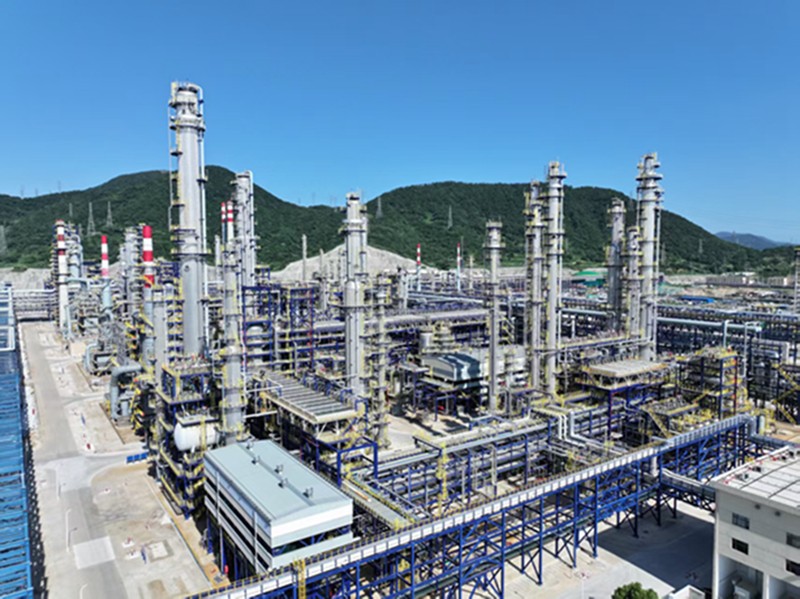
Core Viewpoint - The "14th Five-Year Plan" marks a significant period for China's energy transition, with China National Offshore Oil Corporation (CNOOC) playing a crucial role in ensuring national energy security and advancing towards deep-sea exploration and green transformation [1] Production Growth - CNOOC has achieved a remarkable increase in oil and gas production, with a projected cumulative production of over 40 million tons of oil equivalent from the Bohai Oilfield by 2025, setting a historical record [1] - The company has implemented key technologies such as precise water injection and stable oil control, effectively managing the natural decline rate of mature oil fields, leading to a 33% increase in domestic crude oil production during the "14th Five-Year Plan" [4][5] - In the South China Sea, CNOOC's East South Sea Oilfield has consistently produced over 20 million tons annually, with significant developments in the "Deep Sea No. 1" gas field, increasing peak annual production from 3 billion cubic meters to 4.5 billion cubic meters [5] Exploration Breakthroughs - CNOOC has made substantial progress in oil and gas exploration, with a 27% increase in proven oil reserves and a 75% increase in natural gas reserves compared to the "13th Five-Year Plan" [7] - The company has successfully discovered major oil fields in complex geological structures, including the Bohai Sea and deep-water areas, enhancing its exploration capabilities and contributing to global competitiveness [8][10] Technological Independence - CNOOC has achieved significant advancements in deep-water oil and gas exploration technology, becoming the third country globally capable of independent deep-water resource development [11] - The company has developed the world's first 100,000-ton deep-water semi-submersible production and storage platform, showcasing its technological innovations and contributing to the domestic marine engineering equipment industry [12][13] Regional Empowerment - CNOOC has aligned its investments with national strategies, focusing on key regions such as the Beijing-Tianjin-Hebei area and the Guangdong-Hong Kong-Macao Greater Bay Area, with a 48% increase in total investment for energy layout [16] - The company has played a vital role in ensuring energy supply in various regions, with significant contributions to local economies and the establishment of a collaborative development model between energy and industry [17][18] Green Transformation - CNOOC is committed to green projects, enhancing the clean energy ratio in the Guangdong-Hong Kong-Macao Greater Bay Area and implementing carbon capture and utilization projects [18] - The company has made strides in sustainable energy practices, including the establishment of the first coastal LNG refueling station in Hainan and the production of green methanol from urban waste [18] Future Outlook - Looking ahead, CNOOC aims to continue its focus on technological innovation, green development, and regional collaboration, contributing to national energy security and the transition to a modern energy system [19]


深海逐梦 能源筑基——中国海油“十四五”高质量发展纪实
Zhong Guo Hua Gong Bao· 2025-12-31 02:14
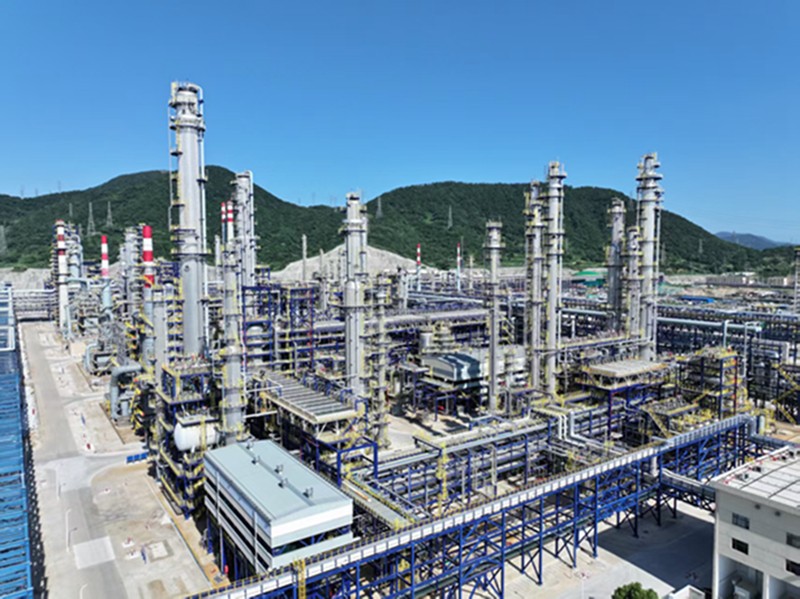
Core Viewpoint - The "14th Five-Year Plan" marks a significant period for China's energy transition, with China National Offshore Oil Corporation (CNOOC) playing a crucial role in ensuring national energy security through technological innovation, regional collaboration, and green transformation [1][20]. Production Growth - CNOOC has achieved a remarkable increase in oil and gas production, with a projected cumulative output of over 40 million tons of oil equivalent from the Bohai Oilfield by 2025, setting a historical record [1][11]. - During the "14th Five-Year Plan," CNOOC's domestic crude oil production increased by 33%, while natural gas production surged by 73%, significantly contributing to national energy security [5][20]. - The company has implemented key technologies to stabilize production in aging oil fields and accelerate the development of new fields, resulting in a 12% improvement in construction efficiency and a 43.2% conversion rate for new production capacity [4][5]. Exploration Breakthroughs - CNOOC has made significant strides in oil and gas exploration, with a 27% increase in proven oil reserves and a 75% increase in natural gas reserves compared to the "13th Five-Year Plan" [8][9]. - The company has successfully discovered major oil fields in complex geological structures, including the Bohai Sea and deep-water areas, enhancing its exploration capabilities and competitiveness [8][9]. - Notable discoveries include the Kaiping South Oilfield and the Hainan deep-water gas field, which have positioned CNOOC as a leader in deep-water exploration [9][11]. Technological Independence - CNOOC has achieved significant advancements in deep-water oil and gas exploration technologies, becoming the third country globally to possess independent development capabilities in this area [12][13]. - The company has developed the world's first 100,000-ton deep-water semi-submersible production and storage platform, showcasing its technological prowess [13][14]. - CNOOC's innovations in LNG storage technology have led to the construction of 18 large-scale LNG tanks, dominating the global market [14]. Regional Empowerment - CNOOC has aligned its investments with national strategies, focusing on key regions such as the Beijing-Tianjin-Hebei area and the Guangdong-Hong Kong-Macau Greater Bay Area, with a 48% increase in total investment for energy projects [17][18]. - The company has played a vital role in ensuring energy supply stability in these regions, contributing to local economic development and industrial upgrades [17][19]. - CNOOC's green projects, such as carbon capture and utilization initiatives, have enhanced the clean energy share in regional energy structures [19]. Future Outlook - Looking ahead, CNOOC aims to continue its commitment to technological innovation, green development, and regional collaboration, contributing to national energy security and the transition to a modern energy system [20].
能源城市的准格尔样本:“五基”产业重构区域经济内核
Xin Lang Cai Jing· 2025-12-31 00:22
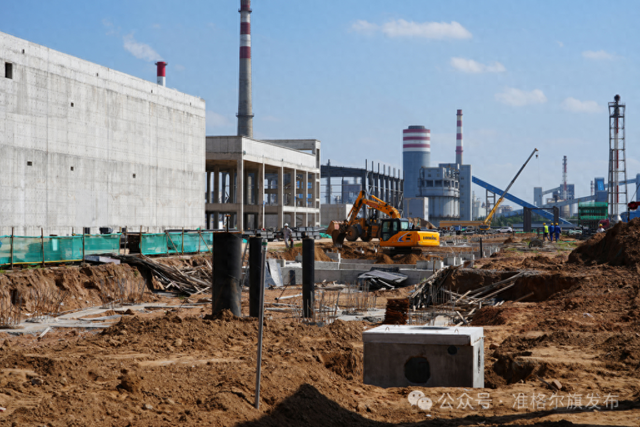
Core Viewpoint - The Inner Mongolia Zhuoerqi is transitioning from a coal-dominated economy to a diversified industrial structure driven by five major industry chains: coal-based, ash-based, soil-based, silicon-based, and green-based, showcasing a new model of production power transformation [1] Group 1: Coal-Based Industry Innovations - Zhuoerqi's coal-based industry is highlighted by the world's first 10,000-ton CO2-to-aromatic hydrocarbons project, set to commence production this year, which is part of a significant technological initiative in Inner Mongolia [1][4] - The project aims to address China's reliance on imported aromatic hydrocarbons and reduce carbon emissions from coal chemical processes, with the potential to increase CO2 conversion rates from 10% to 40% and aromatic selectivity exceeding 80% [5] - The collaboration between government, enterprises, and academic institutions has been crucial in overcoming technical challenges and facilitating the project's successful implementation [5][6] Group 2: Green Mining and Smart Technology - The transformation of coal mining in Zhuoerqi includes the establishment of green mining practices, with 200,000 trees planted in reclaimed areas and the integration of distributed photovoltaic projects [8] - The Dafenpu coal mine has adopted smart technology, achieving full coverage of 4G and 5G networks, enabling remote control and unmanned operations, thus enhancing safety and efficiency [9] Group 3: High-Value Solid Waste Utilization - The region is successfully converting industrial waste such as coal gangue and slag into high-value materials, with companies like Yuhua New Technology Materials leading in the production of various inorganic non-metallic materials [10][11] - The ash-based industry is also developing, with new products like grinding balls made from fly ash, which have a significantly higher market value compared to their raw materials [11] Group 4: Renewable Energy and New Materials - Zhuoerqi is leveraging its abundant wind and solar resources to develop green and silicon-based industries, with significant advancements in photovoltaic component production [14][17] - The Tianhe Solar Technology Company has achieved rapid project completion times, establishing a comprehensive solar industry chain in the region [14][18] Group 5: Government and Enterprise Collaboration - The local government has implemented supportive policies to enhance the business environment, including financial incentives and streamlined approval processes for new projects [21][22] - Zhuoerqi has been recognized for its excellent business environment, which has attracted numerous enterprises and fostered a collaborative ecosystem for industrial development [22]
共青团中央组织青年讲师团赴北京、安徽、江西宣讲党的二十届四中全会精神
Xin Lang Cai Jing· 2025-12-31 00:19
Group 1 - The Central Youth Lecturer Group of the Communist Youth League has conducted demonstrations of the spirit of the 20th National Congress across 24 provinces and over 50 cities since mid-November [2] - The youth lecturers have engaged with grassroots organizations in Beijing, Anhui, and Jiangxi, promoting the spirit of the Congress and the "14th Five-Year Plan" achievements while looking forward to the "15th Five-Year Plan" [3] - In various locations, youth speakers have utilized local stories and examples to illustrate the significance of the "15th Five-Year Plan," emphasizing themes such as technological innovation and agricultural development [3][4] Group 2 - In Beijing, youth speakers highlighted China's technological achievements, such as the "Chang'e 6" mission, to inspire students and researchers about the future of national development [3] - In Anhui, the youth lecturers discussed local agricultural advancements and the importance of enhancing agricultural productivity and quality, connecting it to the broader national planning [3] - In Jiangxi, the youth speakers shared stories of local youth contributions to technology and culture, making the Congress spirit relatable and actionable for the audience [3][4]

中国优化税率激活产业新动能 将对935项商品实施进口暂定税率
Chang Jiang Shang Bao· 2025-12-30 23:21
Core Viewpoint - The 2026 Tariff Adjustment Plan aims to enhance economic development through targeted tariff reductions on 935 items, focusing on "nurturing new growth," "green transition," and "benefiting the public" [1][2][4] Group 1: Tariff Adjustments - The adjustment includes a temporary import tariff lower than the most-favored-nation (MFN) rate for 935 items, expanding the total number of tariff items to 8,972 [1][2] - Key components such as numerical control hydraulic pads for pressure machines will see a reduction in import tariffs to 6%, which is 6 percentage points lower than the MFN rate, thereby reducing costs for domestic manufacturing [2] Group 2: Green Transition - Tariff reductions on resources like regenerated black powder for lithium-ion batteries support the circular economy, with estimates indicating that importing 10,000 tons of regenerated black powder could reduce primary mineral extraction by approximately 500,000 tons and carbon emissions by 25,000 tons [3] - The addition of new tariff items such as intelligent bionic robots and bio-aviation kerosene aligns with technological advancements and industry upgrades, contributing to a total of 8,972 tariff items [3] Group 3: Economic and Trade Cooperation - The tariff adjustments serve as a "barometer" for industrial development and a "warm-hearted" measure for improving public welfare, while also acting as a "declaration" for further opening up to international trade [4] - The plan includes zero tariffs on most finished medicines and certain cancer drugs, aiming to alleviate the medical burden on patients [4] - Continued commitment to multilateral cooperation is evident, with zero tariff treatment for 100% of products from 43 least developed countries and preferential rates for certain goods from ASEAN members like Bangladesh and Laos [4]
走出低谷:硅基新材料破局低价竞争之殇
2 1 Shi Ji Jing Ji Bao Dao· 2025-12-30 23:03
Core Viewpoint - The silicon-based new materials industry in China is transitioning from low-price competition to value competition, driven by policy guidance, innovation, and industry collaboration [1][3][4]. Group 1: Industry Challenges - The silicon-based new materials sector has faced structural contradictions due to rapid capacity expansion, particularly in the organic silicon field, where annual capacity growth exceeded 15% while market demand grew only 8%-10% [2]. - Companies are engaged in price wars, with some selling below cost, leading to significant profit margin compression and reduced investment in R&D and innovation [2][3]. - Product homogeneity is prevalent, with many small enterprises lacking core technology and focusing on low-value products, while high-end products remain heavily reliant on imports [2]. Group 2: Policy and Industry Response - In response to the low-price competition, leading companies like Hoshine Silicon Industry have taken the initiative to promote self-discipline and industry consensus to combat price wars [3][4]. - The Chinese government has introduced policies to regulate market competition, including a notice from the National Development and Reform Commission aimed at curbing disorderly pricing practices [3][4]. Group 3: Value Creation and Innovation - Hoshine Silicon Industry emphasizes internal transformation through refined management, technological innovation, and industry chain collaboration to enhance resilience and break free from price competition [5][6]. - The company has maintained a research and development expenditure growth rate of over 20% annually, significantly above the industry average, and has established partnerships with academic institutions to foster innovation [6]. Group 4: Market Recovery and Future Outlook - Since 2025, the organic silicon industry has seen improvements in supply-demand dynamics, with core product prices rebounding and profitability recovering among leading companies [7]. - The demand is shifting towards high-value sectors such as new energy vehicles, photovoltaics, and 5G communications, while the capacity expansion cycle has ended, indicating a transition towards green transformation and technological upgrades in the silicon-based new materials sector [7].

绿电青海 点亮中国
Xin Lang Cai Jing· 2025-12-30 19:09
Core Insights - Qinghai Province has achieved a remarkable transformation in clean energy, becoming a leader in both installed capacity and generation share of renewable energy in China [1][3] - The province's clean energy development is characterized by a unique integration of ecological protection and economic growth, showcasing a model for sustainable development [3] Group 1: Clean Energy Development - Qinghai has installed over 73 million kilowatts of clean energy capacity, accounting for 93.1% of its total installed capacity, which is 34 percentage points higher than the national average [1] - The province's renewable energy generation accounts for 90.6% of its total electricity output, leading the nation except for Tibet [1] - The installed capacity of new energy has reached 56 million kilowatts, doubling since 2020, with a generation share of 50.2% [1] Group 2: Infrastructure and Technology - The Qing-Yu ±800 kV UHVDC project has enabled the transmission of over 70 billion kilowatt-hours of clean electricity from Qinghai to central China over nearly five years [2] - Qinghai has established a robust power grid that connects with multiple regions, enhancing its electricity transmission capabilities [2] - The province is home to the first 100% clean energy traceable green data center and has seen a 40% reduction in operational costs through automation in its power stations [2] Group 3: Economic and Ecological Impact - The clean energy sector has significantly improved local livelihoods, with initiatives like the "self-generated, surplus electricity online" model increasing household incomes by over 3,000 yuan annually [3] - Qinghai's clean energy initiatives have also contributed to biodiversity conservation, with installations like the "life bird nests" supporting local wildlife [3] - The province's lithium battery industry has seen substantial growth, with lithium carbonate production reaching 134,000 tons, accounting for 19% of the national output [2]
资金融贯“天地人” 服务助力新发展——湖南银行业精准赋能新质生产力调查
Zheng Quan Ri Bao Zhi Sheng· 2025-12-30 16:07
本报记者 杨洁 在湖南省这片创新热土上,新质生产力正以前所未有的速度茁壮成长。从仰望星空的北斗产业,到深耕 大地的绿色物流枢纽和地热系统,再到投资于人的科创企业与人才培育,一场以金融赋能高质量发展的 生动实践正在三湘大地全面展开。 近期,《证券日报》记者跟随中国银行业协会到湖南省实地调研了解到,当地金融机构正以精准、创 新、前瞻性的金融服务,融贯"天地人"三大维度,为培育新质生产力注入源源不断的金融活水。 天空:北斗闪耀 金融赋能空天信息新赛道 "复移小凳扶窗立,教识中天北斗星。"自古以来,北斗七星便是中国人辨明方向、追寻时空的指引。如 今,北斗之光已悄然融入人们的寻常生活,无需仰首寻觅,近在身边的中国北斗产业,正以璀璨科技之 辉照亮千行百业。 北斗产业是指基于北斗全球卫星导航系统的产业。近年来,我国持续推动北斗与5G通信、大数据、物 联网等新兴技术领域深度融合,全面推动北斗系统规模应用示范,在重点行业、区域创新应用上进行示 范引导,发展形成更多"北斗+"和"+北斗"的新产业新业态新模式。湖南作为北斗技术创新的引领区,其 发布的《湖南省北斗产业发展规划(2023—2027年)》提出"力争到2027年全省北斗产 ...

专家:着力推动新增用电主要由新能源发电满足
Xin Lang Cai Jing· 2025-12-30 14:09
Group 1 - Energy is identified as the main battlefield for green transformation and "dual carbon" efforts, emphasizing the need to expand green electricity applications and ensure that new electricity consumption is primarily met by renewable energy generation [1][3] - The central economic work conference has prioritized "adhering to 'dual carbon' leadership and promoting comprehensive green transformation" as a key task for the upcoming year [1][3] - It is essential to balance domestic and international considerations while addressing climate change, focusing on China's specific national conditions and development stage, and integrating a systematic approach throughout the "dual carbon" process [1][3] Group 2 - Key industries, particularly coal and oil, are highlighted as major energy consumers and carbon emitters, necessitating deep energy-saving and carbon reduction transformations in these sectors [1][3] - The development of a national energy strategy is set to guide society in increasing the proportion of renewable energy supply and accelerating the construction of clean energy bases [2][4] - Continuous efforts are required in pollution prevention and ecological system optimization, including comprehensive solid waste management and the protection of critical ecosystems [2][4]
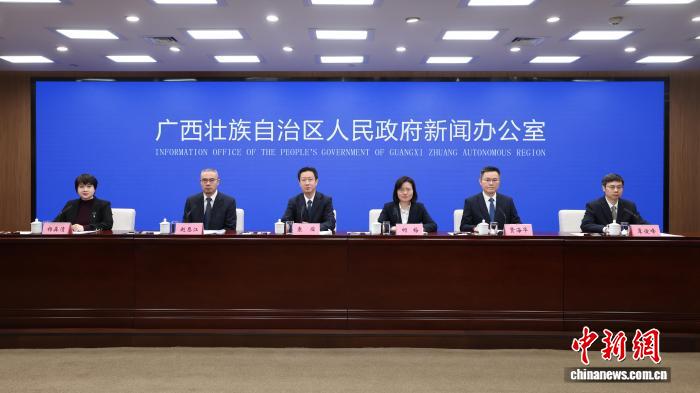
“十四五”广西工业呈跨越发展 规上工业总产值剑指2.7万亿元
Zhong Guo Xin Wen Wang· 2025-12-30 13:58
Core Insights - Guangxi's industrial economy has achieved significant growth during the "14th Five-Year Plan" period, with the total industrial output value expected to reach 2.7 trillion yuan by 2025, an increase of approximately 900 billion yuan compared to the end of the "13th Five-Year Plan" [1][2] Industrial Development - The industrial structure in Guangxi has been optimized, forming ten pillar industries including non-ferrous metals, automobiles, and electronic information [2] - The non-ferrous metal industry is projected to double its output value over five years, expected to exceed 450 billion yuan this year [2] - Emerging industries such as new energy vehicles, new energy batteries, wind power equipment, and intelligent robots are rapidly growing, with new energy vehicle production increasing from 189,000 units in 2020 to over 800,000 units this year, quadrupling its output value [2][3] Technological Advancements - Guangxi has promoted the integration of artificial intelligence in manufacturing, with over 5,000 enterprises implementing smart upgrades, and 377 intelligent factories established [3][4] - The core industry output value of artificial intelligence in the industrial sector has surpassed 80 billion yuan, with 258 new intelligent products launched this year [3][4] Green Transformation - Guangxi has added 105 national-level green factories and 11 green parks during the "14th Five-Year Plan," with three parks selected for the first batch of national zero-carbon park construction [4] - The level of resource utilization has significantly improved, establishing a trillion-yuan scale recycling resource utilization industry [4] Innovation and Collaboration - The region has supported 23 key technology industrialization projects and 46 large-scale industrialization projects, fostering over 800 new industrial products [5] - Guangxi has accelerated its internal and external cooperation, facilitating over 1,000 signed projects with a total value exceeding 900 billion yuan through industry transfer development activities [5] Future Outlook - Looking ahead to the "15th Five-Year Plan," Guangxi aims to focus on modernizing pillar industries such as non-ferrous metals and new energy vehicles, leveraging artificial intelligence to drive deep integration of technological and industrial innovation [6]