降本增效

Search documents
让企业“轻装快跑” 贵州推出“新年政策包”
Sou Hu Cai Jing· 2026-01-11 07:24
Group 1 - The core focus of the article is on the high-quality development of business entities in Guizhou, particularly in the chili pepper production sector, as part of the "14th Five-Year Plan" initiatives [1][5] - Guizhou's chili pepper planting scale ranks first in the country, with the city of Zunyi being a major distribution center, leading to a transformation in local enterprises from primary processing to deep processing of chili peppers [4] - The local chili pepper production company has introduced automated production lines and formed R&D teams to collaborate with the catering and snack industries, enabling cross-industry integration and order-based production [4] Group 2 - Guizhou's recent conference emphasized two key strategies: cost reduction and efficiency enhancement, aimed at invigorating business vitality [5] - The company highlighted that a reduction of 0.1 yuan per kilowatt-hour in electricity costs could save approximately 250,000 yuan annually [6] - The Guizhou State-owned Assets Supervision and Administration Commission has announced favorable policies to ensure an average annual growth of over 10% in R&D investment during the "14th Five-Year Plan" [8]

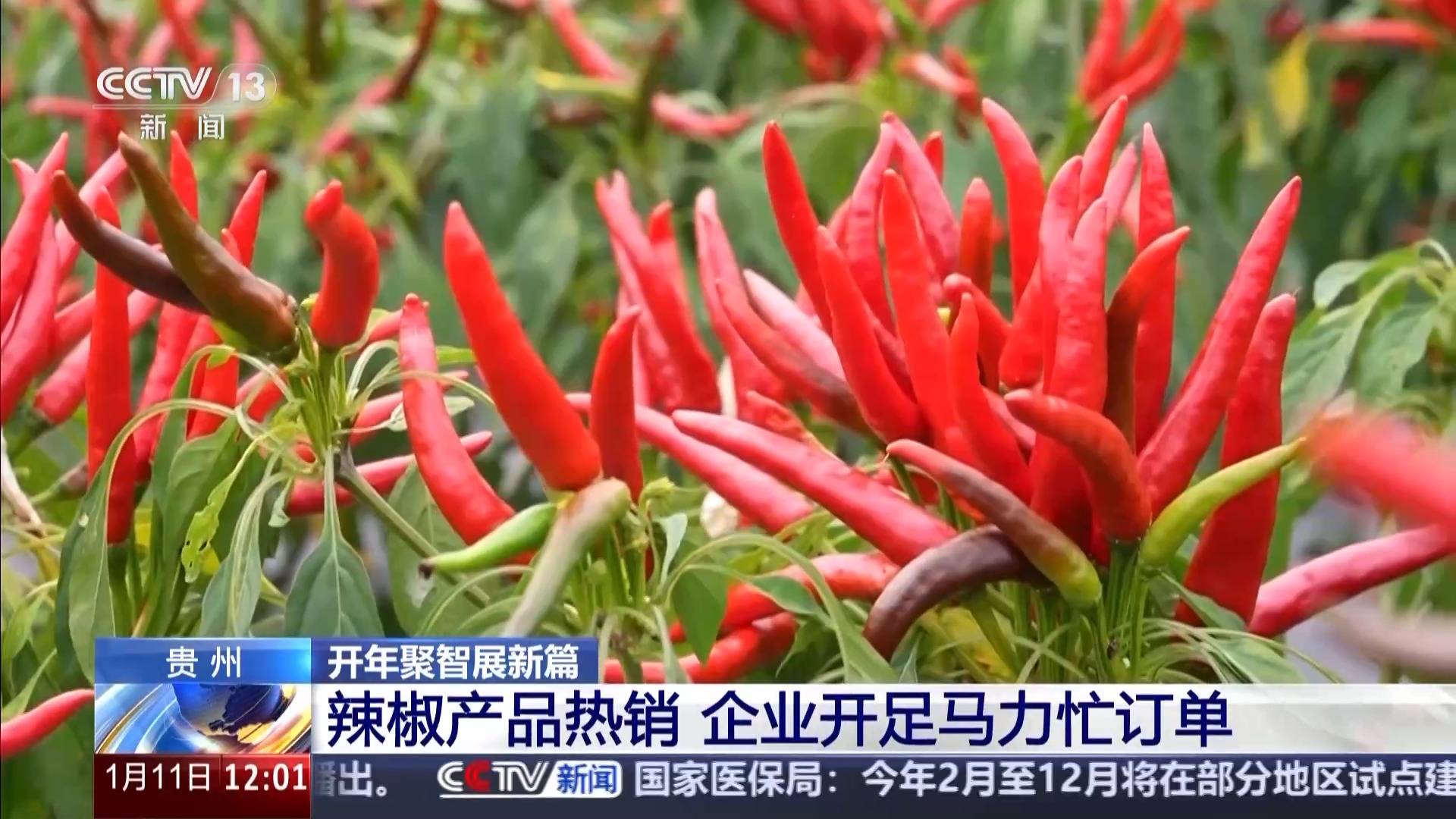
“政策礼包”激发企业活力 开年聚“智”让万千企业“轻装快跑”动力十足
Yang Shi Wang· 2026-01-11 06:32
央视网消息:新年新气象,贵州各大辣椒生产企业进入生产旺季。当地把"推动经营主体高质量发展"作为"十五五"开局之年的重中 之重,出台激发企业内生动力的政策。贵州都释放了哪些政策红利?相关的企业又在忙些什么? 这里是贵州遵义的一家辣椒生产企业,生产线上忙的是热火朝天,车间里香辣扑鼻。 辣椒产品热销 企业开足马力忙订单 元旦假期刚过,这家辣椒生产企业的订单一下子多了起来。这家企业的负责人介绍,目前,他们已经接到了销往全国各地的100多笔 订单,11条生产线都是开足马力,保证春节前交货。 凭借着产销优势,企业成立之初主要做辣椒的初级加工。"十四五"期间,企业转型升级,开始专注辣椒的深加工,引进自动化的生 产线、组建研发团队,与餐饮、休闲零食等企业合作,让辣椒去跨界融合,企业提需求,订单式生产。 这个展柜上展示的就是一部分辣椒制品,有辣椒粉、辣椒面、辣椒油、火锅底料等500多种产品的配方,这些辣椒制品,也就是在这 里您可以尝到500多种与辣椒有关的味道。 释放政策红利 企业储备货品做推广 火热的生产现场,信心来自于几天前的会场。2026年新年上班第一天,贵州省召开了"推动经营主体高质量发展大会"。目前,贵州 的经营主体 ...
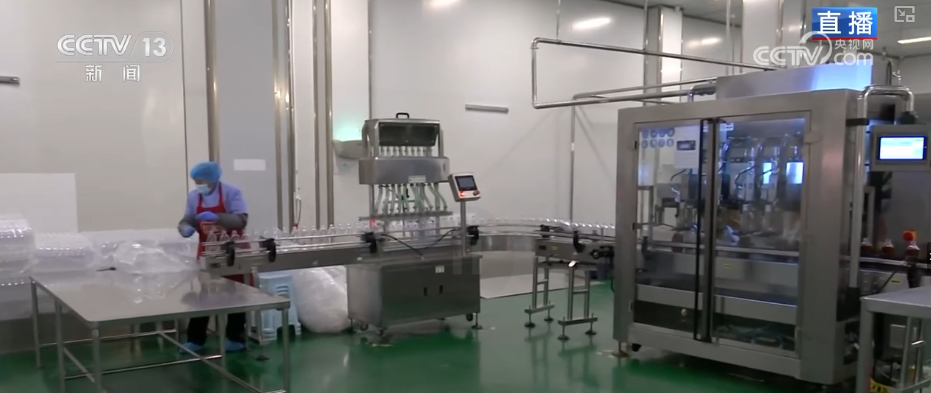
寿司郎赢得毫不费力
虎嗅APP· 2026-01-10 13:26
Core Viewpoint - Sushi郎 stands out in the restaurant industry, achieving remarkable success amidst a challenging market, with long queues and high customer demand, particularly in China [5][6]. Group 1: Company Performance - Sushi郎's parent company, F&LC, reported a record sales revenue of 429.5 billion yen for the fiscal year 2025, with an overall operating profit increase of 54.4% [6]. - The overseas market, especially China, contributed significantly to this growth, with a revenue increase of 42.6%, making up 30% of total business [6]. - Sushi郎's revenue growth in 2024 was 13.6%, reaching a historical high [10][11]. Group 2: Market Strategy - Sushi郎 utilizes advanced technology in its operations, including robots that can produce 3,600 sushi pieces per hour and a data-driven system to predict customer preferences, enhancing efficiency [8][9]. - Following a public relations crisis, Sushi郎 shifted to a "Sushi Shinkansen" model, improving food waste rates from 10%-15% to nearly 0% and reducing customer wait times [10][11]. - The restaurant's design allows for high customer capacity and turnover rates, with peak times achieving 10-15 table turns per day [11]. Group 3: Competitive Landscape - Sushi郎's success contrasts with other sushi brands like KURA, which struggled in the Chinese market due to high pricing and lack of localization [15][16]. - The brand's pricing strategy positions it as a "value for money" option, with a customer perception of high quality at a reasonable price, despite higher costs compared to local competitors [12][20]. - Sushi郎's product mix includes over 200 SKUs, allowing for strategic pricing and customer attraction through popular items while maintaining profitability on lower-cost items [20]. Group 4: Industry Context - The Japanese sushi market has seen significant growth, with the conveyor belt sushi segment experiencing a doubling in size from 2000 to 2019 [22]. - Sushi郎's operational model capitalizes on the dichotomy in the restaurant industry, appealing to both budget-conscious consumers and those seeking quality [26]. - The brand's ability to adapt to local tastes and preferences has been crucial in establishing its presence in the competitive Chinese market [19][27].
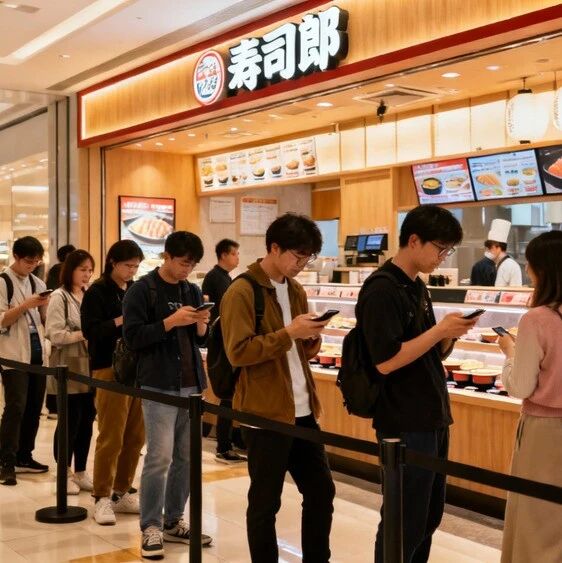
养猪业供需失衡 全产业链布局成关键
Zhong Guo Jing Ying Bao· 2026-01-09 20:14
Core Viewpoint - The pig farming industry in China is experiencing a prolonged period of low prices and losses due to supply-demand imbalances, with a shift towards fine-tuned operations expected in the future [2][6]. Supply and Demand Imbalance - The industry is currently facing losses primarily due to high production capacity, with the number of breeding sows remaining elevated at 39.9 million as of October 2025, which is 102.3% of the normal level [4]. - The average price of live pigs was reported at 12.25 yuan/kg as of December 28, 2025, still below the breakeven cost of 14 yuan/kg [2]. Price Trends and Profitability - The average price of live pigs for the entire year of 2025 is projected to be between 13.9 and 14 yuan/kg, with significant price drops observed from August onwards [3]. - By December 26, 2025, the losses for self-breeding and purchased pig farming were reported at -130 yuan/head and -163 yuan/head, respectively [3]. Production Capacity and Adjustments - The number of breeding sows has decreased by approximately 400,000 from a peak of 4.39 million in December 2022, but the current level remains high [4]. - Despite efforts to reduce production capacity, the pace of adjustment has been slow, with major companies like Wens Foodstuffs and Zhengbang Technology already meeting their annual output targets by November 2025 [5]. Cost Reduction and Efficiency - Companies are focusing on cost reduction and efficiency improvements, with some achieving significant reductions in production costs, such as Muyuan Foods at 11.3 yuan/kg and Wens Foodstuffs at 12.2-12.4 yuan/kg [8]. - The industry consensus indicates that relying solely on scale is no longer sufficient for profit growth, leading to a transition towards a micro-profit era [9]. Industry Trends and Future Outlook - The industry is expected to undergo a transformation towards sustainable development, emphasizing collaboration across the supply chain, including feed production, breeding, and processing [10]. - The involvement of large agricultural groups and cross-industry capital is anticipated to intensify competition and capacity expansion in the short term, while promoting modernization and stability in the long term [10].


险企“瘦身” 撤销分支机构 加速数字化转型
Shang Hai Zheng Quan Bao· 2026-01-09 18:35
Core Viewpoint - The insurance industry is undergoing a "downsizing" trend, with numerous branch offices being closed as companies accelerate their digital transformation efforts to reduce operational costs and optimize resource allocation [1][2][3]. Group 1: Downsizing Actions - As of January 9, 2026, regulatory approvals have been granted for the closure of over 40 branch offices across approximately 10 insurance companies, including China Life, PICC Property and Casualty, and Dadi Insurance [1]. - The majority of the closed branches are marketing service departments and sub-branches, accounting for over 90% of the total closures [1]. - Since 2021, an average of over a thousand branch offices have been closed each year, indicating a trend towards downsizing in the insurance sector [2]. Group 2: Digital Transformation - The shift towards online insurance purchasing is becoming a significant trend, driven by advancements in technology such as the internet, big data, and artificial intelligence [3]. - The closure of traditional, high-cost physical branches is a key measure for insurance companies to reduce costs and improve efficiency [3]. - The increasing competition and regulatory policies have made the traditional model of expanding through physical branches unsustainable, prompting companies to adopt a more refined and digital management approach [3]. Group 3: Service Quality Concerns - The closure of branch offices raises concerns about service accessibility, particularly for consumers who may lack digital skills, such as the elderly population [4][5]. - The "digital divide" poses challenges for certain demographics, especially older individuals in rural areas who may struggle to access insurance services without physical branches [5]. - Recommendations include enhancing agent services, deploying self-service machines, and optimizing telephone support to ensure that all consumers, including those less familiar with digital technology, can access quality insurance services [5].


价格暴跌,车厘子失速
虎嗅APP· 2026-01-09 13:31
以下文章来源于灵兽 ,作者十里 灵兽 . 专注零售,聚焦消费。商业改变世界。你们负责改变世界,我们带你们改造商业。灵兽,零售消费行业 头部新媒体平台,为商业原创报道而生。投稿及合作:lingshouke@126.com 本文来自微信公众号: 灵兽 ,作者:十里 当下,企业普遍强调降本增效,个人消费也更谨慎,车厘子回到"性价比消费"。 1 北京水果批发市场的老板张明,正面临每年最纠结的一个周期。 "首批海运车厘子抵达国内时,店里的空运货还没卖完。随着海运大部队压境,空运车厘子的价格一 路下跌。"张明说,虽然近期节假日也很集中,但店里至今还没敢把海运车厘子大规模铺上柜台。 回忆起每年开季那几天的行情,车厘子刚进中国上市时,5公斤装/件一度卖到上千元,如今已降至 220元至230元/件,若按这个口径计算,跌幅接近80%。 这种现象并非个例。 自今年车厘子上市以来,价格曲线一路向下,让零售商们措手不及。 在社交平台上,关于"山姆车厘子降价"的讨论异常火热。 有消费者发帖称,自己在山姆会员商店购买的"3J智利车厘子",在短短一个月内迎来了4次调价,累 计降幅达到五成,并出现过1kg价格下调100元的情况。不少网友通过" ...

广汽集团接待3家机构调研,包括淡水泉、新华资产、华夏基金等
Jin Rong Jie· 2026-01-09 12:48
Core Viewpoint - GAC Group disclosed its research meeting on January 9, 2026, highlighting its production and sales targets for the second half of 2025 and early 2026, along with strategic initiatives and new product launches [1][2]. Group 1: Production and Sales Targets - The company discussed its production and sales targets for the second half of 2025, including monthly production plans and key measures to ensure target achievement [3]. - Key factors influencing the completion of annual targets and the company's response strategies were outlined [3]. Group 2: New Vehicle Launch Plans - Plans for new vehicle launches from the second half of 2025 to early 2026 were presented, detailing the positioning and core technology highlights of new and updated models [3][4]. Group 3: Strategic Reforms and Initiatives - An evaluation of the phase results of the integrated strategic reform and the progress of the three-year "Panyu Action Plan" were discussed, along with next steps [3][4]. - The implementation and effectiveness of the annual operational guidelines of "stabilizing joint ventures, strengthening independence, and expanding ecology" were summarized [3]. Group 4: Competitive Landscape and Cost Reduction - The impact of price competition on key models and overall profitability was analyzed, along with the company's cost reduction and efficiency improvement measures across the entire value chain [3][4]. - Insights into industry competition trends and strategies for new product pricing and sales policies were shared [3]. Group 5: New Energy Brand Development - The strategic positioning, product planning, and operational progress of the new energy brand "Qijing Automobile" were elaborated, including its role within the group and market objectives [3][4]. Group 6: Autonomous Brands Strategy - The differentiation strategy and collaborative development paths for the company's autonomous brands (GAC Motor, Aion, and Haobo) were clarified, including brand positioning and target markets [4]. Group 7: Joint Venture Business Transformation - The deepening transformation of joint venture businesses and progress in localization innovation were discussed, including new model launch rhythms and supply chain optimization [4][5]. Group 8: Intelligent Driving Technology - Progress in self-developed advanced intelligent driving systems, production plans, and external cooperation strategies were highlighted [4][5]. Group 9: International Sales and Market Expansion - The progress towards achieving overseas sales targets and strategies for expanding into key markets were shared, including localization efforts and brand service system planning [5]. Group 10: Forward-looking Technology Projects - Updates on forward-looking technology projects such as flying cars and humanoid robots were provided, including their potential applications and synergies with core business [5]. Group 11: Market Value Management - The company's focus on market value management, investor communication enhancements, and considerations for shareholder return policies were discussed [5]. Group 12: Supply Chain Support Measures - Measures to support the financial health of supply chain partners, including supply chain finance and dealer policy stability, were introduced [5].

超3100家退出!保险分支机构加速“瘦身”
Xin Lang Cai Jing· 2026-01-09 12:28
Core Insights - The insurance industry is undergoing a significant "downsizing" trend, with over 3,156 branch offices exiting the market in 2025, marking a six-year high [1][2][10] - This trend is driven by the need for cost reduction and efficiency improvements, alongside ongoing regulatory policies [1][4] Summary by Sections Downsizing Trend - In 2025, 3,156 insurance branch offices were closed, with 72.78% from life insurance companies and 27.22% from property insurance companies [2][10] - The number of branch closures has increased significantly over the past six years, with 971 in 2020, 2,197 in 2021, 2,966 in 2022, and 2,065 in 2023 [2][9] Reasons for Closure - The closures are attributed to the coupling of cost reduction and digital transformation, as many low-efficiency branches became redundant due to increased online operations [2][10] - Regulatory guidance has also played a role, pushing the industry to eliminate ineffective institutions [3][10] Branch Structure and Impact - The majority of closures involve lower-tier branches, particularly in third and fourth-tier cities, where market capacity is limited [3][11] - For instance, Taikang Life closed 299 marketing service departments in 2025, citing decreased consumer capacity and willingness in these regions [11] Future Outlook - The trend of branch closures is expected to continue into 2026, but with a more rational and structured approach, focusing on merging low-efficiency branches and upgrading high-value ones [4][11] - The role of physical branches is anticipated to shift towards service centers, providing in-depth consultations and support rather than merely sales [13][14] Digital Transformation - The insurance industry is increasingly adopting digital and intelligent solutions, with 40% of consumers using AI tools for personalized insurance recommendations [12] - Despite the rise of online channels, physical branches will remain essential for complex insurance products that require personal interaction and trust-building [12][13]
4连板后跌停,“高端家居第一股”陷4年连亏,美克家居回应跨界进展
2 1 Shi Ji Jing Ji Bao Dao· 2026-01-09 05:50
Core Viewpoint - Meike Home (600337.SH), known as the "first stock in high-end home furnishings," experienced a significant drop, hitting the daily limit down to 3.84 CNY per share, with a sell-off of 439,900 shares, making it the only stock to hit the limit down in the morning session. This follows a four-day streak of limit-up trading from January 5 to 8. The company announced a projected loss for the fiscal year 2025, indicating it will record losses for four consecutive years if no changes occur [1]. Company Performance - Meike Home is currently in a loss-making state, with projected total profit and net profit attributable to shareholders expected to be negative for 2025. This suggests a continuation of poor financial performance [1]. - The company's performance is closely tied to the home furnishing industry, which is directly affected by the real estate sector's downturn [1]. Company Response and Strategy - A representative from Meike Home stated that market fluctuations are influenced by multiple factors and confirmed that there are no undisclosed matters at present. The company is still in the early stages of its acquisition of Wandeli and will provide updates on its AI computing power plans as they become available [1]. - To address ongoing losses, Meike Home is implementing cost-cutting and efficiency-enhancing measures, including closing underperforming stores and expanding into mass-market segments [1].

21社论丨以人工智能赋能制造业,促进经济高质量增长
21世纪经济报道· 2026-01-09 00:18
Group 1 - The core viewpoint of the article emphasizes the acceleration of artificial intelligence (AI) integration into manufacturing, aiming for significant advancements in technology and industry scale by 2027, as outlined in the "Implementation Opinions" issued by multiple government departments [1] - The transition from "digital AI" to "physical AI" is highlighted, indicating a shift in public perception and application of AI from software to its integration in manufacturing processes [1][2] - The concept of "physical AI" is defined as intelligent systems that can understand and interact with the physical world, marking a new wave of AI that goes beyond mere information processing [2] Group 2 - The collaboration between hardware and software is projected to be a major trend in 2026, driven by the complex demands of manufacturing environments that require real-time, precise, and stable AI solutions [2] - AI is optimizing resource allocation across traditional industries, leading to cost reduction and efficiency improvements, while also giving rise to new business models, such as embodied intelligent robots in assembly lines [3] - The emphasis on the secure and reliable supply of core AI technologies is crucial for ensuring the resilience of industrial supply chains, especially in the context of a complex international environment [3]