降本增效

Search documents
灵宝黄金(03330)发盈喜 预计2025年度净利润约15.03亿至15.73亿元 同比增加约115%至125%
智通财经网· 2026-01-08 13:29
Core Viewpoint - Lingbao Gold (03330) expects to achieve revenue between approximately RMB 12.935 billion and RMB 13.172 billion for the fiscal year ending December 31, 2025, representing a year-on-year increase of about 9% to 11% [1] - The company anticipates a net profit ranging from approximately RMB 1.503 billion to RMB 1.573 billion for 2025, indicating a significant year-on-year increase of approximately 115% to 125% [1] Revenue and Profit Forecast - Revenue is projected to increase due to continuous optimization of production organization and enhanced production scheduling, maintaining a stable production rhythm [1] - The expected growth in net profit is attributed to the ongoing implementation of cost reduction and efficiency enhancement measures, leading to improved operational efficiency [1] Market Factors - The overall improvement in the company's performance is also supported by favorable factors such as the rise in gold market prices [1]
谱尼测试(300887.SZ)发预亏,预计2025年度归母净亏损2亿元到2.5亿元
智通财经网· 2026-01-08 13:05
Core Viewpoint - The company, Poni Testing (300887.SZ), expects a net profit loss attributable to shareholders of the listed company in the range of 200 million to 250 million yuan for the fiscal year 2025 [1] Group 1: Financial Performance - The company anticipates a net profit loss of 200 million to 250 million yuan for 2025 [1] - The report period saw high levels of various expenses and costs due to significant investments in the biopharmaceutical, new energy vehicle, and special industry testing sectors [1] Group 2: Operational Strategy - The company has strengthened credit management in traditional sectors such as food and environment, actively reducing cooperation amounts with severely overdue clients [1] - Future efforts will focus on cost reduction and efficiency enhancement measures, optimizing internal management and processes to improve operational efficiency and management levels [1] - The company aims to fully explore quality improvement and efficiency enhancement potential to further expand its profit space [1]
光伏50ETF(159864)涨超0.7%,行业“反内卷”政策加速推进
Mei Ri Jing Ji Xin Wen· 2026-01-08 06:41
Core Viewpoint - The photovoltaic industry is entering a bottoming phase, with the expectation that "anti-involution" policies will accelerate, leading to a need for continuous cost reduction and efficiency improvement, which will drive demand for new equipment [1] Group 1: Industry Trends - The photovoltaic equipment industry is expected to see a rise in demand for new technologies such as N-type long crystal, Xbc/0BB/HJT/TOPCon, which will also increase the demand for related equipment, core components, and consumables in the short term [1] - In the medium to long term, perovskite battery technology is anticipated to open up new growth avenues for the photovoltaic industry [1] - The photovoltaic sector is part of the broader semiconductor industry, with core equipment and components having the potential to extend into the semiconductor equipment market, thus creating long-term development opportunities [1] Group 2: Market Dynamics - The overseas market is identified as a significant direction for power equipment, with exports related to power and new energy equipment expected to benefit from the resolution of Europe's energy vulnerabilities [1] - The Photovoltaic 50 ETF (159864) tracks the photovoltaic industry index (931151), which selects listed companies involved in silicon materials, silicon wafers, battery cells, modules, and photovoltaic equipment to reflect the overall performance and development trends of China's photovoltaic industry [1] - The index is characterized by high growth potential and volatility, effectively representing the market performance of upstream and downstream companies in the photovoltaic industry chain [1]
探索企业的AI智能定制,改变企业未来
Sou Hu Cai Jing· 2026-01-08 06:29
Core Insights - The core argument of the article emphasizes that in the current digital wave, the competitive edge for businesses is shifting from "scale advantage" to "intelligent efficiency" through AI technology [2] Group 1: Demand Identification - The first step in AI customization is accurately identifying the true pain points rather than succumbing to "technology anxiety" and blindly following trends [2] - Businesses should focus on three dimensions for precise demand positioning [5] Group 2: Technology Selection - Companies often face a dilemma between building in-house teams and purchasing third-party services; for many SMEs, a "modular AI tools + customized services" model from intelligent media technology is more efficient [2][3] - The core advantage of intelligent media technology lies in its "scene adaptation capability" [3] Group 3: Ecosystem Collaboration - AI customization is not a one-time purchase but requires deep collaboration with existing systems and external ecosystems [3] - For instance, a logistics company reduced operational costs by 18% by integrating AI scheduling systems with ERP and TMS [3] Group 4: Scalability and Long-term Strategy - Companies need to consider the scalability of AI technologies [4] - The value of AI lies in its ability to address business pain points and create sustainable competitive advantages, necessitating a long-term perspective in AI strategy [4] Group 5: Practical Implementation - Businesses should conduct a deep analysis of their operational scenarios to identify patterns and optimize strategies using AI [5] - Companies must assess the completeness, accuracy, and usability of their existing data assets to avoid failures in predictive maintenance models [5] - Quantifying ROI for AI projects should include not only technology costs but also hidden costs like training and process modifications [5] Group 6: Advanced AI Applications - Low-code development platforms allow businesses to quickly generate AI applications tailored to their needs without starting from scratch [5] - Dynamic optimization mechanisms enable systems to adjust model parameters based on real-time data feedback, enhancing performance [5] - Integrating AI with IoT can facilitate real-time defect detection in manufacturing, reducing manual inspection errors [5] - Knowledge graphs can support specialized knowledge bases for industries like law, enhancing decision-making [5] - AIGC tools can streamline content creation processes, significantly reducing time-to-market for new products [5]

关键职位更迭、团队“迁徙”不断,券商研究所开年迎高频人事调整
Xin Lang Cai Jing· 2026-01-08 03:24
Group 1 - The brokerage research sector is experiencing significant personnel changes at the beginning of 2026, with key positions being altered across multiple research institutions [1] - Notable departures include Huang Wentao, the chief economist of CITIC Securities, who is now acting as the head of the research development department, and the resignations of prominent figures such as Hua Xiaowei from Shanghai Securities and Zheng Zhenxiang from Guosheng Securities [1] - Zhang Yidong, the global chief strategy analyst at Industrial Securities, announced his departure to focus on overseas business, indicating a trend of prominent analysts transitioning to new roles [1] Group 2 - Smaller brokerages are actively recruiting external talent to enhance their research capabilities, as seen with Zhejiang Securities hiring Bi Chunhui from Caitong Securities as the deputy director of their research institute [2] - The overall number of analysts in the securities industry has seen a slight increase, with 5,898 analysts reported as of January 1, 2026, compared to 5,566 a year earlier [3] - Some brokerages, such as Dongfang Fortune, have significantly expanded their research teams, with their analyst count nearly doubling from 45 to 84 [3] Group 3 - Foreign securities firms have maintained a stable number of analysts, with slight fluctuations in personnel numbers among major firms like Goldman Sachs and UBS [4] - The trend of analysts moving in teams rather than individually is prevalent, which helps maintain continuity in research work and client relationships, but also amplifies the impact of talent loss on the departing firms [4][5] - Many brokerages are currently recruiting analysts, but smaller firms still struggle with low analyst counts and corresponding commission income [5] Group 4 - The competitive environment and pressure on analysts have led to decreased job security, prompting some to seek more promising platforms within the brokerage system or to leave the financial industry altogether [6] - Brokerages are compelled to rethink their management and compensation structures to retain core talent amidst high turnover rates [6]
帝亚吉欧空降新CEO,铁腕求逆转|跨国酒企变局2025
2 1 Shi Ji Jing Ji Bao Dao· 2026-01-08 03:18
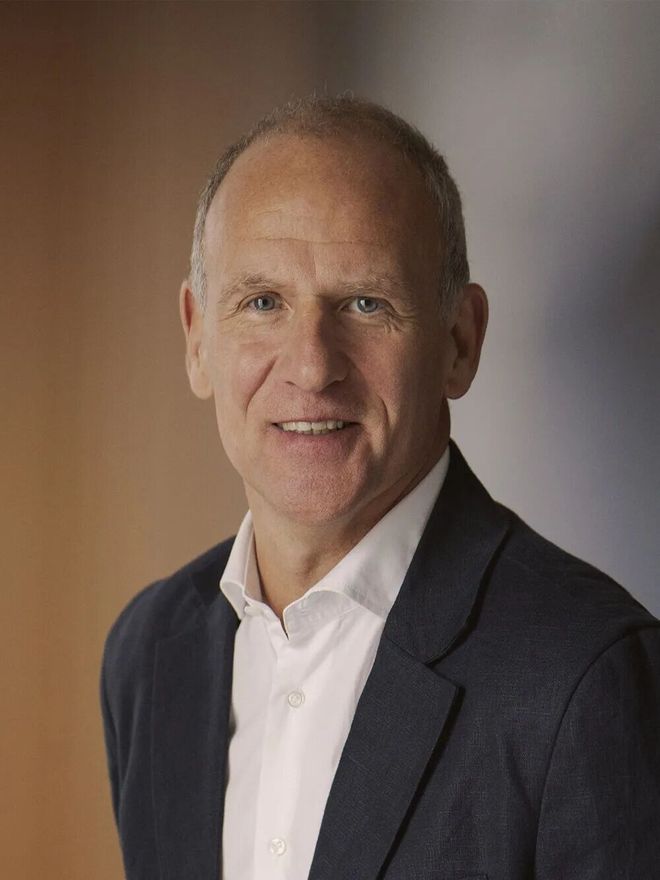
Core Viewpoint - Diageo has appointed Dave Lewis as the new CEO to navigate the company through current challenges in the global alcohol market, following a significant decline in profits and stock prices [2][4][12]. Leadership Transition - Dave Lewis, aged 60, was appointed by Diageo's board in November last year and officially took over on January 1, 2026, succeeding Debra Crew, the first female CEO, who left after two years [2][4]. - Lewis has a 27-year history at Unilever and over six years as CEO of Tesco, known for aggressive cost-cutting measures [2][4][12]. Current Financial Performance - Diageo's net sales for the fiscal year 2025 remained above $20 billion, but net profit fell sharply by 39.1% year-on-year [4][9]. - In Q1 of fiscal year 2026, net sales dropped by 2.2%, attributed to weak performance in the U.S. and declines in the Chinese market [4][9]. - The company's stock price has decreased by nearly 60% from its peak in 2021, returning to levels seen in 2012 [4][9]. Cost-Cutting Strategy - Diageo has initiated a cost-saving plan aiming for $500 million in savings by 2028, which includes asset sales and operational cutbacks [10][12]. - The company has sold various assets, including stakes in breweries and brands, to streamline operations and reduce debt [10][11]. Market Challenges - The global alcohol market is facing a downturn post-pandemic, compounded by U.S. tariffs on European alcoholic products, affecting Diageo's growth prospects [9][10]. - Diageo's performance is better than some competitors, but market sentiment remains negative, leading to stock price declines [9][10]. Strategic Focus in China - Diageo's operations in China are divided into international spirits and local baijiu, with a focus on adapting to changing consumer preferences [16][19]. - The company is targeting younger consumers and promoting smaller packaging to align with trends towards home consumption [19]. - However, the baijiu segment has faced significant challenges, with sales and net revenue declining sharply [19][20]. Future Outlook - Lewis is expected to continue the cost-cutting approach while also identifying growth opportunities within Diageo's strong brand portfolio, which includes over 200 brands [15][19]. - The future of Diageo's baijiu business, particularly the Water Margin brand, remains uncertain amid ongoing asset sales and market challenges [20][24].

帝亚吉欧空降新CEO,铁腕求逆转
2 1 Shi Ji Jing Ji Bao Dao· 2026-01-08 02:56
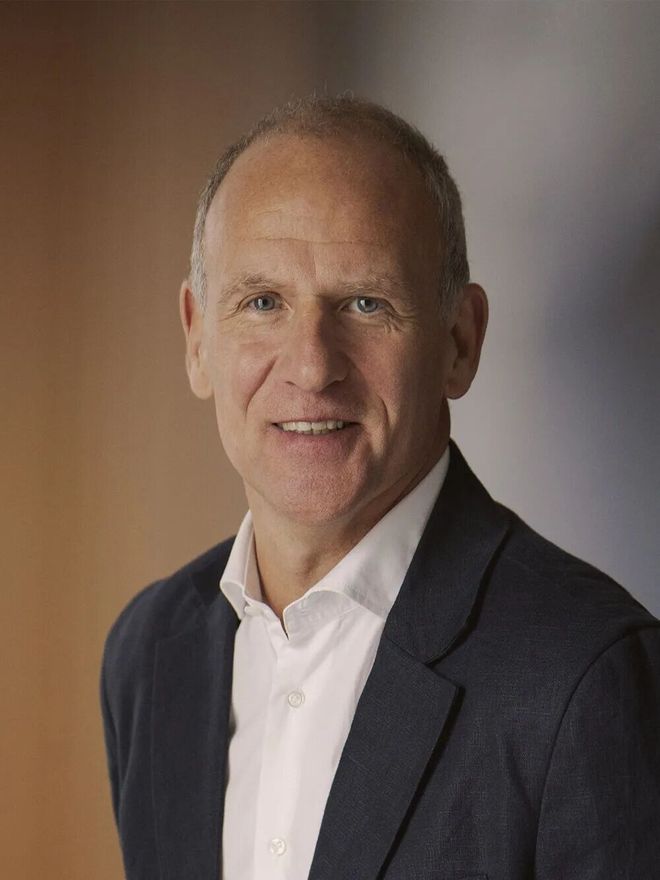
Core Viewpoint - Diageo has appointed Dave Lewis as the new CEO to navigate the company through current challenges in the global alcohol market, following a significant decline in profits and stock prices [2][4][5]. Group 1: Leadership Transition - Dave Lewis, aged 60, was appointed by Diageo's board in November last year and officially took over on January 1, 2026 [2][4]. - Lewis has a 27-year tenure at Unilever and over six years as CEO of Tesco, known for aggressive cost-cutting measures [2][4]. - His predecessor, Debra Crew, was the first female CEO of Diageo but left after two years, leading to a temporary leadership by CFO Nik Jhangiani [2][4][5]. Group 2: Financial Performance - Diageo's net sales for the fiscal year 2025 remained above $20 billion, but net profit fell sharply by 39.1% [4][8]. - In Q1 of fiscal year 2026, net sales dropped by 2.2%, attributed to weak performance in the U.S. and declines in the Chinese market [4][8]. - The company's stock price has decreased by 30% over the past year and nearly 60% from its peak in 2021, returning to levels seen in 2012 [5][9]. Group 3: Strategic Initiatives - Diageo has initiated a cost-saving plan aiming for $500 million in savings by 2028 to reinvest in future growth [10][11]. - The company has been actively selling assets, including a $23 billion deal to sell a majority stake in its East African brewery to Asahi Group [11][12]. - Lewis is expected to continue the cost-cutting strategy to improve shareholder value and address declining profits [12][13]. Group 4: Market Challenges and Opportunities - The global alcohol market is facing a downturn post-pandemic, with additional challenges from potential tariffs on European alcoholic products in the U.S. [9][10]. - Diageo's performance is still better than some competitors, but market confidence remains low [8][9]. - The company is adjusting its strategy in China, focusing on younger consumers and new channels, while facing significant challenges in its Chinese baijiu business [16][17]. Group 5: Brand Strategy - Diageo owns over 200 brands, including Johnnie Walker and Guinness, and is exploring new product launches tailored for the Chinese market [14][16]. - The company is promoting smaller packaging options to adapt to changing consumer preferences, such as 50ml bottles of its tequila brands [16][17]. - Despite the challenges in the baijiu segment, Diageo remains committed to its long-term strategy in China, emphasizing the importance of its local brands [18][21].
光伏组件价格再上调 企业盈利能力进一步修复
Zheng Quan Ri Bao Zhi Sheng· 2026-01-07 17:08
"2026年组件价格整体将呈现上涨趋势,但当前终端需求侧的支撑仍然薄弱,预计组件价格在上涨之后 将有较强的博弈周期。"对于今年组件价格的走势,SMM光伏高级分析师郑天鸿在接受《证券日报》记 者采访时表示,短期来看,组件价格仍有上涨空间,但当下需求较弱仍是国内组件价格博弈点,价格整 体趋势或将呈现上行中伴随震荡。 "未来,组件价格有望逐步回归合理区间。"隆基绿能相关负责人对《证券日报》记者表示。 本报记者 殷高峰 新年伊始,光伏组件价格再度迎来上调。 据上海有色网(以下简称"SMM")最新数据,元旦期间,国内头部组件企业TOPCon分布式组件报价大 幅提高至0.82元/瓦到0.86元/瓦。受此影响,其他组件企业也开始调整自身指导价,预计将上调0.02元/ 瓦到0.05元/瓦。 "这次组件价格再度上调的主要因素,一是整治'内卷式'竞争和行业自律的持续作用,二是上游银浆等 材料成本持续上涨。"万联证券投资顾问屈放在接受《证券日报》记者采访时表示。 去年下半年以来,光伏产业链各环节产品价格持续修复。隆基绿能科技股份有限公司(以下简称"隆基 绿能")、天合光能股份有限公司等多家光伏行业龙头企业的高管在2025光伏行业年 ...

立高食品:目前是备货高峰期,与飞鹤在业务上呈现互补关系
Cai Jing Wang· 2026-01-07 14:51
Group 1 - The core viewpoint of the articles highlights the operational strategies and future outlook of the company, particularly in terms of capacity utilization and cost management [1][2] Group 2 - The company reported that since November of the previous year, it has gradually entered a peak season for stocking, with plans to complete capacity expansion based on anticipated order growth, but not exceeding one year in advance [1] - The joint venture with Feihe is aimed at developing domestically sourced, deep-processed raw materials, with a focus on utilizing by-products from Feihe's production processes, which are essential for the company's cream and baked dairy product business [1] - The company expects to see a significant reduction in sales and management expense ratios in the first three quarters of 2025 compared to the previous year, driven by scale effects from sales growth and improved logistics efficiency [2] - The company plans to reduce the number of external warehouses from over thirty to a dozen by mid-2025, which is expected to enhance inventory turnover efficiency and lower expense ratios [2] - The completion of centralized procurement at the headquarters by mid-2025 is anticipated to yield cost reduction effects that will be gradually realized [2]


两轮裁员后,realme将回归OPPO
经济观察报· 2026-01-07 12:59
Group 1 - The core viewpoint of the article is that realme is undergoing significant restructuring, including layoffs and a return to OPPO as a sub-brand due to poor sales performance [2][3]. - In late 2025, realme initiated two rounds of layoffs, primarily affecting hardware and software development departments, with some teams experiencing over 50% layoffs [2][3]. - A realme employee indicated that the layoffs were attributed to "poor sales this year" and a need for "cost reduction and efficiency improvement" [2][3]. Group 2 - On January 7, 2026, OPPO confirmed that realme would return as a sub-brand, aiming to enhance collaboration and resource integration among OPPO, realme, and OnePlus [2][4]. - The layoffs at realme were described as "normal personnel changes" by a company representative, despite the significant impact on the workforce [2][3]. - The restructuring follows realme's history of being incubated by OPPO, becoming independent in 2018, and now returning to OPPO's umbrella, with India being its largest market [3].