
城市更新

Search documents
2025武汉楼市政策暖风频现,“好房子”引领市场持续向好
Chang Jiang Ri Bao· 2026-01-13 12:42
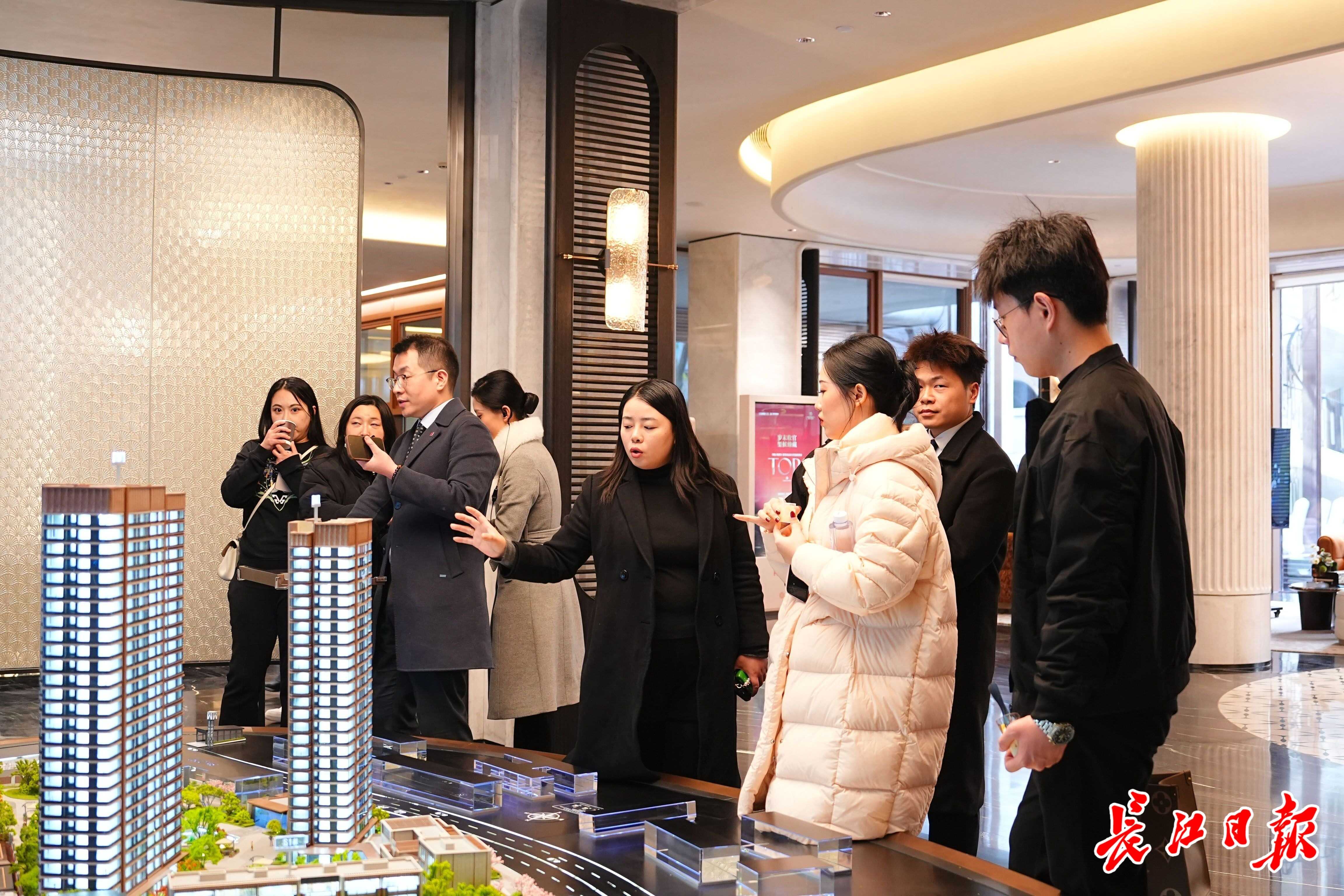
Core Insights - The Wuhan real estate market is experiencing growth in both transaction area and number of units sold, with a total transaction area of 15.8965 million square meters and 136,738 units sold in 2025, representing year-on-year increases of 2.75% and 1.18% respectively [1] Market Performance - The sales of "good houses" in Wuhan have surged, driven by new policies that boost market confidence, leading to a favorable supply and demand situation [1][6] - The average absorption rate for newly launched projects in 2025 exceeded 70%, significantly higher than the market average, with 15 instances of "sunshine sales" throughout the year [7] Consumer Behavior - There has been a notable increase in customer visits and transactions, with some sales representatives reporting over 100 viewings in a single day [6] - Buyers are increasingly focused on "good houses" that offer better layouts, amenities, and unique designs, reflecting a shift in consumer preferences towards quality [6][8] Policy Impact - Wuhan has implemented multiple housing policies in 2025 to enhance market confidence, including raising the maximum loan limits for second homes and optimizing loan services for young buyers [9] - These policies have effectively reduced the financial burden on homebuyers, facilitating smoother transactions and improving living conditions [9] Urban Development - The ongoing urban renewal initiatives in Wuhan are creating new opportunities in the real estate market, with a focus on comprehensive area improvements rather than isolated projects [10] - The emphasis on "good houses" is seen as crucial for stabilizing the market and meeting the demand for quality living spaces, which is expected to drive further development in the sector [10]

城市更新激活消费 2025年北京零售物业结构持续优化调整
Xin Lang Cai Jing· 2026-01-13 12:33
Core Insights - The core viewpoint of the reports indicates that the Beijing retail property market is undergoing significant transformation, with a focus on urban renewal and the optimization of retail formats, particularly in the food and beverage sector [1][2][3] Group 1: Market Supply and Trends - In 2025, the total new supply of retail properties in Beijing is projected to be 534,000 square meters, all coming from urban renewal projects, highlighting a trend of "old for new" in the market [1] - The food and beverage sector remains the largest segment in Beijing's retail property market, although its share decreased from 49% at the beginning of the year to 42% by the fourth quarter, indicating a shift in consumer preferences [1] - The report notes a significant increase in the share of lifestyle stores, which reached 8.4% in the fourth quarter, driven by consumer demand for emotional satisfaction and enhanced shopping experiences [1][2] Group 2: Performance and Rental Trends - The retail property vacancy rate in Beijing saw its first decline in the fourth quarter after four consecutive quarters of increase, attributed to landlords adopting strategies such as rent concessions and focusing on more attractive tenant types [2] - Average rent for first-floor shopping centers in Beijing decreased by 1.0% quarter-on-quarter to 30.0 yuan per square meter per day, with an annual decline of 2.4% [2] - There is a notable market differentiation, with secondary business districts like Zhongguancun and Wangjing facing significant rental pressure due to new supply and insufficient local demand, while core business districts maintained stable occupancy and rental levels [2] Group 3: Future Outlook - In 2026, over 500,000 square meters of new retail property supply is expected in Beijing, primarily from renovation projects in mature business districts and large new developments in peripheral areas, indicating a diverse positioning strategy [3] - The upcoming projects are anticipated to focus on themes such as "emotional value" and "heritage + commerce," aiming to attract foot traffic through unique commercial experiences [3] - This evolution is expected to contribute to the high-level development of Beijing's commercial landscape, characterized by "multi-center, networked, and differentiated" growth [3]

东城区:王府井海港城等重点项目今年开工
Xin Jing Bao· 2026-01-13 11:52
Group 1 - The East District will focus on completing 2,000 applications for rental withdrawal and over 100 protective renovations of courtyards this year, while promoting substantial commencement of key projects such as Wangfujing Haigang City and Qianmen East District [1] - By 2025, the East District aims to complete 110 protective renovations of courtyards, benefiting over 1,000 residents through rental withdrawal applications around Guozijian and the Forbidden City, marking a breakthrough in the withdrawal of state-owned cultural relics [1] - The East District is committed to enhancing the functionality of the core area by implementing control regulations and completing the withdrawal projects of state-owned cultural relics [1] Group 2 - The Baohuali project has achieved the first batch of resident relocations, and new entrances for Dongsi Station on Line 6 have been put into use, with projects like Wangfujing Foreign Language Bookstore and Qianmen West District commencing [2] - This year, the East District will steadily advance the renovation of dilapidated buildings, improving living conditions based on the principle of "who benefits, who pays," while enhancing the overall environment of the flat-roofed areas [2] - The East District aims to use urban renewal as a means to achieve the development goal of preserving nostalgia while envisioning the future, ensuring that the results of urban renewal are tangible for residents [2]

【“十五五”开好局起好步】各地因地制宜 城市更新持续发力
Yang Shi Wang· 2026-01-13 11:35
央视网消息(新闻联播):新年伊始,各地加大力度推进城市更新,打造宜居宜业城市,努力提升人民 群众的获得感、幸福感。 城市更新激发城市活力。上周,郑州向社会公示13个城市更新新增项目,以商都历史文化片区等为重 点,打造一批文商旅融合街区,让城市更新既有"面子",更有"里子"。 今年起,重庆启动新一轮城市更新三年行动,重点盘活闲置资源,融合建设生活、消费、文旅、创业新 场景。眼下,在观音桥商圈,一条长4.1公里、串联周边5大商业体的空中连廊正在加紧施工,一期工程 预计春节前投入使用。 城市更新绘就品质生活。今年,河北将提质扩容体育公园50个,更新维护健身路径5300条,进一步满足 群众多样化运动休闲需求;辽宁大连建立城市更新动态项目库,成熟一批、推进一批,今年将实施老旧 小区改造超100万平方米,惠及居民约2.9万户;新年伊始,天津出台城市更新条例,加快推进老旧街 区、老旧厂区等更新改造。 ...
“十四五”期间我国土地资源利用效率显著提升
Yang Shi Wang· 2026-01-13 11:35
Core Viewpoint - During the "14th Five-Year Plan" period, China has made significant progress in promoting the efficient and intensive use of land resources, particularly in revitalizing inefficient and idle land, as well as conducting special governance of industrial park land [1] Group 1 - The Ministry of Natural Resources reported that land resource utilization efficiency has been significantly improved [1] - In the "15th Five-Year Plan" period, China will further coordinate the supply of existing and new construction land, establishing a reasonable supply mechanism tailored to local conditions [1] - The government will continue to optimize planning land policies to support urban renewal and the transformation of urban villages, guiding local areas to deepen the redevelopment of inefficient land [1]
上海最小街道如何打造城市更新样板间
Xin Lang Cai Jing· 2026-01-13 11:03
位于一楼的社区食堂是这一复合型社区生活综合体中人气最高的地方,在不少社交平台被网友称为"最美社区食 堂"。二楼为开放式融合活动空间,集共享办公、城市书房等功能于一体。三楼则为"蝴蝶童坊",设有儿童阅读 角、亲子爬爬乐等区域。 石门二路街道党工委副书记朱珍琦1月9日向智通财经介绍,自2025年9月底运营开放以来,蝴蝶湾滨河党群服务中 心为党员群众提供了文化美育、惠民实事、科创体验等多维度的服务。 蝴蝶湾 摄影:智通财经记者范易成 智通财经记者 | 范易成 智通财经编辑 | 庄键 一个普通的工作日中午,静安区"蝴蝶食坊"社区食堂内已排起了长队,家住附近的沈阿姨点了响油鳝丝和松鼠鳜 鱼。她告诉智通财经记者,这里的菜选择很多,价格也很实惠,现在自己每周要来三四次,有时还会买了带回家。 食堂所在的老洋房被称为"蝴蝶堡",位于康定东路28号。过去它曾是少儿图书馆,如今被改造成了石门二路街道蝴 蝶湾滨河党群服务中心,于2025年9月焕新开放。 今年还规划新建新闸路石门二路口袋公园,其位于苏河北域进入南域的门户位置,计划将原先设计单一且半封闭的 公共绿地,改造成一个约1500平米的开放式口袋公园。该项目预计于2026年年内建 ...

中山出台全省地级市首个老旧街区改造指引
Nan Fang Ri Bao Wang Luo Ban· 2026-01-13 09:06
Core Insights - The release of the "Guidelines for the Renovation and Construction of Old Urban Areas in Zhongshan" marks the first systematic guidance document for old urban area renovation among provincial cities, indicating a new phase of standardization and institutionalization in urban renewal and revitalization in Zhongshan [1] - The guidelines aim to create livable, resilient, and smart urban environments, addressing practical issues of what and how to renovate old urban areas, with a focus on building quality housing, communities, and districts [1] - The renovation philosophy emphasizes a balanced approach of preservation and improvement, advocating for "micro-renovation and fine enhancement" rather than large-scale demolition [1] Renovation Content - The guidelines categorize old urban area renovations into two types: basic improvement and characteristic types, with the former primarily government-led and the latter focusing on social capital and enterprise funding [2] - A comprehensive list of nearly 70 renovation elements is provided, including improvements to livability, infrastructure, environment, community service facilities, cultural characteristics, and smart upgrades [2]
济南:不凡的2025·1.4万亿里的含金量
Feng Huang Wang Cai Jing· 2026-01-13 07:22
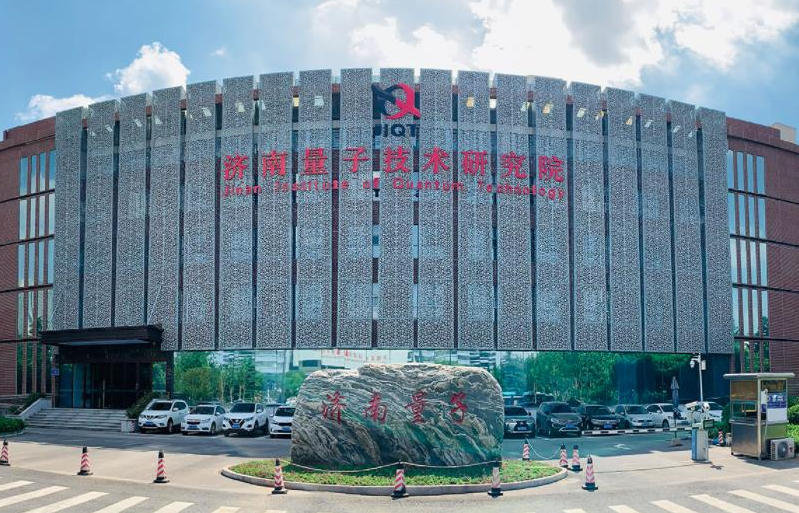
Economic Growth - Jinan's GDP reached 10,434 billion yuan in the first three quarters, with a year-on-year growth of 5.4%, indicating a strong economic performance as it aims to surpass 14 trillion yuan by 2025 [1][3] - The achievement of crossing four 1 trillion yuan milestones in five years reflects not just numerical growth but also a comprehensive enhancement in development quality [1] Technological Innovation - The establishment of the Jinan Quantum Technology Research Institute and the successful launch of significant technological innovations, such as the world's largest diameter intelligent shield tunneling machine, highlight the city's advancements in technology [3] - Jinan's ranking in the global research city index improved from 57th in 2021 to 27th in 2025, showcasing a significant enhancement in its scientific research capabilities [3] Industrial Development - The city is building a complete industrial ecosystem in the aerospace and low-altitude economy sectors, with the artificial intelligence core industry expected to reach a scale of 60 billion yuan [5] - Jinan is home to the largest production bases for hyaluronic acid, cephalosporins, heavy-duty vehicles, and new energy vehicles in northern China, indicating a robust industrial structure [5] Sustainable Development - Jinan has completely transitioned from coal heating, with a cumulative reduction of 23.5% in energy consumption per unit of GDP from 2021 to 2024, and maintains a 100% rate of good water quality in surface water [7] - The city is committed to ecological and industrial symbiosis, aligning with national strategies for ecological protection and high-quality development [7] Social Development - Jinan is focused on enhancing the "happiness index" of its residents, with significant investments in urban renewal and infrastructure, including the renovation of 2,381 old urban communities and the expansion of public transportation [9] - The city has achieved a 100% enrollment rate in nine-year compulsory education and is accelerating the construction of national regional medical centers, improving public health services [9]
2026年石景山区将推动地铁1号线福寿岭站启用
Xin Jing Bao· 2026-01-13 06:54
Core Viewpoint - In 2026, Shijingshan District aims to enhance service innovation-driven development and promote integrated development of education, technology, and talent [1] Group 1: Education and Talent Development - The district will open the Shougang Southeast District supporting school and Yamenkou supporting primary school, establishing a high-standard national primary and secondary school science education experimental zone [1] - The focus will be on solidifying the foundation for innovation and talent cultivation [1] Group 2: Urban Renewal and Infrastructure - Shijingshan District will continue to improve urban functionality and quality, focusing on the renovation of old neighborhoods and buildings, including the installation of 60 new stairlifts and the renovation of 100 old elevators [1] - The district plans to pilot the construction of three complete communities, including Laoshandongli [1] - Modern infrastructure will be enhanced with the completion of the suburban railway urban sub-center line upgrade project (west section) and the activation of the Fushouling Station on Metro Line 1 [1] Group 3: Urban Management and Digital Transformation - The district will enhance urban governance efficiency by standardizing 284 urban furniture items and adding 2,100 new construction and shared parking spaces [1] - There will be a focus on connecting complaint handling with "Smart Network Real Grid" to address common high-frequency issues [1] - The second phase of the urban brain project will be constructed to accelerate comprehensive digital transformation [1]
全面打造“公园城市、安逸家园”
Xin Lang Cai Jing· 2026-01-12 18:00
Core Viewpoint - Sichuan Province has released an implementation opinion aimed at promoting high-quality urban development, focusing on building modern cities characterized by innovation, livability, beauty, resilience, civilization, and intelligence, with a target to achieve significant progress by 2030 and establish a modern urban framework by 2035 [1][2]. Group 1: Urban Development Strategy - The opinion outlines a comprehensive urban spatial layout, emphasizing the development of the Chengdu-Chongqing urban axis and other key urban development belts, while adhering to principles like "one city, one policy" [2]. - Support for Chengdu includes establishing it as a model park city and enhancing its core functions, while also promoting the integration of the Chengdu metropolitan area [2][3]. - Regional cities like Mianyang and Yibin are encouraged to attract major productivity layouts, enhancing their economic growth potential [2]. Group 2: Technological Innovation and Industry Integration - The opinion emphasizes the importance of technological innovation and industry-city integration, proposing the establishment of key innovation zones and collaborative innovation frameworks [3]. - It advocates for the application of advanced technologies such as AI and clean energy in urban development, fostering new economic models and consumption scenarios [3]. Group 3: Quality of Life and Infrastructure - The opinion addresses housing security by promoting a new real estate development model and a tiered housing supply system [4]. - It outlines plans for enhancing public services, including education and healthcare, and improving community infrastructure [4][5]. - The focus on green transformation includes initiatives for pollution reduction, green building development, and waste classification [5]. Group 4: Safety and Governance - The opinion stresses the establishment of safety management systems for buildings and infrastructure, alongside measures to enhance urban resilience against extreme weather [5]. - It proposes the creation of a unified digital urban governance framework to improve service delivery and operational efficiency [5].