低碳发展

Search documents
鲁韩环保合作20周年座谈会在烟台举行
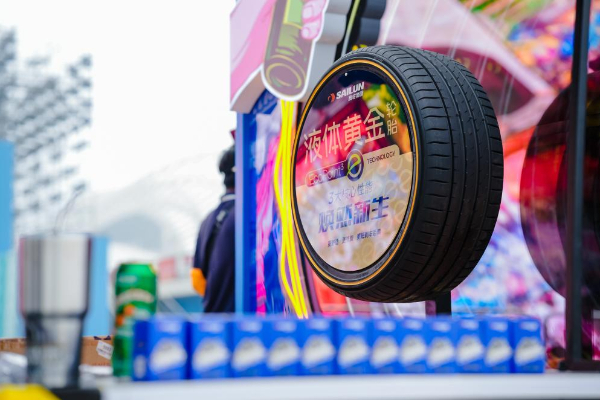
Da Zhong Ri Bao· 2025-09-29 00:57
Core Points - The 20th anniversary of environmental cooperation between Shandong Province and South Korea was celebrated in Yantai, highlighting the achievements and future collaboration in ecological protection and low-carbon development [2][3] Group 1: Key Statements - Shandong has been implementing Xi Jinping's ecological civilization thought, focusing on ecological priority and green development, leading to significant progress in building a beautiful Shandong [2] - The cooperation between Shandong and the South Korean Ministry of Environment has resulted in effective collaboration in ecological protection, low-carbon development, and mutual benefits [2] - A memorandum of understanding was signed during the meeting to commemorate the 20 years of cooperation [3] Group 2: Future Collaboration - Shandong aims to strengthen practical connections with the South Korean Ministry of Environment in pollution prevention, ecological restoration, and environmental safety, promoting technology and talent exchange [2] - There is a focus on implementing leading projects in industrial upgrading, energy transition, and green parks to build a clean and beautiful environment [2] - The South Korean Minister expressed the desire to deepen cooperation in green transformation, pollution control, environmental industry, and climate change, leveraging existing cooperation mechanisms [2]
厚植高质量发展的绿色底色——内蒙古浙江重庆推动经济社会发展全面绿色转型
Ren Min Ri Bao· 2025-09-28 05:53
Core Viewpoint - The promotion of green and low-carbon development is essential for achieving high-quality economic growth, emphasizing the integration of industrial structure adjustment, pollution control, ecological protection, and climate change response [1][2]. Group 1: Ecological Restoration and Protection - The integration of various ecosystems, including mountains, rivers, forests, fields, lakes, grasslands, and deserts, is crucial for comprehensive ecological protection and governance [2]. - In Chongqing, advanced technologies such as drones and satellite remote sensing are employed for real-time monitoring and cleaning of floating debris in the Yangtze River, ensuring water quality [3]. - In Zhejiang, the transition to glass fiber rods for seaweed farming has improved environmental conditions and increased the yield and quality of seaweed [4]. - Inner Mongolia has successfully restored degraded grasslands through a combination of artificial intervention and natural recovery, significantly enhancing biodiversity and ecosystem stability [5]. Group 2: Green Industrial Development - The establishment of a green low-carbon circular economy is vital for improving industrial structure, with a focus on high-tech, low-resource consumption, and minimal environmental pollution [6]. - In Zhejiang, the transformation of a high-energy-consuming glass factory into a drone manufacturing facility exemplifies successful industrial restructuring, reducing energy consumption significantly [6]. - The Inner Mongolia zero-carbon industrial park utilizes renewable energy for battery production, contributing to a substantial annual output value from the new energy sector [7]. Group 3: Resource Efficiency and Circular Economy - In Chongqing, innovative use of the Yangtze River's water for heating and cooling systems demonstrates effective resource utilization, leading to significant energy savings and reduced emissions [8]. - The city has implemented a circular economy model, converting waste into resources, with a high rate of industrial solid waste recycling [8]. Group 4: Economic Value of Ecological Products - The development of mechanisms for realizing the economic value of ecological products is essential, with examples such as carbon trading from bamboo forests in Zhejiang [13]. - The establishment of cooperative models and innovative financial mechanisms in Zhejiang aims to enhance the conversion of ecological advantages into economic benefits [13].
活力中国调研行|厚植高质量发展的绿色底色
Ren Min Ri Bao· 2025-09-28 02:59
Core Points - The article emphasizes the importance of promoting green and low-carbon development as a key aspect of achieving high-quality economic growth, highlighting the integration of industrial structure adjustment, pollution control, ecological protection, and climate change response [1][2][6]. Group 1: Ecological Protection and Restoration - The article discusses the integrated protection and systematic governance of ecosystems, emphasizing the need for a comprehensive approach from mountains to oceans [2][5]. - In Chongqing, advanced technologies such as drones and satellite remote sensing are utilized for real-time monitoring and cleaning of floating debris in the Yangtze River, ensuring water quality [3]. - In Zhejiang, the transition to eco-friendly aquaculture practices has improved both the environment and the economic returns for local fishermen [3]. Group 2: Green Development and Industrial Transformation - The article highlights the transformation of traditional industries into green sectors, such as the conversion of a glass factory into a drone manufacturing facility, significantly reducing energy consumption [6]. - In Inner Mongolia, the establishment of a zero-carbon industrial park demonstrates the successful integration of renewable energy sources, with a total installed capacity of 145 million kilowatts, accounting for 52% of the total capacity [7]. - Chongqing's innovative use of river water for heating and cooling systems exemplifies resource efficiency and the development of a circular economy [8]. Group 3: Economic Value of Ecological Products - The article outlines the economic potential of ecological products, with initiatives in places like Anji County focusing on carbon trading from bamboo forests, generating significant financial returns for local communities [12]. - The development of eco-tourism and sustainable agriculture in regions like Inner Mongolia and Chongqing illustrates the successful conversion of ecological advantages into economic benefits [10][11]. - Zhejiang's efforts to establish a green financial mechanism and enhance the value realization of ecological products further support the transition from ecological advantages to economic growth [12].
厚植高质量发展的绿色底色(活力中国调研行) ——内蒙古浙江重庆推动经济社会发展全面绿色转型
Ren Min Ri Bao· 2025-09-27 22:04
Core Viewpoint - The articles emphasize the importance of promoting green and low-carbon development as a key aspect of achieving high-quality economic growth, highlighting various local practices and initiatives across different regions in China to enhance ecological protection and restoration while fostering economic benefits [1][2][6][9]. Group 1: Ecological Restoration and Protection - In Inner Mongolia, ecological restoration efforts have transformed previously barren land into green pastures, increasing biodiversity and carbon sequestration [5]. - Chongqing has implemented a digital monitoring system for floating debris in the Yangtze River, ensuring timely cleanup and maintaining water quality [3]. - In Zhejiang, the introduction of glass fiber rods for seaweed farming has improved environmental conditions and increased the quality and yield of seaweed production [4]. Group 2: Green Economic Transformation - The transition from high-energy-consuming industries to low-carbon technologies is evident in Zhejiang's drone manufacturing sector, which has significantly reduced energy consumption [6]. - Inner Mongolia's zero-carbon industrial park utilizes renewable energy sources, contributing to a substantial increase in the region's renewable energy capacity [7]. - Chongqing's innovative use of river water for heating and cooling demonstrates effective resource utilization, leading to significant energy savings and emissions reductions [8]. Group 3: Economic Benefits from Ecological Initiatives - The development of forest products and eco-tourism in Inner Mongolia has resulted in substantial economic gains, with the forestry industry generating over 100 billion yuan in revenue last year [11]. - In Chongqing, the restoration of abandoned mines into eco-friendly tourist attractions has created new employment opportunities and increased local income [12]. - In Zhejiang, the establishment of carbon trading mechanisms for bamboo forests has allowed local communities to benefit financially from ecological conservation efforts [13].
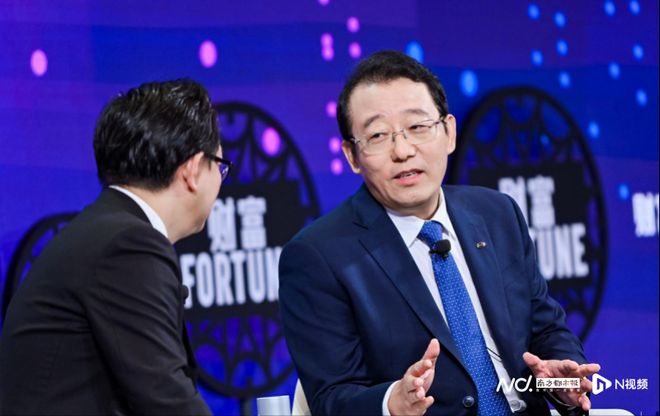
冯兴亚:十年后,至少有三家中国企业进入全球前十
Nan Fang Du Shi Bao· 2025-09-27 07:09
Core Viewpoint - The automotive industry is undergoing a profound transformation, with predictions that at least three of the top ten global automotive companies will be Chinese by 2033 [1][5]. Group 1: Industry Transformation - The global automotive industry is in a critical phase characterized by deep transformation, rapid technological iteration, restructuring of management processes, and adjustments in competitive landscape [2]. - Future competition will focus on three core dimensions leading to an "ecological confrontation": product value reconstruction, elevation of competitive entities, and transformation of value sources [4]. Group 2: Product and Market Dynamics - The focus of competition will shift from hardware specifications to "scenario-based intelligent experiences," with future vehicles envisioned as intelligent mobile spaces [4]. - The competitive landscape will evolve from individual car manufacturers to an ecosystem competition involving deep integration with top technology and energy companies [4]. Group 3: Economic Viability and Localization - The "Electricity Charm Index" introduced by GAC measures the cost-effectiveness of electricity compared to fuel, with Guangzhou's index at 17, indicating electricity costs only 1/17 of fuel costs, making electric vehicles economically attractive [5]. - The current opportunity in globalization is shifting from "complete vehicle exports" to "localized production," with GAC establishing five KD factories globally and planning to expand to ten [6]. Group 4: Technological and Competitive Challenges - Although the technical barriers to entering the automotive industry have lowered, it does not imply that manufacturing vehicles has become easier; unique advantages in user insight, product definition, and integration capabilities are still essential [7]. - GAC emphasizes core technology self-research, focusing on key capabilities such as the "three electric" systems, electronic architecture, and vehicle platform development to maintain competitive advantages [7]. Group 5: Consumer Behavior and Decision-Making - There is a noticeable differentiation in automotive consumer groups, with experienced users prioritizing functional value while emerging users seek emotional value, such as acceleration and technological appeal [8]. - Balancing functional value, safety, and emotional appeal presents a significant challenge for automotive companies in decision-making [8].


广汽集团冯兴亚:全球十大车企中未来将有3-5家中国企业
Bei Ke Cai Jing· 2025-09-26 09:18
Core Insights - The automotive industry is undergoing a significant transformation, with expectations that at least 3 to 5 Chinese companies will be among the top 10 global automakers in the next decade [1] - The future development model of the industry will focus on new energy and low-carbon growth, with China leading the way in green and low-carbon trends [1] - China is also at the forefront of automotive intelligence, positioning itself as a leader in this area [1] Industry Transformation - The automotive sector is currently in a critical phase characterized by four overlapping periods: deep transformation, rapid technological iteration, restructuring of management processes, and adjustment of competitive landscapes [2] - Future competition will revolve around three core dimensions, leading to an "ecological showdown": 1. Reconstruction of product value, shifting focus from hardware specifications to "scenario-based intelligent experiences" [2] 2. Elevation of competitive entities, moving from individual car manufacturers to competition across the entire industry chain ecosystem, necessitating deep partnerships with top technology and energy companies [2] 3. Transformation of value sources, with the core business model evolving from one-time hardware sales to a comprehensive lifecycle value extraction model that includes "hardware + software + services" [2] International Expansion - The company aims to enter 100 global markets by 2027 and export 500,000 vehicles annually, transitioning from "trade export" to "brand + ecosystem export" [3] - Currently, the company has established 5 KD (knock-down) assembly plants globally, with plans to expand to 10 by next year [3]
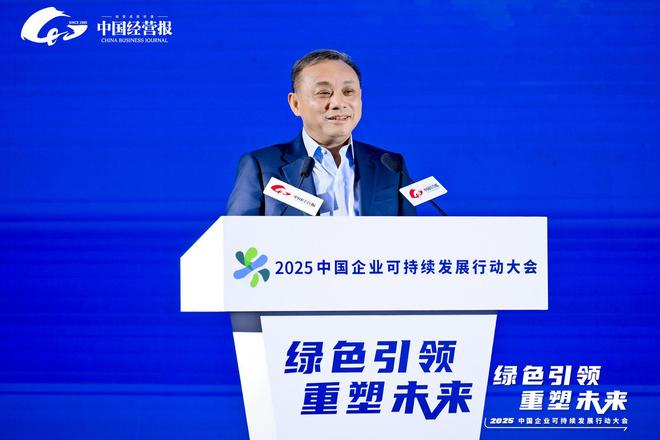
毛振华:ESG投资领域为中国在新一轮全球合作中开辟了新领域
Zhong Guo Jing Ying Bao· 2025-09-26 03:53
Core Viewpoint - The "2025 China ESG Investment Development Report" highlights China's advancements in ESG investment practices amidst global changes, providing new avenues for cooperation and sustainable development [2][3] Group 1: ESG Investment and Sustainable Development - The report sets specific targets for non-fossil energy consumption and carbon emissions, aiming for 20% non-fossil energy by 2025 and a 65% reduction in carbon emissions by 2030 compared to 2005 levels [2] - The integration of sustainable, green, low-carbon, and harmonious development concepts is seen as a commitment from China to the world, guiding high-quality economic development [3] - ESG investment has gained significant traction in China, with widespread consensus in the investment community on the importance of ESG information disclosure by listed companies [3] Group 2: Technological Advancements and Global Leadership - China has made substantial technological progress in the renewable energy sector, offering new solutions to global energy challenges [3] - The emphasis on ESG principles in investment reflects China's leadership in this area, with a growing number of financial products and indices focusing on ESG performance in capital markets [3]
顺博合金(002996) - 002996顺博合金投资者关系管理信息20250925
2025-09-25 09:14
Group 1: Company Strategy and Market Outlook - The company is actively promoting its capital increase plan disclosed on July 23, 2025, and is preparing for project application [1] - By 2027, the production of recycled aluminum is expected to exceed 15 million tons, driven by green and low-carbon development opportunities [2] - The company aims to enhance its strategic layout by focusing on industry trends and market opportunities for sustainable long-term development [2] Group 2: Financial Performance and Comparisons - In the first half of 2025, the company's gross profit margin for recycled aluminum was below 3%, while the industry average exceeded 6% [2] - The company's gross profit margin is influenced by various factors, including sales and raw material markets, with a slight increase compared to the previous year [2] - Differences in product categories and applications between the company and its peers contribute to variations in gross profit margins [2] Group 3: Capital Expenditure and Project Updates - The main ongoing project is the Anhui Phase II project, which includes an annual production capacity of 500,000 tons of aluminum plates and 630,000 tons of aluminum ingots [2] - The company is committed to enhancing its core competitiveness and operational performance to create long-term value for shareholders [2]
中碳登护航全球最大碳市场 给交易数据加装量子“密码箱”
Sou Hu Cai Jing· 2025-09-25 03:55
Group 1 - As of the end of August, the national carbon emissions trading market has a cumulative transaction volume of 696 million tons and a transaction value of 47.826 billion yuan, with the 2024 transaction value reaching a new annual high since the market's launch in 2021 [3] - The national carbon market, which started online trading on July 16, 2021, is the largest carbon market globally in terms of greenhouse gas emissions coverage, initially including 2,162 enterprises in the power generation sector and covering a carbon quota of 4.5 billion tons [3] - Following the market's expansion in May, approximately 1,500 key emission units from the steel, cement, and aluminum smelting industries were added, increasing the total carbon emissions coverage to 8 billion tons, accounting for over 60% of the national total [3] Group 2 - The national carbon market has enhanced companies' awareness of low-carbon development, with significant improvements in carbon emission control capabilities [5] - The Ministry of Ecology and Environment reported that the carbon emission intensity of the national power sector decreased by 10.8% in 2024 compared to 2018 [5] - The trading scale of the national carbon market reached a historical high, with increased participation willingness from trading entities and a gradual enrichment of trading products and methods [5] Group 3 - The China Carbon Registration and Settlement System (referred to as "Zhong Carbon") is the core infrastructure of the national carbon market, responsible for registration, settlement, and clearing functions [3] - Zhong Carbon has completed 20 system upgrades and implemented quantum encryption technology to ensure data security, achieving nearly 1,000 billion yuan in cumulative clearing amounts with zero errors in settlements [4] - Baosteel Co., Ltd. has been active in carbon trading since 2013, successfully implementing 270 energy-saving projects from 2022 to 2024, resulting in a reduction of 2.59 million tons of carbon emissions [4]
赛轮“液体黄金”轮胎以科技与创新塑造产品核心竞争力
Xin Hua Wang· 2025-09-23 02:38
Core Viewpoint - The article highlights the achievements and innovations of Sailun Group, particularly focusing on its "Liquid Gold" tire technology, which enhances performance and sustainability in the tire industry [1][5][9]. Group 1: Product Development and Innovation - The "Liquid Gold" tire was first introduced at the 2016 Hannover International Tire Technology Conference and has since undergone significant development, with mass production starting in 2018 [3]. - The technology utilizes a world-first "chemical rubber mixing" technique, optimizing rubber molecular structure to improve performance while reducing energy consumption during production [3]. - The tire offers substantial benefits, including an 8% reduction in fuel consumption for gasoline vehicles and a 12% increase in range for electric vehicles [5]. Group 2: Awards and Recognition - The "Liquid Gold" tire received the 7th China Industrial Award in March 2023 for its innovative and leading-edge technology [5]. - In January 2024, Sailun was the only automotive parts company to receive a special award from the CCTV "Automobile Wind and Cloud Ceremony," showcasing its role in advancing China's automotive industry from "Made in China" to "Brand from China" [5]. Group 3: Aesthetic and Performance Features - In June 2025, Sailun collaborated with Vogue Tire to launch a fashionable series of "Liquid Gold" tires, featuring seven vibrant colors and advanced design techniques [6][8]. - The new series maintains the high performance of the "Liquid Gold" tires while incorporating proprietary technologies such as ARMOR SEAL self-sealing technology and SILENT TREAD noise reduction [8]. Group 4: Sustainability and Environmental Impact - The "Liquid Gold" tire contributes to low-carbon development, with potential savings of 450 billion liters of fuel and a reduction of 104 million tons of CO2 emissions if widely adopted [9]. - Sailun aims to increase the sustainable material content to 40% by 2030 and achieve 100% by 2050, alongside a 30% reduction in energy consumption and carbon emissions per product by 2030 [9]. Group 5: Future Outlook - Sailun Group is committed to continuous innovation, focusing on higher performance, enhanced user experience, and greener solutions in the tire industry [11].