
体验式消费

Search documents
国庆线下消费火热,餐饮、住宿、购物等团购增超5成
Yang Zi Wan Bao Wang· 2025-10-09 01:46
Group 1 - The National Day holiday and Mid-Autumn Festival led to a significant increase in offline consumption across various categories, with notable growth in dining, accommodation, and shopping [2][5] - Douyin's group buying sales for local cuisine increased by 76% year-on-year, with autumn beverages up by 57% and accommodation up by 50% during the holiday period [2] - Experience-based consumption, particularly in cultural tourism, saw a surge, with orders for ancient towns and cities increasing by 299% [10] Group 2 - The demand for unique local accommodations surged, with orders for guesthouses and inns increasing by 75%, while economic, high-end, and comfortable hotels saw growth rates of 69%, 53%, and 49% respectively [5] - The popularity of non-heritage experiences, such as glass making and pottery, grew significantly, with Douyin group buying orders increasing by 270% and 206% respectively [10] - The top ten cities with the highest consumer spending during the holiday included Shanghai, Beijing, and Hangzhou, indicating strong consumer power in these regions [15]

从书展看文化消费新潮流
Jing Ji Ri Bao· 2025-10-09 00:09
Core Insights - The article highlights the transformation of book fairs into comprehensive cultural experiences, moving beyond mere book sales to include diverse cultural interactions and experiences [1][2][3] Group 1: Book Fair Evolution - The "2025 I and the Temple of Earth" book fair in Beijing attracted 550,000 visitors over 11 days, showcasing a variety of cultural products and experiences [1] - Established book fairs like the Shanghai Book Fair and emerging ones like the Lanzhou Book Fair are evolving into city-wide cultural celebrations [1] - Book fairs are increasingly integrating various cultural forms, such as traditional opera and local cuisine, creating a multi-dimensional cultural experience for attendees [1] Group 2: Cultural Consumption Trends - The rise of a new cultural ecosystem is reshaping the cultural consumption market, with a significant contribution of 83.5% to the revenue growth of large-scale cultural enterprises from new cultural business models in Q1 [2] - Experience-based consumption is becoming the mainstream in cultural tourism, combining culture and tourism to provide immersive experiences for visitors [2] - Innovative cultural experiences, such as the martial arts city in Kaifeng and the water night tour in Xiaogan, exemplify the shift from passive observation to active participation in cultural narratives [2] Group 3: Cross-Industry Integration - The integration of technology, tourism, and industry is turning rich cultural resources into new consumption growth points, emphasizing the need for cross-industry collaboration [3] - There is a call for leveraging traditional culture in contemporary life to enhance consumer experiences and showcase cultural diversity [3] - Future book fairs are expected to become more open and integrated, participating in and shaping a multi-faceted cultural ecosystem driven by content [3]
华泰证券:长假后港股上行主线或继续强化
Xin Lang Cai Jing· 2025-10-09 00:04
Core Viewpoint - The Hang Seng Index experienced a slight decline of 0.1% from October 1 to October 8, while the Hang Seng Tech Index saw an increase of 0.75% [1] Industry Performance - The steel, non-ferrous metals, and pharmaceutical sectors led the market, while the agriculture, forestry, animal husbandry, fishery, real estate, and consumer services sectors lagged [1] Market Trends - Post-holiday, Hong Kong stocks typically face a brief increase in volatility risk [1] - Despite external events and data during the holiday, the mid-term market logic remains unchanged and is further reinforced by several factors: 1. The rising importance of scarce and certain assets [1] 2. Increased demand for cross-asset and cross-regional capital reallocation [1] 3. A renewed emphasis on AI narratives [1] 4. Strong performance in experiential consumption [1]

在白沟,这里有北方商埠的流量密码
Jing Ji Guan Cha Wang· 2025-10-08 22:57
Core Insights - Bai Gou has transformed from a traditional market to a digital trade hub, producing nearly 50 billion yuan in bag output annually and serving 199 countries and regions globally [1][6] - The local economy is supported by a robust logistics network and a vibrant e-commerce ecosystem, with over 40,000 e-commerce entities and nearly 80,000 employees involved in the bag industry [6][11] Historical Context - Bai Gou's commercial roots date back to its historical significance as a water and land port, thriving during the Song and Liao dynasties as a hub for border trade [2] - The evolution of Bai Gou's market from street stalls in the 1980s to modern enterprises reflects a significant transformation in its commercial landscape [5] Industry Development - Bai Gou has become one of China's largest bag production and sales bases, with a complete industrial chain supporting its growth [6] - The local bag industry benefits from a flexible supply chain and a quick response to market changes, allowing for rapid design-to-production cycles [7] E-commerce and Digital Transformation - The rise of e-commerce has led to a shift from traditional sales to online platforms, with Bai Gou's e-commerce industry recognized as an innovative case for development [8][11] - A complete ecosystem for live-streaming e-commerce has emerged, with various associations and parks supporting the growth of this sector [9] Cross-border E-commerce - Cross-border e-commerce is identified as a new growth point, with Bai Gou's bag exports reaching 199 countries and regions, supported by a new cross-border e-commerce industrial park [11] - The local government provides financial support and training to facilitate the transition of traditional merchants to digital platforms [12] Consumer Experience and Tourism - Bai Gou is evolving from a wholesale destination to a comprehensive consumer experience center, integrating various business functions and enhancing tourism [14][15] - The introduction of experiential consumption is reshaping the local commercial ecosystem, attracting visitors for both shopping and leisure [16][18] Future Prospects - Bai Gou's digital infrastructure is being developed as a key driver for future growth, with real-time data analytics guiding production decisions [19] - Ongoing infrastructure projects, such as the R1 line rapid transit, will further integrate Bai Gou into the Beijing-Tianjin-Hebei economic region, enhancing its logistical capabilities [20]
非遗游、味蕾游延续火热 体验式消费渐成假期新热点
Zheng Quan Shi Bao· 2025-10-08 22:06
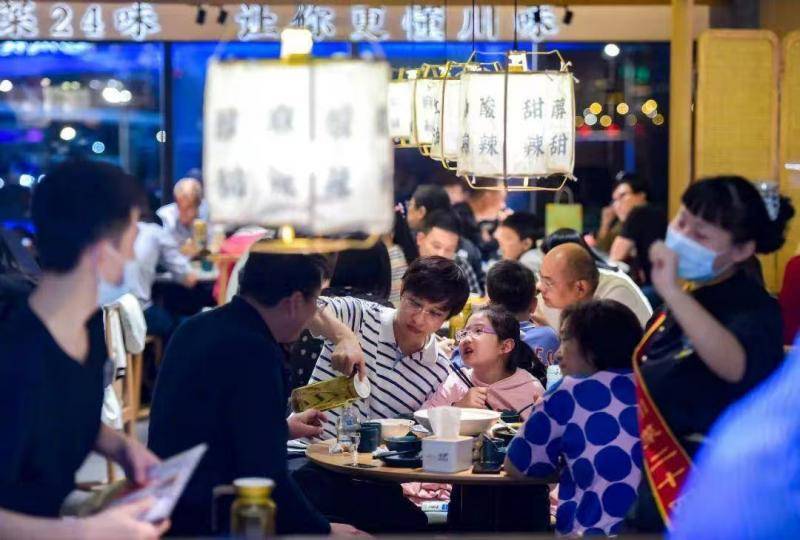
Core Insights - The "Double Festival" holiday period saw a significant increase in tourism activity across China, with a notable rise in both domestic and outbound travel orders, reflecting a shift towards deeper travel experiences and emotional value in tourism [1][2][4] Group 1: Tourism Trends - The "Double Festival" holiday highlighted a trend towards long-distance and immersive travel experiences, with domestic long-distance travel orders increasing by 3 percentage points compared to last year [1] - Outbound travel, particularly to European destinations, saw a doubling in orders, with a significant increase in demand for deep travel experiences such as chartered tours, which grew over 120% year-on-year [1][2] - Online travel platforms reported a more than 30% increase in travel orders during the 8-day holiday, with small group tours to regions like Xinjiang, Inner Mongolia, Sichuan, and Yunnan becoming particularly popular [2] Group 2: Experience-Based Consumption - Experience-based tourism, including intangible cultural heritage (ICH) activities and culinary tourism, continued to thrive, with significant increases in participation and spending [3][4] - The "must-eat list" on Meituan saw a nearly twofold increase in traffic, with small restaurants experiencing a 125% increase in traffic and a 178% increase in orders [3] - The popularity of traditional crafts and performances surged, with orders for pottery and glass-making experiences increasing by 270% and 206% respectively, indicating a strong consumer interest in hands-on cultural experiences [3] Group 3: Changing Consumer Behavior - The evolving understanding of travel significance among Chinese tourists is reflected in their choices, moving from popular attractions to niche experiences, and from sightseeing to immersive activities [4] - Tourists are increasingly willing to pay for emotional and experiential value, indicating a shift in consumer behavior towards valuing unique and meaningful travel experiences [4]
国庆中秋长假,成都消费力全国前十!川剧订单激增63%“火出圈”
Sou Hu Cai Jing· 2025-10-08 19:41
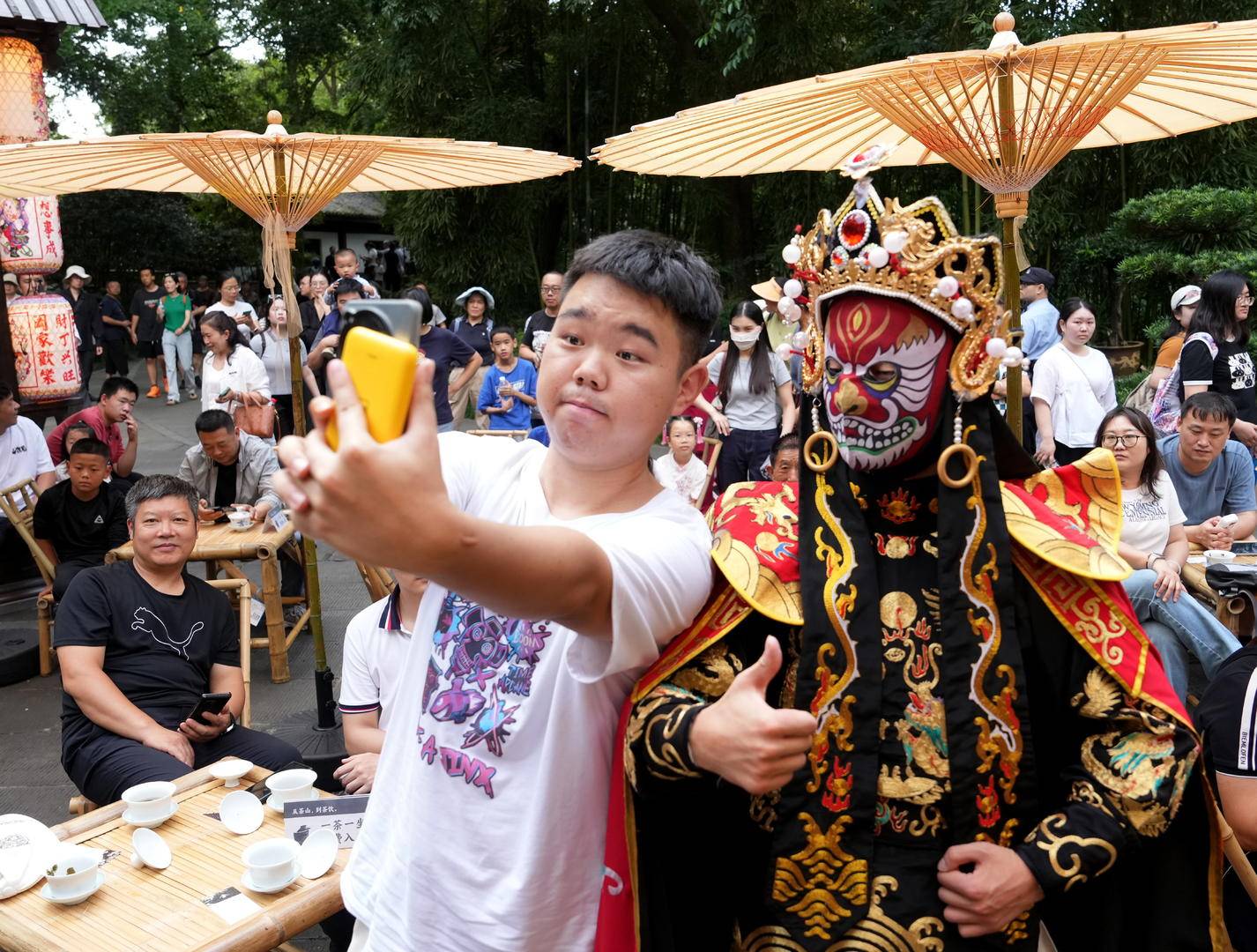
Core Insights - Douyin's life service platform reported a surge in consumer spending during the National Day and Mid-Autumn Festival holiday from October 1 to October 7, with significant growth in various categories such as dining, accommodation, beauty, and fashion [1][7] Consumer Spending Trends - The platform's group buying sales data indicated that Chengdu ranked among the top ten cities in terms of consumer spending power, with a 63% increase in orders related to Sichuan opera during the holiday [1][3] - Nearby vacation spots gained popularity, with group buying sales for fishing increasing by 142%, camping by 69%, and agritourism by 63% [3][6] - Experience-based consumption became mainstream, with orders for ancient towns and cities rising by 299%, and zoo and water park orders increasing by 196% and 152%, respectively [6] Category-Specific Growth - Dining and accommodation saw substantial growth, with local cuisine group buying sales up by 76%, autumn beverages by 57%, and accommodation by 50% [7] - Beauty and personal care products experienced a remarkable 213% increase in group buying sales, while fashion items rose by 204% [7][10] - Pet grooming services also saw a significant increase of 152%, alongside car wash and gas station sales growing by 110% and 43%, respectively [7] Cultural and Experiential Consumption - Non-heritage related experience consumption remained popular, with orders for traditional performances like storytelling increasing by 150%, and orders for lantern festivals and Sichuan opera rising by 88% and 63% [6] - Family dining experiences surged, with group buying sales for family meals increasing by 99% and group meals by 51% [9]
非遗游、味蕾游延续火热体验式消费渐成假期新热点
Zheng Quan Shi Bao· 2025-10-08 17:56
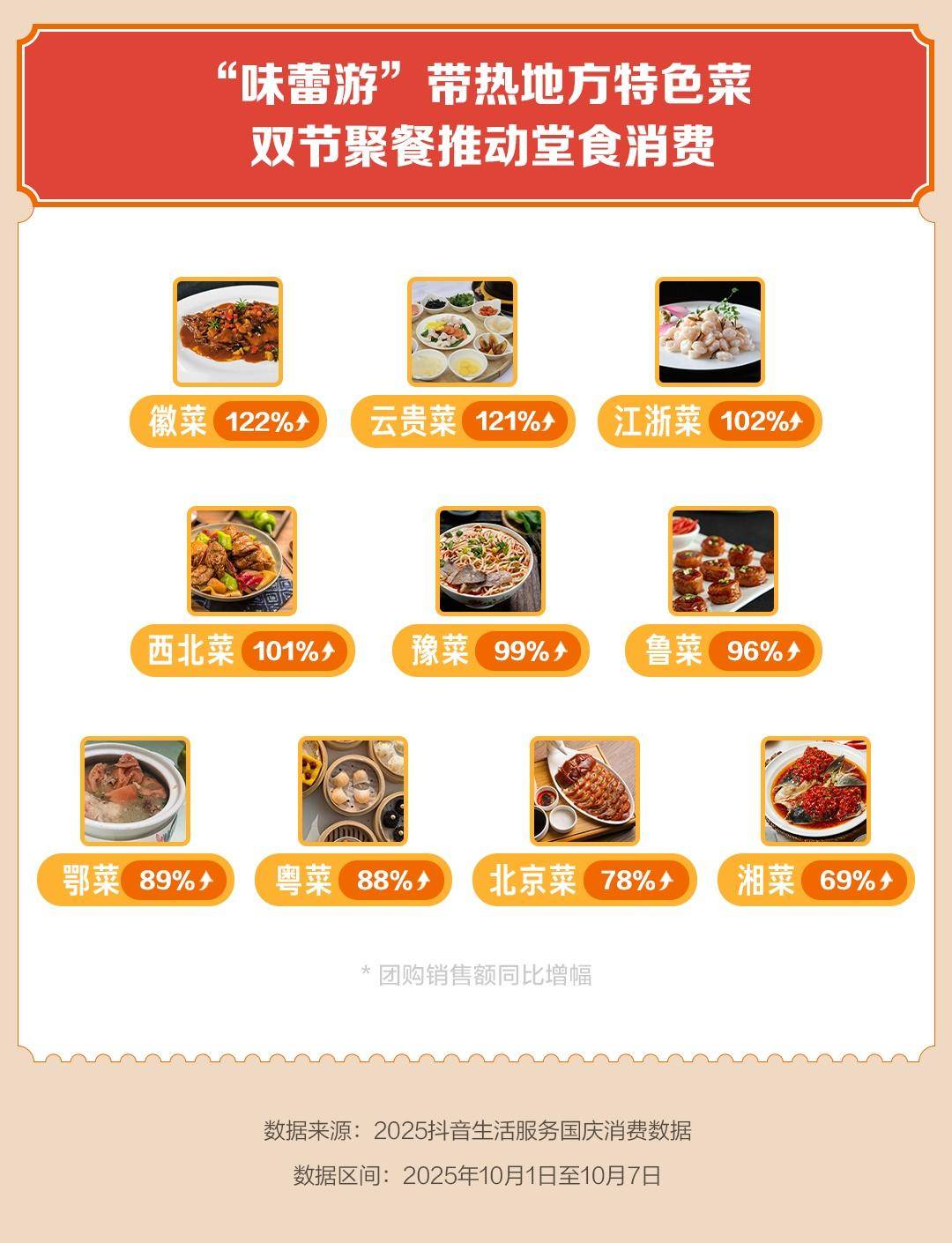
Core Insights - The "Double Festival" holiday period saw a significant increase in tourism activity across China, with a notable rise in both domestic and outbound travel orders, reflecting a shift towards deeper travel experiences and emotional value in tourism [1][2][4] Group 1: Tourism Trends - Online travel platforms reported a robust performance during the "Double Festival" holiday, with Ctrip noting that long-distance travel orders increased by 3 percentage points compared to last year [1] - Meituan Travel indicated that travel orders grew by over 30% year-on-year during the 8-day holiday, with a marked increase in small group tours to destinations like Xinjiang, Inner Mongolia, Sichuan, and Yunnan [2] - Tuniu reported a double-digit growth in user travel numbers compared to the same period last year, with 46% of domestic long-distance travelers opting for 5 to 6-day trips [2] Group 2: Experience-Based Consumption - The popularity of experiential tourism continued, with a significant rise in food-related travel, as evidenced by a near doubling of traffic for the "Must Eat List" on the first day of the holiday [3] - Douyin's data showed that local cuisine sales surged, with Huizhou and Yunnan cuisine experiencing sales growth of 122% and 121% respectively [3] - The trend towards immersive experiences was highlighted by a 270% increase in orders for glass-making and a 206% increase for handmade pottery during the holiday [3] Group 3: Changing Consumer Behavior - Analysts noted that the growth in travel orders reflects a deeper understanding of the meaning of travel among Chinese tourists, moving from popular to niche destinations and from sightseeing to immersive experiences [4]
抖音国庆数据:北京等城市消费力强劲
Sou Hu Cai Jing· 2025-10-08 08:22
Core Insights - Douyin Life Services reported a significant increase in consumer spending during the National Day holiday, with various categories such as dining, accommodation, beauty, and fashion experiencing robust growth [1][2][6] Group 1: Consumer Spending Trends - From October 1 to October 7, Douyin's group buying sales for local cuisine increased by 76% year-on-year, while autumn beverages and accommodation saw growths of 57% and 50% respectively [1] - Beauty and personal care group buying sales surged by 213%, and fashion items saw a 204% increase, driven by demand for seasonal gifts and personal refreshment [1][2] - Pet grooming services experienced a 152% increase in group buying sales, while car wash and gas station sales grew by 110% and 43% respectively [1] Group 2: Dining and Accommodation Insights - Family gatherings and travel led to a spike in dining consumption, with group buying sales for family meals increasing by 99% and group meals by 51% [2] - Hotel sales also saw a significant boost, with group buying orders for inns and guesthouses rising by 75%, and various hotel types experiencing growths of 69%, 53%, and 49% [2] - Douyin implemented a commission-free policy for hotel transactions to enhance service quality and user experience [2] Group 3: Experience-Based Consumption - Experience-based consumption became mainstream, with ancient towns and cities seeing a 299% increase in group buying orders [5] - Popular activities included visits to zoos and water parks, which saw increases of 196% and 152% respectively [5] - Traditional cultural experiences, such as glass making and pottery, also gained popularity, with group buying orders increasing by 270% and 206% respectively [5] Group 4: Regional Highlights - Smaller cities with local characteristics, such as Kaifeng and Tangshan, saw accommodation group buying orders increase by 157% and 147% respectively [2] - The top ten cities with the highest consumer spending included Shanghai, Beijing, and Hangzhou, reflecting strong urban consumption power [6] Group 5: Marketing and Promotion Strategies - Douyin leveraged short videos and live streaming to promote various attractions, resulting in increased visitor numbers to featured scenic spots [7] - The platform introduced services like "fast compensation" to protect consumer rights and collaborated with quality merchants to enhance offline consumption experiences [7]
在白沟,这里有北方商埠的流量密码|十月行记
经济观察报· 2025-10-08 04:20
Core Viewpoint - The article highlights the transformation of Baigou from a traditional trading hub to a global e-commerce powerhouse, emphasizing its significant growth in the bag industry and the integration of digital commerce into its business model [31][32]. Group 1: Historical Context and Evolution - Baigou, located in the northern part of Xiong'an New Area, has a rich history as a significant trading port, dating back to the Song and Liao dynasties, which laid the foundation for its commercial culture [5][9]. - The local bag industry began in the 1980s with street vendors, evolving from small-scale operations to a modern industrial base, now producing nearly 50 billion yuan in annual output [12][13]. Group 2: Current Industry Landscape - Baigou is now one of China's largest bag production and sales bases, with over 40,000 e-commerce entities and nearly 80,000 employees, showcasing a complete industrial chain [13][7]. - The town handles an average of 1.2 million express deliveries daily, reflecting its transition from a traditional market to a digital trade hub [7]. Group 3: E-commerce and Digital Transformation - The rise of e-commerce has significantly impacted Baigou, with local businesses adapting to online sales through platforms like live streaming and social media, marking a shift from traditional sales methods [15][16]. - Baigou's e-commerce ecosystem has developed a complete closed loop, including associations for e-commerce and live streaming, fostering a collaborative environment for businesses [17]. Group 4: Cross-border E-commerce Growth - Cross-border e-commerce has emerged as a new growth point for Baigou, with exports reaching 199 countries and regions, supported by the establishment of a cross-border e-commerce industrial park [19][20]. - The local government is actively promoting e-commerce development through financial support and training programs, facilitating the transition of traditional merchants to digital platforms [21][22]. Group 5: Future Development and Infrastructure - Baigou is undergoing a transformation into a comprehensive consumption experience center, integrating various business functions and enhancing its appeal as a tourist destination [24][26]. - Infrastructure improvements, such as the upcoming R1 line rapid transit, will further integrate Baigou into the Beijing-Tianjin-Hebei economic region, enhancing its logistical capabilities [30].
十月行记|在白沟,这里有北方商埠的流量密码
Jing Ji Guan Cha Bao· 2025-10-08 02:23
Core Insights - The article highlights the transformation of Baigou into a global hub for luggage production and e-commerce, showcasing its historical significance and modern commercial evolution [1][2][5][19]. Group 1: Historical Context - Baigou has a rich commercial history, originally serving as a vital water and land port, facilitating trade since the Song and Liao dynasties [2]. - The town's commercial legacy continues to thrive, with local residents sharing stories of market changes and adaptations over generations [4][3]. Group 2: Economic Impact - Baigou's annual luggage production value reaches nearly 50 billion yuan, with products exported to 199 countries and regions, and an average of 1.2 million express deliveries daily [1][6]. - The town hosts over 40,000 e-commerce entities and employs nearly 80,000 people, forming a complete luggage industry chain [6]. Group 3: E-commerce Development - The rise of e-commerce has significantly impacted Baigou, with traditional markets adapting to online sales, including live streaming and micro-businesses [8][9]. - Baigou's e-commerce ecosystem has developed a complete closed loop, including various industry associations and specialized e-commerce parks [9][12]. Group 4: Supply Chain and Production - The success of Baigou's luggage industry is attributed to its flexible supply chain and quick market responsiveness, allowing rapid design-to-production cycles [7][14]. - Local businesses have shifted to a model of small-batch production, enabling quick adjustments based on market feedback [14]. Group 5: Future Prospects - Baigou is evolving into a comprehensive consumption experience center, integrating shopping, cultural tourism, and business services [15][16]. - The town is enhancing its digital infrastructure, with plans for a new rapid transit line to improve connectivity with the Beijing-Tianjin-Hebei region [21][20]. - The local government supports e-commerce development through funding and training initiatives, fostering a conducive environment for traditional merchants to transition to digital platforms [12].