多边贸易体系

Search documents
【环球财经】世贸组织大幅下调2026年全球货物贸易增长预期
Xin Hua She· 2025-10-08 00:56
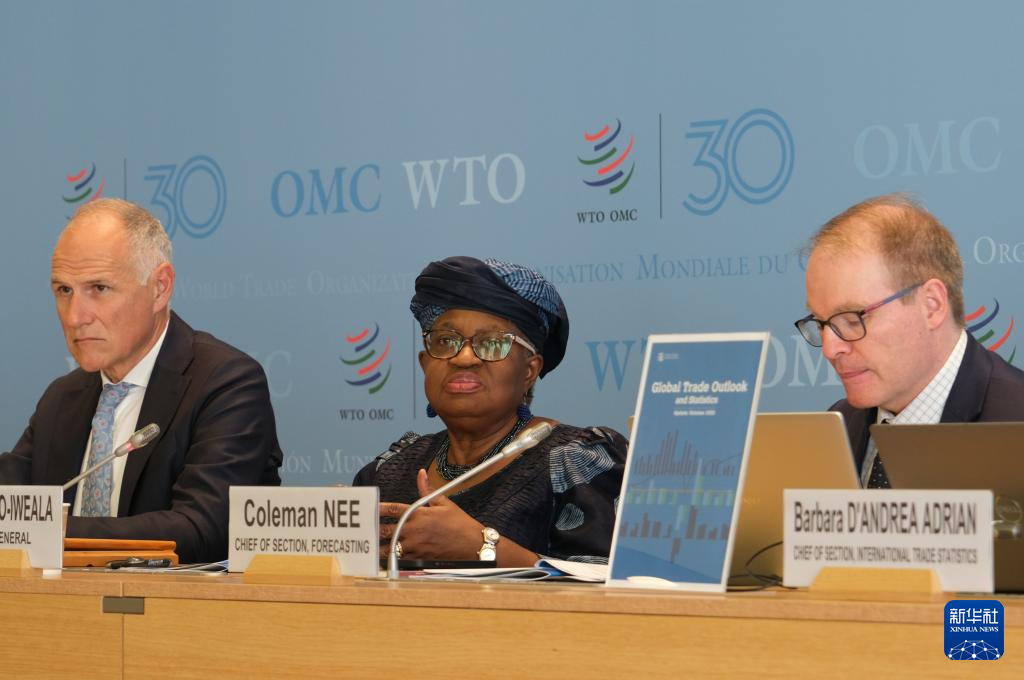
Core Insights - The World Trade Organization (WTO) has significantly revised its global trade growth forecast for 2026 down to 0.5%, a substantial decrease from the previous estimate of 1.8% made in August [1] - The report indicates that service trade will also be indirectly affected by tariff impacts, with global service export growth expected to decline from 6.8% in 2024 to 4.6% in 2025, and further down to 4.4% in 2026 [1] - WTO Director-General Ngozi Okonjo-Iweala noted that despite strong headwinds from unilateral tariff measures and trade policy uncertainty, the multilateral trading system provides stability, allowing global trade to show some resilience [1] Trade Growth Projections - The WTO has adjusted its 2025 global goods trade growth forecast from 0.9% in August to 2.4% [1] - In the first half of 2025, global goods trade volume is projected to grow by 4.9% year-on-year, with the dollar value of global goods trade increasing by 6% [1] - Key drivers for this growth include North America increasing imports to avoid high tariffs, improved macroeconomic conditions, and a surge in demand for AI-related products [1]
世贸组织大幅下调2026年全球货物贸易增长预期
Xin Hua Wang· 2025-10-07 21:51
Group 1 - The World Trade Organization (WTO) has significantly lowered the global goods trade growth forecast for 2026 to 0.5%, down from the previous prediction of 1.8% made in August [1] - The report indicates that the slowdown in goods trade will also indirectly impact service trade, with global service export growth expected to decline from 6.8% in 2024 to 4.6% in 2025, and further to 4.4% in 2026 [1] - Trade restrictions and policy uncertainties are spreading across more economies and industries, posing major downside risks to global trade [4] Group 2 - Despite the challenges posed by unilateral tariff measures and trade policy uncertainties, the global trade system shows resilience, supported by the stability provided by the multilateral trade system and appropriate responses from members to tariff changes [4] - The WTO has revised the global goods trade growth forecast for 2025 upward to 2.4%, from the previous estimate of 0.9% made in August [6] - In the first half of 2025, global goods trade volume is expected to grow by 4.9% year-on-year, with the dollar value of global goods trade increasing by 6%, driven by factors such as increased imports in North America to avoid high tariffs, improved macroeconomic conditions, and a surge in demand for AI-related products [6]

东边亮了!美国盟友集体反水,全球贸易版图必将重写...
Sou Hu Cai Jing· 2025-10-06 09:40
世界贸易组织3日在瑞士日内瓦召开服务贸易理事会年度第三次会议。中方主动设置议题,揭批美国"对等关税"单边主义和保护主义本质,指出美国限制 措施对全球服务贸易带来负面溢出影响,要求美方切实遵守世贸组织规则,与各方共同促进全球服务贸易健康稳定发展。 "五眼联盟"的裂痕更具标志性。英国商业大臣雷诺兹宣布重启中英经贸联委会,年内访华推动贸易升级,在北海风电和数字丝绸之路项目上与中国签下32 亿英镑大单。要知道,英国2024年对华贸易额达1230亿英镑,占外贸总额14.7%,在脱欧后经济衰退的背景下,中国市场已成其救命稻草。澳大利亚的摇 摆同样戏剧化:在终止中企租约导致千亿澳元蒸发、牛肉出口暴跌40%后,总理阿尔巴尼斯终于公开拒绝美国的"脱钩"要求。毕竟中国吸纳了其38.6%的 出口额,没人愿意和自己的钱包过不去。 除此之外, 中方还要求美方切实遵守世贸组织规则,与各方加强对话与合作,共同维护全球服务贸易繁荣稳定。中方愿与所有成员共同努力,不断深化 服务贸易领域开放水平,为全球服务贸易的健康稳定发展贡献更大力量。 这场没有硝烟的会议,清晰地照出一个事实,美国用霸权筑起的壁垒,正在变成困住自己的牢笼,曾经那些围绕在身边的 ...

已向美国正式明牌!中国这次彻底豁出去了
Sou Hu Cai Jing· 2025-09-30 03:09
Core Viewpoint - China has made a significant decision to no longer seek special and differential treatment in future WTO negotiations, marking a shift towards global leadership in trade [1][6]. Group 1: Importance of the Decision - The decision is comparable to China's historic entry into the WTO in 2001, indicating a new phase in China's role in global trade [1]. - Special and differential treatment includes three main components: enjoying the lowest tariff preferences from developed countries, protective tariffs for domestic industries, and priority access to funding and technology from international financial institutions [1]. - As the world's second-largest economy and largest goods trader, China has outgrown these benefits, which have diminished in value due to factors like high tariffs imposed by the U.S. during the trade war [1]. Group 2: China's Role in Global Trade - China is transitioning from being a rule-taker to a rule-maker, as evidenced by its unilateral reduction of tariffs to zero for over 95% of goods from ASEAN countries [2]. - The timing of this announcement is strategic, as the WTO faces unprecedented challenges, primarily due to actions taken by the U.S. that undermine the multilateral trade system [4][6]. - The U.S. has imposed tariffs on global steel and aluminum products, obstructed the appointment of judges to the WTO appellate body, and engaged in exclusive bilateral agreements, threatening the integrity of the WTO [4]. Group 3: Implications of the Decision - By relinquishing special treatment, China signals its willingness to take responsibility for maintaining the multilateral trade system [6]. - This decision aims to foster consensus for WTO reform, build trust within the international community, and uphold free trade principles amid rising protectionism from the U.S. and Europe [6]. - The announcement reflects a fundamental shift in China's role in the international economic order, evolving from a passive recipient of rules to an active participant and responsible leader [6].
特朗普拉长关税清单
Guo Ji Jin Rong Bao· 2025-09-27 06:49
Core Viewpoint - The effectiveness of trade policies, particularly tariffs, is being questioned even among Trump's supporters, who are beginning to recognize that job losses are more attributable to automation than to trade policies. The logic of free trade remains relevant despite the challenges it faces [1][10]. Tariff Measures - Trump's administration has raised the average tariff level in the U.S. from less than 2% to 17.7%, with specific tariffs on steel, aluminum, and copper reaching 50%, and most auto imports facing a 25% tariff. New investigations targeting robots, industrial machinery, and medical supplies may lead to further tariffs [2][3]. - Starting October 1, new tariffs will be imposed on various imported products, including 50% on kitchen cabinets and bathroom sinks, 30% on imported furniture, and 100% on patented and branded drugs [2]. Trade Agreements and Reactions - The U.S. has reached trade agreements with several major partners, including the EU, Japan, and South Korea, but skepticism about Trump's trade logic persists. Countries like South Korea are experiencing significant export declines due to high tariffs [4][5]. - Japan's former central bank governor criticized Trump's high tariff policies as misaligned with U.S. economic realities, while the EU has faced criticism for perceived concessions under U.S. pressure [5]. Geopolitical Implications - Trump's tariffs have led to geopolitical shifts, with Canada experiencing a 1.6% economic contraction due to export declines and a rising unemployment rate. Canada is now seeking to reduce its dependency on the U.S. [6]. - The EU is accelerating trade diversification efforts and increasing defense investments to reduce reliance on the U.S. for security commitments [6]. - Australia and New Zealand are also reassessing their diplomatic ties with the U.S. due to trade tensions, which could impact intelligence cooperation [7]. Global Trade Dynamics - Despite the challenges posed by Trump's protectionism, countries are recognizing the benefits of reducing tariffs. Indonesia has reached a free trade agreement with the EU, and other nations are pursuing similar agreements to mitigate the impact of U.S. tariffs [9]. - The WTO's multilateral trade system is under threat, with a decline in global trade share and increased unilateral measures by major economies, leading to fragmentation of the trade system [11]. Future Trade Frameworks - There are calls for the WTO to reform and better facilitate global cooperation amid the current trade turmoil. China has expressed its commitment to not seeking special treatment in future negotiations [12]. - Analysts suggest forming multiple alliances among like-minded countries to create a flexible network that can promote trade integration while ensuring supply chain security [13].
日本拒绝美国要求,不对中国加征100%关税
Sou Hu Cai Jing· 2025-09-25 05:25
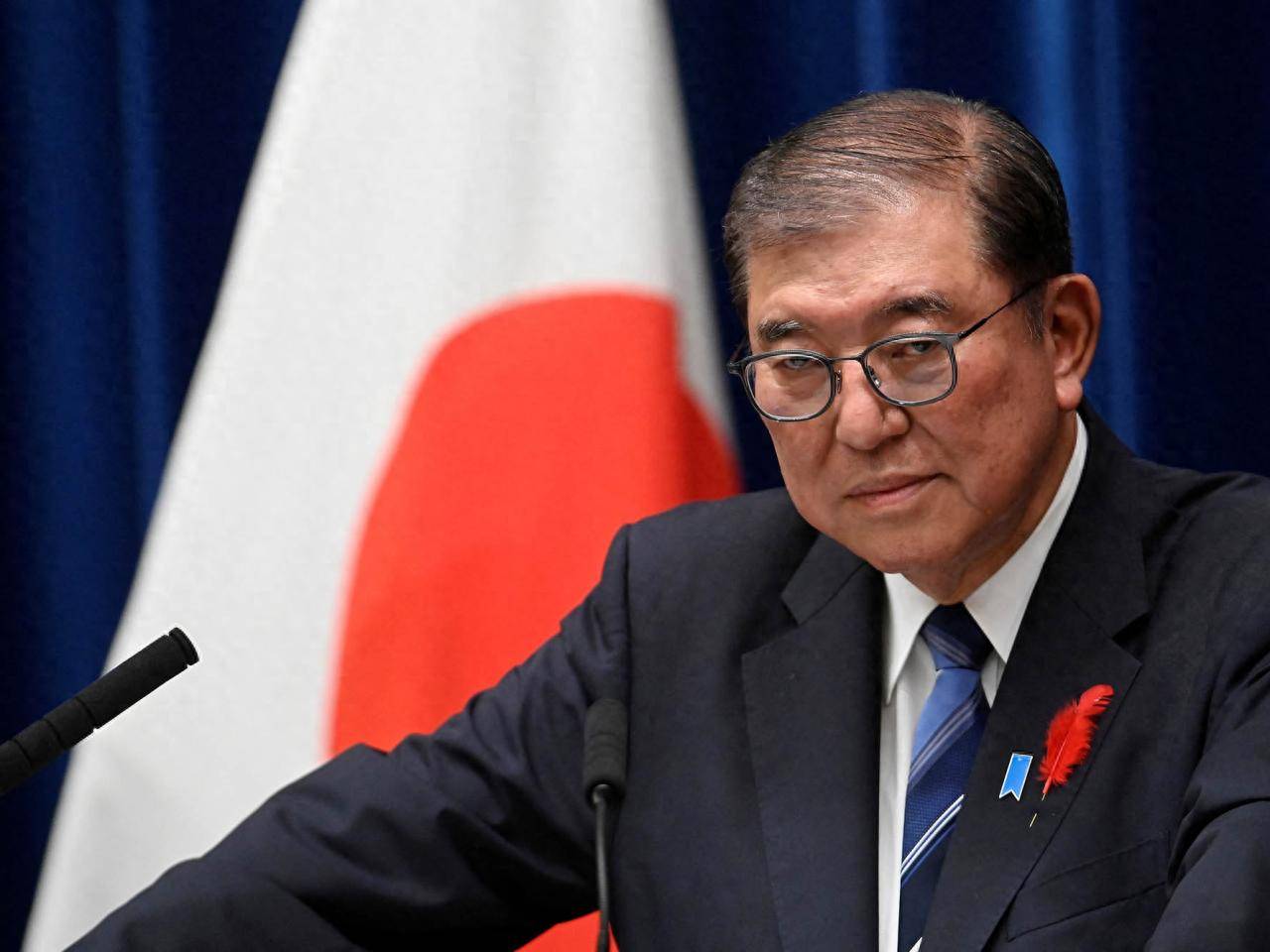
Group 1 - The core viewpoint of the article highlights Japan's unexpected refusal to support the U.S. proposal for imposing higher tariffs on China and India for importing Russian oil, indicating a shift in Japan's foreign policy stance [1][3]. - Japan's Finance Minister, Kato Katsunobu, stated that raising tariffs solely based on oil imports from Russia is unacceptable for Japan, emphasizing the country's commitment to World Trade Organization (WTO) obligations [3][5]. - Japan's oil imports from Russia accounted for approximately 1% of its total imports in June, underscoring the importance of supply diversity for the resource-scarce nation [5]. Group 2 - Japan's emphasis on fair trade principles reflects a critique of U.S. unilateralism and supports the multilateral trade system, indicating a potential shift in international trade dynamics [7][9]. - The article notes that Japan's refusal to align with U.S. demands may signify a broader trend of countries prioritizing their national interests over U.S. influence, suggesting a changing landscape in international relations [9].
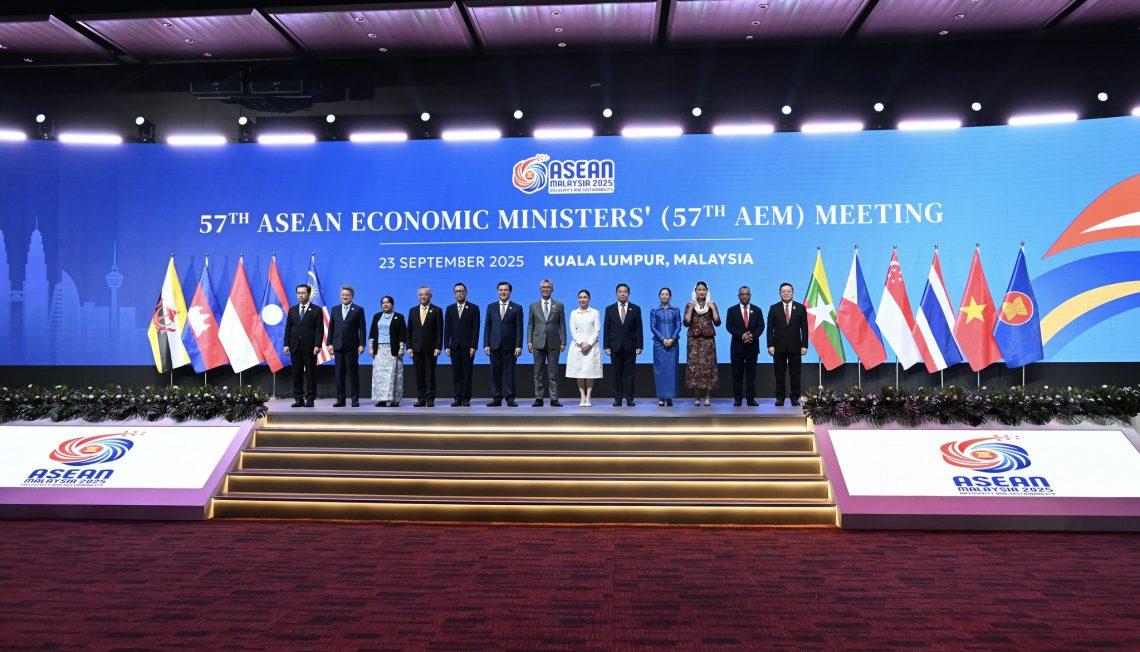
第57届东盟经济部长会议重申坚定维护多边贸易体系
Yang Shi Xin Wen Ke Hu Duan· 2025-09-24 17:32
Group 1 - The 57th ASEAN Economic Ministers' Meeting was held in Kuala Lumpur, Malaysia, on September 23, with a focus on the uncertain global trade environment [2] - ASEAN's economy is projected to grow by 4.8% in 2024 and 4.2% in 2025, which is above the global average [2] - The meeting reaffirmed ASEAN's commitment to maintaining a rules-based multilateral trading system and promoting the comprehensive implementation of the Regional Comprehensive Economic Partnership (RCEP) [2] Group 2 - Discussions included progress in ASEAN trade facilitation, investment, digital economy, and sustainable development [2] - Emphasis was placed on strengthening regional supply chain resilience through cooperation [2] - The meeting aimed to advance the realization of the ASEAN Community Vision 2045 [2]
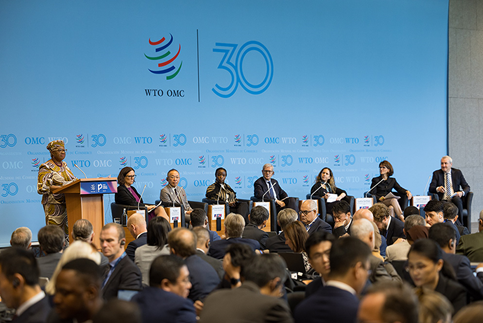
直击世贸组织公共论坛|多边贸易可给商业提供更多确定性和可预测性
Xin Lang Cai Jing· 2025-09-17 23:48
Group 1 - The 2025 WTO Public Forum commenced with 4,200 participants and 350 speakers, focusing on the contribution of trade to global economic growth and the impact of digital transformation on the interconnected global economy [1] - WTO Director-General Ngozi Okonjo-Iweala emphasized that the WTO remains the core of the global multilateral trading system, which safeguards 72% of global goods trade, but reforms and increased predictability are urgently needed [3] - L'Oréal's strategy of "multi-polar operations" involves localizing production, with 95% of products sold in Europe manufactured in Europe, highlighting the importance of proximity to markets [5] Group 2 - L'Oréal's public affairs VP, Cynthia Sanfilippo, stated that businesses should be evaluated not only on products and services but also on their contributions to professional knowledge, training, and job opportunities, emphasizing the need for a standardized international trade system [7] - Rosario Navarro Betteley, president of the Chilean Industrial Promotion Association, noted that half of Chile's GDP comes from international trade, underscoring the necessity of a multilateral trading system for economic certainty and predictability [7] - Lola Aworanti-Ekugo, founder of Afriborder, highlighted the significant internal trade demand in Africa and the challenges faced, advocating for higher-level trade policies and the WTO's guidance to enhance trade flow on a global scale [8][10]
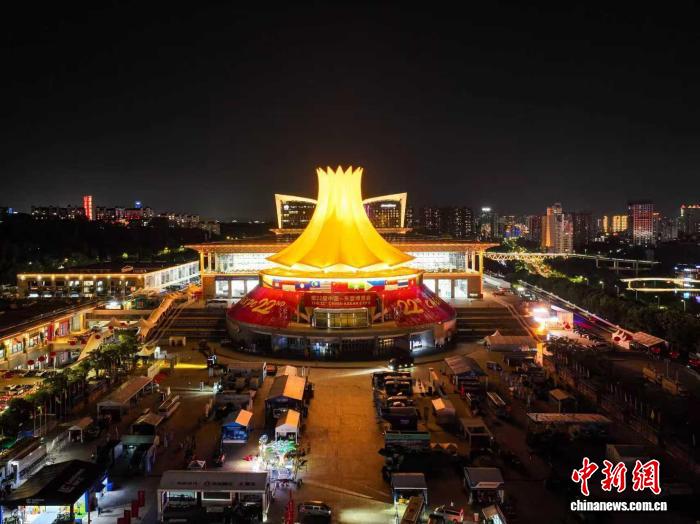
中国—东盟自贸区3.0重塑区域经济格局
Zhong Guo Xin Wen Wang· 2025-09-16 07:54
Core Viewpoint - The China-ASEAN Free Trade Area 3.0 is set to reshape the regional economic landscape through rule innovation, digital transformation, and supply chain restructuring amid rising global trade protectionism and unilateral measures [1][2]. Group 1: Economic Cooperation and Trade - The upgraded version of the China-ASEAN Free Trade Area includes nine new rule chapters focusing on digital economy and green economy, establishing mutual recognition standards and a mechanism for small and medium-sized enterprises [2]. - In the first eight months of 2025, the bilateral trade value reached 4.93 trillion yuan, a year-on-year increase of 9.7%, accounting for 16.7% of China's total foreign trade [2]. - The 3.0 version promotes the expansion of the "one place, two inspections" model, significantly enhancing customs efficiency and reducing trade costs [2]. Group 2: Supply Chain Resilience - The 3.0 version deepens regional supply chain integration, creating a more resilient regional production system, enhancing the stickiness of supply chains, and increasing bilateral trade's risk resistance [2][3]. - External pressures have strengthened ASEAN countries' commitment to cooperation with China, with notable projects like the China-Malaysia "Two Countries, Two Parks" and the China-Laos Railway serving as models for regional supply chain collaboration [3]. Group 3: Digital Economy and Infrastructure - The digital economy is highlighted as a key aspect of the 3.0 version, with significant potential for cooperation in artificial intelligence and smart city development, leveraging China's technological advantages and ASEAN's transformation needs [5]. - The upcoming China-ASEAN Artificial Intelligence Ministerial Forum aims to establish a regular high-level dialogue mechanism, indicating a focus on digital collaboration [5]. - New infrastructure areas such as power grids, computing centers, and renewable energy are expected to be focal points for future China-ASEAN cooperation [5]. Group 4: Future Outlook - The upgrade protocol for the China-ASEAN Free Trade Area 3.0 is expected to be officially signed in October, positioning it as a vital platform for maintaining a multilateral trade system and promoting regional economic stability [6]. - Despite challenges in areas like digital standard unification and green technology transfer, there is an increasing consensus among parties, providing new opportunities for enterprises and contributing to global economic governance [6].
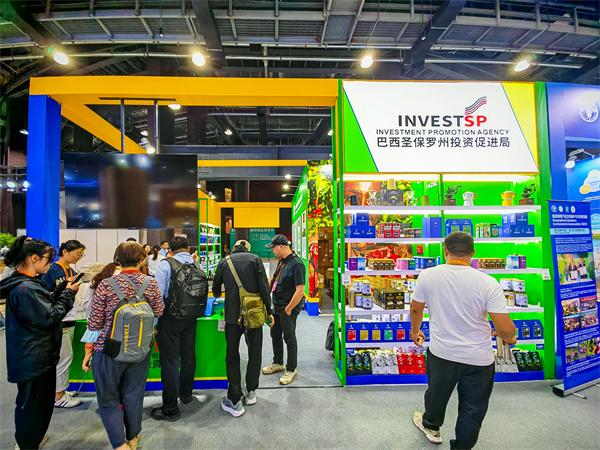
应对关税挑战 中国引领金砖“强内功”
Jing Ji Wang· 2025-09-14 01:39
Group 1 - The 2025 China International Service Trade Fair showcases strong cross-border cooperation, highlighted by Brazilian coffee imports to China, emphasizing the benefits of BRICS collaboration [2] - The BRICS summit, held online, focused on opposing unilateral trade practices and discussed the need for a more equitable international order, particularly in light of U.S. tariff threats against member countries [3][4] - BRICS countries reached a consensus on opposing unilateral protectionist measures and supporting a multilateral trade system centered around the World Trade Organization [4][5] Group 2 - Chinese President Xi Jinping emphasized the importance of multilateralism and cooperation among BRICS nations to counteract rising protectionism and promote shared development [5][6] - The BRICS New Development Bank has actively issued bonds and invested in sustainable development projects, showcasing China's leadership in promoting multilateral cooperation [8] - The trade index between China and other BRICS nations has shown a significant increase, with trade volume growing over threefold in 16 years, indicating a strong upward trend in trade relations [10][11]