
扩大内需

Search documents
开局之年经济工作怎么干
Sou Hu Cai Jing· 2026-02-15 10:44
Core Viewpoint - The article emphasizes the importance of expanding domestic demand through both consumption and investment to support economic growth in China, particularly in the context of the challenges faced in 2026 and beyond [2][14]. Group 1: Economic Performance and Goals - China's GDP has reached 140 trillion yuan, with a per capita GDP exceeding 13,000 USD for three consecutive years [1] - The manufacturing value added is 34.7 trillion yuan, maintaining the world's leading position for 16 years [1] - The import scale of goods has hit a record high of 18.5 trillion yuan, indicating robust economic performance [1] Group 2: Domestic Demand and Consumption - The strategy to expand domestic demand has been firmly implemented, with a significant contribution of over 67% from domestic demand to economic growth in 2025, and consumption contributing 52% [5] - Current consumer spending is around 40%, which is 10-30 percentage points lower than developed countries, indicating substantial growth potential in the consumption market [5] - The government aims to enhance consumer capacity and willingness through various measures, including optimizing supply and removing unreasonable restrictions [5][22] Group 3: Investment Strategies - Investment is crucial for expanding domestic demand and stabilizing economic growth, with a focus on both physical and human capital [6] - The government plans to increase central budget investments and optimize the use of local government special bonds to stimulate effective investment [6] - Private investment is recognized as a vital force, with efforts to improve mechanisms for private enterprises to participate in major projects [6] Group 4: Technological Innovation and Industry Development - Emphasis is placed on the integration of technology and industry, with regions like the Guangdong-Hong Kong-Macao Greater Bay Area being highlighted as leaders in innovation [7][10] - The article notes that China's R&D expenditure intensity reached 2.8%, surpassing the OECD average for the first time, indicating a strong focus on high-level technological supply [11] - There is a call for strengthening the innovation ecosystem to foster original and disruptive technological advancements [11][12] Group 5: Reforms and Market Integration - The article discusses the need for deepening reforms and expanding institutional openness to enhance economic vitality [14][18] - The construction of a unified national market is highlighted as a significant goal, with ongoing efforts to eliminate local protectionism and market segmentation [15][16] - The government aims to create a favorable environment for business operations and competition through regulatory improvements [16][17] Group 6: Social Welfare and Employment - The focus on improving living standards is underscored, with an average annual increase of 5.4% in per capita disposable income during the 14th Five-Year Plan [19] - Employment remains a priority, with measures to ensure stable job creation, particularly for youth and vulnerable groups [23] - The article emphasizes the importance of enhancing education and healthcare systems to meet public expectations and improve overall quality of life [24][25]

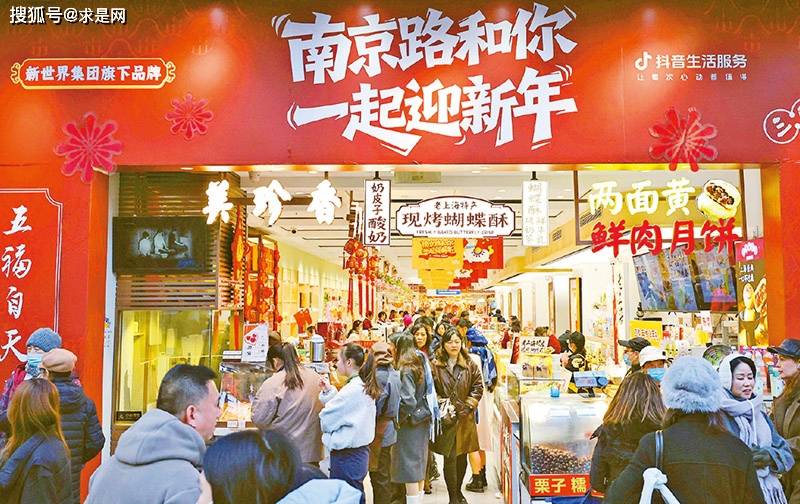
习近平:当前经济工作的重点任务
证券时报· 2026-02-15 07:50
Core Viewpoint - The article emphasizes the importance of focusing on key tasks for economic work in 2026, highlighting the need to strengthen domestic demand and build a robust domestic market while promoting consumption and investment [1][2]. Group 1: Domestic Demand and Investment - The article advocates for a strong domestic market by promoting consumption and investment, utilizing China's vast market advantages [1] - It suggests implementing special actions to boost consumption, including urban and rural income increase plans and optimizing policies to release potential in service consumption [1] - The article calls for stabilizing investment, increasing central budget investment, and optimizing the use of local government special bonds [1] Group 2: Innovation and Technology - The article stresses the need for innovation-driven growth, focusing on technological advancements to lead industrial upgrades and foster new productive forces [2] - It proposes the establishment of international technology innovation centers in key regions and enhancing the role of enterprises in innovation [2] - The article highlights the importance of protecting intellectual property in emerging fields and accelerating the transformation of scientific achievements [2] Group 3: Reform and Market Dynamics - The article emphasizes the need for reform to enhance high-quality development, including establishing a unified national market and addressing "involution" competition [2] - It calls for further deepening state-owned enterprise reforms and improving regulations to support the private economy [2] - The article also mentions the importance of cleaning up overdue corporate payments and promoting win-win development for platform enterprises and their operators [2] Group 4: International Cooperation and Trade - The article highlights the need for openness and cooperation in multiple fields, aiming to enhance domestic and international dual circulation [3] - It suggests promoting institutional openness and expanding self-initiated openness in the service sector [3] - The article encourages the development of digital and green trade while reforming foreign investment promotion mechanisms [3] Group 5: Urban-Rural Integration and Regional Development - The article advocates for coordinated development, promoting urban-rural integration and regional collaboration, particularly focusing on county-level economic development [3] - It emphasizes the importance of maintaining food production and ensuring reasonable prices for essential agricultural products [3] - The article also stresses the need for cross-regional cooperation and enhancing the overall planning of major coastal areas [3] Group 6: Green Transition and Sustainability - The article underscores the importance of leading with "dual carbon" goals to promote comprehensive green transformation [4] - It calls for energy system construction and expanding the application of green electricity [4] - The article highlights the need for solid waste management and improving environmental monitoring systems [4] Group 7: Social Welfare and Employment - The article emphasizes prioritizing employment and implementing actions to stabilize job growth for key groups [4] - It suggests optimizing educational resources and increasing the supply of quality educational opportunities [4] - The article also discusses the importance of healthcare reforms and support for vulnerable populations [4] Group 8: Risk Management - The article stresses the need to manage risks in key areas, particularly in the real estate market, advocating for city-specific policies to stabilize the market [5] - It calls for proactive measures to address local government debt risks and optimize debt restructuring methods [5] - The article highlights the importance of ensuring the stability of the real estate market and promoting affordable housing [5]

《求是》杂志发表习近平总书记重要文章《当前经济工作的重点任务》
第一财经· 2026-02-15 07:19
Core Viewpoint - The article emphasizes the importance of focusing on key tasks for economic work in 2026, highlighting the need for a strong domestic market and innovation-driven growth while addressing various sectors and challenges in the economy [1][2][3][4][5][6]. Group 1: Economic Strategy - The article stresses the need to prioritize domestic demand and build a robust domestic market, promoting consumption and investment through various measures [1] - It calls for the implementation of special actions to boost consumption and plans to increase the income of urban and rural residents [1] - The article highlights the importance of stabilizing investment and enhancing the role of policy financial tools to stimulate private investment [1] Group 2: Innovation and Reform - The article advocates for innovation-driven growth, emphasizing the role of technology in upgrading industries and fostering new productive forces [2] - It suggests the establishment of international technology innovation centers in key regions to enhance global competitiveness [2] - The need for comprehensive reforms to improve market ecology and support the development of the private economy is also highlighted [2] Group 3: International Cooperation - The article discusses the importance of maintaining an open economy and promoting cooperation across multiple fields to enhance domestic and international circulation [3] - It emphasizes the need for systematic reforms to facilitate foreign investment and support local production [3] - The promotion of high-quality development of the Belt and Road Initiative is also mentioned [3] Group 4: Sustainable Development - The article underscores the commitment to green transformation, focusing on carbon reduction, pollution control, and the expansion of green energy applications [4] - It highlights the importance of comprehensive environmental governance and the construction of a new energy system [4] Group 5: Social Welfare - The article stresses the importance of prioritizing people's livelihoods, focusing on employment stability and support for vulnerable groups [5] - It calls for improvements in education resources and healthcare systems to enhance social welfare [5] Group 6: Risk Management - The article emphasizes the need to manage risks in key areas, particularly in the real estate market, advocating for targeted policies to stabilize the market [6] - It discusses the importance of addressing local government debt risks and optimizing debt restructuring methods [6]

王文:海南是中国扩大内需新的战略支点
Sou Hu Cai Jing· 2026-02-15 03:22
Core Viewpoint - Hainan Free Trade Port is positioned as a new bridge connecting China and the world, aiming to enhance financial openness and stimulate consumption and investment potential [3][4]. Group 1: Hainan as a Bridge - Hainan is expected to become a globally recognized island, comparable to Hawaii, and a leading free trade port, surpassing Dubai and Singapore in prominence [3]. - The island serves as a physical and institutional bridge, facilitating international trade and cooperation, particularly with ASEAN countries [4]. Group 2: Financial Openness - Financial openness is essential for China's high-level international engagement, with Hainan acting as a testing ground for financial reforms and risk management [5]. - The establishment of EF accounts allows for the free flow of funds, including digital RMB, connecting Hainan to over 80 countries, enhancing foreign investment and business efficiency [6]. Group 3: Expanding Domestic Demand - Hainan's role is crucial in expanding domestic demand, acting as a conduit for both domestic and international consumption, with the potential to become a high-quality consumption center in China [7]. - The disparity in consumer spending between domestic and overseas tourism highlights the opportunity for Hainan to attract domestic tourists, leveraging its free trade policies to offer high-quality services and goods [7]. Group 4: Cultural and Tourism Development - Hainan is actively developing as an international tourism and entertainment hub, with initiatives like the "International Performing Arts Capital" in Haikou, attracting global celebrities [8].
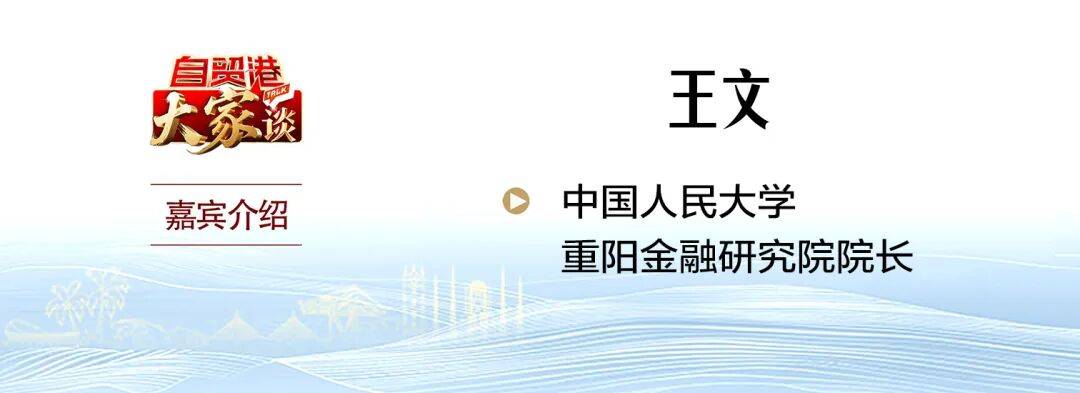
海南是中国扩大内需新的战略支点
Hai Nan Ri Bao· 2026-02-14 04:41
Core Viewpoint - Hainan is positioned as a new strategic hub for expanding domestic demand in China, serving as a bridge connecting China with the world through institutional openness and high-quality supply integration [4][10]. Group 1: Hainan as a Bridge - Hainan is expected to become a prominent island recognized globally, similar to Hawaii, and a leading free trade port, surpassing places like Dubai and Singapore [5]. - The island serves not only as a physical passage but also as an institutional interface, facilitating global trade and investment [6]. Group 2: Financial Openness - Financial openness is essential for China's high-level external opening, with Hainan acting as a "testing ground" for financial reforms and innovations [8]. - Hainan has established an EF account that connects with over 80 countries, allowing for the free flow of funds, including digital RMB, enhancing investment efficiency [9]. Group 3: Expanding Domestic Demand - Hainan's role is to convert domestic and global consumption, with the potential to attract high-quality services and goods, thus becoming a center for high-quality consumption in China [10]. - The average spending of Chinese tourists abroad is significantly higher than domestic tourism, indicating a strong potential for Hainan to capture this market [10]. Group 4: Future Prospects - Hainan is anticipated to evolve into a new international tourism and entertainment center, attracting global stars and events, thereby enhancing its status in the service sector [11].
扎根本土勇担当 金融赋能向未来,郑州银行多维发力助推河南现代化建设提质提速
Hua Xia Shi Bao· 2026-02-14 03:07
Core Viewpoint - Zhengzhou Bank is committed to integrating its development with the modernization of Henan Province, focusing on supporting the local economy and enhancing financial services to various sectors, including small and micro enterprises, consumer spending, and rural revitalization [1][2][4][6]. Group 1: Financial Support for Economic Development - Zhengzhou Bank aims to strengthen its capital base and optimize asset-liability structures to support national strategies and regional economic development [2]. - The bank is aligning its credit resources with key projects and sectors, such as advanced manufacturing and urban renewal, to ensure financial backing for the province's GDP growth target of 5.6% and industrial value-added growth of 8.4% [2]. Group 2: Support for Small and Micro Enterprises - The bank addresses the financing challenges faced by small and micro enterprises by providing tailored financial solutions throughout their lifecycle and reducing financing costs [3]. - Zhengzhou Bank conducts regular visits to understand the operational status and needs of these enterprises, offering customized financial support and utilizing diverse financing tools [3]. Group 3: Enhancing Financial Services for Citizens - The bank focuses on a people-centered development approach, creating a comprehensive financial service ecosystem that addresses various public needs, including healthcare and education [4]. - Zhengzhou Bank is expanding its financial services to rural areas, ensuring accessibility and convenience for residents [4]. Group 4: Stimulating Consumption and Domestic Demand - The bank is actively promoting consumption by optimizing credit services for housing, appliances, and digital products, thereby enhancing consumer spending potential [5]. - Zhengzhou Bank supports the development of new consumption models and urban improvement projects to boost retail sales across the province [5]. Group 5: Rural Revitalization Initiatives - The bank is committed to directing financial resources towards rural revitalization, enhancing basic financial services in rural areas, and supporting infrastructure and agricultural development [6]. - Zhengzhou Bank is developing financial products tailored to local agricultural industries to promote sustainable income growth for farmers [6]. Group 6: Future Outlook - Looking ahead, Zhengzhou Bank plans to focus on five key areas: technology finance, green finance, inclusive finance, pension finance, and digital finance, to enhance its service capabilities [7]. - The bank aims to contribute to the modernization of Henan Province by providing precise financial services and robust support for local economic development [7].
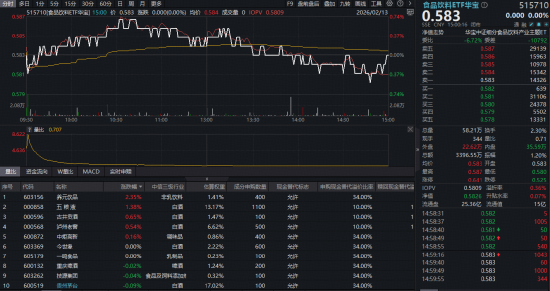
飞天茅台批价逼近1800元!吃喝板块逆市显韧性,五粮液大涨1.38%,估值低位布局正当时?
Xin Lang Ji Jin· 2026-02-13 13:13
Core Viewpoint - The food and beverage sector shows resilience amid market corrections, with specific leading liquor brands performing well, while some consumer goods lag behind [1] Group 1: Market Performance - The food and beverage ETF Huabao (515710) demonstrated strong performance in the morning but closed flat after a slight afternoon decline [1] - Leading liquor brands such as Wuliangye rose by 1.38%, while some consumer goods like Angel Yeast and Lianhua Holdings saw significant declines [1] Group 2: Price Trends - The price of Feitian Moutai continues to rise, with a notable increase of 32 yuan per bottle, reaching 1790 yuan, approaching the 1800 yuan mark, marking a recent high [2] - The overall retail price of the top ten liquor products in the Chinese market shows structural differentiation [2] Group 3: Demand and Valuation - As the Spring Festival approaches, demand in the liquor sector is expected to accelerate, with potential spillover effects to other high-end liquor brands [3] - The food and beverage sector is currently at a historical low valuation, with the food index's price-to-earnings ratio at 20.32, indicating a favorable long-term investment opportunity [3] Group 4: Future Outlook - The industry is entering a phase of rapid performance recovery, with expectations of a weak rebound in demand as policy pressures ease [4] - The food and beverage ETF Huabao (515710) is recommended for investment, with a significant portion of its holdings in leading high-end liquor brands and other beverage sectors [4]

“小发票”里的大文章丨消费新“彩头”——一张发票如何点燃市场热情?
Sou Hu Cai Jing· 2026-02-13 08:53
Core Insights - The "Prize Invoice" pilot program has been launched in 50 cities across China, aiming to boost consumer spending during the Spring Festival and enhance public satisfaction with consumption [1][2] - The program is expected to distribute 10 billion yuan in prizes during the nine-day Spring Festival holiday, with a total of 100 billion yuan allocated for the six-month pilot period [1][2] Group 1: Program Implementation - The pilot program is jointly promoted by the Ministry of Finance, the Ministry of Commerce, and the State Taxation Administration, targeting sectors such as retail, catering, and tourism [2] - Consumers can participate in the lottery by submitting invoices for purchases over 100 yuan, which is anticipated to stimulate additional spending [3] Group 2: Market Impact - In Ningbo, the program has led to a 10% increase in foot traffic and a daily sales average exceeding 20 million yuan, reflecting a year-on-year growth of over 15% [1] - The initiative is seen as a tool to enhance consumer engagement and satisfaction, particularly during the festive season when spending typically rises [3] Group 3: Historical Context and Goals - The "Prize Invoice" concept is not new, having been introduced in the 1990s to combat cash transactions and tax evasion, but it has been reintroduced with a focus on stimulating consumption and expanding domestic demand [2] - The program combines consumption with a lottery mechanism, providing consumers with unexpected rewards and increasing the enjoyment of shopping [2][3]
党建引领促帮扶 丝绸消费进机关——人保寿险北京市分公司举办“东绸西固”消费帮扶专场活动
Sou Hu Cai Jing· 2026-02-13 08:23
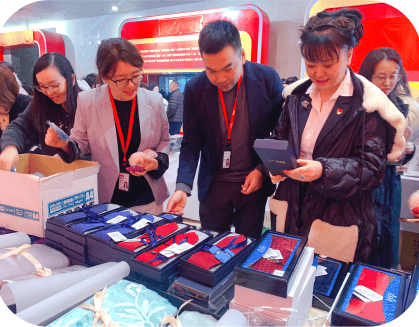
Core Viewpoint - The event "Party Building Leads to Assistance, Silk Consumption in Government Agencies" aims to integrate consumption stimulation with social welfare, rural revitalization, and the development of the private economy, showcasing the responsibility of state-owned enterprises in releasing domestic demand potential [1][4]. Group 1: Event Overview - The event was organized by the Party Branch of the Beijing Branch of People’s Insurance Company of China (PICC) in collaboration with the China National Textile Industry Federation, focusing on the theme of "East Silk West Solid" [1][3]. - It took place on January 20 and 22 at the PICC workplace and the headquarters building, respectively [1]. Group 2: Implementation and Activities - The event emphasized party leadership, led by Secretary Zhu Xiaokun, and involved close cooperation with the China Textile Federation and assisting enterprises to accurately assess employee consumption needs [3]. - A variety of products were showcased, including new Chinese-style clothing, charitable woven goods, silk home textiles, standard down jackets, and specialty agricultural products, utilizing a model of "purchase instead of donation" to effectively implement assistance tasks [3]. Group 3: Outcomes and Future Plans - The event created a vibrant atmosphere, attracting employees from the headquarters and leasing units, indicating strong interest in the showcased products [3]. - It established a solid communication bridge between PICC Beijing Branch and the China National Textile Industry Federation, reaching a consensus on resource sharing and government-enterprise services [3][4]. - Moving forward, PICC Beijing Branch plans to continue promoting consumption assistance work under the guidance of party building, deepening government-enterprise collaboration, and innovating assistance models to support rural revitalization and the private economy [4].
宏观经济专题:地方两会观察:内需和科技的新图景
KAIYUAN SECURITIES· 2026-02-13 07:43
Economic Growth Targets - The weighted average GDP growth target for 31 provinces in 2026 is set at 5.0%, down from 5.3% in 2025[2] - 17 provinces have lowered their targets, while 14 have kept them unchanged; 7 provinces set interval targets, indicating a likelihood of a national target range of 4.5% to 5%[2][13] - Economic powerhouses are expected to bear more responsibility for growth, with half of the top ten provinces maintaining their original targets[2][13] Investment Focus - The average fixed asset investment growth target has decreased from 6.3% to 5.1%, with all provinces either lowering or maintaining their 2025 targets[3][37] - Emphasis is placed on expanding private and livelihood investments, with many provinces encouraging private capital participation in various sectors[3][38] - Specific investment plans include a commitment of 721.46 billion yuan in Guangdong for livelihood projects[38] Consumption Trends - The weighted average target for social retail sales growth is approximately 4.8%, down from 5.4% in 2025[4] - Provinces are focusing on increasing residents' income through measures like raising basic pensions and providing subsidies[4] - New consumption models are being developed, particularly in sectors like health, culture, and entertainment, with a focus on "emotional economy"[4] Technological Development - The "Artificial Intelligence+" initiative is entering a comprehensive application phase, with local governments promoting AI in various sectors[5] - Emerging industries such as integrated circuits, aerospace, and renewable energy are prioritized, aligning with the "14th Five-Year Plan"[5] Real Estate Market - The main strategies for the real estate sector include revitalizing existing stock and improving housing quality[6] - Many provinces are initiating programs to purchase existing homes for affordable housing, marking a shift from previous strategies[6] National Conference Outlook - The national GDP growth target is likely to be set between 4.5% and 5%, with a focus on expanding domestic demand and technological breakthroughs[6] - Investment strategies will continue to support key projects and enhance livelihood investments, while the real estate sector will focus on revitalizing existing stock[6]