
电动汽车

Search documents
2026年有色金属及新材料行业投资策略报告:供给约束叠加需求变化,多种金属价值面临重塑
Guoyuan Securities· 2026-01-30 10:24
Investment Rating - The report maintains a positive investment rating for the non-ferrous metals and new materials industry, indicating a high cost-performance investment stage with potential for sustained growth [1][5]. Core Insights - The non-ferrous metals sector has shown a significant increase, with the Shenwan Non-Ferrous Metals Index rising by 94.73% in 2025, outperforming the CSI 300 Index by 77.07 percentage points [1][13]. - Geopolitical tensions, particularly between major powers like the US and China, are expected to continue impacting the stability of the metal supply chain, leading to increased raw material costs and upward price pressures on strategic metals [2][30]. - The demand outlook for non-ferrous metals remains strong, driven by emerging industries such as electric vehicles, renewable energy, and artificial intelligence, which require high-performance materials [4][34]. Summary by Sections Industry Overview - The non-ferrous metals industry is experiencing a transformation due to supply constraints and changing demand dynamics, with certain metals reaching new price highs [1][2]. - The industry is positioned for growth, supported by favorable policies and a robust demand from new technologies [24][25]. Investment Opportunities - Investment opportunities are particularly favorable in precious metals, copper, and strategic metals, with recommendations to focus on leading companies in high-growth sectors [3][5]. - Key companies to watch include Zijin Mining, Luoyang Molybdenum, Jiangxi Copper, and Northern Rare Earth [5]. Emerging Trends - The rapid expansion of new industries is creating a strategic demand for upstream materials, which are now subject to stricter performance and purity standards [4][34]. - The shift towards electric vehicles and renewable energy is expected to sustain high demand for metals like lithium, copper, and rare earth elements [36][42]. Market Dynamics - The report highlights the tightening supply of strategic metals due to increased global regulatory controls, which is expected to lead to a supply-demand imbalance [31][32]. - The copper market is particularly noted for its supply constraints and increasing demand, with a significant reliance on imports to meet domestic needs [46][47]. Future Outlook - The profitability outlook for the non-ferrous metals sector is expected to improve, with potential for continued price increases in copper, aluminum, and gold, driven by strong industrial demand and macroeconomic conditions [15][30].


研究机构数据:去年12月,欧洲每卖出十辆汽车中就有一辆是中国品牌
Guan Cha Zhe Wang· 2026-01-30 10:21
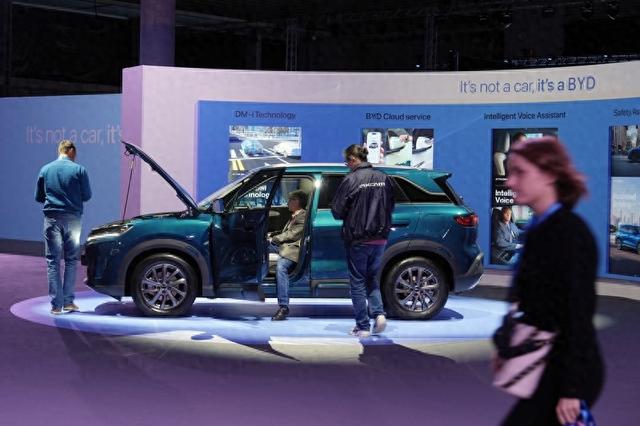
Core Insights - Chinese automotive brands have captured nearly 10% of the European passenger car market, marking a historic high, driven by strong sales of hybrid and electric vehicles [1][3] - In December, Chinese brands achieved a market share of 9.5%, surpassing South Korean competitors for the first time in quarterly sales [1][3] - The growth of electric vehicles is a significant driver in the European market, with Chinese manufacturers gaining consumer favor due to competitive battery technology [1][3] Market Share and Competition - In December, Chinese brands held a 16% share of the European electric vehicle market, up from 11% for the entire previous year, more than doubling compared to 2024 [3] - If including non-Chinese brands produced in China, approximately one in seven electric vehicles sold in Europe last year was made in China [3] - The rise of Chinese brands poses a substantial challenge to European automotive manufacturers, who are under pressure to meet future consumer demands [3][4] Employment and Industry Impact - The Italian automotive industry association warns that without urgent measures, over 110,000 jobs lost in the past 18 months may not be recoverable [4] - European manufacturers have gained some breathing room due to three years of market growth, launching competitive electric vehicles [4] - The presence of Chinese brands in Europe is expected to lead to the exit of some other brands, as they occupy significant sales space [4] Strategic Moves by Chinese Companies - Chinese companies are expanding their presence in Europe through acquisitions and local partnerships, with BYD aiming to become a European manufacturer [5] - Stellantis plans to start producing Leap Motor vehicles in Spain, while Chery is exploring local production in Barcelona [5] - The collaboration between Stellantis and Leap Motor is seen as a way to access technology and experience from outside Europe [5] Consumer Trends and Pricing - The influence of "national sentiment" among European consumers is diminishing, allowing Chinese brands to attract middle-class consumers with lower prices [6] - BYD's Seal U DM-i plug-in hybrid starts at £33,000, while Volkswagen's comparable model starts at £42,800, highlighting the competitive pricing of Chinese vehicles [6] - Chery's Jaecoo 7 SUV, priced around £35,000, is gaining popularity in the UK due to its affordability and resemblance to luxury models [6]


2026年有色金属及新材料行业投资策略报告:供给约束叠加需求变化,多种金属价值面临重塑-20260130
Guoyuan Securities· 2026-01-30 08:43
Core Insights - The report indicates that the non-ferrous metals and new materials industry is currently in a high cost-performance investment phase, with expectations for continued growth [1] - As of December 31, 2025, the Shenwan Non-Ferrous Metals Index has seen a cumulative increase of 94.73% for the year, ranking first among 31 Shenwan primary industries, significantly outperforming the CSI 300 Index by 77.07 percentage points [1][13] - The industry is influenced by international dynamics and changes in supply patterns, with some metal prices reaching new highs [1] Supply and Demand Dynamics - The ongoing strategic competition between major powers like the US and China has made upstream metal resources a critical area of contention, leading to significant impacts on the stability of the metal supply chain [2] - Supply disruptions are expected to increase raw material costs, while tighter controls on strategic metals by various countries will further exacerbate price pressures [2] - The demand outlook for non-ferrous metals is clear, supported by long-term fundamentals [2] Investment Opportunities - The report highlights investment opportunities in precious metals, copper, and strategic metals, noting that gold has evolved into a strategic asset for managing systemic risks, with central banks likely to increase gold reserves [3] - The mining of copper is becoming increasingly challenging, with supply constraints supporting a long-term upward price trend [3] - The geopolitical competition is expected to lead to enhanced resource controls, creating structural investment opportunities in related sectors [3] Emerging Industries and Material Demand - Rapidly expanding sectors such as artificial intelligence, electric vehicles, renewable energy, and high-end semiconductors are driving unprecedented demand for upstream materials, which are now classified as "key strategic materials" or "high-tech value-added new materials" [4] - The performance, purity, form, and functionality of materials are subject to increasingly stringent standards, indicating a fundamental shift in investment logic [4] Recommendations - The report recommends focusing on sectors such as copper, gold, and strategic metals, particularly in 2026, with an emphasis on leading companies that operate in high-growth areas with strong technological monopolies [5] - Specific companies to watch include Zijin Mining, Luoyang Molybdenum, Jiangxi Copper, Tongling Nonferrous Metals, China Rare Earth, Northern Rare Earth, Shenghe Resources, Xiamen Tungsten, Zhongtung High-tech, and Zhangyuan Tungsten [5]
ST(STM) - 2025 Q4 - Earnings Call Transcript
2026-01-29 09:32
Financial Data and Key Metrics Changes - Q4 revenues reached $3.33 billion, exceeding the midpoint of the business outlook range, driven by personal electronics and communication equipment, while automotive revenues fell short of expectations [5][7] - Full year 2025 net revenues decreased by 11.1% to $11.8 billion, primarily due to a significant decline in automotive revenues [7][17] - Gross margin for Q4 was 35.2%, above the midpoint of the outlook range, while the full year gross margin decreased to 33.9% from 39.3% in 2024 [5][17] - Diluted earnings per share for Q4 was -$0.03, compared to $0.37 in the previous year, while non-GAAP diluted earnings per share was $0.11 [16][18] Business Line Data and Key Metrics Changes - Automotive revenues grew 3% sequentially in Q4 but declined year-over-year, with design wins in electric and traditional vehicles [8] - Industrial revenues increased by 5% sequentially and year-over-year, supported by design wins in automation and robotics [9] - Personal electronics revenues were down 2% sequentially, reflecting seasonal trends, but the segment remains strong due to engaged customer programs [9] - Communication equipment and computer peripherals saw a 23% sequential increase, driven by demand in AI and data center infrastructure [10][12] Market Data and Key Metrics Changes - By end-market, automotive represented 39% of total revenues, personal electronics 25%, industrial 21%, and communication equipment 15% for 2025 [17] - Geographically, 43% of revenues came from the Americas, 31% from Asia-Pacific, and 26% from EMEA [17] Company Strategy and Development Direction - The company aims for carbon neutrality in all direct and indirect emissions by 2027 and is focusing on renewable energy sourcing [11] - Strategic growth drivers include advancements in automotive, industrial, personal electronics, and communication equipment, with a focus on silicon carbide and MEMS sensors [22][24] - The acquisition of NXP's MEMS sensor business is expected to close in H1 2026, enhancing the company's position in automotive and industrial segments [8] Management's Comments on Operating Environment and Future Outlook - Management expressed confidence in organic growth for 2026, citing improved visibility and a return to year-over-year growth in Q4 2025 [21][28] - The automotive market is expected to stabilize, with a shift towards more complex electronic architectures driving demand [40] - The company anticipates a gradual recovery in silicon carbide revenues and strong demand for sensors [22][24] Other Important Information - Free cash flow for 2025 was $265 million, with net CapEx of $1.79 billion [18] - The company maintained a solid net financial position of $2.79 billion at the end of December 2025 [19] Q&A Session Summary Question: Outlook on revenue guidance and seasonal trends - Management noted that Q1 2026 revenue guidance reflects a decrease of 8.7% sequentially, but they see potential for above-seasonal trends moving forward [26][28] Question: Automotive market dynamics and customer behavior - Management indicated that automotive revenues were slightly below expectations due to lower inventory pulls from tier-one customers, but they see positive trends in electronic architecture [38][40] Question: Personal electronics segment performance - Management confirmed that personal electronics revenues are expected to grow, driven by increased silicon content and strong performance from their largest customer [46] Question: Progress on transformation and manufacturing efficiency - Management stated that the reshaping program is progressing as planned, with expected benefits in manufacturing efficiency by 2027 [84] Question: OpEx trends and cost-cutting actions - Management expects net OpEx to remain stable with a low single-digit increase, driven by a reduction in other income and expenses [85]

丰田25年销量1053万辆,连续6年世界第一
3 6 Ke· 2026-01-29 09:29
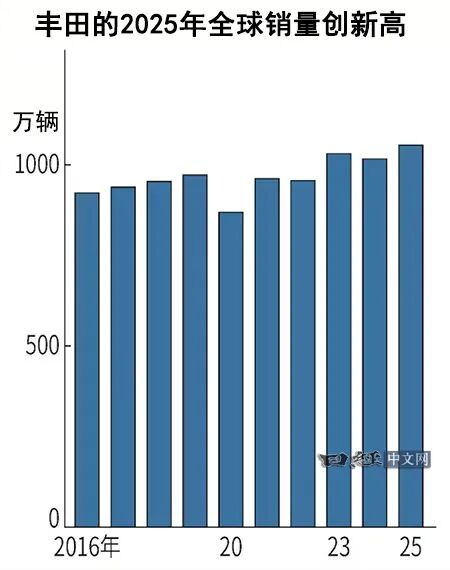
Group 1 - The core viewpoint of the articles highlights Toyota's record global sales growth, achieving a total of 11.32 million vehicles sold, surpassing Volkswagen Group's 8.98 million vehicles, marking Toyota as the world's top automaker for six consecutive years [1][5] - In the United States, sales increased by 8% to 2.52 million vehicles, driven by strong demand for models like Camry and Sienna, with hybrid vehicle sales reaching approximately 1.11 million, a 20% increase [1][2] - In China, sales saw a slight increase to 1.78 million vehicles, supported by promotional policies linked to government subsidies, although growth is expected to slow down as subsidy strength diminishes [1][2] Group 2 - The sales of hybrid and electric vehicles grew by 10% to 4.99 million units, accounting for 47% of total sales, with hybrid sales increasing by 7% to 4.43 million units and pure electric vehicle sales rising by 42% to 199,137 units [2] - The luxury brand Lexus experienced a 4% sales increase, reaching a record high of 882,231 vehicles, with strong performance from SUV models like RX and NX in North America [5] - Toyota's global production is projected to grow by 5% to 9.96 million units, recovering from production halts due to regulatory issues and recalls in Japan and the United States [5][6] Group 3 - Exports from Japan to overseas markets increased by 7% to 2.03 million vehicles, with exports to the United States rising by 14% to 615,204 vehicles, contributing to overall growth [6] - The U.S. government imposed a 25% tariff on Japanese cars in April 2025, which was later reduced to 15% in September, leading to an estimated tariff cost of 1.45 trillion yen for Toyota in the fiscal year ending March 2026 [6]

本土失守、美国施压,韩国车企急寻退路,“外资坟场”印度能成为现代起亚的救命稻草吗?
3 6 Ke· 2026-01-29 07:28
Core Insights - South Korean automakers are facing significant challenges due to a decline in domestic electric vehicle (EV) market share and increased import tariffs from the U.S. [1][2][6] - The market share of Korean EVs has dropped from 69% in 2022 to 52% in 2025, indicating a loss of dominance in the domestic market [3][4] - The recent announcement by U.S. President Trump to raise tariffs on Korean goods, including automobiles, from 15% to 25% has exacerbated the situation for Korean car manufacturers [1][6][9] Domestic Market: EV Market Decline - Korean EV market share is projected to decline from 62.7% in 2023 to 52% in 2025, a total drop of 17 percentage points over three years [3] - Despite government subsidies for local EVs, consumer preference is shifting towards imported models, particularly among younger buyers [3][4] - The government offers substantial subsidies, such as 5.7 million KRW (approximately 27,000 RMB) for local models, which is significantly higher than the subsidies for Tesla and BYD models [3] Impact of U.S. Tariffs - The U.S. tariffs are expected to result in a loss of approximately 15% of the U.S. market share for Korean automakers, equating to a vacuum of about 130,000 vehicles annually [7] - The cost burden from tariffs has already reached 4.6 trillion KRW for Hyundai and Kia, with projections that total costs could exceed 5 trillion KRW [7][9] - Exports of Korean automobiles to the U.S. are projected to decline from $34.74 billion in 2024 to $30.2 billion in 2025, a decrease of 13.2% [9] Strategic Shift to India - In response to domestic and international pressures, Korean automakers are increasingly focusing on India as a new strategic market [1][12] - Hyundai has established a significant presence in India, with a market share of 20%, and plans to invest 7.2 trillion KRW by 2030 to expand production and develop models suited for the Indian market [14][20] - India's young population and low EV penetration rate (around 2%) present a substantial growth opportunity for Korean automakers [17][18] Competitive Landscape in India - Korean automakers face strong competition from established Japanese brands, particularly Suzuki, which holds a dominant market share of about 40% in India [26] - Despite the potential for growth, Korean companies must overcome challenges related to brand recognition, local adaptation, and supply chain issues [28][30] - The Indian market's infrastructure and policy stability present additional hurdles that could impact the success of Korean automakers [29][30]
深圳南山成为中国首个万亿GDP地市辖区;124亿现金!安踏成彪马最大股东;追觅CEO辟谣断指计划;Anthropic最新一轮融资超百亿美元丨邦早报
创业邦· 2026-01-28 00:24
Group 1: Economic Developments - Shenzhen's Nanshan District has become the first district in China to surpass a GDP of 1 trillion yuan, achieving an average annual growth rate of over 5.8% from 2016 to 2025, with a total economic output of 652.7 billion yuan at the end of the 13th Five-Year Plan [1] - The global electric vehicle market is projected to exceed 12.1 million units sold by 2025, driven by the decreasing costs of batteries and improved charging infrastructure, with a significant contribution from the entry-level market [27] - China's sports industry is expected to surpass 5 trillion yuan in total scale by 2025, with the sports goods market reaching 2.49 trillion yuan, reflecting a surge in domestic sports consumption [27] Group 2: Corporate Actions and Strategies - Anta Sports has agreed to acquire approximately 29% of Puma's shares for 1.5 billion euros, becoming the largest shareholder of the German sports brand [3] - Ideal Auto plans to close a small number of inefficient retail stores this year, clarifying that this is a normal operational adjustment and not indicative of a significant change in business operations [11] - BYD has abandoned its plan to invest 290 million dollars in a lithium project in Chile due to slow government responses and declining lithium prices [11] Group 3: Market Trends and Performance - Tesla's vehicle registrations in Europe dropped by 20% year-on-year in December, with a total annual decline of 27%, while BYD's registrations surged over twofold in the same period [11][13] - Nike plans to lay off 775 employees to enhance profitability and accelerate automation, amid ongoing challenges with sales growth and profit margins [11] - OpenAI's advertising prices for ChatGPT are three times higher than those on Meta platforms, with projected advertising revenue exceeding 10 billion dollars by 2027 [11]

FINETalks第2期丨本周五直播:机器人与电动汽车电池系统热管理怎么做?
DT新材料· 2026-01-27 16:05
Core Insights - Lithium batteries are essential energy supply components widely used in electric vehicles, industrial robots, and energy storage stations, becoming a cornerstone for emerging industries [2] - Despite the expanding application scenarios of lithium batteries, safety risks from thermal runaway remain a core bottleneck for high-quality industry development [2] - The industry faces stringent requirements for efficient thermal management, precise temperature control, and safety warnings in various operational conditions, necessitating breakthroughs in thermal management system optimization and safety monitoring [2] Group 1: Industry Challenges and Opportunities - The need for improved thermal efficiency and safety in lithium battery systems is a critical issue that the industry must address to enhance the quality of development in electric vehicles and robotics [2] - The upcoming online course by Professor Xu Jun from Xi'an Jiaotong University aims to explore the construction of electromechanical thermal coupling models and core technologies for battery safety monitoring and fault diagnosis [2][6] Group 2: Event Overview - The 2026 Future Industries New Materials Expo will feature a dedicated "2026 Thermal Management Liquid Cooling Plate Industry Exhibition" to showcase the complete industrial panorama from raw materials to system integration [9][10] - The exhibition will focus on liquid cooling technology, which is crucial for data centers, energy storage, electric vehicles, and other future industries, providing a platform for technical exchange and business cooperation [9][10] Group 3: Event Details - The expo will take place from June 10 to June 12, 2026, at the Shanghai New International Expo Center, featuring over 300 strategic and cutting-edge technology reports [21][22] - The event will cover various themes, including data center thermal management, power device thermal management, and energy storage and power battery thermal management [15][19]

欧洲汽车销量实现连续三年增长,2025 年电动汽车成主要驱动力
Xin Lang Cai Jing· 2026-01-27 12:36
Core Viewpoint - The European automotive market is projected to see a 2.4% increase in new car registrations by 2025, reaching 13.3 million vehicles, despite ongoing challenges from tariffs and competition, with current sales still about 15% lower than pre-pandemic levels [1][6]. Group 1: Market Performance - In December, European car sales grew by 7.6%, marking the sixth consecutive month of growth, driven by strong performances in Germany and the Netherlands, which offset weaknesses in France and Spain [5][8]. - The recovery in car sales last year was partly fueled by a resurgence in electric vehicle (EV) sales, with a 30% increase in pure electric vehicle registrations, which now account for about 20% of the overall market [3][8]. Group 2: Electric Vehicle Trends - The introduction of more affordable electric models, priced around €20,000 (approximately 165,000 RMB), has effectively stimulated market demand, including models from Stellantis and Chinese brands like BYD [3][8]. - Despite the growth in electric vehicle sales, many consumers are opting for hybrid models due to the underdeveloped charging infrastructure in Europe, leading to a 33% increase in plug-in hybrid vehicle sales, making it the fastest-growing powertrain type in the region [3][8]. Group 3: Policy and Subsidies - The German government announced a €3 billion (approximately 24.78 billion RMB) electric vehicle subsidy plan, which is expected to inject new momentum into the local market and is open to all manufacturers, including Chinese brands that have made significant gains [5][9]. - The European Commission has proposed to relax the planned ban on new gasoline and diesel cars set to take effect in 2035, although this proposal still requires multiple reviews before new fleet carbon reduction targets can be finalized [9].


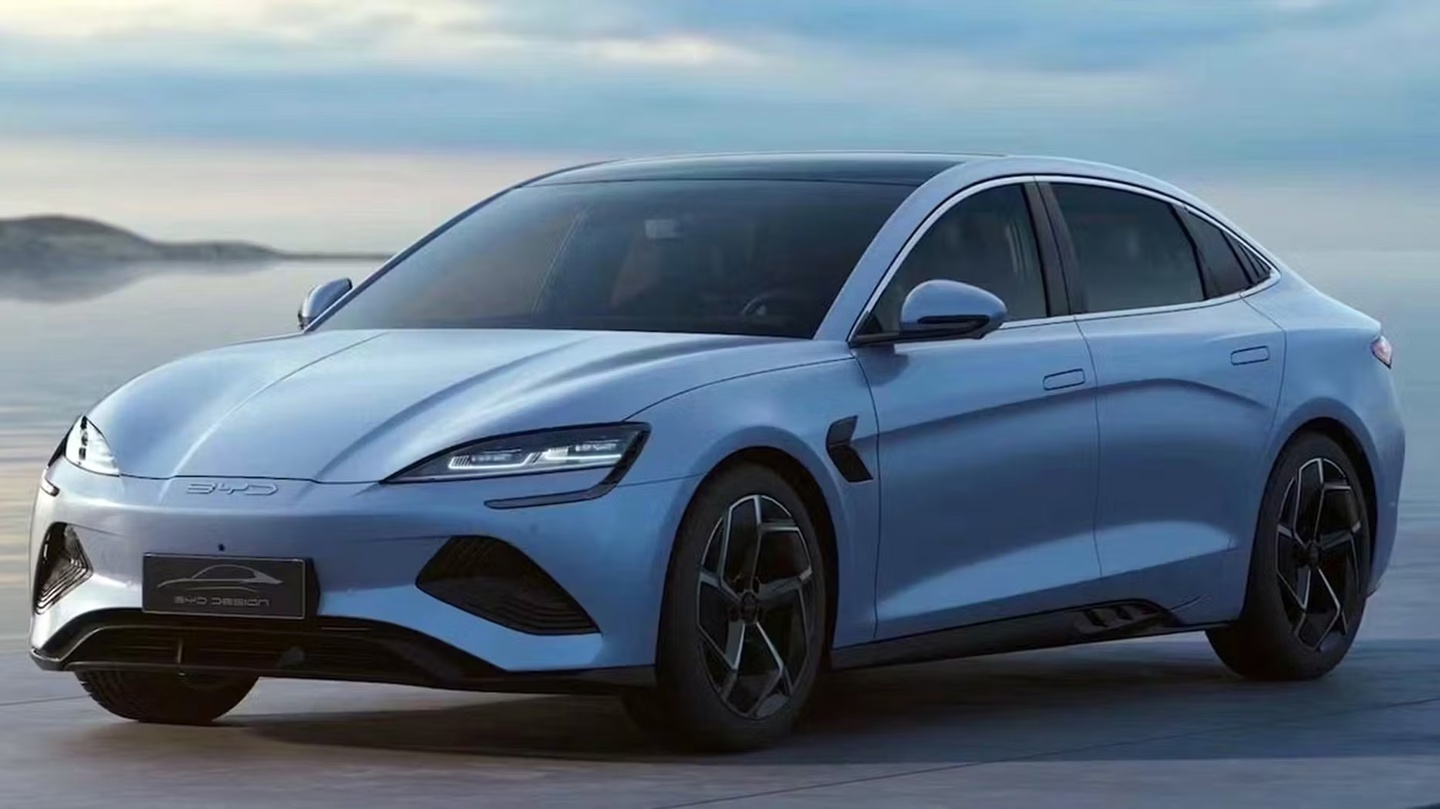
越南金龙汽车宣布将与比亚迪合作建厂,生产商用电动汽车电池
Xin Lang Cai Jing· 2026-01-27 08:02
Core Viewpoint - The Vietnamese automotive manufacturer, Thaco, is collaborating with China's BYD to build a $130 million factory in central Vietnam for the production of commercial electric vehicle batteries [1][6]. Group 1: Factory Details - The factory will be constructed on a 4.4-hectare site with an initial production capacity of 3 gigawatt-hours (GWh) per year [2][7]. - Operations are expected to commence soon, although no specific timeline has been provided [3][8]. - In the second phase, the factory's area will expand to 10 hectares, and production capacity will double to 6 GWh per year, including the production of batteries for electric passenger vehicles [4][9]. Group 2: Production Focus - The factory will focus on producing batteries for commercial vehicles, including buses, trucks, and minibuses [5][10].
