绿色贸易

Search documents
11月签发量同比增长超两成 一张“出海”证书背后的经济韧性
Bei Jing Shang Bao· 2025-12-29 14:07
Core Insights - The data released by the China Council for the Promotion of International Trade (CCPIT) indicates a significant increase in the issuance of various certificates, reflecting a robust growth in China's foreign trade [1][3]. Group 1: Certificate Issuance Data - In November, the total number of certificates issued by the national trade promotion system reached 791,600, marking a year-on-year increase of 21.6% [1]. - The value of non-preferential certificates was $32.109 billion, up 1.37% year-on-year, with 402,400 certificates issued, a 13.05% increase [1]. - Preferential certificates saw a value of $9.707 billion, representing a 30.93% increase, with 327,500 certificates issued, up 38.36% [1]. - RCEP certificates amounted to $0.898 billion, a 20.33% increase, with 34,789 certificates issued, up 30.01% [1]. Group 2: Trade Promotion and Policy Impact - The CCPIT spokesperson highlighted that the data reflects the resilience of China's foreign trade and the effectiveness of various support policies [3]. - The continuous growth in both the value and number of preferential certificates indicates that foreign trade support policies are successfully stimulating trade vitality [3]. - In the first 11 months of the year, 4.9936 million certificates were issued for countries involved in the Belt and Road Initiative, along with 559,600 commercial certificates [3]. Group 3: International Standardization Efforts - The CCPIT has deepened its involvement in international standardization, promoting cooperation and services for enterprises [4][5]. - The organization has facilitated the approval of new technical committees and the release of several ISO international standards, enhancing trade facilitation [4]. - The establishment of the National Trade Management Consulting Standardization Technical Committee marks a significant step in standardization services for trade [5]. Group 4: Future Directions - The CCPIT plans to increase efforts in standardization related to new foreign trade models, green trade, and legal-business integration [6]. - The organization aims to further integrate the "Trade Development and Standard Cooperation Initiative" into various bilateral and multilateral cooperation mechanisms [6].

跨境电商 丝路新潮
Xin Lang Cai Jing· 2025-12-29 04:47
Core Viewpoint - Cross-border e-commerce is emerging as a new driving force for economic development and a significant trend in international trade, with China's cross-border e-commerce imports and exports reaching approximately 2.06 trillion yuan, a year-on-year increase of 6.4% in the first three quarters of the year [1] Group 1: Growth and Transformation - Cross-border e-commerce is evolving from a supplementary force in foreign trade to a key variable reshaping the global trade ecosystem [1] - The rise of cross-border e-commerce has diversified trade entities, allowing numerous small and medium-sized enterprises to access global markets directly [1] - The trade content is becoming more sophisticated, with a shift from simple products to high-value items, such as smart feeding devices and health supplements, reflecting a transition from "Made in China" to "Intelligent Manufacturing in China" [1] Group 2: Flexible Trade Models - The trade model is becoming more flexible, transitioning from traditional bulk, low-frequency models to small-batch, high-frequency, customizable supply chain models [2] - Cross-border e-commerce has benefited from a continuously optimized institutional framework, enhancing efficiency through customs facilitation reforms and streamlined documentation processes [2] - Innovations in regulatory models, such as the "same package, same vehicle" shipping method, have reduced costs for enterprises while improving consumer experience [2] Group 3: Value and Future Directions - Cross-border e-commerce serves as a crucial channel for domestic consumption upgrades, with significant growth in imported products [3] - The "cross-border e-commerce + industrial belt" model is empowering local industries by connecting them with global markets, enhancing the value chain [3] - Future development of cross-border e-commerce should focus on digital trade, green sustainable development, and enhancing supply chain resilience [3] Group 4: Sustainable Development and Global Integration - The robust growth of cross-border e-commerce exemplifies China's high-level opening-up to the outside world [4] - Sustainable high-quality development in cross-border e-commerce requires continuous optimization of the business environment, innovation to enhance trade intelligence, and deepening international cooperation [4] - The "online Silk Road" is expected to reshape global trade patterns and inject lasting momentum into China's economic high-quality development [4]

后石港区隆教作业区扩大开放获国务院批复同意
Xin Lang Cai Jing· 2025-12-27 23:52
Core Viewpoint - The expansion of the Zhangzhou Port's Longjiao operational area is expected to enhance the region's capabilities in energy transportation and specialized vessel services, optimizing logistics costs and efficiency for the Zhangzhou LNG zero-carbon industrial park, while fostering a clean energy industrial ecosystem in the southeastern coastal region of China [1] Group 1: Port Expansion and Logistics - The Longjiao operational area is located in the Longhai District of Zhangzhou and is well-positioned for modern, large-scale port logistics and industries [1] - The expansion will improve Zhangzhou's professional capabilities in energy material transportation and specialized vessel services [1] - The project aims to attract upstream and downstream related enterprises, promoting a clean energy import-export, storage, and application ecosystem [1] Group 2: Zhangzhou LNG Project - The Zhangzhou LNG project is a key provincial project, with the first berth of the Longjiao operational area receiving temporary approval for operation on December 29, 2023 [1] - The Zhangzhou LNG receiving station has already unloaded over 1 million tons of imported LNG, serving 19 transport vessels, with an output gas volume of approximately 1.52 billion cubic meters and a cargo value of about 5.1 billion yuan [1]
首批国家级零碳园区建设名单出炉
21世纪经济报道· 2025-12-27 08:24
Core Viewpoint - The first batch of national-level zero-carbon park construction lists has been released, comprising 52 parks across 31 provinces, indicating a significant step towards achieving near-zero carbon emissions in industrial zones [1][10]. Summary by Sections Zero-Carbon Park Definition and Importance - Zero-carbon parks are designed to reduce carbon emissions from production and living activities to "near-zero" levels, with the potential to achieve "net-zero" conditions [5]. - The construction of zero-carbon parks is a key part of national strategic deployment, aiming to lower carbon emissions to about one-tenth of the current national average [5][6]. Key Indicators for Zero-Carbon Parks - The construction of national-level zero-carbon parks is guided by a framework of "1 core indicator + 5 guiding indicators" [12][13]. - Core Indicator: Carbon emissions per unit energy consumption must be ≤0.2 tons/ton of standard coal for parks consuming 20-100 million tons of standard coal annually, and ≤0.3 tons/ton for those consuming ≥100 million tons [2]. - Guiding Indicators: - Clean energy consumption ratio > 90% - Unit energy consumption of products meets or exceeds secondary energy consumption standards - Industrial solid waste utilization rate ≥ 80% - Comprehensive utilization rates of waste heat/cold/pressure > 50% - Industrial water reuse rate ≥ 80% [2][14]. Construction and Operational Strategies - The parks will serve as experimental fields for new energy systems, focusing on direct supply of green electricity and energy storage solutions [6]. - The construction emphasizes a tailored approach based on local resources and industrial bases, promoting a coordinated regional development model [6][10]. Economic and Competitive Advantages - Zero-carbon parks are expected to enhance the green competitiveness of enterprises by lowering energy consumption and carbon emissions, thus improving production processes and technology [15]. - They will also help businesses comply with international green trade regulations, providing a competitive edge in the global market [15][7]. Investment and Funding Requirements - The investment required for constructing national-level zero-carbon parks varies significantly based on park type, scale, and foundational conditions, typically ranging from tens to hundreds of billions of RMB [16]. - Funding sources include enterprise investments, market-driven energy projects, and social capital, with a phased implementation approach to manage costs effectively [16].

2025外贸全景观察:质效双升聚动能 多元创新添活力
Zheng Quan Ri Bao· 2025-12-24 16:25
Core Viewpoint - China's foreign trade is a crucial pillar of the national economy and a key vehicle for opening up to the outside world, demonstrating resilience and global competitiveness amid complex global economic conditions [1] Group 1: Performance and Growth - In 2025, China's foreign trade is expected to achieve both qualitative and quantitative improvements, with total import and export value projected to reach new highs [2] - For the first 11 months, China's total goods trade reached 41.21 trillion yuan, a year-on-year increase of 3.6%, with exports at 24.46 trillion yuan (up 6.2%) and imports at 16.75 trillion yuan (up 0.2%) [2] Group 2: Policy Support - The continuous improvement of the policy support system has been instrumental in achieving these results, with measures to promote integration of domestic and foreign trade, enhance service exports, and facilitate green trade [3] - A comprehensive support network covering fiscal, financial, customs, and new business models has been established to help foreign trade enterprises cope with market fluctuations and enhance competitiveness [3] Group 3: Structural Optimization - The core highlight of China's foreign trade in 2025 is the collaborative optimization of product, business model, and market structures, shifting growth momentum from quantity expansion to quality enhancement [4] - Exports of high-tech and high-value-added products, such as machinery and electronics, have become the main drivers of growth, indicating a transition from "Made in China" to "Intelligent Manufacturing in China" [4] Group 4: Market Diversification - The diversification of market layouts has significantly enhanced the resilience of foreign trade, with ASEAN remaining the largest trading partner and emerging markets showing strong growth [5] - Private enterprises have played a crucial role in stabilizing foreign trade, accounting for 57.1% of total foreign trade value, reflecting the ongoing optimization of the business environment [5] Group 5: Future Outlook - Looking ahead to 2026, China's foreign trade is set to accelerate towards cultivating new competitive advantages, driven by technological innovation, green transformation, and institutional innovation [6][7] - The integration of digital technologies and the development of green trade are expected to create new opportunities in international markets, aligning with global energy transition trends [8] Group 6: Strategic Recommendations - Future efforts to cultivate new foreign trade momentum should focus on policy guidance, regulatory alignment, and market expansion, emphasizing the development of digital and green trade [9] - Enhancing the business environment and supporting small and medium-sized enterprises will be essential for effectively exploring diversified international markets [9]
解码汽车产业高质量发展新路径——中央经济工作会议深度解读
Zhong Guo Qi Che Bao Wang· 2025-12-24 10:43
Core Insights - The Central Economic Work Conference has set new economic goals for 2025, emphasizing consumption stimulation, industrial upgrading, innovation-driven growth, green transformation, and supply chain security, which are closely related to the automotive industry [1] Group 1: Consumption Stimulation - The conference proposed implementing special actions to boost consumption and develop plans to increase urban and rural residents' income, while optimizing policies to release service consumption potential [5] - The automotive industry faces structural mismatches in supply and demand, necessitating a restructured consumption ecosystem through lifecycle management to activate the existing market and achieve quality upgrades [5][6] - The second-hand car market in China is underperforming, with only one-third of the efficiency of the U.S. market, indicating a need for improved valuation assessments and standardized inspections for used electric vehicles [5] Group 2: Supply Chain Security - The conference highlighted the need for a high-quality development action plan for key industrial chains, focusing on technological independence and ecological collaboration to enhance supply chain security [8] - The automotive industry must address shortcomings in critical areas such as automotive-grade chips and intelligent driving systems, emphasizing the importance of domestic technological advancements [8][9] - Establishing a national market supervision platform is essential to mitigate local protectionism and facilitate smoother vehicle transactions across provinces [7] Group 3: Innovation and Technology - The automotive sector is entering a phase where technology defines demand, particularly with the penetration of new energy vehicles exceeding 50%, necessitating breakthroughs in solid-state batteries and intelligent chassis [6] - The integration of artificial intelligence in the automotive industry is expected to enhance product development speed and improve user experience, while also raising concerns about data security [10][11] Group 4: Globalization and Market Expansion - The automotive industry is encouraged to explore new opportunities for "going global," focusing on digital trade, green trade, and regional cooperation to expand market reach [16][17] - The demand for Chinese electric vehicles is increasing in markets like Europe and Southeast Asia, presenting significant growth potential [16][19] - Establishing localized service and compliance systems is crucial for addressing challenges faced by Chinese automotive companies in overseas markets [18][20]

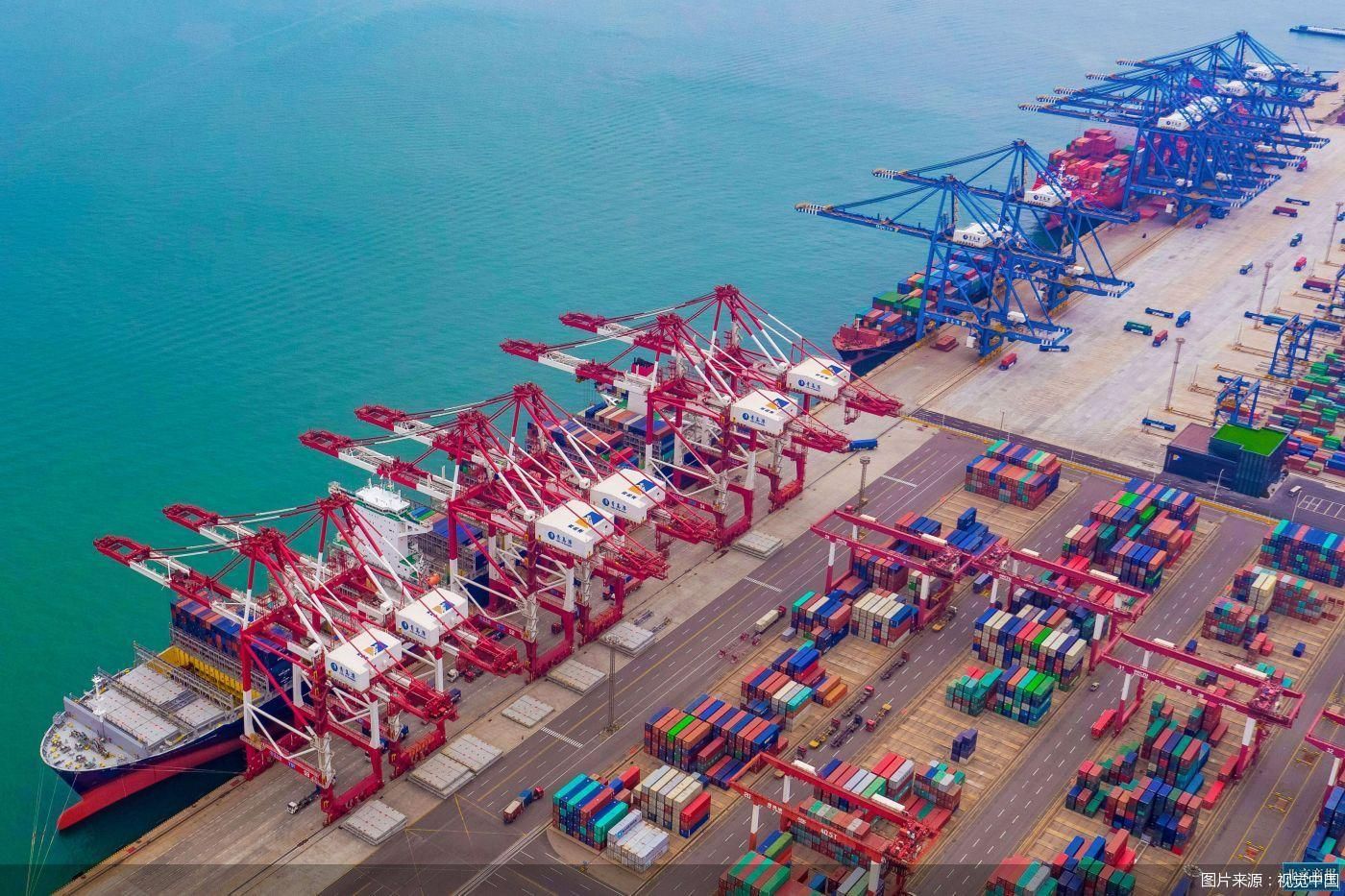
从规则“接收者”到“塑造者” 中国绿色贸易转型进行时
“内外兼修”应对绿色壁垒
将碳成本转化为绿色竞争力
中国绿色贸易的2030蓝图
Xin Lang Cai Jing· 2025-12-23 02:02
Core Viewpoint - The article emphasizes the importance of green trade as a key driver for economic growth and highlights China's transition from being a "receiver" of global rules to a "shaper" of them, particularly in the context of green trade and climate governance [1][10][11]. Group 1: Green Trade Development - The recent Central Economic Work Conference in China underscored the need to "actively develop green trade," aligning with the Ministry of Commerce's implementation opinions on expanding green trade [1][10]. - Experts view the implementation opinions as a significant step for China to engage more proactively in global green trade rules and governance, enhancing the design, production, and market expansion of green products [1][11]. Group 2: Global Challenges and Responses - The global green trade landscape is currently undergoing a "rule reshaping" and "pattern reconstruction" phase, facing challenges such as "rule fragmentation" and "green protectionism" [4][15]. - The EU's Carbon Border Adjustment Mechanism (CBAM) is set to expand its coverage to 180 products, including various steel and aluminum-intensive downstream products, starting from January 1, 2026 [4][15]. Group 3: China's Position in Green Trade - By 2024, China is projected to become the world's largest green trade economy, with its import and export scale accounting for 16.1% of the global total [5][17]. - The implementation opinions propose a dual strategy of internal enhancement and external rule-breaking to address challenges, including the establishment of a carbon footprint database to improve data credibility [5][17]. Group 4: Future Outlook - By 2030, China is expected to evolve into a "solution provider" rather than just a "product exporter," and become a key co-creator of global green trade rules [8][21]. - China's green trade policies are anticipated to have a profound impact globally, aiding in the low-carbon transition and influencing the establishment of green standards and rules [8][21]. Group 5: Market Trends and Corporate Strategies - The global business environment is shifting towards sustainability, with 86% of global manufacturing buyers considering green capabilities as a core competitive advantage [6][18]. - Chinese companies are integrating sustainability into their strategies, with brands like "Moli Naibai" emphasizing the importance of aligning with local environmental standards and sustainable practices [6][18][19]. Group 6: Common Misconceptions and Recommendations - Common misconceptions among Chinese enterprises include treating ESG as a marketing topic rather than a core operational capability [7][19]. - Recommendations for Chinese companies include establishing verifiable data systems, focusing on practical scenarios rather than visions, and building long-term content assets [7][19][20].

东亚区域经济一体化再提速
Sou Hu Cai Jing· 2025-12-23 00:23
Core Insights - The official launch of the Hainan Free Trade Port's full island closure marks a new phase in China's high-level opening-up strategy, enhancing regional supply chain optimization and market integration [2][4] Policy Advantages - The proportion of "zero tariff" goods has increased significantly from 21% to 74%, covering approximately 6,600 tariff items, while corporate and personal income tax rates are set at a preferential 15%, reducing operational costs for businesses [2] - The policy design positions Hainan as a "cost lowland" and "policy highland," facilitating a new industrial chain model that enhances regional supply chain resilience [2] Geographical Advantages - Hainan's strategic location in the South China Sea allows it to serve as a bridge for East Asian economic cooperation, with a 4-hour flight radius covering 21 countries and regions in Asia, representing about 47% of the global population and 30% of GDP [3] - The optimization of shipping networks post-closure enhances regional connectivity, making Hainan a strategic hub for China-ASEAN blue economy cooperation [3] Standardization and Innovation - Hainan is positioned to actively align and innovate regional rules and standards, serving as a "testing ground" for high-standard international trade rules, particularly in emerging fields like digital economy and green trade [4] - The "pilot-evaluation-promotion" mechanism facilitates the transition from traditional commodity flow-based openness to a higher level of institutional openness in East Asia [4] Trade Growth - Trade volume between Hainan and other RCEP member countries is steadily increasing, with Hainan's exports and imports to ASEAN projected to reach 57.91 billion yuan in 2024, a year-on-year increase of 62.3% [4][5] - ASEAN has been Hainan's largest trading partner for six consecutive years, indicating that Hainan is attracting regional factors through market openness rather than building competitive advantages through barriers [5] Economic Integration - The closure operation of Hainan Free Trade Port is a significant reform and opening-up initiative for China, acting as a catalyst for accelerating East Asian economic integration [5] - The combination of policy innovation, geographical advantages, and rule alignment is expected to create a more inclusive and resilient East Asian economic ecosystem, fostering deeper integration of interests among China, ASEAN, and the broader Asia-Pacific region [5]

中经评论:东亚区域经济一体化再提速
Jing Ji Ri Bao· 2025-12-23 00:03
Core Insights - The official launch of the Hainan Free Trade Port's full island closure marks a new phase in China's high-level opening-up strategy, enhancing regional supply chain optimization and market integration [1][4] - Hainan's dual advantages of policy and geographical location position it as a "cost lowland" and "policy highland," significantly reducing operational costs for businesses [1][4] Policy Advantages - The proportion of "zero tariff" goods has increased from 21% before closure to 74%, covering approximately 6,600 tariff items, with corporate and personal income tax rates set at a favorable 15% [1][3] - The combination of tariff exemptions for processing and the RCEP origin rules allows for a new industrial chain model, enhancing regional supply chain resilience [1][3] Geographical Advantages - Hainan's strategic location in the South China Sea connects it to major international shipping and air routes, covering 21 countries and regions in Asia within a 4-hour flight, representing about 47% of the global population and 30% of GDP [2][4] - The direct shipping route from Yangpu Port to Indonesia's Batam Port has reduced transport time from 20 days to 6 days, significantly lowering logistics costs [2][4] Standardization and Innovation - Hainan is positioned as a "testing ground" for aligning regional rules and standards, particularly in emerging fields like digital economy and green trade, providing practical rule references for future regional agreements [3][4] - The closure operation signals China's commitment to promoting cooperation through openness, countering unilateralism and protectionism [3][4] Economic Integration - The Hainan Free Trade Port is a significant reform initiative that accelerates East Asian economic integration, transitioning from commodity flow-based openness to institutional openness [4] - Trade with RCEP member countries is steadily increasing, with Hainan's imports and exports to ASEAN projected to reach 57.91 billion yuan in 2024, a year-on-year increase of 62.3% [3][4]
金十数据全球财经早餐 | 2025年12月23日
Jin Shi Shu Ju· 2025-12-22 23:06
Core Viewpoint - The financial markets are experiencing fluctuations influenced by geopolitical events, economic policies, and commodity prices, with notable movements in stock indices, oil prices, and precious metals [3][4][5][6]. Market Overview - The U.S. dollar index decreased by 0.47%, closing at 98.27, while the 10-year Treasury yield settled at 4.166% and the 2-year yield at 3.511% [3]. - Gold prices surged over 2%, reaching a new historical high of $4443.69 per ounce, while silver also hit a record high, closing at $62.03 per ounce [3][8]. - WTI crude oil rose by 2.48%, closing at $57.88 per barrel, and Brent crude increased by 2.28%, closing at $60.65 per barrel, due to concerns over oil supply disruptions from Venezuela and Russia [4][8]. Stock Market Performance - U.S. stock markets continued their upward trend, with the Dow Jones up 0.47%, S&P 500 up 0.64%, and Nasdaq up 0.52%. Notable stock movements included Oracle rising by 3% and Nvidia and Tesla each gaining over 1% [4]. - In Hong Kong, the Hang Seng Index rose by 0.43%, with significant gains in the optical communication sector and gold stocks [5]. - The A-share market saw the Shanghai Composite Index increase by 0.69%, with strong performances in sectors such as high-bandwidth memory and storage chips [6]. Economic Policies and Developments - The Federal Reserve's stance on interest rates is evolving, with a noted decrease in the necessity for a 50 basis point cut, as indicated by Fed Governor Milan [13]. - The European Union plans to extend economic sanctions against Russia for an additional six months, until July 31, 2026 [13]. - The Chinese government is advancing legislation to support digital and green trade, as well as implementing a one-time credit repair policy [13].