
育儿补贴政策

Search documents
贝因美回应奶粉涨价
Xin Lang Cai Jing· 2025-08-05 08:12
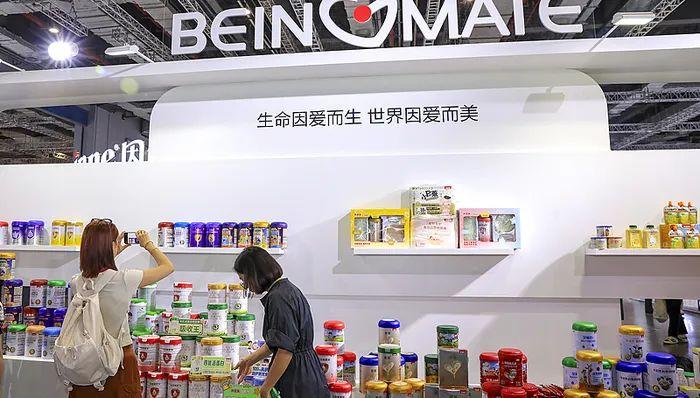
图 片来源:视觉中国 近日有媒体报道,多位家长在社交平台发帖称,奶粉、纸尿裤和辅食等母婴产品出现涨价,也包括贝因 美等品牌的部分产品。 对此,贝因美(002570.SZ)董秘8月5日在投资者关系平台上答复投资者问题时,对此回应。 有投资者提问,自从国家育儿补贴政策发布后,我关注到很多母婴产品出现了明显的涨价,我想问一下 涨价的原因是什么,产品涨价会对贵公司业绩产生实质影响么? 此前,据红星资本局报道,有多位家长向红星资本局列举称,贝因美、至初、babycare和帮宝适等品牌 的部分产品价格上浮,从10元到60元不等。 对于"涨价"传闻,8月3日,多家品牌电商旗舰店客服均表示,价格是因为不同时期促销政策活动不同, 并非刻意涨价。也有乳业分析师表示,母婴行业渠道分化严重,价格体系较混杂,大部分产品线上价格 比线下低出不少。 另外,因竞争激烈而呈现出"内卷"态势,自2020年下半年起,国产奶粉行业经历了长达四年的"价格 战",严重削弱了其高端溢价能力。 据贝因美发布的2024年年报显示,2024年公司全年实现营业总收入27.73亿元,同比增长9.70%;归属净 利润1.03亿元,同比增长116.92%;扣非净利润7 ...


育儿补贴还未领到,奶粉就涨价了?
3 6 Ke· 2025-08-05 05:55
Core Viewpoint - The newly announced national childcare subsidy policy allows eligible families to receive up to 3,600 yuan per child annually, which has led to increased consumer enthusiasm, but has coincided with rising prices of infant formula and related products online [1][6][11]. Price Changes in Infant Products - Many brands of infant formula have raised prices recently, with one brand's 810g formula increasing from 342 yuan to 359 yuan, resulting in an additional annual cost of 540 yuan for consumers [3][8]. - Price increases are not limited to infant formula; other baby-related products such as diapers and baby food have also seen price hikes, with some experiencing double-digit increases [3][8]. Online vs. Offline Pricing - Some brands attribute the price increases to the dynamic nature of e-commerce pricing, while offline prices remain stable due to long-term supply contracts with suppliers [4][8]. - A survey revealed that offline prices for these products are often lower than online prices, indicating a disparity in pricing strategies between channels [4][8]. Brand Responses to Price Increases - Several infant formula brands have denied any official price increases, stating that different promotional prices may apply at different times [6][9]. - Brands like Beiyinmei and Yili have claimed that while costs may have risen, their retail prices have not changed, suggesting a disconnect between consumer perceptions and brand communications [6][9]. Impact of Subsidy Policy on Pricing - The introduction of the childcare subsidy is expected to influence consumer behavior, potentially leading families to opt for higher-end products, thereby providing brands with an opportunity to raise prices [9][11]. - The subsidy, while seemingly modest at 300 yuan per month, could significantly impact purchasing decisions in the highly brand-dependent and inelastic baby product market [9][10]. Market Dynamics and Consumer Sentiment - The current price increases appear to be a strategic move by brands to adjust pricing structures following a period of intense price competition in the infant formula market [11][12]. - Although the price hikes have primarily been observed online, the timing of these increases in relation to the subsidy announcement has led to consumer dissatisfaction, as many have not yet received the benefits [11][13].

豪悦护理20250730
2025-08-05 03:20
Summary of Conference Call for Haoyue Care Industry Overview - The childcare subsidy policy, although limited to 3,600 yuan annually, is expected to positively impact birth rates across the country, particularly in populous provinces like Henan, Jiangsu, Zhejiang, Shanghai, and Guangdong, where there is a higher willingness among migrant populations to have newborns [2][3] - The competition in the baby diaper and sanitary napkin markets is intensifying, with new entrants such as internet celebrities and companies like Three Squirrels and Dongfang Zhenxuan increasing their presence, leading to a general rise in terminal sales expenses [2][5] Company Insights - The company has not observed a significant increase in newborn numbers in 2025, contrasting with the order pressure experienced in early 2024 [3] - The introduction of the new product "Jieting" has seen increased promotion on platforms like Douyin, achieving some sales but with a lower ROI conversion rate compared to the previous year due to heightened market competition [6][8] - The company has leveraged its supply chain advantages to ensure wood pulp supply and reduce costs, enabling the rapid launch of new products by the Sibao team [7] Product Development and Market Strategy - New products are focusing on material and process innovations, with higher gross margins and average prices compared to traditional products, leading to a significant increase in order volumes [4][14] - The company has invested heavily in marketing and promotional activities to attract consumers and institutions for product trials, while also updating and integrating production equipment to enhance efficiency [8][9] - The management structure post-acquisition of "Jieting" remains stable, with the original team continuing to oversee operations, ensuring continuity and stability in business operations [10] Financial Performance and Market Trends - The overseas business is expected to maintain good growth, particularly in markets like Thailand, Japan, India, Singapore, Vietnam, Canada, and the United States, with a notable increase in self-owned brand sales [11][12] - The company is focusing on offline sales, which still dominate despite the rise in online sales, and is implementing new strategies for product promotion in physical stores [15] Management and Operational Enhancements - Post-acquisition, the company has shifted its performance evaluation criteria to emphasize sales and market expansion rather than just net profit, aiming to enhance team motivation and overall performance [16]

“超级政策周”后的市场
2025-08-05 03:15
Summary of Key Points from Conference Call Records Industry Overview - The conference call discusses the impact of macroeconomic policies and data on various markets, particularly focusing on the U.S. economy and its implications for global markets, including China and the Hong Kong stock market [1][3][6]. Core Insights and Arguments 1. **U.S. Economic Growth**: The U.S. GDP data exceeded expectations primarily due to significant inventory accumulation in Q1, with actual economic growth slowing to approximately 1.5% [1][4][5]. 2. **Market Volatility**: Following the "super policy week," U.S. stocks, bonds, and the dollar experienced notable fluctuations, while Hong Kong and A-shares retraced gains [1][6]. 3. **Federal Reserve's Stance**: The Federal Reserve halted further rate cuts after Q4 last year, maintaining high interest rates, which indicates a need for policy support despite market misconceptions about inflation and rate cuts [1][9][10]. 4. **Non-Farm Payroll Data**: Recent non-farm payroll data showed a downward revision, raising concerns about statistical errors and potential recession risks, with a notable adjustment of 260,000 jobs, the largest since the pandemic [1][12][14]. 5. **Childcare Subsidy Policy**: The introduction of a monthly childcare subsidy of 300 yuan for children under three years old is expected to lower childcare costs and stimulate consumption, particularly benefiting domestic milk powder companies [2][43][44]. 6. **Impact on Consumer Behavior**: The subsidy is projected to increase consumer willingness to spend in lower-tier cities, with an estimated annual total of around 100 billion yuan [2][43]. 7. **Long-term Economic Policies**: The political bureau meeting emphasized maintaining policy continuity and stability, with a focus on enhancing fiscal policies to support economic growth [27][41]. Additional Important Content 1. **Sector-Specific Impacts**: The childcare subsidy is anticipated to directly benefit the demand for infant-related products, such as milk powder and diapers, positively affecting the valuation of the dairy industry [43][44]. 2. **Local Government Initiatives**: Local governments are implementing specific childcare policies that have shown to significantly boost birth rates, as seen in Tianmen City, where new birth rates increased by 17.5% due to substantial subsidies [46]. 3. **Investment Strategies**: Investors are advised to adopt a barbell strategy in asset allocation, focusing on sectors like new consumption and AI applications while being cautious of market exuberance [28][23]. 4. **Infrastructure Investment Outlook**: Infrastructure investment is expected to maintain around 10% growth, with potential fluctuations depending on the issuance and utilization of special bonds [40][41]. This summary encapsulates the key points discussed in the conference call, highlighting the economic landscape, policy implications, and sector-specific insights that could influence investment decisions.
A股三大指数开盘集体上涨,创业板指高开0.65%
Feng Huang Wang Cai Jing· 2025-08-05 01:41
Group 1 - A-shares opened collectively higher with the Shanghai Composite Index up 0.15%, Shenzhen Component Index up 0.34%, and ChiNext Index up 0.65% [1] - CPO, HBM, and Zhongbing system sectors showed significant gains [1] Group 2 - CITIC Securities interprets the recently issued "Implementation Plan for the Childcare Subsidy System" as a measure to support families in raising infants and toddlers, which may help improve birth rates [2] - The market showed cautious expectations regarding the effectiveness of the subsidy policy, with related sectors such as dairy, maternal and infant products, and toys experiencing initial gains followed by slight declines [2] Group 3 - Huatai Securities expresses optimism about the commercial real estate sector under a value reassessment logic, noting that leading operators' shopping center assets exceed their book value [3] - The C-REITs channel facilitates the realization of this value, enhancing liquidity and making valuations more meaningful [3] Group 4 - CICC highlights multiple macroeconomic factors supporting the performance of the Chinese stock market despite the need for improvement in economic indicators [4] - Confidence in China's medium to long-term economic outlook has improved since last year's fourth quarter, particularly due to positive effects from DeepSeek [4] - The declining proportion of real estate in the economy has reduced its negative impact, and policymakers are increasingly focused on the economy, stock market, and real estate market [4] - There is a rising motivation among residents to allocate to risk assets, especially equities, due to limited returns on safe assets [4] - Future policies addressing debt issues are crucial for enhancing economic vitality and capital market significance [4]

国家育儿补贴方案正式落地,母婴品牌如何迎战政策的风口?
Zhong Guo Chan Ye Jing Ji Xin Xi Wang· 2025-08-04 11:50
Group 1 - The national childcare subsidy plan will provide cash subsidies of 3,600 yuan per year for children under three years old, benefiting over 20 million families annually starting from January 1, 2025 [1] - The subsidy is expected to stimulate the expansion and growth of the maternal and infant consumption market, making maternal and infant stores a competitive battleground for brands [1] - The channel layout's penetration rate directly affects the brand's reach to consumers and the efficiency of product circulation, which in turn determines the brand's long-term competitiveness in the market [1] Group 2 - Simply expanding channel breadth is insufficient; empowering channels and fine management are crucial for maternal and infant brands [2] - The "Baby Festival" IP created by Hehe Group and its partners led to a 40% increase in new customers and a 27% increase in sales during the event [2] - Hehe Group initiated the "Maternal and Infant Nutrition Literacy Improvement Action," collaborating with over 500 maternal and child health institutions to conduct 3,000 health education activities [2] Group 3 - Short-term benefits from the subsidy may lead to explosive performance, but long-term commitment is essential for stable growth in a competitive market [3] - Hehe Group reported a 46.9% growth in infant formula sales in mainland China as of February 28, 2025, according to Nielsen [3] - The childcare subsidy policy is expected to serve as a litmus test for brand competitiveness in the rapidly evolving maternal and infant industry [3]
国家发放育儿补贴,为什么有的人“不领情”?
Hu Xiu· 2025-08-04 10:28
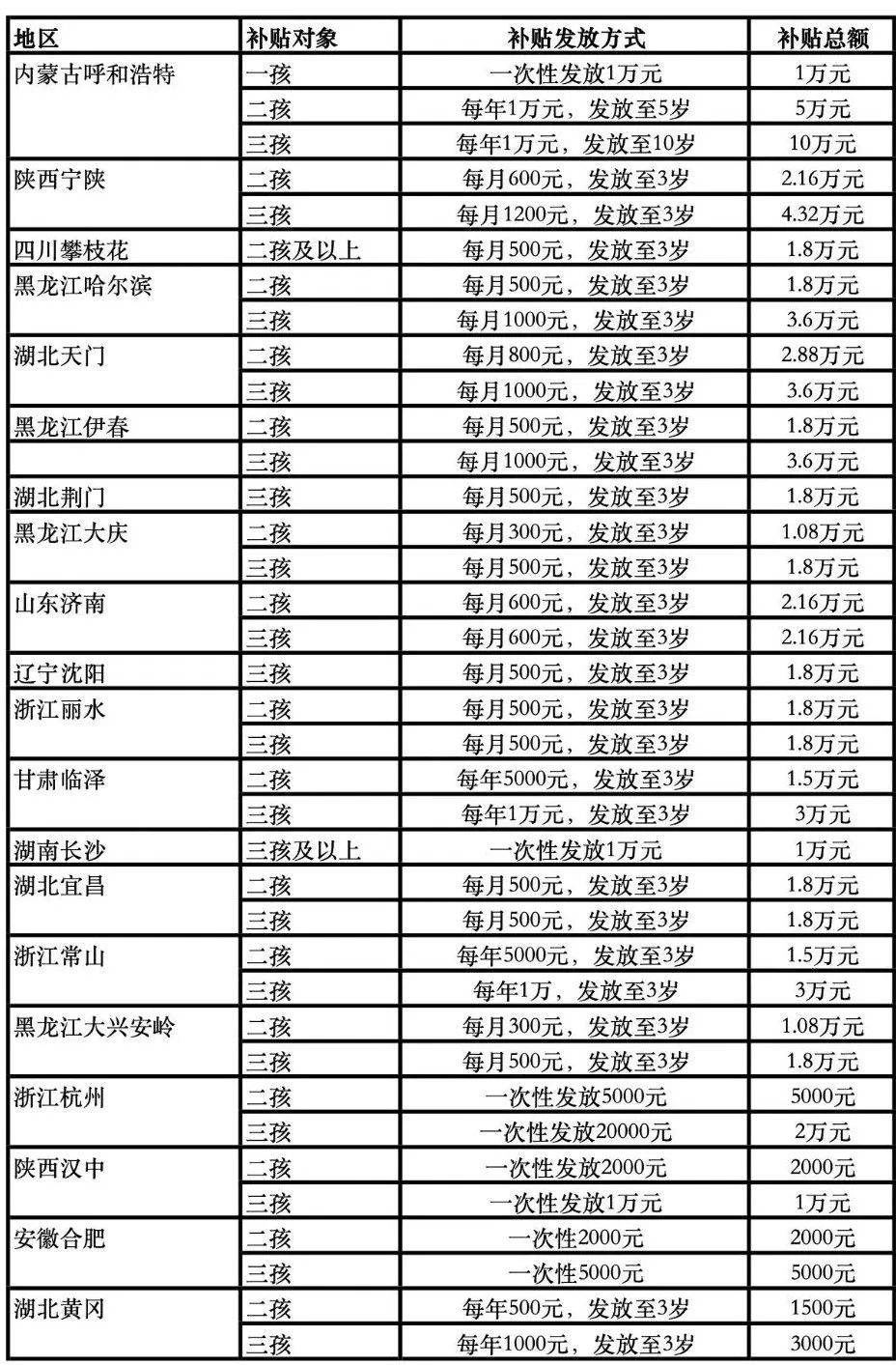
Core Points - The implementation of the "Childcare Subsidy System" has been officially announced, effective from January 1, 2025, providing subsidies for children under three years old [2][3] - The annual subsidy is set at 3,600 yuan per child, exempt from personal income tax, and will not be counted as income for social assistance evaluations [3][4] - The policy is seen as a significant step in addressing the declining birth rate and reflects the government's commitment to improving living standards [4][24] Group 1: Policy Details - The subsidy will be provided annually, totaling 10,800 yuan for a child from birth to three years old [2][3] - The policy is expected to benefit over 20 million infants annually, marking a shift towards universal cash subsidies for families [4][24] - The subsidy is part of a broader initiative to encourage childbirth and support families, aligning with the government's focus on population issues [24][25] Group 2: Public Reception and Expectations - Many individuals express dissatisfaction with the subsidy amount, arguing that 3,600 yuan per year is insufficient to raise a child [4][5] - Local governments have previously offered higher subsidies, leading to inflated public expectations regarding the national standard [6][7] - Examples of local subsidies include one-time payments of 10,000 yuan for the first child and monthly payments for subsequent children, which exceed the national standard [8][9][10] Group 3: Economic Implications - The policy has been framed by some media as a means to stimulate consumption and boost GDP, which may detract from its primary purpose of encouraging childbirth [28][30] - The average cost of raising a child in China is significantly higher than the proposed subsidy, raising questions about the adequacy of the financial support [29][30] - The focus on economic calculations may undermine the personal and familial nature of the decision to have children [30]
阳光乳业:目前没有婴幼儿乳粉及婴幼儿专用牛奶等产品
Zheng Quan Ri Bao Wang· 2025-08-04 09:20
Core Viewpoint - Sunshine Dairy (001318) currently does not offer infant formula or specialized milk products for infants, but has launched several products suitable for children's consumption, such as children's growth milk and premium nutritional milk [1] Group 1: Product Offerings - The company has introduced various products aimed at children's nutrition, responding to consumer habits where families gradually select appropriate milk products for their children [1] - Current offerings include children's growth milk and premium nutritional milk, which are designed to support children's development [1] Group 2: Market Impact - The introduction of childcare subsidy policies by the government is viewed positively, as it is expected to boost domestic consumption and enhance economic vitality [1]
最高10800元,育儿补贴谁能领,怎么领?| 十问十答
银行螺丝钉· 2025-08-04 04:01
2025年1月1日起,对3岁以下婴幼儿发放补贴,每个孩子每年3600元,发放到3岁。 这个补贴还是挺给力的。 文 | 银行螺丝钉 (转载请注明出处) 2025年 7月28日,国家推出了《育儿补贴制度实施方案》。 螺丝钉也成为了直接受益人。 因为去年 12月底,螺丝钉也添了宝宝。刚好用得上这个政策。 有朋友问,这项育儿补贴政策,哪些人可以领?能领多少?具体怎么领呢? 螺丝钉也汇总了大家关心的问题,基于目前了解到的情况进行了解答,方便大家享受到育儿补贴的国家福利~ Q1:哪些家庭能领育儿补贴 根据方案,补贴对象为从 2025年1月1日起,符合法律法规规定生育的 3周岁以下婴幼儿。 也就是说, 无论一孩、二孩、三孩,均可申领育儿补贴。 2025年1月1日前出生、不满3周岁的婴幼儿,也可享受政策,按应补贴月数折算计发补贴。 这是一项全国性的重要福利,预计每年惠及 2000多万个婴幼儿家庭。 Q2:宝宝2025年后出生,能领多少钱 育儿补贴按年发放,标准为每个孩子每年 3600元,至其年满3周岁。 对于 2025年1月1日及以后出生的孩子,可连续申领3年补贴,共计 10800元 。 Q3:宝宝2025年前出生,能领多少 ...

行业周报:白酒承压头部企业占优,生育政策与行业新机遇共振-20250803
KAIYUAN SECURITIES· 2025-08-03 07:51
Investment Rating - The industry investment rating is "Positive" (maintained) [1] Core Viewpoints - The white liquor industry is showing significant structural characteristics and phase pressure, with a notable trend of concentration among leading brands. The demand side is currently impacted by external policy shocks, particularly a new round of alcohol prohibition affecting both public and private consumption scenarios. However, there is potential for policy adjustments in the future. In the medium to long term, consumption is expected to concentrate on leading brands and high-cost performance products, with resilient companies likely to gain advantages during industry adjustments. Recommendations include seeking low-position investments in leading white liquor companies such as Kweichow Moutai, Shanxi Fenjiu, and Luzhou Laojiao [3][12][13]. Market Performance - From July 28 to August 1, the food and beverage index fell by 2.2%, ranking 16th among 28 first-level sub-industries, underperforming the CSI 300 by approximately 0.4 percentage points. Other food (+0.0%), meat products (-0.0%), and dairy products (-0.6%) performed relatively better [12][14]. Upstream Data - As of July 15, the GDT auction price for whole milk powder was $3,928 per ton, up 1.8% month-on-month and 25.0% year-on-year. The domestic fresh milk price was 3.0 yuan per kilogram as of July 24, down 0.3% month-on-month and down 5.9% year-on-year. The domestic milk price is expected to continue its downward trend in the short to medium term [19][22]. Recommendations - Recommended companies include: - Kweichow Moutai: Short-term demand pressure but focusing on sustainable development and increasing dividend rates. - Shanxi Fenjiu: Facing short-term demand pressure but with high mid-term growth certainty. - Ximai Food: Stable growth in the oat business with improving raw material costs. - Wancheng Group: Continuous expansion in the snack retail sector targeting young consumers. - Bairun Co.: Improvement trends in pre-mixed drinks and whiskey distribution [5][13].