货币政策调整

Search documents
大摩:2/3大盘股回撤已近10%,美股调整“已近尾声”
Hua Er Jie Jian Wen· 2025-11-25 03:59
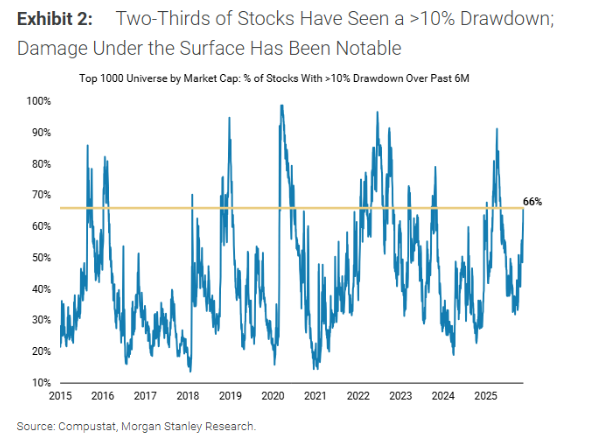
Core Viewpoint - Morgan Stanley believes that the short-term volatility in the U.S. stock market, driven by the Federal Reserve's monetary policy and liquidity tightening, presents a buying opportunity for bulls [1][25]. Market Analysis - Despite a modest 5% pullback in the S&P 500 index, two-thirds of the top 1000 companies have experienced declines exceeding 10%, indicating a significant internal market adjustment [1][4]. - The report highlights that momentum stocks peaked on October 15, coinciding with a notable rise in the Treasury General Account (TGA) due to government shutdown concerns [3][4]. - The S&P 500 index reached its peak on October 29, the same day the Fed signaled a hawkish stance during its meeting [3][4]. Sector Recommendations - Analysts maintain a bullish outlook for the next 12 months, particularly favoring sectors such as consumer goods, healthcare, finance, industrials, and small-cap stocks [3][25]. - The report suggests that the recent broad-based individual stock adjustments are a positive sign, indicating that the market correction is in its latter stages [7][25]. Liquidity Conditions - Morgan Stanley notes that high-momentum and speculative growth stocks are more sensitive to liquidity constraints, which have been tightening since mid-October [16][18]. - The report anticipates that liquidity conditions will improve as the government shutdown ends and the TGA balance decreases significantly in the coming weeks [18]. Employment Market Insights - Various alternative labor market indicators show signs of weakness, but not an accelerating trend, suggesting a gradual slowdown rather than a sharp decline [9][10]. - The upcoming official employment data release on December 16 may create uncertainty for the Fed's decision on interest rates, potentially leading to short-term market volatility [15][25]. Long-term Outlook - Morgan Stanley's 2026 outlook report presents contrarian views, suggesting that the market is in an "early cycle" phase, contrary to the prevailing belief of being in a "late cycle" [19]. - The firm projects a 17% earnings growth for Nasdaq-related companies by 2026, exceeding the consensus estimates [19][22]. - The report emphasizes that despite recent market pullbacks, the underlying fundamentals remain strong, supporting a positive outlook for small-cap stocks and non-essential consumer goods [23][25].

中国投资年会视频集锦:共议全球经济和市场下的中国机遇
野村集团· 2025-11-24 10:06
Core Viewpoint - The 17th Nomura China Investment Conference highlighted a shift in investor sentiment, with a focus on the resilience of the Chinese economy amidst global challenges and the significant role of AI in future growth [3][4]. Group 1: Market Dynamics - The global stock market is experiencing a robust recovery, driven by the technology sector, with China emerging as a key player [3]. - Despite concerns over US-China trade uncertainties, investments in AI are expected to propel future growth, with China playing a crucial role [4]. Group 2: Economic Outlook - China's economic growth is projected to slow to 4% in the coming quarters, with the government expected to implement measures to support growth [6]. - Long-term growth targets set by the government aim for 4.2% over the next decade, which poses significant challenges given the anticipated decline in export growth from an average of 8% to 3% [6]. Group 3: AI and Technology - Strong investments from major cloud service providers and AI clients are anticipated to drive robust growth in the global AI value chain over the next one to two years [7]. - China is building a self-sufficient AI supply chain, bolstered by domestic infrastructure such as chips and servers, and possesses strong advantages in algorithms and data [7]. Group 4: Monetary and Fiscal Policy - The market's focus is expected to shift towards fiscal stimulus policies, inflation trends, and support for the real estate market [8]. - Expectations for monetary easing, including interest rate cuts and liquidity injections, are likely to persist, indicating potential downward pressure on 2-3 year interest rates [9].

中信证券:12月1日美联储停止缩表后 美国资金市场压力或将进一步有所缓解
智通财经网· 2025-11-22 23:48
Core Viewpoints - The recent pressures in the US funding market were caused by the Federal Reserve's balance sheet reduction, the US Treasury's TGA fund replenishment, and seasonal fluctuations [2][5] - After experiencing liquidity tightening due to these factors, the funding market pressures have significantly eased, indicating that liquidity stress is now manageable [5][6] Funding Market Dynamics - The repo market indicators showed increased spreads during September and October due to month-end pressures and TGA fund replenishment, but these spreads have since decreased in November [3][5] - The increase in spreads between the secured overnight financing rate (SOFR) and the interest on reserves balance (IORB) reflected liquidity tightening, but current levels are still below those seen during the 2019 repo market crisis [3][5] Use of Liquidity Tools - Financial institutions had been using the Standing Repo Facility (SRF) more frequently during September and October due to liquidity pressures, but usage has declined significantly since the end of October [4][5] - The SRF is designed to support effective monetary policy implementation and stabilize short-term rates during liquidity stress [4] Future Outlook - The Federal Reserve's decision to end balance sheet reduction on December 1 is expected to further alleviate funding market pressures [6] - The Fed plans to reinvest proceeds from maturing mortgage-backed securities into short-term Treasury securities, which will help stabilize its balance sheet and mitigate liquidity risks [6]

美联储三巨头发声,华尔街迅速定价!
Sou Hu Cai Jing· 2025-11-22 17:33
Core Viewpoint - The remarks by John Williams, President of the New York Federal Reserve, have prompted the market to reassess the Federal Reserve's interest rate cut path, indicating potential adjustments in the near future [1] Group 1: Influence of Leadership - The Federal Reserve's power structure includes an informal "leadership troika" consisting of Chairman Jerome Powell, Vice Chairman Philip Jefferson, and John Williams, who has permanent voting rights on the FOMC [3] - The New York Fed plays a unique role in executing open market operations and managing a large balance sheet, maintaining close ties with Wall Street [3] Group 2: Timing of Remarks - Williams' comments come at a sensitive time when there are significant internal divisions within the FOMC regarding the appropriateness of current monetary policy [5] - Some officials believe the policy remains too tight and requires adjustment, while others are concerned about inflation and the necessity of further easing [5] Group 3: Market Reaction - Following Williams' remarks, the stock market reversed its earlier decline, with the Dow Jones surging over 700 points, and the two-year Treasury yield dropping by more than two basis points [7] - Krishna Guha from Evercore ISI noted that Williams' statement, while somewhat ambiguous, is interpreted as signaling a potential rate cut at the next meeting [7] Group 4: Diverging Opinions - Despite the optimism surrounding Williams' comments, there are dissenting voices within the Fed, such as Boston Fed President Susan Collins, who is hesitant about further cuts, and Dallas Fed President Lorie Logan, who questions the necessity of previous cuts [9] - Fed Governor Stephen Milan leans towards supporting a 25 basis point cut rather than the previously suggested 50 basis points [9] Group 5: Uncertain Outlook - The Federal Reserve faces challenges ahead, with inflation progress stalling and the unemployment rate rising from 4.3% to 4.4% [11] - Williams emphasized the need to achieve inflation targets without jeopardizing maximum employment [11] Group 6: Upcoming Meeting - The Federal Reserve's final policy meeting of the year is scheduled for December 9-10, with increasing internal disagreements making the balance between inflation and growth more delicate [13] - Observers are focused on upcoming economic data and further comments from Fed officials to gauge whether Williams' message reflects a consensus under Powell's leadership [13]
【环球财经】市场人气改善 纽约股市三大股指21日明显上涨
Xin Hua Cai Jing· 2025-11-22 01:46
Group 1: Market Performance - The New York stock market showed significant improvement in sentiment driven by macro data and expectations of Federal Reserve interest rate cuts, with all three major indices closing higher on November 21 [1] - The Dow Jones Industrial Average rose by 493.15 points to close at 46,245.41, an increase of 1.08%; the S&P 500 gained 64.23 points to finish at 6,602.99, up 0.98%; and the Nasdaq Composite increased by 195.035 points to close at 22,273.083, a rise of 0.88% [1] - All eleven sectors of the S&P 500 index experienced gains, with the communication services and healthcare sectors leading with increases of 2.15% and 2.11%, respectively [1] Group 2: Federal Reserve Insights - John Williams, President of the New York Federal Reserve, indicated that the soft job market poses a greater threat to the economy compared to rising inflation, suggesting that the Fed could continue to lower interest rates [1] - Williams stated that while monetary policy has become somewhat more accommodative, it remains in a moderately restrictive state, allowing for further adjustments to bring rates closer to neutral [1] Group 3: Economic Indicators - The FedWatch Tool indicated a significant increase in the market's expectation for a 25 basis point rate cut by the Federal Reserve in December, rising from 39.1% to 71.7% [2] - The preliminary data from S&P Global showed that the U.S. manufacturing PMI for November was 51.9, below the expected 52.3 and the revised 52.5 from October, marking a four-month low [2] - The services PMI for the same period was reported at 55, exceeding the revised 54.8 from October, representing a four-month high [2] - The final consumer confidence index for November was reported at 51, surpassing the expected 50.5 and the initial estimate of 50.3, but still lower than October's 53.6 [3]
刚刚!美联储,“救市”!
Zhong Guo Ji Jin Bao· 2025-11-21 14:49
(原标题:刚刚!美联储,"救市"!) 【导读】纽约联储主席约翰·威廉姆斯表示,鉴于劳动力市场疲软,他认为美联储在短期内仍有再次降 息的空间 中国基金报记者 泰勒 兄弟姐妹啊,全球资本市场风雨飘摇之际,美联储出手了。 纽约联储主席约翰·威 廉姆斯表示,美联储有可能在12月再次降息。 这位具有重要影响力的决策者在智利发表讲话时称,相 比通胀风险,他现在更担心劳动力市场面临的压力,这与联邦公开市场委员会(FOMC)中一些偏鸽派 成员的观点一致。 约翰·威廉姆斯被称为美联储"三号人物"。作为纽约联储主席,他同时担任联邦公开市场委员会负责制 定利率政策的副主席,拥有永久投票权,在美联储决策中具有重要影响力。 威廉姆斯称:"我认为当前货币政策仍然是温和偏紧的,不过相较于我们最近的行动之前,现在已经没 那么紧了。因此,我依然认为,在不久的将来还有进一步调整联邦基金利率目标区间的空间,把政策立 场拉近到中性利率区间,从而在实现我们两个目标之间维持平衡。" 威廉姆斯的表态表明,在美联储主席鲍威尔试图在高度分化的决策层中凝聚共识、为12月9日至10日的 会议做准备之际,再次降息依然是一个现实选项。 在10月连续第二次降息之后,多 ...
国际局势对黄金价格影响的深度剖析与展望
Sou Hu Cai Jing· 2025-11-15 06:57
Group 1 - Gold serves as a crucial asset in global financial markets, reflecting supply-demand dynamics and international geopolitical changes [1] - The study aims to reveal the intrinsic relationship between international situations and gold prices, analyzing the impact of various geopolitical events [2] - The research innovatively incorporates multiple factors such as geopolitical, economic, and monetary policy influences on gold prices [3] Group 2 - Gold's commodity attribute is linked to its industrial and jewelry demand, with supply from major gold-producing countries affecting its base price [4] - Gold's financial attribute positions it as a key investment asset and a hedge against risks, with significant increases in ETF holdings during crises [5] - Gold retains its monetary attribute as a recognized "hard currency," with central banks increasing their gold reserves to optimize foreign exchange structures [6] Group 3 - Political instability increases demand for gold as a safe-haven asset, with historical examples showing significant price spikes during geopolitical conflicts [7] - Economic changes, such as growth slowdowns or inflation, influence investor demand for gold, leading to price fluctuations [8] - Adjustments in monetary policy by central banks affect gold prices through changes in liquidity, interest rates, and currency values [9] Group 4 - Historical geopolitical events like the Gulf War and the Russia-Ukraine conflict demonstrate varying impacts on gold prices, with the latter showing prolonged effects due to multiple influencing factors [10][11] - Economic crises, such as the 2008 financial crisis, highlight gold's role as a safe-haven asset, with significant price increases during market turmoil [12] - The European debt crisis showcased gold's value as a non-euro asset, with price fluctuations driven by regional economic risks [13] Group 5 - The implementation of quantitative easing by the Federal Reserve post-2008 significantly boosted gold prices, illustrating the long-term effects of monetary policy [14] - Japan's negative interest rate policy provided a short-term uplift to gold prices, emphasizing the varying impacts of different monetary policies [15] - Recent geopolitical tensions, such as U.S.-China trade disputes and Brexit, have led to cyclical and event-driven fluctuations in gold prices [17][18]
生产成本远高于实际面值,美国停止铸造1美分硬币
Yang Zi Wan Bao Wang· 2025-11-13 12:51
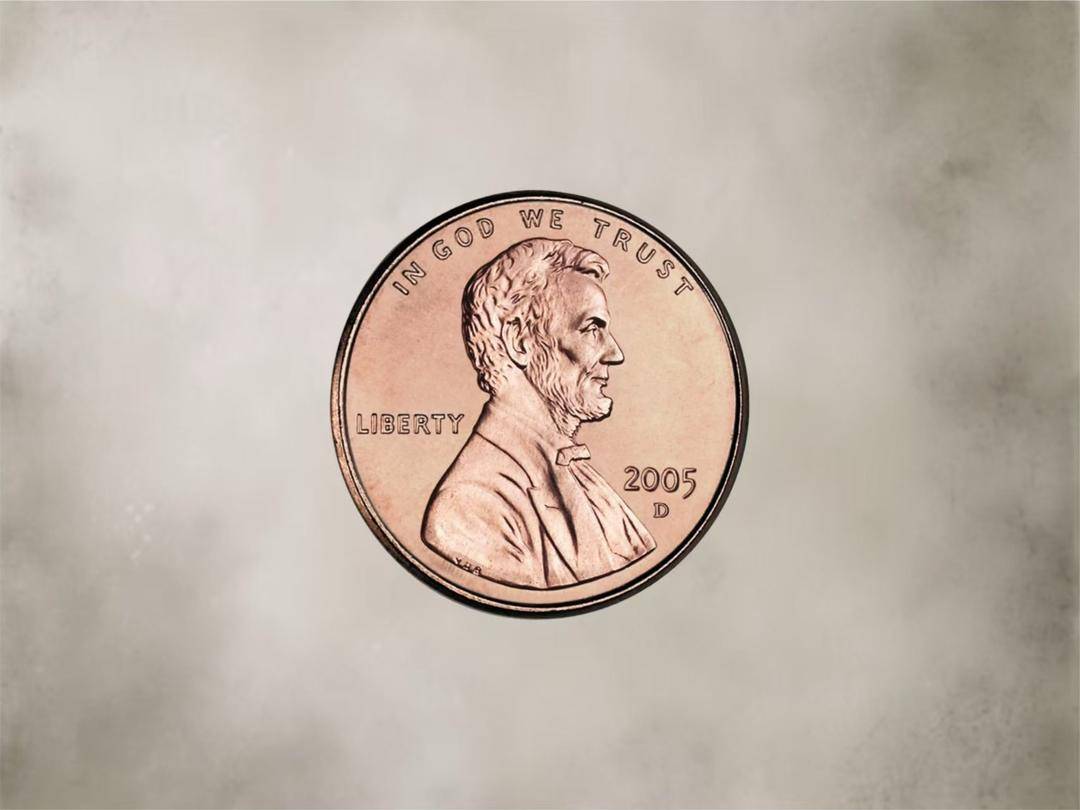
Core Points - The U.S. has completed the minting of the last batch of one-cent coins, marking the end of a 232-year history for the coin [1][3] - The decision to stop minting one-cent coins was driven by their production cost exceeding their face value, with each coin costing approximately 2.5 cents to produce [1][3] - The final batch of one-cent coins, totaling about 150 million, is expected to become popular collectibles, potentially increasing in value to 5-10 cents each [3] Summary by Sections Minting Decision - The minting of one-cent coins was officially halted following a directive from former President Donald Trump, aimed at saving taxpayer money and simplifying daily transactions [3] - The last batch of one-cent coins was minted in Philadelphia and will be used to replenish existing inventories without large-scale circulation [3] Economic Context - The production cost of one-cent coins is projected to exceed $800 million in 2024, significantly higher than their nominal value [1] - The rise of digital payments has led to a decrease in cash transactions, prompting many merchants to round prices to the nearest five cents [1] Historical Significance - This marks the first permanent cancellation of a circulating coin in the U.S. since the discontinuation of the half-cent coin in 1857 [1]
中国_央行三季度货币政策报告基调更趋中性;降息预期推迟一个季度-China_ PBOC Q3 monetary policy report adopts an even less dovish tone; pushing rate cut forecasts back by one quarter
2025-11-12 02:20
Summary of PBOC Q3 Monetary Policy Report Industry Overview - The report pertains to the monetary policy of the People's Bank of China (PBOC) and its implications for the Chinese economy. Key Points and Arguments 1. Monetary Policy Stance - The PBOC maintained a "moderately loose" policy stance in its Q3 report, but emphasized cross-cyclical adjustments, indicating a less dovish tone compared to the Q2 report [2][6] - The central bank signaled limited appetite for broad-based monetary easing, contrasting with previous assessments of China's growth outlook [2][6] 2. Constraints on Monetary Easing - Banks' net interest margins are identified as a major constraint on further monetary easing [2][6] - The PBOC highlighted the need to improve monetary policy transmission, particularly aligning banks' asset returns with funding costs [2][6] 3. Credit Policy - The PBOC downplayed the significance of slower loan growth, attributing it to a shift from indirect financing (bank loans) to direct financing (bond and equity issuance) [7] - The report suggests monitoring total social financing and money supply instead of focusing solely on loan growth as an economic indicator [7] 4. Interest Rate Management - The PBOC emphasized managing interest rate differentials for effective policy transmission, monitoring five categories including policy vs. market rates and banks' lending rates vs. liability costs [8] - This reflects the PBOC's approach to stabilize banks' net interest margins and maintain a relatively steep yield curve [8] 5. Exchange Rate Policy - The PBOC plans to maintain exchange rate flexibility, indicating less depreciation pressure on the CNY against the dollar [9][11] - The report promotes RMB internationalization, suggesting a policy preference for gradual CNY appreciation against the dollar [9][11] 6. Future Monetary Policy Forecast - The forecast for a "dual cut" (10bp policy rate cut and 50bp RRR cut) has been pushed back from Q4 2025 to Q1 2026, with a subsequent rate cut in Q2 2026 shifted to Q3 2026 [1][2] Additional Important Content - The report indicates a policy tilt towards financial stability over growth, suggesting a comprehensive macro-prudential management framework [6] - The PBOC's approach reflects a data-based methodology, focusing on executing existing policies rather than incremental easing [6] This summary encapsulates the critical insights from the PBOC's Q3 monetary policy report, highlighting the central bank's cautious approach amidst economic challenges.
布米普特拉北京投资基金管理有限公司:穆萨勒姆预测美国经济明年初强劲回升
Sou Hu Cai Jing· 2025-11-11 14:14
Core Viewpoint - The President of the St. Louis Federal Reserve, Alberto Musalem, predicts a significant rebound in the U.S. economy in the first quarter of next year, driven by several positive factors including the end of government shutdowns, gradual implementation of fiscal support measures, the effects of previous interest rate cuts, and a moderately relaxed regulatory environment [1] Economic Outlook - Musalem emphasizes that the anticipated economic activity boost is expected to accelerate growth [1] - He notes that the current monetary policy is nearing a level where it no longer exerts downward pressure on inflation, indicating limited room for further rate cuts without risking economic imbalance [3] Inflation Concerns - Musalem reaffirms a strong commitment to restoring the inflation rate to the 2% target, highlighting that approximately 40% of current inflation is driven by tariff factors [4] - He points out persistent challenges from rising service prices and increasing financial pressure on middle- and low-income households, evidenced by a rise in reliance on food assistance and utility bill aid [4] Employment Market - Despite a slowdown in labor conditions and a potential temporary rise in unemployment due to government shutdowns, Musalem expects overall employment to remain stable near "full employment" levels [5] - Concerns are raised regarding high asset valuations, with reference to the Federal Reserve's recent Financial Stability Report indicating that U.S. housing prices and financial markets remain elevated compared to historical standards [5] Policy Balance - Musalem's statements highlight the challenge faced by the Federal Reserve in balancing economic growth support with inflation control, suggesting that policymakers will need to carefully assess data to ensure decisions promote recovery while maintaining price stability [6]