门罗主义

Search documents
美国的霸权行径是对国际法的严峻挑战
Xin Lang Cai Jing· 2026-01-11 15:10
Group 1 - The core viewpoint of the articles highlights the illegality of the U.S. actions against Venezuelan President Maduro under international law, with experts asserting that such actions represent a severe challenge to international legal norms [1][2][5] - The U.S. justification for the "capture" of Maduro is based on not recognizing him as the legitimate president of Venezuela, which experts argue violates his sovereign immunity as a head of state [2][3] - The actions taken by the U.S. are seen as a dangerous precedent for military interventions and resource appropriation, indicating a shift towards a more aggressive and unilateral approach in international relations [3][4] Group 2 - The concept of "Monroe Doctrine" has evolved into what is termed "Trump Doctrine," emphasizing U.S. dominance in the Western Hemisphere and the right to intervene in Latin America to prevent foreign influence [4] - Experts warn that the U.S. actions could lead to the weaponization and fragmentation of international law, creating a scenario where legal principles are selectively applied to serve specific national interests [4][5] - The implications of these actions could severely undermine trust and cooperation within the international community, signaling a willingness to bypass international law for national gain [5]
“唐罗主义”可能更加危险
Xin Lang Cai Jing· 2026-01-11 15:08
Core Viewpoint - The article discusses the emergence of "Trumpism" as a term to describe the foreign policy of the Trump administration, particularly in relation to military actions in Venezuela and the broader implications for U.S. intervention in Latin America [1][5]. Group 1: Definition and Context - "Trumpism" is a term that combines "Monroe Doctrine" and Donald Trump's name, reflecting a shift in U.S. foreign policy [3]. - The Monroe Doctrine, established by President James Monroe in 1823, opposes European interference in the Americas and has historically justified U.S. expansion in the region [1][4]. Group 2: Policy Implications - The Trump administration has indicated a return to the Monroe Doctrine, aiming to restore U.S. dominance in the Western Hemisphere, which includes the Americas and Greenland [4]. - Recent military actions against Venezuela are seen as a violation of international law, aimed at reinforcing U.S. political influence in Latin America [5]. Group 3: Strategic Objectives - The military actions in Venezuela are framed as part of a strategy to support governments that serve U.S. economic interests in the region [5]. - Trump is leveraging domestic issues, such as drug control, to gain support from his political base, particularly the "Make America Great Again" group [5]. - There are concerns that "Trumpism" could escalate further, with Trump warning of potential military actions if Venezuela does not cooperate with U.S.-led transitional processes [5].

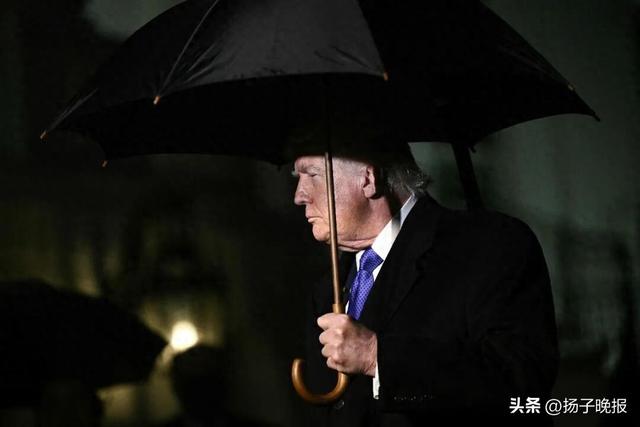
学者解读委内瑞拉事件:门罗主义的回归和变异丨晚点周末
晚点LatePost· 2026-01-11 15:02
Core Viewpoint - The article discusses the shift in U.S. foreign policy under President Trump, emphasizing a return to a 19th-century doctrine of American dominance in the Western Hemisphere, termed "Donroe Doctrine" [5][10][20]. Group 1: U.S. Foreign Policy and Monroe Doctrine - Trump's actions in Venezuela reflect a revival of the Monroe Doctrine, focusing on U.S. interests and power rather than promoting democracy [4][5]. - The U.S. military's approach to Venezuela involved a significant naval presence and legal preparations, indicating a strategic shift towards direct intervention [9][10]. - The new U.S. National Security Strategy prioritizes the Western Hemisphere, marking a clear focus on regional dominance [10][11]. Group 2: Economic and Political Implications - The U.S. aims to regain economic benefits from Latin America, viewing it as a critical area for resource extraction and geopolitical influence [12][14]. - Trump's policies are seen as a response to perceived threats from China and other global powers, aiming to consolidate U.S. control in the region [12][14]. - The potential for U.S. intervention in other regions, such as Greenland and Iran, is discussed, highlighting the broader implications of Trump's foreign policy [39][40]. Group 3: Impact on China and Latin America - The article suggests that Trump's "New Monroe Doctrine" could complicate China's growing influence in Latin America, as the U.S. seeks to limit Chinese investments [40][41]. - Despite U.S. efforts, China's role as a major trade partner for many Latin American countries remains significant, indicating a complex economic landscape [41][42]. - The potential for increased caution among Latin American nations in their dealings with China is noted, as they navigate U.S. pressures [41].
谁是下一个“委内瑞拉”?美国正在成为世界的“乱源”
Xin Lang Cai Jing· 2026-01-11 00:40
Core Viewpoint - The article highlights the alarming actions taken by the United States against Venezuela, marking a significant violation of international law and principles of sovereignty, which could destabilize the current international order [1][2][5]. Group 1: Violations of International Law - The U.S. military action against Venezuela is characterized as a blatant violation of international law, specifically undermining the principle of sovereign equality among nations [2][4]. - The U.S. has disregarded the principle of non-interference in domestic affairs and the prohibition of the use of force, which are fundamental tenets of international relations [4][5]. - The military operation against President Maduro is seen as a direct challenge to the judicial immunity that heads of state enjoy under international law [3][4]. Group 2: Impact on International Order - The actions taken by the U.S. are viewed as a significant threat to the post-war international order, signaling a return to a "might makes right" mentality [5][6]. - The military intervention is part of a broader strategy to reshape the international order based on U.S. dominance, undermining multilateral mechanisms and the authority of the United Nations [6][7]. - The U.S. approach is perceived as an attempt to reassert the Monroe Doctrine, treating Latin American countries as subordinate regions subject to U.S. control [6][7]. Group 3: Global Implications - The aggressive U.S. actions have opened a "Pandora's box" of global instability, threatening peace and development worldwide [7][8]. - If unchecked, the rise of hegemonic practices could lead to the collapse of the international legal framework established over decades, resulting in increased militarization among regional states [7][8]. - The article calls for international solidarity against such acts of state terrorism and advocates for a multilateral approach to uphold global governance [8].
谁是下一个“委内瑞拉”:美国正在成为世界的“乱源”
Xin Lang Cai Jing· 2026-01-10 19:31
Core Viewpoint - The recent military actions by the United States against Venezuela represent a significant violation of international law and principles of sovereign equality, marking a dangerous challenge to the existing international order [2][5][6]. Group 1: Violations of International Law - The U.S. military action against Venezuela is characterized as a blatant act of military aggression, undermining the principle of state sovereignty and violating the United Nations Charter [2][4]. - The U.S. has disregarded the principle of head of state immunity by forcibly detaining Venezuelan President Maduro and attempting to prosecute him in U.S. courts, which contravenes established international legal norms [3][4]. - The actions taken by the U.S. also breach the principles of non-intervention and the prohibition of the use of force in international relations [4][5]. Group 2: Impact on International Order - The military intervention signifies a regression of the post-World War II international order, threatening the sovereignty of nations in the Western Hemisphere and destabilizing regional peace [5][6]. - The U.S. actions reflect a resurgence of the Monroe Doctrine, aiming to establish a hierarchical regional hegemony based on unilateral U.S. power, undermining the authority of multilateral institutions like the United Nations [6][7]. - The aggressive stance of the U.S. has opened a "Pandora's box" of global unrest, signaling a potential collapse of the international legal framework established over decades [7][8]. Group 3: Call for International Unity - There is a pressing need for the international community to unite against hegemonic practices and uphold the principles of international law, advocating for multilateralism and a shared future for humanity [7][8].
特朗普的梦中情岛,藏了什么大宝贝?
虎嗅APP· 2026-01-10 13:26
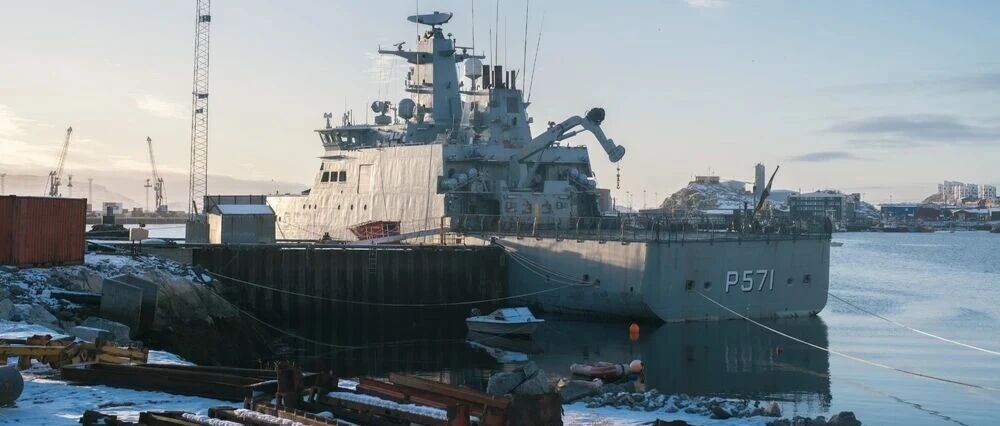
Core Viewpoint - The article discusses the strategic importance of Greenland in the context of U.S. foreign policy, particularly under the Trump administration, highlighting its potential as a resource-rich territory that the U.S. may seek to control or acquire [4][10][12]. Group 1: Strategic Importance of Greenland - Greenland is described as a "cake" worth pursuing due to its geographical position and semi-independent political status, which makes it an attractive target for U.S. interests [5][8]. - The island has a very small population of just over 50,000 people, and its governance is largely autonomous from Denmark, which limits Denmark's ability to defend it [8][9]. Group 2: Resource Potential - Greenland is rich in strategic resources, including rare earth elements, uranium, nickel, and zinc, which are crucial for U.S. industries and energy needs [14][17]. - The article notes that Greenland's known mineral deposits are extensive, with nearly 30 identified mining sites, and the potential for oil and gas resources offshore [17][19]. Group 3: Development Challenges - The development of Greenland's resources is hindered by extreme conditions, lack of infrastructure, and a short construction window, making it a challenging investment for private companies [20][21]. - The article suggests that while the upfront investment is significant and the return period is long, a strategic investment by a major power like the U.S. could be justified [20]. Group 4: Perspectives on U.S. Actions - There are differing opinions on whether the U.S. should pursue control over Greenland. Proponents argue it is essential for long-term supply chain security, while opponents warn of the geopolitical consequences of such actions, particularly regarding NATO relations [22]. - The article concludes that the future of Greenland's resources will depend on U.S. strategic decisions and the extent to which it integrates Greenland into its broader geopolitical framework [22].
强掳马杜罗震动加拿大:为何特朗普总想将其变成“第51州”?
Zhong Guo Xin Wen Wang· 2026-01-10 12:50
Group 1: Canada's Resources and Geography - Canada has proven oil reserves exceeding 160 billion barrels, accounting for 10% of global proven reserves, ranking third in the world after Venezuela and Saudi Arabia, with 97% of these reserves in oil sands [2] - Canada has the second-largest land area in the world, approximately 9.985 million square kilometers, second only to Russia [3] - Canada has the longest coastline globally, measuring 243,000 kilometers, significantly surpassing Indonesia, which ranks second [5] Group 2: Economic and Trade Relations - The U.S. is Canada's largest trading partner and export market, while Canada is the largest energy supplier to the U.S. [10] - In response to trade pressures from the Trump administration, Canada is accelerating its efforts to diversify its export markets, particularly in the forestry sector [7] Group 3: Political Context and Public Sentiment - The concept of "Monroe Doctrine" has evolved into "Trump Doctrine," suggesting a more aggressive U.S. stance towards intervention in the Americas, including Canada [8] - Canadian Prime Minister Mark Carney has firmly stated that Canada will never be for sale, with over 80% of Canadians opposing the idea of becoming the "51st state" of the U.S. [10]
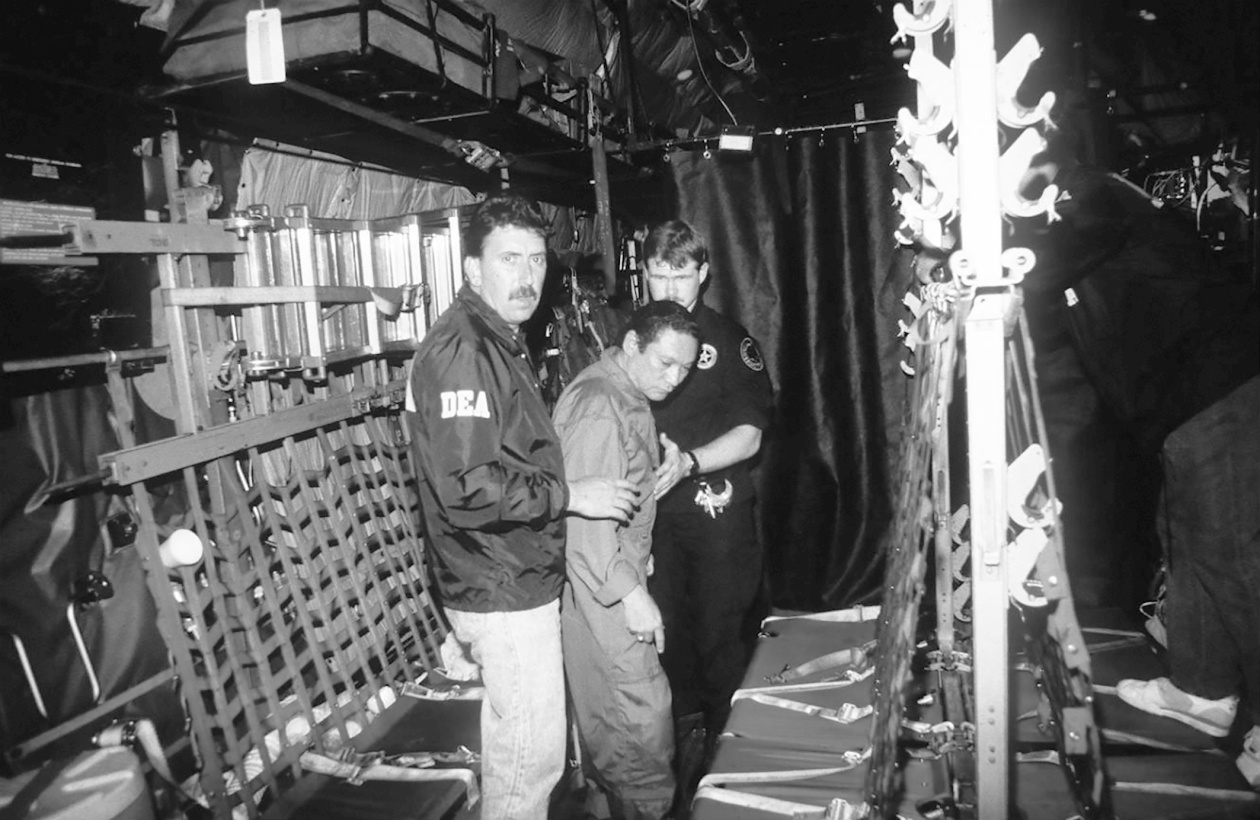
美国霸权的拉美棋局(上):1989年,美国出兵强抓巴拿马领导人
Huan Qiu Shi Bao· 2026-01-08 22:40
Core Viewpoint - The recent U.S. intervention in Venezuela, targeting President Maduro and his family, is seen as a resurgence of the Monroe Doctrine in the 21st century, reflecting America's historical pattern of intervention in Latin America for resource exploitation and political control [1]. Group 1: Historical Context - For over 200 years, the U.S. has adhered to the Monroe Doctrine, viewing Latin America as its "backyard" and frequently intervening through military actions and coups, causing significant harm to local populations [1]. - The U.S. military operation in Panama, named "Operation Just Cause," was launched on December 20, 1989, under the pretext of protecting citizens, combating drug trafficking, and restoring democratic elections [1][4]. Group 2: The Shift in Relations - Manuel Noriega, initially an ally of the U.S. during the Cold War, became an adversary as he adopted a more nationalistic stance regarding the Panama Canal and opposed U.S. military presence [2][4]. - The U.S. began to publicly distance itself from Noriega in 1988, leading to legal actions against him for drug trafficking and money laundering [4]. Group 3: Military Action - The military operation involved approximately 27,000 U.S. troops, making it one of the largest military actions in the Western Hemisphere since the Vietnam War, with coordinated efforts from all branches of the military [5]. - U.S. forces quickly targeted key locations in Panama, leading to the rapid collapse of the Panamanian defense forces within a week [5]. Group 4: Aftermath and Consequences - Noriega sought refuge in the Vatican embassy but eventually surrendered on January 3, 1990, leading to his extradition to the U.S. for trial [6][7]. - The military intervention resulted in significant destruction to Panama's infrastructure and economy, leading to increased unemployment and social instability [8]. - The U.S. actions faced widespread international condemnation, with the UN General Assembly passing a resolution deeming the military action a violation of Panama's sovereignty [9].
马杜罗的“百年孤独”
3 6 Ke· 2026-01-08 13:13
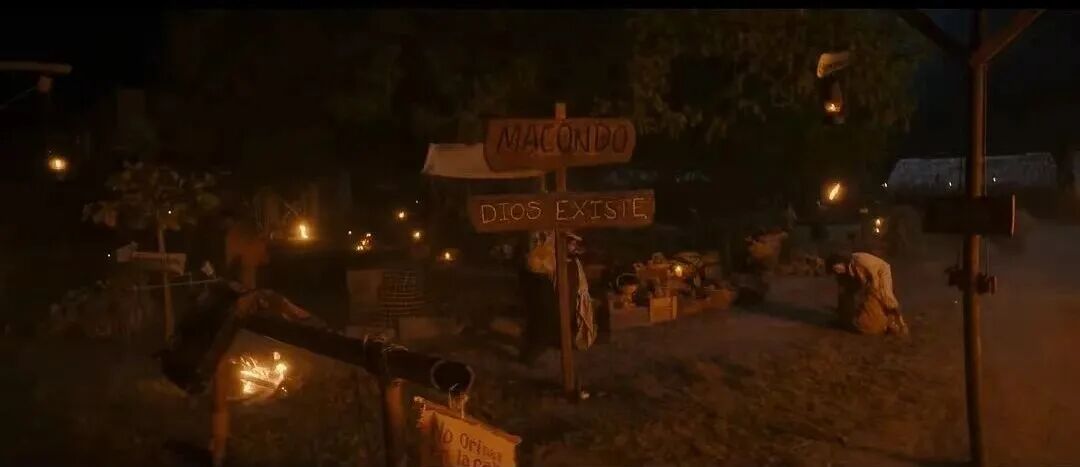
Core Viewpoint - The article draws a parallel between the fictional town of Macondo in Gabriel Garcia Marquez's "One Hundred Years of Solitude" and the real-life socio-political situation in Latin America, particularly focusing on Venezuela's current crisis and the historical cycles of isolation and struggle faced by the region [2][9][19]. Group 1: Historical Context of Latin America - Latin America has been historically isolated and marginalized from global civilization, a situation exacerbated by colonial practices that entrenched divisions and inequalities [4][12]. - The region's development has been characterized by cycles of upheaval and instability, often resulting from the concentration of wealth and power among a few landowners and military leaders, known as "caudillos" [12][14]. - The economic dependency on primary product exports has left Latin American countries vulnerable to external shocks, leading to repeated crises [13][14]. Group 2: Economic Policies and Their Consequences - The shift towards import substitution industrialization in the mid-20th century aimed to reduce dependency on foreign goods but ultimately led to inefficiencies and a reliance on foreign debt [15][16]. - The debt crisis of the 1980s marked a significant turning point, resulting in widespread economic turmoil and the so-called "lost decade" for many Latin American nations [17]. - The adoption of neoliberal reforms in the 1990s initially brought some economic stabilization but failed to create sustainable growth, leading to renewed economic challenges in the late 1990s and early 2000s [18][19]. Group 3: Current Political Landscape - Recent elections in Latin America, such as the rise of far-right leaders like Javier Milei in Argentina, signal a potential shift back to neoliberal policies reminiscent of the past [20][21]. - The ongoing crisis in Venezuela, marked by extreme poverty and hyperinflation, reflects the fragility of economic gains achieved during previous administrations [19][22]. - The article suggests that the cyclical nature of political and economic struggles in Latin America may lead to a repetition of past mistakes, emphasizing the need for unity and collective action to break the cycle of isolation and division [22][23].
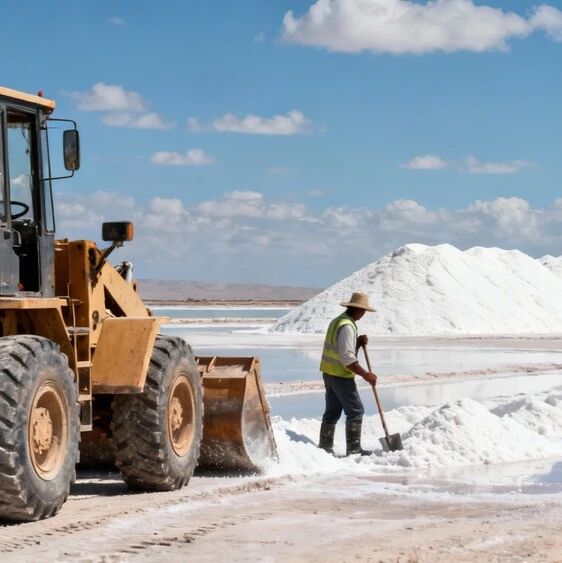
锂电大变局
虎嗅APP· 2026-01-08 09:39
Core Viewpoint - The article discusses the geopolitical implications of the U.S. interest in Venezuela's oil resources under the guise of anti-drug efforts, highlighting the potential shifts in global commodity pricing and supply chains due to U.S. actions in South America [4]. Group 1: Lithium Market Overview - South America, particularly the "Lithium Triangle" of Argentina, Chile, and Bolivia, holds over half of the world's lithium reserves, with Chile currently being the core producer [7]. - Argentina is expected to see a significant increase in lithium production, with projections of over 700,000 tons of lithium carbonate equivalent by 2030 [8]. - China's lithium carbonate imports heavily rely on South American salt lake lithium, with 49% of imports coming from Chile and 36% from Argentina as of November 2025 [10]. Group 2: Price Dynamics and Market Trends - The price of lithium carbonate has seen a remarkable recovery, stabilizing around 80,000 yuan/ton in October 2025 and peaking at over 120,000 yuan/ton by December, reflecting a doubling from mid-year lows [10]. - The supply-demand balance in the lithium market is tight, influenced by production cuts from upstream companies, which have led to a significant price increase [12]. - Major lithium producers have seen substantial stock price increases, with companies like Dazhong Mining and Cangge Mining rising over 200% in 2025 [12]. Group 3: Midstream and Downstream Implications - The demand for lithium battery materials is shifting from solely electric vehicles to a dual-driven model including energy storage, with energy storage demand growing rapidly [14]. - By the end of 2024, China's new energy storage capacity is projected to reach 84.53 million kilowatts, requiring a compound annual growth rate of 30% from 2025 to 2027 [17]. - The price of lithium hexafluorophosphate, a key component in battery electrolytes, surged to over 120,000 yuan/ton by November 2025, reflecting strong downstream demand [18]. Group 4: Competitive Landscape - Companies like CATL face challenges due to their lack of control over salt lake resources, which are crucial for lithium extraction, while competition intensifies with other players in the market [24]. - The relationship between battery manufacturers and automotive companies is becoming more complex, with competition heating up in the lithium iron phosphate segment [27]. - The upcoming changes in tax policies and subsidy structures for new energy vehicles are expected to impact sales and production strategies in the industry [28].