
合成生物学

Search documents
60 岁中国首位科创板女首富,30 年垄断全球 60% 市场
Sou Hu Cai Jing· 2025-06-05 08:59
Core Insights - Zhao Yan, known as the "Hyaluronic Acid Queen," has built a significant business empire and holds a crucial position in the capital market and industry [2] - The journey of Zhao Yan from a university assistant to a successful entrepreneur is marked by challenges and strategic decisions that led to her current success [2][3] Early Career and Initial Ventures - Zhao Yan was born in 1966 in Kunming, Yunnan, and showed exceptional academic talent, leading her to East China Normal University [2] - After graduating in 1986, she worked as a teaching assistant with a modest salary of less than 100 yuan per month [2] - In 1988, she left her stable job to pursue opportunities in Hainan, pooling 5,000 yuan with three other teachers to start a business [2][3] First Major Success - Zhao Yan discovered an opportunity with a joint venture factory in Hainan that had unsold refrigerators, which she and her partners repaired and sold, earning a profit of 800,000 yuan [3] - This initial success allowed them to invest in a clothing factory, which generated annual revenue of 1 million yuan [5] Real Estate Investments - Recognizing the potential in Hainan's real estate market, Zhao Yan used profits from the clothing business to acquire properties, leading to a wealth increase from 800,000 yuan to 2 million yuan [5] - She eventually sold her real estate holdings at the peak of the market, successfully avoiding the subsequent market crash [8] Expansion to Beijing and Real Estate Development - After relocating to Beijing, Zhao Yan founded Huaxi Group and developed significant projects, including Huaxia Bank Tower and Wukesong Sports Center, contributing to the company's total assets exceeding 80 billion yuan [9] Entry into Biopharmaceuticals - In the early 2000s, Zhao Yan invested in Shandong Furuida Biological Chemical Co., becoming the largest shareholder and later rebranding it as Huaxi Biological [11] - Under her leadership, the company became the world's largest producer of hyaluronic acid by 2007, expanding into medical aesthetics and functional skincare products [12] Product Diversification and Market Expansion - Huaxi Biological launched various medical aesthetic products, including hyaluronic acid fillers and functional skincare lines, achieving high market share and positive consumer reception [12][13] - In 2021, the company introduced functional foods like hyaluronic acid drinking water, capitalizing on the growing health-conscious consumer trend [15] Cultural and Social Contributions - Zhao Yan's leadership extended to cultural projects, such as the development of Wukesong Sports Center, which hosted major events like the 2008 Beijing Olympics [15] - The establishment of Huaxi International Era Art Museum has contributed significantly to the promotion of Chinese cultural and artistic endeavors [16] Future Outlook - Huaxi Biological stands at a new crossroads with a leading position in hyaluronic acid production, a growing skincare brand portfolio, and ambitious plans in synthetic biology [18] - Zhao Yan faces ongoing challenges in balancing marketing, technology, and corporate responsibilities as the leader of a public company [18]



AI设计人类增强子!超越天然增强子,短至50bp也能实现细胞特异性
生物世界· 2025-06-05 03:43
Core Viewpoint - The research conducted by Washington University and Altius Biomedical Science Institute successfully designed synthetic enhancers that are more efficient and simpler than natural enhancers, achieving unprecedented cell-type specificity in human cells through iterative deep learning technology [2][6]. Group 1: Research Challenges - Traditional enhancer discovery faces three major challenges: the vast number of candidate enhancers in the human genome, the lack of precision in existing enhancers that often activate multiple cell types, and the complexity of regulatory rules involving various transcription factor combinations and spatial arrangements [6]. Group 2: Research Methodology - The research team developed an iterative deep learning design system, which underwent two cycles of "design-experiment-optimize," starting from 29,891 natural enhancer MPRA activity data to train the model, resulting in the design of 1,037 synthetic enhancers [6]. - The model was refined using real measurement data of synthetic enhancers, reducing the training data volume by 30 times compared to previous generations, and introducing L2 regularization to prevent over-reliance on a single transcription factor [6]. - The second generation achieved a breakthrough with the design of 688 new enhancers, significantly increasing median expression levels in specific cell types, such as a 46.2-fold increase in HepG2 cells and a 6.7-fold increase in K562 cells [6][7]. Group 3: Research Highlights - The specificity of the deep learning-designed enhancers surpassed that of natural controls, and the sequence grammar used for synthetic enhancers was more compact than that of natural enhancers [8]. - Iterative retraining of synthetic enhancers led to designs with superior specificity, and the activity of synthetic enhancers was correlated with single-cell transcription factor expression [8]. Group 4: Applications - The research opens three major application directions: targeted gene therapy for liver cancer, customized tissue-specific enhancers for rare genetic diseases, and the construction of cell-type-specific biosensors in synthetic biology [10]. - This study marks a fundamental shift in the design paradigm of gene regulatory elements, moving from traditional methods to an AI-driven approach that significantly increases success rates [10].

专访江南大学饶志明教授,现代发酵引领大健康迈向“精准健康”科学境界
合成生物学与绿色生物制造· 2025-06-04 14:21
Core Viewpoint - Modern fermentation technology is revolutionizing various industries, including agriculture, medicine, energy, and materials, by integrating natural wisdom with technological advancements, leading to a new era of precision health science [1][3][9] Traditional Fermentation Technology - Traditional fermentation is a treasure of human wisdom, producing unique foods that reflect regional culture and history, such as Korean kimchi and Chinese soy sauce [3] - The essence of traditional fermentation lies in its naturalness and cultural heritage, but its artisanal production model struggles to meet modern demands for scalability and standardization [3][4] Modern Fermentation Technology - Modern fermentation technology emphasizes scientific and innovative approaches, utilizing synthetic biology and metabolic engineering to optimize microbial metabolic pathways, significantly enhancing production efficiency [4][6] - Techniques such as CRISPR and metabolic pathway design enable the creation of microbial cell factories that can produce high-value compounds like human milk oligosaccharides and heme for plant-based meat [5][6] Economic Impact and Sustainability - Modern fermentation technology is driving industries towards a "biomanufacturing closed loop," converting agricultural waste into energy and purifying industrial wastewater, thus forming a zero-carbon chain [6][7] - It is projected that by the end of the 21st century, biomanufacturing will account for one-third of global chemical production, potentially generating $30 trillion in economic value [7] Applications in Traditional Medicine - Modern fermentation technology offers new opportunities for the modernization of traditional Chinese medicine, such as significantly increasing the yield of artemisinin from 0.1% to 25 g/L through engineered yeast [7][8] - Fermentation can enhance the efficacy of traditional herbal medicines by converting inactive components into active ones and improving bioavailability, as seen with ginsenoside Rh2 [8] Future Prospects - The integration of artificial intelligence and big data into fermentation research is expected to accelerate development cycles and enhance production processes [5][9] - As modern fermentation technology continues to evolve, it is anticipated to transform the health industry, making concepts like "precision nutrition" and "sustainable health" a reality in daily life [9]
资本的风向变了?美妆融资额正逼近AI
阿尔法工场研究院· 2025-06-04 10:21
Core Insights - The beauty industry is increasingly leveraging technology, with significant investment activity observed in May, indicating a recovery in the financing market after a brief lull [2][3]. Investment Overview - In May, there were at least 63 disclosed financing events globally, with a total financing amount of approximately 21.9 billion RMB [2]. - The beauty sector accounted for 12 financing events, totaling 9 billion RMB, while the AI sector had 35 events totaling 9.9 billion RMB [3]. Financing Characteristics - Among the 12 beauty financing events, 2 were in skincare (17%), 3 in color cosmetics/fragrance/personal care (25%), and 7 in raw materials/manufacturers/R&D (58%) [4]. - Notably, seed and angel rounds comprised 38% of the total financing events, indicating a strong interest in innovative investment opportunities [3]. Major Acquisitions - A significant acquisition in May was the purchase of the skincare brand Rhode, founded by Hailey Bieber, by Elf Beauty for 1 billion USD (approximately 72 billion RMB) [7][9]. - Another notable transaction involved Shinsegae Group and Ascent Equity Partners acquiring a controlling stake in C&C International for 285 billion KRW (approximately 14.9 billion RMB) [9][10]. Emerging Trends - The beauty financing landscape shows a trend where leading companies are actively pursuing large-scale financing, with multiple 1 billion USD deals emerging [6]. - Companies with strong founder backgrounds are more likely to attract investment, as seen with PMD and its founder's extensive experience in the skincare industry [11][12]. Focus on Synthetic Biology - Synthetic biology companies are leading the beauty sector's financing in May, with several firms receiving significant investments, including a strategic partnership between L'Oréal and the company Weiming Shiguang [14]. - The trend indicates a sustained interest in innovative materials and technologies within the beauty industry [14]. New Consumption and E-commerce - In the new consumption and e-commerce sectors, 16 brands received financing, with a notable focus on short video and cross-border e-commerce services [21][22]. - The pet industry also saw significant investment, with companies like Paitexian Sheng and Guochong Blood receiving angel round financing [24][25].

50+,今年美妆融资又爆了
Xin Lang Cai Jing· 2025-06-04 06:50
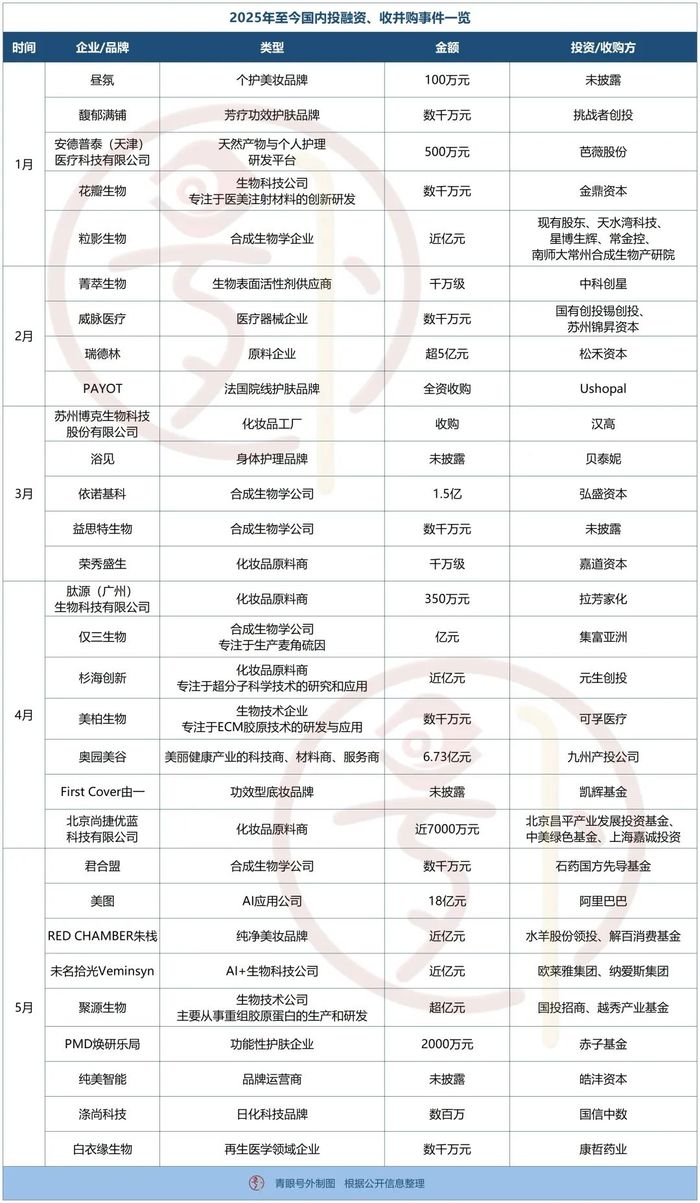
Core Insights - The beauty industry is experiencing a resurgence in investment, with a total of 12 financing rounds exceeding 100 million yuan reported recently, indicating renewed interest from capital [1][2] - Since the beginning of 2025, there have been 53 investment and M&A events in the cosmetics sector globally, with 30 occurring in China [2] Investment Trends - Domestic capital is increasingly focusing on upstream beauty companies, particularly those involved in "synthetic biology," which has become the most favored technology direction [2][5] - The trend shows a significant shift from traditional beauty brands to raw material companies, with nearly half of the investments directed towards raw material enterprises [5][6] Key Investment Events - Notable investments include: - Particle Biology, a synthetic biology company, received nearly 100 million yuan [3] - 聚源生物 (Juyuan Biotechnology) raised over 100 million yuan for recombinant collagen production [4] - 依诺基科 (InnoKey) secured 150 million yuan for synthetic biology applications [4] - The investment landscape is characterized by a focus on functional skincare brands, with companies like PMD焕研乐局 and First Cover由一 gaining traction [7][9] Emerging Technologies - Recombinant collagen is highlighted as a leading raw material, with companies like Particle Biology and 聚源生物 making significant advancements in this area [5] - The concept of ergothioneine is gaining attention, with companies like 仅三生物 focusing on high-purity production for antioxidant applications in cosmetics [6] - Synthetic biology is recognized as a key area for investment, with over 66% of raw material-related financing cases in 2024 focusing on this technology [6][7] Brand Development - The market for functional skincare products is expanding, with brands like 馥郁满铺 and PMD焕研乐局 leading the way in innovative product offerings [7][9] - New brands are exploring unique marketing strategies, such as the "mobile shared makeup machine" project launched by the brand 昼氛 [10] International Market Dynamics - International capital is increasingly flowing into the Indian market, with high-end skincare brands like Ras Luxury Skincare and Minimalist attracting significant investments [13][17] - The luxury perfume segment remains a focal point, with brands like Amouage and Borntostandout receiving attention from major investors [18][20] Technological Innovations - AI technology is becoming a prominent trend in the beauty industry, with companies like 美图 securing substantial funding for AI-driven solutions [21][22] - The concept of clean beauty is gaining traction, with brands like LYS Beauty and RED CHAMBER朱栈 receiving capital support, reflecting a shift towards sustainability [23]
投资4000万!微元合成绿色生物制造二期健康糖项目(柔性生产阿洛酮糖和甘露糖醇)
合成生物学与绿色生物制造· 2025-06-03 12:36
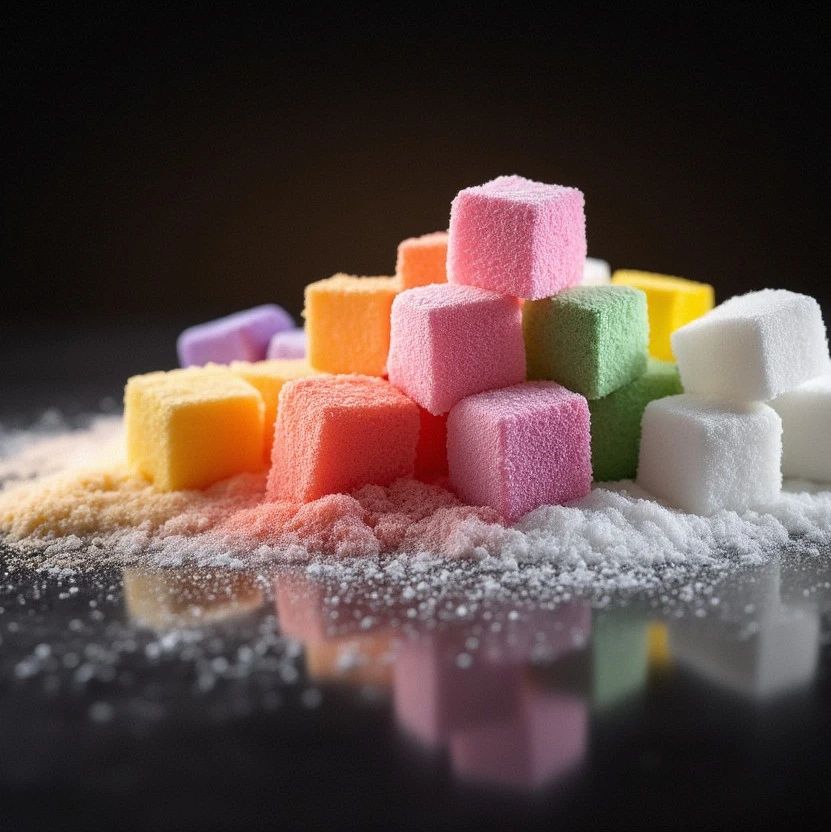
Project Overview - The project is named "Micro Yuan Synthesis Green Biological Manufacturing Phase II Health Sugar Project" with an investment of 40 million yuan [2] - The project aims to produce 2,000 tons annually of alitame and mannitol, utilizing existing fermentation and public utility equipment along with new membrane separation, ion exchange, concentration, crystallization, and drying equipment [2] - Alitame is a new low-calorie sweetener with various physiological benefits, while mannitol is widely used in pharmaceuticals, food, and chemicals as a sweetener, humectant, and excipient [2] Ongoing Projects - The "Micro Yuan Synthesis Green Biological Manufacturing Phase II Project" employs biological extraction technology to produce bilirubin from a fermentation process using glucose, citric acid, and other components, with an expected annual production of 5 tons of bilirubin upon completion [3] Company Background - Micro Yuan Synthesis Biotechnology (Qinhuangdao) Co., Ltd. is a wholly-owned subsidiary of Micro Yuan Synthesis Biotechnology (Beijing) Co., Ltd., established in May 2022 and located in the Qinhuangdao High-tech Industrial Development Zone [4] - The company focuses on innovation and industrialization in synthetic biology technology, providing bio-based raw materials and solutions for various industries including pharmaceuticals, daily chemicals, agriculture, food, feed, and materials [4]
福瑞达生物股份这一新原料即将“起飞”!
FBeauty未来迹· 2025-06-03 11:21
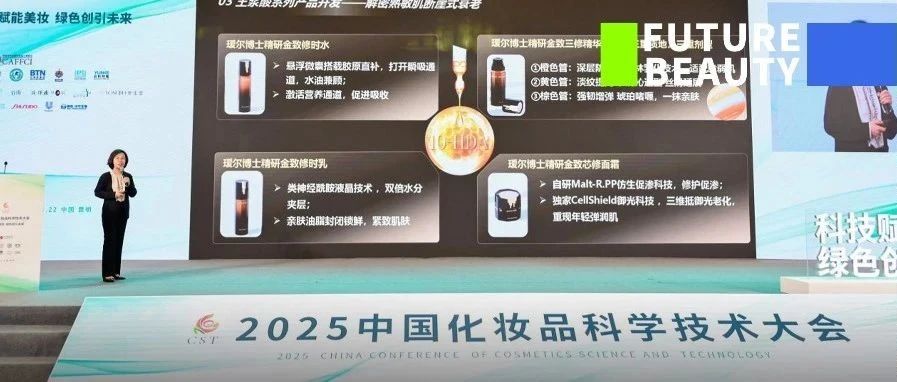
Core Viewpoint - The Chinese cosmetics industry is undergoing a high-quality transformation driven by "ingredients," with a focus on the active ingredient "10-Hydroxy-2-Decenoic Acid" (commonly known as Royal Jelly Acid) emerging as a significant innovation following Hyaluronic Acid [2][3]. Group 1: Research and Development Progress - On May 21-23, 2025, Furuida Bio Co., Ltd. publicly disclosed important research advancements regarding Royal Jelly Acid, showcasing a comprehensive approach from "synthesis process to efficacy research to application" [4][6]. - Royal Jelly Acid, a unique unsaturated fatty acid found in royal jelly, is considered a core indicator of royal jelly quality, with a content of only 1.4-2.4% [4][6]. - Furuida Bio has achieved breakthroughs in synthesizing Royal Jelly Acid through collaboration with Qilu University of Technology, resulting in high-yield production methods [6][10]. Group 2: Application and Market Potential - The successful development of Royal Jelly Acid not only breaks technical barriers but also enhances brand recognition, positioning it as a new key ingredient in China's raw material library [2][4]. - Furuida Bio's research has led to the discovery of Royal Jelly Acid's skin barrier protection and anti-aging effects, with the ingredient officially registered as a new cosmetic raw material in July 2024 [6][10]. - The upcoming launch of the "Jingyan Jinzhi" product line, featuring Royal Jelly Acid, is set for June 2025, indicating the ingredient's entry into the cosmetics market [22][24]. Group 3: Industry Implications - The transition from Hyaluronic Acid to Royal Jelly Acid reflects a collective awakening among domestic brands regarding ingredient development and value return [27][32]. - The competition for key active ingredients in the global cosmetics market has evolved into a "technology chip war," where mastery of core raw materials and innovative applications determines market leadership [28][29]. - The successful industrialization of Royal Jelly Acid represents a significant shift in the Chinese cosmetics industry's approach to ingredient science, emphasizing the importance of independent research and development [31][32].

第三届6.3透明质酸健康日 华熙生物持续推动中国透明质酸产业的升级与发展
Huan Qiu Wang· 2025-06-03 10:10
为了增进公众对透明质酸的了解,并推动中国透明质酸产业的升级与发展,华熙生物在2023年首届中国(济南)透明质酸产业大会上联合多家行业单位,倡 议将每年的6月3日设立为"透明质酸健康日"。 从 " 标准制定 " 到 " 国际话语权构建 " 改写行业规则的中国力量 "透明质酸健康日"的倡导设立,背后藏着华熙生物在透明质酸产业领域的绝对话语权,同时也印证着华熙生物在透明质酸领域所取得的诸多突破性成就。 作为透明质酸行业龙头,华熙生物主导修订了欧洲药典、中国药典相关标准,并推动 5 项国家标准落地。2024年7月1日,由华熙生物主导修订的QB/T 4576- 2023《透明质酸钠》行业标准正式实施。这一新版标准取代了原有的QB/T 4576-2013版本,正式将"透明质酸"、"玻尿酸"等商品化名称纳入标准文件。作为 新标准的第一起草单位,华熙生物全程深度参与了该标准的立项、起草和验证的全过程。公司不仅修订了多项技术指标,更推动了专利技术——"高效液相 色谱法"(专利号:ZL201110202860.X)作为测定透明质酸钠含量的方法,首次被纳入行业标准。此项技术的标准化,进一步为透明质酸钠含量的量化测定 提供科学的操作 ...
华安研究:华安研究2025年6月金股组合
Huaan Securities· 2025-06-03 05:14
The provided content does not contain any quantitative models or factors, nor does it include any related construction processes, formulas, or backtesting results. The document primarily focuses on company-specific financial performance, industry outlooks, and investment rationales for various stocks. There are no references to quantitative analysis, factor construction, or model testing within the text.





亿帆医药20250602
2025-06-02 15:44
Summary of the Earnings Call for Yifan Pharmaceutical Company Overview - **Company**: Yifan Pharmaceutical - **Key Product**: Yili Shu (Recombinant Human Follicle Stimulating Hormone-Fc Fusion Protein Injection) Industry Insights - **Market Dynamics**: The domestic market for Yili Shu has seen significant growth after entering the medical insurance system, with sales expected to double in 2025 compared to 2024, driven primarily by the domestic market [2][3] - **International Market**: In the U.S., Yili Shu is promoted by Acrotech, with initial orders indicating a shipment volume of over 40,000 units in 2025, which is double the original expectations [2][4] Financial Performance - **Cash Flow**: Yifan Pharmaceutical maintained a net operating cash flow of over 500 million yuan in 2024, despite slightly lower-than-expected performance [2][6] - **Sales Projections**: The company anticipates a significant increase in sales for Yili Shu, with a projected shipment volume of 270,000 units in 2024 and over 500 million yuan in net sales [2][3] Product Development and Strategy - **New Product Launches**: The company plans to launch new products, including synthetic biology applications, in Q4 2025, aiming to reduce production costs by at least 50% [4][12] - **Sales Model Transition**: Yifan Pharmaceutical is considering shifting from a distribution model to a direct sales model for certain products, which could enhance market share over the next few years [18] Market Challenges and Opportunities - **Sales Strategy Adjustments**: The sales of Dinggan Cross-linked Sodium Hyaluronate (Yili Kang) fell short of expectations in 2024, but a significant increase in shipments is anticipated in 2025 [16][17] - **Competitive Landscape**: The company has a favorable window to establish market strategies as long-acting products are limited in the market for the next few years [19] Collaborations and Partnerships - **Aptech Collaboration**: Yifan has signed an agreement with Aptech, which is optimistic about the on-body device development, potentially increasing market share in the U.S. [8][9] - **Milestone Payments**: The company expects to receive approximately $2 million in milestone payments upon the U.S. market launch of Yili Shu, with additional payments tied to sales milestones [9] Future Outlook - **Growth Projections**: The company is optimistic about achieving over 3 billion yuan in sales and over 300 million yuan in net profit if market expectations are met [27] - **R&D Pipeline**: Yifan is advancing several early-stage R&D products, including a first-in-class product and interleukin therapies, with potential IND applications in 2025 [26] Conclusion - **Overall Sentiment**: Yifan Pharmaceutical is positioned for growth with a strong focus on product launches, market expansion, and strategic partnerships, while navigating challenges in sales and market competition [28]